Moist Blueberry Sheet Cake Recipe
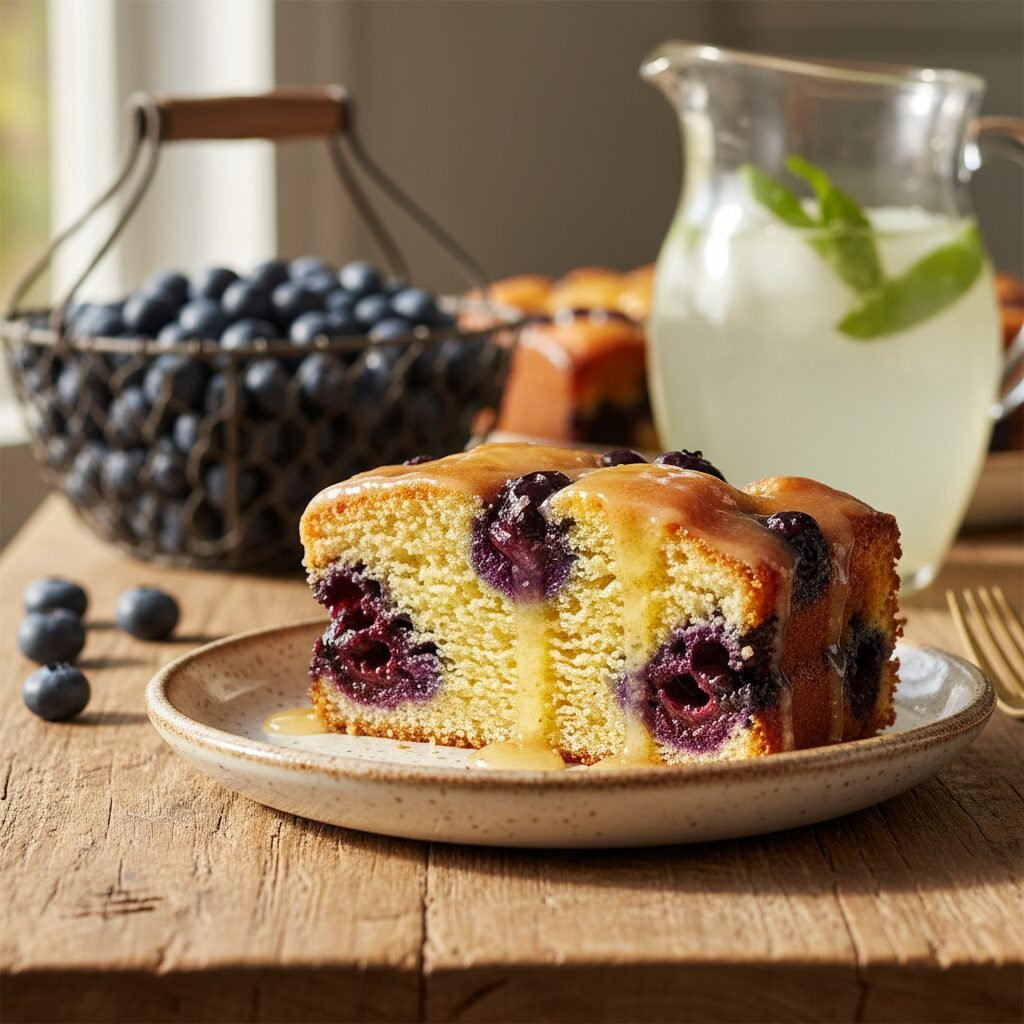
Bursting with juicy blueberries and brightened with fresh lemon zest, this Moist Blueberry Sheet Cake is the quintessential crowd-pleaser. It comes together quickly in a single pan, offering a tender crumb and a perfect balance of sweet and tart flavors that make it ideal for summer picnics or cozy weekend baking.
20 minutes
35 minutes
55 minutes
12-15 servings
Dessert
Baking
American
Vegetarian
There is something undeniably comforting about a sheet cake. Unlike their towering, multi-layered cousins that require meticulous frosting and structural engineering, the sheet cake is humble, accessible, and deeply satisfying. This Moist Blueberry Sheet Cake is a celebration of simplicity and flavor, designed for the home baker who craves a high-reward dessert with minimal fuss. Imagine a cake that is incredibly soft, almost velvety in texture, studded with pockets of jammy, bursting blueberries that stain the crumb with beautiful violet hues. The addition of sour cream ensures the batter remains rich and moist for days, while a hint of lemon zest cuts through the sweetness, providing a sunny lift that wakes up the palate.
This recipe was born out of the need for a reliable, transportable dessert that doesn’t sacrifice quality for convenience. Whether you are heading to a neighborhood potluck, hosting a backyard barbecue, or simply looking for a sweet treat to enjoy with your morning coffee, this cake fits the bill perfectly. It captures the essence of summer baking—fruit-forward, buttery, and effortless. We top it off with a simple lemon glaze that crackles slightly as it sets, adding a sugary crunch that contrasts beautifully with the tender sponge beneath. In this guide, we will walk you through the science of keeping fruit suspended in batter, the importance of ingredient temperatures, and how to achieve that elusive, melt-in-your-mouth texture every single time.
History & Origins
The sheet cake, a staple of American baking, has roots that run deep into the mid-20th century, evolving alongside the rise of suburban culture and the popularity of the 9×13-inch baking pan. Historically, these cakes were often referred to as ‘sheath cakes,’ a term likely derived from the fact that they were baked in a sheath-like pan, though the name eventually morphed into the more descriptive ‘sheet cake’ we use today. In the Southern United States, the Texas Sheet Cake—typically chocolate—reigns supreme, but fruit-based variations have always held a special place in the lexicon of American desserts, particularly in regions where berry picking is a seasonal tradition.
Blueberries themselves are native to North America and have been harvested by Indigenous peoples for centuries, long before European settlers arrived. They were originally used in pemmican and puddings. As baking powder became commercially available in the mid-1800s, lighter, fluffier cakes became possible, moving away from dense, yeast-leavened breads. By the post-war era of the 1950s, community cookbooks were filled with recipes for ‘snack cakes’ and ‘coffee cakes’ that utilized fresh, seasonal fruit. This specific Blueberry Sheet Cake is a modern descendant of those mid-century coffee cakes, refined with modern techniques to ensure moisture and flavor stability. It represents the democratization of dessert—a cake that requires no special decoration skills, meant to be sliced right in the pan and shared communally, reinforcing the social bonds of family and friendship.
Why This Recipe Works
This recipe succeeds where many others fail due to a carefully calibrated balance of fat, acidity, and flour. First and foremost, the inclusion of full-fat sour cream is the secret weapon. Sour cream is acidic, which tenderizes the gluten strands in the flour, resulting in a crumb that is soft rather than chewy. Furthermore, the high fat content adds richness that milk alone cannot provide, ensuring the cake stays moist long after it has cooled. We also use a specific method for incorporating the blueberries: tossing them in a small amount of flour before folding them into the batter. This friction prevents the heavy fruit from sinking to the bottom of the pan, ensuring an even distribution of berries in every bite.
Another reason this recipe works is the use of both butter and oil (or just a high-fat dairy component like sour cream alongside butter). While butter provides that unmistakable flavor, the sour cream mimics the function of oil by keeping the cake tender at room temperature. The lemon glaze is not just a garnish; it acts as a seal, locking in moisture while providing a high-contrast acidity that balances the sugar. Finally, baking this in a metal 9×13 pan rather than glass conducts heat more efficiently, helping the cake rise evenly and develop a golden-brown crust without drying out the edges before the center is cooked.
Why You’ll Love This Recipe
- ✓Incredibly moist texture thanks to sour cream and butter.
- ✓Bursting with fresh (or frozen) blueberries in every bite.
- ✓Easy one-pan preparation with no complex layering required.
- ✓Bright lemon glaze adds a zesty finish.
- ✓Perfect for feeding a crowd at potlucks or picnics.
- ✓Stays fresh and tender for days at room temperature.
Equipment You’ll Need
- ✓9×13 inch baking pan
- ✓Stand mixer or electric hand mixer
- ✓Large mixing bowl
- ✓Medium mixing bowl
- ✓Whisk
- ✓Rubber spatula
- ✓Zester/Microplane
- ✓Measuring cups and spoons
- ✓Wire cooling rack
Ingredients
- ✓2 1/2 cups all-purpose flour, divided
- ✓2 teaspoons baking powder
- ✓1/2 teaspoon salt
- ✓1/2 cup unsalted butter, softened to room temperature
- ✓1 1/4 cups granulated sugar
- ✓2 large eggs, room temperature
- ✓1 teaspoon pure vanilla extract
- ✓1/2 cup full-fat sour cream, room temperature
- ✓1/2 cup whole milk, room temperature
- ✓Zest of 1 lemon
- ✓2 cups fresh blueberries (rinsed and dried)
- ✓For the Glaze: 1 1/2 cups powdered sugar
- ✓For the Glaze: 2-3 tablespoons fresh lemon juice
- ✓For the Glaze: 1 tablespoon heavy cream or milk (optional for creaminess)
Instructions
- Preheat your oven to 350°F (175°C). Grease a 9×13 inch baking pan generously with butter or non-stick cooking spray. You can also line it with parchment paper for easier removal.
- In a medium bowl, whisk together 2 1/4 cups of the flour, baking powder, and salt until well combined. Set aside.
- In a small bowl, toss the blueberries with the remaining 1/4 cup of flour. This coating helps suspend the berries in the batter during baking.
- In a large bowl or the bowl of a stand mixer fitted with the paddle attachment, cream the softened butter and granulated sugar together on medium-high speed for about 3-4 minutes, until the mixture is pale, fluffy, and light.
- Add the eggs one at a time, beating well after each addition. Scrape down the sides of the bowl. Mix in the vanilla extract and lemon zest.
- Reduce the mixer speed to low. Add about one-third of the flour mixture to the butter mixture, followed by half of the sour cream and half of the milk. Mix just until combined.
- Repeat with another third of the flour, the remaining sour cream and milk, and finally the last of the flour. Do not overmix; stop when streaks of flour disappear.
- Remove the bowl from the mixer. Using a rubber spatula, gently fold the flour-coated blueberries into the batter by hand. Be careful not to crush the berries.
- Pour the batter into the prepared baking pan and spread it into an even layer, ensuring it reaches the corners.
- Bake for 30-40 minutes, or until a toothpick inserted into the center comes out clean or with just a few moist crumbs attached. The top should be golden brown.
- Remove the cake from the oven and place the pan on a wire rack to cool completely before glazing.
- To make the glaze, whisk together the powdered sugar and fresh lemon juice (and cream if using) until smooth. Adjust consistency by adding more sugar to thicken or juice to thin.
- Drizzle the glaze over the cooled cake. Let it set for 15 minutes before slicing and serving.
Expert Cooking Tips
- ✓Room Temperature Ingredients: Ensure your butter, eggs, sour cream, and milk are all at room temperature. This creates a smoother emulsion that traps air better, leading to a fluffier cake.
- ✓Don’t Overmix: Once the flour is added, mix gently. Overworking the gluten will result in a tough, rubbery cake rather than a tender one.
- ✓Dry Berries: If using fresh berries, wash and dry them thoroughly. Excess water can alter the batter consistency and cause soggy pockets.
- ✓Zesting Tip: Zest the lemon directly into the sugar before creaming it with the butter. The friction releases the lemon oils into the sugar for a more intense flavor.
- ✓Testing Doneness: Check the cake at the 30-minute mark. Ovens vary, and you want to avoid drying it out. A few moist crumbs on the toothpick is perfect.
Substitutions and Variations
This recipe is quite adaptable. If you do not have sour cream, full-fat Greek yogurt is an excellent 1:1 substitute that provides similar acidity and richness. You can also use buttermilk, though the batter may be slightly thinner. For the fruit, while blueberries are the star, this base works beautifully with raspberries, blackberries, or chopped strawberries. If fresh berries are out of season, frozen blueberries work perfectly fine—do not thaw them before using, as this will cause the color to bleed into the batter, turning your cake gray. Just toss them in flour while frozen and add a few minutes to the baking time. To make this gluten-free, substitute the all-purpose flour with a high-quality measure-for-measure gluten-free flour blend that includes xanthan gum. For a dairy-free version, use a plant-based butter stick substitute and a thick dairy-free yogurt (like coconut or almond yogurt) along with almond or oat milk.
Common Mistakes to Avoid
The most common mistake with sheet cakes is overbaking. Because the surface area is large, the edges can dry out quickly while the center finishes. Watch your oven closely and trust the toothpick test. Another frequent error is sinking fruit. If you skip the step of tossing the berries in flour, or if your batter is too thin (often caused by melting the butter instead of softening it), the heavy fruit will fall to the bottom, creating a soggy base and a plain top. Additionally, using cold ingredients can cause the batter to curdle or appear grainy; while it will still bake, the texture won’t be as velvety. Lastly, glazing the cake while it is still hot will cause the glaze to melt completely and soak into the sponge, making it soggy rather than creating that nice sugary crust on top.
Serving Suggestions
This cake is versatile enough for breakfast, brunch, or dessert. Serve it simply as is, or elevate it with a dollop of freshly whipped cream or a scoop of vanilla bean ice cream. For a brunch spread, it pairs wonderfully with hot coffee or an Earl Grey tea, which complements the lemon notes. If you want to dress it up for a dinner party, garnish each slice with a few fresh berries, a slice of lemon, and a sprig of fresh mint. For a more rustic look, a simple dusting of powdered sugar can replace the glaze entirely.
Storage and Reheating Tips
This cake stores exceptionally well thanks to the sour cream. It can be kept at room temperature in an airtight container or covered tightly with plastic wrap for up to 3 days. If your kitchen is particularly hot or humid, you may want to store it in the refrigerator for up to 5 days, though allow it to come to room temperature before serving for the best texture. This cake also freezes beautifully. To freeze, cut the cooled cake into individual squares, wrap each square tightly in plastic wrap, and then place them in a freezer-safe bag or container. They can be frozen for up to 3 months. Thaw on the counter for an hour before eating.
Nutrition Facts (Estimated)
| Serving Size | 1 slice |
| Calories | 320 |
| Fat | 14g |
| Saturated Fat | 8g |
| Unsaturated Fat | 5g |
| Trans Fat | 0g |
| Cholesterol | 45mg |
| Sodium | 180mg |
| Carbohydrates | 45g |
| Fiber | 2g |
| Sugar | 24g |
| Protein | 4g |
Frequently Asked Questions
Can I use frozen blueberries instead of fresh?
Yes, absolutely. Do not thaw the frozen blueberries before adding them to the batter, or they will release too much juice and streak the cake. Toss them in the flour mixture while frozen and fold them in gently.
Why did my blueberries sink to the bottom?
Blueberries sink if the batter is too thin or if they aren’t coated in flour. The flour coating provides friction that helps them ‘grip’ the batter. Also, ensure your butter was softened, not melted, to maintain the correct batter thickness.
Can I make this cake ahead of time?
Yes, this cake actually tastes even better the next day as the flavors melt and the moisture redistributes. You can bake it 1 day in advance and keep it covered at room temperature.
Can I use a different size pan?
This recipe is designed for a 9×13 inch pan. You could use two 8-inch or 9-inch round pans, but you will need to adjust the baking time (start checking at 25 minutes). A bundt pan may require slightly more batter and a longer bake time.
How do I measure the flour correctly?
For the most accurate results, use a kitchen scale. If using cups, use the ‘spoon and level’ method: spoon flour into the measuring cup and level it off with a knife. Do not scoop directly from the bag, as this packs the flour and leads to a dry cake.
Can I reduce the sugar in this recipe?
You can reduce the sugar by about 1/4 cup without drastically affecting the texture, but keep in mind that sugar provides moisture and tenderness, not just sweetness. Reducing it too much will result in a tougher cake.
Why is my cake dry?
Dry cake is usually the result of overbaking or measuring too much flour. Check your oven temperature with an external thermometer and ensure you aren’t baking it longer than necessary.
Can I skip the lemon zest?
Yes, you can omit the lemon zest if you prefer a pure vanilla blueberry flavor. However, the lemon adds a nice brightness that cuts through the richness.
My glaze is too runny, how do I fix it?
Simply add more powdered sugar, a tablespoon at a time, whisking until you reach your desired consistency. If it’s too thick, add drops of lemon juice or milk.
Conclusion
This Moist Blueberry Sheet Cake is more than just a recipe; it’s a reliable companion for all your hosting needs and sweet cravings. Its foolproof preparation and crowd-pleasing flavors make it a staple you will return to season after season. Whether you are an experienced baker or a novice in the kitchen, the reward of pulling this golden, berry-studded masterpiece from the oven is unmatched. We hope this cake brings a little slice of joy to your kitchen table. Happy baking!