Moist Walnut Snack Cake Recipe
This incredibly moist walnut snack cake is the ultimate comfort bake, featuring a tender brown sugar crumb packed with toasted walnuts and finished with a simple maple glaze. It is the perfect ‘countertop cake’ for afternoon coffee, breakfast treats, or a midnight snack.
15 minutes
35 minutes
50 minutes
9-12 servings
Dessert / Snack
Baking
American
Vegetarian
There is something profoundly comforting about a snack cake. Unlike elaborate, multi-layered birthday cakes frosted to perfection, a snack cake is humble, accessible, and designed for everyday enjoyment. This Moist Walnut Snack Cake is the epitome of that cozy, rustic charm. It beckons you from the kitchen counter with the warm aroma of cinnamon, toasted nuts, and caramelized brown sugar. The texture is the real star here: it is incredibly soft and tender, thanks to the addition of sour cream and a specific blend of oil and butter, ensuring it stays moist for days without becoming greasy.
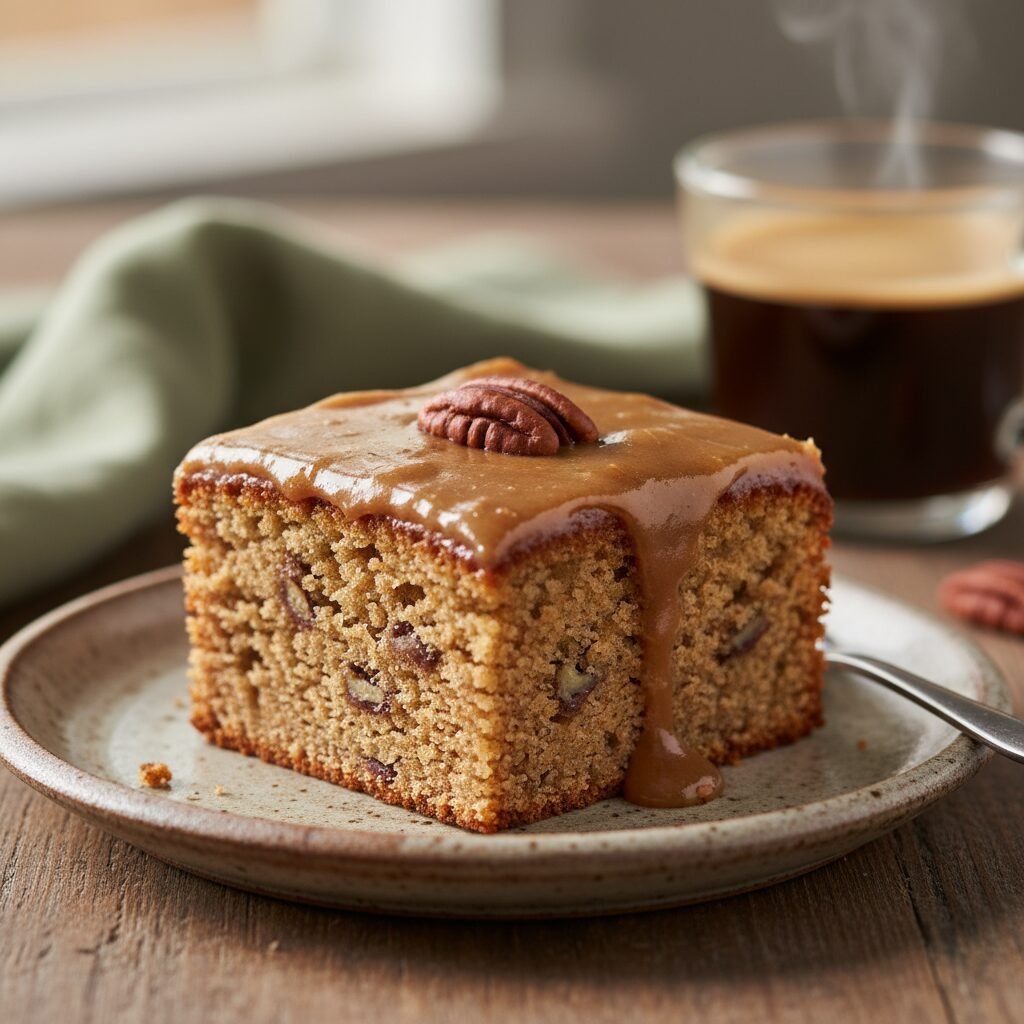
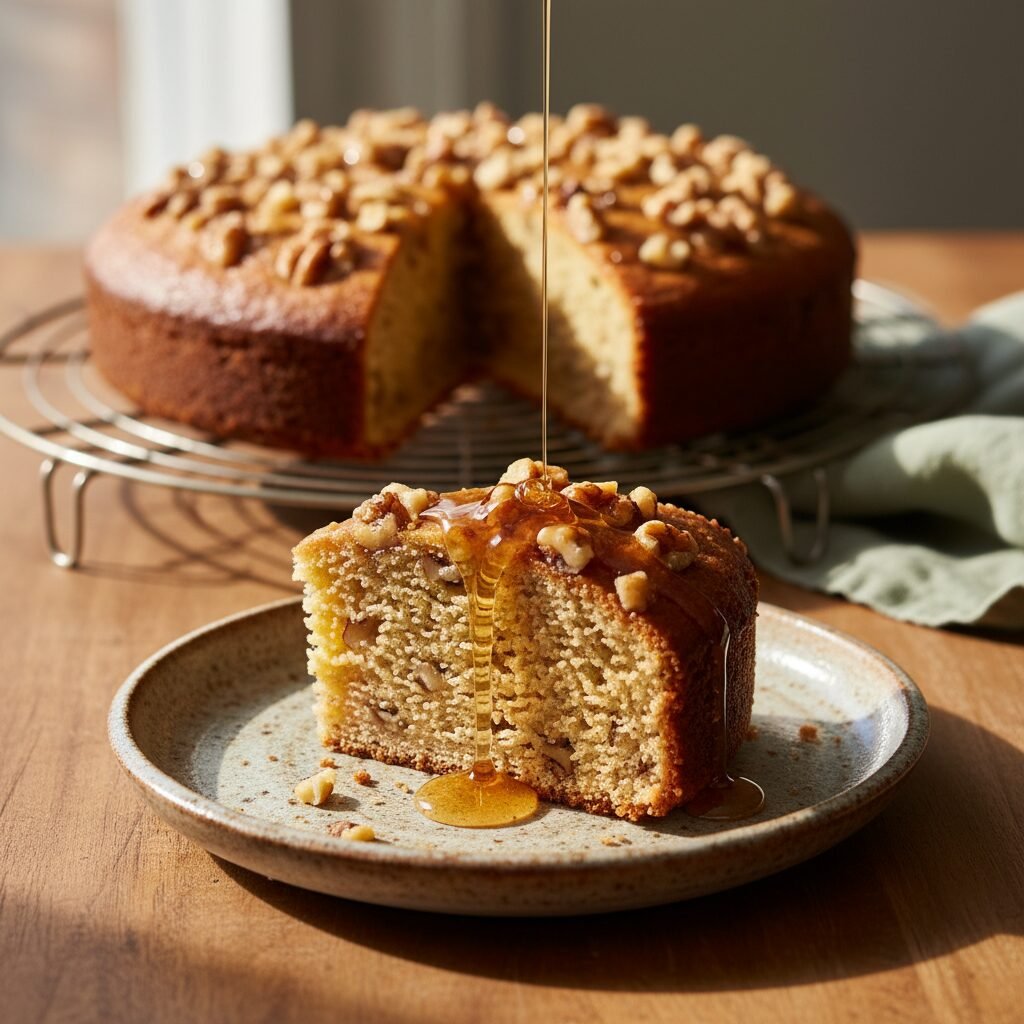
Every bite offers a delightful crunch from the walnuts, which are toasted beforehand to unlock their deep, earthy oils, contrasting beautifully with the fluffy, golden crumb. The sweetness is perfectly balanced, leaning on the molasses notes of dark brown sugar rather than just white granulated sugar. Topped with a whisper-thin maple glaze that crackles slightly as it sets, this cake bridges the gap between a morning coffee cake and a decadent dessert. Whether you are serving it warm to guests with a dollop of whipped cream or sneaking a slice straight from the pan with your morning brew, this recipe promises to become a beloved staple in your baking repertoire. It is unpretentious, reliable, and deeply satisfying—exactly what home baking should be.
History & Origins
The concept of the ‘snack cake’ is deeply rooted in American culinary history, evolving from the early traditions of European coffee cakes and tea breads. In the 18th and 19th centuries, settlers often adapted recipes brought from England and Germany, utilizing ingredients that were abundant in the New World. Walnuts, particularly Black Walnuts native to North America, and later the English Walnut (Persian Walnut) which flourished in California’s climate, became a staple ingredient in these dense, nutritious loaves.
By the mid-20th century, specifically during the post-war era of the 1950s, the ‘snack cake’ gained a distinct identity. This was the golden age of convenience cooking and the rise of the ‘pan cake’—single-layer cakes baked in square or rectangular pans that required no fussy decoration. They were designed for busy housewives to whip up quickly for after-school treats or bridge club gatherings. The term ‘snack cake’ itself was popularized commercially by brands like Little Debbie and Hostess, but the homemade version remained a superior culinary experience.
This specific style of walnut cake draws inspiration from the ‘Depression-era’ cakes that used simple pantry staples, but it is enriched with the abundance of the modern pantry—specifically dairy and fats that were once rationed. Over the decades, the inclusion of sour cream or buttermilk became a hallmark of American baking science, used to ensure tenderness in these everyday cakes. Today, the walnut snack cake stands as a testament to the enduring appeal of simple, rustic baking that prioritizes flavor and texture over ornamental presentation.
Why This Recipe Works
This recipe succeeds where others fail due to a careful balance of fat, acidity, and technique. First, we use a combination of unsalted butter and neutral oil. Butter provides that undeniable rich flavor that margarine or shortening simply cannot replicate, while the oil ensures the cake remains moist and soft even at room temperature (since oil remains liquid while butter solidifies). This hybrid approach gives you the best of both worlds: flavor and lasting texture.
Secondly, the inclusion of full-fat sour cream is non-negotiable for the texture. The acidity in the sour cream reacts with the baking soda, creating carbon dioxide bubbles that lift the batter, resulting in a tender, airy crumb rather than a dense brick. Furthermore, the protein and fat in the dairy interfere with gluten formation, preventing the cake from becoming tough or chewy.
Finally, the technique of toasting the walnuts before adding them to the batter is crucial. Raw walnuts can be somewhat waxy and bitter. Toasting them releases their essential oils, intensifies their nutty flavor, and ensures they maintain a crisp texture within the soft cake. We also toss the nuts in a tablespoon of flour before folding them in, which provides friction and prevents them from sinking to the bottom of the pan during the bake.
Why You’ll Love This Recipe
- ✓Stays moist for up to 4 days at room temperature.
- ✓Perfect balance of salty, nutty, and sweet flavors.
- ✓One-bowl method minimizes cleanup.
- ✓Versatile enough for breakfast, brunch, or dessert.
- ✓Requires no fancy decorating skills.
- ✓Freezes beautifully for future snacking.
Equipment You’ll Need
- ✓8×8 inch square baking pan
- ✓Large mixing bowl
- ✓Medium mixing bowl
- ✓Whisk
- ✓Rubber spatula
- ✓Measuring cups and spoons
- ✓Parchment paper
- ✓Wire cooling rack
Ingredients
- ✓1 1/2 cups all-purpose flour
- ✓1 tsp baking powder
- ✓1/2 tsp baking soda
- ✓1/2 tsp salt
- ✓1 tsp ground cinnamon
- ✓1/2 cup unsalted butter, melted and slightly cooled
- ✓1/4 cup neutral oil (vegetable or canola)
- ✓1 cup packed dark brown sugar
- ✓2 large eggs, room temperature
- ✓1 tsp pure vanilla extract
- ✓1/2 cup full-fat sour cream, room temperature
- ✓1 1/2 cups walnuts, roughly chopped and toasted
- ✓For the Glaze: 1/2 cup powdered sugar
- ✓For the Glaze: 2 tbsp pure maple syrup
- ✓For the Glaze: 1-2 tsp milk or heavy cream
Instructions
- 1. Preheat your oven to 350°F (175°C). Grease an 8×8 inch square baking pan with butter or cooking spray and line it with parchment paper, leaving an overhang on two sides for easy removal.
- 2. Spread the chopped walnuts on a baking sheet and toast in the preheating oven for 5-7 minutes until fragrant. Watch closely so they don’t burn. Remove and let cool completely.
- 3. In a medium bowl, whisk together the flour, baking powder, baking soda, salt, and cinnamon. Remove 1 tablespoon of this mixture and toss it with the cooled walnuts (this prevents sinking).
- 4. In a large bowl, whisk together the melted butter, oil, and brown sugar until smooth and combined. There should be no lumps of sugar.
- 5. Add the eggs one at a time, whisking well after each addition. Stir in the vanilla extract and the sour cream until fully incorporated.
- 6. Gently fold the dry ingredients into the wet ingredients using a rubber spatula. Mix only until no streaks of flour remain. Do not overmix.
- 7. Fold in the flour-coated toasted walnuts gently.
- 8. Pour the batter into the prepared baking pan and smooth the top with the spatula.
- 9. Bake for 30-35 minutes, or until a toothpick inserted into the center comes out clean or with just a few moist crumbs attached. The top should be golden brown and spring back when lightly touched.
- 10. Allow the cake to cool in the pan on a wire rack for at least 20 minutes.
- 11. While the cake cools, prepare the glaze. Whisk together the powdered sugar, maple syrup, and 1 teaspoon of milk. Add more milk drop by drop until you reach a drizzling consistency.
- 12. Drizzle the glaze over the cake while it is still slightly warm. Let it set for 10 minutes before slicing and serving.
Expert Cooking Tips
- ✓Ensure all ingredients, especially eggs and sour cream, are at room temperature to prevent the batter from separating.
- ✓Do not skip toasting the walnuts; it adds a crucial depth of flavor and crunch.
- ✓Measure flour by spooning it into the cup and leveling it off, rather than scooping directly from the bag, to avoid a dense cake.
- ✓If using a glass baking dish, reduce the oven temperature by 25°F to prevent the edges from overcooking.
- ✓Don’t overmix the batter once the flour is added; stop as soon as the white streaks disappear.
- ✓Use dark brown sugar for a deeper molasses flavor, though light brown sugar works in a pinch.
Substitutions and Variations
This recipe is quite forgiving and allows for several substitutions based on dietary needs or pantry availability. For the flour, you can substitute a high-quality 1:1 gluten-free baking flour blend if you are avoiding gluten; look for one that contains xanthan gum. If you don’t have sour cream, full-fat Greek yogurt is an excellent 1:1 substitute that provides similar acidity and moisture. Buttermilk can also be used, though the batter will be slightly thinner. For the nuts, pecans are a classic alternative to walnuts and pair wonderfully with the maple glaze. If you have a nut allergy, you can omit them entirely or substitute with chocolate chips or dried fruit like cranberries or raisins. Regarding the fat, you can use all butter for a richer taste (though it may dry out faster) or all oil for maximum moisture. Coconut oil can be used as the oil component, but it will impart a slight coconut flavor.
Common Mistakes to Avoid
The most common mistake with snack cakes is overbaking. Because the pan is small and the batter is dense, it can go from perfectly moist to dry in a matter of minutes. Start checking the cake at the 30-minute mark. Another frequent error is not tossing the nuts in flour; this simple step is the only thing standing between evenly distributed nuts and a layer of nuts at the bottom of the cake. Additionally, using cold ingredients can cause the melted butter to re-solidify when mixed, leading to a grainy batter and an uneven bake. Always take the time to bring your dairy and eggs to room temperature. Finally, resist the urge to slice the cake immediately out of the oven. The cooling process sets the crumb structure; cutting it too hot will result in a gummy texture.
Serving Suggestions
This Moist Walnut Snack Cake is incredibly versatile. For a cozy breakfast, serve a warm slice with a pat of salted butter and a mug of hot coffee or chai tea. It creates a beautiful contrast of sweet and savory. For an afternoon pick-me-up, it stands alone perfectly without any additions. If you want to elevate it for a dinner party dessert, warm the slices slightly and top with a scoop of vanilla bean ice cream or a dollop of cinnamon-spiced whipped cream. A drizzle of caramel sauce or extra maple syrup on the plate adds a gourmet touch. It also pairs wonderfully with fresh berries, particularly blackberries or sliced pears, which cut through the richness of the brown sugar.
Storage and Reheating Tips
This cake has excellent keeping qualities thanks to the oil and brown sugar. Store it in an airtight container at room temperature for up to 4 days. If you live in a particularly hot or humid climate, you may want to store it in the refrigerator to prevent the glaze from melting, but bring it to room temperature before eating for the best texture. For longer storage, this cake freezes exceptionally well. You can freeze the whole block or individual slices. Wrap the cake tightly in plastic wrap, followed by a layer of aluminum foil, and place it in a freezer-safe bag. It will keep for up to 3 months. Thaw on the counter for a few hours before serving. If freezing, it is best to glaze the cake after thawing, although the glazed cake can be frozen with decent results.
Nutrition Facts (Estimated)
| Serving Size | 1 slice |
| Calories | 340 |
| Fat | 18g |
| Saturated Fat | 4g |
| Unsaturated Fat | 13g |
| Trans Fat | 0g |
| Cholesterol | 35mg |
| Sodium | 180mg |
| Carbohydrates | 38g |
| Fiber | 2g |
| Sugar | 22g |
| Protein | 5g |
Frequently Asked Questions
Can I double this recipe?
Yes, you can double the ingredients and bake it in a 9×13 inch pan. You will need to adjust the baking time, likely adding an extra 5-10 minutes. Keep an eye on the center to ensure it cooks through.
Why did my cake sink in the middle?
Sinking usually happens if the oven door was opened too early, causing a temperature drop, or if the cake was underbaked. It can also result from using too much leavening (baking powder/soda).
Can I use fresh fruit in this cake?
Yes! Diced apples or pears make a great addition. Use about 1 cup of fruit and reduce the nuts to 1 cup. You may need to bake it for a few minutes longer due to the moisture in the fruit.
Do I have to use a mixer?
No, one of the best things about this recipe is that it can be made entirely by hand with a whisk and a spatula. In fact, hand-mixing helps prevent overmixing the batter.
Is the glaze necessary?
Not at all. The cake is delicious on its own. Alternatively, you can simply dust the top with powdered sugar before serving for a lighter finish.
Can I use salted butter?
Yes, if you use salted butter, reduce the added salt in the recipe to 1/4 teaspoon to keep the flavors balanced.
How do I chop the walnuts easily?
You can pulse them a few times in a food processor, or simply place them in a ziplock bag and crush them lightly with a rolling pin for a more rustic texture.
Why is my cake dry?
Dry cake is usually the result of overmeasuring flour (packing it into the cup) or overbaking. Check your oven temperature with an external thermometer to ensure it’s accurate.
Conclusion
The Moist Walnut Snack Cake is more than just a recipe; it’s a reliable friend in the kitchen. It’s the kind of treat that brings people together, whether over a quick morning chat or a long evening conversation. Its simplicity is its strength, allowing the high-quality ingredients like fresh walnuts and real maple syrup to shine through. We hope this cake brings warmth and sweetness to your home kitchen. Once you try it, you’ll understand why it has earned a permanent spot on our counter. Happy baking!