Moist Coffee Walnut Cake With Espresso Buttercream Recipe
Experience the perfect marriage of rich, aromatic espresso and earthy, toasted walnuts in this show-stopping layer cake. Topped with a silky, cloud-like espresso buttercream, this recipe guarantees a moist crumb and bold flavors that make it the ultimate centerpiece for any celebration or cozy afternoon tea.
30 minutes
30 minutes
1 hour 15 minutes
12 servings
Dessert
Baking
British / American
Vegetarian
There are few flavor combinations as timeless and comforting as coffee and walnut. It is a pairing that evokes images of cozy, rain-streaked windows, steaming mugs of tea, and the gentle clinking of dessert forks on fine china. This Moist Coffee Walnut Cake with Espresso Buttercream is my love letter to that classic tradition, elevated for the modern palate with a deeper, more robust coffee profile and a texture that stays impossibly soft for days.
Unlike many sponge cakes that can lean towards the dry side, this recipe utilizes a specific blend of fats and sugars to ensure a tender, melt-in-your-mouth crumb. The secret lies in the balance. We aren’t just making a cake that tastes vaguely of coffee; we are infusing every element with high-quality espresso to ensure that the bold, roasted notes stand up to the sweetness of the buttercream. The walnuts are not merely an afterthought but are toasted to golden perfection to release their essential oils, providing a savory crunch that cuts through the richness of the frosting.
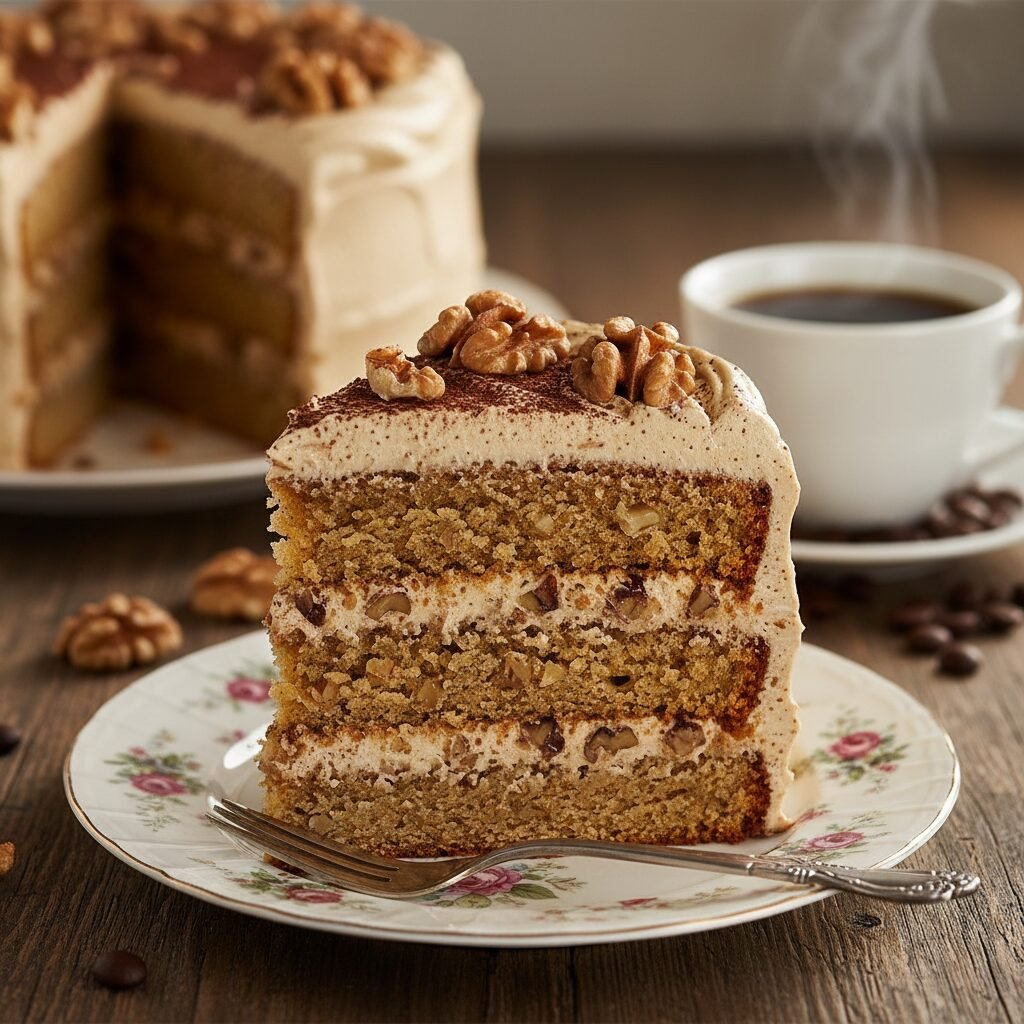
Whether you are a seasoned baker looking for your next masterpiece or a novice wanting to impress guests at a dinner party, this cake delivers on all fronts. It is sophisticated yet approachable, rustic yet elegant. As you slice into the layers, revealing the speckled walnut crumb and the smooth bands of buttercream, you’ll understand why this cake is a perennial favorite. It’s more than just a dessert; it’s a warm hug in edible form, perfect for birthdays, holidays, or just a Tuesday when you need a little pick-me-up.
History & Origins
The Coffee and Walnut cake is a quintessential classic of British baking, holding a revered spot on tea room menus across the United Kingdom alongside the Victoria Sponge. Its origins, while somewhat murky, are deeply intertwined with the history of coffee consumption in Europe and the evolution of baking powder in the 19th century. As coffee houses began to flourish in London during the 17th and 18th centuries, coffee slowly transitioned from a beverage of the elite intellects to a household staple. However, it wasn’t until the cake-baking boom of the Victorian era and the early 20th century that coffee found its true calling as a flavoring agent in sweets.
The specific pairing of coffee and walnut likely gained mass popularity in the 1930s, a golden age for home baking when elaborate layer cakes became symbols of domestic prowess. The bitterness of the coffee was found to be the perfect foil for the sweet, buttery sponges of the time, while walnuts—often imported and considered a luxury—added texture and a distinctive earthy flavor that almonds or peanuts could not replicate.
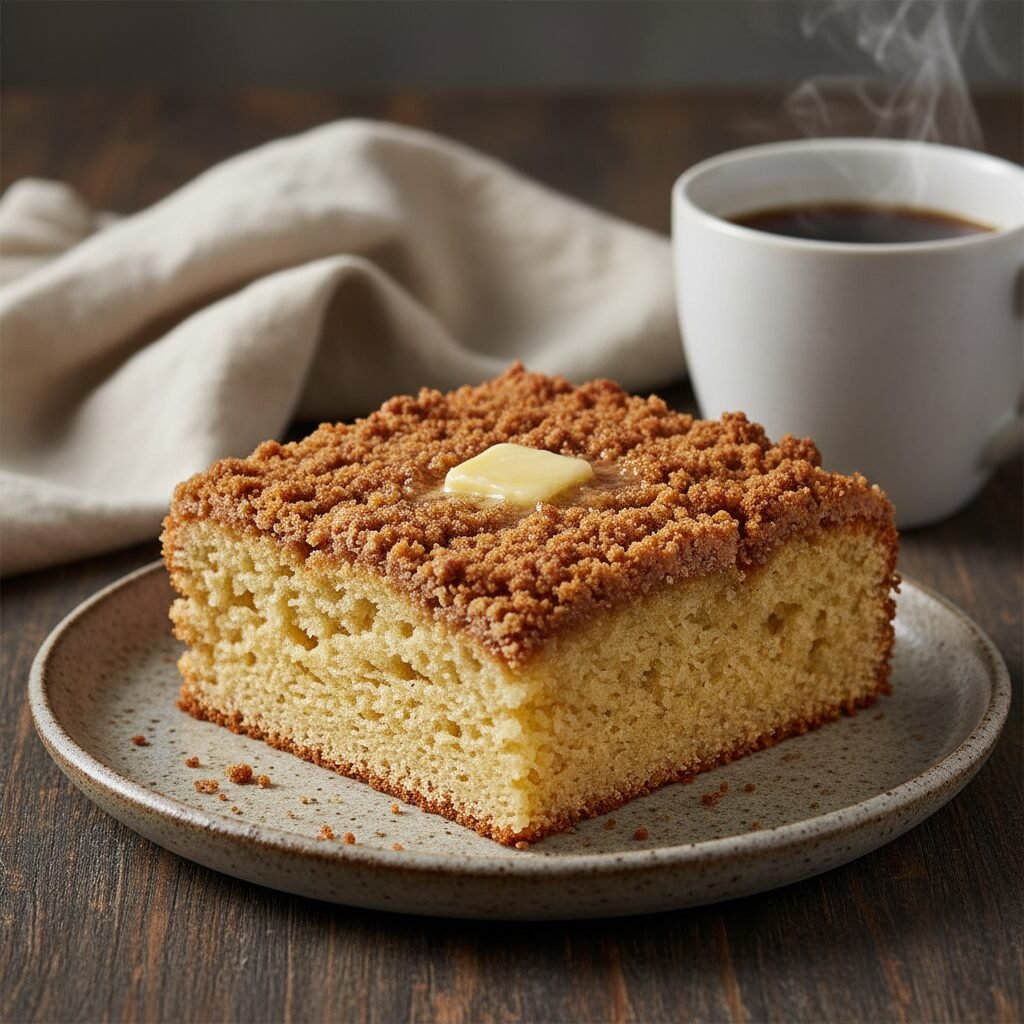
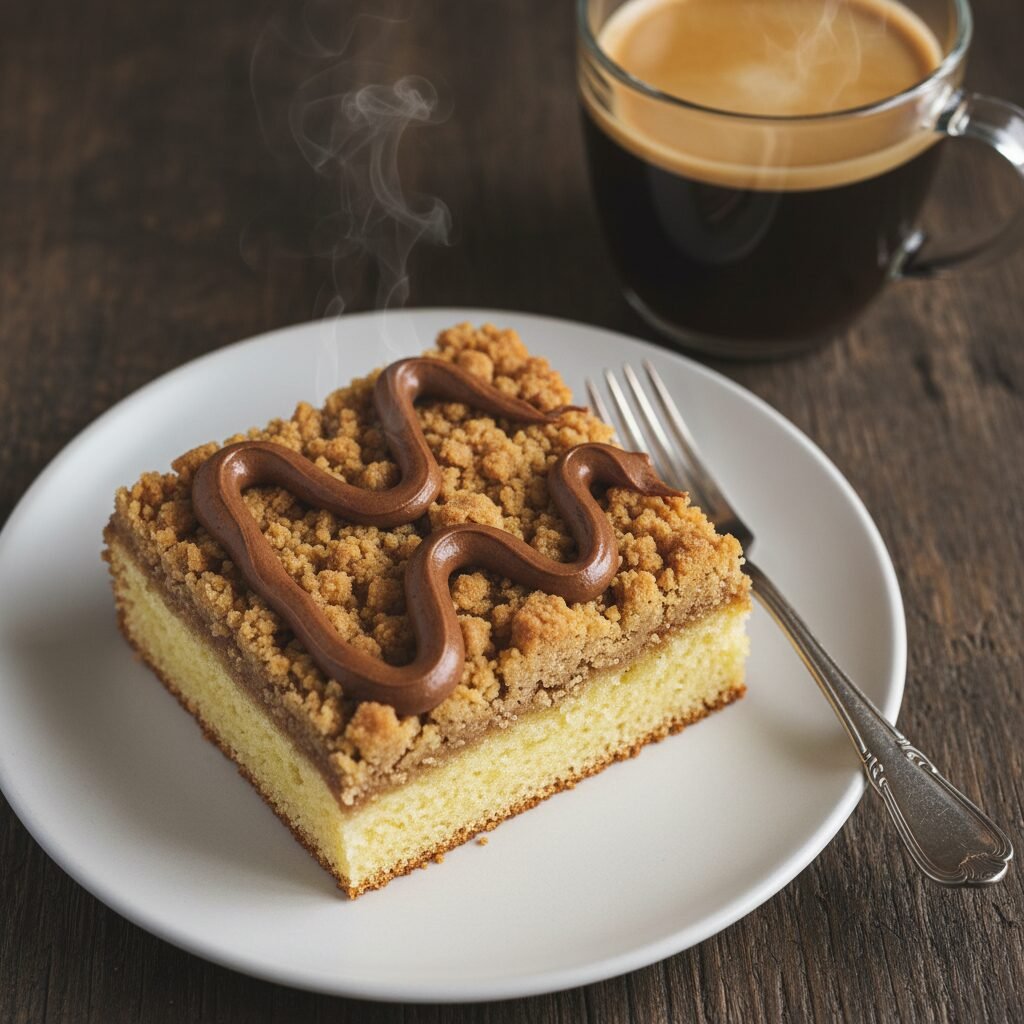
In the United States, coffee cakes often refer to cakes eaten *with* coffee, usually streusel-topped and cinnamon-spiced. However, this specific style—coffee-flavored sponge with coffee-flavored frosting—is a distinct lineage. Over the decades, it has evolved from a simple tea-time treat to a decadent dessert, often featuring mascarpone fillings or ganache toppings. This recipe honors that rich history by maintaining the classic profile while updating the technique for a moister, more flavorful result that appeals to today’s taste for bold, artisanal flavors.
Why This Recipe Works
This recipe succeeds where others fail because it addresses the two biggest complaints about coffee cakes: lack of distinct coffee flavor and a dry texture. First, to solve the moisture issue, we use a combination of butter and a splash of oil, along with dark brown sugar. Butter provides that undeniable dairy richness and structure, while the oil ensures the cake remains soft even after refrigeration. The brown sugar, containing molasses, is hygroscopic, meaning it attracts and holds moisture, preventing the cake from staling quickly.
Secondly, regarding flavor intensity, many recipes rely on weak brewed coffee which adds too much liquid for too little flavor. Instead, this recipe utilizes instant espresso powder dissolved in a minimal amount of hot water. This creates a concentrated ‘coffee syrup’ that infuses the batter without throwing off the liquid-to-dry ingredient ratio. This ensures a punchy, robust coffee taste that doesn’t disappear once baked.
Finally, the buttercream uses the same espresso concentration technique. By whipping the butter for a full 5-7 minutes before adding sugar, we create a pale, aerated base that melts on the tongue, avoiding the gritty, heavy texture of standard American buttercreams. The toasted walnuts provide a necessary textural contrast, breaking up the softness of the crumb and cream.
Why You’ll Love This Recipe
- ✓Intense espresso flavor in both the sponge and the frosting.
- ✓Stays moist for days thanks to a blend of butter and oil.
- ✓Crunchy toasted walnuts add texture and nutty depth.
- ✓Perfectly balanced sweetness that isn’t cloying.
- ✓Visually stunning with minimal decorating skills required.
- ✓Freezes beautifully for make-ahead convenience.
Equipment You’ll Need
- ✓Two 8-inch round cake pans
- ✓Stand mixer or electric hand mixer
- ✓Large mixing bowls
- ✓Wire cooling rack
- ✓Offset spatula
- ✓Parchment paper
- ✓Rubber spatula
- ✓Measuring cups and spoons
Ingredients
- ✓2 1/2 cups All-purpose flour
- ✓2 tsp Baking powder
- ✓1/2 tsp Baking soda
- ✓1/2 tsp Salt
- ✓1 cup Unsalted butter, softened
- ✓1/4 cup Vegetable oil (or neutral oil)
- ✓1 cup Granulated sugar
- ✓3/4 cup Dark brown sugar, packed
- ✓4 large Eggs, room temperature
- ✓2 tbsp Instant espresso powder (dissolved in 1 tbsp hot water)
- ✓1 tsp Pure vanilla extract
- ✓3/4 cup Buttermilk, room temperature
- ✓1 1/2 cups Walnuts, chopped and toasted
- ✓FOR THE BUTTERCREAM:
- ✓1 1/2 cups Unsalted butter, softened
- ✓4-5 cups Powdered sugar, sifted
- ✓2 tbsp Instant espresso powder (dissolved in 1 tbsp hot water)
- ✓2-3 tbsp Heavy cream
- ✓Pinch of salt
- ✓Whole walnuts or chocolate covered espresso beans for garnish
Instructions
- Preheat your oven to 350°F (175°C). Grease two 8-inch round cake pans with butter and line the bottoms with parchment paper. Dust with flour and tap out the excess.
- Spread the chopped walnuts on a baking sheet and toast in the preheating oven for 5-7 minutes until fragrant. Let them cool completely.
- In a medium bowl, whisk together the flour, baking powder, baking soda, and salt. Set aside.
- In the bowl of a stand mixer fitted with the paddle attachment, beat the 1 cup of softened butter, vegetable oil, granulated sugar, and brown sugar on medium-high speed for 5 minutes until light and fluffy.
- Add the eggs one at a time, beating well after each addition and scraping down the sides of the bowl as needed. Mix in the dissolved espresso mixture and vanilla extract.
- Reduce mixer speed to low. Add the flour mixture in three parts, alternating with the buttermilk in two parts, starting and ending with the flour. Mix only until just combined to avoid overworking the gluten.
- Gently fold in 1 cup of the cooled, toasted walnuts with a rubber spatula.
- Divide the batter evenly between the prepared pans. Smooth the tops with an offset spatula.
- Bake for 25-30 minutes, or until a toothpick inserted into the center comes out clean or with just a few moist crumbs. Avoid opening the oven door too early.
- Remove from the oven and let the cakes cool in the pans for 10 minutes. Then, turn them out onto a wire rack to cool completely before frosting.
- To make the buttercream: Beat the 1 1/2 cups of softened butter on medium-high speed for 5-7 minutes until it is very pale and creamy.
- Gradually add the powdered sugar, one cup at a time, mixing on low speed until incorporated. Increase to high speed for a minute to fluff it up.
- Add the dissolved espresso, salt, and 2 tablespoons of heavy cream. Beat on medium-high for another 3-4 minutes until light, airy, and spreadable. Add more cream if too stiff, or more sugar if too loose.
- To assemble, place one cake layer on your serving plate. Spread a generous layer of buttercream over the top. Place the second layer on top, flat side up.
- Cover the top and sides of the cake with the remaining buttercream. Decorate with the remaining chopped walnuts, whole walnut halves, or chocolate-covered espresso beans.
Expert Cooking Tips
- ✓Ensure all ingredients (eggs, butter, buttermilk) are at room temperature to prevent the batter from curdling.
- ✓Do not skip toasting the walnuts; it releases their oils and keeps them crunchy inside the cake.
- ✓Dissolve the espresso powder in as little water as possible to keep the flavor concentrated without thinning the batter.
- ✓Weigh your flour using a kitchen scale for the most accurate results; too much flour makes the cake dry.
- ✓Beat the butter for the frosting longer than you think is necessary to get that professional, ivory-white base.
- ✓If the buttercream is too soft, refrigerate it for 10 minutes before frosting the cake.
Substitutions and Variations
If you do not have buttermilk on hand, you can make a quick substitute by adding one tablespoon of lemon juice or white vinegar to a cup of whole milk and letting it sit for 5 minutes. For a nut-free version, simply omit the walnuts; the coffee cake itself is delicious enough to stand alone, or you could substitute chocolate chips for a mocha twist. If you prefer pecans, they work excellently as a direct 1:1 substitute for walnuts. For the coffee element, if you cannot find instant espresso powder, standard instant coffee granules will work, though you may need to increase the amount by 50% to achieve the same depth of flavor. Do not use liquid brewed coffee as a direct substitute for the powder in the batter, as it will dilute the structure.
Common Mistakes to Avoid
The most common mistake with this cake is overmixing the batter once the flour has been added. This develops the gluten too much and leads to a tough, rubbery cake rather than a tender crumb. Another error is frosting the cake before it is completely cool. Even a slightly warm cake will melt the butter in the frosting, causing the layers to slide and the decoration to droop. Additionally, using cold ingredients prevents the batter from emulsifying properly, leading to an uneven bake. Finally, ensure your baking powder is fresh; expired leavening agents will result in a dense, flat cake.
Serving Suggestions
This cake is best served at room temperature, where the buttercream is silky and the sponge is softest. It pairs exceptionally well with a hot cup of black coffee or an unsweetened latte to balance the sweetness of the frosting. For an elegant dessert course, serve thin slices with a dollop of unsweetened whipped cream and a dusting of cocoa powder. If serving for a brunch, it complements fresh berries which provide a tart contrast to the rich, nutty flavors.
Storage and Reheating Tips
Store the cake in an airtight container or under a cake dome at room temperature for up to 3 days. If you live in a very hot or humid climate, you may need to refrigerate it to keep the buttercream stable. If refrigerated, let the cake sit on the counter for 30 minutes before eating to allow the butter to soften. For long-term storage, the frosted cake can be frozen. Place it in the freezer uncovered for an hour to harden the frosting, then wrap tightly in plastic wrap followed by foil. It will keep for up to 2 months. Thaw overnight in the refrigerator.
Nutrition Facts (Estimated)
| Serving Size | 1 slice |
| Calories | 580 |
| Fat | 38g |
| Saturated Fat | 18g |
| Unsaturated Fat | 18g |
| Trans Fat | 0.5g |
| Cholesterol | 95mg |
| Sodium | 320mg |
| Carbohydrates | 58g |
| Fiber | 2g |
| Sugar | 45g |
| Protein | 6g |
Frequently Asked Questions
Can I use brewed coffee instead of espresso powder?
I highly recommend using instant espresso powder because it provides concentrated flavor without adding excess liquid. If you must use brewed coffee, make it incredibly strong (like an espresso shot) and reduce the buttermilk by the same amount of liquid you add, but the flavor may be milder.
Why did my walnuts sink to the bottom?
This usually happens if the batter is too thin or the nut pieces are too large. To prevent this, chop the walnuts finely and toss them in a teaspoon of flour before folding them into the batter. This helps them grip the cake structure.
Can I make this cake gluten-free?
Yes! You can substitute the all-purpose flour with a high-quality 1:1 gluten-free baking flour blend. Ensure the blend contains xanthan gum. The texture might be slightly more fragile, so handle the layers with care.
How do I know when the cake is done?
Insert a toothpick into the center of the cake. It should come out clean or with a few moist crumbs attached. If it has wet batter on it, it needs more time. Also, the cake should spring back lightly when pressed in the center.
My buttercream is grainy, what happened?
Grainy buttercream is usually caused by powdered sugar that wasn’t sifted or butter that wasn’t beaten long enough. Ensure you sift the sugar to remove lumps and beat the butter until it is very pale before adding sugar.
Can I make this as cupcakes?
Absolutely. This recipe will yield approximately 24 standard cupcakes. Bake them at 350°F for 18-22 minutes. Check for doneness sooner as they bake faster than whole cakes.
Is the caffeine content high?
There is a moderate amount of caffeine due to the espresso powder. If you are sensitive to caffeine or serving this to children, you can use decaffeinated instant coffee powder without altering the taste.
Can I use salted butter?
You can, but you should omit the additional salt listed in the recipe. Unsalted butter gives you more control over the final flavor profile.
Conclusion
This Moist Coffee Walnut Cake with Espresso Buttercream is truly a celebration of classic flavors executed with modern precision. It’s the kind of recipe that earns a permanent spot in your baking rotation because it delivers consistent, delicious results every single time. Whether you are enjoying a slice in solitude with your morning brew or sharing it with loved ones at a festive gathering, the warmth of the toasted nuts and the richness of the coffee cream create a moment of pure culinary bliss. I hope this cake brings as much joy to your kitchen as it has to mine. Happy baking!