Moist Orange Sheet Cake Recipe
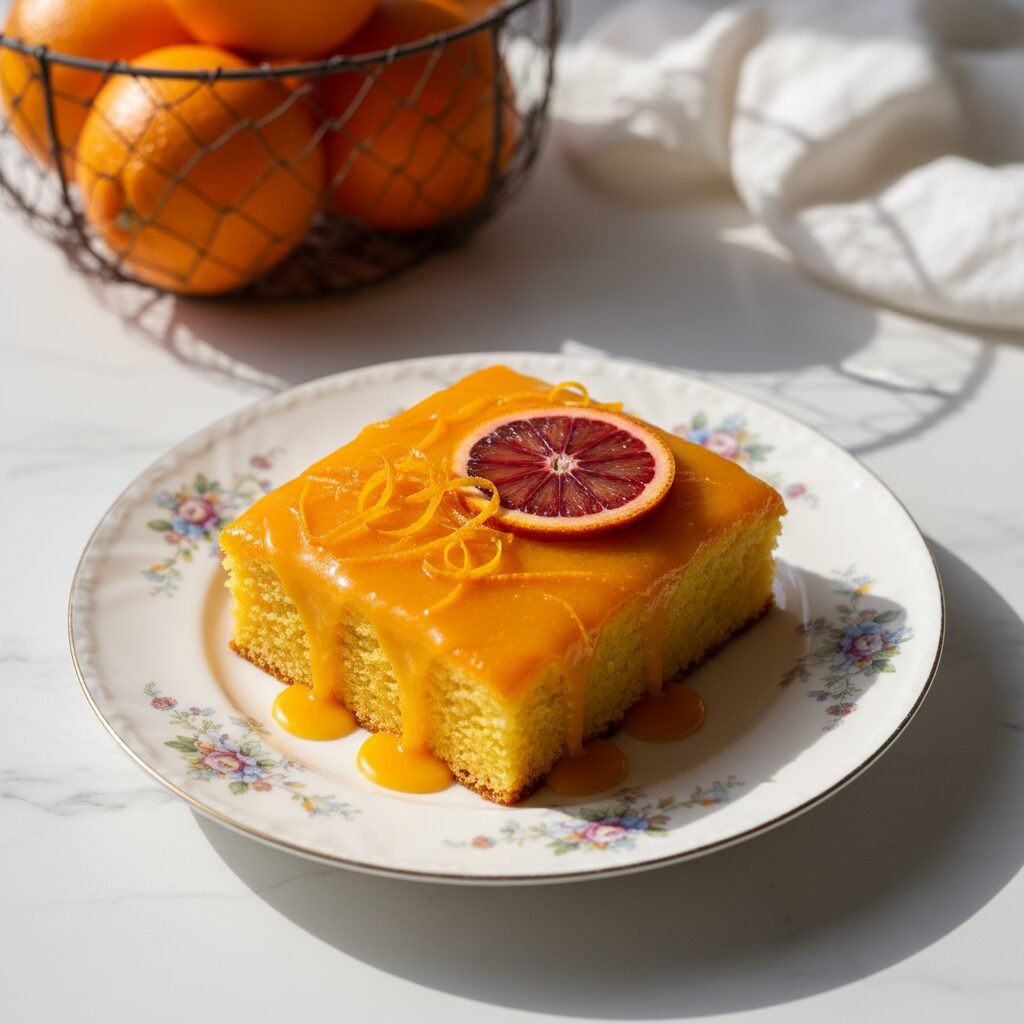
Brighten up your dessert table with this incredibly moist Orange Sheet Cake. Bursting with fresh citrus flavor and topped with a zesty glaze that seeps into every crumb, this easy-to-make sheet cake is the perfect balance of sweet and tangy for any occasion.
20 minutes
25 minutes
45 minutes
15-20 servings
Dessert
Baking
American
Vegetarian
There is something undeniably cheerful about the scent of fresh oranges filling the kitchen. It evokes memories of sunny afternoons, bright mornings, and a sense of freshness that heavy chocolate or vanilla desserts sometimes lack. This Moist Orange Sheet Cake is a celebration of that vibrancy. Unlike elaborate layer cakes that require hours of cooling, crumb-coating, and piping, this sheet cake is a champion of simplicity and flavor. It is the kind of dessert that feels right at home at a casual backyard barbecue, a Sunday brunch, or a comforting weeknight treat.
The magic of this cake lies in its texture. We aren’t aiming for a dense pound cake or a light-as-air sponge; we are looking for that perfect middle ground—a tender, velvety crumb that melts in your mouth. The secret weapon here is the glaze. Applied while the cake is still warm, the glaze doesn’t just sit on top; it permeates the upper layers of the sponge, creating a sticky, sweet, and intensely orange-infused crust that is impossible to resist.
For those who love baking but hate the cleanup, the sheet cake format is a lifesaver. It bakes evenly and quickly in a single pan, feeds a crowd, and travels exceptionally well. Whether you are an experienced baker looking for a reliable citrus recipe or a novice wanting to impress without stress, this orange sheet cake delivers high-impact flavor with minimal effort. Get ready to zest, juice, and bake your way to a slice of sunshine.
History & Origins
The concept of the ‘sheet cake’ is deeply rooted in mid-20th-century American baking culture, evolving alongside the rise of suburban potlucks, church socials, and community gatherings. The most famous iteration is undoubtedly the Texas Sheet Cake—typically a chocolate buttermilk cake poured with warm icing. However, the format’s popularity stemmed from its sheer practicality. Large rectangular pans allowed home bakers to feed twenty people or more with a single batch, a necessity during the baby boom era.
Citrus cakes, specifically, have a lineage that traces back much further. Oranges were once a luxury ingredient in Europe and North America, often reserved for holiday stockings or special occasion desserts. As transportation networks improved in the early 20th century, bringing fresh produce from Florida and California to the rest of the US, orange-flavored baked goods became more accessible.
The specific style of this Orange Sheet Cake—where a glaze is poured over a hot cake—gained traction in the 1960s and 70s. It borrows technique from the ‘poke cake’ trend, where gelatin or syrup was introduced to baked goods to enhance moisture. By using fresh juice and zest rather than artificial flavorings, this recipe harkens back to a time when baking was done from scratch, utilizing the seasonal bounty. It represents a transition in American desserts from the austere rationing of the war years to the abundance and convenience-focused cooking of the post-war boom, remaining a beloved classic for its nostalgic comfort and timeless flavor.
Why This Recipe Works
This recipe succeeds where others fail because it prioritizes moisture retention and natural flavor intensity. Many orange cakes rely on extracts, which can taste artificial or chemical. Here, we use a significant amount of fresh orange zest rubbed directly into the sugar. This technique, known as mechanical leavening or abrasion, releases the essential oils from the zest into the sugar crystals before any liquid is added, ensuring the orange flavor is distributed evenly throughout the batter.
Furthermore, the fat ratio is critical. While butter provides flavor, oil provides the sensation of moisture. Butter is 80% fat and 20% water; the water evaporates during baking, which can sometimes lead to a drier crumb. Oil is 100% fat and remains liquid at room temperature, guaranteeing the cake stays soft for days. This recipe uses a blend or leans on oil to ensure that plush texture. Additionally, the inclusion of buttermilk or sour cream introduces acidity, which tenderizes the gluten strands and reacts with the baking soda for a superior lift. Finally, the method of glazing the cake while it is hot is the ‘clinch.’ As the cake cools, it contracts, pulling the liquid glaze down into its pores. This locks in moisture and creates a barrier that prevents the cake from drying out, resulting in a dessert that actually gets better the next day.
Why You’ll Love This Recipe
- ✓Infused with fresh orange zest and juice for authentic citrus flavor.
- ✓Incredibly moist texture thanks to the hot glaze technique.
- ✓Feeds a crowd easily—perfect for potlucks and parties.
- ✓No fancy equipment needed; just a mixer and a sheet pan.
- ✓Stays fresh and soft for several days at room temperature.
- ✓Can be made year-round using standard navel oranges.
Equipment You’ll Need
- ✓13×18 inch Jelly Roll Pan or 11×15 inch baking sheet
- ✓Stand mixer or hand mixer
- ✓Large mixing bowls
- ✓Microplane or zester
- ✓Citrus juicer
- ✓Whisk
- ✓Rubber spatula
- ✓Saucepan (for glaze)
Ingredients
- ✓2 cups granulated sugar
- ✓2 tablespoons fresh orange zest (approx. 2 oranges)
- ✓1 cup unsalted butter, softened
- ✓4 large eggs, room temperature
- ✓1 teaspoon vanilla extract
- ✓3 cups all-purpose flour
- ✓1 tablespoon baking powder
- ✓1/2 teaspoon baking soda
- ✓1/2 teaspoon salt
- ✓1/2 cup fresh orange juice
- ✓3/4 cup buttermilk, room temperature
- ✓FOR THE GLAZE: 3 cups powdered sugar
- ✓FOR THE GLAZE: 1/2 cup fresh orange juice
- ✓FOR THE GLAZE: 1 teaspoon fresh orange zest
- ✓FOR THE GLAZE: 2 tablespoons melted butter
Instructions
- Preheat your oven to 350°F (175°C). Grease a 13×18 inch baking sheet or jelly roll pan liberally with butter or non-stick spray.
- In a small bowl, combine the granulated sugar and 2 tablespoons of orange zest. Use your fingertips to rub the zest into the sugar until it resembles wet sand and is very fragrant. This releases the essential oils.
- In the bowl of a stand mixer fitted with the paddle attachment (or a large bowl with a hand mixer), cream the softened butter and the orange-sugar mixture on medium-high speed for 3-4 minutes until light and fluffy.
- Add the eggs one at a time, beating well after each addition. Scrape down the sides of the bowl. Mix in the vanilla extract.
- In a separate medium bowl, whisk together the flour, baking powder, baking soda, and salt.
- In a measuring cup, combine the 1/2 cup orange juice and the buttermilk.
- Reduce the mixer speed to low. Add the flour mixture in three parts, alternating with the buttermilk mixture in two parts, starting and ending with the flour. Mix only until just combined; do not overmix.
- Pour the batter into the prepared pan and spread it evenly with a spatula or offset knife.
- Bake for 20-25 minutes, or until a toothpick inserted into the center comes out clean and the cake springs back when lightly touched. The top should be golden.
- While the cake is baking, prepare the glaze. In a medium bowl, whisk together the powdered sugar, 1/2 cup orange juice, melted butter, and 1 teaspoon orange zest until smooth. If it is too thick, add a teaspoon more juice; if too thin, add more sugar.
- Remove the cake from the oven. While the cake is still hot, poke holes all over the surface using a fork or skewer.
- Immediately pour the glaze evenly over the hot cake, using a spatula to spread it to the edges. Allow the cake to cool completely in the pan before slicing.
Expert Cooking Tips
- ✓Room Temperature Ingredients: Ensure your eggs and buttermilk are at room temperature to prevent the batter from curdling.
- ✓Zest First: Always zest your oranges before juicing them; it is much harder to zest a squishy, juiced orange.
- ✓Don’t Overmix: Once the flour is added, mix gently. Overmixing develops gluten and will make the cake tough instead of tender.
- ✓Watch the Oven: Sheet cakes bake faster than deep cakes. Check at the 20-minute mark to avoid drying it out.
- ✓Glaze While Hot: This is non-negotiable! The heat helps the glaze soak in rather than just sitting on top like a frosting.
Substitutions and Variations
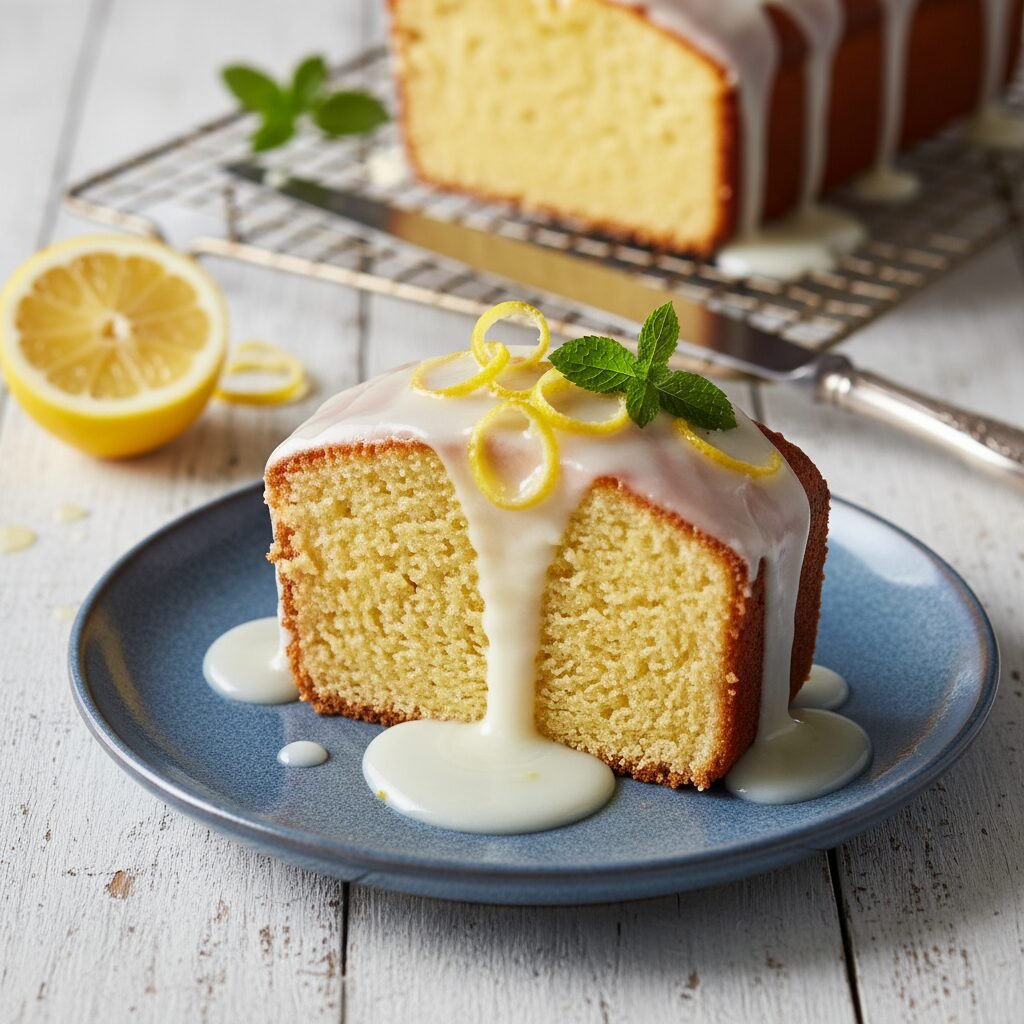
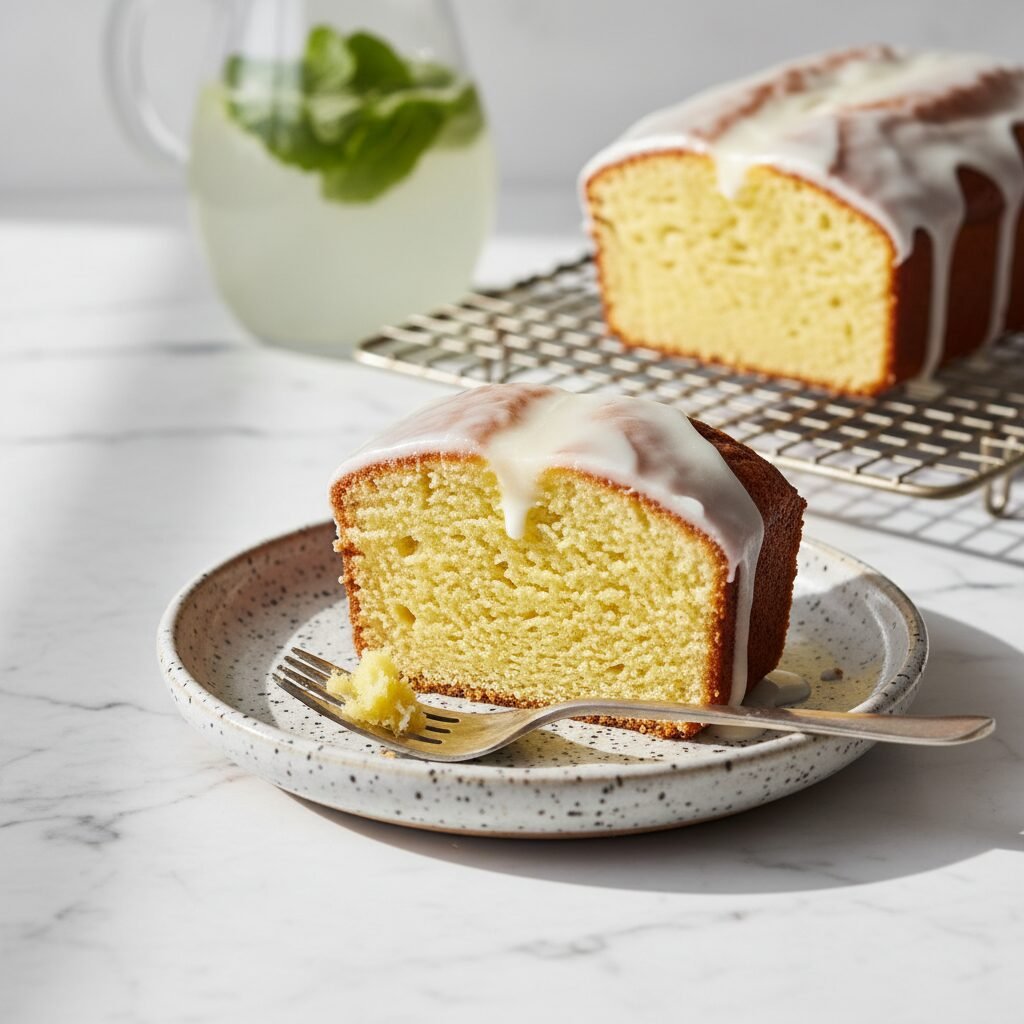
This recipe is quite versatile if you need to make swaps. If you don’t have buttermilk, you can make a quick substitute by adding 1 tablespoon of white vinegar or lemon juice to regular milk and letting it sit for 5 minutes. For a dairy-free version, use a high-quality plant-based butter and swap the buttermilk for almond milk mixed with a teaspoon of vinegar. If you prefer a different citrus profile, this exact recipe works wonderfully with lemons (Lemon Sheet Cake) or blood oranges for a dramatic color. You can also substitute half the butter in the cake batter for vegetable oil if you prefer an even softer, oil-based crumb texture, though you may lose a slight buttery flavor note. Gluten-free all-purpose flour blends (specifically those with xanthan gum) generally work well in this recipe; just be sure to let the batter rest for 10 minutes before baking to hydrate the rice flours.
Common Mistakes to Avoid
The most common mistake with sheet cakes is overbaking. Because the batter is spread thin, it can go from perfectly moist to dry and crumbly in a matter of minutes. Start checking for doneness early. Another frequent error is skipping the ‘rubbing the zest into the sugar’ step. Simply tossing zest into the batter doesn’t distribute the flavor nearly as well. Additionally, waiting for the cake to cool before glazing is a mistake for this specific style of cake. If the cake is cool, the glaze will just crust on top. You want the thermal interaction between the hot cake and the wet glaze to create that signature sticky interface. Lastly, using bottled orange juice instead of fresh is a major flavor downgrade. Bottled juice often lacks the brightness and acidity needed to cut through the sugar.
Serving Suggestions
This Moist Orange Sheet Cake is fantastic on its own, but you can elevate the presentation for a dinner party. Serve a square with a dollop of lightly sweetened whipped cream and a garnish of candied orange peel or a fresh mint leaf. For a summer twist, serve it alongside a scoop of vanilla bean ice cream or a tart raspberry sorbet to contrast the sweetness. It pairs beautifully with hot coffee or Earl Grey tea, making it an excellent choice for brunch or afternoon tea. If you are serving this at a large gathering, cut the pieces smaller into bite-sized squares for easy finger-food snacking.
Storage and Reheating Tips
One of the best features of this cake is its keeping quality. Because of the glaze sealing the surface, it stays moist for days. Store the cake in the pan, covered tightly with plastic wrap or aluminum foil, at room temperature for up to 3 days. If you live in a very hot or humid climate, you might prefer to store it in the refrigerator, but be sure to let it come to room temperature before serving to soften the butter in the crumb. For long-term storage, you can freeze the cake. Cut it into individual slices, wrap each slice tightly in plastic wrap, then place them in a freezer-safe bag or container. They can be frozen for up to 3 months. Thaw on the counter for an hour before eating.
Nutrition Facts (Estimated)
| Serving Size | 1 slice |
| Calories | 320 |
| Fat | 14g |
| Saturated Fat | 4g |
| Unsaturated Fat | 9g |
| Trans Fat | 0g |
| Cholesterol | 45mg |
| Sodium | 180mg |
| Carbohydrates | 45g |
| Fiber | 1g |
| Sugar | 28g |
| Protein | 4g |
Frequently Asked Questions
Can I use store-bought orange juice?
Technically yes, but it is highly recommended to use fresh squeezed. Store-bought juice often contains added sugar and lacks the potent, floral aroma of fresh citrus, which is the star of this recipe.
Why did my cake sink in the middle?
Sinking usually happens if the oven door was opened too early, causing a temperature drop, or if the cake was underbaked. It can also be caused by too much leavening (baking powder/soda).
Can I make this in a 9×13 pan instead?
Yes, but the baking time will increase significantly because the batter will be deeper. Expect to bake it for 35-45 minutes, and keep an eye on the edges so they don’t burn.
Is this cake overly sweet?
It is a sweet dessert, typical of Southern-style sheet cakes. However, the acidity from the buttermilk and the fresh orange juice helps balance the sugar. If you prefer less sugar, you can reduce the sugar in the cake batter by 1/4 cup, but don’t reduce the glaze sugar or it won’t set.
Can I add nuts to this recipe?
Absolutely! 1/2 cup of chopped pecans or walnuts folded into the batter before baking adds a lovely crunch that pairs well with orange.
My glaze is too thick to pour, what do I do?
Simply whisk in more orange juice, one teaspoon at a time, until it reaches a pourable, syrup-like consistency.
Can I use blood oranges?
Yes! Blood oranges make a beautiful, slightly berry-flavored variation. The glaze will turn a stunning pinkish-purple color.
Do I have to use a stand mixer?
No, a hand mixer works perfectly fine. You can even mix it by hand with a whisk and a wooden spoon if you put some muscle into creaming the butter and sugar.
Conclusion
There are few desserts that offer such a high reward for such little effort as this Moist Orange Sheet Cake. It captures the essence of sunshine on a plate, bringing brightness to the depths of winter or celebrating the height of summer. Whether you are baking for a family reunion, a church potluck, or just a Tuesday night craving, this recipe is guaranteed to become a requested favorite. The combination of the tender, buttery crumb and the zesty, crystallized glaze creates a texture and flavor profile that is truly unforgettable. So grab a bag of fresh oranges and preheat your oven—sweet, citrusy perfection awaits!