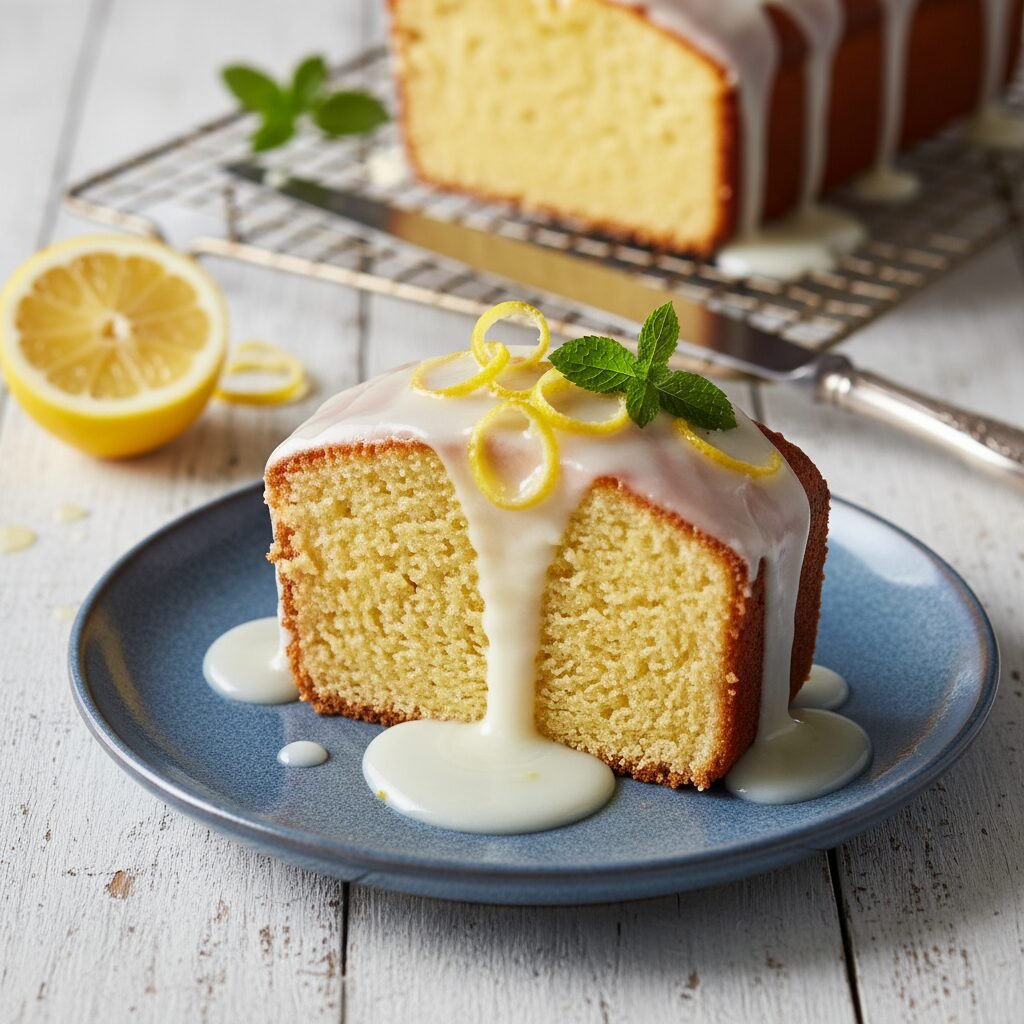
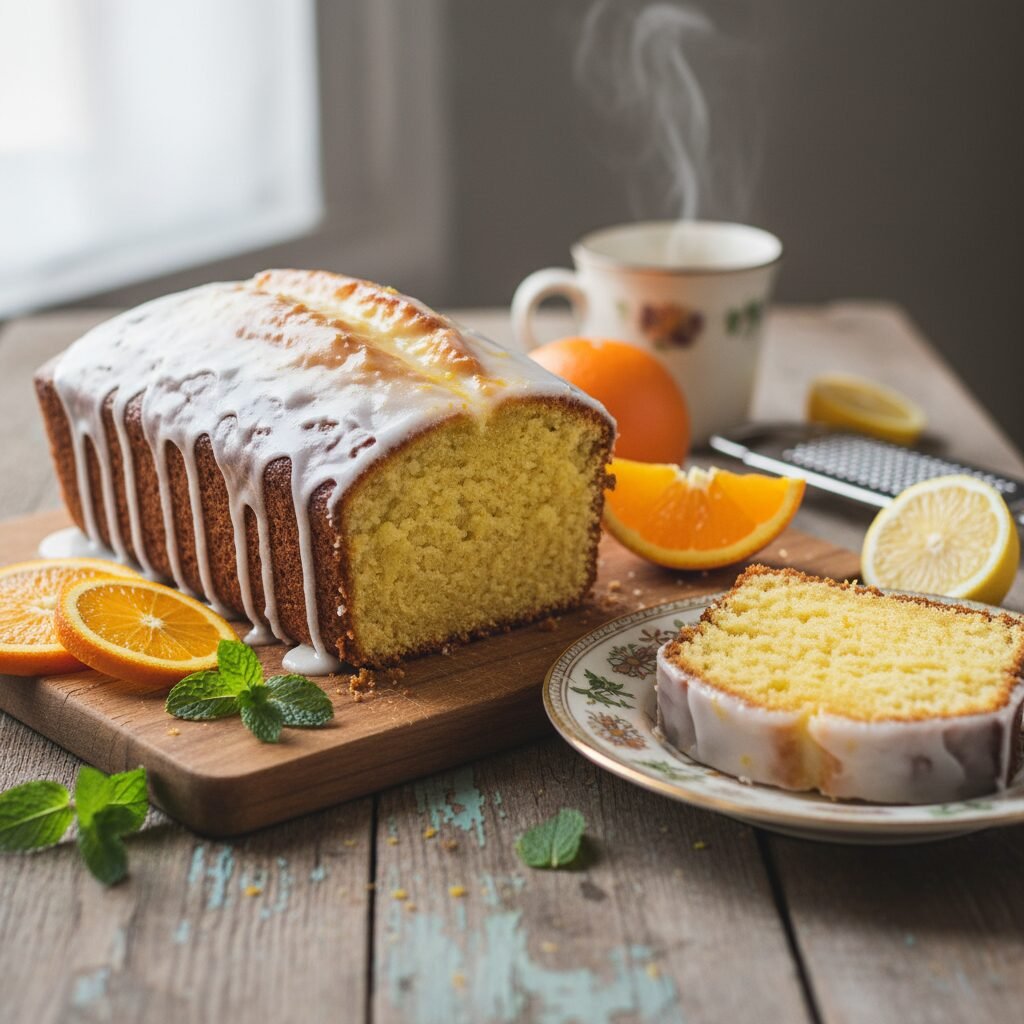
Moist Orange Cake With Lemon Glaze Recipe
Experience a burst of sunshine with this incredibly moist orange cake, crowned with a sharp, sweet lemon glaze. Perfect for afternoon tea or a bright dessert, this recipe uses fresh citrus zest and yogurt to ensure a tender crumb that stays fresh for days.
20 minutes
50 minutes
1 hour 10 minutes
1 Loaf (8-10 Servings)
Dessert
Baking
American / Mediterranean
Vegetarian
There is something undeniably cheerful about baking with citrus. While chocolate comforts and vanilla soothes, citrus awakens the senses. This Moist Orange Cake with Lemon Glaze is the culinary embodiment of a sunny morning. It is designed to be the antidote to dry, lackluster sponge cakes that rely too heavily on artificial extracts. Instead, this recipe champions the entire fruit—the fragrant oils from the zest and the bright acidity of the juice—to create a depth of flavor that feels sophisticated yet entirely approachable.
What sets this cake apart is its texture. We have all suffered through a slice of fruit cake that feels more like bread, but this recipe bridges the gap between a dense pound cake and a fluffy sponge. The secret lies in the specific combination of fats and dairy, creating a crumb that is tender, velvety, and melts in your mouth. As the cake bakes, it fills the kitchen with an aroma that rivals any high-end candle, promising a treat that is as comforting as it is refreshing.
The crowning glory is, without a doubt, the lemon glaze. While an orange-on-orange profile is delicious, the introduction of lemon in the icing provides a necessary counterpoint. The sharp, tart bite of the lemon cuts through the sweet, floral notes of the orange cake, creating a dynamic flavor profile that keeps you coming back for ‘just one more sliver.’ Whether you are hosting a spring brunch, looking for a companion to your morning coffee, or simply need a pick-me-up during the dreary winter months, this cake delivers sunshine on a plate.
History & Origins
The tradition of citrus-infused cakes traces its roots back to the Mediterranean, where oranges and lemons have flourished for centuries. Historically, early versions of what we might call ‘tea cakes’ or ‘travel cakes’ were dense, unleavened breads enriched with dried fruits and nuts. However, as sugar became more accessible and leavening agents like baking powder were discovered in the 19th century, the texture of these cakes evolved into the lighter sponges we recognize today.
The specific lineage of this orange cake can be linked to the classic ‘Pound Cake’ of Northern Europe—originally made with a pound each of flour, butter, eggs, and sugar—adapted by Southern European and later American bakers to include the vibrant produce of their regions. In the United States, the popularity of orange cakes surged in the early 20th century with the expansion of the railway systems connecting Florida and California’s citrus groves to the rest of the country. Fresh oranges became a symbol of health and vitality, and incorporating them into baking was a way to celebrate this abundance.
The concept of glazing a cake with a mixture of citrus juice and confectioners’ sugar is a technique borrowed from French pâtisserie, specifically the ‘gateau voyage’ (travel cake), which was often soaked in syrup or glazed to preserve moisture during long journeys. This recipe honors that history by combining the sturdy, reliable structure of a heritage loaf cake with the bright, fresh flavors that modern palates crave.
Why This Recipe Works
This recipe succeeds where others fail due to three critical food science principles: the ‘creaming’ of zest, the fat blend, and the role of acidity. First, we do not simply throw orange zest into the batter. The recipe calls for rubbing the zest into the granulated sugar before adding any wet ingredients. The abrasive texture of the sugar crystals breaks open the zest’s oil glands, releasing essential oils that infuse the entire cake with a profound orange aroma that extract alone cannot achieve.
Secondly, we utilize a ‘hybrid fat’ method. Butter is used for its unbeatable flavor and ability to aerate the batter when creamed, while a neutral oil is added to ensure the cake remains moist. Butter is 80% fat and 20% water; when the water evaporates, the cake can dry out. Oil is 100% fat and remains liquid at room temperature, coating the flour proteins and preventing gluten formation, which guarantees a soft, tender crumb that stays moist for days.
Finally, the inclusion of Greek yogurt (or sour cream) provides acidity. This acidity reacts with the baking soda and powder to create a superior rise, but it also tenderizes the gluten strands. The result is a cake that is sturdy enough to slice without crumbling, yet soft enough to melt on the tongue. The glaze, applied while the cake is slightly warm or fully cooled, creates a barrier that locks in that carefully engineered moisture.
Why You’ll Love This Recipe
- ✓Incredibly moist texture thanks to a blend of butter, oil, and yogurt.
- ✓Double citrus punch with orange cake and tart lemon glaze.
- ✓Aromatic sugar technique intensifies the orange flavor.
- ✓Simple preparation: no separating eggs or complicated folding required.
- ✓Keeps fresh for 3-4 days without drying out.
- ✓Versatile: bake in a loaf pan, bundt pan, or as muffins.
Equipment You’ll Need
- ✓9×5 inch Loaf Pan
- ✓Stand Mixer or Electric Hand Mixer
- ✓Microplane or Zester
- ✓Citrus Juicer
- ✓Large Mixing Bowl
- ✓Medium Mixing Bowl
- ✓Wire Cooling Rack
- ✓Whisk
- ✓Rubber Spatula
Ingredients
- ✓1 1/2 cups All-Purpose Flour
- ✓1 1/2 tsp Baking Powder
- ✓1/2 tsp Salt
- ✓1 cup Granulated Sugar
- ✓2 tbsp Fresh Orange Zest (approx. 2 medium oranges)
- ✓1/2 cup Unsalted Butter, softened to room temperature
- ✓2 tbsp Vegetable Oil (or mild olive oil)
- ✓2 Large Eggs, room temperature
- ✓1/3 cup Fresh Orange Juice
- ✓1/2 cup Plain Greek Yogurt or Sour Cream, room temperature
- ✓1 tsp Vanilla Extract
- ✓FOR THE GLAZE:
- ✓1 cup Confectioners’ (Powdered) Sugar, sifted
- ✓2-3 tbsp Fresh Lemon Juice
- ✓1 tsp Lemon Zest
Instructions
- Preheat your oven to 350°F (175°C). Grease a 9×5 inch loaf pan generously with butter or non-stick spray and line it with parchment paper, leaving an overhang on the sides for easy removal.
- In a medium bowl, whisk together the flour, baking powder, and salt until well combined. Set aside.
- In the bowl of a stand mixer (or a large bowl using a hand mixer), place the granulated sugar and the fresh orange zest. Using your fingertips, rub the zest into the sugar for about 1-2 minutes until the sugar looks like damp sand and is very fragrant. This releases the essential oils.
- Add the softened butter to the orange sugar. Beat on medium-high speed for 3-4 minutes until the mixture is pale, light, and fluffy. Scrape down the sides of the bowl.
- Pour in the vegetable oil and beat for another minute.
- Add the eggs one at a time, beating well after each addition. Add the vanilla extract.
- In a small jug, whisk together the fresh orange juice and the Greek yogurt (or sour cream).
- Reduce the mixer speed to low. Add one-third of the flour mixture to the butter mixture, followed by half of the yogurt/juice mixture. Repeat, ending with the last third of the flour. Mix only until just combined and no streaks of flour remain. Do not overmix.
- Pour the batter into the prepared loaf pan and smooth the top with a spatula.
- Bake for 45-55 minutes, or until a toothpick inserted into the center comes out clean or with just a few moist crumbs attached. If the top is browning too quickly, tent loosely with aluminum foil after 35 minutes.
- Remove the cake from the oven and let it cool in the pan for 10-15 minutes. Then, lift it out using the parchment paper and transfer to a wire rack to cool completely.
- While the cake cools, prepare the glaze. In a small bowl, whisk the sifted powdered sugar with 2 tablespoons of lemon juice and the lemon zest. Add more juice, a teaspoon at a time, until you reach a thick but pourable consistency.
- Once the cake is cool, drizzle the glaze generously over the top, letting it drip down the sides. Let the glaze set for 15 minutes before slicing.
Expert Cooking Tips
- ✓Room Temperature Ingredients: Ensure your butter, eggs, and yogurt are at room temperature. This allows them to emulsify properly, creating a smooth batter and a better rise.
- ✓Zest Only the Orange: When zesting, be careful to only grate the bright orange outer layer. The white pith underneath is bitter and will ruin the flavor profile.
- ✓Don’t Overmix: Once the flour is added, mix gently. Overworking the gluten will result in a tough, rubbery cake instead of a tender one.
- ✓Sift the Sugar: Always sift your powdered sugar for the glaze to avoid lumpy icing.
- ✓Tent with Foil: Loaf cakes take a while to bake. If the top looks dark but the center is raw, cover it loosely with foil to stop the browning while it finishes cooking.
Substitutions and Variations
This recipe is quite forgiving and allows for several substitutions. For the flour, you can use a high-quality 1:1 Gluten-Free Baking Flour blend if you are avoiding gluten; look for one that contains xanthan gum. If you don’t have Greek yogurt, full-fat sour cream is the best alternative, but buttermilk can also work (though the batter will be thinner). You can swap the vegetable oil for melted coconut oil or a light olive oil for a more complex flavor profile. In terms of citrus, this base works beautifully with lemons, limes, or grapefruits—just swap the zest and juice quantities 1:1. If you want to reduce refined sugar, you can try a baking sweetener blend, but be aware that the texture might be slightly less moist.
Common Mistakes to Avoid
The most common mistake is overbaking the cake, which dries it out. Start checking for doneness 5 minutes before the recipe says to. Another issue is adding the glaze while the cake is too hot; this will cause the glaze to melt entirely and soak into the crumb rather than sitting beautifully on top. Wait until the cake is cool or barely warm. Also, skipping the step of rubbing the zest into the sugar is a missed opportunity for flavor—don’t skip it! Finally, using bottled lemon or orange juice instead of fresh will result in a flat, metallic taste. Always use fresh citrus for baking.
Serving Suggestions
This cake is versatile enough for breakfast, tea time, or dessert. Serve a thick slice with a dollop of lightly sweetened whipped cream or a scoop of vanilla bean ice cream to cut the tartness of the glaze. Fresh berries, particularly raspberries or blueberries, make a beautiful garnish that complements the citrus notes. For a warm beverage pairing, an Earl Grey tea is exceptional as the bergamot notes echo the citrus in the cake. It also pairs wonderfully with a dark roast coffee.
Storage and Reheating Tips
This cake stores beautifully and actually tastes even better the next day as the flavors meld. Keep the cake in an airtight container at room temperature for up to 3 days. If you live in a very hot or humid climate, you may want to store it in the refrigerator for up to 5 days, but bring it to room temperature before serving for the best texture. For long-term storage, wrap individual slices or the whole unglazed loaf tightly in plastic wrap, then foil, and freeze for up to 3 months. Thaw on the counter overnight and glaze before serving.
Nutrition Facts (Estimated)
| Serving Size | 1 slice |
| Calories | 340 |
| Fat | 16g |
| Saturated Fat | 8g |
| Unsaturated Fat | 7g |
| Trans Fat | 0g |
| Cholesterol | 65mg |
| Sodium | 180mg |
| Carbohydrates | 48g |
| Fiber | 1g |
| Sugar | 28g |
| Protein | 5g |
Frequently Asked Questions
Can I use store-bought orange juice?
It is highly recommended to use fresh orange juice. Store-bought juice often contains added sugar, preservatives, and lacks the bright acidity and enzyme activity of fresh fruit. Since you need oranges for the zest anyway, simply juice them afterward!
Why did my cake sink in the middle?
Sinking usually happens if the oven door was opened too early, causing a sudden temperature drop, or if the cake was underbaked. It can also occur if there was too much leavening (baking powder) or over-creaming the butter and sugar, incorporating too much air that collapses.
Can I bake this in a Bundt pan?
Yes! This recipe fits a standard 6-cup loaf pan, so for a large 10-12 cup Bundt pan, you should double the recipe. Bake time will likely increase to 55-65 minutes. Always grease a Bundt pan very thoroughly.
How do I make the glaze thicker?
To thicken the glaze, simply add more powdered sugar, a tablespoon at a time. If it’s too thick to pour, add a few drops of lemon juice. You want a consistency like thick honey.
Can I make this cake dairy-free?
Yes. Substitute the butter with a vegan butter block (not a spread) and use a dairy-free yogurt (like coconut or almond yogurt) instead of Greek yogurt. The texture will be slightly different but still delicious.
Do I have to use the vegetable oil?
You can use all butter if you prefer, but the 2 tablespoons of oil are a ‘secret ingredient’ for keeping the cake moist for longer. A cake made with 100% butter tends to dry out faster than one with a blend.
My glaze turned clear/transparent, why?
This happens if you glaze the cake while it is too hot. The heat melts the sugar crystals. For an opaque, white glaze, wait until the cake is completely cool.
Can I add poppy seeds to this recipe?
Absolutely. Lemon or Orange Poppy Seed cake is a classic. Add 1 to 2 tablespoons of poppy seeds with the dry ingredients.
Conclusion
This Moist Orange Cake with Lemon Glaze is more than just a recipe; it’s a reliable friend in the kitchen. Whether you are a novice baker looking for a foolproof win or a seasoned pro wanting a quick, high-reward bake, this loaf delivers on all fronts. The interplay of sweet orange and tart lemon creates a sophisticated flavor profile that feels right at home on a holiday table or a casual Tuesday afternoon. Don’t be surprised if this becomes your signature ‘bring-along’ dish for potlucks and parties. Preheat your oven, grab those oranges, and get ready to fill your home with the happiest scent in the world.