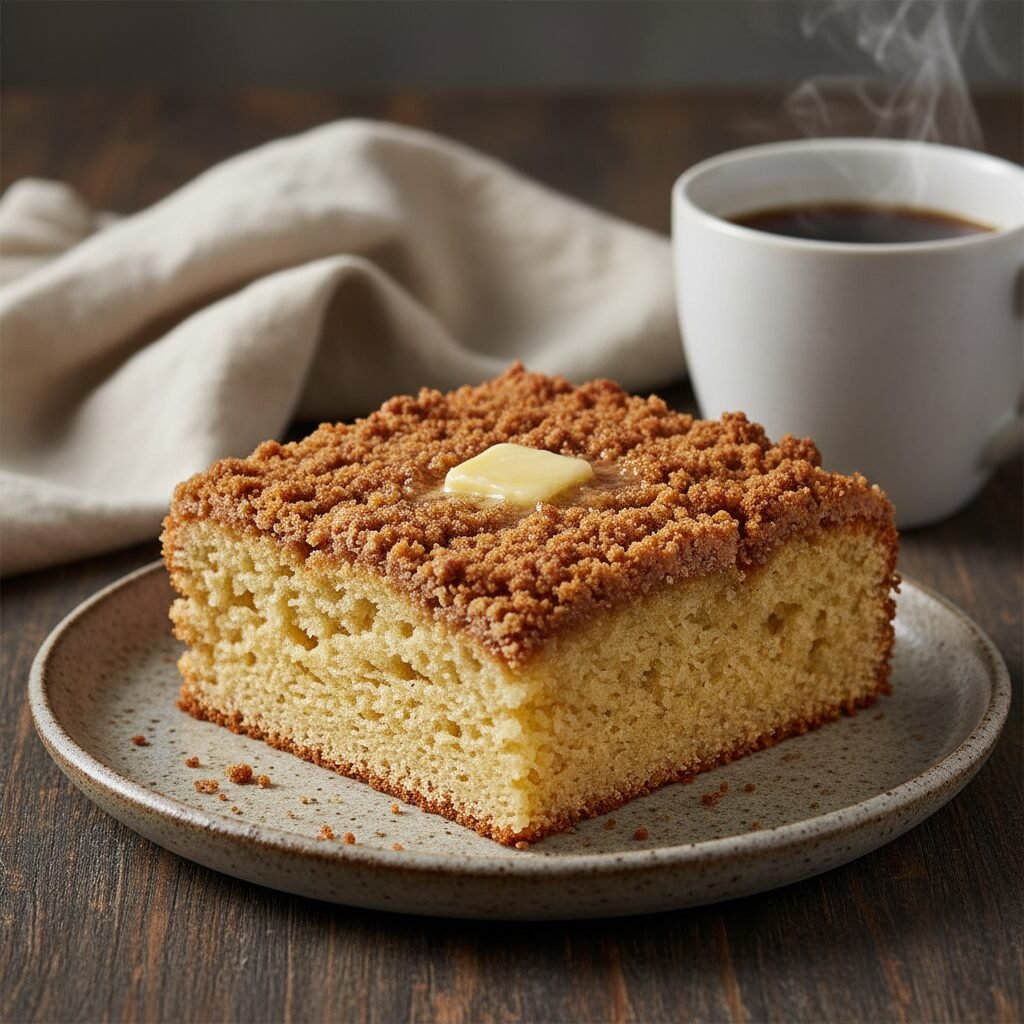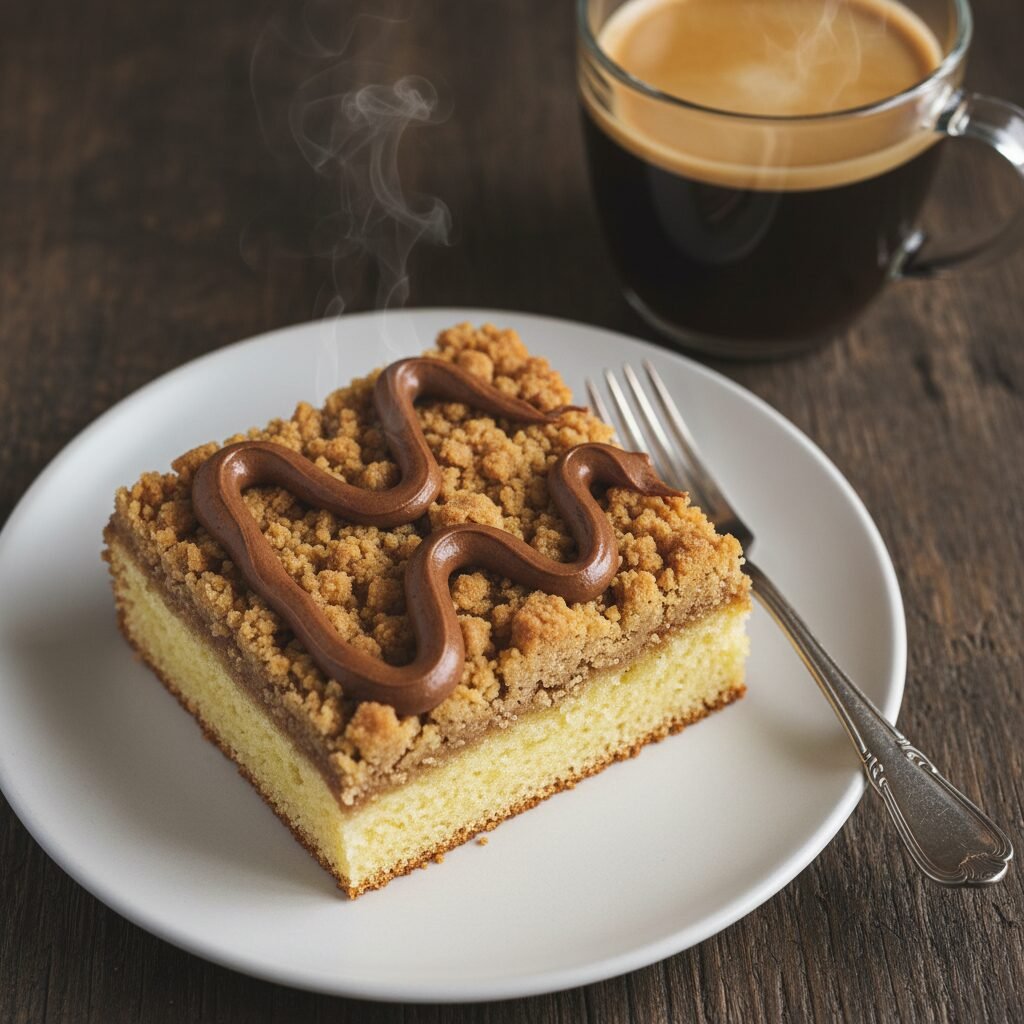
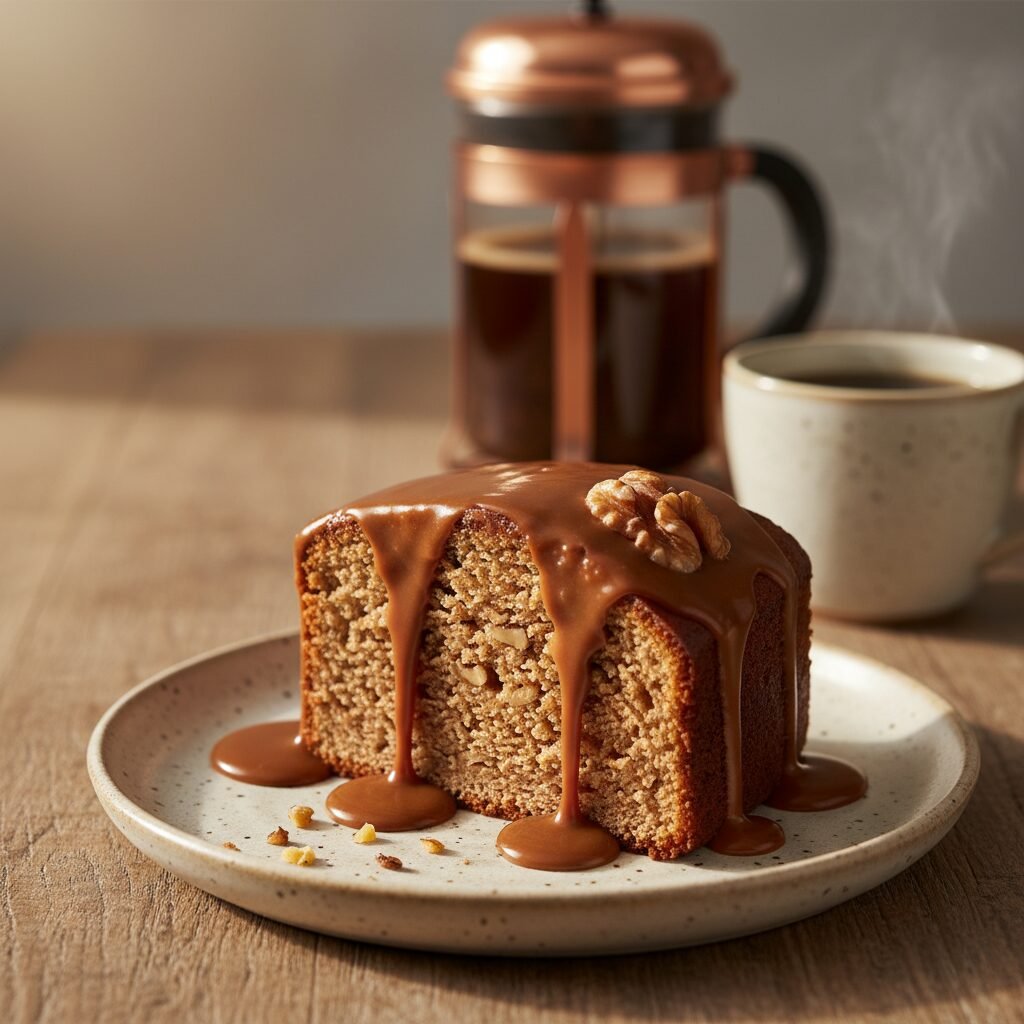
Moist Coffee Walnut Cake For Brunch Recipe
Elevate your weekend brunch with this incredibly moist Coffee Walnut Cake. Infused with rich espresso and studded with toasted walnuts, this tender cake is topped with a silky coffee glaze that pairs perfectly with your morning cup of joe.
20 minutes
50 minutes
1 hour 10 minutes
10-12 servings
Dessert / Breakfast
Baking
American
Vegetarian
There is something undeniably magical about the ritual of weekend brunch. It is that sweet spot between breakfast and lunch where time seems to slow down, and the only item on the agenda is enjoyment. While savory dishes like eggs benedict or avocado toast often take center stage, no brunch spread is truly complete without a show-stopping sweet treat to linger over. Enter this Moist Coffee Walnut Cake—a recipe designed specifically for those slow, lazy mornings where comfort is key. This isn’t just a cake to serve alongside coffee; it is a cake that celebrates coffee. The batter is infused with strong espresso, deepening the flavor profile and providing a robust counterpoint to the sweetness of the brown sugar.
Texture is paramount in baking, and this recipe conquers the dreaded dry crumb that plagues so many coffee cakes. By utilizing sour cream and a specific blend of white and brown sugars, we achieve a crumb that is dense yet tender, moist without being heavy. The toasted walnuts add a necessary textural contrast, offering a nutty crunch that breaks up the softness of the sponge. Finally, the pièce de résistance is the coffee glaze—a simple mixture that drizzles down the sides, locking in moisture and adding an extra hit of caffeine. Whether you are hosting a full house or simply treating yourself to a quiet moment with a book, this cake promises to be the highlight of your table. It smells like a cozy coffee shop while baking and tastes like a warm hug on a plate.
History & Origins
The concept of ‘coffee cake’ has a rich and somewhat confusing history, deeply rooted in the culinary traditions of Northern and Central Europe. Historically, the term referred to cakes intended to be eaten *with* coffee, rather than cakes flavored *of* coffee. The tradition of ‘Kaffeeklatsch’—gathering over coffee and conversation—originated in Germany and Scandinavia in the 17th century, shortly after coffee was introduced to Europe. These early cakes were often yeast-based, sweet breads, rich with fruits, spices, and nuts, designed to complement the bitterness of the black brew.
As European immigrants moved to America, they brought these baking traditions with them. However, the availability of baking powder and baking soda in the 19th and 20th centuries revolutionized home baking, allowing for the quicker, chemically leavened cakes we recognize today as ‘coffee cakes.’ The crumb cake, streusel cake, and sour cream bundt cake became staples of American hospitality.
Interestingly, the incorporation of actual coffee *into* the batter is a more modern evolution, bridging the gap between a cake for coffee and a coffee-flavored dessert. Walnuts, native to the region stretching from the Balkans to China, have been a prized baking ingredient for millennia due to their high oil content and rich flavor. Combining the New World innovation of the moist, sour cream-based cake with the Old World tradition of nut-studded pastries creates a beautiful lineage of flavor. This specific recipe nods to the classic American brunch culture of the 1980s and 90s, where hearty, nut-filled loaf cakes became a staple in cafes and bakeries across the country, representing a fusion of comfort and sophistication.
Why This Recipe Works
This recipe succeeds where many others fail due to a careful balance of fat, sugar, and acidity. First, the inclusion of full-fat sour cream is non-negotiable. Sour cream does two things: its acidity relaxes the gluten strands in the flour, resulting in a tender crumb, and its high fat content ensures the cake remains moist for days. Unlike milk, which can thin a batter out, sour cream adds thickness and richness without compromising structure.
Secondly, we use a combination of granulated white sugar and dark brown sugar. Brown sugar contains molasses, which is hygroscopic—meaning it attracts and holds onto water molecules. This prevents the cake from drying out in the oven. The molasses also adds a depth of flavor that pairs beautifully with the slight bitterness of the walnuts and coffee.
Regarding the coffee flavor, we use instant espresso powder rather than brewed coffee. Brewed coffee adds too much liquid for the amount of flavor it imparts, often throwing off the wet-dry ratio of the batter. Espresso powder, however, delivers a concentrated punch of coffee flavor without altering the liquid content. Finally, toasting the walnuts before adding them to the batter releases their essential oils, intensifying their flavor and ensuring they stay crisp rather than turning soggy during the bake.
Why You’ll Love This Recipe
- ✓Incredibly moist crumb thanks to sour cream and brown sugar.
- ✓Rich coffee flavor infused in both the sponge and the glaze.
- ✓Perfect balance of sweet and nutty textures.
- ✓Ideally suited for making ahead; tastes even better the next day.
- ✓Freezes beautifully for up to 3 months.
- ✓A sophisticated addition to any brunch or holiday table.
Equipment You’ll Need
- ✓9×5 inch Loaf Pan or 9-inch Bundt Pan
- ✓Stand Mixer or Hand Mixer
- ✓Large Mixing Bowl
- ✓Medium Mixing Bowl
- ✓Whisk
- ✓Rubber Spatula
- ✓Cooling Rack
- ✓Measuring Cups and Spoons
- ✓Parchment Paper
Ingredients
- ✓2 cups All-Purpose Flour
- ✓1 tsp Baking Powder
- ✓1/2 tsp Baking Soda
- ✓1/2 tsp Salt
- ✓1 tbsp Instant Espresso Powder (dissolved in 1 tbsp hot water)
- ✓1/2 cup Unsalted Butter, softened
- ✓3/4 cup Granulated Sugar
- ✓1/2 cup Dark Brown Sugar, packed
- ✓2 Large Eggs, room temperature
- ✓1 tsp Vanilla Extract
- ✓1 cup Full-Fat Sour Cream, room temperature
- ✓1 1/2 cups Chopped Walnuts, toasted
- ✓1 cup Powdered Sugar (for glaze)
- ✓2-3 tbsp Strong Brewed Coffee or Milk (for glaze)
Instructions
- Preheat your oven to 350°F (175°C). Grease a 9×5 inch loaf pan generously with butter and line it with parchment paper, leaving an overhang on the sides for easy removal.
- Spread the chopped walnuts on a baking sheet and toast in the preheating oven for 5-7 minutes until fragrant. Watch them closely so they don’t burn. Remove and let cool.
- In a medium bowl, whisk together the flour, baking powder, baking soda, and salt. Set aside.
- In a small cup, dissolve the instant espresso powder in 1 tablespoon of hot water. Let it cool slightly.
- In a large mixing bowl or the bowl of a stand mixer fitted with the paddle attachment, cream the softened butter, granulated sugar, and brown sugar together on medium-high speed for 3-4 minutes until light and fluffy.
- Add the eggs one at a time, beating well after each addition. Scrape down the sides of the bowl. Beat in the vanilla extract and the dissolved espresso mixture.
- Reduce the mixer speed to low. Add half of the dry ingredients to the butter mixture and mix until just combined.
- Add the sour cream and mix until incorporated. Then, add the remaining dry ingredients. Mix until just combined—do not overmix.
- Gently fold in the toasted walnuts using a rubber spatula.
- Pour the batter into the prepared loaf pan and smooth the top with the spatula.
- Bake for 45-55 minutes, or until a toothpick inserted into the center comes out clean or with just a few moist crumbs attached.
- Remove from the oven and let the cake cool in the pan for 15 minutes. Then, lift it out using the parchment paper and transfer to a wire rack to cool completely.
- While the cake cools, make the glaze. Whisk together the powdered sugar and brewed coffee (or milk) until smooth. Adjust the liquid to reach your desired consistency.
- Once the cake is completely cool, drizzle the glaze generously over the top. Let the glaze set for 10 minutes before slicing.
Expert Cooking Tips
- ✓Room temperature ingredients are crucial. Ensure your butter, eggs, and sour cream are at room temperature to prevent the batter from curdling.
- ✓Do not skip toasting the walnuts. It adds a depth of flavor and crunch that raw walnuts lack.
- ✓Measure flour correctly. Use the spoon-and-level method or a kitchen scale to avoid a dense, dry cake.
- ✓Don’t overmix the batter once the flour is added. Overmixing develops gluten, which leads to a tough cake.
- ✓Check for doneness early. Ovens vary, so start checking your cake at the 45-minute mark to prevent overbaking.
- ✓Let the cake cool completely before glazing. If the cake is too warm, the glaze will simply melt and run off.
Substitutions and Variations
This recipe is quite versatile and allows for several substitutions depending on your dietary needs or pantry staples. If you don’t have walnuts, pecans are an excellent alternative that offer a similar buttery crunch; hazelnuts can also be used for a more European flavor profile. For those with nut allergies, you can simply omit the nuts or replace them with chocolate chips or dried cranberries for a different twist. If sour cream isn’t available, full-fat plain Greek yogurt is the best substitute—it provides the same acidity and thickness. Avoid using regular milk or low-fat yogurt as this will affect the moisture content. For the coffee flavor, if you don’t have instant espresso powder, you can use instant coffee granules, though you may need to use slightly more to achieve the same intensity. If you prefer a caffeine-free version, decaf instant coffee works perfectly. Lastly, for a gluten-free version, substitute the all-purpose flour with a high-quality 1:1 gluten-free baking flour blend that contains xanthan gum.
Common Mistakes to Avoid
The most common mistake when making this cake is over-baking. Because the batter is dark due to the brown sugar and coffee, visual cues can be tricky. Rely on the toothpick test rather than the color of the crust. Another frequent error is using cold ingredients. When cold eggs or sour cream hit creamed butter, the fat can seize, creating a curdled-looking batter that doesn’t rise evenly. Ensure everything is at room temperature before you start. Additionally, many bakers fail to line their loaf pan. This is a moist, heavy cake, and it can stick stubbornly to the corners of the pan. Using parchment paper ensures you can lift it out intact. Finally, rushing the cooling process is a mistake; slicing the cake while it is still hot will cause it to crumble and fall apart, as the structure needs time to set as it cools.
Serving Suggestions
This cake shines as the centerpiece of a brunch spread, but its versatility extends beyond the morning meal. Serve thick slices slightly warmed with a pat of salted butter for a decadent breakfast. It pairs exceptionally well with a hot latte, a cold brew, or even a tall glass of cold milk. for a dessert presentation, serve a slice with a dollop of mascarpone cream or a scoop of vanilla bean ice cream. The slight tang of the mascarpone complements the coffee flavor beautifully. If you are hosting a party, you can bake this in a bundt pan (adjusting baking time accordingly) for a more elegant presentation, garnished with edible flowers or chocolate-covered espresso beans.
Storage and Reheating Tips
To store this cake, wrap it tightly in plastic wrap or store it in an airtight container at room temperature. It will stay moist and fresh for up to 3-4 days. In fact, the flavors often meld and improve on the second day. If you live in a particularly hot or humid climate, you may want to store it in the refrigerator, but be sure to bring it to room temperature before eating to revive the texture. For longer storage, this cake freezes exceptionally well. Wrap individual slices or the whole loaf in a layer of plastic wrap followed by a layer of aluminum foil. It can be frozen for up to 3 months. Thaw overnight on the counter before serving.
Nutrition Facts (Estimated)
| Serving Size | 1 slice |
| Calories | 420 |
| Fat | 22g |
| Saturated Fat | 10g |
| Unsaturated Fat | 11g |
| Trans Fat | 0g |
| Cholesterol | 65mg |
| Sodium | 180mg |
| Carbohydrates | 48g |
| Fiber | 2g |
| Sugar | 28g |
| Protein | 6g |
Frequently Asked Questions
Can I use brewed coffee instead of espresso powder in the batter?
It is not recommended. Brewed coffee adds too much liquid to the batter without providing enough concentrated coffee flavor. Instant espresso powder delivers the flavor punch without altering the chemistry of the cake.
Why did my walnuts sink to the bottom?
This happens if the batter is too thin or the nuts are too heavy. This batter is thick enough to hold them, but if you are having trouble, toss the toasted walnuts in a teaspoon of flour before folding them into the batter. This helps them grip the batter and stay suspended.
Can I make this in a bundt pan?
Yes, absolutely! A standard loaf recipe might be a bit small for a large 10-12 cup bundt pan, so you might want to double the recipe or use a smaller 6-cup bundt pan. Monitor the baking time as the increased surface area may cook the cake faster.
Can I reduce the sugar in this recipe?
You can reduce the sugar slightly (by about 1/4 cup), but be aware that sugar contributes to the moisture and texture, not just the sweetness. Reducing it too much may result in a drier, tougher cake.
My cake is browning too fast on top but isn’t done in the middle. What do I do?
Tent the loaf pan loosely with a piece of aluminum foil. This protects the top from direct heat while allowing the center to continue baking.
Is this cake safe for kids since it has coffee?
The amount of caffeine per slice is relatively low compared to a cup of coffee, but it does contain real caffeine. If you are concerned, use decaffeinated espresso powder.
What is the best way to measure the flour?
The most accurate way is to weigh it (1 cup of AP flour is approx 120g). If using cups, fluff the flour with a spoon, sprinkle it into the cup, and level it off with a knife. Never scoop directly from the bag.
Can I use oil instead of butter?
You can, but butter provides a specific flavor and structure that is desirable in a coffee cake. If you swap for oil, the texture will be softer and more muffin-like, but you will lose the buttery taste.
Conclusion
This Moist Coffee Walnut Cake is more than just a recipe; it is an invitation to slow down and savor the moment. Whether you are an experienced baker or a novice in the kitchen, the straightforward method and forgiving nature of the sour cream batter make this a foolproof addition to your repertoire. The deep, roasted notes of espresso, the earthy crunch of walnuts, and the sweet, lingering glaze create a symphony of flavors that define comfort. So, brew a fresh pot of coffee, slice a generous piece of this cake, and enjoy the simple pleasure of a homemade brunch. Don’t forget to pin this recipe for your next gathering—it is sure to become a requested favorite!