Moist Raspberry Shortcake Recipe
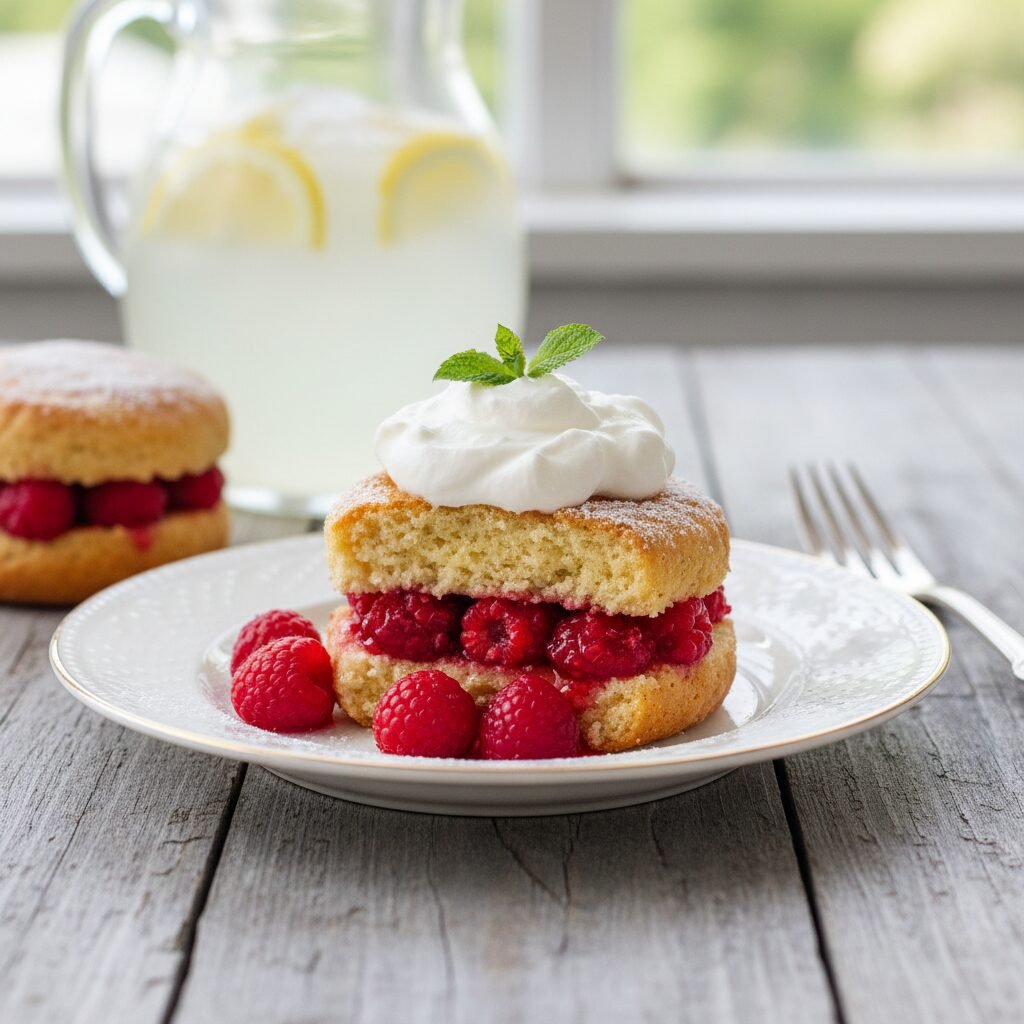
Experience the perfect balance of tart and sweet with this Moist Raspberry Shortcake recipe. Featuring tender, buttery biscuits layered with juicy macerated raspberries and fluffy homemade whipped cream, this dessert is the quintessential summer treat.
20 minutes
15 minutes
35 minutes
6 servings
Dessert
Baking
American
Vegetarian
There are few desserts that capture the essence of summer quite like a classic shortcake, but when you swap the traditional strawberries for vibrant, tart raspberries, you elevate a nostalgic favorite into something truly sophisticated. This Moist Raspberry Shortcake recipe is designed for those who crave the perfect textural interplay between a warm, crumbly biscuit and cool, silky cream. Unlike the sponge cake versions found in grocery stores, this recipe goes back to the roots of the ‘short’ cake—a biscuit-based dough that is rich in butter and cream, resulting in a tender crumb that soaks up the fruit juices without becoming mushy. The beauty of this dish lies in its simplicity; with only a handful of high-quality ingredients, you can create a dessert that looks like it came from a high-end bakery. The raspberries offer a bright acidity that cuts through the richness of the heavy whipping cream, while the biscuit provides a savory-sweet foundation that grounds the entire bite. Whether you are hosting a backyard barbecue, a bridal shower, or simply looking for a way to use up a fresh pint of berries from the farmers market, this recipe promises to be a showstopper. We have meticulously tested the ratios of flour to fat to ensure the biscuits rise high and stay moist, avoiding the dry, hockey-puck texture that often plagues homemade biscuits. Prepare to fall in love with the ruby-red syrup that forms naturally as the raspberries macerate, creating a sauce that is both stunning to look at and incredibly delicious.
History & Origins
The history of shortcake is a journey that spans centuries and crosses the Atlantic, evolving from a humble British biscuit to an American dessert icon. The term ‘shortcake’ first appeared in an English cookbook as early as 1588. In culinary terms, ‘short’ refers to the addition of fat—usually butter or lard—to a dough, which inhibits the formation of long gluten strands, resulting in a ‘short’ or crumbly texture rather than a chewy one. Originally, these cakes were more like unleavened cookies or scones, served alongside tea. It wasn’t until the mid-19th century in the United States that the concept of pairing these biscuits with fruit and cream truly took off. The ‘Strawberry Shortcake’ became a sensation in the 1850s, coinciding with the improvement of transcontinental shipping which made berries more accessible. ‘Shortcake parties’ became a popular summer social event across New England and the Midwest. While strawberries have historically hogged the spotlight due to their abundance and sweetness, raspberries have always held a prestigious place in baking history for their delicate structure and complex flavor profile. Using raspberries in shortcake is a nod to the Victorian preference for tart fruits that pair well with sweetened cream. This specific recipe honors that lineage by maintaining the traditional biscuit base—rejecting the modern sponge cake alternative—while celebrating the raspberry, a fruit that has been cultivated in Europe since the 17th century and remains a symbol of summer abundance.
Why This Recipe Works
This recipe succeeds where others fail due to the precise manipulation of moisture and fat content. The biscuit base is the critical component; many recipes result in dry, crumbly pucks because they use too much flour or overwork the dough. Our method utilizes cold butter cut into the flour, similar to a pie crust, which creates pockets of steam during baking. This ensures a flaky, lofty rise. Furthermore, we use heavy cream in the dough instead of buttermilk or milk. The higher fat content in the cream tenderizes the gluten network even further, guaranteeing a ‘melt-in-your-mouth’ texture that remains moist long after cooling. Regarding the fruit, raspberries are naturally more fragile and tart than strawberries. This recipe leverages that by macerating the berries with sugar for at least 30 minutes. This process draws out the natural pectin and juices, creating a self-saucing filling that permeates the biscuit without requiring artificial thickeners. Finally, the whipped cream is lightly stabilized with confectioners’ sugar rather than granulated sugar. The cornstarch present in confectioners’ sugar helps the cream hold its shape for longer, preventing the dessert from collapsing into a milky mess upon serving. The combination of warm, savory-sweet biscuit, cold vanilla cream, and room-temperature berry compote creates a temperature contrast that is scientifically proven to heighten flavor perception.
Why You’ll Love This Recipe
- ✓Produces ultra-tender, flaky biscuits that never taste dry.
- ✓Raspberry maceration creates a natural, vibrant red syrup.
- ✓Ready in under 45 minutes from start to finish.
- ✓Perfect balance of tart berries and sweet vanilla cream.
- ✓A stunning visual presentation perfect for guests.
- ✓Can be made with fresh or frozen raspberries.
Equipment You’ll Need
- ✓Large mixing bowl
- ✓Pastry blender or food processor
- ✓Baking sheet
- ✓Parchment paper
- ✓Electric hand mixer or stand mixer
- ✓Biscuit cutter (3-inch)
- ✓Measuring cups and spoons
- ✓Wire cooling rack
Ingredients
- ✓2 cups All-Purpose Flour
- ✓1/4 cup Granulated Sugar (plus 2 tbsp for berries)
- ✓1 tbsp Baking Powder
- ✓1/2 tsp Salt
- ✓1/2 cup Unsalted Butter, cold and cubed
- ✓3/4 cup Heavy Cream (plus extra for brushing)
- ✓1 tsp Vanilla Extract
- ✓1 tbsp Coarse Turbinado Sugar (for topping)
- ✓3 cups Fresh Raspberries
- ✓1 tbsp Lemon Juice
- ✓1 cup Heavy Whipping Cream (for topping)
- ✓2 tbsp Confectioners’ Sugar
Instructions
- 1. Preheat your oven to 425°F (220°C) and line a baking sheet with parchment paper.
- 2. In a medium bowl, combine the fresh raspberries, 2 tablespoons of granulated sugar, and lemon juice. Gently toss to coat. Set this aside to macerate while you bake the biscuits; this allows the juices to release.
- 3. In a large mixing bowl, whisk together the flour, 1/4 cup granulated sugar, baking powder, and salt until well combined.
- 4. Add the cold, cubed butter to the flour mixture. Using a pastry blender or your fingertips, cut the butter into the flour until the mixture resembles coarse crumbs with some pea-sized pieces of butter remaining.
- 5. Pour in 3/4 cup of heavy cream and the vanilla extract. Stir gently with a fork just until the dough comes together. Do not overmix.
- 6. Turn the dough out onto a lightly floured surface. Gently pat it into a rectangle about 1-inch thick. Fold the dough over itself once or twice to create layers, then pat down to 1-inch thickness again.
- 7. Using a 3-inch biscuit cutter, cut out rounds. Press the cutter straight down without twisting to ensure the biscuits rise evenly. Re-roll scraps gently if necessary to get 6 biscuits.
- 8. Place the biscuits on the prepared baking sheet. Brush the tops with a little extra heavy cream and sprinkle generously with coarse Turbinado sugar.
- 9. Bake for 12-15 minutes, or until the tops are golden brown and the biscuits have risen tall. Remove from the oven and let them cool on a wire rack.
- 10. While the biscuits cool, prepare the whipped cream. In a chilled bowl, whip 1 cup of heavy whipping cream and confectioners’ sugar until soft-to-medium peaks form.
- 11. To assemble, slice the warm biscuits in half horizontally. Spoon a generous amount of the macerated raspberries and their juices onto the bottom half. Top with a dollop of whipped cream, and place the biscuit top on. Serve immediately.
Expert Cooking Tips
- ✓Keep your butter and cream extremely cold until the moment you use them to ensure flaky layers.
- ✓Do not twist the biscuit cutter when stamping out dough; twisting seals the edges and prevents rising.
- ✓If your raspberries are very tart, taste the macerated mixture and adjust sugar as needed before assembling.
- ✓Chill your mixing bowl and beaters in the freezer for 10 minutes before whipping the cream for faster volume.
- ✓Handle the dough as little as possible to prevent the heat from your hands melting the butter.
- ✓For extra flavor, you can grate a little lemon zest into the biscuit dough.
- ✓Serve the biscuits slightly warm for the best texture contrast with the cold cream.
Substitutions and Variations
This recipe is quite versatile regarding ingredients. For the flour, you can use a 1:1 Gluten-Free All-Purpose Flour blend that contains xanthan gum if you are avoiding gluten. If you don’t have heavy cream for the dough, you can substitute buttermilk for a tangier flavor, though the texture will be slightly less rich. For a dairy-free version, use full-fat coconut cream (chilled) in place of the heavy cream and a high-quality vegan butter stick substitute. While raspberries are the star here, you can easily substitute strawberries, blackberries, or a mix of forest berries. If you don’t have turbinado sugar for the topping, regular granulated sugar works, though it won’t have the same crunch. Honey or maple syrup can be used to sweeten the berries instead of sugar for a more floral flavor profile.
Common Mistakes to Avoid
The most common mistake when making shortcake is overworking the dough. Kneading it like bread develops too much gluten, resulting in a tough, rubbery biscuit rather than a tender, flaky one. Another frequent error is using warm butter; if the butter melts before it hits the oven, you lose the steam pockets that create the rise. Additionally, many home cooks assemble the shortcakes too early. If you assemble them more than 10 minutes before serving, the juice from the raspberries will soak into the bottom biscuit, making it soggy and unappetizing. Always assemble right at the table or immediately before plating. Finally, avoid using canned whipped cream; it dissolves quickly and lacks the rich mouthfeel necessary to balance the biscuit.
Serving Suggestions
These Raspberry Shortcakes are best served individually plated to showcase their height and layers. A sprig of fresh mint adds a pop of color and a refreshing aroma that complements the berries. For an extra indulgent touch, drizzle a little dark chocolate ganache over the raspberries before adding the cream. If you are serving this for a brunch, it pairs beautifully with a mimosa or a hot Earl Grey tea. For an evening dessert, a glass of Prosecco or a sweet dessert wine like Moscato highlights the fruitiness of the dish. You can also serve the components family-style: a basket of warm biscuits, a bowl of berries, and a bowl of cream, allowing guests to build their own.
Storage and Reheating Tips
Shortcake is best enjoyed fresh, but components can be stored separately. The baked biscuits can be stored in an airtight container at room temperature for up to 2 days. To reheat, place them in a 350°F oven for 5-7 minutes. The macerated raspberries should be kept in the refrigerator and are best used within 24 hours, as they will continue to break down and become very liquidy. The whipped cream should be stored in the fridge and may need a quick re-whip before serving if it separates. Do not store assembled shortcakes, as they will become mushy. Unbaked biscuit dough rounds can be frozen on a baking sheet and then transferred to a freezer bag for up to month; bake from frozen, adding a few extra minutes to the cooking time.
Nutrition Facts (Estimated)
| Serving Size | 1 Shortcake |
| Calories | 480 |
| Fat | 32g |
| Saturated Fat | 20g |
| Unsaturated Fat | 10g |
| Trans Fat | 1g |
| Cholesterol | 95mg |
| Sodium | 310mg |
| Carbohydrates | 45g |
| Fiber | 4g |
| Sugar | 22g |
| Protein | 6g |
Frequently Asked Questions
Can I use frozen raspberries?
Yes, you can use frozen raspberries. However, let them thaw completely and drain some of the excess liquid before mixing with sugar, or the filling will be too watery. You might need slightly less sugar as frozen berries are often picked at peak ripeness.
Why didn’t my biscuits rise?
Biscuits usually fail to rise due to expired baking powder or overworking the dough. Ensure your baking powder is fresh (less than 6 months old) and that you handled the dough gently. Also, remember not to twist the cutter.
Can I make the dough ahead of time?
Yes, you can make the dough, cut the biscuits, and freeze them raw. Bake them directly from the freezer when you are ready, adding about 3-5 minutes to the baking time. This often yields even better results as the butter is perfectly cold.
Is there a difference between shortcake and scones?
They are very similar, but scones often contain eggs and are denser and sweeter. Shortcake dough is typically richer in fat and slightly lighter, designed specifically to be a vehicle for fruit and cream.
How do I make the whipped cream more stable?
Using confectioners’ sugar helps because it contains cornstarch. For even more stability, especially in hot weather, you can add a teaspoon of skimmed milk powder or a specialized whip stabilizer to the cream before beating.
Can I use self-rising flour?
Yes. If using self-rising flour, omit the baking powder and salt from the recipe. However, using all-purpose flour gives you more control over the leavening agents.
My dough is too sticky to handle, what should I do?
Shortcake dough should be slightly sticky, but if it’s unmanageable, your kitchen might be too warm. Chill the dough for 10 minutes. You can also generously flour your hands and the cutter, but avoid adding too much extra flour to the dough itself.
Can I use a food processor?
Yes, a food processor is great for cutting the butter into the flour. Just be careful not to over-process; pulse in short bursts. Once you add the liquid, mix by hand to avoid toughness.
How can I make this recipe vegan?
Substitute the butter for a high-quality vegan butter block (cold), use full-fat coconut milk or oat milk for the liquid, and use coconut cream or a plant-based whipping cream for the topping.
Can I double this recipe?
Absolutely. You can simply double all ingredients. When cutting the butter into the flour, you might need to do it in two batches if your bowl or food processor isn’t large enough to ensure even distribution.
Conclusion
In the world of desserts, there is a special place for recipes that rely on the quality of ingredients rather than complicated techniques, and this Moist Raspberry Shortcake is the perfect example. It bridges the gap between a comforting, rustic home-bake and an elegant dinner party finish. The contrast of the warm, buttery, slightly salty biscuit against the cold, sweet cream and the tart explosion of raspberries is a sensory delight that never gets old. Whether you are a seasoned baker or a novice in the kitchen, this recipe is forgiving and rewarding. We hope this dish becomes a staple in your summer recipe rotation, creating memories of sunny afternoons and shared plates with loved ones. Don’t forget to pin this recipe for later and share your creations with us!