Moist Orange Cake For Spring Recipe
Embrace the vibrant energy of spring with this incredibly tender and moist orange cake recipe. Infused with fresh citrus zest and topped with a luscious glaze, it is the perfect balance of sweet and tangy for your next brunch or afternoon tea.
20 minutes
50 minutes
1 hour 10 minutes
10-12 servings
Dessert
Baking
American
Vegetarian
As the last frost of winter melts away and the first buds of spring begin to bloom, our palates naturally crave something brighter, lighter, and full of zest. This Moist Orange Cake is the culinary embodiment of that transition—a celebration of sunshine captured in a baking pan. There is something profoundly uplifting about the aroma of fresh citrus filling the kitchen; it wakes up the senses and promises a delicious reward. Unlike heavy, spiced winter desserts, this cake relies on the purity of fresh oranges to provide a flavor profile that is both sophisticated and comforting.
The texture is where this recipe truly shines. We have all suffered through dry, lackluster fruit cakes that rely too heavily on artificial extracts. This recipe, however, uses a specific combination of fats and dairy to ensure a crumb that is tender, velvety, and stays moist for days. It is the kind of cake that pairs perfectly with a hot cup of Earl Grey tea on a rainy April afternoon or stands proudly as the centerpiece of a sunny Easter brunch.
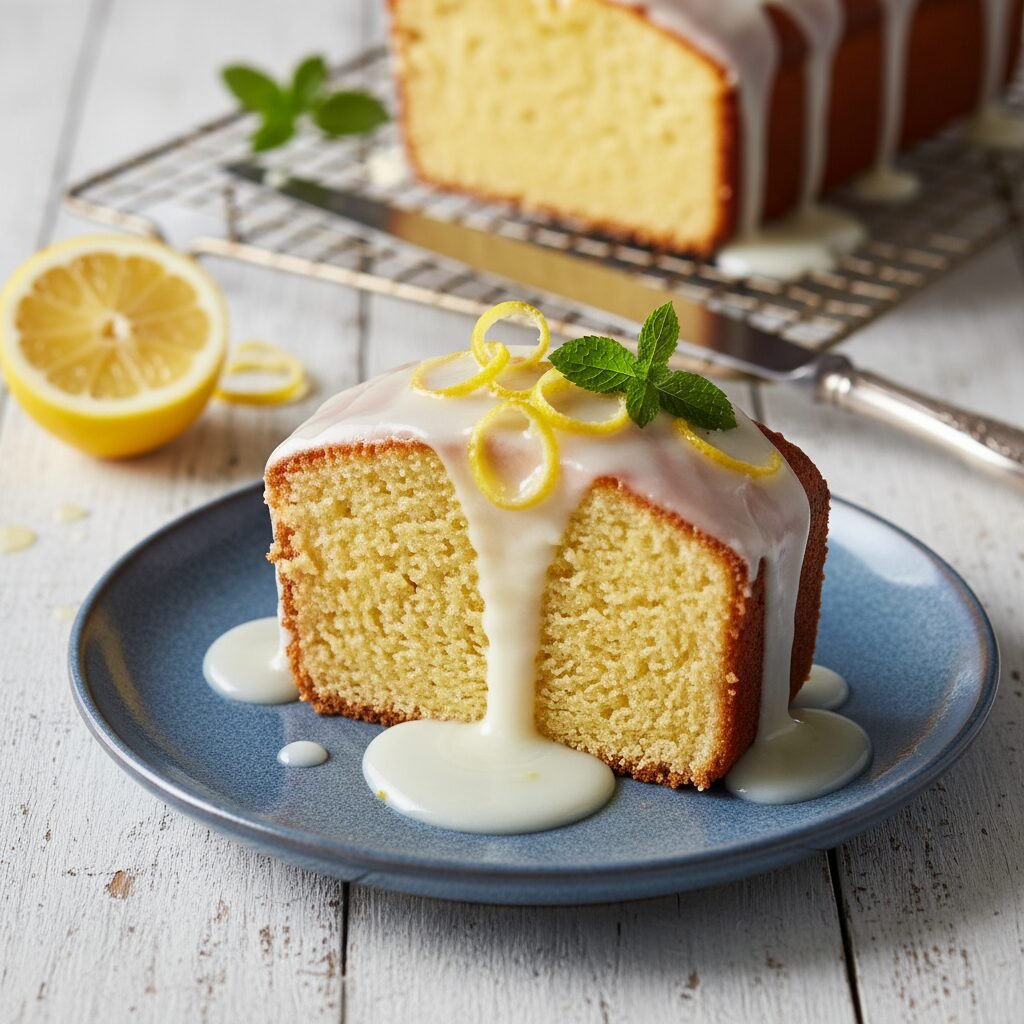
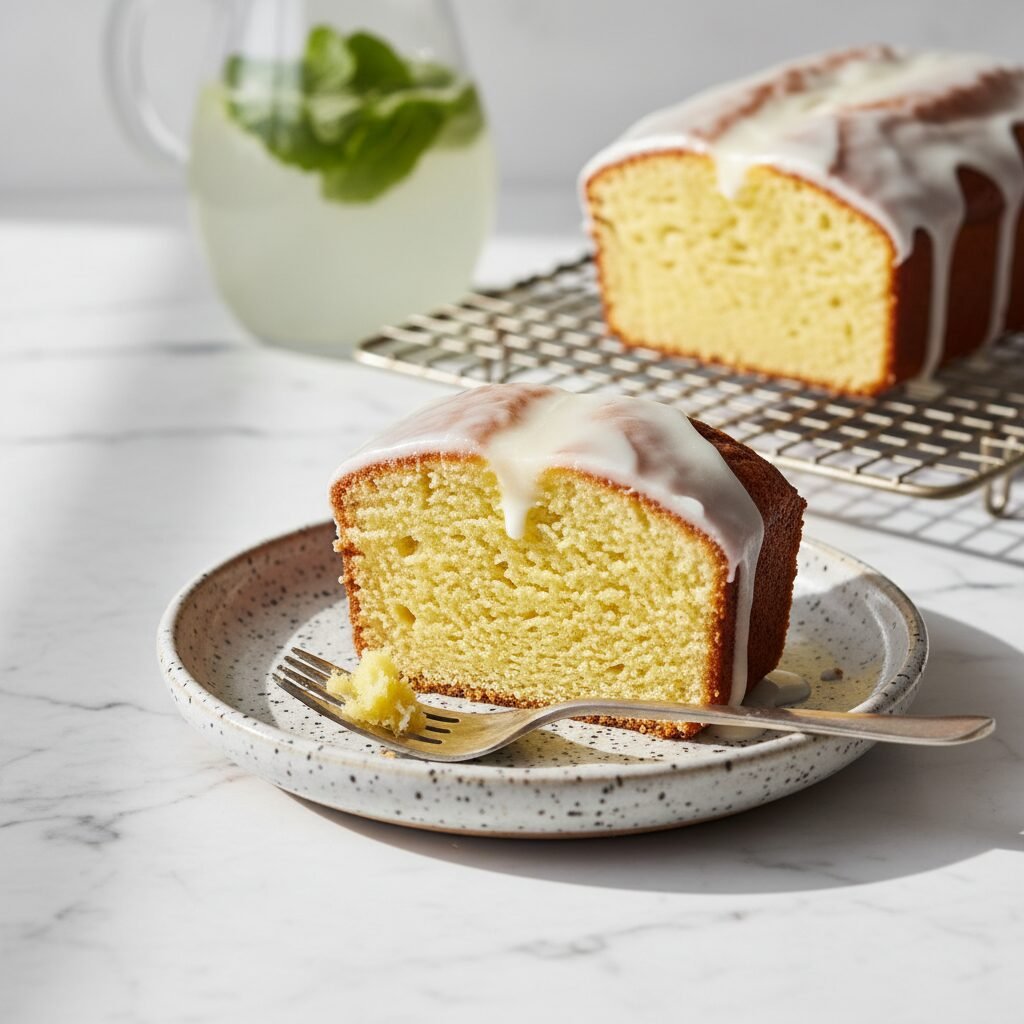
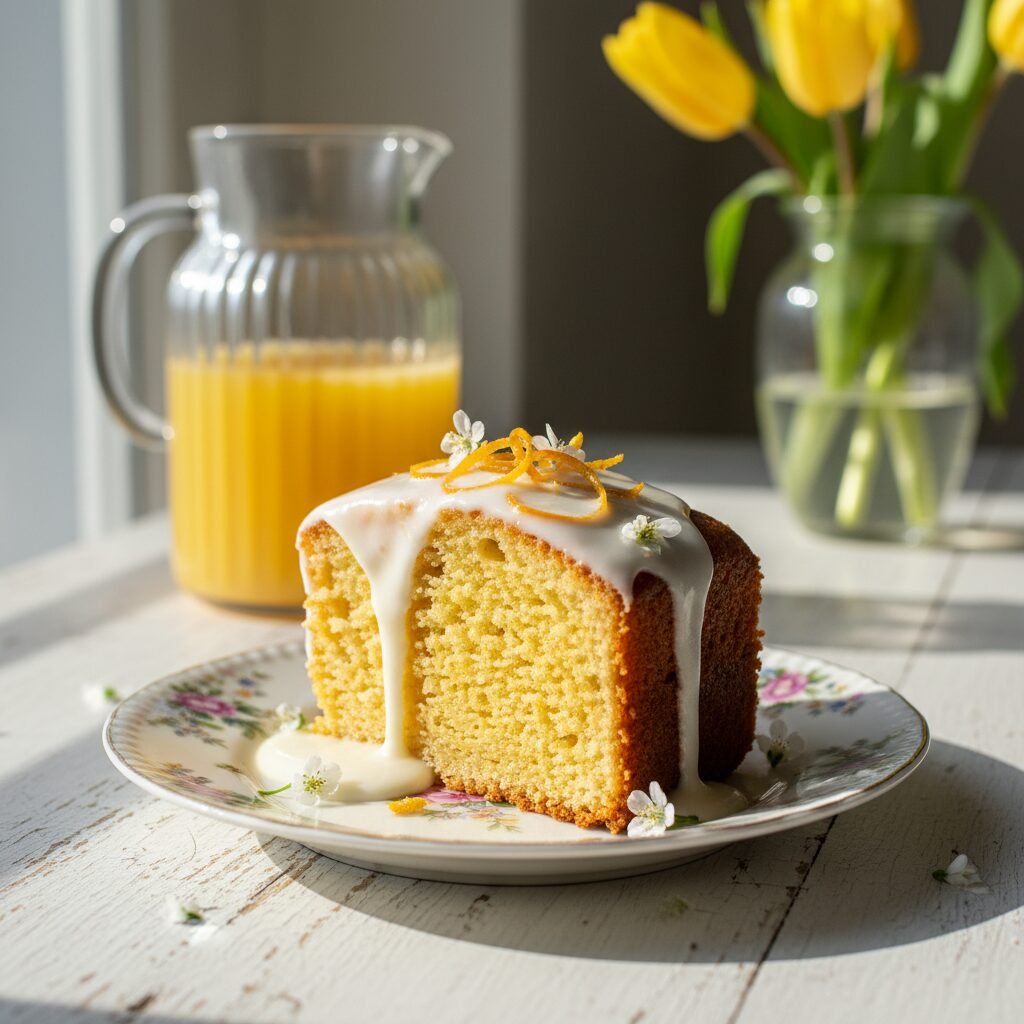
Beyond just the taste, this cake is a visual stunner. The natural golden hue of the batter, speckled with bright orange zest, bakes up into a beautiful loaf or bundt that requires very little decoration to look elegant. A simple drizzle of orange glaze cascades down the sides, creating a rustic yet refined look that is highly pin-worthy. Whether you are a seasoned baker looking for a reliable staple or a novice wanting to impress guests with minimal effort, this orange cake is your ticket to baking success. It captures the essence of spring in every bite—fresh, sweet, and undeniably joyful.
History & Origins
The history of incorporating citrus into baked goods is a journey that spans centuries and continents. Oranges themselves originated in Southeast Asia and were cultivated in China as early as 2500 BC. As trade routes expanded, the sweet orange made its way to the Mediterranean and eventually to the Americas. In the culinary world of medieval Europe, citrus was often a luxury, used primarily in candied forms or as a preservation method. However, as cultivation spread and the fruit became more accessible, cooks began experimenting with using the juice and zest in batters.
The concept of the ‘tea cake’ or ‘pound cake’ provides the structural ancestry for this recipe. Traditional pound cakes, dating back to the 1700s in Northern Europe, were dense and rich, made with equal parts flour, butter, eggs, and sugar. Over time, bakers sought to lighten these cakes and introduce new flavors. The Victorian era saw a boom in cake baking due to the availability of baking powder and finer flours, allowing for more delicate textures that could support fresh fruit flavors without becoming heavy or soggy.
In the United States, the popularity of orange cakes surged in the early 20th century, particularly in states like Florida and California where citrus groves were abundant. ‘Sunshine Cakes’ and ‘Orange Chiffon Cakes’ became staples in community cookbooks, celebrated for their ability to use local, fresh produce. During the mid-century era, bundt cakes infused with orange juice and zest became a suburban classic, often served at bridge clubs and garden parties. This specific recipe pays homage to that long lineage, blending the dense, moist comfort of a traditional pound cake with the lighter, zestier notes favored in modern pastry kitchens. It represents a timeless tradition of using seasonal bounty to create warmth and community around the dining table.
Why This Recipe Works
This recipe is scientifically formulated to avoid the common pitfalls of dry or bland fruit cakes. First and foremost, the secret to the intense orange flavor lies in the technique of ‘rubbing’ the orange zest into the granulated sugar before mixing. This abrasive action ruptures the oil cells in the zest, releasing the essential oils directly into the sugar crystals, ensuring the flavor permeates every gram of the batter rather than getting lost during baking.
Secondly, the moisture content is guaranteed by using a combination of oil and butter, along with a cultured dairy product like Greek yogurt or sour cream. While butter provides that classic, rich flavor, oil remains liquid at room temperature, which coats the flour proteins and prevents the cake from drying out. The acidity in the yogurt and orange juice not only tenderizes the gluten—resulting in a soft, melt-in-your-mouth crumb—but also reacts with the leavening agents to create a superior lift.
Finally, we employ a ‘soak’ method. By brushing a warm orange syrup over the cake while it is still warm, we introduce an extra layer of moisture and flavor that penetrates deep into the crumb. This technique, often used by professional pastry chefs, locks in hydration and creates a sticky, sweet crust that is utterly addictive. The result is a cake that actually improves in texture the day after baking, making it a reliable make-ahead option.
Why You’ll Love This Recipe
- ✓Intense natural orange flavor using both zest and fresh juice.
- ✓Stays moist for days thanks to a blend of oil, butter, and yogurt.
- ✓Beautiful, bright presentation perfect for spring holidays.
- ✓No mixer required; can be easily whipped up by hand.
- ✓Versatile batter that works in a loaf pan, bundt pan, or muffin tin.
- ✓Includes a zesty glaze that adds a sweet, tangy finish.
Equipment You’ll Need
- ✓9×5 inch Loaf Pan or 10-cup Bundt Pan
- ✓Large Mixing Bowl
- ✓Medium Mixing Bowl
- ✓Whisk
- ✓Rubber Spatula
- ✓Microplane or Zester
- ✓Citrus Juicer
- ✓Cooling Rack
- ✓Small Saucepan (for syrup)
Ingredients
- ✓2 cups All-purpose flour
- ✓1 1/2 tsp Baking powder
- ✓1/2 tsp Baking soda
- ✓1/2 tsp Salt
- ✓1 cup Granulated sugar
- ✓2 tbsp Fresh orange zest (approx. 2 oranges)
- ✓1/2 cup Unsalted butter, melted and slightly cooled
- ✓1/4 cup Vegetable oil or light olive oil
- ✓2 Large eggs, room temperature
- ✓1 cup Plain Greek yogurt or sour cream, room temperature
- ✓1/3 cup Freshly squeezed orange juice
- ✓1 tsp Pure vanilla extract
- ✓For the Glaze: 1 cup Powdered sugar
- ✓For the Glaze: 2-3 tbsp Fresh orange juice
Instructions
- Preheat your oven to 350°F (175°C). Grease your loaf pan or bundt pan generously with butter or non-stick spray and dust lightly with flour.
- In a medium bowl, whisk together the flour, baking powder, baking soda, and salt. Set aside.
- In a large mixing bowl, combine the granulated sugar and fresh orange zest. Use your fingertips to rub the zest into the sugar until the mixture resembles wet sand and is very fragrant. This releases the essential oils.
- Add the melted butter, vegetable oil, eggs, and vanilla extract to the sugar mixture. Whisk vigorously until combined and slightly pale.
- Whisk in the Greek yogurt (or sour cream) and the 1/3 cup orange juice until the wet mixture is smooth.
- Gently fold the dry ingredients into the wet ingredients using a rubber spatula. Mix only until no streaks of flour remain. Do not overmix, or the cake will be tough.
- Pour the batter into the prepared pan and smooth the top with the spatula.
- Bake for 45-55 minutes, or until a toothpick inserted into the center comes out clean or with just a few moist crumbs attached. If the top browns too quickly, tent loosely with aluminum foil after 30 minutes.
- Remove from the oven and let the cake cool in the pan for 15 minutes. Then, carefully invert it onto a wire rack to cool completely.
- While the cake cools, make the glaze by whisking together the powdered sugar and orange juice. adjust the consistency by adding more juice (for thinner) or sugar (for thicker).
- Drizzle the glaze over the cooled cake and sprinkle with extra zest if desired. Let the glaze set for 10 minutes before slicing.
Expert Cooking Tips
- ✓Room temperature ingredients are crucial; they emulsify better, creating a uniform crumb.
- ✓Zest the oranges before you juice them—it is much harder to zest a squeezed orange.
- ✓Don’t skip rubbing the zest into the sugar; it makes a massive difference in flavor intensity.
- ✓If using a bundt pan, ensure every crevice is greased to prevent sticking.
- ✓Check your baking powder freshness to ensure a good rise.
- ✓For an extra moist cake, brush the warm cake with a syrup made of equal parts sugar and orange juice before glazing.
Substitutions and Variations
This recipe is quite forgiving and allows for several substitutions depending on your dietary needs or pantry stock. If you don’t have Greek yogurt, full-fat sour cream is an excellent 1:1 substitute that provides the same richness. In a pinch, buttermilk can work, though the batter will be thinner and may require slightly less cooking time. For the fat, you can use all butter for a denser, more traditional pound cake texture, or all oil for a lighter, sponge-like cake, though the blend suggested offers the best of both worlds. Gluten-free all-purpose flour blends (like King Arthur Measure for Measure) work wonderfully here; just ensure the blend contains xanthan gum. If you want to reduce refined sugar, you can use coconut sugar, but be aware it will darken the color of the cake and add a caramel note that masks some of the citrus brightness. Blood oranges, cara cara oranges, or even Meyer lemons can be swapped in for standard navel oranges for a unique twist on the flavor profile.
Common Mistakes to Avoid
The most common mistake with this cake is overmixing the batter once the flour is added. Overmixing develops the gluten too much, leading to a rubbery, dense texture rather than a tender crumb. Mix just until the flour disappears. Another frequent error is baking at the wrong temperature or for too long; ovens vary, so rely on the toothpick test rather than the timer alone. A dry cake is often a result of overbaking. Also, avoid using bottled orange juice. Bottled juice often contains preservatives or added flavorings that can taste metallic or artificial in baked goods; fresh juice provides the necessary acidity and pure flavor. Finally, ensure you don’t glaze the cake while it is too hot, or the glaze will simply melt and slide off entirely, leaving a sticky mess rather than a beautiful white drizzle.
Serving Suggestions
This Moist Orange Cake is incredibly versatile in how it can be served. For a casual breakfast or brunch, serve thick slices alongside a bowl of fresh berries and a dollop of vanilla Greek yogurt. It pairs exceptionally well with hot beverages like Earl Grey tea, which has bergamot notes that complement the orange, or a dark roast coffee to cut through the sweetness. For a more dessert-focused presentation, serve a slice slightly warmed with a scoop of vanilla bean ice cream or a dollop of freshly whipped cream infused with a hint of cardamom. You can also garnish the plate with candied orange slices or edible spring flowers like pansies or nasturtiums to elevate the visual appeal for a dinner party. It travels well, making it a perfect candidate for potlucks, picnics, or gifting to neighbors.
Storage and Reheating Tips
To keep your orange cake fresh and moist, proper storage is key. At room temperature, store the cake in an airtight container or tightly wrapped in plastic wrap for up to 3 days. The high sugar and fat content act as preservatives, and the flavor often deepens on the second day. If you live in a particularly hot or humid climate, you may want to store it in the refrigerator, where it will last for up to a week; however, bring it back to room temperature before serving for the best texture. For long-term storage, this cake freezes beautifully. Wrap individual slices or the whole unglazed loaf tightly in plastic wrap, followed by a layer of aluminum foil. It can be frozen for up to 3 months. Thaw overnight in the refrigerator or on the counter for a few hours. If you plan to freeze it, it is best to add the glaze after thawing, right before serving.
Nutrition Facts (Estimated)
| Serving Size | 1 slice |
| Calories | 340 |
| Fat | 16g |
| Saturated Fat | 6g |
| Unsaturated Fat | 9g |
| Trans Fat | 0g |
| Cholesterol | 45mg |
| Sodium | 180mg |
| Carbohydrates | 45g |
| Fiber | 1g |
| Sugar | 28g |
| Protein | 4g |
Frequently Asked Questions
Can I use store-bought orange juice?
While you can, it is highly recommended to use fresh squeezed juice. Store-bought juice often lacks the bright acidity and fresh flavor of real oranges and can make the cake taste artificial.
Why did my cake sink in the middle?
Sinking usually happens if the oven door was opened too early, causing a temperature drop, or if the cake was underbaked. It can also result from too much leavening (baking powder/soda).
Can I make this recipe into muffins?
Absolutely! This batter makes delicious muffins. Bake them at 375°F for 18-22 minutes. This recipe should yield about 12-14 standard muffins.
My glaze is too runny, how do I fix it?
Simply add more powdered sugar, a tablespoon at a time, whisking until you reach your desired thickness. If it’s too thick, add a teaspoon of juice.
Can I reduce the sugar in this recipe?
You can reduce the sugar by about 1/4 cup without ruining the structure, but the cake may be less moist and tender. Sugar helps retain moisture, not just add sweetness.
What kind of oranges are best?
Navel oranges are great for baking because they are seedless and have thick skin for zesting. Valencia oranges are juicier but harder to zest. Blood oranges offer a stunning color.
Do I have to use a loaf pan?
No, you can use a 9-inch round cake pan or a bundt pan. Adjust baking times accordingly; a round pan may bake faster (30-40 mins) than a loaf pan.
Is this cake gluten-free?
As written, it contains wheat flour. However, you can successfully substitute a high-quality 1:1 gluten-free baking flour blend.
Conclusion
There you have it—a recipe that brings the brightness of a sunny orchard right into your kitchen. This Moist Orange Cake is more than just a sweet treat; it’s a comforting, aromatic experience that celebrates the simplicity of fresh ingredients. Whether you are baking for a special spring occasion or just need a pick-me-up during the week, this cake delivers on both flavor and texture every single time. We hope it becomes a beloved staple in your recipe box, just as it has in ours. Happy baking, and enjoy every zesty bite!