Moist Orange Cake For Summer Party Recipe
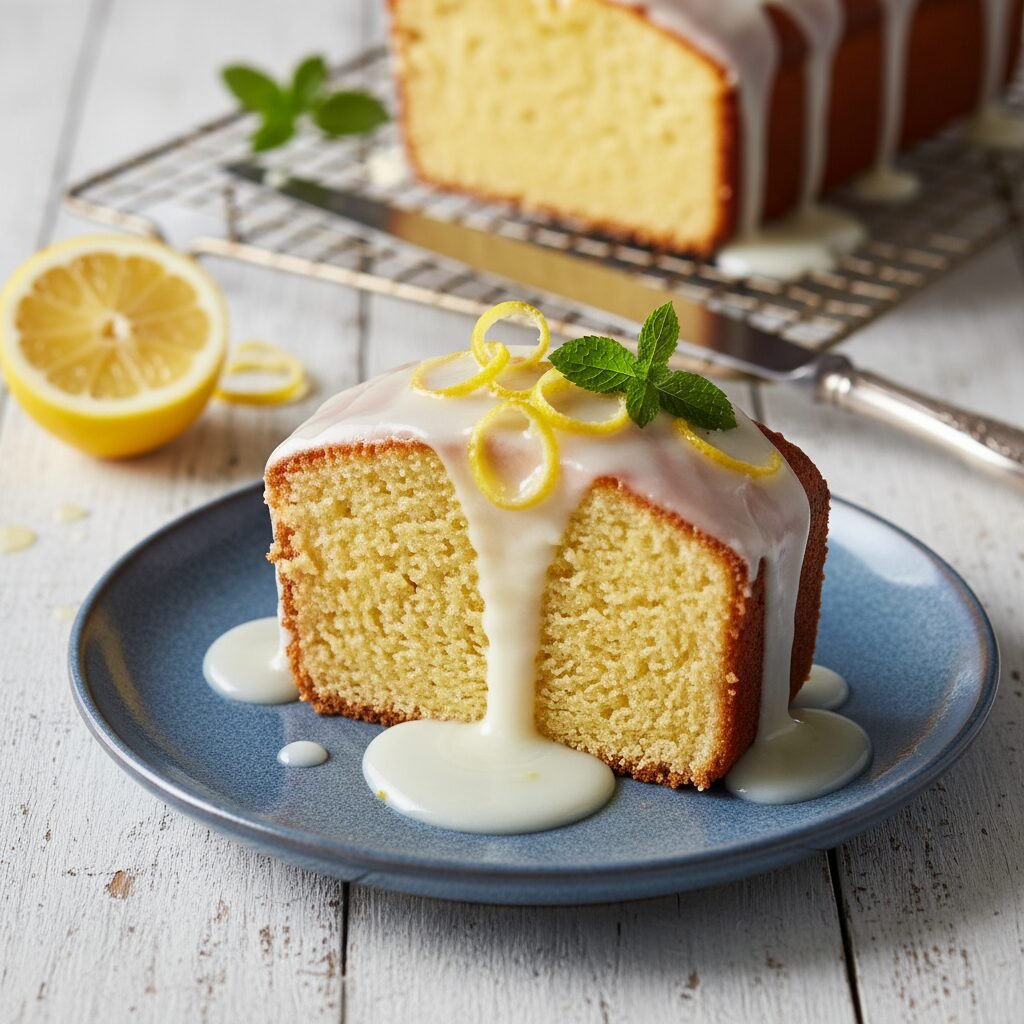
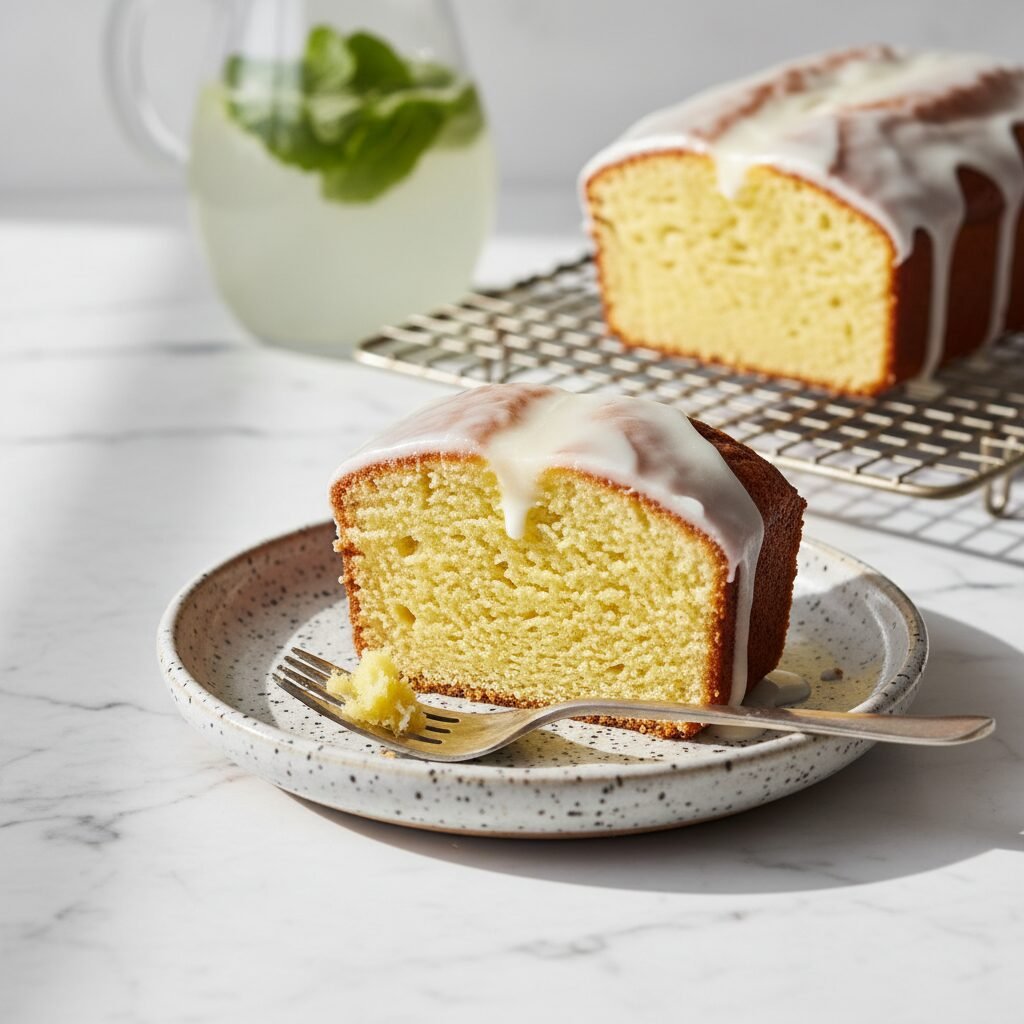
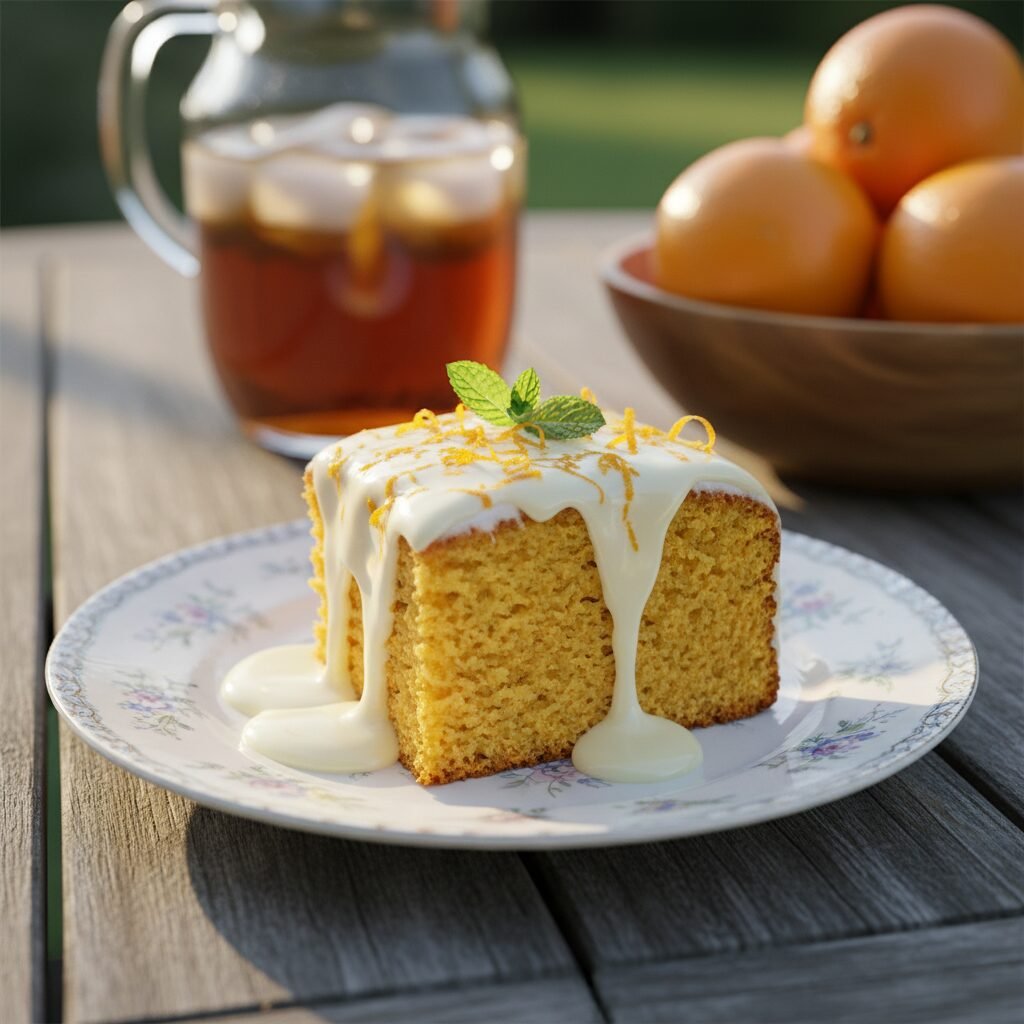
Bursting with fresh citrus flavor and an incredibly tender crumb, this Moist Orange Cake is the quintessential summer dessert. Infused with fresh juice and zest, then topped with a sweet, tangy glaze, it promises to be the star of your next backyard gathering or potluck.
20 minutes
45 minutes
1 hour 5 minutes
10-12 servings
Dessert
Baking
American
Vegetarian
There is something undeniably magical about the scent of fresh citrus baking in the oven. It evokes memories of bright, sunny afternoons, laughter in the garden, and the simple joys of summer. When the temperatures rise and the days grow longer, heavy, rich desserts often feel like too much. That is where this Moist Orange Cake steps in—it is sunshine on a plate. This recipe was born out of a desire to capture the essence of a ripe, juicy orange in a cake that avoids the common pitfall of dryness. Too often, fruit-flavored cakes can end up dense or lacking in punchy flavor, relying heavily on artificial extracts rather than the real thing. This cake changes the narrative entirely.
Imagine a texture that is impossibly soft, almost melting in your mouth, with a crumb that holds together perfectly yet remains light and airy. The flavor profile is a delicate balance of sweet and tart, with the floral notes of the orange zest singing through the richness of the batter. It is sophisticated enough for a dinner party but humble enough for a casual Tuesday night treat. The magic lies not just in the ingredients, but in the method—specifically how the orange zest is treated to release its essential oils. Whether you are hosting a Fourth of July barbecue, a bridal shower, or simply craving a slice of comfort with your morning coffee, this cake delivers on every front. It is a celebration of seasonal produce and the art of simple, scratch-made baking.
History & Origins
The history of orange cake is deeply intertwined with the history of citrus cultivation itself. Oranges, originally native to Southeast Asia, traveled the trade routes to the Middle East and eventually to the Mediterranean, where they became a staple in Spanish and Italian cuisine. In the Middle Ages, citrus was a luxury item in Northern Europe, often reserved for the wealthy or used medicinally. However, the concept of incorporating fruit into cakes dates back centuries, evolving from dense, fruit-studded breads to the lighter, leavened cakes we recognize today.
In the United States, the popularity of orange cake surged in the early 20th century with the expansion of the railway systems and the commercialization of citrus farming in Florida and California. Fresh oranges became accessible year-round, leading to a boom in citrus-centric recipes in community cookbooks. One specific milestone in American baking history was the ‘Orange Kiss Me Cake,’ which won the Pillsbury Bake-Off in 1950. This popularized the idea of using whole oranges (juice and zest) to flavor moist, tender cakes. Over the decades, the recipe has evolved. While early versions often used shortening or butter exclusively, modern iterations—like this one—often incorporate oil and yogurt to ensure prolonged moisture and a softer crumb. This specific recipe pays homage to those mid-century classics while utilizing contemporary baking science to ensure a fail-proof, bakery-quality result that honors the long journey of the humble orange from ancient groves to modern American kitchens.
Why This Recipe Works
This recipe succeeds where others fail due to a few key chemical interactions and technique choices. First and foremost is the technique of rubbing the orange zest into the granulated sugar before mixing. Sugar crystals are abrasive; by massaging the zest into the sugar with your fingertips, you rupture the oil cells in the peel, releasing potent essential oils that infuse the entire batter with a depth of flavor that extract simply cannot mimic.
Secondly, the fat source is crucial. While butter provides excellent flavor, it contains water and solidifies at room temperature. This recipe uses vegetable oil, which remains liquid at room temperature, ensuring the cake feels moist on the palate days after baking. To compensate for the lack of buttery flavor, we use plain Greek yogurt. The yogurt serves a dual purpose: its acidity reacts with the baking soda to create a superior lift and tender crumb, while its protein structure adds richness without heaviness. Finally, the use of both baking powder and baking soda ensures the cake rises despite the heavy moisture content of the liquids. The result is a cake that is structurally sound yet incredibly tender, with a bright, natural orange flavor that permeates every bite.
Why You’ll Love This Recipe
- ✓Uses fresh orange juice and zest for authentic citrus flavor
- ✓Stays moist for days thanks to Greek yogurt and oil
- ✓Simple one-bowl mixing method requires no fancy equipment
- ✓Perfect balance of sweet and tangy
- ✓Versatile: can be made as a bundt, loaf, or round cake
- ✓Beautiful, natural presentation ideal for summer parties
Equipment You’ll Need
- ✓Bundt pan or 9-inch round cake pan
- ✓Large mixing bowl
- ✓Medium mixing bowl
- ✓Whisk
- ✓Rubber spatula
- ✓Microplane or zester
- ✓Citrus juicer
- ✓Wire cooling rack
Ingredients
- ✓2 cups (250g) All-purpose flour
- ✓1 1/2 tsp Baking powder
- ✓1/2 tsp Baking soda
- ✓1/2 tsp Salt
- ✓1 1/2 cups (300g) Granulated sugar
- ✓2 tbsp Fresh orange zest (approx. 2 medium oranges)
- ✓3 Large eggs, room temperature
- ✓1 cup (240g) Plain Greek yogurt (full fat or 2%)
- ✓1/2 cup (120ml) Vegetable oil or Canola oil
- ✓1 tsp Vanilla extract
- ✓1/3 cup (80ml) Freshly squeezed orange juice
- ✓FOR THE GLAZE: 1 1/2 cups (180g) Powdered sugar, sifted
- ✓FOR THE GLAZE: 3-4 tbsp Fresh orange juice
- ✓OPTIONAL GARNISH: Orange slices, fresh mint leaves
Instructions
- Preheat your oven to 350°F (175°C). Generously grease a 10-cup Bundt pan or a 9-inch round cake pan with butter or non-stick baking spray. Dust with flour, tapping out the excess to prevent sticking.
- In a medium bowl, whisk together the all-purpose flour, baking powder, baking soda, and salt until well combined. Set aside.
- In a large mixing bowl, add the granulated sugar and the fresh orange zest. Using your clean fingertips, rub the zest into the sugar for about 1-2 minutes until the sugar looks like wet sand and is very fragrant. This step releases the essential oils.
- Add the eggs to the sugar mixture and whisk vigorously for 2 minutes until the mixture is pale and slightly thickened.
- Whisk in the Greek yogurt, vegetable oil, vanilla extract, and fresh orange juice until the batter is smooth and uniform.
- Gradually add the dry ingredients to the wet ingredients in two batches. Use a rubber spatula to gently fold the flour in. Stop mixing as soon as the last streak of flour disappears. Do not overmix.
- Pour the batter into the prepared pan and smooth the top with the spatula. Tap the pan gently on the counter once to release any large air bubbles.
- Bake for 40-50 minutes, or until a toothpick inserted into the center comes out clean or with just a few moist crumbs attached. If the top is browning too quickly, tent loosely with aluminum foil after 30 minutes.
- Remove from the oven and let the cake cool in the pan for exactly 10 minutes. Then, carefully invert it onto a wire rack to cool completely before glazing.
- To make the glaze: Whisk the sifted powdered sugar and 3 tablespoons of orange juice in a small bowl. Add more juice, a teaspoon at a time, until you reach a thick but pourable consistency.
- Drizzle the glaze over the completely cooled cake. Garnish with fresh orange slices and mint if desired. Let the glaze set for 15 minutes before slicing.
Expert Cooking Tips
- ✓Room Temperature Ingredients: Ensure eggs and yogurt are at room temperature to prevent the batter from curdling.
- ✓Zesting Technique: Only zest the bright orange part of the skin; the white pith underneath is bitter.
- ✓Don’t Overmix: Overmixing develops gluten, which leads to a tough, rubbery cake. Fold gently.
- ✓Grease Well: Bundt pans are notorious for sticking. Be thorough with your greasing and flouring, getting into every crevice.
- ✓Cooling Time: Do not leave the cake in the hot pan for longer than 10 minutes, or it may become damp and stick.
- ✓Fresh is Best: Bottled orange juice lacks the brightness and acidity of fresh juice; always squeeze your own for this recipe.
- ✓Measuring Flour: Spoon and level your flour rather than scooping directly with the cup to avoid packing it down and drying out the cake.
Substitutions and Variations
This recipe is quite adaptable if you find yourself missing an ingredient. For the Greek yogurt, you can substitute full-fat sour cream in a 1:1 ratio; this actually adds a lovely richness. If you are out of vegetable oil, melted coconut oil or a light olive oil works well, though olive oil will impart a slight earthy flavor that pairs surprisingly well with orange. For a gluten-free version, swap the all-purpose flour for a high-quality 1:1 gluten-free baking flour blend containing xanthan gum. If you don’t have oranges, this base recipe works beautifully with lemons (reduce zest to 1 tbsp) or blood oranges for a dramatic color. To reduce refined sugar, you can try using coconut sugar, but be aware this will darken the cake significantly and alter the flavor profile.
Common Mistakes to Avoid
The most common mistake with this cake is over-baking. Because of the oil and yogurt, the cake should be moist; if baked until bone dry, it loses its charm. Start checking 5 minutes before the timer goes off. Another error is skipping the ‘rubbing zest into sugar’ step. While it seems minor, skipping this results in a faint, barely-there orange flavor rather than a robust citrus punch. Additionally, glazing the cake while it is still warm is a recipe for disaster; the glaze will simply melt and soak into the cake, making it soggy rather than creating that beautiful, sugary shell. Finally, using a dark-coated metal pan can cause the edges to burn before the center is cooked; if using one, reduce the oven temperature by 25°F.
Serving Suggestions
This Moist Orange Cake is stunning enough to be served on its own, but a few accompaniments can elevate it for a party. Serve slices with a dollop of lightly sweetened whipped cream or a scoop of vanilla bean ice cream to contrast the citrus tartness. For a brunch setting, it pairs beautifully with a fresh fruit salad of berries and melon. Beverage-wise, this cake complements Earl Grey tea, iced coffee, or a crisp sparkling wine like Prosecco or Cava perfectly. If you are serving this at a summer evening BBQ, grilled peaches on the side make for a sophisticated twist.
Storage and Reheating Tips
This cake stores exceptionally well thanks to the oil content. It can be kept at room temperature in an airtight container or under a cake dome for up to 3 days. In fact, the flavors often meld and improve on the second day. For longer storage, refrigerate the cake for up to 5 days, but bring it to room temperature before serving for the best texture. To freeze, wrap individual slices or the entire unglazed cake tightly in plastic wrap, followed by a layer of aluminum foil. It will keep in the freezer for up to 3 months. Thaw overnight in the refrigerator and glaze before serving.
Nutrition Facts (Estimated)
| Serving Size | 1 slice |
| Calories | 340 |
| Fat | 14g |
| Saturated Fat | 2g |
| Unsaturated Fat | 11g |
| Trans Fat | 0g |
| Cholesterol | 45mg |
| Sodium | 180mg |
| Carbohydrates | 48g |
| Fiber | 1g |
| Sugar | 28g |
| Protein | 5g |
Frequently Asked Questions
Can I use store-bought orange juice?
While you can, it is not recommended. Store-bought juice often contains added sugars and preservatives and lacks the citric acidity and floral aroma of fresh juice. Since you need oranges for the zest anyway, using the fresh juice is convenient and superior in flavor.
Why did my cake sink in the middle?
Sinking usually happens if the cake was underbaked (the structure didn’t set), the oven door was opened too early (causing a temperature drop), or too much leavening (baking powder/soda) was used.
Can I bake this in a loaf pan instead?
Yes! This recipe makes enough batter for two standard 8×4 inch loaf pans. You will need to adjust the baking time; check them around the 35-40 minute mark.
Is this cake dairy-free?
As written, no, because of the Greek yogurt. However, you can substitute the yogurt with a thick dairy-free yogurt (like coconut or almond milk yogurt) to make it dairy-free.
How do I get the glaze to look white and thick?
The key to an opaque, thick glaze is using very little liquid. Start with the powdered sugar and add the juice slowly. If it’s too runny, it will turn translucent. A thicker glaze drips slowly and stays white.
Can I add poppy seeds to this recipe?
Absolutely. Orange and poppy seed is a classic combination. Add 2 tablespoons of poppy seeds to the batter when you add the dry ingredients.
My zest is sticking to the grater, what do I do?
Try grating directly over the bowl or use a microplane zester, which is more efficient. If it sticks, use a pastry brush to sweep the zest off the back of the grater.
Can I use blood oranges?
Yes, blood oranges are a fantastic substitute. They will give the glaze a beautiful natural pink color and offer a slightly more berry-like citrus flavor.
Conclusion
This Moist Orange Cake is more than just a dessert; it is a reliable, crowd-pleasing recipe that embodies the joy of summer baking. With its vibrant flavor, foolproof preparation, and stunning presentation, it is bound to become a permanent fixture in your recipe box. Whether you are an experienced baker or a novice in the kitchen, the simple techniques used here guarantee success. So, grab a bag of fresh oranges, preheat your oven, and get ready to fill your home with the irresistible aroma of sweet citrus. We guarantee that once your friends and family take their first bite, they will be asking for the recipe before they’ve even finished their slice.