Moist Chocolate Fudge Cake With Chocolate Ganache Recipe
This is widely considered the best chocolate cake recipe for a reason: it creates an impossibly moist crumb that stays soft for days. Paired with a glossy, decadent two-ingredient chocolate ganache, this dessert is a showstopper that requires no mixer and minimal effort.
20 minutes
35 minutes
55 minutes
12-14 servings
Dessert
Baking
American
Vegetarian
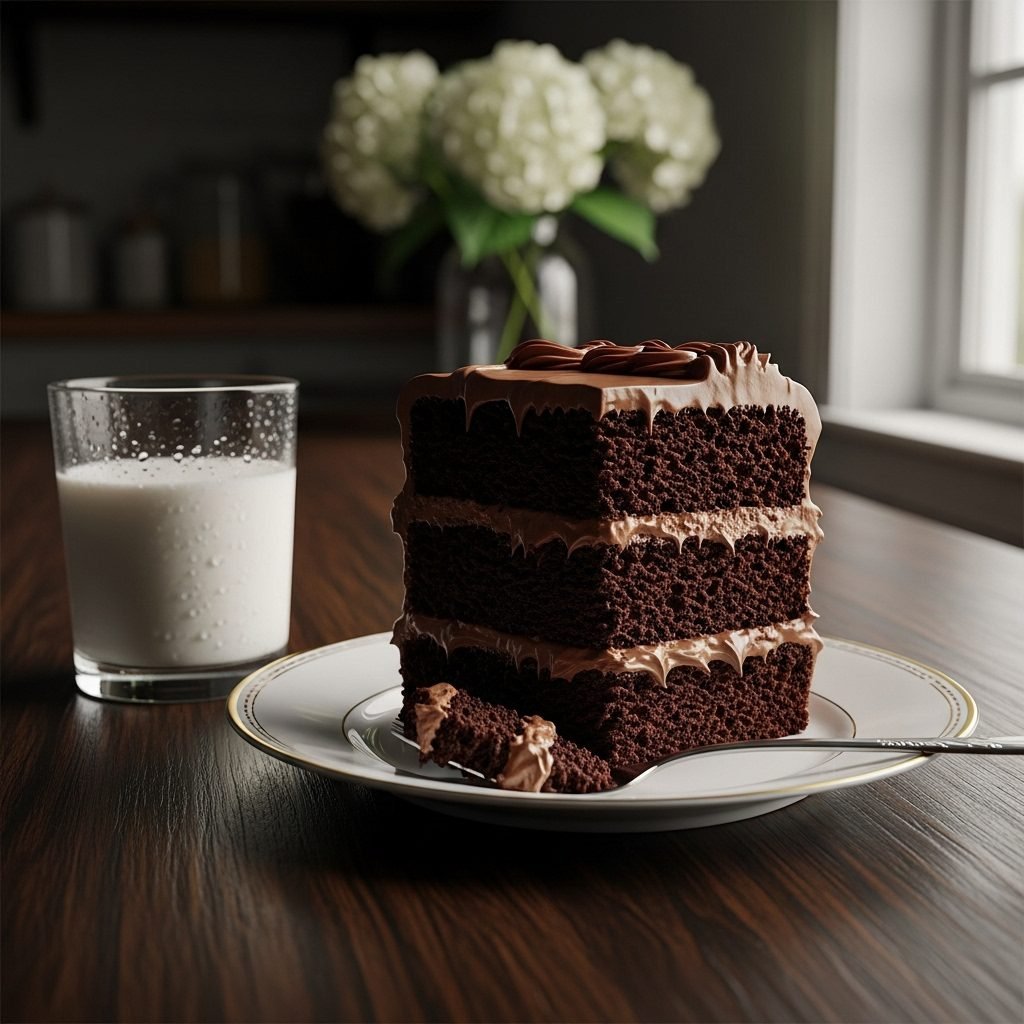
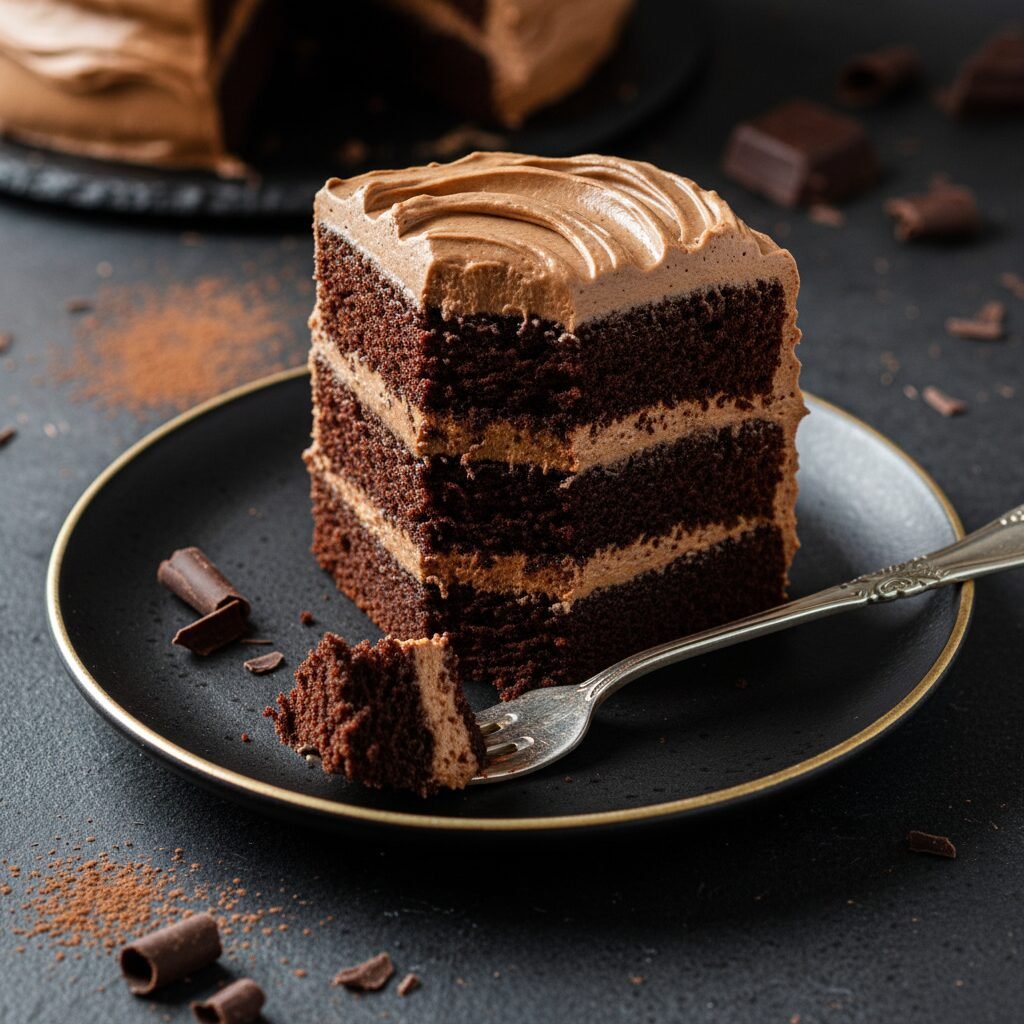
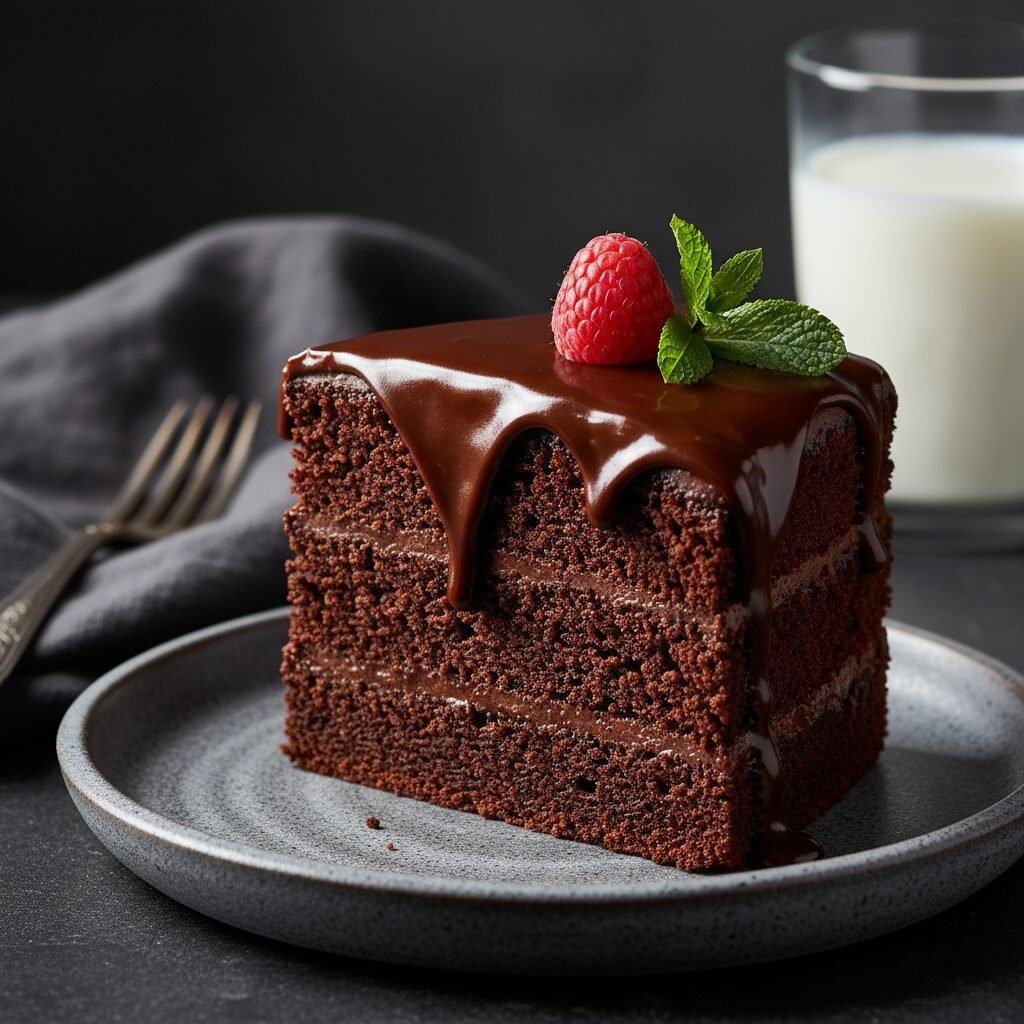
Welcome to the last chocolate cake recipe you will ever need to bookmark. If you have been on a lifelong quest for a chocolate cake that delivers on the promise of being truly ‘fudge-like’ without being dense or heavy, your search ends here. There is something undeniably therapeutic about baking a chocolate cake from scratch, but the disappointment of a dry, crumbly result can be heartbreaking. This Moist Chocolate Fudge Cake is the antithesis of dry. It is engineered to be deeply chocolatey, incredibly soft, and tender enough to melt in your mouth, yet sturdy enough to hold up to the rich, glossy blanket of homemade chocolate ganache. The magic lies in the combination of simple pantry staples and a specific mixing method that ensures the cocoa powder blooms to its full potential. We are not just making a cake; we are crafting an experience. Imagine a fork sliding effortlessly through layers of dark, moist sponge, coated in a ganache that is halfway between a frosting and a truffle. This cake is perfect for birthdays, anniversaries, or simply those Tuesday nights when only chocolate will do. It pairs perfectly with a cold glass of milk or a hot espresso, balancing the sweetness with the deep, complex notes of cocoa. Whether you are a seasoned baker or a novice in the kitchen, this recipe is foolproof, forgiving, and guaranteed to earn you rave reviews. Get ready to fill your kitchen with the intoxicating aroma of warm chocolate and create a dessert memory that your family and friends will talk about for years to come.
History & Origins
The history of chocolate cake is a fascinating journey that mirrors the evolution of chocolate itself. For centuries, chocolate was consumed primarily as a beverage by the Maya and Aztecs, and later by wealthy Europeans. It wasn’t until the mid-19th century, with the invention of the cocoa press by Conrad Van Houten in 1828, that extracting cocoa butter from roasted cocoa beans became possible, creating an inexpensive cocoa powder that could be easily used in baking. However, the chocolate cake as we know it today didn’t appear immediately. Early versions in the 19th century were actually yellow cakes with chocolate frosting, or ‘mahogany cakes’ that used just enough cocoa to tint the batter. The first recipes for true chocolate cake began to surface in cookbooks around 1886 in the United States. These early iterations were often referred to as ‘Devil’s Food Cake,’ a name likely given to describe the cake’s dark, rich color and sinful nature, contrasting with the light and airy ‘Angel Food Cake’ popular at the time. Over the decades, the recipe evolved. The introduction of baking soda and baking powder allowed for lighter textures, while the mid-20th century saw the rise of oil-based cakes, which provided superior moisture retention compared to butter-based sponges. The addition of ganache, a French invention traditionally made of chocolate and cream, elevated the humble American chocolate cake into a sophisticated dessert. Today, the moist fudge cake represents the pinnacle of this evolution, combining the ease of American baking with the richness of European confectionery traditions.
Why This Recipe Works
This recipe succeeds where many others fail due to a few key scientific principles regarding moisture and flavor development. First and foremost is the use of oil instead of butter. While butter provides flavor, it contains water which evaporates during baking, and milk solids which can dry out. Oil is 100% fat and remains liquid at room temperature, ensuring the cake stays sensationally moist and soft for days. Secondly, we use the ‘blooming’ technique. By pouring boiling hot coffee over the cocoa powder, we dissolve the cocoa solids effectively and release the essential oils trapped within. This intensifies the chocolate flavor significantly, making it taste more profound and less dusty. Don’t worry, the cake won’t taste like coffee; the coffee simply amplifies the chocolate. Thirdly, the inclusion of buttermilk adds necessary acidity. This acid reacts with the baking soda to create carbon dioxide bubbles, giving the cake a tender, airy lift despite its fudgy density. Finally, the ganache is the perfect topping because it relies on an emulsion of heavy cream and chocolate. Unlike buttercream, which is sugar-based, ganache is fat-based, providing a silky mouthfeel that complements the moist crumb without being overly gritty or sweet.
Why You’ll Love This Recipe
- ✓Requires no electric mixer; just a whisk and two bowls.
- ✓Uses hot coffee to bloom cocoa for intense chocolate flavor.
- ✓Stays moist for 4-5 days thanks to the oil-based batter.
- ✓The ganache doubles as a glaze or a whipped frosting.
- ✓Perfect balance of sweetness and deep cocoa bitterness.
- ✓Foolproof method suitable for beginner bakers.
Equipment You’ll Need
- ✓Two 8-inch round cake pans
- ✓Large mixing bowl
- ✓Medium mixing bowl
- ✓Wire whisk
- ✓Measuring cups and spoons
- ✓Parchment paper
- ✓Saucepan (for ganache)
- ✓Wire cooling rack
Ingredients
- ✓2 cups granulated sugar
- ✓1 3/4 cups all-purpose flour
- ✓3/4 cup unsweetened cocoa powder (high quality)
- ✓1 1/2 teaspoons baking powder
- ✓1 1/2 teaspoons baking soda
- ✓1 teaspoon salt
- ✓2 large eggs, room temperature
- ✓1 cup whole milk
- ✓1/2 cup vegetable oil or canola oil
- ✓2 teaspoons pure vanilla extract
- ✓1 cup boiling hot coffee (or boiling water)
- ✓10 oz semi-sweet chocolate chips or chopped chocolate bar (for ganache)
- ✓1 cup heavy whipping cream (for ganache)
Instructions
- 1. Preheat your oven to 350°F (175°C). Grease two 8-inch round cake pans with butter or cooking spray and dust with cocoa powder. Line the bottoms with parchment paper for easy removal.
- 2. In a large mixing bowl, whisk together the sugar, flour, cocoa, baking powder, baking soda, and salt until fully combined and free of lumps.
- 3. Add the eggs, milk, oil, and vanilla extract to the dry ingredients. Beat with a whisk or an electric mixer on medium speed for about 2 minutes. The batter should be smooth and glossy.
- 4. Carefully stir in the boiling hot coffee by hand. The batter will become very thin and watery; this is completely normal and essential for the moisture of the cake.
- 5. Pour the batter evenly into the prepared cake pans. Tap the pans gently on the counter to release any large air bubbles.
- 6. Bake for 30 to 35 minutes. Test for doneness by inserting a wooden toothpick into the center of the cake; it should come out clean or with just a few moist crumbs attached.
- 7. Cool the cakes in the pans for 10 minutes, then remove them from the pans and transfer to a wire rack to cool completely before frosting.
- 8. While the cakes cool, make the ganache. Place the chocolate chips in a heat-proof bowl. Heat the heavy cream in a small saucepan until it just begins to simmer (do not let it come to a rolling boil).
- 9. Pour the hot cream over the chocolate and let it sit untouched for 5 minutes. Then, gently whisk from the center outwards until the mixture is smooth, glossy, and uniform.
- 10. Let the ganache sit at room temperature until it thickens to a spreadable consistency (about 1-2 hours) or pour it over the cake while still slightly warm for a glazed effect.
- 11. Assemble the cake by spreading a layer of ganache between the two cooled cake rounds, then cover the top and sides with the remaining ganache.
Expert Cooking Tips
- ✓Do not overmix the batter once the flour is added to keep the cake tender.
- ✓Use high-quality cocoa powder; Dutch-processed offers a darker color and mellower flavor.
- ✓Ensure your baking soda and powder are fresh, as they are the sole leavening agents.
- ✓If you don’t drink coffee, you can use boiling water, but coffee enhances the chocolate flavor without adding coffee taste.
- ✓Weigh your flour if possible; too much flour is the number one cause of dry cake.
- ✓Let the cake cool completely before frosting, or the ganache will melt and slide off.
- ✓For a taller cake, you can use 8-inch pans; for thinner layers, use 9-inch pans and reduce baking time slightly.
Substitutions and Variations
This recipe is quite flexible. If you do not have buttermilk (or the milk and vinegar substitute), you can use a mixture of 1 cup whole milk with 1 tablespoon of white vinegar or lemon juice let sit for 5 minutes. For a gluten-free version, substitute the all-purpose flour with a high-quality 1:1 gluten-free baking flour blend that contains xanthan gum. If you want to avoid refined sugar, coconut sugar can be used, though it will slightly alter the flavor profile to be more caramel-like. For the oil, melted coconut oil or light olive oil works well if you prefer not to use vegetable oil. In the ganache, you can use dark chocolate for a less sweet, more intense topping, or milk chocolate for a sweeter, kid-friendly version. Dairy-free heavy cream alternatives made from coconut or oats can be used for the ganache, provided they have a high fat content.
Common Mistakes to Avoid
The most common mistake is over-baking the cake. Because the batter is dark, it is hard to see when it browns. Trust the toothpick test and start checking at the 30-minute mark. Another error is using cold ingredients. Ensure your eggs and milk are at room temperature so they emulsify properly with the oil. Adding the boiling water too fast or while the mixer is on high speed can splash and burn you, or scramble the eggs if poured directly onto them without mixing; pour slowly while stirring. Finally, rushing the cooling process of the ganache often leads to a runny mess. Patience is key; let the ganache set up to a peanut-butter-like consistency if you want to frost the sides of the cake effectively.
Serving Suggestions
This rich cake is best served in thin slices due to its decadence. It pairs beautifully with fresh berries like raspberries or strawberries, which cut through the richness of the chocolate. A dollop of unsweetened whipped cream or a scoop of vanilla bean ice cream provides a lovely temperature and texture contrast. For a festive touch, sprinkle sea salt flakes over the ganache just before serving, or garnish with chocolate shavings and edible gold leaf for special occasions.
Storage and Reheating Tips
This cake stores exceptionally well. Keep it covered at room temperature in a cake dome or airtight container for up to 3 days. The oil keeps it moist. If you live in a very hot or humid climate, store it in the refrigerator for up to 5 days, but allow it to come to room temperature before serving for the best texture and flavor. The cake layers can also be frozen (unfrosted) for up to 2 months. Wrap them tightly in plastic wrap and then aluminum foil. Thaw in the refrigerator overnight before frosting.
Nutrition Facts (Estimated)
| Serving Size | 1 slice |
| Calories | 480 |
| Fat | 28g |
| Saturated Fat | 10g |
| Unsaturated Fat | 16g |
| Trans Fat | 0g |
| Cholesterol | 65mg |
| Sodium | 320mg |
| Carbohydrates | 58g |
| Fiber | 4g |
| Sugar | 35g |
| Protein | 6g |
Frequently Asked Questions
Can I make this cake ahead of time?
Yes, absolutely. In fact, the flavor often improves the next day as the moisture redistributes. You can bake the layers one day, wrap them, and frost them the next day.
Why is my batter so runny?
Do not panic! The batter for this specific recipe is supposed to be very thin and liquid, almost like chocolate milk. This ensures the high moisture content in the final baked product.
Can I turn this into cupcakes?
Yes, this batter makes excellent cupcakes. Line a muffin tin with liners and fill them 2/3 full. Bake at 350°F for about 18-22 minutes.
What kind of coffee should I use?
Any strong brewed coffee works. Instant coffee dissolved in boiling water is also perfectly fine. Decaf works too if you are sensitive to caffeine.
My cake sank in the middle, why?
This usually happens if the oven door was opened too early during baking, causing the temperature to drop before the structure set. It can also happen if there was too much leavening (baking soda/powder).
Can I use butter instead of oil?
You can, but we don’t recommend it for this specific recipe. Oil coats the flour proteins better than butter in this ratio, preventing gluten formation and keeping the cake much moister.
How do I fix broken ganache?
If your ganache splits and looks oily, add a tablespoon of warm milk and whisk vigorously. This usually brings the emulsion back together.
Can I use Dutch-process cocoa?
Yes, Dutch-process cocoa will give a darker color and a fudgier taste. Natural cocoa powder works too but is slightly more acidic and lighter in color.
Conclusion
There you have it—the secret to the most indulgent, reliable, and crowd-pleasing chocolate cake you will ever bake. The combination of the tender, oil-based crumb and the luxurious ganache creates a symphony of textures and flavors that store-bought mixes simply cannot replicate. Whether you are celebrating a milestone or just treating yourself to a slice of happiness, this Moist Chocolate Fudge Cake is sure to become a cherished recipe in your collection. Happy baking, and enjoy every decadent bite!