Moist Espresso Chocolate Cake With Mascarpone Frosting Recipe
Experience the ultimate indulgence with this incredibly moist espresso chocolate cake. Infused with rich coffee notes and topped with a velvety, tangy mascarpone frosting, this dessert is the perfect balance of bold flavors and creamy texture, making it a showstopper for any celebration.
30 minutes
35 minutes
1 hour 15 minutes
12-14 servings
Dessert
Baking
American / Italian Fusion
Vegetarian
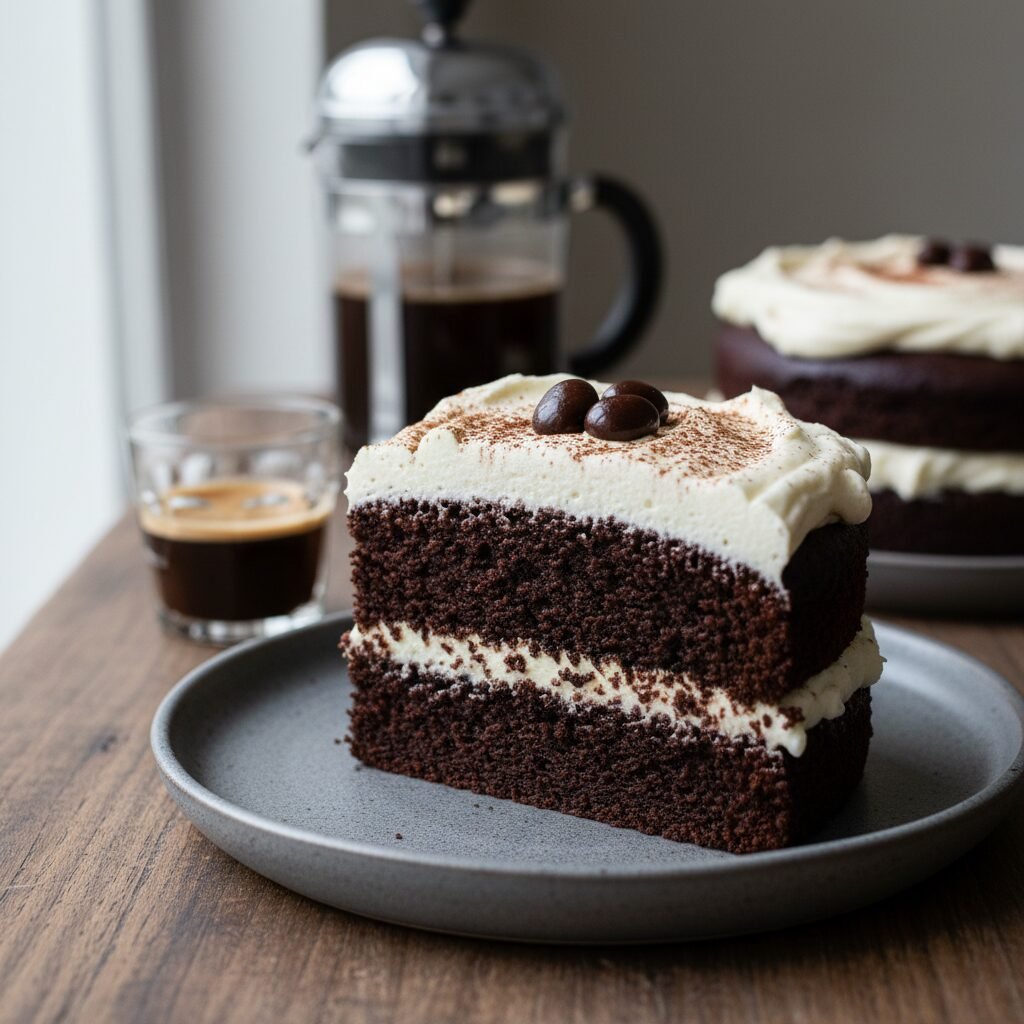
There are chocolate cakes, and then there is this Moist Espresso Chocolate Cake with Mascarpone Frosting—a dessert that completely redefines what a homemade cake can be. If you have been searching for that elusive recipe that delivers a crumb so tender it practically melts in your mouth, paired with a depth of chocolate flavor that is profound rather than just sugary, you have arrived at your destination. The secret weapon here is the generous addition of hot espresso. Many bakers know that coffee enhances chocolate, but in this recipe, we take it a step further by using freshly brewed, strong espresso to ‘bloom’ the cocoa powder. This technique unlocks the complex fruitiness and earthiness of the chocolate, ensuring every bite delivers a sophisticated punch of flavor that lingers on the palate. But a cake is only as good as its frosting, and this is where the Italian influence shines. Instead of a cloyingly sweet American buttercream, we opt for a luscious Mascarpone frosting. Mascarpone, an Italian triple-cream cheese, brings a subtle tang and a luxuriously smooth texture that cuts through the richness of the chocolate sponge. It is light, airy, and sophisticated, reminiscent of a high-end tiramisu but with the structural integrity to frost a layer cake. This cake is not just a dessert; it is an experience. It evokes the cozy atmosphere of a European café, where time slows down over a slice of cake and a strong cup of coffee. Whether you are baking for a birthday, a dinner party, or simply because you deserve a slice of happiness on a Tuesday night, this recipe promises to impress. It is robust yet delicate, sweet yet balanced, and undeniably memorable.
History & Origins
The history of chocolate cake is a journey from a beverage to the decadent dessert we know today. Until the mid-19th century, chocolate was primarily consumed as a drink. It wasn’t until 1828, when Coenraad van Houten discovered a way to mechanically extract fat from cacao liquor to produce cacao butter and cocoa powder, that modern chocolate baking became possible. The first ‘chocolate cakes’ were actually yellow cakes with chocolate frosting. However, by the early 20th century, the Devil’s Food Cake emerged, characterized by its dark color and moist texture, often achieved through the reaction of baking soda and cocoa. The addition of coffee to chocolate cake, often termed ‘Mocha,’ gained popularity as bakers realized that the bitterness of coffee mimics and amplifies the bitter notes in cocoa, creating a more intense chocolate profile without adding coffee flavor. On the other side of this recipe is the Mascarpone frosting. Mascarpone originated in the Lombardy region of Italy during the Renaissance. Unlike other cheeses, it is thickened with acid rather than rennet, giving it a creamy, spreadable consistency. Historically used in savory dishes and the famous Tiramisu, its application as a cake frosting is a relatively modern culinary adaptation, bridging the gap between the dense sweetness of buttercream and the lightness of whipped cream. This recipe represents a culinary cross-pollination, merging the American tradition of moist, high-ratio cakes with the European sophistication of Italian dairy.
Why This Recipe Works
This recipe succeeds because it is built on solid food chemistry principles that guarantee moisture and flavor depth. First, the use of oil instead of butter in the cake batter is crucial. While butter adds flavor, it consists of water and milk solids which can lead to a drier crumb once the cake cools. Oil, being 100% fat, remains liquid at room temperature, ensuring the cake stays sensationally moist for days. Second, the ‘blooming’ technique involving boiling hot espresso is transformative. When hot liquid is poured over cocoa powder, it dissolves the cocoa butter and releases flavor compounds that are otherwise trapped. This results in a chocolate flavor that is three-dimensional and robust. Furthermore, the inclusion of buttermilk introduces acid, which tenderizes the gluten strands in the flour, preventing the cake from becoming tough or rubbery. The acidity also reacts with the baking soda to provide a powerful lift, creating a light and airy structure despite the batter’s wetness. Finally, the Mascarpone frosting works because of its fat content. Mascarpone has a higher fat content than cream cheese, which means it stabilizes whipped cream effectively without needing excessive amounts of powdered sugar. This results in a frosting that is stable enough to pipe but melts creamy on the tongue, providing the perfect textural contrast to the soft cake.
Why You’ll Love This Recipe
- ✓Uses hot espresso to bloom cocoa for maximum flavor intensity.
- ✓Oil-based batter ensures the cake stays moist for days.
- ✓Mascarpone frosting offers a sophisticated, not-too-sweet topping.
- ✓Perfect balance of bitter coffee notes and sweet chocolate.
- ✓Ideal for make-ahead preparation as the flavor improves over time.
- ✓Versatile batter that can be made into cupcakes or a bundt cake.
Equipment You’ll Need
- ✓Two 8-inch round cake pans
- ✓Large mixing bowl
- ✓Medium mixing bowl
- ✓Whisk
- ✓Electric mixer (stand or hand)
- ✓Rubber spatula
- ✓Wire cooling rack
- ✓Offset spatula
- ✓Measuring cups and spoons
- ✓Parchment paper
Ingredients
- ✓2 cups all-purpose flour
- ✓2 cups granulated sugar
- ✓3/4 cup unsweetened cocoa powder (Dutch-processed preferred)
- ✓2 teaspoons baking soda
- ✓1 teaspoon baking powder
- ✓1 teaspoon salt
- ✓2 large eggs, room temperature
- ✓1 cup buttermilk, room temperature
- ✓1/2 cup vegetable oil or canola oil
- ✓2 teaspoons vanilla extract
- ✓1 cup freshly brewed strong hot espresso or strong coffee
- ✓16 oz mascarpone cheese, cold
- ✓1 1/2 cups heavy whipping cream, cold
- ✓1 1/2 cups powdered sugar, sifted
- ✓1 teaspoon vanilla bean paste or extract
Instructions
- Preheat your oven to 350°F (175°C). Grease two 8-inch round cake pans with butter or cooking spray and line the bottoms with parchment paper. Dust the sides with a little cocoa powder.
- In a large bowl, whisk together the flour, sugar, cocoa powder, baking soda, baking powder, and salt until thoroughly combined and no lumps remain.
- In a separate medium bowl, whisk together the eggs, buttermilk, vegetable oil, and vanilla extract until smooth.
- Pour the wet ingredients into the dry ingredients and mix with a whisk or electric mixer on low speed until just combined. Do not overmix.
- Slowly pour in the hot espresso while mixing on low speed. The batter will be very thin and liquid; this is normal and ensures a moist cake.
- Divide the batter evenly between the two prepared cake pans.
- Bake for 30-35 minutes, or until a wooden toothpick inserted into the center comes out clean or with just a few moist crumbs attached.
- Remove the cakes from the oven and let them cool in the pans for about 10 minutes. Then, run a knife around the edges and invert them onto a wire rack to cool completely before frosting.
- While the cakes cool, prepare the frosting. In a large chilled bowl, beat the cold mascarpone cheese and sifted powdered sugar on medium speed until smooth and creamy (about 1 minute).
- Slowly add the cold heavy whipping cream and vanilla bean paste while the mixer is running. Increase the speed to high and whip until stiff peaks form. Be careful not to overbeat, or the mascarpone can curdle.
- Once the cakes are completely cool, place one layer on a serving plate. Spread a generous layer of frosting over the top.
- Place the second cake layer on top. Use an offset spatula to frost the top and sides of the cake with the remaining mascarpone cream.
- Garnish with chocolate shavings, cocoa powder, or chocolate-covered espresso beans if desired. Refrigerate for at least 30 minutes before slicing to set the frosting.
Expert Cooking Tips
- ✓Ensure your espresso is boiling hot when added; this blooms the cocoa powder effectively.
- ✓Do not overmix the batter once the flour is added to prevent a tough texture.
- ✓Use room temperature eggs and buttermilk for better emulsification.
- ✓Chill your mixing bowl and beaters before making the frosting to help the cream whip faster.
- ✓If the frosting looks grainy, you may have overbeaten it; add a splash of liquid cream and fold gently to fix.
- ✓Dutch-processed cocoa powder will give a darker color and smoother flavor than natural cocoa.
- ✓Line your cake pans with parchment paper to guarantee the cakes release perfectly.
Substitutions and Variations
This recipe is quite forgiving, allowing for several substitutions if you do not have all ingredients on hand. For the flour, you can use cake flour for an even lighter crumb, though all-purpose works perfectly. If you are gluten-free, a high-quality 1:1 gluten-free baking flour blend containing xanthan gum can be swapped in directly. For the fat, melted coconut oil or melted butter can replace the vegetable oil, though vegetable oil keeps the cake softer when refrigerated. If you do not have buttermilk, you can make a quick substitute by adding one tablespoon of lemon juice or white vinegar to a cup of whole milk and letting it sit for 5 minutes. For the coffee, if you are sensitive to caffeine, decaf espresso works just as well, or you can use hot water, though you will lose the depth of the mocha flavor. In the frosting, if mascarpone is unavailable, full-fat cream cheese is the closest alternative, though it will be tangier and slightly denser. You can also use a 50/50 blend of cream cheese and heavy cream if you prefer.
Common Mistakes to Avoid
The most common mistake with this cake is overbaking. Because the batter is dark, it is hard to see visual cues of browning. Rely on the toothpick test and start checking at the 30-minute mark. Another pitfall is adding the hot coffee to the eggs directly without mixing the flour first, which could scramble the eggs; always mix wet and dry before adding the hot liquid or temper carefully. Regarding the frosting, mascarpone is sensitive to temperature and over-agitation. If you beat it too long or too vigorously once the cream is added, it can turn into butter and separate. Stop whipping as soon as you see stiff peaks. Additionally, frosting the cake before it is completely cool is a recipe for disaster; the frosting contains animal fats that will melt instantly on a warm cake, causing the layers to slide apart. Finally, using low-fat ingredients for the frosting will result in a runny mess; stick to full-fat mascarpone and heavy cream.
Serving Suggestions
This cake is rich and flavorful, so it pairs beautifully with beverages that can cut through the creaminess. Serve slice with a hot shot of espresso or a dark roast coffee to echo the flavors in the sponge. For an evening treat, a glass of port wine or a stout beer makes for an excellent pairing. Presentation-wise, a simple dusting of cocoa powder looks elegant, but you can elevate it with fresh berries like raspberries or strawberries, which add a tart contrast to the sweet frosting. A drizzle of salted caramel sauce or dark chocolate ganache over the slice just before serving adds an extra layer of decadence. Serve the cake slightly chilled or let it sit at room temperature for 15 minutes before eating to soften the frosting slightly.
Storage and Reheating Tips
Because of the mascarpone and cream in the frosting, this cake must be stored in the refrigerator. It can be kept in an airtight cake container or covered loosely with plastic wrap for up to 4 days. The cake actually tastes better on the second day as the flavors meld and the moisture redistributes. If you have cut the cake, press a piece of plastic wrap directly against the cut sides to prevent them from drying out. For long-term storage, the unfrosted cake layers can be wrapped tightly in plastic wrap and then aluminum foil and frozen for up to 3 months. Thaw them in the refrigerator overnight before frosting. You can also freeze individual slices of the frosted cake; place them on a baking sheet to freeze solid, then wrap them individually. Thaw in the fridge before enjoying.
Nutrition Facts (Estimated)
| Serving Size | 1 slice |
| Calories | 580 |
| Fat | 34g |
| Saturated Fat | 14g |
| Unsaturated Fat | 18g |
| Trans Fat | 0g |
| Cholesterol | 85mg |
| Sodium | 320mg |
| Carbohydrates | 62g |
| Fiber | 3g |
| Sugar | 45g |
| Protein | 6g |
Frequently Asked Questions
Can I use instant coffee instead of brewed espresso?
Yes, absolutely. Dissolve 2 tablespoons of high-quality instant coffee granules or instant espresso powder into 1 cup of boiling water. This will provide the necessary liquid and flavor intensity.
Why is my batter so runny?
The batter for this cake is intentionally very thin and liquid due to the milk, oil, and hot coffee. Do not add more flour; the liquid cooks off and creates steam, resulting in a super moist crumb.
Can I make this cake ahead of time?
Yes, this cake is an excellent candidate for making ahead. The sponge stays moist for days. You can bake the layers one day, wrap them, and frost them the next day. The frosted cake also keeps well in the fridge.
Can I use this recipe for cupcakes?
Yes, this batter makes excellent cupcakes. Line a muffin tin with liners and fill them about 2/3 full. Bake at 350°F for 18-22 minutes. It should yield about 24 cupcakes.
My frosting is too runny, how do I fix it?
If the frosting is too soft, chill it in the refrigerator for 20-30 minutes to firm up the fats. If it is still too runny, you can whisk in a little more sifted powdered sugar or a tablespoon of cornstarch to help stabilize it.
Do I have to use Dutch-processed cocoa?
While you can use natural cocoa powder, Dutch-processed is treated with an alkali to neutralize acidity, resulting in a darker color and a smoother, less acidic flavor that pairs better with the espresso.
Can I leave the cake out at room temperature?
Only for a short period (2-3 hours) for serving. Due to the dairy in the mascarpone and heavy cream, it is unsafe to leave it out overnight or for extended periods in a warm room.
What can I use instead of buttermilk?
You can make a sour milk substitute by adding 1 tablespoon of white vinegar or lemon juice to a measuring cup and filling it to the 1-cup line with regular milk. Let it sit for 5 minutes until it curdles slightly.
Conclusion
This Moist Espresso Chocolate Cake with Mascarpone Frosting is more than just a recipe; it is a celebration of texture and flavor. By combining the humble ingredients of flour and cocoa with the magic of hot espresso and the luxury of Italian cheese, you create a dessert that stands out in both taste and presentation. It is the kind of cake that guests will ask for the recipe for, and family members will request for every birthday. Don’t be intimidated by the steps; the method is straightforward, and the results are bakery-quality. So, brew that coffee, whip that cream, and get ready to enjoy one of the most satisfying chocolate cakes you will ever bake. Happy baking!