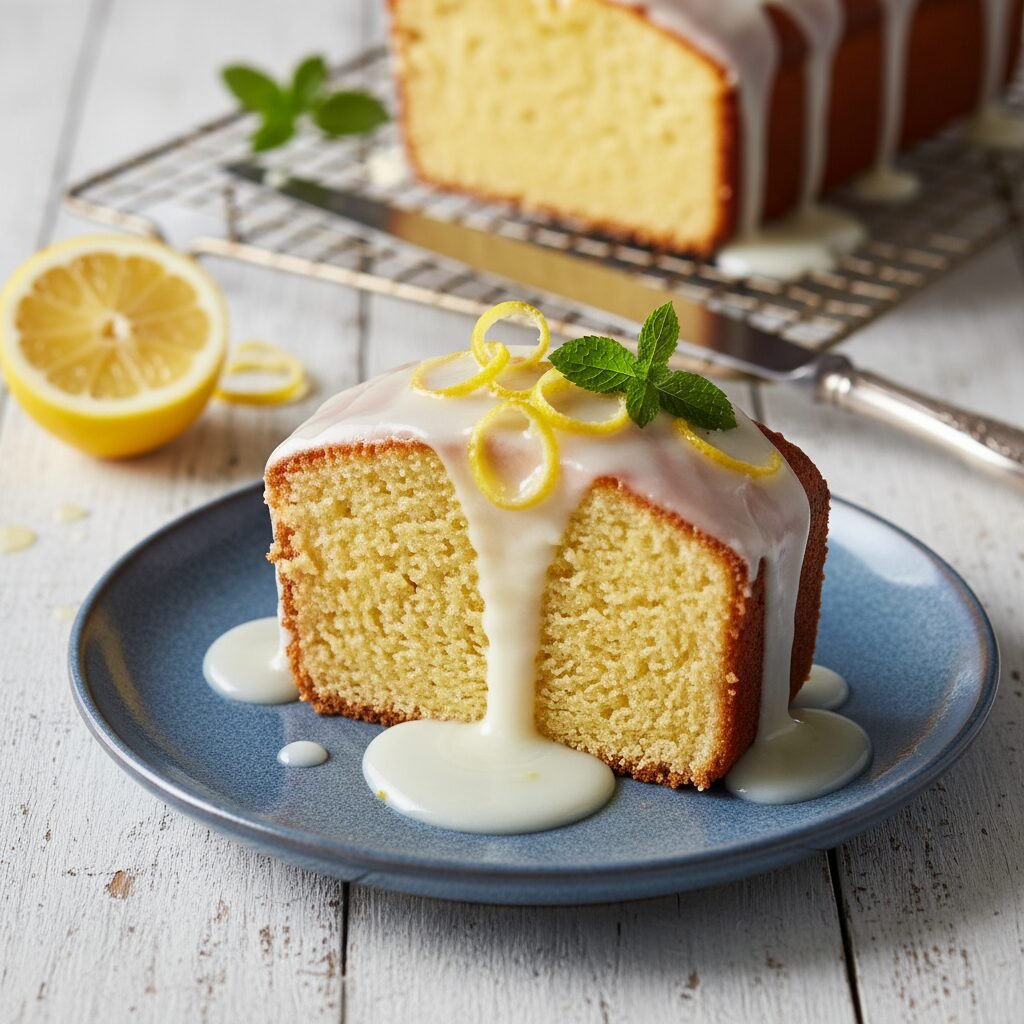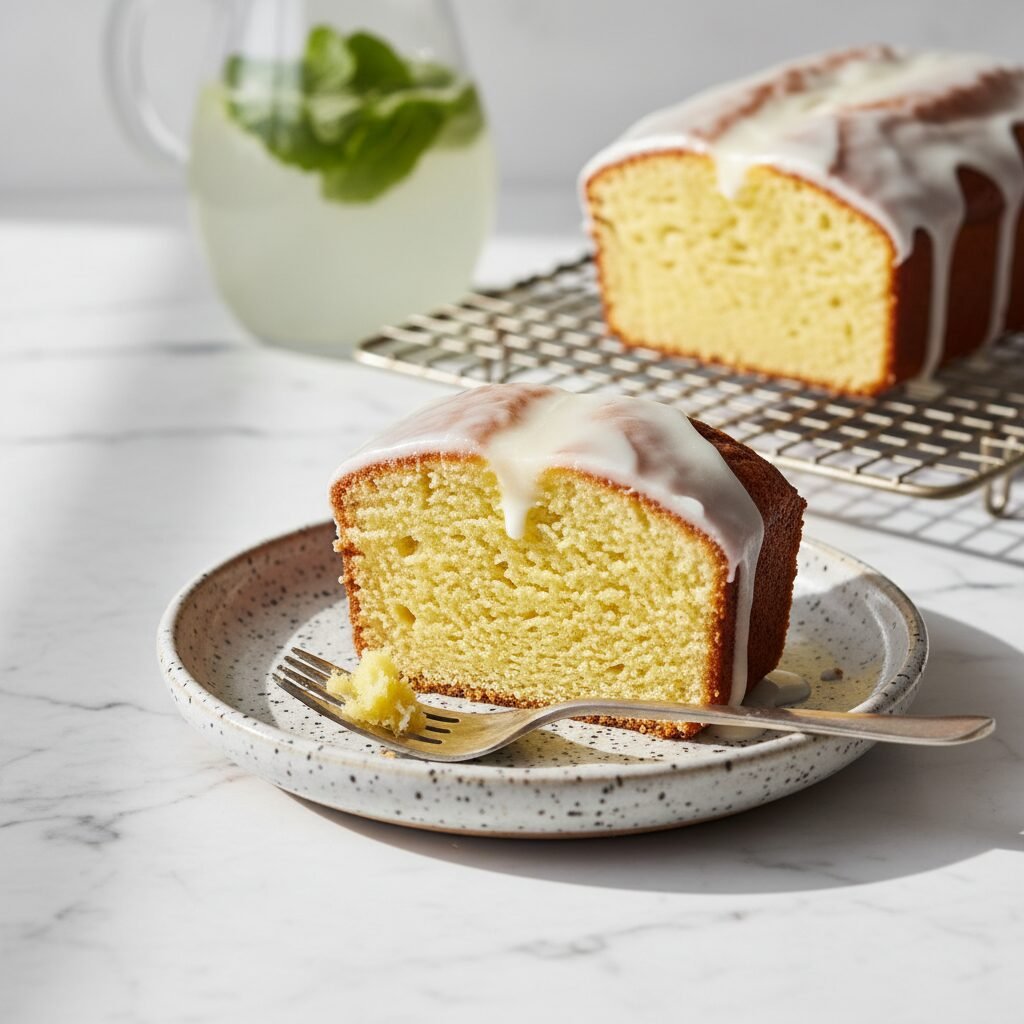
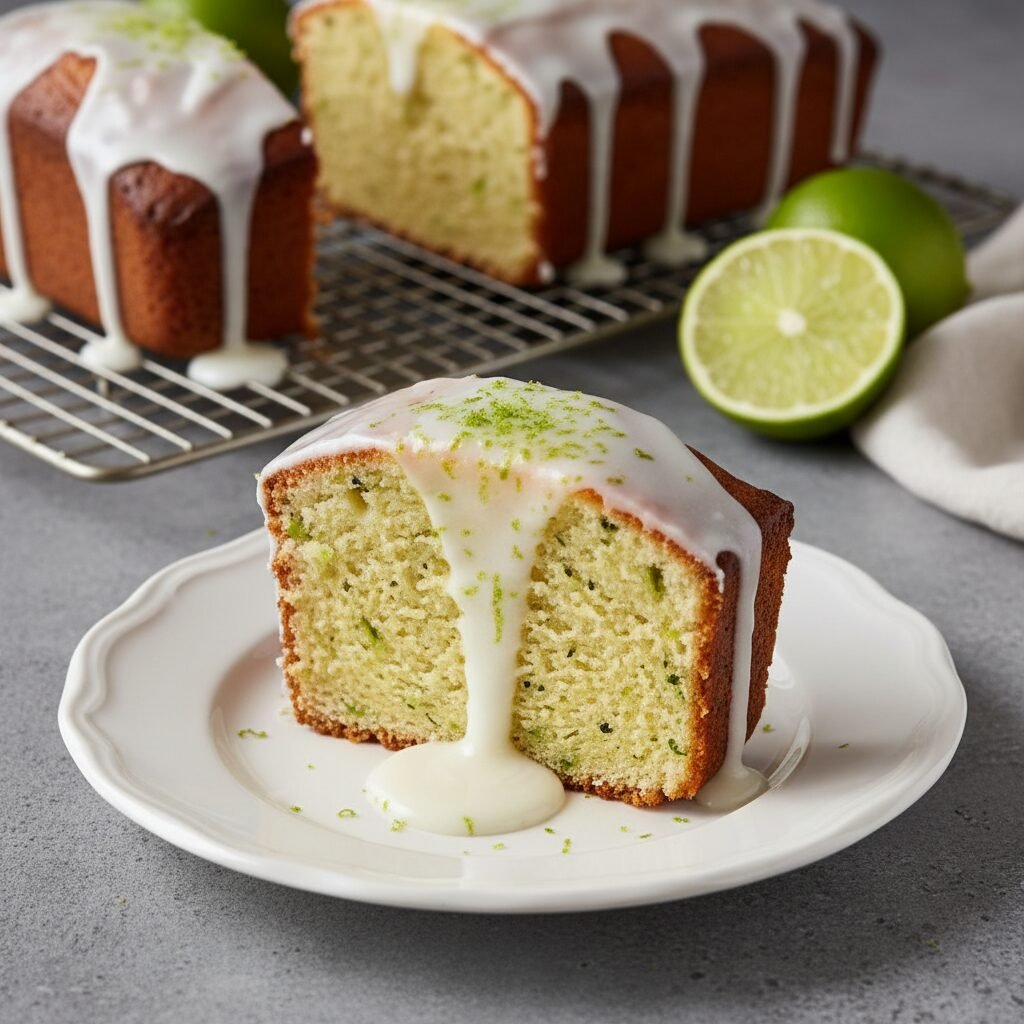
Moist Lime Loaf Cake Recipe
Experience the perfect balance of tangy and sweet with this incredibly moist lime loaf cake. Infused with fresh lime zest and topped with a sugary citrus glaze, this easy-to-make recipe is a refreshing twist on the classic pound cake that guarantees a tender crumb every time.
15 minutes
50 minutes
1 hour 15 minutes
1 Loaf (8-10 slices)
Dessert
Baking
American / British Fusion
Vegetarian
There is something undeniably cheerful about citrus desserts, and this Moist Lime Loaf Cake is the absolute embodiment of sunshine on a plate. If you have been searching for a recipe that moves away from the overly dense or dry textures often associated with loaf cakes, you have found your match. This cake is celebrated for its exceptionally tender crumb, a result of carefully balancing acidity and fat to create a melt-in-your-mouth experience. The star of the show is, of course, the fresh lime. We don’t just use the juice; we rely heavily on the zest to impart a deep, aromatic floral note that permeates every bite.
Imagine slicing into a loaf where the golden crust gives way to a soft, pale yellow interior that smells like a tropical grove. The glaze, a simple mixture of confectioners’ sugar and tart lime juice, seeps slightly into the warm cake, creating a sticky, sweet-tart layer that is impossible to resist. This recipe is designed for both the novice baker and the seasoned pro, requiring no fancy equipment—just a bowl, a whisk, and a love for zesty flavors. Whether you are serving it alongside your morning coffee, as a bright finish to a heavy dinner, or simply as an afternoon pick-me-up, this lime loaf promises to deliver comfort and sophistication in equal measure. It’s reminiscent of the popular coffee shop lemon loaves but with a unique, vibrant twist that makes it stand out on any dessert table.
History & Origins
While the specific ‘Lime Loaf’ is a more modern variation, its roots are deeply planted in the history of the traditional pound cake and the British tea cake tradition. The pound cake dates back to the early 1700s in Northern Europe, originally named for its simple ratio: a pound each of flour, butter, eggs, and sugar. As baking powder and chemical leaveners were introduced in the 19th century, bakers began to experiment with lighter textures, moving away from the dense, heavy bricks of the past toward the ‘high-ratio’ cakes we enjoy today.
The infusion of citrus into these cakes gained immense popularity during the Victorian era, particularly with the expansion of trade routes that made exotic fruits like lemons, oranges, and limes more accessible in cooler climates. The British tradition of ‘drizzle cakes’—where syrup is poured over a hot cake—paved the way for the modern glazed loaf. In the United States, the popularity of Key Lime Pie in the mid-20th century, particularly stemming from Florida’s abundant citrus groves, helped solidify lime as a premier dessert flavor. This specific recipe borrows from the Caribbean tradition of using limes in baked goods to preserve freshness and add a ‘zing’ that cuts through the richness of butter and sugar. Today, the lime loaf sits at the intersection of classic European baking techniques and New World flavor profiles, representing a global love affair with the sweet and sour dynamic.
Why This Recipe Works
This recipe succeeds where many others fail due to three critical factors: the ‘rubbing method,’ the use of oil over butter, and the inclusion of acidic dairy. First, we start by rubbing the fresh lime zest directly into the granulated sugar with your fingertips. Sugar is abrasive, and this action physically shreds the zest to release essential oils that would otherwise be lost if just stirred in. This ensures the lime flavor is baked *into* the cake, not just distinct from it.
Secondly, while butter provides flavor, oil provides texture. Butter is roughly 80% fat and 20% water; when the water evaporates, the cake can dry out. Oil is 100% fat and remains liquid at room temperature, which coats the flour proteins (gluten) more effectively, preventing them from forming a tough network. This results in a cake that stays moist for days. Finally, the addition of full-fat Greek yogurt or sour cream serves a dual purpose. The creaminess adds richness, but more importantly, the acidity reacts with the baking soda. This reaction creates carbon dioxide bubbles, giving the loaf a superior lift and a tender, velvety crumb structure that supports the weight of the sugar without becoming dense.
Why You’ll Love This Recipe
- ✓Incredibly moist texture that lasts for days without drying out.
- ✓Intense natural lime flavor using both zest and fresh juice.
- ✓Simple one-bowl method that requires no electric mixer.
- ✓Freezer-friendly, making it perfect for meal prepping desserts.
- ✓Versatile enough for breakfast, brunch, or dessert.
Equipment You’ll Need
- ✓9×5 inch Loaf Pan
- ✓Large Mixing Bowl
- ✓Medium Mixing Bowl
- ✓Whisk
- ✓Microplane or Zester
- ✓Rubber Spatula
- ✓Wire Cooling Rack
- ✓Parchment Paper
Ingredients
- ✓1 1/2 cups All-Purpose Flour
- ✓1 cup Granulated Sugar
- ✓2 tbsp Fresh Lime Zest (approx. 2-3 limes)
- ✓1/2 tsp Salt
- ✓2 tsp Baking Powder
- ✓1/2 cup Plain Greek Yogurt (Full Fat) or Sour Cream
- ✓3 Large Eggs (Room Temperature)
- ✓1/2 cup Vegetable Oil or Canola Oil
- ✓1 tsp Vanilla Extract
- ✓2 tbsp Fresh Lime Juice (for the batter)
- ✓1 cup Confectioners’ Sugar (for the glaze)
- ✓2-3 tbsp Fresh Lime Juice (for the glaze)
Instructions
- Preheat your oven to 350°F (175°C). Grease a 9×5 inch loaf pan generously with non-stick spray or butter, and line it with parchment paper, leaving an overhang on the sides for easy removal.
- In a large mixing bowl, combine the granulated sugar and the fresh lime zest. Using your clean fingertips, rub the zest into the sugar for about 1-2 minutes until the mixture resembles wet sand and is incredibly fragrant.
- Whisk the eggs, Greek yogurt (or sour cream), vegetable oil, vanilla extract, and 2 tablespoons of lime juice into the sugar-zest mixture. Whisk vigorously until the ingredients are well combined and the mixture is smooth.
- In a separate medium bowl, sift together the all-purpose flour, baking powder, and salt to ensure there are no lumps.
- Gradually add the dry ingredients to the wet ingredients. Switch to a rubber spatula and fold the batter gently. Stop mixing as soon as the flour streaks disappear to avoid overworking the gluten.
- Pour the batter into the prepared loaf pan and smooth the top with the spatula. Bake in the center of the oven for 45-55 minutes, or until a toothpick inserted into the center comes out clean or with just a few moist crumbs.
- Remove the loaf from the oven and let it cool in the pan for about 10-15 minutes. Then, use the parchment paper handles to lift it out onto a wire cooling rack to cool completely.
- While the cake cools, prepare the glaze by whisking together the confectioners’ sugar and the remaining lime juice. Adjust the consistency by adding more sugar for a thicker icing or more juice for a thinner glaze.
- Once the cake is completely cool to the touch, drizzle the glaze generously over the top, allowing it to drip down the sides. Let the glaze set for 15 minutes before slicing.
Expert Cooking Tips
- ✓Always use room temperature eggs and yogurt to ensure the batter emulsifies properly.
- ✓Do not skip rubbing the zest into the sugar; this is the secret to the intense flavor.
- ✓If the top of the loaf is browning too quickly in the oven, tent it loosely with aluminum foil after 30 minutes.
- ✓Measure flour correctly by spooning it into the cup and leveling it off, rather than scooping directly from the bag.
- ✓Let the cake cool completely before glazing, otherwise, the glaze will melt and soak into the cake entirely.
- ✓Roll your limes on the counter with your palm before zesting and juicing to maximize the yield.
Substitutions and Variations
This recipe is quite forgiving and allows for several substitutions depending on your dietary needs or pantry staples. If you do not have Greek yogurt, you can substitute it with an equal amount of full-fat sour cream or even buttermilk (though the batter will be thinner with buttermilk). For the fat, you can swap the vegetable oil for melted coconut oil for a tropical twist, or melted unsalted butter if you prefer a buttery flavor over the longevity of oil-based moistness.
For a gluten-free version, use a high-quality 1:1 gluten-free all-purpose flour blend that contains xanthan gum; almond flour alone will not work for this specific structure. If you prefer lemons or oranges, you can simply swap the lime zest and juice for lemon or orange zest and juice in equal quantities. For a lower sugar option, you can use a granulated monk fruit sweetener, though the texture may be slightly less tender as sugar provides structural moisture.
Common Mistakes to Avoid
The most common mistake with loaf cakes is overmixing the batter. Once the flour hits the wet ingredients, you are activating the gluten. If you mix too vigorously, the cake will turn out rubbery and dense rather than tender and soft. Another frequent error is overbaking. Loaf cakes retain heat and continue to cook slightly after being removed from the oven; pull the cake when a tester has moist crumbs, not when it is bone dry.
Using cold ingredients is another pitfall; cold eggs or yogurt can cause the oil to seize or curdle the batter, leading to an uneven bake. Lastly, do not zest the white pith of the lime. The pith is bitter and will ruin the sweet floral flavor profile you are aiming for—only zest the bright green outer layer.
Serving Suggestions
This Moist Lime Loaf Cake is incredibly versatile. For a luxurious breakfast, serve a thick slice slightly warmed with a dollop of mascarpone cheese or clotted cream. It pairs beautifully with a hot cup of Earl Grey tea, as the bergamot complements the lime, or a dark roast coffee to cut the sweetness. For dessert, serve it with fresh berries—raspberries or strawberries work best—and a scoop of vanilla bean ice cream. In the summer, it makes a fantastic addition to a picnic basket as it travels well and doesn’t require refrigeration if eaten the same day.
Storage and Reheating Tips
To keep the cake moist, store it in an airtight container at room temperature for up to 3 days. If you live in a very hot or humid climate, you may want to store it in the refrigerator for up to 5 days, but be sure to let it come to room temperature before eating to soften the crumb. This cake freezes beautifully. You can freeze the whole loaf (unglazed is best for freezing) or individual slices. Wrap the cake tightly in plastic wrap, followed by a layer of aluminum foil to prevent freezer burn. It will keep in the freezer for up to 3 months. Thaw overnight on the counter before glazing and serving.
Nutrition Facts (Estimated)
| Serving Size | 1 Slice |
| Calories | 320 |
| Fat | 14g |
| Saturated Fat | 2.5g |
| Unsaturated Fat | 10g |
| Trans Fat | 0g |
| Cholesterol | 45mg |
| Sodium | 180mg |
| Carbohydrates | 44g |
| Fiber | 1g |
| Sugar | 24g |
| Protein | 4g |
Frequently Asked Questions
Can I use bottled lime juice instead of fresh?
While you strictly can, it is highly recommended to use fresh lime juice. Bottled juice often contains preservatives that alter the flavor, making it taste metallic or overly acidic. Furthermore, you need fresh limes for the zest, which is crucial for the flavor, so you should have the fresh juice on hand anyway.
Why did my loaf cake sink in the middle?
A sinking center usually means the cake was underbaked. The structure wasn’t set enough to hold its own weight. It can also be caused by opening the oven door too early (before the cake has set), causing a sudden temperature drop, or by using too much leavening agent (baking powder).
Can I make this in a bundt pan?
Yes, but you will need to double the recipe for a standard 10-12 cup bundt pan. The baking time will also change; check it around the 50-60 minute mark. Ensure you grease the bundt pan very thoroughly to prevent sticking.
How do I get the glaze to look white and opaque?
The opacity of the glaze depends on the ratio of sugar to liquid. For a thick, white glaze that sits on top of the cake, use less lime juice and more powdered sugar. Add the liquid one teaspoon at a time until you reach a thick consistency that moves slowly like honey.
Is this cake overly sweet?
It is a sweet cake, but the acidity of the lime juice and yogurt balances the sugar significantly. The tart glaze also provides a sharp contrast to the sweet crumb. If you prefer less sweetness, you can reduce the sugar in the cake by 1/4 cup, but it may affect the moisture slightly.
Can I add poppy seeds to this recipe?
Absolutely! Lime and poppy seed is a classic combination. You can add 1 to 2 tablespoons of poppy seeds to the batter along with the dry ingredients. No other adjustments are needed.
Why is my cake dry?
Dry cake is almost always a result of overbaking or measuring flour incorrectly. If you scoop the measuring cup into the flour bag, you pack the flour down and can end up with 20% more flour than the recipe calls for. Use a kitchen scale or the ‘spoon and level’ method.
Can I use key limes?
Yes, Key limes are delicious and more aromatic than Persian limes. However, they are much smaller and harder to zest. You will need about 15-20 key limes to get the required amount of juice and zest.
Conclusion
This Moist Lime Loaf Cake is more than just a dessert; it’s a reliable, crowd-pleasing recipe that brings a burst of citrusy joy to any occasion. The combination of the tender, oil-based crumb and the sharp, sugary zest creates a flavor profile that is sophisticated yet nostalgic. Whether you are a beginner baker looking for an easy win or an expert seeking the perfect tea-time treat, this recipe delivers on all fronts. Don’t forget to pin this recipe for later, as it is sure to become a staple in your baking repertoire. Happy baking, and enjoy the zesty goodness!