Moist Cappuccino Cake With Espresso Buttercream Recipe
Indulge in the sophisticated flavors of your favorite coffeehouse drink transformed into a decadent dessert. This incredibly moist cappuccino cake features tender coffee-infused layers enveloped in a silky, rich espresso buttercream that will awaken your senses.
30 minutes
35 minutes
1 hour 30 minutes
12 servings
Dessert
Baking
American / Italian Inspired
Vegetarian
There are few aromas in the world as comforting and inviting as freshly brewed coffee. It signals the start of a new day, a break in a busy afternoon, or the perfect end to a delicious meal. Now, imagine capturing that aromatic magic and translating it into a cake that is as tender as a cloud and as rich as a double-shot latte. This Moist Cappuccino Cake with Espresso Buttercream is not just a dessert; it is an experience. Designed for the true coffee lover, this recipe moves beyond the subtle hint of mocha often found in chocolate cakes and places the roasted, complex flavor of espresso front and center. The cake crumb itself is a marvel of baking chemistry—dense enough to hold the frosting yet light enough to melt on your tongue, thanks to a specific blend of butter, oil, and sour cream. But the real showstopper is the espresso buttercream. Unlike sugary, gritty frostings that overpower the palate, this buttercream is whipped to a velvety consistency, using concentrated espresso to cut through the sweetness with a sophisticated bitterness. Whether you are hosting an elegant brunch, looking for a birthday cake for a coffee addict, or simply craving a slice of comfort on a rainy Sunday, this cake delivers on every level. It pairs, naturally, with a hot cup of joe, but stands equally well on its own as a centerpiece dessert.
History & Origins
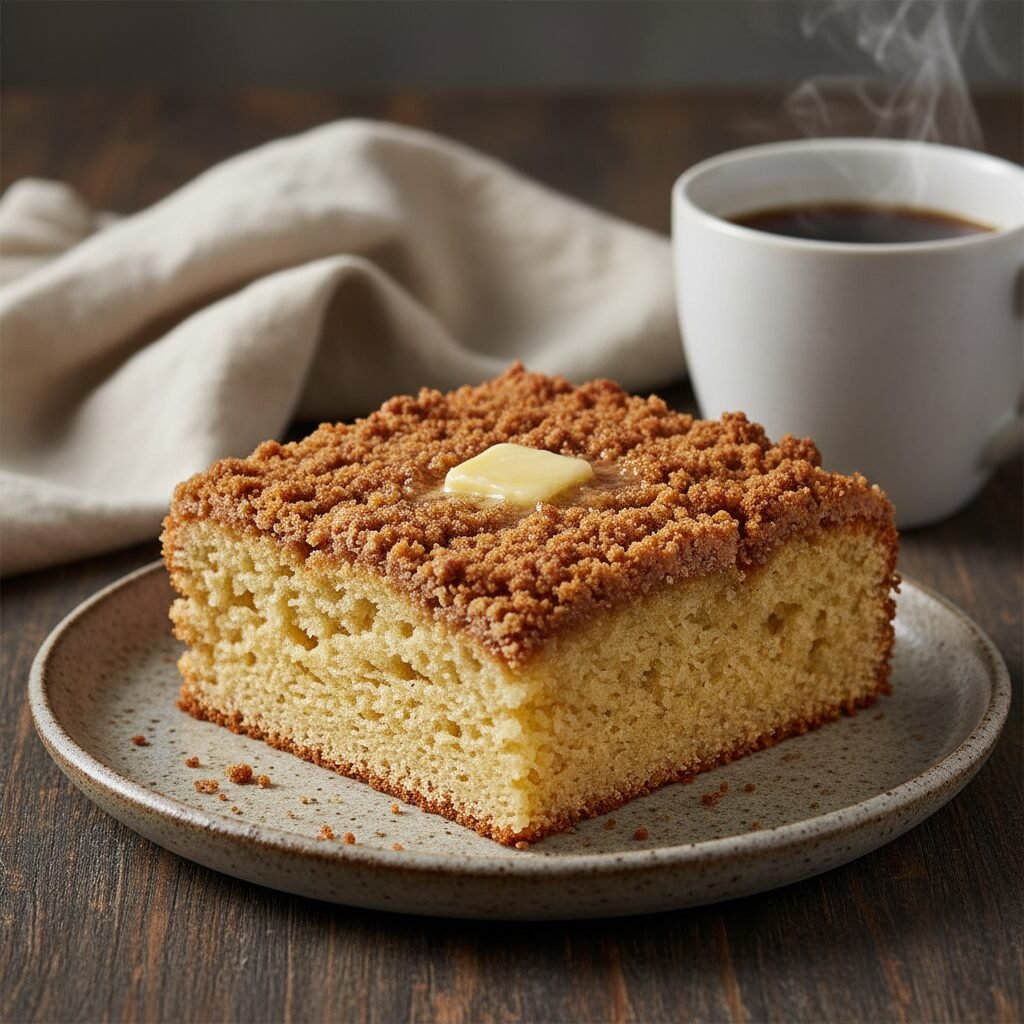
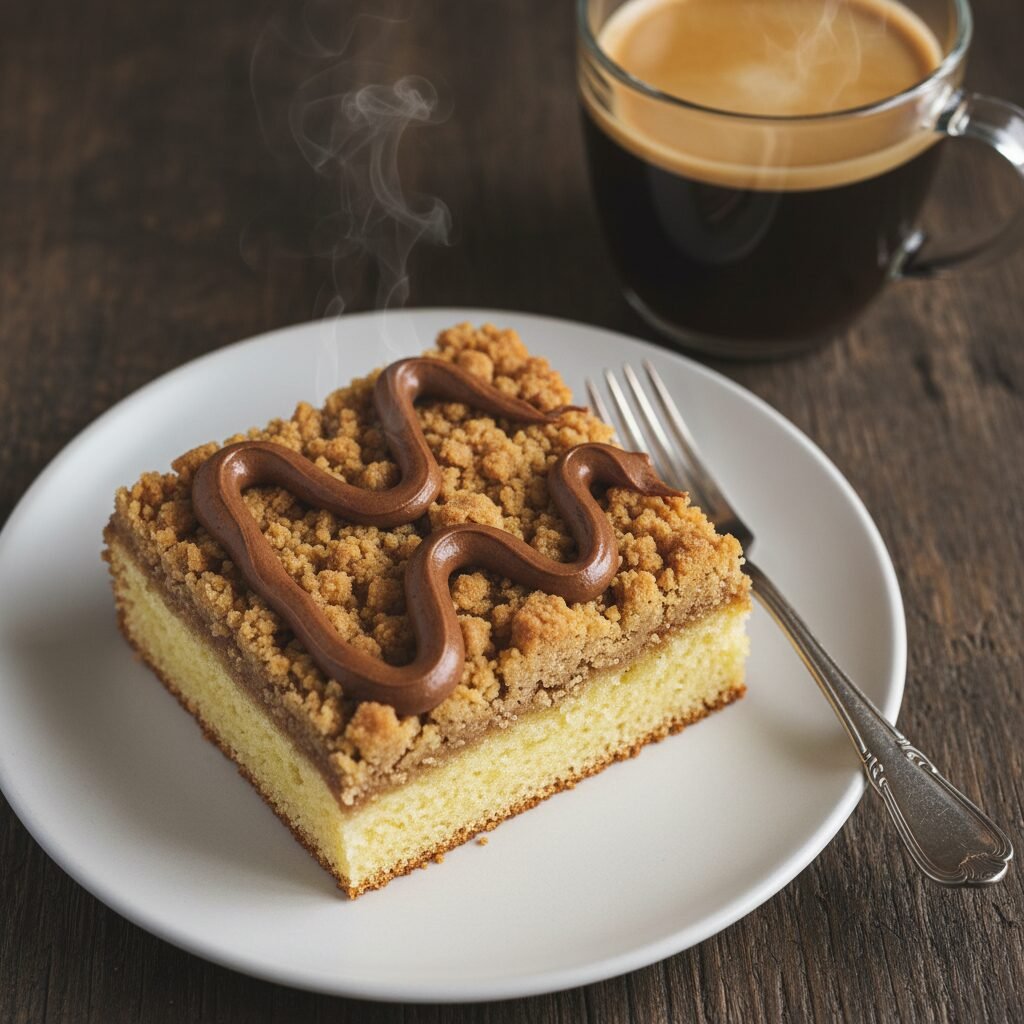
The concept of ‘coffee cake’ has a somewhat confusing history, particularly in the United States. Traditionally, in American culinary terms, a coffee cake is a sweet, cinnamon-infused quick bread intended to be eaten *alongside* coffee, rather than a cake flavored *with* coffee. This tradition traces back to 17th-century Northern/Central Europe, where sweet yeast breads and cakes (like the German Gugelhupf or Danish pastries) were the standard accompaniment to the newly popular beverage of coffee. As European immigrants moved to America, the ‘coffee cake’ evolved into the streusel-topped sour cream cakes we know today. However, the specific infusion of coffee flavor *into* the batter is a more modern evolution, paralleling the rise of espresso culture in the late 20th century. With the explosion of coffee chains in the 1980s and 90s, particularly the global expansion of Starbucks, the American palate became more attuned to the nuances of espresso, cappuccino, and macchiato. Bakers began experimenting with incorporating brewed coffee and instant espresso powder directly into cake batters and frostings to mimic these popular beverages. This specific Cappuccino Cake pays homage to that evolution, bridging the gap between the traditional ‘Kaffeeklatsch’ (coffee gossip/gathering) of Germany and the modern, high-octane coffee culture of Seattle and Rome.
Why This Recipe Works
Achieving the perfect coffee-flavored cake is trickier than it sounds. Liquid coffee often dilutes the batter before imparting enough flavor, leading to a dry or rubbery texture. This recipe solves that problem by utilizing instant espresso powder dissolved in a small amount of hot milk. The heat blooms the espresso, releasing its essential oils and maximizing potency without throwing off the liquid-to-dry ingredient ratio. Furthermore, the texture of this cake is superior because it employs a ‘hybrid fat’ method. We use butter for its unbeatable flavor and aeration capabilities, but we also incorporate vegetable oil and sour cream. Butter provides the taste, but oil ensures the cake stays moist for days (as oil remains liquid at room temperature), while the acidity in the sour cream tenderizes the gluten strands, resulting in a plush, velvety crumb. For the buttercream, dissolving the espresso powder in the vanilla extract or a teaspoon of heavy cream before adding it to the butter prevents the frosting from looking speckled or tasting gritty, ensuring a smooth, consistent cappuccino color and flavor profile throughout.
Why You’ll Love This Recipe
- ✓Intense, authentic espresso flavor without bitterness
- ✓Hybrid fat method ensures a moist crumb that stays fresh for days
- ✓Silky, whipped buttercream that isn’t overly sweet
- ✓Beautiful presentation with natural coffee hues
- ✓Perfect for freezing and making ahead
- ✓Versatile recipe that can be made as a layer cake or cupcakes
Equipment You’ll Need
- ✓Stand mixer or electric hand mixer
- ✓Two 8-inch round cake pans
- ✓Mixing bowls
- ✓Whisk
- ✓Rubber spatula
- ✓Wire cooling rack
- ✓Offset spatula
- ✓Measuring cups and spoons
- ✓Parchment paper
Ingredients
- ✓2 1/2 cups All-Purpose Flour
- ✓2 1/2 tsp Baking Powder
- ✓1/2 tsp Baking Soda
- ✓1/2 tsp Salt
- ✓1 cup Unsalted Butter, softened to room temperature
- ✓1 1/2 cups Granulated White Sugar
- ✓1/2 cup Light Brown Sugar, packed
- ✓3 Large Eggs, room temperature
- ✓2 tsp Pure Vanilla Extract
- ✓1/2 cup Vegetable Oil (or Canola Oil)
- ✓3 tbsp Instant Espresso Powder (divided)
- ✓1 cup Full-Fat Sour Cream, room temperature
- ✓1/2 cup Whole Milk, hot
- ✓For the Buttercream: 1 1/2 cups Unsalted Butter, softened
- ✓4-5 cups Powdered Sugar
- ✓2 tbsp Heavy Cream
- ✓1 tbsp Instant Espresso Powder (for frosting)
Instructions
- 1. Preheat your oven to 350°F (175°C). Grease two 8-inch round cake pans with butter and dust with flour, or line the bottoms with parchment paper circles for easy release.
- 2. In a small heatproof bowl or mug, heat the 1/2 cup of milk until hot (microwave for 30-45 seconds). Stir in 2 tablespoons of the instant espresso powder until completely dissolved. Set aside to cool slightly.
- 3. In a medium bowl, whisk together the flour, baking powder, baking soda, and salt. Set aside.
- 4. In the bowl of a stand mixer fitted with the paddle attachment (or a large bowl using a hand mixer), beat the 1 cup of softened butter on medium-high speed until creamy (about 2 minutes).
- 5. Add the granulated sugar and brown sugar to the butter. Beat on medium-high for 3-4 minutes until the mixture is pale and fluffy. Scrape down the sides of the bowl as needed.
- 6. Add the eggs one at a time, beating well after each addition. Stir in the vanilla extract and vegetable oil until combined.
- 7. Reduce the mixer speed to low. Add half of the dry flour mixture and mix until just combined. Add the sour cream and the milk/espresso mixture, mixing until incorporated. Finally, add the remaining flour mixture and mix until just combined. Do not overmix.
- 8. Divide the batter evenly between the two prepared cake pans. Smooth the tops with a spatula.
- 9. Bake for 30-35 minutes, or until a toothpick inserted into the center comes out clean or with a few moist crumbs. Avoid overbaking to keep it moist.
- 10. Remove cakes from the oven and let them cool in the pans for 10 minutes. Then, carefully invert them onto a wire rack to cool completely before frosting.
- 11. While the cakes cool, make the Espresso Buttercream. Dissolve 1 tablespoon of espresso powder into the 2 tablespoons of heavy cream (or vanilla extract).
- 12. In a clean mixer bowl, beat the 1 1/2 cups of butter on medium-high speed until pale and creamy (approx 5 minutes).
- 13. Gradually add the powdered sugar, one cup at a time, mixing on low speed. Once incorporated, increase to high speed and whip for 3 minutes.
- 14. Add the espresso/cream mixture and a pinch of salt. Whip for another 2 minutes until the frosting is airy and smooth.
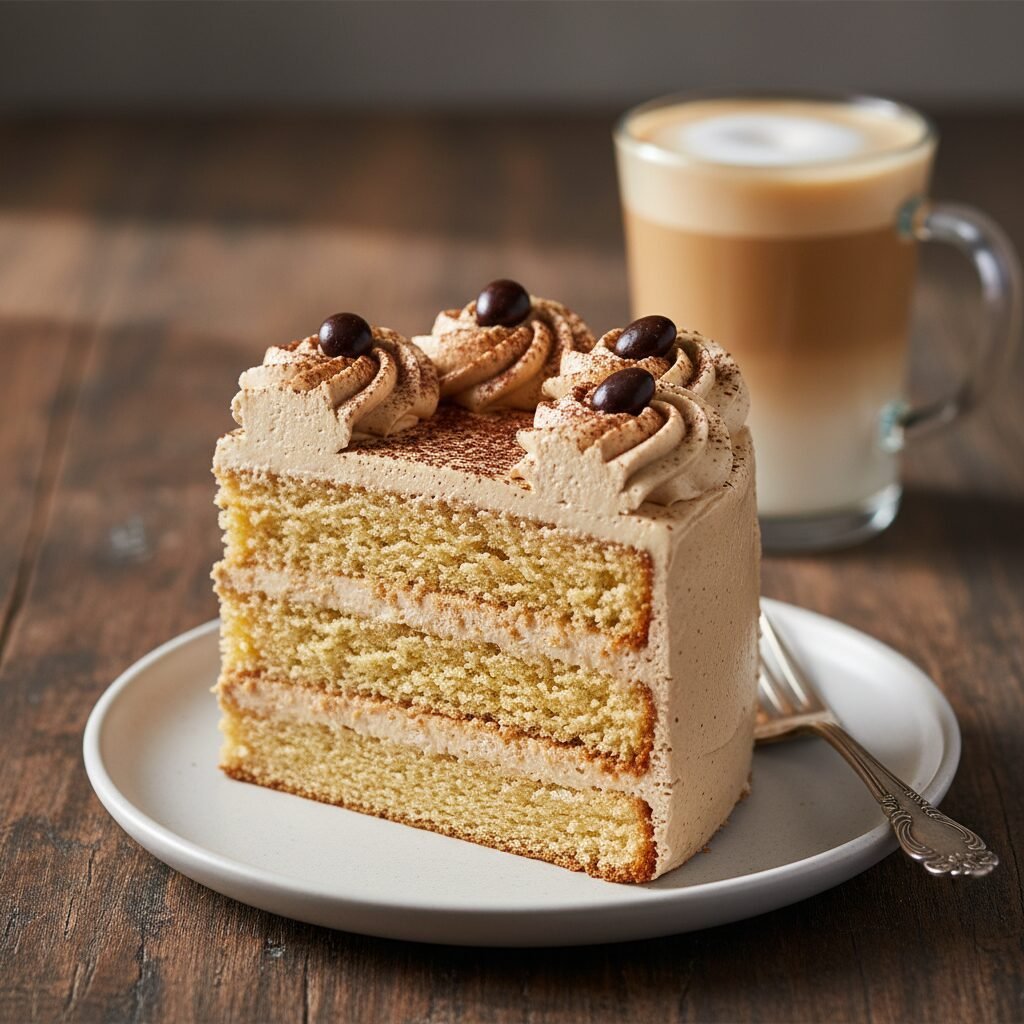
- 15. Once cakes are fully cool, frost the top of one layer, stack the second layer, and cover the top and sides with the remaining buttercream. Garnish with chocolate-covered espresso beans if desired.
Expert Cooking Tips
- ✓Room temperature ingredients are non-negotiable. Cold eggs or sour cream will cause the butter to curdle and the batter to separate.
- ✓Do not confuse Instant Espresso Powder with ground coffee beans. Granules must dissolve completely; grounds will leave a gritty texture.
- ✓Weigh your flour if possible (approx 120g per cup). Scooping directly with the cup often compacts the flour, leading to a dense, dry cake.
- ✓Bloom the espresso in hot liquid. This releases the oils and ensures a deep, robust flavor rather than a flat coffee taste.
- ✓Cool the cakes completely before frosting. Even a slightly warm cake will melt the butter in the buttercream, causing the layers to slide.
- ✓If the buttercream is too soft, refrigerate it for 10 minutes before frosting. If too stiff, add a teaspoon of warm milk.
- ✓Tap the pans on the counter before baking to release large air bubbles.
Substitutions and Variations
This recipe is quite forgiving, but proceed with caution when swapping core ingredients. If you don’t have sour cream, full-fat plain Greek yogurt is an excellent 1:1 substitute that maintains the moisture and acidity needed. For the vegetable oil, you can use any neutral oil like canola or grapeseed; melted coconut oil works too but may impart a slight coconut flavor. If you cannot find instant espresso powder, you can use very strong instant coffee granules, though the flavor may be milder. Do not use regular ground coffee. To make this gluten-free, swap the all-purpose flour for a high-quality 1:1 Gluten-Free Baking Flour blend (one that includes xanthan gum). For a lower sugar option, you can try monk fruit sweeteners, but be aware that the texture of the buttercream may change slightly. If you prefer a mocha twist, add 1/3 cup of unsweetened cocoa powder to the dry ingredients and remove 1/3 cup of flour.
Common Mistakes to Avoid
The most common mistake with this cake is overbaking. Because the batter is dark, it is harder to see the ‘golden brown’ visual cue, so rely on the toothpick test. If the toothpick comes out bone dry, the cake is already overdone; aim for a few moist crumbs attached. Another error is adding the hot coffee milk to the butter/sugar mixture too quickly or while it is boiling hot, which can scramble the eggs or melt the butter prematurely; ensure the liquid is lukewarm. Finally, failing to whip the buttercream long enough is a tragedy. The butter needs to be aerated significantly to lose its yellow hue and heavy texture. If your frosting tastes like a stick of butter with sugar, you haven’t whipped it long enough.
Serving Suggestions
This cake is rich, so slice it thin! It pairs beautifully with, unsurprisingly, a hot cup of black coffee or a latte to cut the sweetness. For a dessert course, serve a slice with a dollop of unsweetened whipped cream and a drizzle of dark chocolate ganache on the plate. If you want to add texture, garnish the top of the cake with chocolate-covered espresso beans, crushed hazelnuts, or shaved dark chocolate curls. It is also delightful served slightly chilled, which makes the buttercream firm and fudge-like.
Storage and Reheating Tips
Because of the butter and dairy in the frosting, this cake is best stored in an airtight container. It can stay at room temperature (in a cool kitchen) for up to 2 days. For longer storage, place it in the refrigerator for up to 5 days; however, let the slices come to room temperature before eating for the best texture and flavor release. To freeze, wrap individual slices or the whole cake tightly in plastic wrap followed by aluminum foil. It will keep in the freezer for up to 3 months. Thaw overnight in the fridge before serving.
Nutrition Facts (Estimated)
| Serving Size | 1 slice |
| Calories | 520 |
| Fat | 28g |
| Saturated Fat | 16g |
| Unsaturated Fat | 10g |
| Trans Fat | 0g |
| Cholesterol | 85mg |
| Sodium | 310mg |
| Carbohydrates | 64g |
| Fiber | 1g |
| Sugar | 42g |
| Protein | 5g |
Frequently Asked Questions
Can I use brewed coffee instead of espresso powder?
Technically yes, but it is not recommended. Brewed coffee adds too much liquid for the amount of flavor it provides. Instant espresso powder gives you concentrated flavor without altering the batter’s hydration.
My buttercream looks curdled or separated. What happened?
This usually happens if the butter was too cold or the liquid added was too cold. To fix it, whip it on high speed for a few minutes. If that fails, microwave a small amount (2 tbsp) of the frosting until melted, pour it back into the bowl, and whip again.
Can I make this cake ahead of time?
Absolutely. The cake layers can be baked, cooled, wrapped effectively, and frozen for up to a month. Thaw them while still wrapped to retain moisture before frosting.
Does this cake contain a lot of caffeine?
It contains a moderate amount. The entire cake uses about 3-4 tablespoons of espresso powder. Divided by 12 slices, the caffeine content is minimal compared to a full cup of coffee, but those highly sensitive to caffeine should be aware.
Can I bake this in a 9×13 pan?
Yes! Bake at the same temperature (350°F). Check for doneness starting at 30 minutes; it may take up to 40 minutes depending on your oven.
Why did my cake sink in the middle?
This is often caused by opening the oven door too early (releasing heat) or having too much leavening (baking powder/soda). Ensure your oven temperature is accurate.
Can I make this recipe into cupcakes?
Yes. This batter makes approximately 20-24 cupcakes. Bake them at 350°F for 18-22 minutes.
Is the heavy cream necessary for the frosting?
The heavy cream makes the frosting lighter and creamier. You can use whole milk, but the texture won’t be quite as velvety.
Conclusion
This Moist Cappuccino Cake with Espresso Buttercream is more than just a sugar rush; it is a celebration of coffee in its most decadent form. By balancing the robust, roasted notes of espresso with the sweet, creamy texture of a classic cake, you create a dessert that appeals to sophisticated palates and comfort-food lovers alike. Whether you are an experienced baker or a novice looking to impress, this recipe offers a high reward for your efforts. So, brew a fresh pot, preheat that oven, and get ready to enjoy your morning coffee in a whole new, delicious way. Don’t forget to pin this recipe for your next gathering!