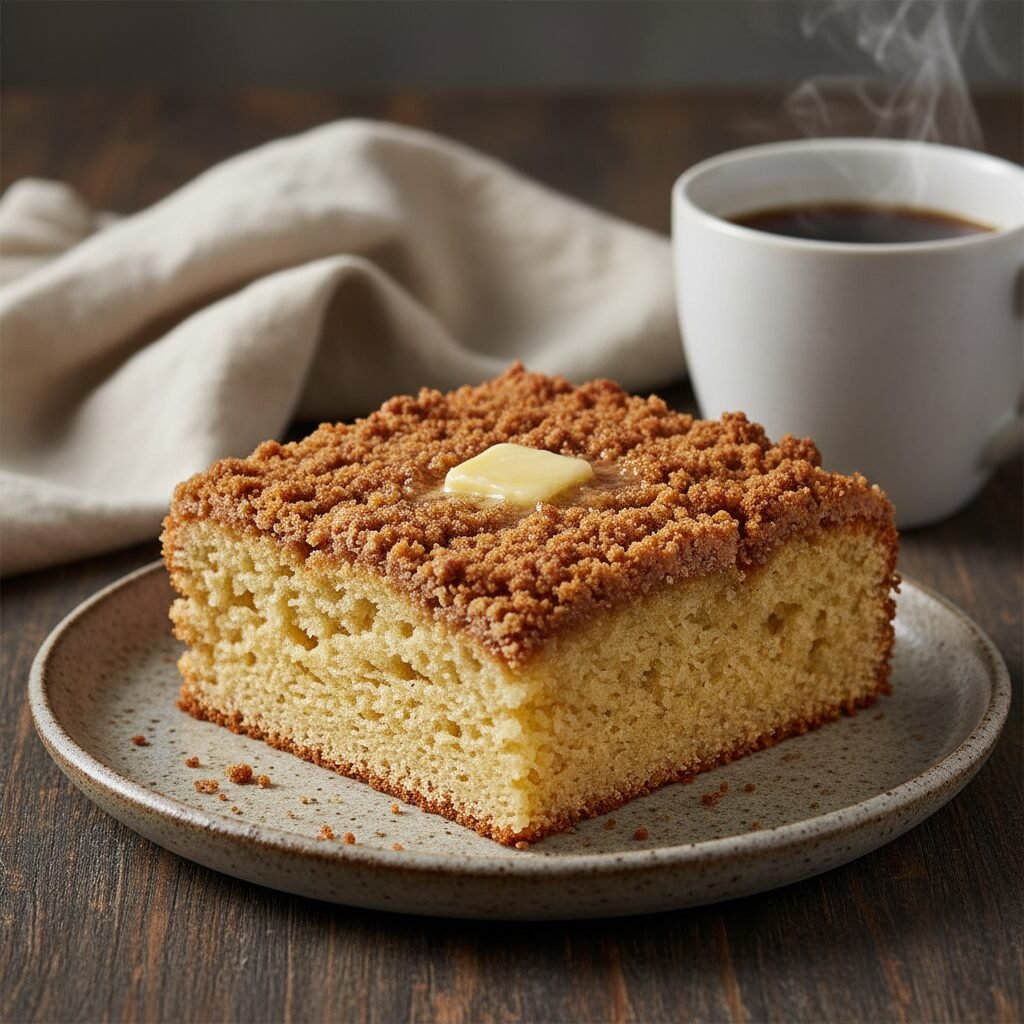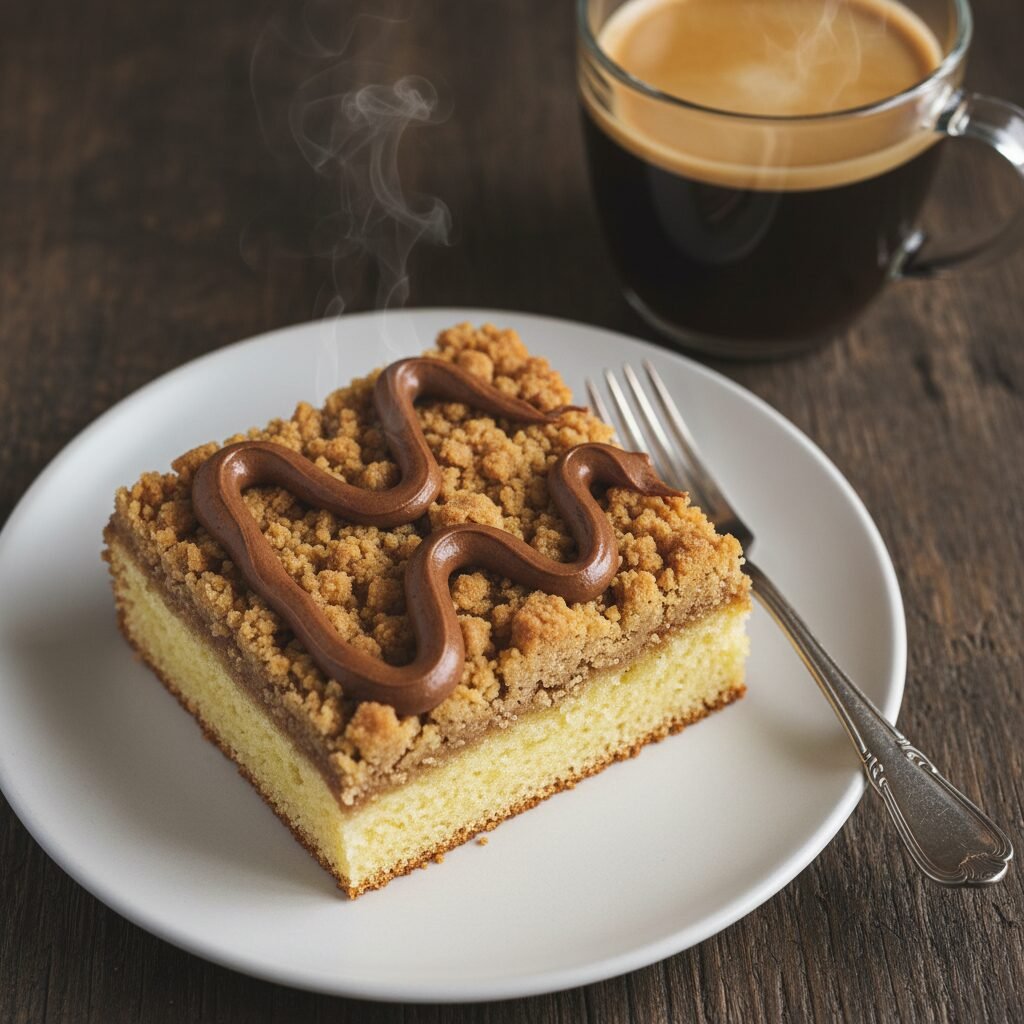
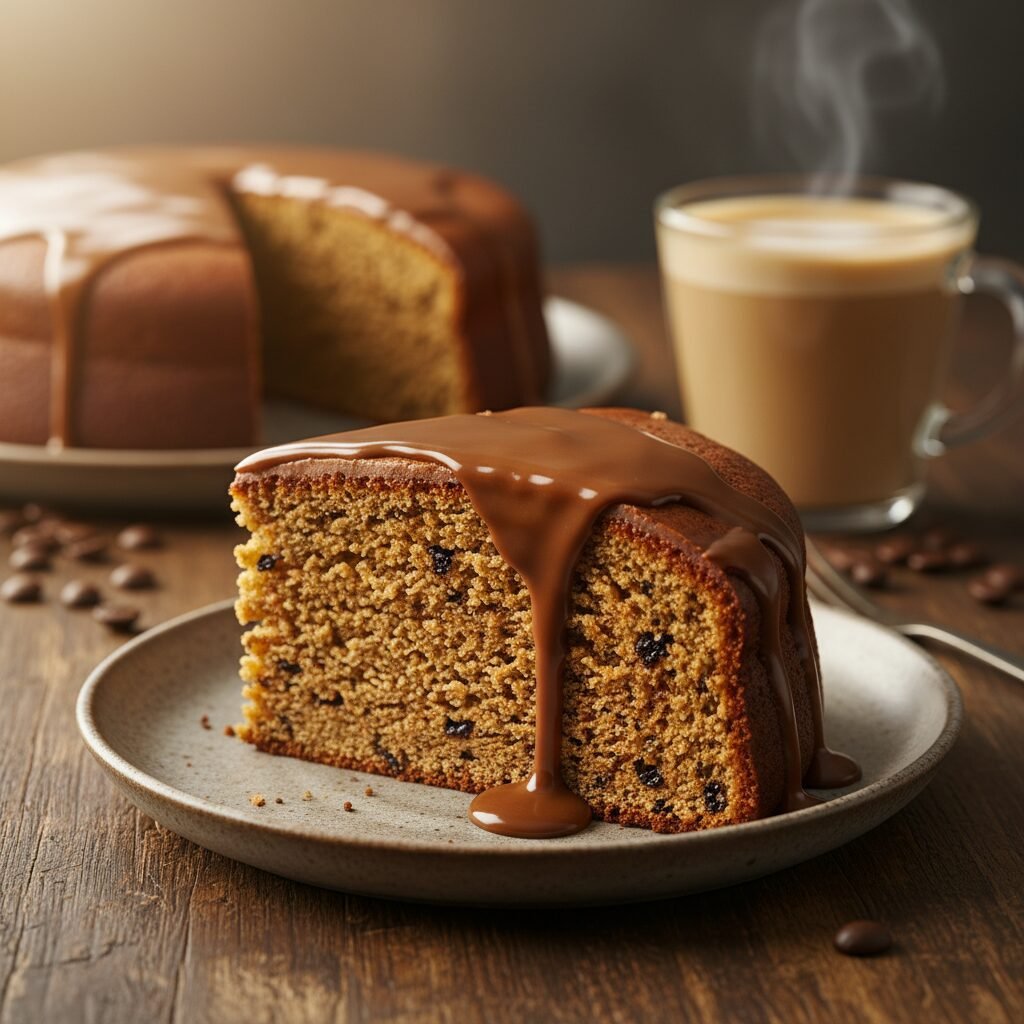
Moist Cappuccino Cake With Coffee Glaze Recipe
Wake up your taste buds with this decadent Moist Cappuccino Cake, featuring a tender, espresso-infused crumb and a silky coffee glaze. It is the ultimate treat for coffee lovers, perfect for a cozy brunch or an afternoon pick-me-up.
20 minutes
50 minutes
1 hour 10 minutes
12 servings
Dessert
Baking
American / Italian Fusion
Vegetarian
There is something undeniably magical about the aroma of fresh coffee wafting through the kitchen, but when that scent is paired with the smell of a cake baking in the oven, the result is pure comfort. This Moist Cappuccino Cake with Coffee Glaze is more than just a dessert; it is a celebration of the beloved Italian coffeehouse staple transformed into a sliceable indulgence. Imagine a cake that captures the essence of a perfectly brewed cappuccino—rich, bold, and creamy—wrapped up in a texture that is impossibly soft and moist.
For many home bakers, finding a coffee-flavored dessert that actually tastes like coffee can be a challenge. Often, the flavor is too subtle or artificially sweet. This recipe changes the game by utilizing high-quality instant espresso powder dissolved directly into the wet ingredients, ensuring that every crumb is saturated with that robust roasted flavor. The addition of sour cream and buttermilk in the batter guarantees a crumb that stays tender for days, avoiding the dryness that often plagues pound cakes or bundts.
Whether you are hosting a Sunday brunch, looking for a sophisticated dessert for a dinner party, or simply craving a sweet companion for your morning latte, this cake delivers. The glossy coffee glaze poured over the top hardens slightly as it sets, providing a delightful textural contrast to the soft interior. It is a recipe that invites you to slow down, pour a cup of your favorite brew, and savor the moment.
History & Origins
The concept of ‘coffee cake’ has a storied history that dates back centuries, though its evolution is quite fascinating. Originally, the term referred not to a cake flavored with coffee, but rather to a cake intended to be eaten alongside coffee. This tradition has deep roots in Northern and Central Europe, particularly in Germany and Scandinavia, where the afternoon tradition of ‘Kaffekuchen’ or ‘fika’ is a cultural staple. These early cakes were often yeast-based sweet breads, rich with spices, nuts, and dried fruits.
As European immigrants brought their baking traditions to America, the coffee cake evolved. With the advent of chemical leaveners like baking powder and baking soda in the 19th century, these cakes transitioned from yeast breads to the ‘quick breads’ we recognize today—crumb cakes, streusels, and bundts. However, the specific infusion of coffee flavor into the batter itself is a more modern innovation, likely popularized alongside the rise of gourmet coffee culture in the late 20th century.
The ‘Cappuccino’ element of this cake pays homage to the Italian breakfast tradition. The cappuccino, named after the Capuchin friars due to the color of their robes, is defined by its balance of espresso, steamed milk, and foam. Translating this into cake form requires balancing the bitterness of espresso with the creamy richness of dairy (butter and sour cream) and the sweetness of sugar. This recipe stands at the intersection of old-world European baking traditions and the modern global obsession with artisanal coffee, creating a dessert that honors both.
Why This Recipe Works
This recipe yields superior results because it relies on the principles of baking chemistry to maximize both flavor and texture. First, the ‘blooming’ of the espresso powder is a critical step. By dissolving the instant espresso in hot water or warm milk before adding it to the batter, we release the volatile oils in the coffee, ensuring a flavor that is deep and aromatic rather than gritty or weak.
Secondly, the texture is perfected through the use of dual fats: butter and oil, alongside sour cream. Butter provides that classic, rich flavor that we crave in baked goods, while vegetable oil ensures the cake remains moist at room temperature, as oil does not solidify like butter does. The sour cream introduces acidity, which tenderizes the gluten strands in the flour, resulting in a plush, velvety crumb that melts in your mouth.
Finally, the glaze is designed to be the perfect counterpoint to the cake. While the cake itself is not overly sweet, allowing the bitter notes of the coffee to shine, the glaze is sugary and potent. We use a high ratio of confectioners’ sugar to strong brewed coffee, creating a icing that is thick enough to cling to the cake but fluid enough to create those beautiful, appetizing drips. This balance of bitter and sweet, moist and dense, is why this specific formula works so well.
Why You’ll Love This Recipe
- ✓Intense espresso flavor in every bite
- ✓Incredibly moist texture due to sour cream
- ✓Simple, glossy 3-ingredient coffee glaze
- ✓Perfect make-ahead dessert that improves with time
- ✓Beautiful presentation suitable for holidays or brunch
Equipment You’ll Need
- ✓Bundt pan or 9×13 baking pan
- ✓Stand mixer or electric hand mixer
- ✓Large mixing bowls
- ✓Whisk
- ✓Rubber spatula
- ✓Cooling rack
- ✓Measuring cups and spoons
Ingredients
- ✓2 1/2 cups All-Purpose Flour
- ✓2 tsp Baking Powder
- ✓1/2 tsp Baking Soda
- ✓1/2 tsp Salt
- ✓1 cup Unsalted Butter, softened
- ✓1 1/2 cups Granulated Sugar
- ✓3 Large Eggs, room temperature
- ✓2 tsp Vanilla Extract
- ✓1 cup Sour Cream, room temperature
- ✓2 tbsp Instant Espresso Powder
- ✓1 tbsp Hot Water (to dissolve espresso)
- ✓For the Glaze: 1 1/2 cups Confectioners’ Sugar
- ✓For the Glaze: 2-3 tbsp Strong Brewed Coffee or Espresso
- ✓For the Glaze: 1/2 tsp Vanilla Extract
- ✓Optional Garnish: Chocolate covered espresso beans
Instructions
- Preheat your oven to 350°F (175°C). Generously grease and flour a 10-12 cup Bundt pan, ensuring all nooks and crannies are coated to prevent sticking.
- In a small bowl, dissolve the 2 tablespoons of instant espresso powder in 1 tablespoon of hot water. Stir until it creates a thick paste and let it cool slightly.
- In a medium bowl, whisk together the flour, baking powder, baking soda, and salt until well combined. Set aside.
- In the bowl of a stand mixer fitted with the paddle attachment (or using a hand mixer), cream the softened butter and granulated sugar together on medium-high speed for about 3-5 minutes until light, fluffy, and pale yellow.
- Add the eggs one at a time, beating well after each addition and scraping down the sides of the bowl to ensure even mixing. Stir in the vanilla extract and the dissolved espresso paste.
- Reduce the mixer speed to low. Add the flour mixture in three parts, alternating with the sour cream, beginning and ending with the flour. Mix only until just combined; do not overmix or the cake will be dense.
- Pour the batter into the prepared Bundt pan and smooth the top with a spatula. Tap the pan gently on the counter to release any trapped air bubbles.
- Bake for 45-55 minutes, or until a wooden skewer inserted into the thickest part of the cake comes out clean or with just a few moist crumbs attached.
- Remove the cake from the oven and let it cool in the pan for exactly 10 minutes. Then, invert the cake onto a wire cooling rack to cool completely before glazing.
- While the cake cools, prepare the glaze. In a small bowl, whisk together the confectioners’ sugar, vanilla extract, and 2 tablespoons of strong brewed coffee. Add more coffee a teaspoon at a time until you reach a thick but pourable consistency.
- Drizzle the glaze over the completely cooled cake, allowing it to drip down the sides. Top with chocolate-covered espresso beans if desired. Let the glaze set for 15 minutes before slicing.
Expert Cooking Tips
- ✓Room temperature ingredients are crucial. Cold eggs or sour cream can cause the batter to curdle, affecting the rise.
- ✓Do not overmix the batter once the flour is added. Overmixing develops gluten, resulting in a tough, rubbery cake rather than a tender one.
- ✓Grease your Bundt pan thoroughly. Even non-stick pans need a helper; use a baking spray with flour or melted butter dusted with flour.
- ✓Bloom your espresso powder. Dissolving it in a tiny bit of hot liquid ensures it disperses evenly without leaving bitter granules.
- ✓Check for doneness early. Ovens vary, so start checking at the 45-minute mark to prevent a dry cake.
- ✓Let the cake cool in the pan for 10 minutes. Trying to flip it too soon can cause it to break, but waiting too long can make it stick as the sugars cool.
Substitutions and Variations
Baking is a science, but there is room for flexibility if you find yourself missing an ingredient. If you do not have sour cream, full-fat Greek yogurt is an excellent 1:1 substitute that maintains the moisture and tang. For the liquid component, if you don’t have buttermilk (though not called for in the main list, it’s often used in variations), you can make a quick version by adding lemon juice to regular milk. Regarding the coffee flavor, instant espresso powder is best for intensity, but regular instant coffee granules work too—you may just need to increase the amount slightly. If you want to make this gluten-free, use a high-quality 1:1 gluten-free flour blend that contains xanthan gum. For a dairy-free version, swap the butter for a plant-based butter block and use a dairy-free yogurt or coconut cream instead of sour cream.
Common Mistakes to Avoid
The most common mistake with this recipe is rushing the cooling process. Glazing a warm cake will cause the icing to melt and slide right off, soaking into the cake and making it soggy rather than creating a beautiful finish. Another frequent error is measuring flour incorrectly. Scooping flour directly with the measuring cup packs it down, leading to too much flour and a dry cake. Always spoon the flour into the cup and level it off. Additionally, using weak coffee for the glaze will result in a flavor that gets lost against the sugar; make sure your brew is strong or use espresso. Lastly, failing to prep the Bundt pan properly is a heart-breaker; take the extra time to grease every crevice.
Serving Suggestions
This Moist Cappuccino Cake is versatile enough for various settings. Serve it slightly warm or at room temperature. It pairs beautifully, of course, with a hot cup of coffee or a frothy cappuccino to echo the flavors. For an indulgent dessert course, serve a slice with a dollop of mascarpone whipped cream or a scoop of vanilla bean ice cream. If you are serving this for brunch, it looks stunning on a pedestal stand surrounded by fresh berries to cut through the richness. A dusting of cocoa powder or cinnamon on top of the glaze adds a professional finishing touch.
Storage and Reheating Tips
This cake is wonderfully moist and stores well. It can be kept at room temperature in an airtight container or cake dome for up to 3-4 days. In fact, the flavors often meld and improve on the second day. For longer storage, you can refrigerate it for up to a week, though this may dry it out slightly, so ensure it is well-wrapped. This cake also freezes beautifully. You can freeze individual slices wrapped in plastic wrap and foil for up to 3 months. Thaw slices at room temperature or give them a quick zap in the microwave for 15-20 seconds to restore that fresh-baked warmth.
Nutrition Facts (Estimated)
| Serving Size | 1 slice |
| Calories | 420 |
| Fat | 18g |
| Saturated Fat | 10g |
| Unsaturated Fat | 7g |
| Trans Fat | 0g |
| Cholesterol | 65mg |
| Sodium | 210mg |
| Carbohydrates | 58g |
| Fiber | 1g |
| Sugar | 35g |
| Protein | 5g |
Frequently Asked Questions
Can I use brewed coffee instead of instant espresso powder in the batter?
It is not recommended to swap brewed coffee for the powder in the batter because adding enough liquid to get the flavor right would throw off the wet-to-dry ratio of the recipe. The powder provides concentrated flavor without excess moisture.
Why did my cake stick to the Bundt pan?
Sticking usually happens if the pan wasn’t greased thoroughly or if the cake was removed too hot or too cold. The sweet spot for removal is usually 10 minutes after taking it out of the oven.
Can I make this cake in a loaf pan?
Yes, you can split this batter between two 9×5 inch loaf pans. The baking time will need to be adjusted, likely around 35-45 minutes. Keep an eye on them.
Is this cake very sweet?
The cake itself has a balanced sweetness that complements the bitter coffee, but it is not cloying. The glaze adds a significant hit of sugar, so you can drizzle less if you prefer a less sweet treat.
Can I add nuts or chocolate chips?
Absolutely! Fold in 1 cup of toasted walnuts, pecans, or semi-sweet chocolate chips gently into the batter right before pouring it into the pan.
What if I don’t have a stand mixer?
A hand mixer works perfectly fine. You can even mix it by hand with a whisk and wooden spoon, though creaming the butter and sugar will take some serious elbow grease.
Does this cake contain caffeine?
Yes, since it uses real espresso powder and coffee in the glaze, it does contain caffeine. If you are sensitive or serving to kids, you can use decaf instant espresso and decaf coffee.
How do I know when the glaze consistency is right?
The glaze should be thick like honey. If it runs off the spoon like water, add more sugar. If it doesn’t drip at all, add drops of coffee until it flows slowly.
Conclusion
Baking this Moist Cappuccino Cake is a rewarding experience that fills your home with the comforting scents of a favorite coffee shop. It is a robust, flavorful dessert that stands out from standard vanilla or chocolate cakes, offering a sophisticated profile that adults love, yet it remains accessible and comforting. Whether you are a novice baker or a seasoned pro, this recipe is forgiving and reliable. We hope this cake becomes a new favorite in your recipe box, ready to be pulled out whenever you need a little slice of coffee-infused happiness. Happy baking!