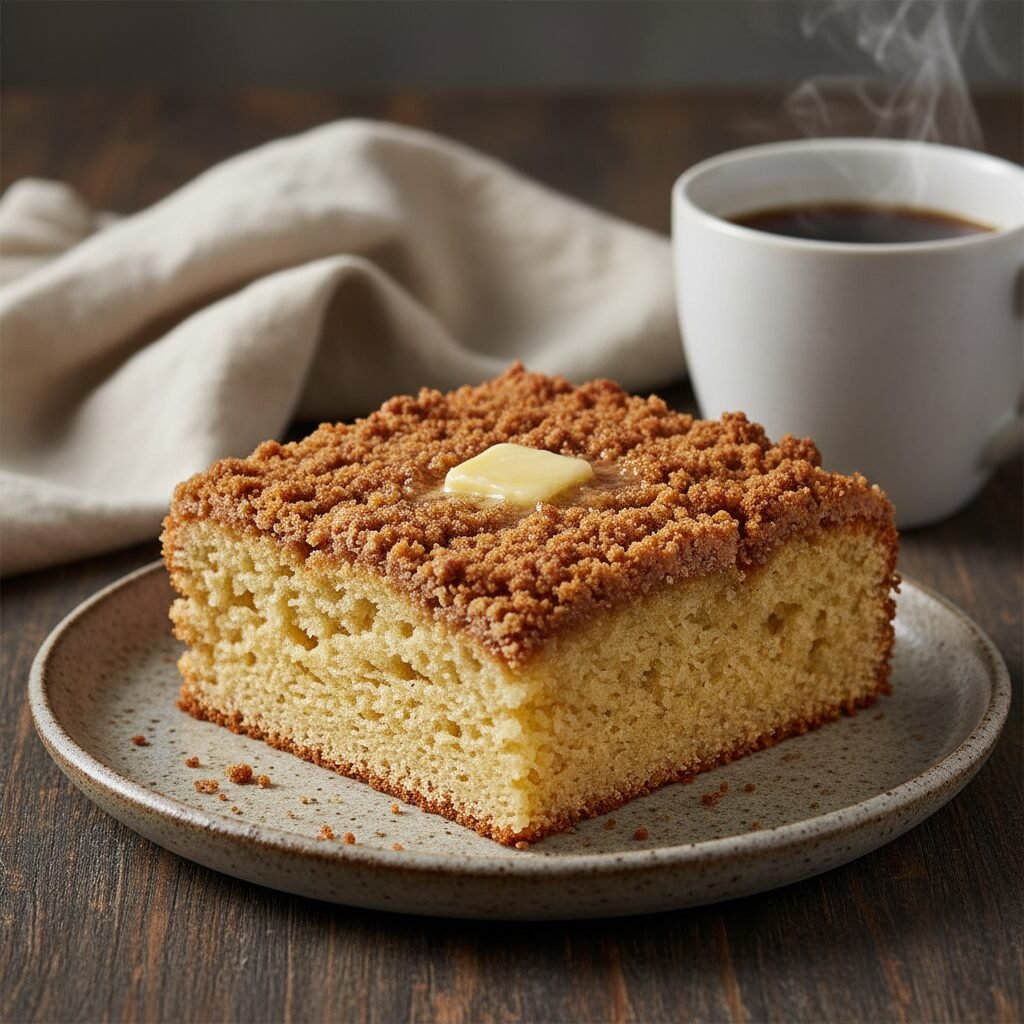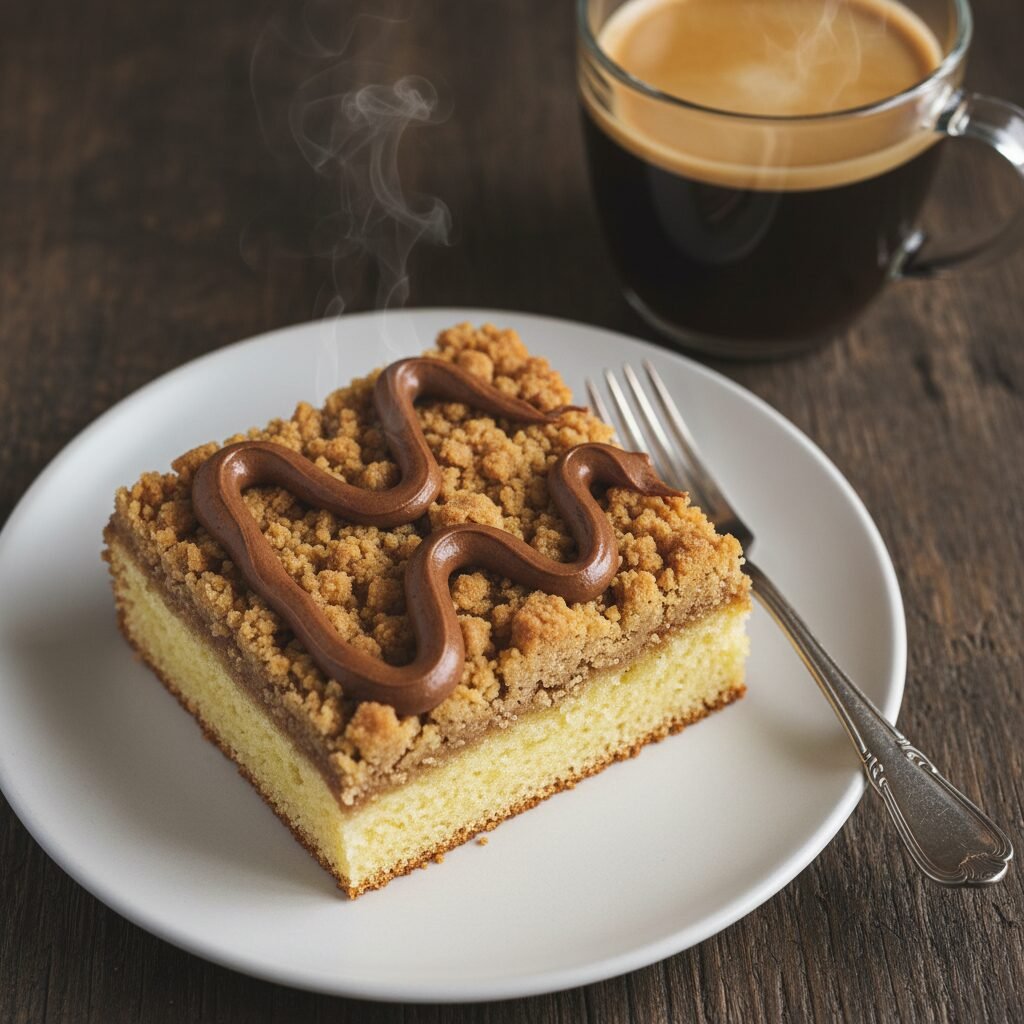
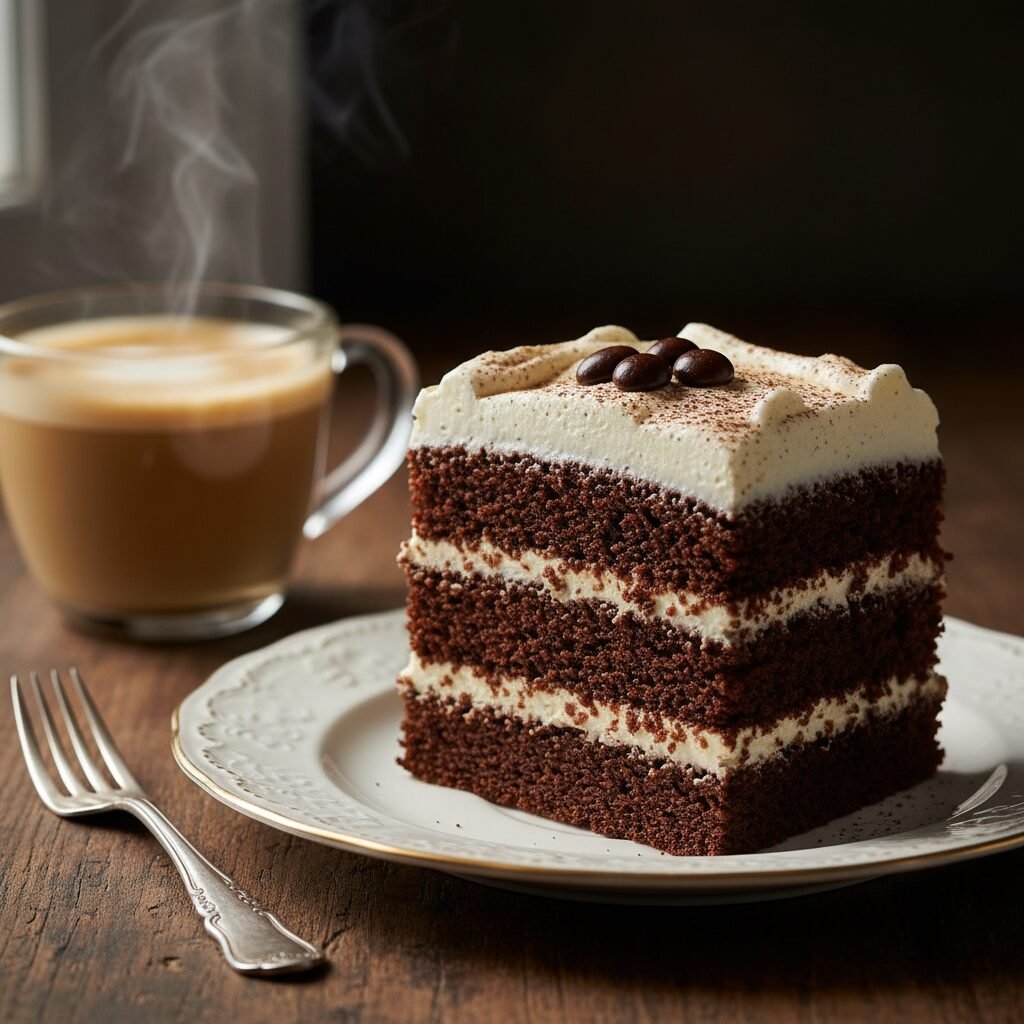
Moist Cappuccino Cake With Mascarpone Frosting Recipe
Experience the perfect marriage of rich espresso and velvety cream in this decadent Cappuccino Cake. With its ultra-moist crumb and light-as-air mascarpone frosting, this dessert is a sophisticated twist on classic coffee cake that is surprisingly easy to bake at home.
30 minutes
35 minutes
1 hour 15 minutes
12-14 servings
Dessert
Baking
Italian-American
Vegetarian
There are few flavor combinations as timeless and comforting as coffee and cream. This Moist Cappuccino Cake with Mascarpone Frosting takes that morning ritual and transforms it into a spectacular dessert worthy of any celebration. Imagine a cake that captures the essence of a perfectly brewed cappuccino—robust, aromatic, and deeply satisfying—balanced by the delicate sweetness of a frosting that mimics the frothy milk foam on top. This isn’t just a chocolate cake with a hint of coffee; it is a bold declaration of love for the bean, infused with strong espresso to deepen the chocolate notes and provide a complex, roasted undertone that lingers on the palate.
The texture here is paramount. We have all suffered through dry, crumbly coffee cakes that require a beverage just to wash them down. This recipe serves the opposite: a crumb so moist and tender it practically melts in your mouth, thanks to a specific balance of fats and liquids. The star of the show, however, might just be the frosting. Unlike heavy American buttercreams that can be cloyingly sweet, the mascarpone frosting offers a sophisticated tang and a silky mouthfeel that cuts through the richness of the cake layers. It is light, airy, and reminiscent of a high-end tiramisu.
Whether you are hosting a dinner party, looking for the perfect birthday cake for a coffee lover, or simply craving a slice of luxury on a rainy afternoon, this recipe delivers. It bridges the gap between a rustic afternoon tea cake and an elegant bakery-style gateau. Every bite offers a symphony of textures—from the dense, fudgy crumb to the cloud-like frosting and the dusting of cocoa powder on top. Get ready to fill your kitchen with the intoxicating aroma of baking chocolate and fresh espresso.
History & Origins
The concept of infusing cakes with coffee dates back centuries, likely originating in the coffee houses of Vienna and Central Europe in the 17th and 18th centuries. As coffee culture swept across the continent, bakers began experimenting with using the brew not just as an accompaniment to pastries, but as an ingredient within them. The ‘Kaffeekuchen’ of Germany and the intricate tortes of Austria laid the groundwork for modern coffee-flavored desserts. However, the specific profile of a ‘Cappuccino Cake’ is a more modern invention, heavily influenced by the global explosion of Italian coffee culture in the late 20th century.
The cappuccino itself—named after the Capuchin friars because the color of the espresso mixed with frothed milk resembled their robes—became a symbol of Italian sophistication. In the 1980s and 90s, as espresso bars proliferated in the United States and the United Kingdom, the flavors of cappuccino began to migrate from the cup to the dessert plate. This era also saw the rise of Tiramisu to global stardom, which popularized the use of mascarpone cheese in sweet applications outside of Italy.
Mascarpone, a triple-cream cheese from the Lombardy region, was traditionally used in savory dishes or simple fruit desserts. Its incorporation into cakes and frostings marked a culinary shift, moving away from the dense, sugary icings of the mid-century toward lighter, creamier, and slightly tangy toppings. This recipe pays homage to that evolution, combining the robust, historic tradition of European coffee cakes with the creamy, modern influence of Italian dessert craftsmanship. It represents a culinary dialogue between the sturdy, moist cakes of American baking and the refined, dairy-rich flavors of Italian patisserie.
Why This Recipe Works
This recipe succeeds where others fail because it meticulously balances moisture retention with structural integrity. The secret to the intense coffee flavor and the deep, dark color of the cake lies in ‘blooming’ the cocoa powder. By mixing the cocoa powder and espresso granules with boiling hot water before adding them to the batter, we dissolve the cocoa butter and release the full flavor potential of the chocolate, preventing the dusty taste sometimes found in cocoa-based cakes. The hot liquid also begins to activate the leavening agents immediately upon mixing, giving the cake a superior lift.
Furthermore, this recipe utilizes a combination of oil and sour cream (or buttermilk) rather than relying solely on butter. While butter provides flavor, oil is 100% fat and remains liquid at room temperature, which ensures the cake stays moist for days. The sour cream adds acidity, which tenderizes the gluten strands in the flour, resulting in a soft, velvety crumb that isn’t tough or chewy.
For the frosting, the use of mascarpone is scientifically superior to standard cream cheese for this flavor profile. Mascarpone has a higher fat content (roughly 70-75%) compared to American cream cheese (33%), which gives it a richer, more buttery mouthfeel without the heavy gumminess. However, mascarpone can be unstable if overbeaten. This recipe stabilizes the mascarpone with heavy whipping cream and confectioners’ sugar, creating a structure that holds its shape for piping while melting instantly on the tongue, mimicking the froth of a real cappuccino.
Why You’ll Love This Recipe
- ✓Deep, robust espresso flavor in every bite
- ✓Ultra-moist crumb that stays fresh for days
- ✓Silky, sophisticated Italian mascarpone frosting
- ✓Perfect balance of sweetness and coffee bitterness
- ✓Elegant presentation suitable for special occasions
- ✓No fancy mixer required for the cake batter
Equipment You’ll Need
- ✓Two 9-inch round cake pans
- ✓Large mixing bowl
- ✓Medium mixing bowl
- ✓Whisk
- ✓Electric hand mixer or stand mixer
- ✓Rubber spatula
- ✓Wire cooling rack
- ✓Measuring cups and spoons
- ✓Parchment paper
- ✓Offset spatula for frosting
Ingredients
- ✓2 cups all-purpose flour
- ✓2 cups granulated sugar
- ✓3/4 cup unsweetened cocoa powder
- ✓2 tsp baking soda
- ✓1 tsp baking powder
- ✓1 tsp salt
- ✓1 cup buttermilk, room temperature
- ✓1/2 cup vegetable oil
- ✓2 large eggs, room temperature
- ✓2 tsp pure vanilla extract
- ✓1 cup freshly brewed strong hot coffee
- ✓1 tbsp instant espresso powder (dissolved in the hot coffee)
- ✓16 oz mascarpone cheese, cold
- ✓1 1/2 cups heavy whipping cream, cold
- ✓1 1/2 cups powdered sugar, sifted
- ✓1 tsp vanilla bean paste or extract (for frosting)
- ✓Chocolate shavings or cocoa powder for garnish
Instructions
- Preheat your oven to 350°F (175°C). Grease two 9-inch round cake pans with butter or cooking spray, and line the bottoms with parchment paper for easy removal.
- In a large mixing bowl, sift together the flour, granulated sugar, cocoa powder, baking soda, baking powder, and salt. Whisk thoroughly to ensure all dry ingredients are evenly distributed.
- In a separate medium bowl, whisk together the buttermilk, vegetable oil, eggs, and vanilla extract until combined.
- Pour the wet ingredients into the dry ingredients. Using a mixer on low speed or a sturdy whisk, mix until just combined. Do not overmix.
- Dissolve the instant espresso powder into the hot coffee. Slowly pour the hot coffee mixture into the batter while whisking gently. The batter will be very thin and liquid; this is normal.
- Divide the batter evenly between the two prepared cake pans. Tap the pans gently on the counter to release any large air bubbles.
- Bake in the center of the oven for 30-35 minutes, or until a wooden toothpick inserted into the center comes out clean or with just a few moist crumbs attached.
- Remove the cakes from the oven and let them cool in the pans for about 15 minutes. Then, run a knife around the edges and invert them onto a wire rack to cool completely before frosting.
- While the cakes cool, prepare the frosting. In a large chilled bowl, beat the cold mascarpone cheese and powdered sugar together on medium speed until smooth and creamy (about 1-2 minutes). Do not overbeat or it may curdle.
- Slowly stream in the cold heavy whipping cream and vanilla while continuing to beat. Increase the speed to high and whip until stiff peaks form and the frosting is thick and spreadable.
- To assemble, place one cake layer on a serving plate. Spread a generous layer of mascarpone frosting over the top. Place the second cake layer on top.
- Frost the top and sides of the cake with the remaining frosting using an offset spatula. Create swirls for a decorative effect.
- Garnish with chocolate shavings, a dusting of cocoa powder, or chocolate-covered coffee beans. Refrigerate for at least 30 minutes before slicing to set the frosting.
Expert Cooking Tips
- ✓Ensure your coffee is boiling hot when added to the batter to properly bloom the cocoa powder.
- ✓Use room temperature eggs and buttermilk to ensure the batter emulsifies smoothly.
- ✓Do not overmix the batter once the flour is added, or the cake may become dense.
- ✓Chill your mixing bowl and beaters before making the frosting to help the cream whip up faster and fluffier.
- ✓Mascarpone can turn grainy if overworked; stop beating as soon as stiff peaks form.
- ✓If the frosting is too soft to pipe, refrigerate it for 15-20 minutes to firm up.
- ✓For a stronger coffee kick, brush the cake layers with a little coffee syrup before frosting.
Substitutions and Variations
If you cannot find buttermilk, you can make a quick substitute by adding 1 tablespoon of lemon juice or white vinegar to a cup of whole milk and letting it sit for 5 minutes. For the vegetable oil, melted coconut oil or canola oil works perfectly fine. If you prefer a less intense chocolate flavor, you can reduce the cocoa powder by 1/4 cup and increase the flour by the same amount, though the cappuccino essence relies heavily on the chocolate-coffee pairing. For the frosting, if mascarpone is unavailable, you can use full-fat block cream cheese, though the flavor will be tangier and the texture slightly denser. You can also substitute the hot coffee with hot water if you want to eliminate the caffeine, though you will lose the cappuccino profile; in that case, use decaf coffee instead.
Common Mistakes to Avoid
The most common mistake with this cake is overbaking. Because the batter is dark, it is hard to tell by color when it is done. Rely on the toothpick test and start checking at the 30-minute mark. Another frequent error is frosting the cake while it is still slightly warm. Mascarpone has a low melting point, and even a hint of warmth from the cake will cause the frosting to slide right off or turn into a soup. Lastly, be very careful with the mascarpone frosting preparation. Mascarpone is sensitive to heat and friction. If you beat it too vigorously for too long, the solids will separate from the whey, resulting in a grainy, curdled mess that cannot be fixed.
Serving Suggestions
This Cappuccino Cake is rich and flavorful enough to stand on its own, but it pairs beautifully with—you guessed it—a fresh cup of coffee. Serve a slice alongside a hot espresso or a frothy latte to echo the cake’s flavor profile. For an evening dessert, it pairs wonderfully with a glass of dessert wine like Vin Santo or a cream liqueur. If you want to add fresh elements, serve with fresh raspberries or strawberries; the tart fruit cuts through the creamy richness of the mascarpone. A dollop of unsweetened whipped cream on the side can also balance the sweetness.
Storage and Reheating Tips
Because of the dairy in the mascarpone frosting, this cake must be stored in the refrigerator. It can be left out at room temperature for up to 2 hours for serving, but should be chilled otherwise. Store it in an airtight cake carrier or cover the cut sections with plastic wrap to prevent them from drying out. The cake will keep well in the fridge for up to 4-5 days. In fact, the flavors often meld and improve after the first day. You can also freeze the unfrosted cake layers for up to 3 months. Wrap them tightly in plastic wrap and then foil. Thaw in the refrigerator overnight before frosting.
Nutrition Facts (Estimated)
| Serving Size | 1 slice |
| Calories | 580 |
| Fat | 32g |
| Saturated Fat | 14g |
| Unsaturated Fat | 16g |
| Trans Fat | 0g |
| Cholesterol | 85mg |
| Sodium | 320mg |
| Carbohydrates | 68g |
| Fiber | 3g |
| Sugar | 45g |
| Protein | 6g |
Frequently Asked Questions
Can I make this cake ahead of time?
Yes, absolutely. The cake layers can be baked a day in advance and stored at room temperature (wrapped tightly). The frosting is best made the day you assemble the cake, but the fully assembled cake keeps perfectly in the fridge for several days.
Why is my batter so runny?
Don’t panic! This recipe produces a very thin, liquid batter compared to standard butter cakes. This high liquid content is crucial for the moisture of the final sponge. It will bake up perfectly.
Can I use instant coffee instead of brewed coffee?
Yes. If you don’t have brewed coffee, simply dissolve 2-3 teaspoons of instant coffee granules in 1 cup of boiling water. This works just as well.
My mascarpone frosting is runny. How do I fix it?
If the frosting is too soft, place the bowl in the refrigerator for 20-30 minutes. If it is runny because it curdled (separated), unfortunately, it is difficult to save. You can try folding in a little more cold heavy cream gently, but prevention is key—do not overbeat.
Can I bake this as a sheet cake instead of layers?
Yes, you can bake this in a 9×13 inch rectangular pan. You will likely need to increase the baking time to 35-45 minutes. Check with a toothpick.
Is the coffee flavor very strong?
The coffee flavor is distinct but not overpowering. It enhances the chocolate. If you want a subtle flavor, use regular coffee. For a strong kick, use strong espresso.
Can I use gluten-free flour?
Yes, you can substitute the all-purpose flour with a high-quality 1:1 gluten-free baking flour blend that contains xanthan gum. The texture may be slightly different but still delicious.
Do I have to use espresso powder?
The espresso powder intensifies the chocolate and coffee notes. If you don’t have it, the cake will still be good, but the ‘cappuccino’ flavor will be milder.
Conclusion
This Moist Cappuccino Cake with Mascarpone Frosting is more than just a dessert; it is a centerpiece that brings the warmth and sophistication of a European cafe right into your dining room. The journey from the simple mixing of ingredients to the final garnish of cocoa powder is rewarding and surprisingly simple. Whether you are an experienced baker or a novice looking to impress, this recipe guarantees a result that is visually stunning and incredibly delicious. So, brew a fresh pot of coffee, gather your ingredients, and treat yourself to a slice of creamy, coffee-infused heaven. Don’t forget to share your creation on social media—this is one cake that looks as good as it tastes!