Moist Carrot Layer Cake Recipe
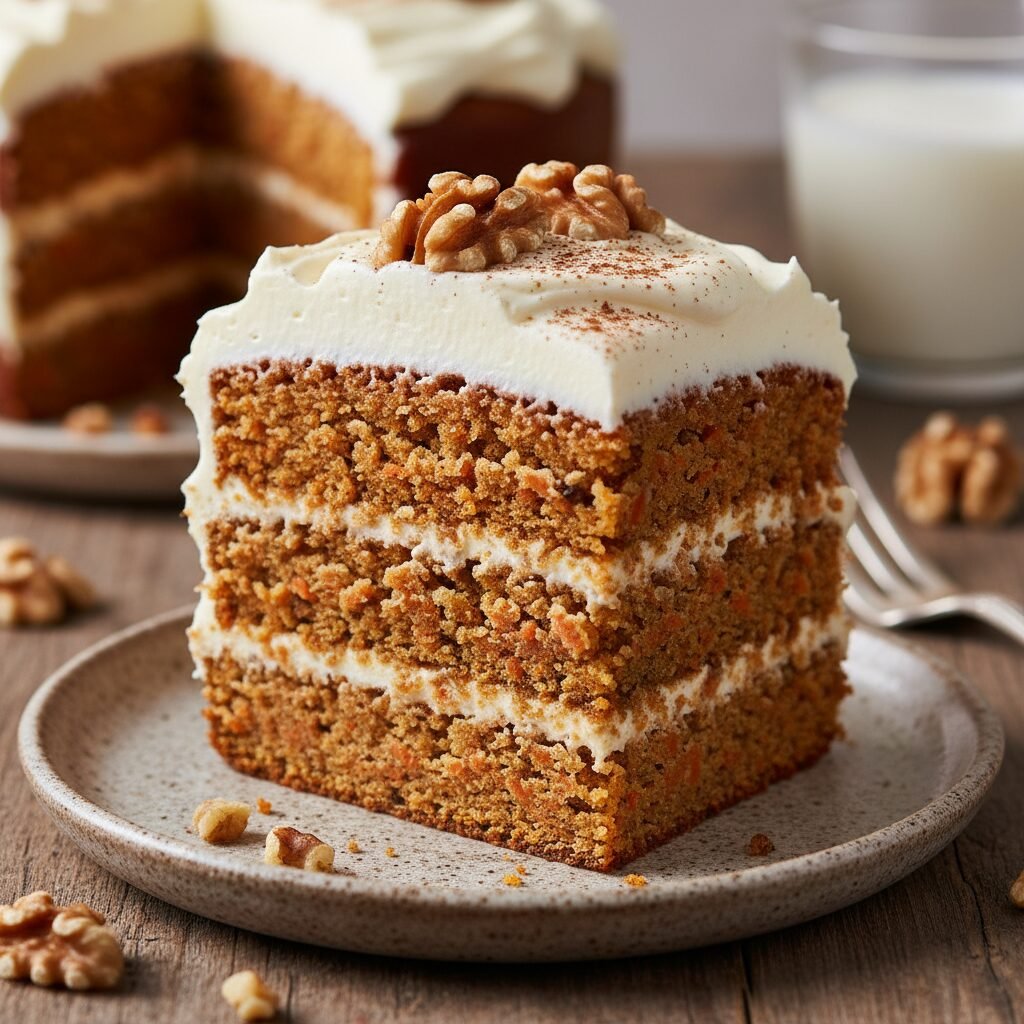
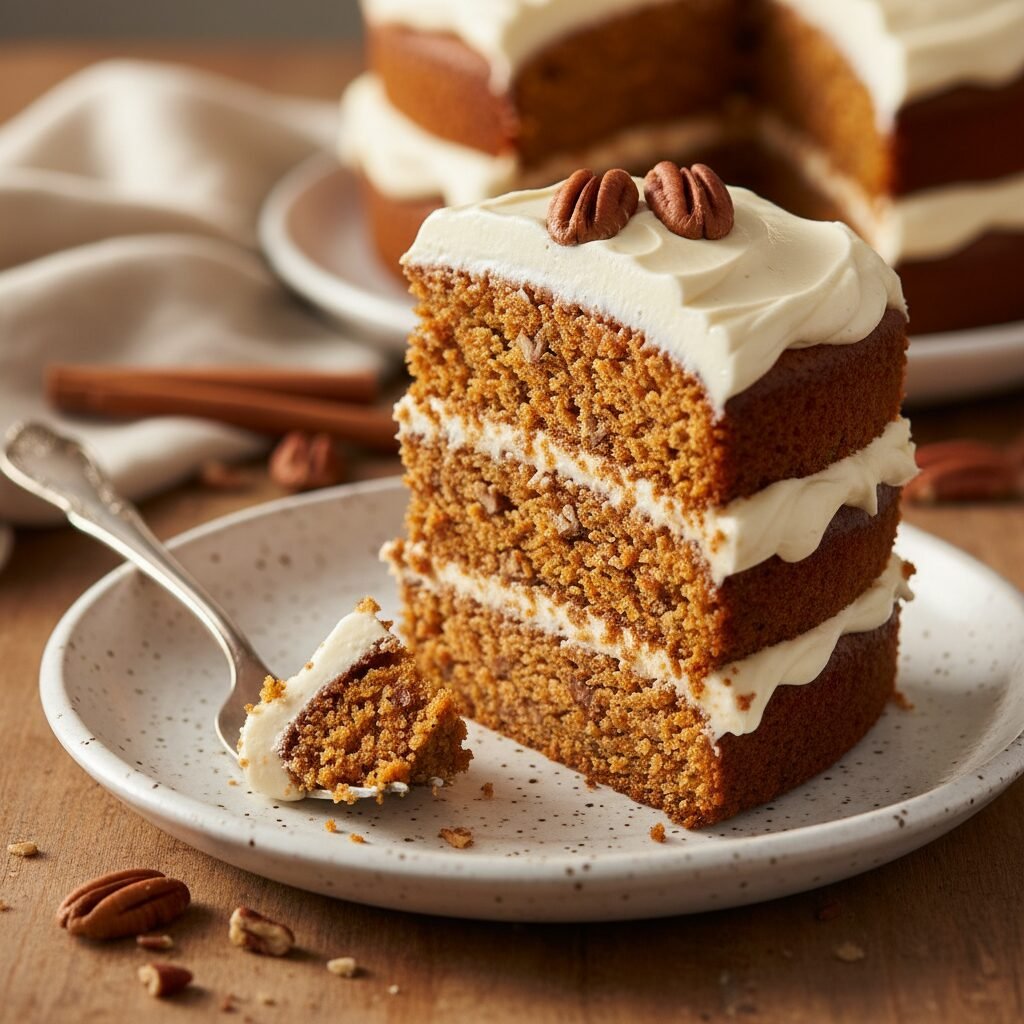
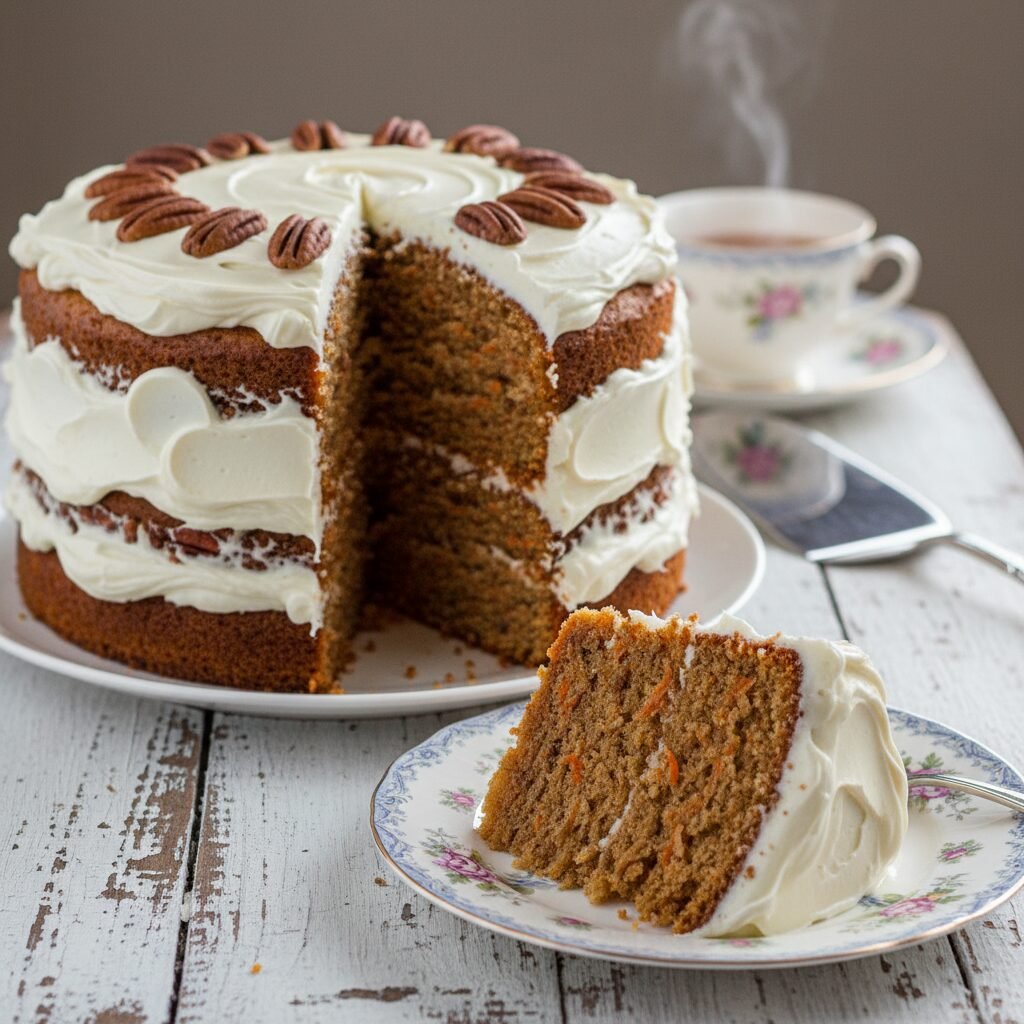
Discover the secret to the most incredibly moist carrot cake you will ever taste. This recipe features three perfectly spiced layers loaded with fresh carrots and toasted pecans, all enveloped in a velvety, tangy cream cheese frosting that balances the sweetness to perfection.
45 minutes
35 minutes
1 hour 20 minutes
12-16 servings
Dessert
Baking
American
Vegetarian
There are few desserts as polarizing yet passionately loved as carrot cake, but I promise you, this specific recipe is the one that converts the skeptics. If you have ever bitten into a slice of dry, lackluster cake that relies too heavily on sugar to mask a bland crumb, prepare to have your world changed. This Ultimate Moist Carrot Layer Cake is the gold standard of home baking—a recipe that has been tweaked, tested, and perfected to ensure a texture that is dense enough to hold up to the frosting, yet incredibly tender and fluffy on the tongue.
The magic lies in the balance of flavors and the specific chemistry of the ingredients. We aren’t just throwing carrots into a batter; we are creating a spiced symphony. The warmth of cinnamon, the slight kick of ginger, and the aromatic depth of nutmeg create a flavor profile that feels like a warm hug. But the real star here is the texture. Unlike butter-based cakes that can dry out if over-baked even by a minute, this oil-based batter ensures a crumb that stays moist for days. In fact, many avid bakers will tell you that this cake actually tastes better on the second day, as the spices have had time to meld and the moisture redistributes throughout the layers.
Whether you are baking this for a quintessential Easter dessert, a rustic autumn birthday, or simply because you have a surplus of carrots in the crisper drawer, this cake delivers on all fronts. It is sophisticated enough for a dinner party yet comforting enough for a Tuesday night treat. The cream cheese frosting is the crowning glory—whipped to airy perfection with just the right amount of tang to cut through the richness of the spiced sponge. Get your grater ready, because this is about to become the most requested recipe in your repertoire.
History & Origins
The history of carrot cake is a fascinating journey that traces back much further than the retro diners of 1970s America. Its origins can likely be pinpointed to the Middle Ages in Europe. During this period, sugar was a rare and expensive luxury, imported from distant lands and available only to the wealthy. Home cooks looked for alternative ways to sweeten their puddings and desserts, and they turned to the humble carrot. Carrots actually contain more natural sugar than almost any other vegetable (with the exception of sugar beets), making them an ideal, accessible sweetener for medieval carrot puddings.
These early iterations were not the fluffy layer cakes we know today but were steamed or boiled puddings, similar to a plum pudding. As baking technology advanced and leavening agents became more reliable, the pudding evolved into a baked cake. The concept crossed the Atlantic and appeared in early American cookbooks, such as ‘The Twentieth Century Bride’s Cookbook’ in 1929. However, it was World War II that gave the carrot cake a significant resurgence. With sugar rationing in full effect in the United Kingdom, the government promoted carrots as a healthy and patriotic way to sweeten confections.
The modern incarnation of carrot cake, specifically with cream cheese frosting, exploded in popularity in the United States during the 1960s and 1970s. It was often marketed as a ‘health food’ due to the inclusion of a vegetable, despite the heavy oil and sugar content. By the time the 1980s rolled around, carrot cake had cemented its status as an American classic, becoming a staple in bakeries and coffee shops nationwide. Today, it remains a beloved tradition, bridging the gap between a vegetable dish and a decadent dessert.
Why This Recipe Works
This recipe succeeds where many others fail primarily due to the choice of fat and the treatment of the carrots. First, we use oil instead of butter. While butter provides flavor, it is about 80% fat and 20% water. Oil is 100% fat and remains liquid at room temperature. This means that when the cake cools, the fat doesn’t solidify the way butter does, resulting in a sensation of extreme moistness that lasts for days. The neutral flavor of the oil also allows the spices—cinnamon, ginger, and nutmeg—to shine through without competition.
Secondly, the sugar ratio is critical. We use a blend of granulated white sugar and dark brown sugar. The brown sugar contains molasses, which is hygroscopic, meaning it attracts and holds onto water molecules. This ensures the cake retains moisture long after it leaves the oven.
Finally, the carrots themselves play a massive role. This recipe strictly calls for freshly grated carrots, not the pre-shredded kind found in bags at the grocery store. Pre-packaged carrots are often dry and coated in starches to prevent clumping. By grating them fresh, you release the carrots’ natural water content into the batter as it bakes, essentially steaming the cake from the inside out. Combined with the chemical reaction between the baking soda and the acidity of the brown sugar, you get a lift that is airy but a crumb that is undeniably rich.
Why You’ll Love This Recipe
- ✓Stays moist for up to 5 days thanks to the oil-based batter.
- ✓Perfectly balanced spice blend that isn’t overpowering.
- ✓Silky, tangy cream cheese frosting that is stable enough to pipe.
- ✓Freshly grated carrots add natural sweetness and texture.
- ✓Can be made ahead of time—flavor improves after 24 hours.
- ✓Versatile recipe that can be adapted for cupcakes or a sheet cake.
Equipment You’ll Need
- ✓Three 9-inch round cake pans
- ✓Large mixing bowl
- ✓Medium mixing bowl
- ✓Whisk
- ✓Rubber spatula
- ✓Box grater or food processor (shredding attachment)
- ✓Stand mixer or electric hand mixer
- ✓Wire cooling rack
- ✓Parchment paper
Ingredients
- ✓2 1/2 cups all-purpose flour
- ✓2 teaspoons baking soda
- ✓1/2 teaspoon fine sea salt
- ✓2 teaspoons ground cinnamon
- ✓1 teaspoon ground ginger
- ✓1/4 teaspoon ground nutmeg
- ✓1 1/4 cups neutral oil (canola, vegetable, or grapeseed)
- ✓1 cup granulated sugar
- ✓1 cup dark brown sugar, packed
- ✓1 teaspoon pure vanilla extract
- ✓4 large eggs, room temperature
- ✓3 cups grated carrots (approx. 5-6 medium carrots, peeled)
- ✓1 cup chopped pecans or walnuts (toasted)
- ✓1/2 cup raisins (optional)
- ✓16 oz cream cheese, brick style, softened to room temperature
- ✓1 cup unsalted butter, softened to room temperature
- ✓4-5 cups powdered sugar, sifted
- ✓1 tablespoon heavy cream (optional, for texture adjustment)
Instructions
- 1. Preheat your oven to 350°F (175°C). Grease three 9-inch round cake pans with butter or cooking spray. Line the bottoms with parchment paper circles, then grease the parchment and flour the sides. This ensures a perfect release.
- 2. Prepare the carrots. Peel and grate the carrots using the medium holes of a box grater. Do not pack the measuring cup; keep the carrots loose. Set aside.
- 3. In a medium bowl, whisk together the flour, baking soda, salt, cinnamon, ginger, and nutmeg until thoroughly combined and no lumps of spices remain.
- 4. In a large bowl (or stand mixer bowl), whisk together the oil, granulated sugar, brown sugar, and vanilla extract until combined. Add the eggs one at a time, whisking well after each addition until the mixture is smooth.
- 5. Switch to a rubber spatula. Gradually add the dry ingredients to the wet ingredients in three batches. Stir gently until the flour streaks just disappear. Do not overmix.
- 6. Fold in the grated carrots, toasted pecans, and raisins (if using) until evenly distributed throughout the batter.
- 7. Divide the batter evenly among the three prepared cake pans. Tap the pans gently on the counter to release any large air bubbles.
- 8. Bake for 30-35 minutes, or until a toothpick inserted into the center comes out clean or with just a few moist crumbs attached. Rotate pans halfway through baking if your oven has hot spots.
- 9. Remove cakes from the oven and let them cool in the pans for 15 minutes. Then, carefully invert them onto a wire rack to cool completely before frosting. They must be cool to the touch.
- 10. To make the frosting: In a large bowl using a handheld or stand mixer fitted with a paddle attachment, beat the cream cheese and butter together on medium-high speed until smooth and creamy (about 2-3 minutes).
- 11. Reduce speed to low and gradually add the powdered sugar, one cup at a time. Add the vanilla extract and a pinch of salt. Once combined, increase speed to high and whip for 3 minutes until fluffy. If the frosting is too stiff, add 1 tablespoon of heavy cream.
- 12. Assemble the cake: Place one layer on your serving plate. Spread a thick layer of frosting over the top. Repeat with the second and third layers. Use the remaining frosting to coat the sides and top. Garnish with extra pecans if desired.
Expert Cooking Tips
- ✓Use fresh carrots only. Pre-shredded carrots are too dry and will result in a dry cake.
- ✓Toast your nuts before adding them to the batter. It releases their essential oils and keeps them crunchy.
- ✓Ensure all refrigerated ingredients (eggs, cream cheese, butter) are at room temperature to prevent curdling.
- ✓Don’t overmix the batter once the flour is added; this develops gluten and makes the cake tough.
- ✓Weigh your flour if possible (approx 125g per cup) to avoid adding too much.
- ✓Cool the cakes completely. If they are even slightly warm, the cream cheese frosting will slide right off.
- ✓If the frosting feels too soft to pipe, refrigerate it for 20 minutes to firm up.
Substitutions and Variations
This recipe is quite robust, allowing for several substitutions if necessary. For the flour, you can substitute a high-quality 1:1 Gluten-Free All-Purpose Flour blend if you are baking for those with gluten sensitivity; the texture remains surprisingly similar due to the moisture in the cake. If you do not have dark brown sugar, light brown sugar works perfectly fine, though the molasses flavor will be slightly subtler.
Regarding the oil, while canola or vegetable oil is standard, melted coconut oil can be used for a slight tropical flavor profile, or even mild olive oil for a more savory gourmet touch. If you have a nut allergy, simply omit the pecans or walnuts; you can replace the crunch with toasted pumpkin seeds or simply leave them out. For a lighter version, you can swap half of the oil for unsweetened applesauce, though this will change the texture slightly, making it a bit more dense and bread-like. Finally, if you aren’t a fan of raisins, dried cranberries or chopped dates make excellent alternatives.
Common Mistakes to Avoid
The most common mistake home bakers make with carrot cake is using the wrong type of carrots. Buying a bag of ‘matchstick’ carrots from the salad aisle is a recipe for disaster; they are hard, dry, and will not soften sufficiently during baking. You must peel and grate whole carrots. Another frequent error is over-mixing the batter. Once the wet and dry ingredients meet, you want to mix only until combined. Over-mixing activates the gluten in the flour, turning a tender cake into a rubbery loaf.
Regarding the frosting, a common pitfall is using cold cream cheese or butter. If these ingredients are cold, they will not emulsify properly, leaving you with a lumpy frosting that is impossible to spread smoothly. Lastly, patience is key—do not attempt to frost the cake until the layers are entirely cool. The heat from the cake will melt the butter in the frosting, causing your beautiful layer cake to slide apart and turn into a sloppy mess.
Serving Suggestions
This rich cake is best served in thin slices, as it is quite filling. It pairs beautifully with a hot cup of black coffee or an espresso, as the bitterness of the coffee cuts through the sweetness of the frosting. For a tea pairing, an Earl Grey or a spicy Chai Latte complements the cinnamon and nutmeg notes in the cake perfectly. If you want to elevate the presentation for a dinner party, serve each slice with a small garnish of candied ginger or a drizzle of salted caramel sauce on the plate. While ice cream isn’t traditionally served with carrot cake due to the rich frosting, a small scoop of cinnamon or ginger ice cream can be a delightful contrast.
Storage and Reheating Tips
Because of the cream cheese frosting, this cake must be stored in the refrigerator. It is best to store the cake in a dedicated cake keeper or strictly covered with plastic wrap to prevent it from absorbing fridge odors. It will stay fresh for up to 5-6 days in the refrigerator. In fact, the flavor often improves on day two.
If you wish to freeze the cake, you can do so either frosted or unfrosted. To freeze a whole frosted cake or individual slices, place them on a baking sheet in the freezer for 1 hour until the frosting is hard. Then, wrap them tightly in two layers of plastic wrap followed by a layer of aluminum foil. It will keep in the freezer for up to 3 months. Thaw overnight in the refrigerator before serving. Allow the cake to sit at room temperature for 20-30 minutes before eating to soften the frosting and crumb.
Nutrition Facts (Estimated)
| Serving Size | 1 slice |
| Calories | 680 |
| Fat | 42g |
| Saturated Fat | 14g |
| Unsaturated Fat | 25g |
| Trans Fat | 0g |
| Cholesterol | 85mg |
| Sodium | 340mg |
| Carbohydrates | 78g |
| Fiber | 2g |
| Sugar | 52g |
| Protein | 7g |
Frequently Asked Questions
Why is my carrot cake dry?
Dryness usually comes from measuring flour incorrectly (packing it into the cup) or baking it for too long. It can also happen if you used pre-shredded carrots which lack moisture.
Can I bake this in a 9×13 pan instead?
Yes, you can bake this in a 9×13 inch rectangular pan. You will need to increase the baking time to approximately 40-50 minutes. Check for doneness with a toothpick.
Why did my cake sink in the middle?
Cakes usually sink because the oven door was opened too early, causing a temperature drop, or because the cake was underbaked. Ensure the center is fully set before removing from the oven.
Can I reduce the sugar in this recipe?
You can reduce the sugar by about 1/4 cup without ruining the structure, but reducing it significantly will affect the moisture retention and texture of the cake.
Do I need to peel the carrots?
Yes, peeling is recommended. The skin of the carrot can be bitter and tough. Peeling ensures a sweeter flavor and a softer texture in the cake.
Can I add pineapple to this recipe?
Many people love pineapple in carrot cake! You can add 1/2 cup of crushed pineapple (drained well) to the batter. You may need to bake it for a few minutes longer due to the extra moisture.
Why is my frosting runny?
Runny frosting is usually caused by over-beating the cream cheese (which breaks down its structure) or using butter/cheese that was melted rather than just softened. Add more powdered sugar to stiffen it.
Can I make this into cupcakes?
Absolutely. This recipe will make approximately 24-30 cupcakes. Bake them at 350°F for 18-22 minutes.
Conclusion
Mastering the perfect carrot cake is a milestone for any home baker, and this recipe is designed to get you there on the first try. The combination of the deeply spiced, incredibly moist sponge with the bright, creamy tang of the frosting creates a dessert experience that feels truly celebratory. Whether you are a novice in the kitchen or a seasoned pro, the result is a show-stopping centerpiece that tastes even better than it looks. So, grab your grater and your mixing bowls, and get ready to bake a cake that your friends and family will be talking about for years to come.