Moist Carrot Sheet Cake With Coconut Recipe
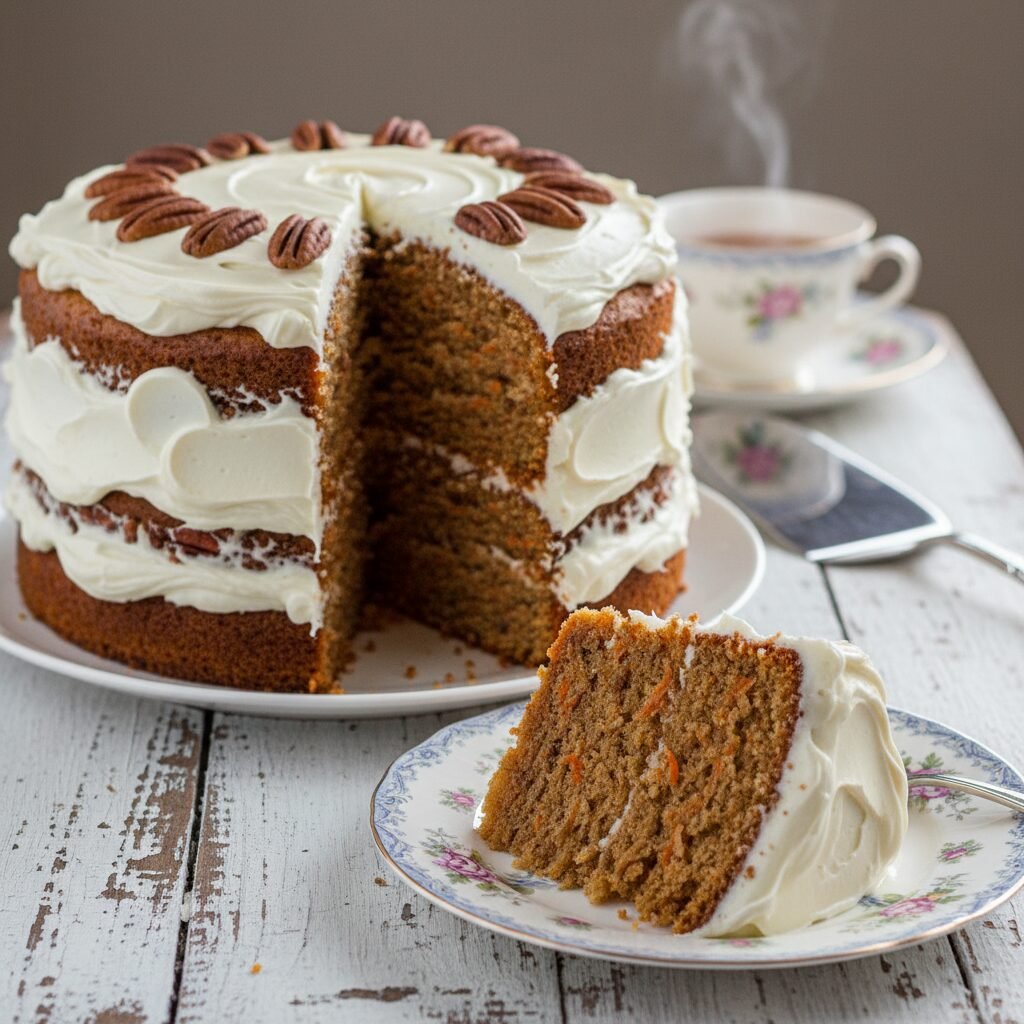
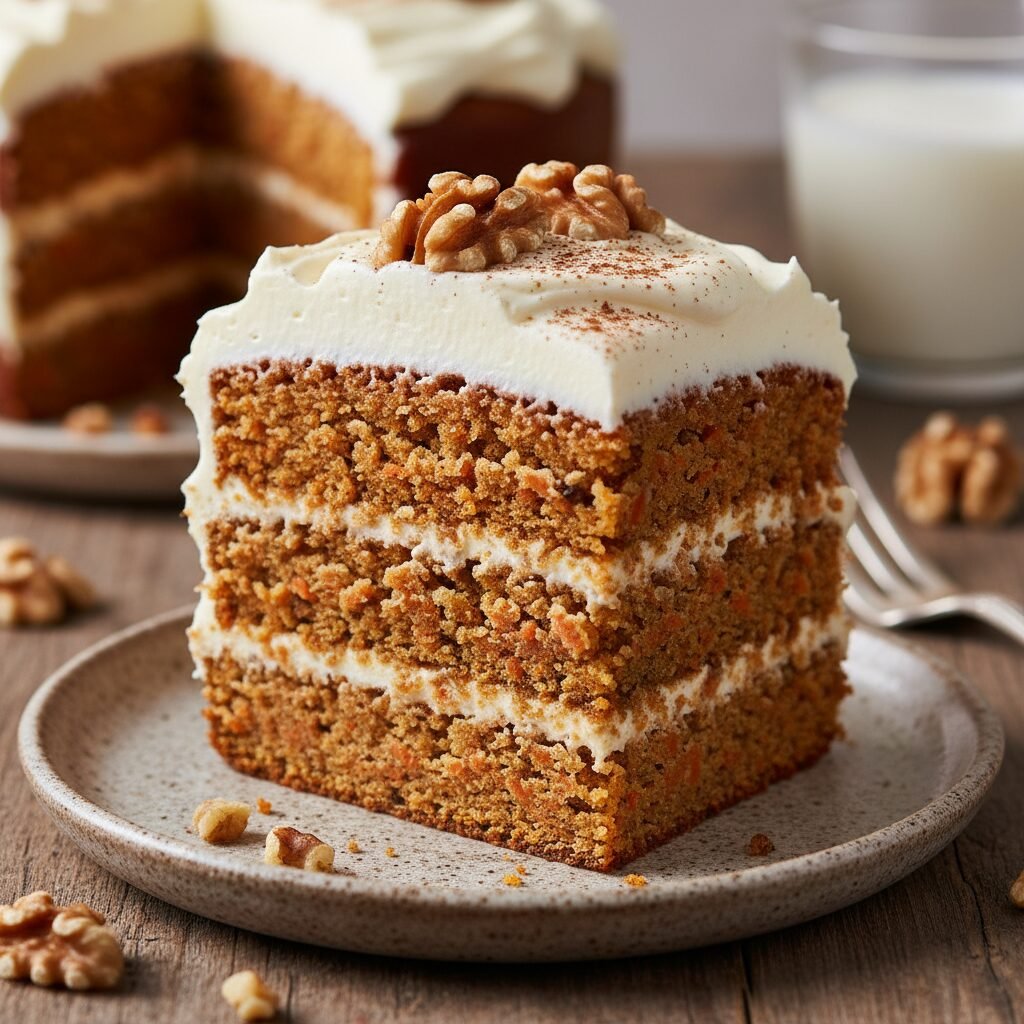
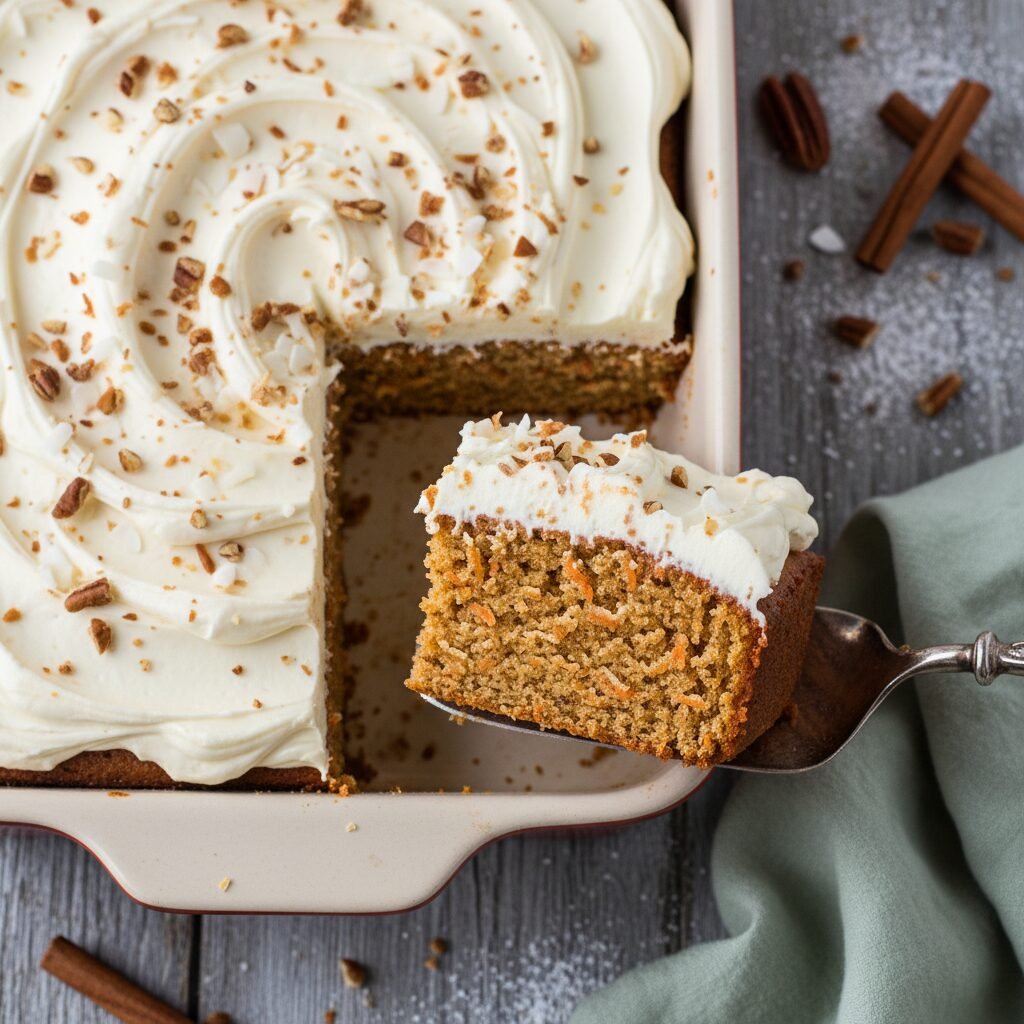
This incredibly moist carrot sheet cake is a crowd-pleasing masterpiece packed with sweet carrots, chewy coconut, and warm spices. Topped with a tangy, velvety cream cheese frosting, it is the perfect easy dessert for potlucks, holidays, and family gatherings.
20 minutes
35 minutes
55 minutes
24 servings
Dessert
Baking
American
Vegetarian
If there is one dessert that bridges the gap between comfort food and gourmet indulgence, it is the classic carrot cake. But this is not just any carrot cake; this is the Moist Carrot Sheet Cake with Coconut, a recipe designed to banish dry crumbs forever. There is something undeniably nostalgic about a sheet cake. It speaks of large family reunions, church picnics, and school bake sales. Unlike towering layer cakes that require structural engineering and precise leveling, the sheet cake is humble, accessible, and incredibly forgiving. The magic of this specific recipe lies in the texture. We have all suffered through carrot cakes that are too dense, too oily, or disappointingly dry. This recipe strikes the perfect balance. The addition of shredded coconut adds a subtle tropical sweetness and a chewy texture that complements the soft crumb perfectly. It absorbs moisture and keeps the cake tender for days. Furthermore, baking this in a sheet pan ensures that every single bite has the optimal ratio of spiced cake to tangy, rich cream cheese frosting. There is no fighting over the corner piece because every piece is a masterpiece. Whether you are a seasoned baker looking for a reliable go-to or a novice wanting to impress a crowd without the stress of stacking layers, this carrot sheet cake is your answer. It smells like autumn spices but tastes like a celebration suitable for any season. Get ready to fill your kitchen with the intoxicating aroma of cinnamon, vanilla, and toasted coconut.
History & Origins
The history of carrot cake is a fascinating journey that traces back much further than the retro dinner parties of the 1970s. Historians generally agree that carrot cake evolved from medieval carrot puddings. In the Middle Ages, sugar and other sweeteners were rare and expensive commodities, often reserved for the wealthy. Carrots, however, were abundant and contain more natural sugar than almost any other vegetable (second only to sugar beets). Cooks learned to use this natural sweetness to create steamed puddings and desserts. As baking technology advanced and leavening agents became more available, the heavy pudding transformed into the lighter cake we recognize today. The modern concept of carrot cake gained significant traction during World War II in Great Britain. With strict rationing on sugar, the government distributed recipes using carrots as a sweetener to keep morale high and treats on the table. However, the carrot cake explosion in the United States truly occurred in the 1960s and 1970s. It became a staple of the ‘health food’ movement—a somewhat ironic classification given the amount of oil and cream cheese frosting involved, but the presence of a vegetable gave it a halo of health. The addition of coconut, pineapple, and nuts became regional variations, with the coconut version gaining massive popularity in the South for its added moisture and texture. The sheet cake format, specifically, was popularized by the mid-century convenience cooking wave, influenced by the famous ‘Texas Sheet Cake,’ making it easier to feed the growing suburban families of the era.
Why This Recipe Works
This recipe succeeds where many others fail due to a few key chemical and structural choices. First and foremost is the use of oil instead of butter in the batter. While butter provides flavor, it contains water and milk solids that can lead to a drier texture once the cake cools. Oil remains liquid at room temperature, ensuring that the cake stays incredibly moist and soft on the palate, even straight out of the fridge. Secondly, the inclusion of sweetened shredded coconut acts as a moisture reservoir. The coconut strands hold onto liquid and fat, releasing it slowly as the cake rests, which means this cake actually tastes better the next day—a rare quality in baking. Thirdly, the ratio of brown sugar to white sugar is crucial. Brown sugar contains molasses, which is hygroscopic (meaning it attracts and holds water), adding density and a caramel-like depth that white sugar alone cannot achieve. Finally, the sheet pan method is superior for moisture retention. Because the cake is thinner than a standard round cake layer, it cooks faster and more evenly. This prevents the edges from drying out before the center is fully cooked, a common pitfall in deep round pans. The result is a uniform, tender crumb from edge to edge.
Why You’ll Love This Recipe
- ✓Incredibly moist texture that stays soft for days
- ✓Easy sheet pan format means no stacking or leveling layers
- ✓The addition of coconut adds a delightful chew and tropical sweetness
- ✓Perfect ratio of cake to tangy cream cheese frosting
- ✓Feeds a large crowd, making it ideal for parties and potlucks
- ✓Better the next day, allowing for stress-free make-ahead preparation
Equipment You’ll Need
- ✓9×13 inch baking pan (sheet pan)
- ✓Large mixing bowl
- ✓Medium mixing bowl
- ✓Electric hand mixer or stand mixer
- ✓Box grater or food processor (for carrots)
- ✓Rubber spatula
- ✓Offset spatula (for frosting)
- ✓Wire cooling rack
- ✓Measuring cups and spoons
Ingredients
- ✓2 cups all-purpose flour
- ✓2 cups granulated sugar
- ✓1 teaspoon baking soda
- ✓1 teaspoon baking powder
- ✓1/2 teaspoon salt
- ✓2 teaspoons ground cinnamon
- ✓1/2 teaspoon ground nutmeg
- ✓1 cup vegetable oil or canola oil
- ✓4 large eggs, room temperature
- ✓3 cups finely grated carrots (freshly grated, not pre-packaged)
- ✓1 cup sweetened shredded coconut
- ✓1 teaspoon pure vanilla extract
- ✓1/2 cup chopped walnuts or pecans (optional)
- ✓8 oz cream cheese, softened (for frosting)
- ✓1/2 cup unsalted butter, softened (for frosting)
- ✓3-4 cups powdered sugar (for frosting)
- ✓1 teaspoon vanilla extract (for frosting)
- ✓1 tablespoon heavy cream or milk (if needed for consistency)
Instructions
- Preheat your oven to 350°F (175°C). Grease a 9×13 inch baking pan with non-stick spray or butter, and lightly dust with flour to prevent sticking.
- In a medium bowl, whisk together the flour, baking soda, baking powder, salt, cinnamon, and nutmeg until well combined and no lumps remain.
- In a large mixing bowl, beat the eggs, granulated sugar, vegetable oil, and vanilla extract together until the mixture is smooth and slightly thickened (about 2 minutes).
- Gradually add the dry ingredients to the wet ingredients, mixing on low speed just until combined. Do not overmix.
- Using a rubber spatula, gently fold in the grated carrots and shredded coconut (and nuts if using) until they are evenly distributed throughout the batter.
- Pour the batter into the prepared baking pan and smooth the top with a spatula to ensure an even layer.
- Bake in the preheated oven for 30-35 minutes, or until a toothpick inserted into the center comes out clean or with just a few moist crumbs attached.
- Remove the cake from the oven and place the pan on a wire rack. Allow the cake to cool completely in the pan. This is crucial; frosting a warm cake will cause the frosting to melt.
- While the cake cools, prepare the frosting. In a large bowl, beat the softened cream cheese and butter together on medium-high speed until smooth and creamy (about 3 minutes).
- Gradually add the powdered sugar, one cup at a time, beating on low speed until incorporated. Add the vanilla extract and a pinch of salt.
- Increase the speed to high and whip the frosting for 2-3 minutes until it is fluffy and white. If it is too stiff, add a tablespoon of milk or cream.
- Once the cake is fully cool, spread the frosting generously over the top using an offset spatula. Garnish with extra toasted coconut or chopped nuts if desired. Slice into squares and serve.
Expert Cooking Tips
- ✓Grate your own carrots. Pre-shredded carrots from the store are dry and hard; fresh carrots provide the necessary moisture.
- ✓Bring your eggs, cream cheese, and butter to room temperature before starting. This ensures a smooth batter and lump-free frosting.
- ✓Do not pack the flour when measuring. Spoon it into the cup and level it off to avoid a dense cake.
- ✓Toast the coconut used for garnish to add a nice crunch and enhanced flavor contrast to the creamy frosting.
- ✓If the top of the cake is browning too quickly in the oven, loosely tent it with aluminum foil for the last 10 minutes.
- ✓For a deeper flavor profile, substitute half of the granulated sugar with light brown sugar.
- ✓Let the cake cool completely. This cannot be stressed enough—sheet cakes retain heat in the center, and warm cake will slide the frosting right off.
Substitutions and Variations
This recipe is quite versatile if you need to make swaps. For the oil, you can substitute melted coconut oil for a more intense coconut flavor, or applesauce for a lower-fat version (though the texture will change slightly). If you are out of sour cream or want a tangier cake, a half-cup of Greek yogurt or buttermilk can be added to the wet ingredients (reduce oil by 1/4 cup if doing this). For the flour, a 1:1 gluten-free baking flour blend works exceptionally well in this recipe due to the moisture content. If you dislike coconut, you can simply omit it or replace it with an equal amount of drained crushed pineapple for a ‘hummingbird cake’ vibe. Pecans can be swapped for walnuts, or omitted entirely for a nut-free version. For the frosting, mascarpone cheese can be used as a luxurious alternative to cream cheese.
Common Mistakes to Avoid
The most common mistake is using pre-bagged shredded carrots. These are often treated with preservatives and lack the water content needed to steam the cake from the inside. Always peel and grate fresh carrots. Another error is overmixing the batter once the flour is added. Overmixing develops gluten, which leads to a tough, rubbery cake rather than a tender one. In terms of baking, opening the oven door too frequently can cause the center of the sheet cake to sink; rely on the oven light until the very end. Finally, rushing the cooling process is a disaster for cream cheese frosting. If the cake is even slightly warm, the butter in the frosting will separate and become oily.
Serving Suggestions
This Moist Carrot Sheet Cake is rich, so it pairs beautifully with beverages that cut through the sweetness. Serve it with a hot cup of black coffee, an unsweetened iced tea, or a cold glass of milk. For a dinner party presentation, plate a square of cake with a garnish of candied ginger or a carrot curl made using a vegetable peeler. If you want to elevate it further, a drizzle of salted caramel sauce over the plated slice adds a sophisticated finish. It is perfect for Easter brunch, autumn harvest parties, or just a Tuesday night treat.
Storage and Reheating Tips
Because of the cream cheese frosting, this cake must be stored in the refrigerator. It can be left out at room temperature for serving for up to 2 hours, but for long-term storage, cover the pan tightly with plastic wrap or transfer slices to an airtight container and refrigerate for up to 5 days. In fact, the flavors meld and improve after 24 hours in the fridge. To freeze, place the unfrosted cake or individual frosted slices on a baking sheet in the freezer until solid (about an hour), then wrap tightly in two layers of plastic wrap and one layer of foil. It will keep for up to 3 months. Thaw overnight in the refrigerator before serving.
Nutrition Facts (Estimated)
| Serving Size | 1 square |
| Calories | 420 |
| Fat | 24g |
| Saturated Fat | 9g |
| Unsaturated Fat | 14g |
| Trans Fat | 0g |
| Cholesterol | 45mg |
| Sodium | 210mg |
| Carbohydrates | 48g |
| Fiber | 2g |
| Sugar | 32g |
| Protein | 4g |
Frequently Asked Questions
Can I make this cake ahead of time?
Absolutely! In fact, this cake tastes better on the second day as the moisture from the carrots and coconut redistributes. You can bake and frost it one day before serving and keep it refrigerated.
Why did my carrot cake sink in the middle?
Sinking usually happens if the oven door was opened too early, causing a temperature drop, or if the cake was underbaked. It can also happen if there was too much leavening (baking soda/powder) or if the batter was overmixed.
Can I use unsweetened coconut instead of sweetened?
Yes, you can. Unsweetened coconut will give a more subtle coconut flavor and less sweetness. If you have a sweet tooth, you might want to add an extra tablespoon of sugar to the batter, but it is not strictly necessary.
Do I have to put nuts in the cake?
No, the nuts are completely optional. They add texture, but if you have an allergy or simply dislike them, feel free to leave them out without changing any other ingredients.
Can I bake this in round pans instead of a sheet pan?
Yes, this recipe yields enough batter for two 8-inch or 9-inch round cake pans. You will need to adjust the baking time to approximately 25-30 minutes and keep an eye on them.
How do I grate carrots easily?
The fastest way is to use the grating attachment on a food processor. If you don’t have one, a standard box grater works fine—use the medium holes, not the finest ones, to keep some texture.
Is the frosting stable enough for piping?
This cream cheese frosting is soft and spreadable. If you want to pipe decorative flowers or borders, add an extra 1/2 to 1 cup of powdered sugar to stiffen it up, and chill it for 20 minutes before piping.
Can I add raisins or pineapple?
Yes! You can add 1/2 cup of raisins or 1/2 cup of well-drained crushed pineapple. If adding pineapple, reduce the oil by 2 tablespoons to account for the extra moisture.
Conclusion
This Moist Carrot Sheet Cake with Coconut is more than just a recipe; it is a reliable ticket to becoming the most popular person at any gathering. The combination of the tender, spiced crumb, the tropical chew of coconut, and the luxurious tang of cream cheese frosting creates a symphony of textures and flavors that is hard to beat. Whether you are celebrating a special occasion or simply craving a slice of comfort, this sheet cake delivers on every level. It is foolproof, forgiving, and utterly delicious. So, grab your grater, preheat your oven, and get ready to bake the best carrot cake you have ever tasted.