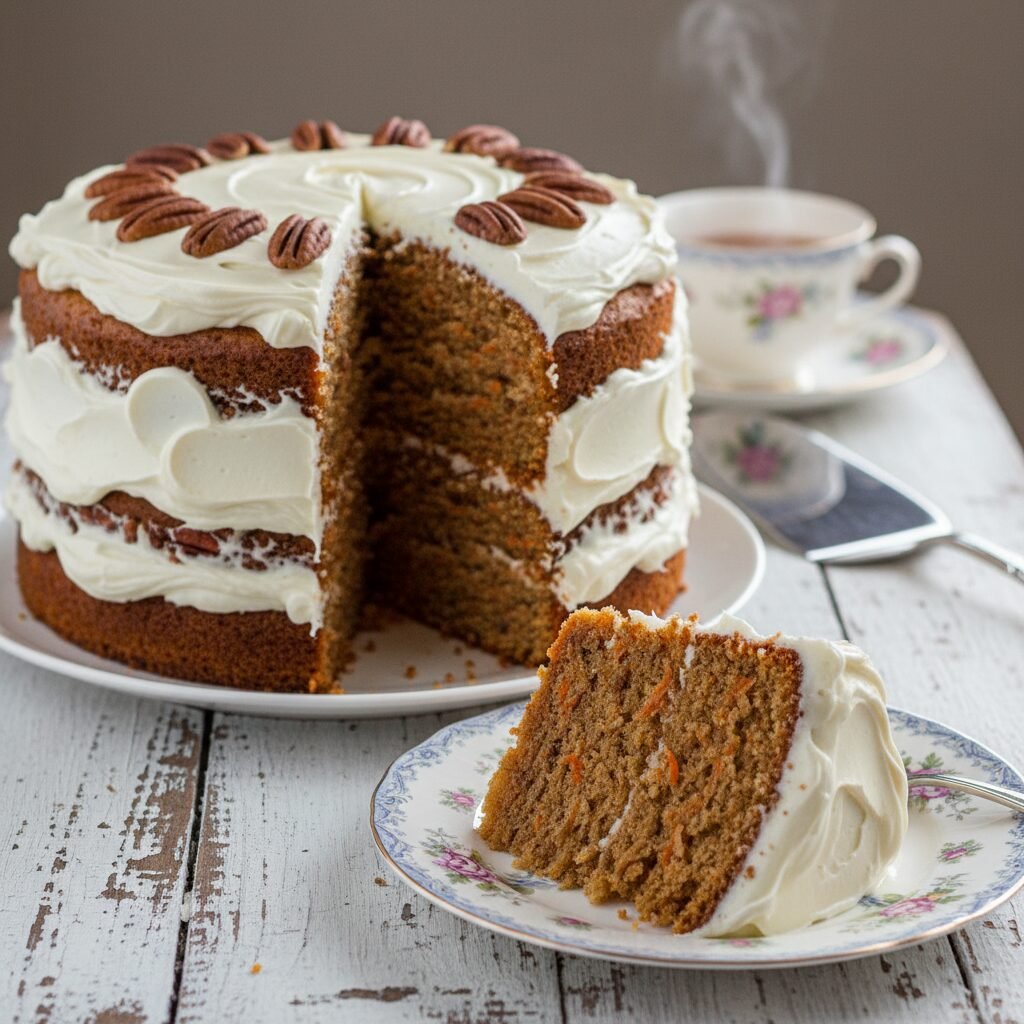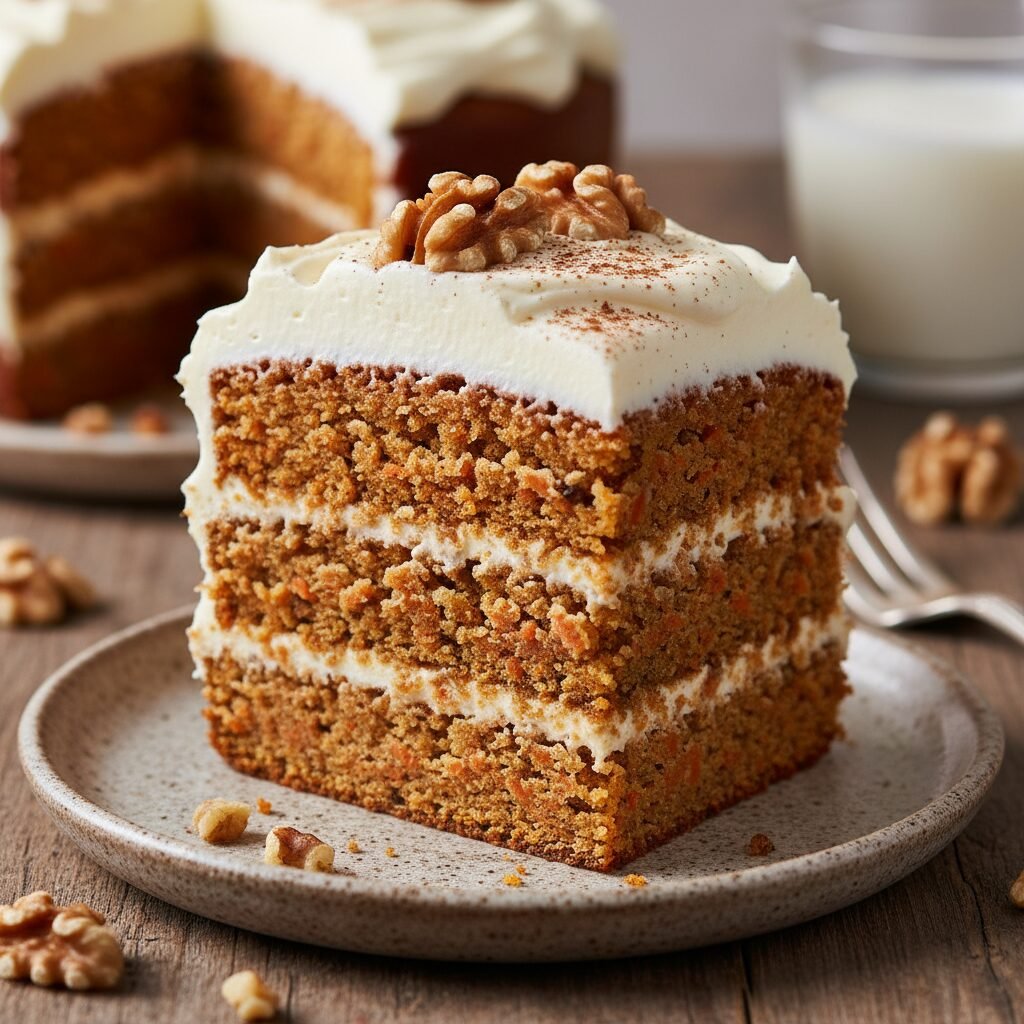
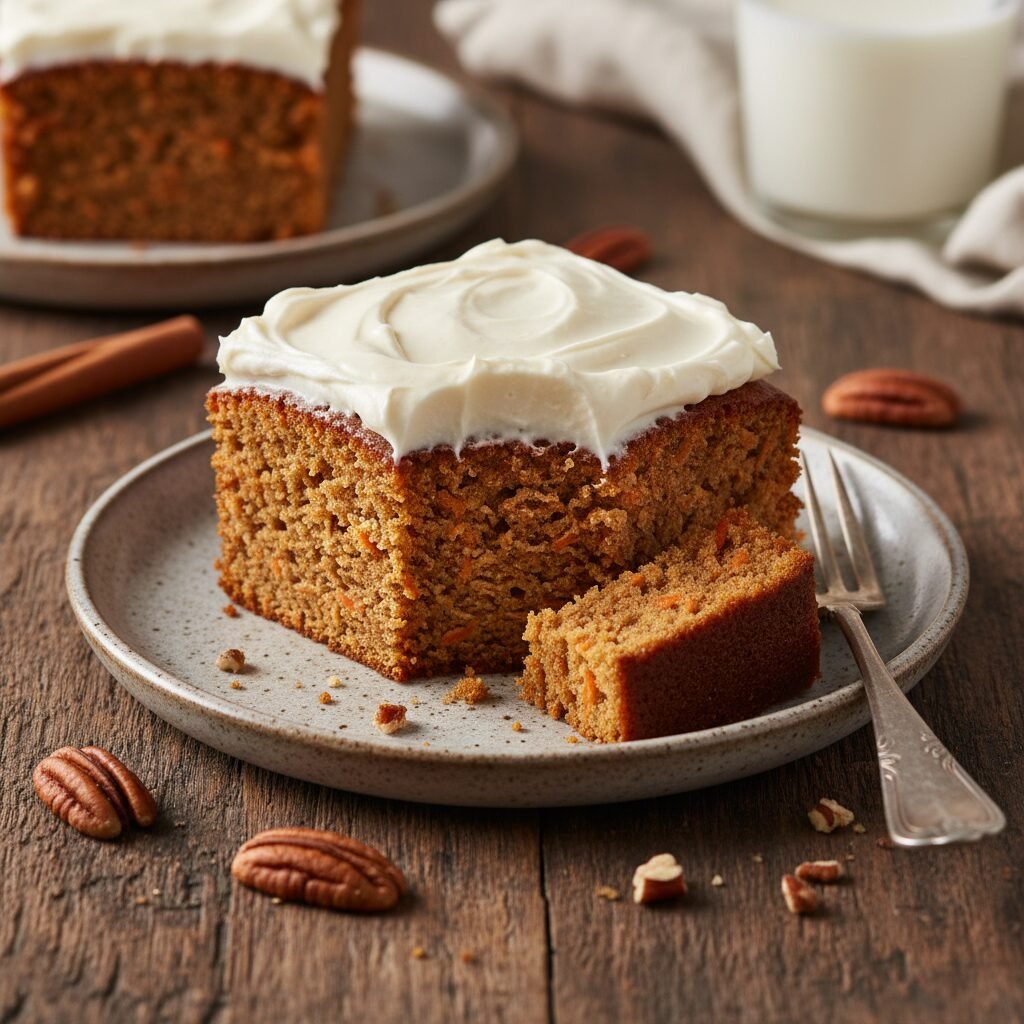
Moist Carrot Snack Cake Recipe
This incredibly moist carrot snack cake is the perfect easy bake for any occasion, featuring a tender, spiced crumb loaded with fresh carrots and topped with a luscious cream cheese frosting. It comes together quickly in one bowl, making it the ultimate comfort food treat that fits perfectly into a busy schedule.
20 minutes
35 minutes
55 minutes
12-16 servings
Dessert
Baking
American
Vegetarian
There is something profoundly comforting about the aroma of warm spices wafting through the kitchen, and few desserts capture that essence quite like a classic carrot cake. However, the traditional multi-layered affair can often feel like a daunting project reserved for birthdays or holidays. Enter the carrot snack cake: the humble, approachable, yet equally delicious cousin of the layer cake. This recipe is designed for those moments when you crave the deep, molasses-rich sweetness of brown sugar and the earthy warmth of cinnamon and nutmeg, but you want it without the fuss of stacking and crumb-coating.
What sets this particular moist carrot snack cake apart is its texture. We rely on a specific blend of vegetable oil and brown sugar to ensure the crumb stays incredibly soft and tender for days. Unlike butter-based cakes which can sometimes dry out or become dense when refrigerated, the oil ensures a plush mouthfeel that practically melts on the tongue. The carrots themselves are the star here, freshly grated to release their natural moisture and sweetness into the batter during the bake. We don’t stop there; the spice blend is carefully calibrated—not too overpowering, but bold enough to stand up to the rich tang of the cream cheese frosting. Whether you are enjoying a square with your morning coffee, packing it into a lunchbox, or serving it as a simple after-dinner treat, this cake delivers pure, unadulterated joy in every bite. It is rustic yet refined, simple yet sophisticated, and guaranteed to become a staple in your baking repertoire.
History & Origins
The lineage of the modern carrot cake can be traced back much further than the retro diners of the 1970s. Its origins likely lie in medieval Europe, where sweeteners like sugar were rare and prohibitively expensive for the common person. Carrots, which contain more natural sugar than almost any other vegetable (second only to sugar beets), were used as a sweetening agent in puddings and steamed desserts. These early iterations were more akin to a dense, steamed pudding than the fluffy cakes we know today, but the flavor profile of carrots mixed with spices was already established.
Fast forward to the 20th century, specifically during World War II in Great Britain. The government’s rationing of sugar led to a resurgence of carrot-based baking. The Ministry of Food distributed recipes for carrot cakes, puddings, and pies to help families enjoy sweet treats despite the scarcity of ingredients. This era cemented the carrot’s role in baking as a practical and patriotic ingredient.
However, the carrot cake as a mainstream American dessert icon truly took off in the 1960s and 1970s. It became associated with the burgeoning ‘health food’ movement, perhaps under the slightly misguided notion that a cake containing a vegetable must be good for you. While it is certainly an indulgence, the addition of nuts, raisins, and sometimes pineapple gave it a wholesome, rustic appeal that resonated with the era’s culinary trends. Today, it remains a beloved classic, having shed its ‘health food’ pretense to be celebrated simply for its incredible flavor and texture.
Why This Recipe Works
This recipe succeeds where others fail primarily due to the fat source and the moisture content management. Many dry cakes are the result of using butter, which is solid at room temperature, or over-mixing the flour. By using a neutral oil (like canola or vegetable oil), we ensure the cake remains moist and tender even when cool, as oil remains liquid at room temperature. This coats the flour proteins effectively, inhibiting excessive gluten formation which can lead to toughness.
Furthermore, the use of dark brown sugar is crucial. It contains molasses, which is hygroscopic—meaning it attracts and holds onto water molecules. This keeps the cake from drying out and adds a complex, caramel-like depth that white sugar simply cannot provide. We also insist on freshly grating the carrots rather than buying pre-shredded ones. Pre-packaged carrots are often dry and coated with starches to prevent clumping, which robs the cake of essential moisture. Finally, the ratio of spices—cinnamon, ginger, and nutmeg—is balanced to enhance the carrot flavor without masking it, while a splash of vanilla extract rounds everything out. The result is a foolproof batter that rises evenly and provides the perfect canvas for the tangy cream cheese frosting.
Why You’ll Love This Recipe
- ✓Incredibly moist texture that stays fresh for days.
- ✓One-bowl mixing method means minimal cleanup.
- ✓Perfect balance of warm spices like cinnamon and nutmeg.
- ✓Tangy, creamy frosting that complements the sweet cake.
- ✓Versatile enough for breakfast, snacks, or dessert.
- ✓No fancy equipment required—just a whisk and a pan.
Equipment You’ll Need
- ✓9×13 inch baking pan
- ✓Large mixing bowl
- ✓Medium mixing bowl
- ✓Whisk
- ✓Rubber spatula
- ✓Box grater
- ✓Measuring cups and spoons
- ✓Electric hand mixer (for frosting)
Ingredients
- ✓2 cups all-purpose flour
- ✓2 teaspoons baking soda
- ✓1 teaspoon salt
- ✓2 teaspoons ground cinnamon
- ✓1/2 teaspoon ground nutmeg
- ✓1/2 teaspoon ground ginger
- ✓1 1/4 cups neutral oil (vegetable or canola)
- ✓1 cup granulated sugar
- ✓1 cup dark brown sugar, packed
- ✓1 teaspoon pure vanilla extract
- ✓4 large eggs, room temperature
- ✓3 cups grated fresh carrots (about 5-6 medium carrots)
- ✓1 cup chopped pecans or walnuts (optional)
- ✓1/2 cup raisins (optional)
- ✓8 oz cream cheese, softened (for frosting)
- ✓1/2 cup unsalted butter, softened (for frosting)
- ✓3 cups powdered sugar (for frosting)
- ✓1 teaspoon vanilla extract (for frosting)
Instructions
- Preheat your oven to 350°F (175°C). Grease a 9×13 inch baking pan with butter or non-stick spray and line with parchment paper for easy removal.
- In a medium bowl, whisk together the flour, baking soda, salt, cinnamon, nutmeg, and ginger until well combined. Set aside.
- In a large mixing bowl, whisk together the oil, granulated sugar, brown sugar, and vanilla extract until the mixture is smooth and no lumps of brown sugar remain.
- Add the eggs one at a time, whisking well after each addition until the mixture is emulsified and slightly lighter in color.
- Gradually fold the dry ingredients into the wet ingredients using a rubber spatula. Mix only until just combined and no streaks of flour are visible. Do not overmix.
- Gently fold in the grated carrots and the nuts or raisins if you are using them.
- Pour the batter into the prepared baking pan and smooth the top with your spatula.
- Bake for 35-40 minutes, or until a toothpick inserted into the center comes out clean or with just a few moist crumbs attached.
- Remove the cake from the oven and place the pan on a wire rack. Allow the cake to cool completely in the pan. This is critical; frosting a warm cake will cause the frosting to melt.
- While the cake cools, make the frosting. In a large bowl using a handheld electric mixer, beat the softened cream cheese and butter together on medium-high speed until smooth and creamy (about 2-3 minutes).
- Reduce the mixer speed to low and gradually add the powdered sugar, about 1/2 cup at a time, until incorporated. Add the vanilla extract and a pinch of salt.
- Increase the speed to high and whip for another 2 minutes until the frosting is fluffy and white.
- Once the cake is completely cool, spread the frosting generously over the top. Slice into squares and serve.
Expert Cooking Tips
- ✓Grate your own carrots: Pre-shredded carrots are too dry and thick. Use the medium holes of a box grater for the best texture.
- ✓Room temperature ingredients: Ensure your eggs, cream cheese, and butter are at room temperature to ensure a smooth batter and lump-free frosting.
- ✓Don’t overmix: When adding the flour, stop mixing as soon as the flour disappears to keep the cake tender.
- ✓Check for doneness early: Ovens vary, so start checking the cake at the 30-minute mark to prevent overbaking.
- ✓Toast the nuts: If adding pecans or walnuts, toast them in a dry pan for a few minutes first to release their oils and enhance flavor.
- ✓Cool completely: Patience is key. If the cake is even slightly warm, the cream cheese frosting will slide right off.
- ✓Weigh your flour: If possible, weigh your flour (approx 240g) rather than scooping, as scooping can pack the flour and lead to a dry cake.
Substitutions and Variations
This recipe is quite forgiving and allows for several substitutions. If you don’t have neutral oil, you can use melted coconut oil (though it will add a slight coconut flavor) or even applesauce for half of the oil to reduce fat, though this will change the texture slightly. For the flour, a 1:1 gluten-free baking flour blend works wonderfully if you need a gluten-free option. You can substitute the dark brown sugar with light brown sugar, though the flavor will be slightly less rich. If you are out of sour cream or want a tangier cake, you can add a tablespoon of buttermilk to the batter, but reduce the oil slightly. For the mix-ins, feel free to swap pecans for walnuts, or omit nuts entirely for a nut-free version. Golden raisins, shredded coconut, or even drained crushed pineapple can be added for texture and flavor variation.
Common Mistakes to Avoid
The most common mistake with carrot cake is using pre-packaged shredded carrots. These are convenient but detrimental to the cake’s moisture; always grate fresh carrots. Another frequent error is overmixing the batter after adding the flour, which develops gluten and results in a rubbery, dense cake rather than a tender one. Baking the cake too long is also a culprit for dryness; watch it closely near the end of the bake time. Regarding the frosting, using cold cream cheese or butter will result in a lumpy frosting that is impossible to spread smoothly. Make sure to take your dairy out of the fridge at least an hour before baking. Lastly, attempting to frost the cake before it is 100% cool will result in a runny, messy disaster.
Serving Suggestions
This Moist Carrot Snack Cake is versatile enough to be served at various times of the day. It is perfect as a mid-morning snack accompanied by a hot cup of coffee or tea. For dessert, serve it on a rustic plate with a light dusting of extra cinnamon on top of the frosting. If you want to elevate the presentation, garnish with whole pecan halves or candied carrot curls. It also travels exceptionally well, making it a fantastic choice for potlucks, picnics, or office parties. Serve it chilled for a firmer frosting texture or at room temperature for a softer, melt-in-your-mouth experience.
Storage and Reheating Tips
Because of the cream cheese frosting, this cake should be stored in the refrigerator. Cover the pan tightly with plastic wrap or aluminum foil, or transfer slices to an airtight container. It will keep well in the fridge for up to 5 days. In fact, many find that the flavor improves on the second day as the spices have more time to meld. If you want to freeze the cake, it freezes beautifully. You can freeze the unfrosted cake wrapped in plastic wrap for up to 3 months. If freezing frosted slices, place them on a baking sheet in the freezer until the frosting is hard, then wrap them individually in plastic wrap and foil. Thaw in the refrigerator overnight before serving.
Nutrition Facts (Estimated)
| Serving Size | 1 square |
| Calories | 380 |
| Fat | 22g |
| Saturated Fat | 6g |
| Unsaturated Fat | 15g |
| Trans Fat | 0g |
| Cholesterol | 45mg |
| Sodium | 210mg |
| Carbohydrates | 42g |
| Fiber | 2g |
| Sugar | 28g |
| Protein | 4g |
Frequently Asked Questions
Can I make this cake ahead of time?
Absolutely! This cake actually tastes better the next day as the moisture redistributes and the spices meld. You can bake it one day, store it in the fridge, and serve it the next.
Do I have to peel the carrots before grating?
Yes, it is recommended to peel the carrots first. The skins can sometimes be slightly bitter and tough, so peeling ensures the sweetest, softest result.
Why did my carrot cake sink in the middle?
This usually happens if the oven door was opened too early during baking, causing a temperature drop, or if the cake was underbaked. It can also be caused by too much leavening (baking soda).
Can I bake this in round pans for a layer cake?
Yes, this batter is sufficient for two 8-inch or 9-inch round pans. You will need to reduce the baking time to approximately 25-30 minutes and watch them closely.
Can I reduce the sugar in this recipe?
You can reduce the sugar by about 1/4 cup without ruining the structure, but keep in mind that sugar contributes to moisture as well as sweetness. Reducing it too much may yield a drier cake.
Is it necessary to use both baking soda and baking powder?
This specific recipe relies on baking soda reacting with the acidity in the brown sugar. We don’t use baking powder here, just baking soda, which provides plenty of lift.
Can I use olive oil instead of vegetable oil?
You can, but choose a ‘light’ or ‘mild’ olive oil. Extra virgin olive oil has a strong flavor that might clash with the warm spices and sweet carrots.
How do I grate carrots without a box grater?
If you have a food processor with a shredding attachment, that is the fastest method. In a pinch, you can chop them very finely by hand, but the texture will be different.
Conclusion
This Moist Carrot Snack Cake is more than just a recipe; it’s a reliable companion for those days when you need a little homemade comfort. The ease of preparation combined with the sophisticated depth of flavor makes it a winner for novice bakers and seasoned pros alike. Whether you are baking for a crowd or just treating yourself to a week of delicious desserts, this cake promises to deliver satisfaction in every forkful. Don’t forget to share this recipe with friends and family—it’s too good to keep a secret! Happy baking!