Moist Carrot Snack Cake With Walnuts Recipe
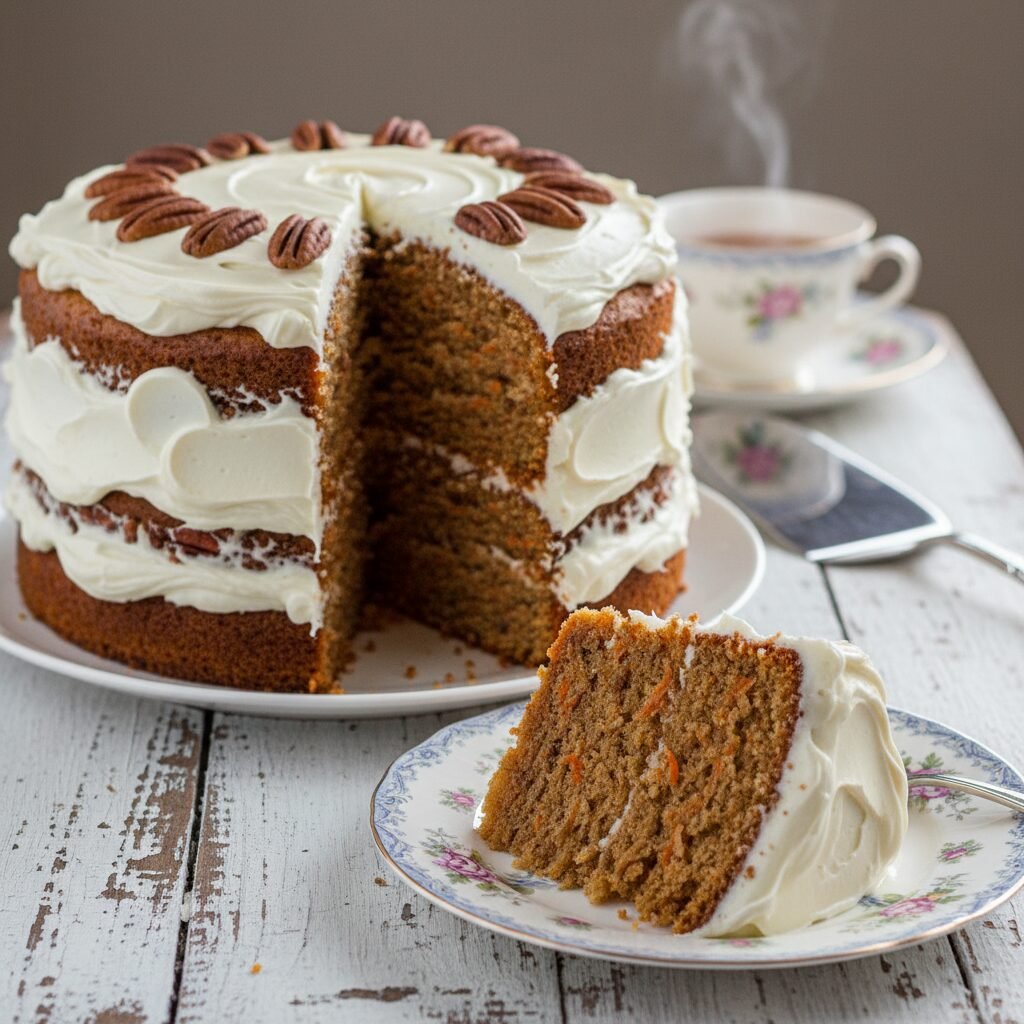
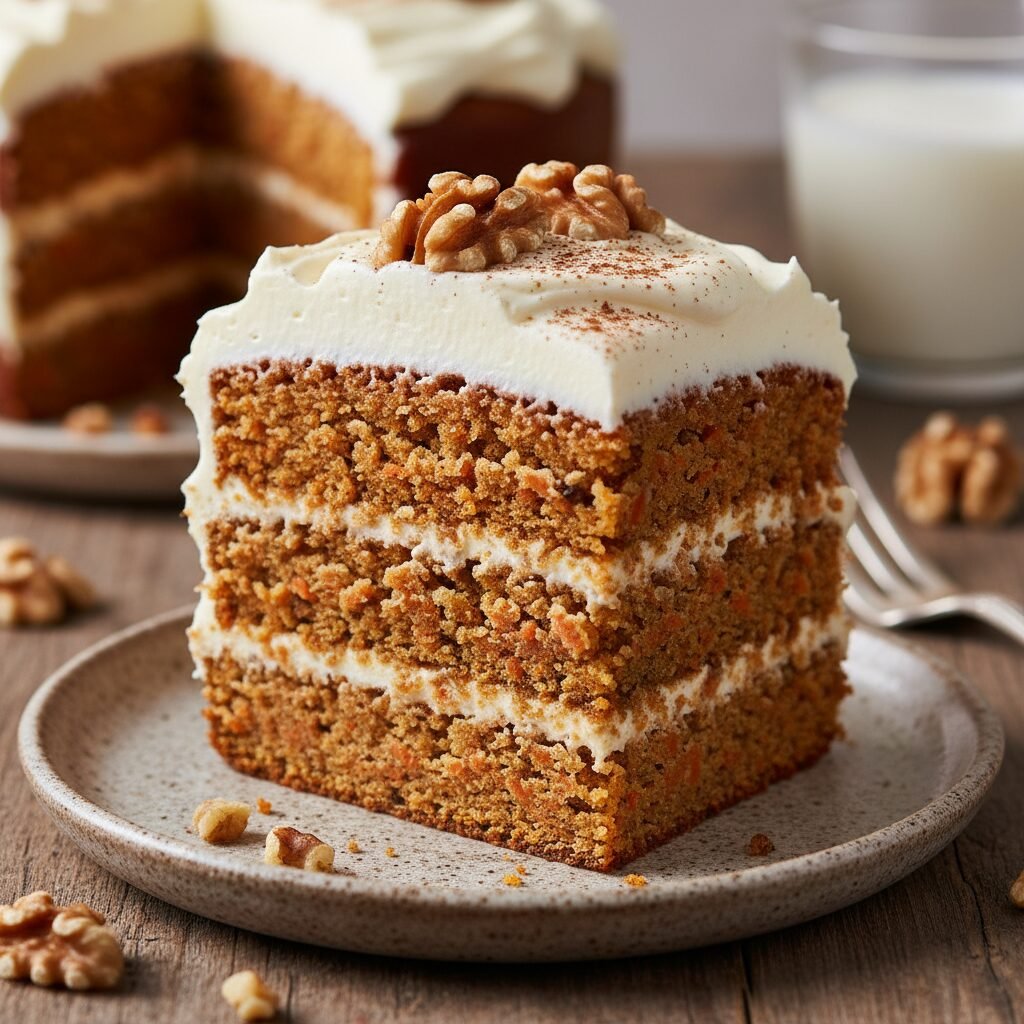
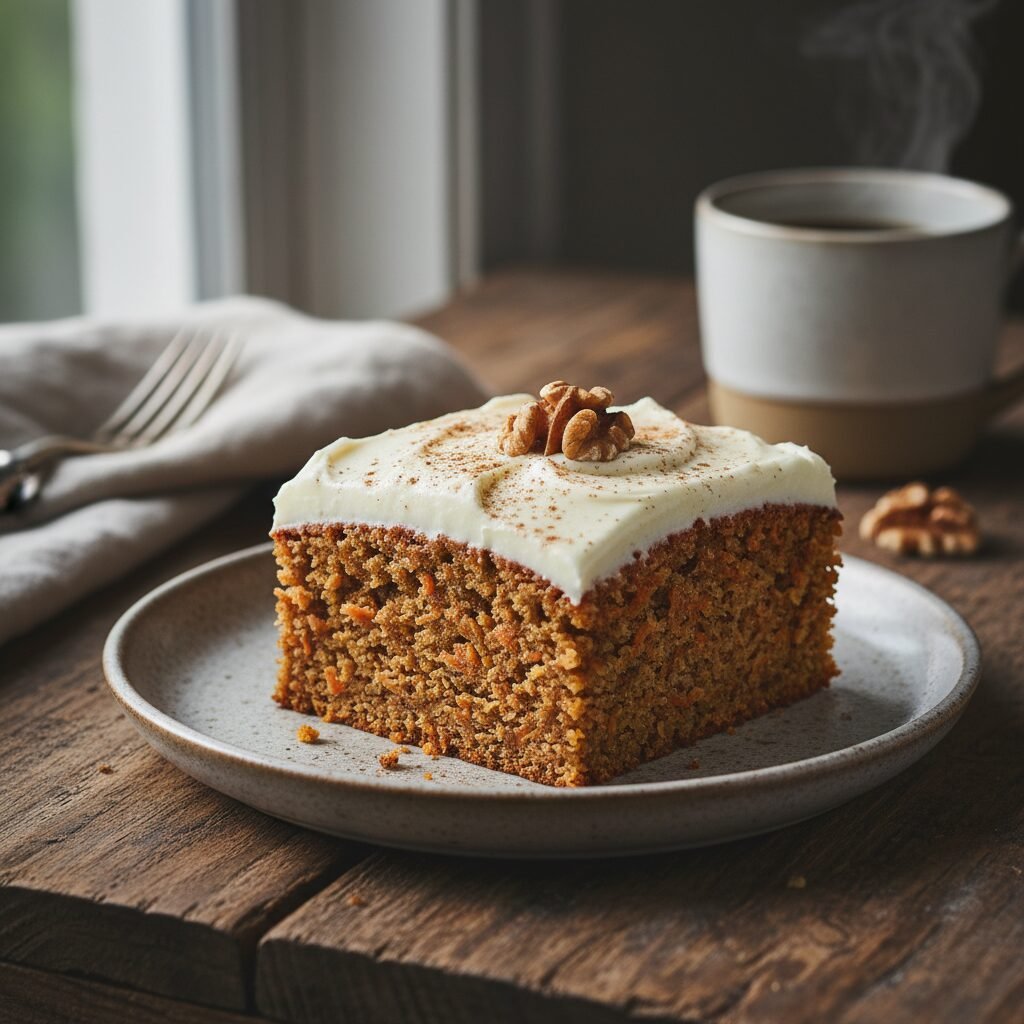
This incredibly moist carrot snack cake is studded with crunchy toasted walnuts and topped with a tangy, fluffy cream cheese frosting. It is the perfect easy-to-make treat for afternoon coffee or a casual dessert that comes together in just one bowl without the fuss of a layered cake.
20 minutes
35 minutes
55 minutes
9-12 servings
Dessert
Baking
American
Vegetarian
There is something undeniably comforting about a classic carrot cake, but sometimes you do not want the hassle of assembling, stacking, and frosting a multi-layered confection. Enter the carrot snack cake: the laid-back, effortless cousin of the traditional layer cake that delivers all the flavor with half the work. This recipe focuses on achieving the perfect crumb—ultra-moist, tender, and dense enough to be satisfying but light enough to keep you coming back for a second slice.
The magic of this particular recipe lies in the balance of warm spices and the texture provided by fresh carrots and toasted walnuts. Unlike dry, crumbly versions you might find at a grocery store, this homemade version uses a specific blend of brown and white sugars to deepen the flavor profile, adding hints of caramel and molasses that pair beautifully with cinnamon and nutmeg. The walnuts add a necessary earthiness and crunch that breaks up the soft crumb, creating a delightful sensory experience in every bite.
Whether you are an experienced baker or a novice in the kitchen, this snack cake is designed to be foolproof. It captures the essence of rustic home baking—unpretentious, deeply flavorful, and best served right out of the pan with a fork. It is the kind of cake that sits perfectly on the counter for a weekend of grazing, pairs impeccably with your morning coffee, or serves as a comforting end to a family dinner. Prepare your kitchen for the intoxicating aroma of cinnamon and baking spices, because this is about to become your new go-to recipe.
History & Origins
The history of carrot cake is a fascinating journey that dates back much further than its 1970s heyday in American cafes. Historians generally agree that the concept originated from medieval carrot puddings enjoyed by Europeans. In the Middle Ages, sugar and other sweeteners were rare and expensive commodities, so cooks turned to the naturally sweet carrot—which has a higher sugar content than almost any other vegetable besides the sugar beet—to sweeten their desserts. These early iterations were more like steamed puddings than the fluffy cakes we know today, often featuring spices and dried fruits.
The transition from pudding to cake likely occurred slowly over centuries, but the modern carrot cake saw a resurgence during World War II. In the United Kingdom, strict rationing of sugar inspired government-issued recipes that utilized carrots to add sweetness and moisture to baked goods. This necessity-born innovation kept the taste for carrot-based sweets alive.
However, it was not until the 1960s and 1970s in the United States that carrot cake truly exploded in popularity, becoming a standard offering in restaurants and bakeries nationwide. This era also saw the introduction of the now-inseparable cream cheese frosting, a tangy American addition that perfectly offsets the spice of the cake. Today, the carrot cake is a global staple, evolving from a medieval necessity to a beloved classic. This snack cake version pays homage to that history by keeping the focus on the carrots and spices, stripping away the excess of modern layer cakes to reveal the historic roots of this humble yet delicious dessert.
Why This Recipe Works
This recipe works because it scientifically addresses the two biggest pitfalls of carrot cake: dryness and lack of flavor depth. First, we prioritize oil over butter for the batter. While butter adds flavor, it consists of about 80% fat and 20% water; the water evaporates during baking, which can sometimes lead to a drier crumb in dense cakes. Oil, being 100% fat, coats the flour proteins more effectively, preventing gluten over-development and ensuring the cake stays incredibly moist and tender for days, even when refrigerated.
Secondly, the inclusion of both granulated white sugar and dark brown sugar is crucial. The molasses in the brown sugar is hygroscopic, meaning it attracts and holds onto moisture from the air, further ensuring a soft texture while adding a complex toffee-like undertone that white sugar alone cannot achieve.
Finally, the technique of toasting the walnuts before folding them into the batter cannot be skipped. Raw walnuts can be somewhat waxy and bitter. Toasting them releases their essential oils, amplifying their nutty flavor and ensuring they stay crisp rather than turning soggy inside the moist batter. Combined with freshly grated carrots—never pre-shredded, which are too dry—this recipe guarantees a perfect textural interplay and a robust flavor profile.
Why You’ll Love This Recipe
- ✓Uses oil instead of butter for superior moisture retention.
- ✓A blend of brown and white sugar creates a deep, caramel-like flavor.
- ✓Toasted walnuts provide a satisfying crunch and nutty aroma.
- ✓Single-layer format means easier preparation and cleanup.
- ✓Tangy cream cheese frosting perfectly balances the sweet spice.
- ✓Stays soft and delicious for days, making it perfect for meal prep.
Equipment You’ll Need
- ✓8×8 or 9×9 inch square baking pan
- ✓Large mixing bowl
- ✓Medium mixing bowl
- ✓Box grater or food processor
- ✓Whisk
- ✓Rubber spatula
- ✓Electric hand mixer or stand mixer (for frosting)
- ✓Measuring cups and spoons
- ✓Parchment paper
Ingredients
- ✓1 1/2 cups all-purpose flour
- ✓1 teaspoon baking powder
- ✓1/2 teaspoon baking soda
- ✓1 1/2 teaspoons ground cinnamon
- ✓1/4 teaspoon ground nutmeg
- ✓1/4 teaspoon ground ginger
- ✓1/2 teaspoon salt
- ✓3/4 cup vegetable oil or canola oil
- ✓1/2 cup granulated sugar
- ✓1/2 cup packed dark brown sugar
- ✓2 large eggs, room temperature
- ✓1 teaspoon pure vanilla extract
- ✓1 1/2 cups freshly grated carrots (about 3-4 medium carrots)
- ✓3/4 cup walnuts, roughly chopped and toasted
- ✓4 oz cream cheese, softened (for frosting)
- ✓3 tablespoons unsalted butter, softened (for frosting)
- ✓1 1/2 cups powdered sugar (for frosting)
- ✓1/2 teaspoon vanilla extract (for frosting)
- ✓Pinch of salt (for frosting)
Instructions
- Preheat your oven to 350°F (175°C). Grease an 8×8 or 9×9 inch square baking pan and line it with parchment paper, leaving an overhang on the sides for easy removal.
- Spread the chopped walnuts on a small baking sheet and toast in the preheating oven for 5-7 minutes until fragrant. Watch closely so they do not burn. Remove and let cool.
- Peel and grate the carrots using the medium holes of a box grater. Do not use pre-packaged shredded carrots as they are too dry. Set aside.
- In a medium bowl, whisk together the flour, baking powder, baking soda, cinnamon, nutmeg, ginger, and salt until well combined and no lumps remain.
- In a large bowl, whisk together the vegetable oil, granulated sugar, brown sugar, eggs, and vanilla extract until the mixture is smooth and slightly emulsified.
- Pour the dry ingredients into the wet ingredients. Use a rubber spatula to fold them together gently. Stop when there are still a few streaks of flour visible.
- Add the grated carrots and the cooled toasted walnuts to the bowl. Fold gently until everything is just combined. Do not overmix.
- Pour the batter into the prepared baking pan and smooth the top with the spatula.
- Bake for 30-35 minutes, or until a toothpick inserted into the center comes out clean or with just a few moist crumbs attached.
- Remove the cake from the oven and place the pan on a wire rack to cool completely. The cake must be fully cool before frosting.
- While the cake cools, make the frosting. In a medium bowl using a hand mixer, beat the softened cream cheese and butter together on medium-high speed until smooth and creamy (about 2 minutes).
- Reduce the speed to low and gradually add the powdered sugar, vanilla extract, and a pinch of salt. Once incorporated, increase the speed to high and beat for another 2 minutes until fluffy.
- Once the cake is cool, lift it out of the pan using the parchment overhang. Spread the frosting generously over the top. Garnish with extra chopped walnuts if desired.
- Slice into squares and serve.
Expert Cooking Tips
- ✓Grate your own carrots: Pre-shredded carrots are dry and hard; grating them fresh releases moisture essential for the cake’s texture.
- ✓Room temperature ingredients: Ensure your eggs, cream cheese, and butter are at room temperature for a smooth batter and lump-free frosting.
- ✓Don’t overmix: Once you add the flour, mix only until combined to prevent the gluten from developing, which ensures a tender cake.
- ✓Toast the nuts: This simple step amplifies the flavor profile significantly.
- ✓Cool completely: If you frost a warm cake, the cream cheese frosting will melt and slide off.
- ✓Weigh your flour: If possible, use a kitchen scale (approx 180g for 1.5 cups) to avoid packing too much flour into the cup, which causes dryness.
Substitutions and Variations
This recipe is quite versatile and can accommodate several substitutions based on dietary needs or pantry availability. For the flour, you can substitute a 1:1 gluten-free all-purpose baking flour blend if you are avoiding gluten; look for one that contains xanthan gum. If you prefer a whole grain touch, you can swap half of the all-purpose flour for white whole wheat flour, though the texture will be slightly denser. The vegetable oil can be replaced with melted coconut oil or a light olive oil, though these may impart a subtle flavor. For the nuts, pecans are a classic alternative to walnuts and work beautifully, or you can omit nuts entirely for a nut-free version and perhaps add raisins or dried cranberries instead. If you don’t have dark brown sugar, light brown sugar works perfectly fine, or you can make your own by mixing white sugar with a tablespoon of molasses. For a dairy-free cake, the cake base itself is already dairy-free, but you would need to use vegan cream cheese and vegan butter sticks for the frosting.
Common Mistakes to Avoid
The most common mistake when making carrot cake is using pre-packaged shredded carrots from the grocery store. These are often treated to stay crisp and lack the necessary moisture to hydrate the batter, resulting in a dry, tough cake. Always peel and grate fresh carrots. Another frequent error is overmixing the batter after adding the flour. Overmixing develops gluten, turning what should be a tender snack cake into something rubbery. Additionally, be careful not to overbake the cake. Because it is dark in color due to the spices and brown sugar, visual cues can be tricky. Rely on the toothpick test; if it comes out bone dry, the cake might be overdone. A few moist crumbs are ideal. Lastly, rushing the cooling process is a disaster for cream cheese frosting. If the cake retains any heat, the butter in the frosting will melt, creating a greasy glaze rather than a fluffy topping.
Serving Suggestions
This Moist Carrot Snack Cake is incredibly versatile in how it can be served. For a cozy afternoon treat, serve a slice slightly chilled alongside a hot cup of black coffee or a chai tea latte; the spices in the drink will complement the cinnamon and nutmeg in the cake. It also makes for a wonderful dessert after a brunch or dinner party. If you want to elevate the presentation, garnish the top with whole walnut halves, a dusting of extra cinnamon, or even edible flowers for a pop of color. For a decadent twist, drizzle a little salted caramel sauce over the frosting just before serving. It is casual enough to be eaten with your hands at a picnic but elegant enough to be served on a dessert plate with a fork.
Storage and Reheating Tips
Because of the cream cheese frosting, this cake should be stored in the refrigerator. It can be kept at room temperature for a few hours while serving, but for long-term storage, place it in an airtight container in the fridge where it will keep for up to 5 days. The oil-based batter ensures it stays moist even when cold. If you wish to freeze the cake, it freezes beautifully. You can freeze the whole cake or individual slices. Wrap the cake tightly in plastic wrap, followed by a layer of aluminum foil to prevent freezer burn. It can be frozen for up to 3 months. Thaw overnight in the refrigerator before serving. If you are freezing it unfrosted, you can wrap it while slightly warm to lock in moisture.
Nutrition Facts (Estimated)
| Serving Size | 1 square |
| Calories | 380 |
| Fat | 22g |
| Saturated Fat | 6g |
| Unsaturated Fat | 14g |
| Trans Fat | 0g |
| Cholesterol | 45mg |
| Sodium | 210mg |
| Carbohydrates | 42g |
| Fiber | 2g |
| Sugar | 28g |
| Protein | 5g |
Frequently Asked Questions
Can I add pineapple or raisins to this recipe?
Yes, absolutely. Many traditional recipes include crushed pineapple or raisins. You can add 1/2 cup of raisins or 1/2 cup of well-drained crushed pineapple when you fold in the carrots. Just be aware that pineapple adds extra moisture, so you might need to bake it for an extra 2-4 minutes.
Why did my carrot cake sink in the middle?
Sinking usually happens if the cake is underbaked or if the oven door was opened too early, causing a sudden temperature drop. It can also occur if there is too much leavening (baking soda/powder). Ensure your oven temperature is accurate and try not to open the door until at least 30 minutes have passed.
Can I bake this in a round cake pan?
Yes, you can use a 9-inch round cake pan. The baking time should be roughly the same, but keep an eye on it starting at the 30-minute mark. If you want to make layers, you would need to double the recipe for two 9-inch pans.
Do I have to use walnuts?
No, walnuts are optional. You can substitute them with pecans, hazelnuts, or leave them out entirely if you have a nut allergy or simply prefer a smooth texture.
Can I use applesauce instead of oil?
You can substitute half of the oil with unsweetened applesauce to reduce the fat content. Replacing all the oil with applesauce may result in a rubbery texture, so a 50/50 split is the safest bet for maintaining a tender crumb.
How do I grate carrots easily?
A standard box grater is the most common tool. Use the medium holes. If you have a food processor with a shredding attachment, that is the fastest method and works perfectly for this recipe.
Is this cake overly sweet?
This recipe is balanced to not be cloyingly sweet. The spices and the tang of the cream cheese frosting cut through the sugar. However, if you prefer a less sweet dessert, you can reduce the granulated sugar in the cake batter by 2 tablespoons without affecting the structure.
Can I make this into cupcakes?
Yes! This batter makes excellent cupcakes. Line a muffin tin with liners and fill them 2/3 full. Bake at 350°F for about 18-22 minutes. It should yield approximately 12-14 cupcakes.
Conclusion
This Moist Carrot Snack Cake with Walnuts is the epitome of high-reward, low-effort baking. It strips away the intimidation factor of multi-layered cakes while delivering all the beloved flavors of a bakery-style classic. From the warm, aromatic spices to the satisfying crunch of toasted walnuts and the creamy tang of the frosting, every element works in harmony. Whether you are baking for a special occasion, a potluck, or just a Tuesday night craving, this recipe is guaranteed to impress. We hope this becomes a cherished recipe in your collection, bringing warmth and sweetness to your kitchen for years to come. Happy baking!