Moist Carrot Snack Cake With Pecans Recipe
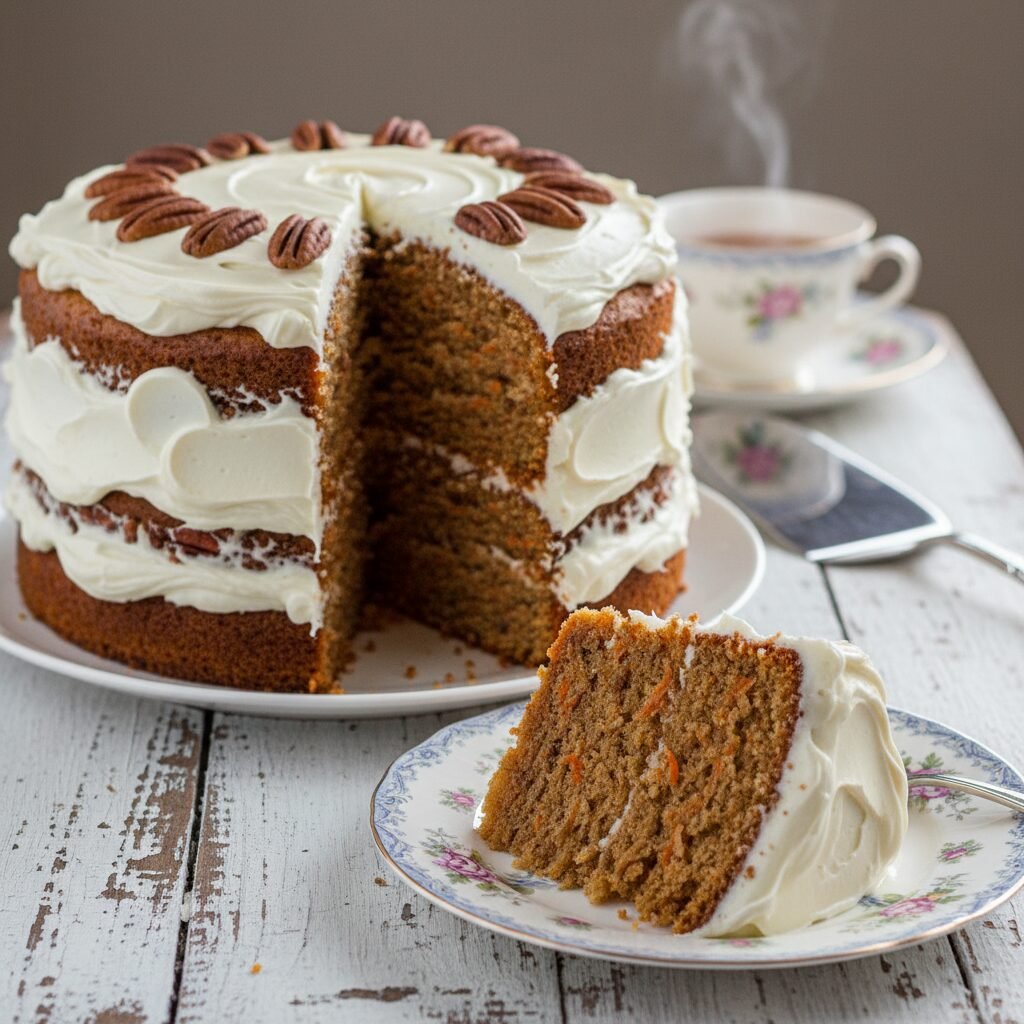
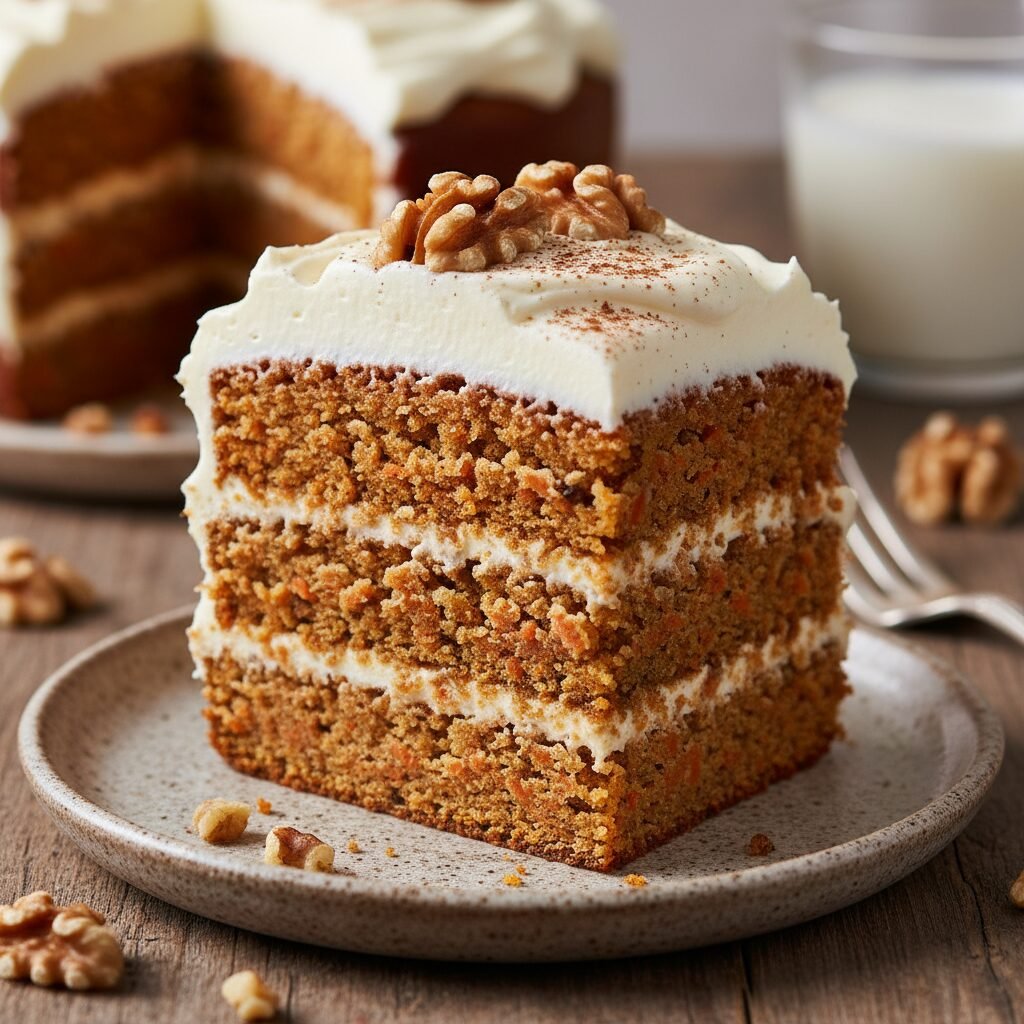
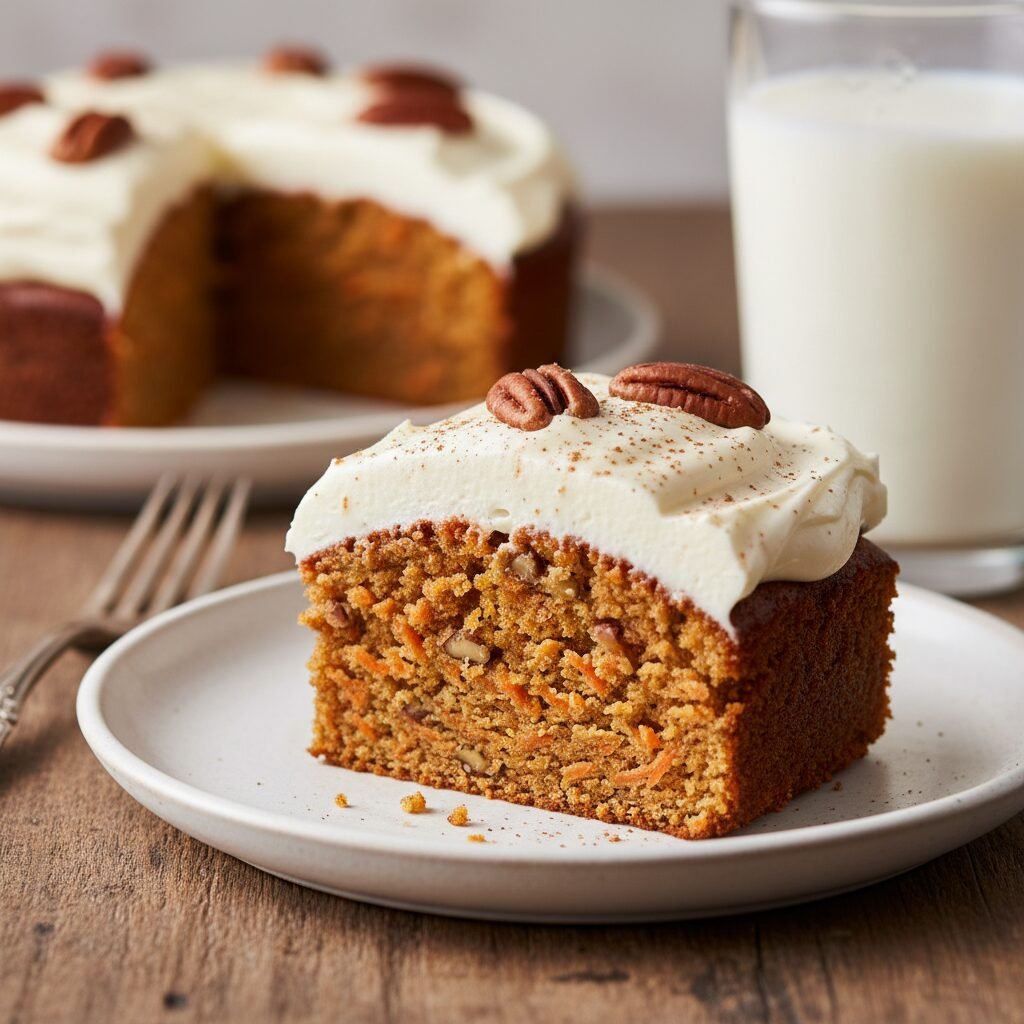
This isn’t just another carrot cake; it is a deeply spiced, incredibly moist snack cake loaded with crunchy toasted pecans and topped with a silky, tangy cream cheese frosting. It comes together in one bowl and is the perfect comforting treat for afternoon coffee or a potluck dessert.
20 minutes
35 minutes
55 minutes
12-16 servings
Dessert
Baking
American
Vegetarian
There is something undeniably comforting about a snack cake. Unlike its towering, multi-layered cousins that require dowels, turntables, and a steady hand for decoration, the snack cake is humble, accessible, and deeply satisfying. This Moist Carrot Snack Cake with Pecans is the epitome of rustic elegance. It promises a crumb that is tender and dense without being heavy, achieved through a careful balance of oil, brown sugar, and freshly grated carrots. While many recipes rely solely on cinnamon, we elevate the flavor profile with a trifecta of warm spices—cinnamon, ginger, and nutmeg—that dance on the palate and cut through the sweetness. But the real star here is the texture contrast. We don’t just throw raw nuts into the batter; we take the extra step to toast the pecans in brown butter first, unlocking a nutty, aromatic depth that transforms the eating experience. Topped with a thick, swooping layer of tangy cream cheese frosting, this cake is designed to be sliced right out of the pan and eaten with your fingers or a fork, preferably alongside a steaming mug of coffee. Whether you are a seasoned baker or a novice looking for a foolproof win, this recipe delivers high-impact flavor with minimal fuss, proving that sometimes the simplest cakes are the most memorable.
History & Origins
The history of carrot cake is a fascinating journey through necessity and culinary evolution. Historians generally trace the origins of using carrots in baking back to the Middle Ages in Europe. During this era, sweeteners like sugar and honey were expensive and often difficult to come by for the average person. Carrots, however, were abundant and contain more natural sugar than almost any other vegetable (second only to sugar beets). Medieval cooks would use them to sweeten puddings and steamed cakes. The concept traveled through the centuries, but it saw a significant resurgence during World War II in Great Britain. With sugar strictly rationed, the Ministry of Food disseminated recipes for carrot cakes and puddings to help citizens enjoy sweet treats without depleting their rations. However, the version we know and love today—the moist, oil-based cake often containing nuts and pineapple—is distinctly American. It gained massive popularity in the United States during the 1960s and 1970s, evolving from a health-food fad (due to the carrots) into a decadent dessert staple once bakers began slathering it with cream cheese frosting. The ‘snack cake’ format, a single-layer rectangular cake meant for casual consumption, became a symbol of 1950s suburban hospitality, representing a shift towards convenience without sacrificing the homemade touch.
Why This Recipe Works
This recipe succeeds where others fail due to three critical factors: moisture retention, spice balance, and texture contrast. First, we use a blend of granulated and dark brown sugar. The molasses content in the brown sugar is hygroscopic, meaning it attracts and holds water, ensuring the cake stays soft for days. We also opt for neutral oil instead of butter for the batter. While butter provides flavor, it contains water that evaporates; oil is 100% fat and remains liquid at room temperature, creating a superior sensation of moistness in the final crumb. Second, we treat the carrots correctly. Pre-shredded carrots from the store are often dry and hard; by hand-grating fresh carrots, we release their natural juices into the batter, which steam-cooks the cake from the inside out. Finally, the pecans are not an afterthought. By toasting them before adding them to the batter, we ensure they remain crunchy rather than turning soggy, providing a necessary textural interruption to the soft cake and creamy frosting. The result is a scientifically balanced bite that hits every pleasure point: sweet, spicy, tangy, soft, and crunchy.
Why You’ll Love This Recipe
- ✓Requires only one mixing bowl for the batter, minimizing cleanup.
- ✓Uses oil instead of butter for a cake that stays moist for up to 5 days.
- ✓Toasted pecans provide a superior crunch and nutty depth.
- ✓The cream cheese frosting has the perfect tang-to-sugar ratio.
- ✓Freezes beautifully, making it perfect for meal prepping desserts.
Equipment You’ll Need
- ✓9×13 inch baking pan
- ✓Large mixing bowl
- ✓Medium mixing bowl
- ✓Box grater or food processor
- ✓Whisk
- ✓Rubber spatula
- ✓Electric hand mixer or stand mixer
- ✓Wire cooling rack
Ingredients
- ✓2 cups all-purpose flour
- ✓2 teaspoons baking soda
- ✓1 teaspoon baking powder
- ✓1/2 teaspoon salt
- ✓2 teaspoons ground cinnamon
- ✓1/2 teaspoon ground nutmeg
- ✓1/2 teaspoon ground ginger
- ✓1 cup vegetable oil or canola oil
- ✓1 cup granulated sugar
- ✓1 cup packed dark brown sugar
- ✓4 large eggs, room temperature
- ✓1 teaspoon vanilla extract
- ✓3 cups fresh carrots, finely grated (approx. 5-6 medium carrots)
- ✓1 1/2 cups pecans, roughly chopped and toasted
- ✓8 oz cream cheese, softened (for frosting)
- ✓1/2 cup unsalted butter, softened (for frosting)
- ✓3 cups powdered sugar (for frosting)
- ✓1 teaspoon vanilla extract (for frosting)
- ✓1 pinch salt (for frosting)
Instructions
- Preheat your oven to 350°F (175°C). Grease a 9×13 inch baking pan with non-stick spray or butter, and line the bottom with parchment paper for easy removal.
- Spread the chopped pecans on a baking sheet and toast in the preheating oven for 5-7 minutes until fragrant. Watch closely to prevent burning. Remove and let cool.
- In a medium bowl, whisk together the flour, baking soda, baking powder, salt, cinnamon, nutmeg, and ginger until well combined. Set aside.
- In a large mixing bowl, whisk together the oil, granulated sugar, brown sugar, eggs, and vanilla extract until the mixture is smooth and slightly emulsified.
- Gradually add the dry ingredients to the wet ingredients. Stir with a spatula just until the flour streaks disappear. Do not overmix.
- Fold in the grated carrots and 1 cup of the toasted pecans (reserve the remaining 1/2 cup for topping) until evenly distributed.
- Pour the batter into the prepared pan and smooth the top with a spatula.
- Bake for 30-35 minutes, or until a toothpick inserted into the center comes out clean or with just a few moist crumbs attached.
- Remove the cake from the oven and place the pan on a wire rack. Allow the cake to cool completely before frosting. This is crucial to prevent the frosting from melting.
- While the cake cools, make the frosting. In a large bowl using a hand mixer, beat the softened cream cheese and butter together on medium-high speed until smooth and creamy (about 2-3 minutes).
- Reduce speed to low and gradually add the powdered sugar, vanilla, and pinch of salt. Once incorporated, increase speed to high and whip for 2 minutes until fluffy.
- Spread the frosting generously over the cooled cake. Sprinkle the reserved toasted pecans on top.
- Slice into squares and serve.
Expert Cooking Tips
- ✓Grate your own carrots. Pre-bagged shredded carrots are dry and thick; hand-grating ensures moisture and a melt-in-your-mouth texture.
- ✓Room temperature ingredients are key. Ensure your eggs, cream cheese, and butter are at room temperature to create a smooth emulsion and lump-free frosting.
- ✓Don’t skip toasting the nuts. It intensifies the flavor and keeps them crunchy inside the batter.
- ✓Weigh your flour if possible. If using cups, spoon the flour into the cup and level it off to avoid packing it down, which leads to a dry cake.
- ✓Cool completely. If the cake is even slightly warm, the cream cheese frosting will slide right off.
- ✓Use dark brown sugar for a deeper molasses flavor, though light brown sugar works in a pinch.
Substitutions and Variations
This recipe is quite versatile. For the flour, you can substitute a 1:1 Gluten-Free All-Purpose Baking Flour blend if you are avoiding gluten; look for one containing xanthan gum. If you want to reduce the fat, you can replace half of the oil with unsweetened applesauce, though the cake will be slightly denser. For the nuts, walnuts are a classic alternative to pecans, or you can omit them entirely for a nut-free version (add 1/2 cup of raisins or dried cranberries if desired). If you don’t have canola or vegetable oil, melted coconut oil or light olive oil works well, adding a subtle flavor nuance. For the frosting, mascarpone cheese can be used in place of cream cheese for a less tangy, more Italian-style topping.
Common Mistakes to Avoid
The most common mistake people make with carrot cake is using the wrong carrots. Never use the ‘matchstick’ carrots sold in bags for salads; they are too hard and won’t soften enough during baking. Always buy whole carrots and grate them on the small or medium holes of a box grater. Another frequent error is overmixing the batter once the flour is added. This develops the gluten too much and results in a rubbery, tough cake rather than a tender one. Lastly, be patient with the cooling process. Putting frosting on a warm cake will result in a greasy, runny mess that soaks into the crumb rather than sitting beautifully on top.
Serving Suggestions
This snack cake is best served at room temperature or slightly chilled. It pairs exceptionally well with a hot cup of black coffee, which cuts through the sweetness of the frosting. For a dessert presentation, serve a square with a side of vanilla bean ice cream or a dollop of whipped cream. If serving at a brunch, cut the pieces smaller into bite-sized ‘tea cake’ portions. A dusting of extra cinnamon or nutmeg over the frosting adds a professional finish.
Storage and Reheating Tips
Because of the cream cheese frosting, this cake must be stored in the refrigerator. Cover the pan tightly with plastic wrap or transfer slices to an airtight container; it will keep for up to 5 days. In fact, the flavor often improves on the second day as the spices meld. To freeze, you can freeze the unfrosted cake wrapped in plastic and foil for up to 3 months. If the cake is already frosted, place slices on a baking sheet in the freezer until the frosting is hard, then wrap them individually in plastic wrap and store in a freezer bag. Thaw in the refrigerator overnight before eating.
Nutrition Facts (Estimated)
| Serving Size | 1 square |
| Calories | 380 |
| Fat | 22g |
| Saturated Fat | 6g |
| Unsaturated Fat | 14g |
| Trans Fat | 0g |
| Cholesterol | 45mg |
| Sodium | 210mg |
| Carbohydrates | 42g |
| Fiber | 2g |
| Sugar | 28g |
| Protein | 4g |
Frequently Asked Questions
Why did my carrot cake sink in the middle?
Sinking usually happens if the cake was underbaked or if the oven door was opened too early, causing a sudden temperature drop. It can also happen if there is too much leavening (baking soda/powder) relative to the structure of the flour.
Can I use baby carrots?
Technically yes, but it is not recommended. Baby carrots are often harder and have less flavor than full-sized carrots. It is also very tedious to grate them without grating your fingers!
Can I make this recipe into cupcakes?
Absolutely. This batter will make approximately 24 standard cupcakes. Bake them at 350°F for 18-22 minutes. Check for doneness early.
Is it necessary to peel the carrots?
Yes, you should peel the carrots. Carrot skins can be slightly bitter and tough, which can affect the delicate texture of the cake.
My frosting is too runny, how do I fix it?
If your frosting is too soft, your butter or cream cheese might have been too warm. Put the bowl in the fridge for 20 minutes, then whip again. You can also add more powdered sugar, 1/4 cup at a time, to stiffen it.
Can I add pineapple or coconut?
Yes, this is a robust batter that can handle additions. You can add 1/2 cup of sweetened shredded coconut or 1/2 cup of well-drained crushed pineapple. If adding pineapple, you may need to bake it for a few minutes longer due to the extra moisture.
Why is my cake green?
This is a chemical reaction! If there is too much baking soda and the batter isn’t mixed well, the alkaline soda reacts with the pigments in the carrots (anthocyanins) causing them to turn green. It is safe to eat but looks odd. Ensure your dry ingredients are whisked thoroughly.
Can I bake this in round pans?
Yes, this recipe fits into two 8-inch or 9-inch round cake pans. Reduce baking time to roughly 25-30 minutes and watch closely.
Conclusion
This Moist Carrot Snack Cake with Pecans is more than just a recipe; it’s a reliable companion for life’s sweet moments. Whether you are celebrating a small victory, needing a pick-me-up on a rainy Tuesday, or looking for the star dessert of your Easter spread, this cake delivers. The combination of the tender, spiced crumb and the rich, tangy frosting creates a balance that is hard to beat. We hope this cake brings as much joy to your kitchen as it has to ours. Happy baking!