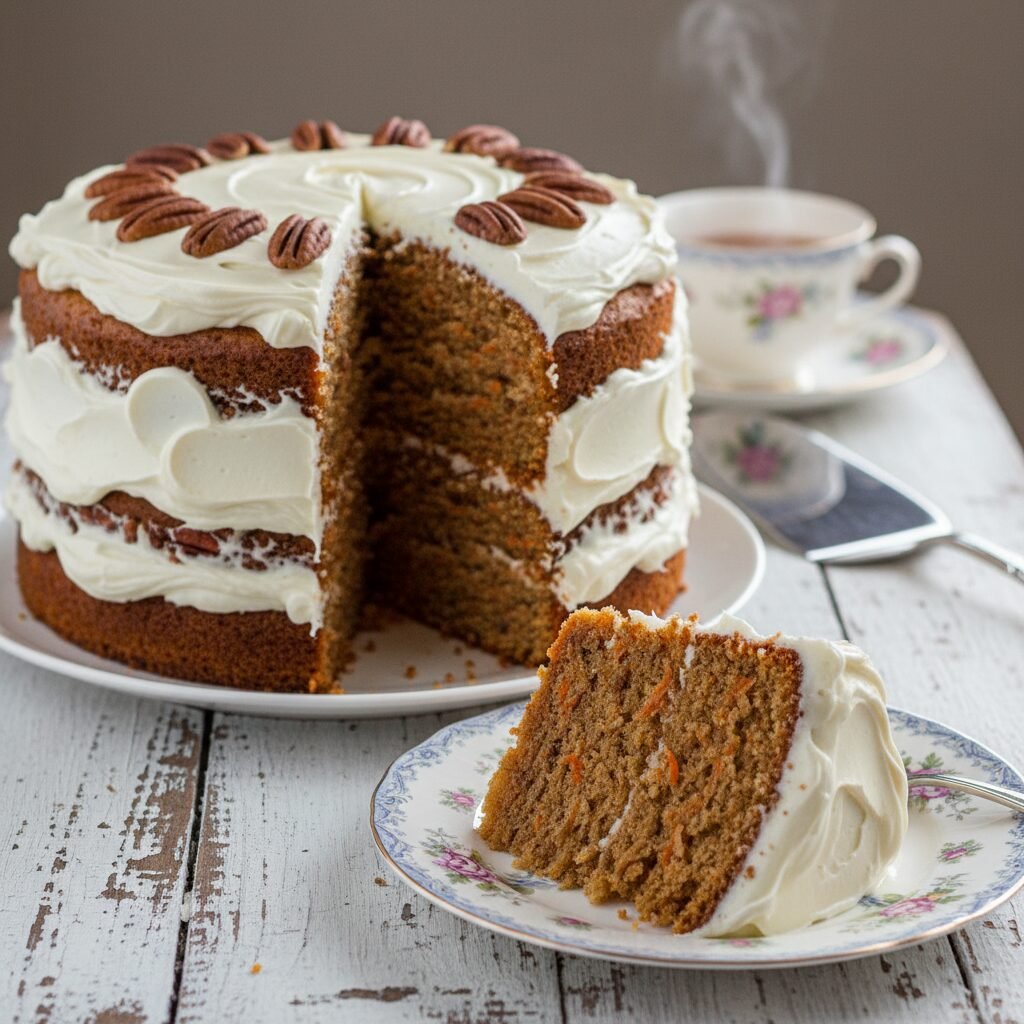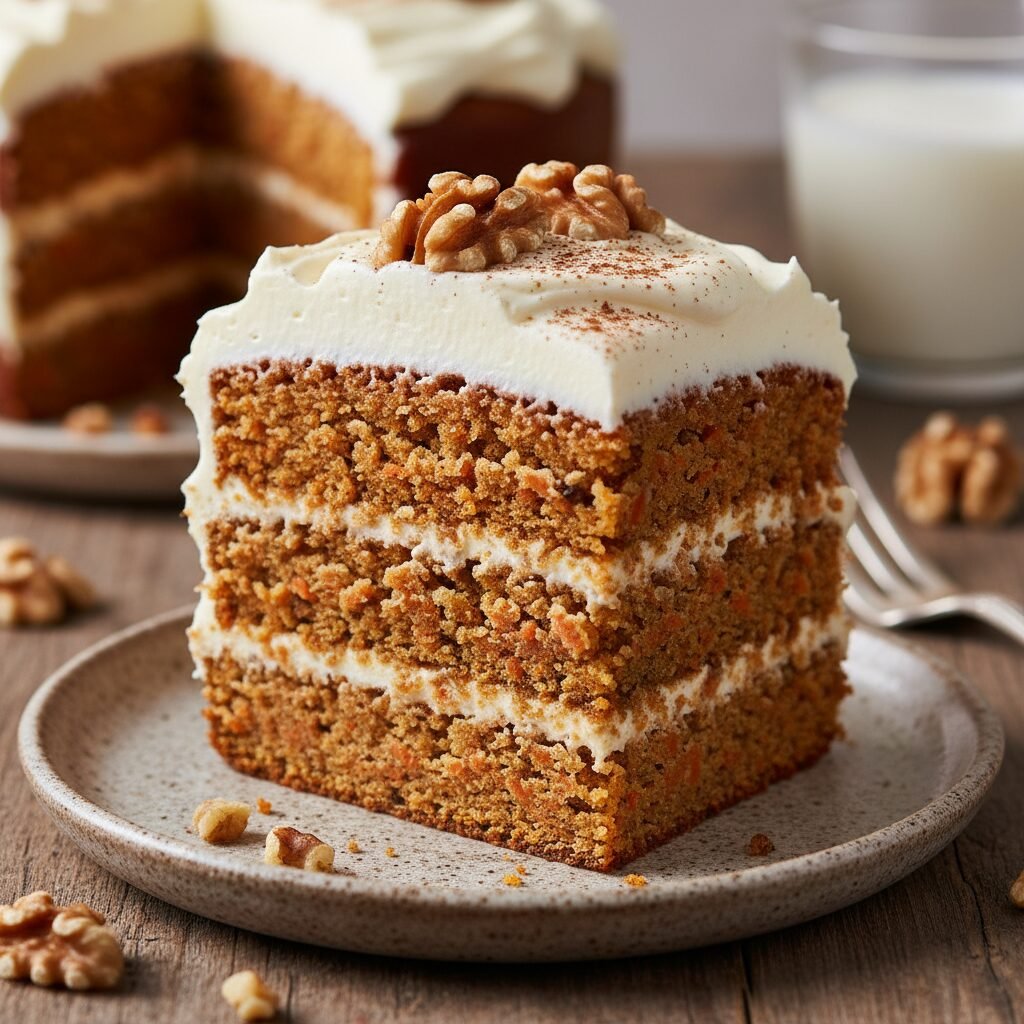
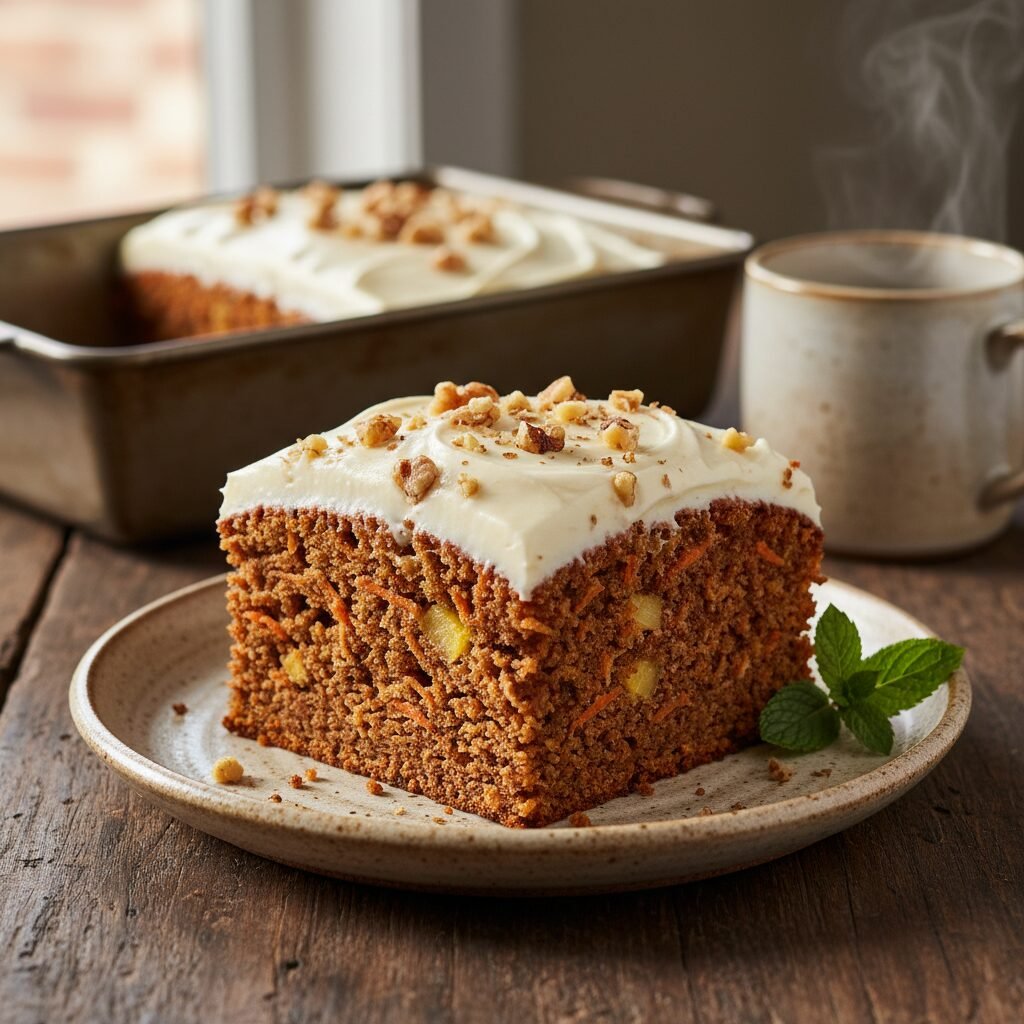
Moist Carrot Snack Cake With Pineapple Recipe
This isn’t just another carrot cake; it is the moistest, most flavorful snack cake you will ever bake, thanks to the secret addition of crushed pineapple. Topped with a tangy, velvety cream cheese frosting, this one-pan wonder is perfect for potlucks, afternoon snacks, or a comforting dessert that stays tender for days.
20 minutes
35 minutes
55 minutes
15 servings
Dessert
Baking
American
Vegetarian
There are few things in the baking world as comforting and universally loved as a truly good carrot cake. However, the line between a dry, crumbly disappointment and a moist, dense masterpiece is often drawn by a single ingredient. Enter the Moist Carrot Snack Cake with Pineapple. This recipe takes the classic, spiced warmth of traditional carrot cake and elevates it with the inclusion of crushed pineapple. Unlike elaborate layer cakes that require leveling, stacking, and crumb-coating, this ‘snack cake’ is baked in a simple rectangular pan, making it an approachable project for bakers of all skill levels.
The magic here lies in the texture. The pineapple doesn’t just add a subtle tropical sweetness; it provides acidity and moisture that ensures the crumb remains soft and tender long after it has cooled. When paired with the crunch of walnuts and the earthy sweetness of fresh carrots, the result is a complex flavor profile that hits every note—spiced, sweet, tangy, and nutty. Topped with a generous layer of homemade cream cheese frosting, this cake invites you to cut just one more thin slice every time you walk past the kitchen counter. It is the quintessential cozy bake, perfect for pairing with a hot cup of coffee on a rainy afternoon or serving as the star dessert at a family gathering.
History & Origins
The origins of carrot cake are somewhat debated, but most food historians trace its lineage back to medieval Europe. During the Middle Ages, sugar was a rare and expensive luxury, inaccessible to the common cook. To satisfy cravings for sweetness, bakers turned to vegetables with high natural sugar content, specifically carrots and parsnips, using them in steamed puddings. These ‘carrot puddings’ were heavy, dense, and often served with a savory meat element, a far cry from the dessert we know today.
The evolution from pudding to cake likely occurred gradually, but the concept saw a significant resurgence during World War II. In the United Kingdom, strict rationing of sugar prompted the government to disseminate recipes that utilized carrots as a sweetener. This popularized the concept of carrot-based sweets among a new generation. However, the modern, frosted carrot cake is distinctly American. It exploded in popularity during the 1960s and 1970s, coinciding with a growing interest in ‘health foods.’ Because the cake contained a vegetable, it was often perceived as a healthier alternative to chocolate or vanilla cakes, despite the oil and sugar content.
The addition of pineapple is a more recent, likely American, innovation, potentially influenced by the Southern ‘Hummingbird Cake,’ which famously combines bananas, pineapple, and pecans. By the late 20th century, adding pineapple became a secret weapon for savvy home bakers looking to combat the dryness often associated with whole-grain or nut-heavy cakes, cementing its place in the pantheon of classic American comfort desserts.
Why This Recipe Works
This recipe succeeds where many others fail primarily due to the science of moisture retention and flavor balance. First and foremost, the use of oil instead of butter is crucial for a carrot cake. While butter adds flavor, it contains water that evaporates during baking and milk solids that can dry out the crumb. Oil, being 100% fat, coats the flour proteins (gluten) more effectively, preventing them from bonding too strongly. This results in a tenderer crumb that stays moist even when refrigerated—a necessity for any cake with cream cheese frosting.
Secondly, the crushed pineapple acts as a natural tenderizer. Pineapple contains bromelain, an enzyme that softens protein structures. While the canning process denatures much of this enzyme, the acidity and the physical fruit pulp break up the density of the batter, creating a lighter mouthfeel despite the heavy ingredients. Furthermore, the ratio of spices—cinnamon, nutmeg, and ginger—is calibrated to cut through the richness of the sugar and cream cheese, providing a warm, aromatic backdrop that highlights the earthiness of the carrots without overpowering the delicate fruit notes. Finally, using a mix of brown and white sugar adds molasses depth and assists in creating a chewy, moist texture rather than a dry, airy one.
Why You’ll Love This Recipe
- ✓Incredibly moist texture due to the secret pineapple ingredient.
- ✓Simple one-bowl method for the batter—no stand mixer required.
- ✓Rich, tangy cream cheese frosting that balances the sweet cake perfectly.
- ✓Keeps fresh for days and actually tastes better the next day.
- ✓Versatile ‘snack cake’ format means no fussy layering or decorating.
Equipment You’ll Need
- ✓9×13 inch baking pan
- ✓Large mixing bowl
- ✓Medium mixing bowl
- ✓Box grater or food processor
- ✓Whisk
- ✓Rubber spatula
- ✓Electric hand mixer (for frosting)
- ✓Measuring cups and spoons
Ingredients
- ✓2 cups all-purpose flour
- ✓2 teaspoons baking soda
- ✓1 1/2 teaspoons ground cinnamon
- ✓1/2 teaspoon ground ginger
- ✓1/4 teaspoon ground nutmeg
- ✓1/2 teaspoon salt
- ✓3 large eggs, room temperature
- ✓1 1/2 cups granulated sugar
- ✓1/2 cup light brown sugar, packed
- ✓1 cup vegetable oil or canola oil
- ✓2 teaspoons vanilla extract
- ✓2 cups finely grated carrots (approx. 4-5 medium carrots)
- ✓1 cup crushed pineapple, drained (but not squeezed dry)
- ✓1/2 cup chopped walnuts or pecans (optional)
- ✓8 oz cream cheese, softened (for frosting)
- ✓1/2 cup unsalted butter, softened (for frosting)
- ✓3 cups powdered sugar (for frosting)
- ✓1 teaspoon vanilla extract (for frosting)
Instructions
- Preheat your oven to 350°F (175°C). Grease a 9×13 inch baking pan with non-stick spray or butter, and line the bottom with parchment paper for easy removal.
- In a medium bowl, whisk together the flour, baking soda, cinnamon, ginger, nutmeg, and salt until well combined. Set aside.
- In a large mixing bowl, whisk the eggs, granulated sugar, and brown sugar until the mixture is smooth and slightly thickened.
- Slowly pour in the vegetable oil and vanilla extract into the egg mixture, whisking constantly until fully incorporated and emulsified.
- Gradually add the dry ingredients to the wet ingredients. Use a rubber spatula to fold the mixture just until no streaks of flour remain. Do not overmix.
- Gently fold in the grated carrots, drained crushed pineapple, and chopped nuts (if using) until evenly distributed throughout the batter.
- Pour the batter into the prepared baking pan and smooth the top with your spatula.
- Bake for 35-40 minutes, or until a toothpick inserted into the center comes out clean or with just a few moist crumbs attached.
- Remove the cake from the oven and place the pan on a wire rack. Allow the cake to cool completely in the pan. This is crucial as the frosting will melt if the cake is warm.
- While the cake cools, make the frosting. In a large bowl using a hand mixer, beat the softened cream cheese and butter together on medium-high speed until smooth and creamy (about 2-3 minutes).
- Reduce the mixer speed to low and gradually add the powdered sugar, one cup at a time. Once incorporated, add the vanilla extract and a pinch of salt.
- Increase speed to high and whip for another 2 minutes until the frosting is fluffy and white.
- Spread the frosting generously over the cooled cake. Slice into squares and serve.
Expert Cooking Tips
- ✓Grate your own carrots: Pre-shredded carrots from the store are often dry and hard. Grating them fresh ensures maximum moisture and flavor.
- ✓Drain the pineapple correctly: Pour the pineapple into a mesh strainer and let it sit for a minute. You want to remove the excess liquid so the batter isn’t soupy, but don’t squeeze it bone-dry; you need some of that juice for tenderness.
- ✓Room temperature ingredients: Ensure your eggs, cream cheese, and butter are at room temperature. This creates a smoother emulsion for the batter and a lump-free frosting.
- ✓Measure flour properly: Spoon the flour into the measuring cup and level it off with a knife. Scooping directly from the bag packs the flour and can lead to a dense, dry cake.
- ✓Don’t overmix: Once you add the flour, mix only until combined. Overworking the gluten results in a tough, rubbery texture.
- ✓Cool completely: It is tempting to frost early, but even a slightly warm cake will cause the butter in the frosting to separate and slide off.
Substitutions and Variations
This recipe is quite forgiving and allows for several substitutions. For the flour, you can substitute a 1:1 gluten-free baking flour blend if you are catering to gluten sensitivities; look for a blend that contains xanthan gum. If you want to reduce the fat, you can swap half of the oil (1/2 cup) for unsweetened applesauce; this will maintain moisture while lowering the calorie count, though the texture may be slightly denser. For the nuts, pecans and walnuts are traditional, but you can omit them entirely for a nut-free version or swap them for golden raisins or shredded coconut for a different texture. If you don’t have brown sugar, you can use all white sugar, though the flavor will lack that slight molasses depth. For the frosting, if you find cream cheese too rich, a standard vanilla buttercream or even a simple lemon glaze works beautifully with the pineapple flavors.
Common Mistakes to Avoid
The most common mistake with carrot cake is using pre-shredded ‘matchstick’ carrots. These never soften enough during baking and result in a crunchy, unpleasant texture. Always grate them fresh on the medium or small holes of a box grater. Another frequent error is over-draining or under-draining the pineapple. If you add the pineapple with all its juice, the cake may sink in the middle and be gummy. If you squeeze it completely dry, you lose the flavor benefit. Just a gentle drain in a sieve is perfect. Finally, do not skip the cooling step. Cream cheese frosting is very temperature sensitive. If you apply it to a warm cake, it will turn into a translucent, oily glaze rather than a fluffy topping.
Serving Suggestions
This cake is a versatile treat that works for various occasions. Serve it chilled for a firmer texture where the frosting mimics the consistency of cheesecake, or let it come to room temperature for a softer, melt-in-your-mouth experience. It pairs exceptionally well with a hot cup of black coffee or an Earl Grey tea, as the bitterness of the beverages cuts through the sweetness of the cake. For a dessert presentation, plate a square with a garnish of fresh pineapple zest or a sprinkle of toasted coconut. If you are serving this for a brunch, cut the pieces smaller to create bite-sized ‘tea cake’ portions.
Storage and Reheating Tips
Because of the cream cheese frosting, this cake must be stored in the refrigerator. Cover the pan tightly with plastic wrap or aluminum foil, or transfer slices to an airtight container. It will stay fresh for up to 5-6 days in the fridge. In fact, the flavors often meld and improve on the second day. For long-term storage, you can freeze the cake. It is best to freeze the cake unfrosted, wrapped tightly in plastic wrap and then foil, for up to 3 months. However, you can also freeze frosted slices: place them on a baking sheet in the freezer until the frosting is hard (about 1 hour), then wrap them individually in plastic wrap and place them in a freezer-safe bag. Thaw in the refrigerator overnight before serving.
Nutrition Facts (Estimated)
| Serving Size | 1 square |
| Calories | 380 |
| Fat | 20g |
| Saturated Fat | 6g |
| Unsaturated Fat | 12g |
| Trans Fat | 0g |
| Cholesterol | 45mg |
| Sodium | 210mg |
| Carbohydrates | 48g |
| Fiber | 2g |
| Sugar | 28g |
| Protein | 4g |
Frequently Asked Questions
Can I bake this in round cake pans instead of a 9×13 pan?
Yes, absolutely. This recipe yields enough batter for two 8-inch or 9-inch round cake pans. You will need to adjust the baking time down to approximately 25-30 minutes. Keep an eye on them and use the toothpick test.
Why did my carrot cake sink in the middle?
Sinking usually happens for one of two reasons: either the cake was underbaked (the structure wasn’t set yet) or there was too much liquid in the batter. Ensure you drain the pineapple well and check that your baking soda is fresh.
Can I use fresh pineapple instead of canned?
It is recommended to use canned pineapple. Fresh pineapple contains a high level of the enzyme bromelain, which can prevent the cake from setting properly and make the texture mushy. The canning process deactivates this enzyme.
Is it necessary to peel the carrots before grating?
Yes, peeling is recommended. Carrot skins can be slightly bitter and tough. Peeling them ensures a sweeter flavor and a brighter orange color in your finished cake.
Can I reduce the sugar in this recipe?
You can reduce the granulated sugar by about 1/4 cup without significantly affecting the texture. However, sugar provides moisture as well as sweetness, so reducing it too much can lead to a drier cake.
Why is my frosting runny?
Runny frosting usually means the butter or cream cheese was too warm (melting) or not enough powdered sugar was added. If it’s too soft, put the bowl in the fridge for 20 minutes and whip it again.
Can I make this into cupcakes?
Yes! This batter makes excellent cupcakes. Line a muffin tin with paper liners and fill them 2/3 full. Bake at 350°F for 18-22 minutes.
Do I have to use walnuts?
Not at all. Walnuts add a nice textural contrast, but if you have an allergy or simply dislike nuts, you can omit them completely without changing any other part of the recipe.
Conclusion
This Moist Carrot Snack Cake with Pineapple is more than just a recipe; it’s a reliable companion for life’s sweet moments. Whether you are an experienced baker looking for a foolproof crowd-pleaser or a novice wanting to try something beyond a box mix, this cake delivers on all fronts. The combination of warm spices, the tropical hum of pineapple, and the rich tang of cream cheese creates a symphony of flavors that feels both nostalgic and exciting. So, grab your box grater and preheat your oven—your new favorite cake is just an hour away.