Moist Carrot Snack Cake With Vanilla Frosting Recipe
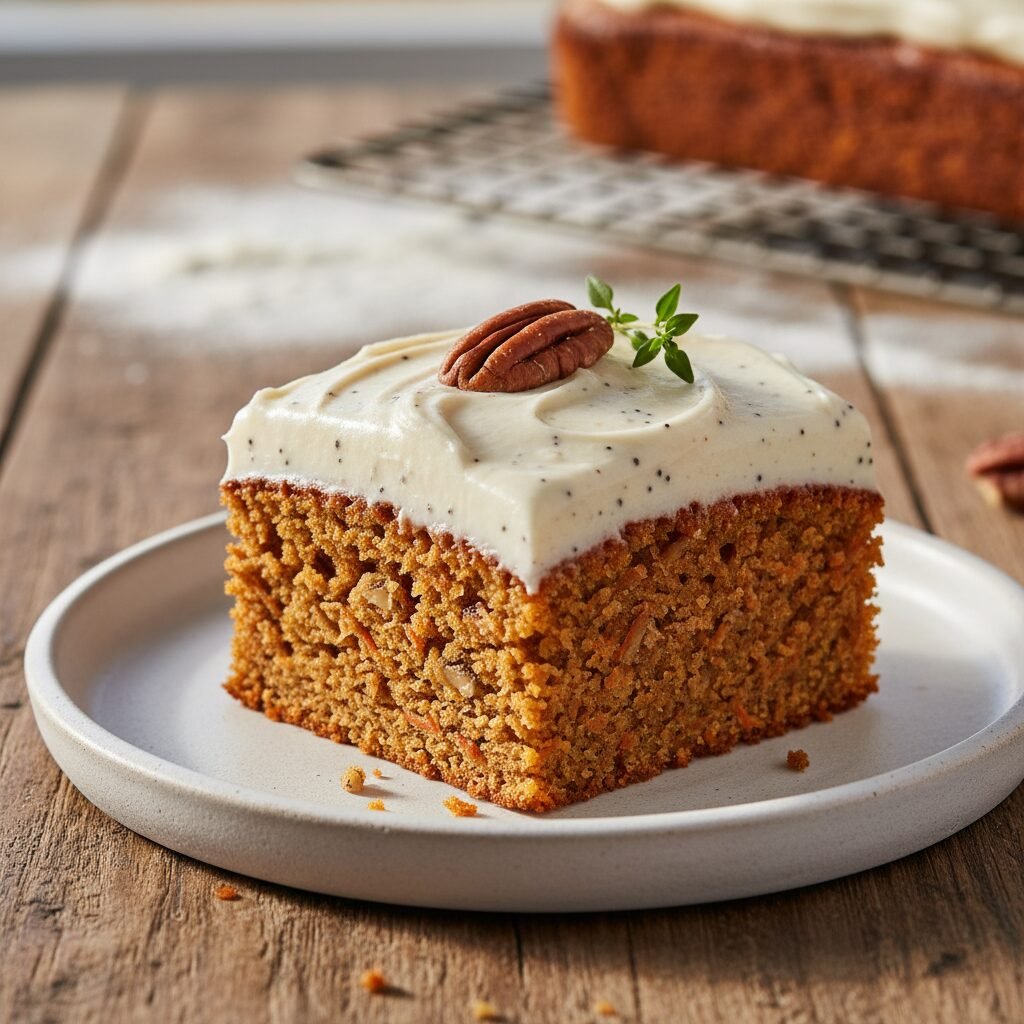
This incredibly moist carrot snack cake is a one-bowl wonder that delivers all the cozy spice of a traditional carrot cake without the fuss of layering. Topped with a luscious, whipped vanilla bean frosting, it is the perfect afternoon treat or easy dessert for any occasion.
20 minutes
35 minutes
55 minutes
9 to 12 servings
Dessert
Baking
American
Vegetarian
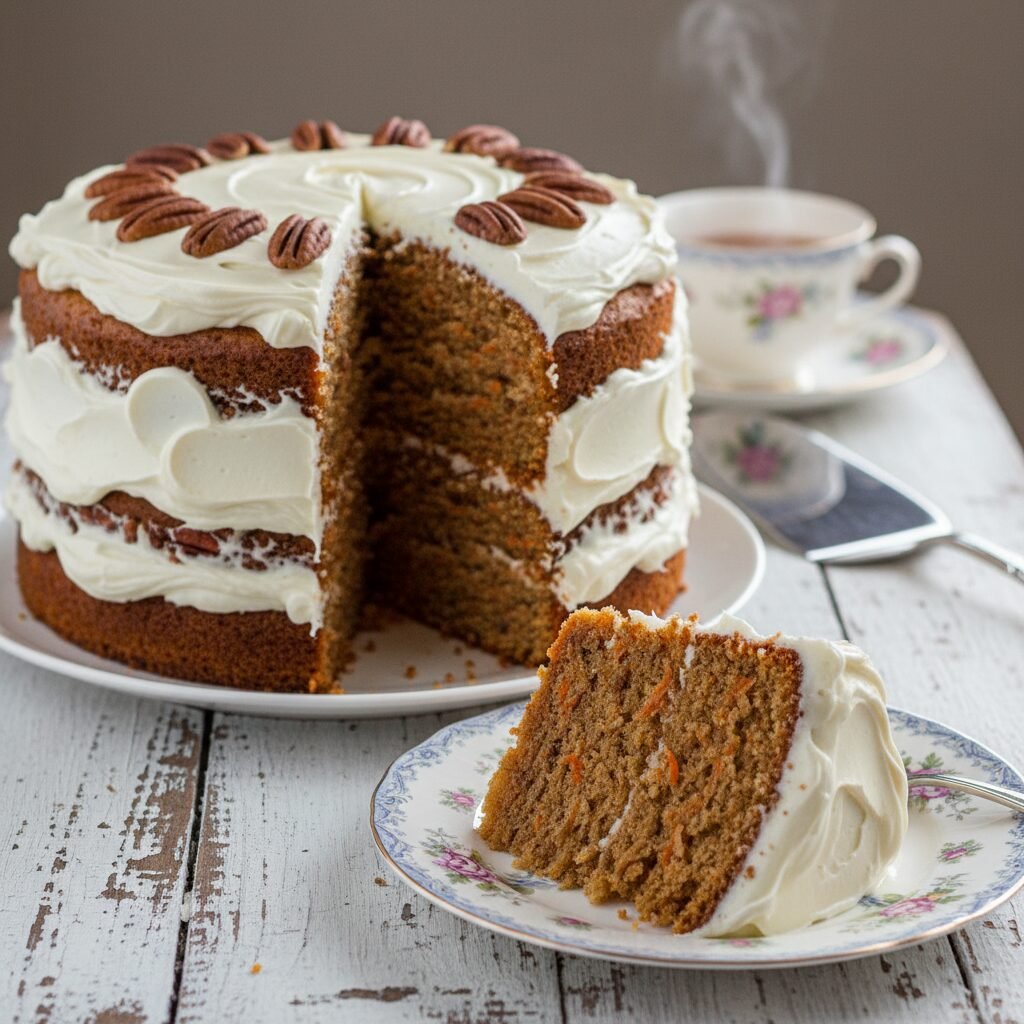
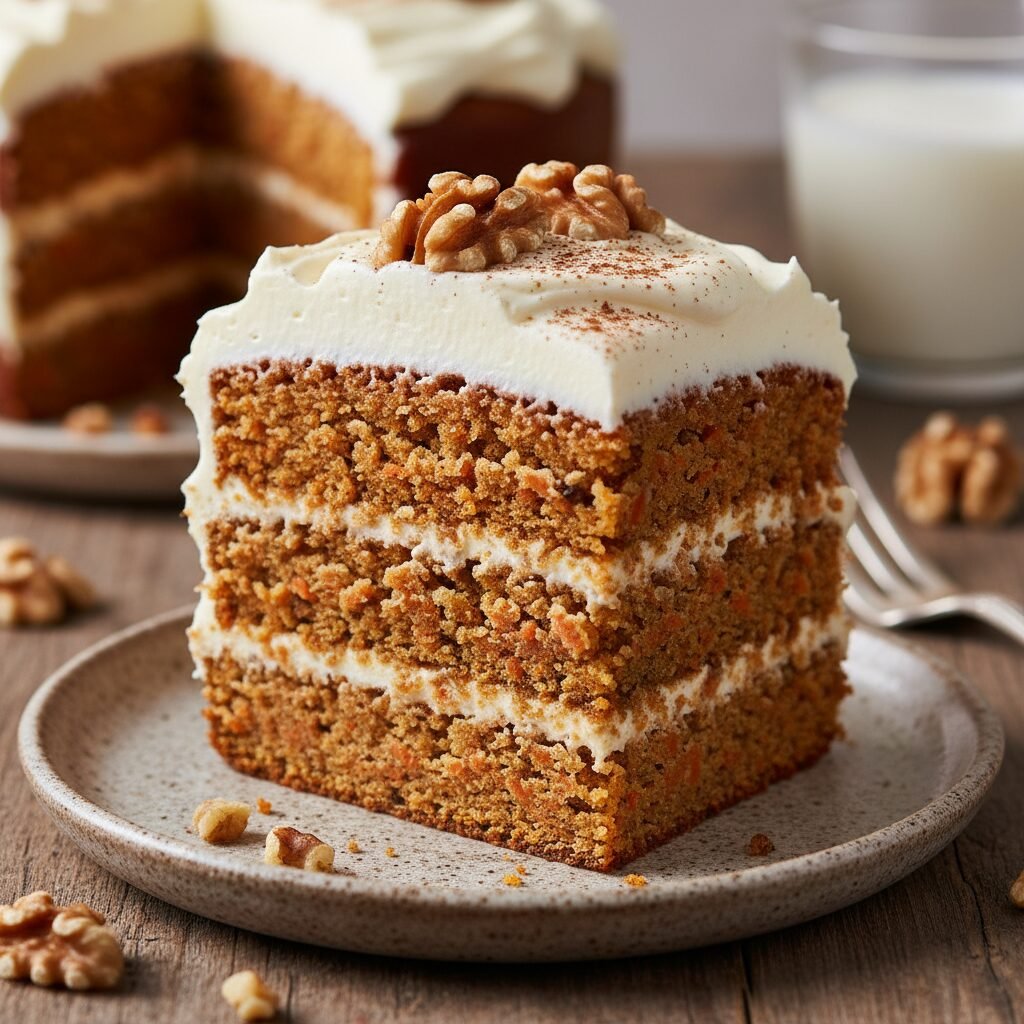
There is something undeniably comforting about the aroma of spiced carrot cake wafting through the kitchen. It signals a return to simple, wholesome baking where flavor and texture take center stage. This Moist Carrot Snack Cake with Vanilla Frosting is the answer to those cravings when you want the decadent taste of a bakery-style cake but lack the time or energy to assemble a multi-tiered masterpiece. Unlike elaborate layer cakes that require leveling, stacking, and crumb-coating, a snack cake is humble, approachable, and effortlessly chic. It is baked in a single square pan, making it the ideal size for small gatherings, family desserts, or a week of indulgent afternoon snacks. The beauty of this recipe lies in its incredible texture. We have carefully balanced the ratio of brown sugar to white sugar and utilized oil instead of butter to ensure a crumb that stays soft and tender for days. Every bite is speckled with flecks of fresh, sweet carrots and warmed by a symphony of cinnamon, nutmeg, and ginger. While cream cheese frosting is the traditional partner for carrot cake, we have opted for a fluffy, cloud-like vanilla bean buttercream here. This switch allows the spices in the cake to truly shine without being overpowered by the tang of cream cheese, offering a lighter, sweeter finish that feels nostalgic yet fresh. Whether you are a seasoned baker or a novice in the kitchen, this recipe promises a foolproof path to dessert nirvana, proving that sometimes, the simplest cakes are truly the best.
History & Origins
The origins of carrot cake are deeply rooted in European history, tracing back to the Middle Ages when sweeteners like sugar were rare and prohibitively expensive for the average household. Carrots, which contain more natural sugar than almost any other vegetable (second only to sugar beets), became a logical substitute to sweeten puddings and desserts. These early iterations were more akin to a steamed pudding or a dense sweet bread rather than the fluffy cakes we recognize today. As time progressed and global trade expanded, sugar became more accessible, yet the tradition of using carrots in baking persisted, particularly in England. The modern carrot cake saw a resurgence during World War II in the United Kingdom due to strict rationing of luxury ingredients. The British government distributed recipes for carrot cakes and puddings to help citizens make do with available rations, cementing the vegetable’s place in the dessert world. However, it wasn’t until the 1960s and 1970s in the United States that carrot cake exploded in popularity. During this era, there was a growing interest in ‘health foods,’ and the inclusion of a vegetable in a cake gave it a perceived health halo, despite the oil and sugar content. It became a staple in American cafes and restaurants, often paired with the now-ubiquitous cream cheese frosting. The concept of the ‘snack cake’—a single-layer cake meant to be eaten out of hand or as a simple treat—evolved alongside the rise of convenience cooking in the mid-20th century. This recipe honors that long lineage, blending the medieval ingenuity of vegetable-based sweetening with the mid-century American love for moist, spiced, and frosted comfort foods.
Why This Recipe Works
This recipe succeeds where others fail primarily due to the strategic selection of fat and sugar. While butter provides excellent flavor, it is about 80% fat and 20% water, and it solidifies at room temperature. By using a neutral oil (like canola or vegetable oil), which remains liquid at room temperature, we ensure that the cake retains a sensation of extreme moistness and tenderness even days after baking. Furthermore, we utilize a high proportion of dark brown sugar. The molasses in the brown sugar is hygroscopic, meaning it attracts and holds onto moisture from the air, preventing the cake from drying out. It also provides a subtle acidity that reacts with the baking soda to create a superior rise and a fluffy crumb structure. Another critical factor is the treatment of the carrots. We insist on freshly grating the carrots rather than using pre-shredded store-bought varieties. Pre-shredded carrots are often coated in starch to prevent clumping and are significantly drier. Freshly grated carrots release their natural water content during the baking process, essentially steaming the cake from the inside out. Finally, the spice blend is robust enough to stand up to the sweetness of the frosting. We use a combination of cinnamon, ginger, and nutmeg to create a complex flavor profile that warms the palate. The vanilla frosting is whipped to incorporate air, creating a texture that melts in your mouth, providing a creamy counterpoint to the dense, moist cake without being heavy.
Why You’ll Love This Recipe
- ✓Incredibly moist texture that stays soft for days.
- ✓Easy one-bowl batter method requires no electric mixer.
- ✓Warm, cozy spice blend perfect for fall or winter.
- ✓Versatile snack size perfect for easy transport or gifts.
- ✓Luscious vanilla bean frosting offers a unique twist on the classic.
- ✓Can be made ahead of time and freezes beautifully.
Equipment You’ll Need
- ✓8×8 inch square baking pan
- ✓Large mixing bowl
- ✓Medium mixing bowl
- ✓Whisk
- ✓Rubber spatula
- ✓Box grater or food processor
- ✓Electric hand mixer or stand mixer (for frosting)
- ✓Wire cooling rack
Ingredients
- ✓1 and 1/2 cups all-purpose flour
- ✓1 teaspoon baking soda
- ✓1/2 teaspoon baking powder
- ✓1/2 teaspoon salt
- ✓1 and 1/2 teaspoons ground cinnamon
- ✓1/2 teaspoon ground ginger
- ✓1/4 teaspoon ground nutmeg
- ✓3/4 cup neutral oil (vegetable, canola, or grapeseed)
- ✓1/2 cup granulated white sugar
- ✓1/2 cup dark brown sugar, packed
- ✓2 large eggs, room temperature
- ✓1 teaspoon pure vanilla extract
- ✓1 and 1/2 cups finely grated fresh carrots (approx. 3-4 medium carrots)
- ✓1/2 cup chopped walnuts or pecans (optional)
- ✓1/2 cup unsalted butter, softened (for frosting)
- ✓2 cups powdered sugar (for frosting)
- ✓1 tablespoon heavy cream or milk (for frosting)
- ✓1 teaspoon vanilla bean paste or pure vanilla extract (for frosting)
- ✓Pinch of salt (for frosting)
Instructions
- Preheat your oven to 350°F (175°C). Grease an 8×8 inch square baking pan with non-stick spray or line it with parchment paper, leaving an overhang on the sides for easy removal.
- In a medium bowl, whisk together the flour, baking soda, baking powder, salt, cinnamon, ginger, and nutmeg until well combined and no lumps remain. Set aside.
- In a large mixing bowl, whisk together the oil, granulated sugar, brown sugar, eggs, and vanilla extract. Whisk vigorously for about 1-2 minutes until the mixture is smooth and slightly emulsified.
- Pour the dry ingredients into the wet ingredients. Switch to a rubber spatula and gently fold the mixture together until just barely combined. Do not overmix.
- Add the finely grated carrots and chopped nuts (if using). Fold them into the batter until evenly distributed. The batter will be thick, which is normal.
- Pour the batter into the prepared baking pan and smooth the top into an even layer using the spatula.
- Bake for 30-35 minutes, or until a toothpick inserted into the center comes out clean or with just a few moist crumbs attached. Be careful not to overbake.
- Remove the cake from the oven and place the pan on a wire rack. Allow the cake to cool completely in the pan. This is crucial as the cake is very tender while warm.
- While the cake cools, make the frosting. In a medium bowl using a hand mixer (or stand mixer), beat the softened butter on medium-high speed for 3-4 minutes until it is very pale and fluffy.
- Gradually add the powdered sugar, about 1/2 cup at a time, beating on low speed until incorporated. Once all sugar is added, increase speed to high.
- Add the heavy cream, vanilla bean paste, and a pinch of salt. Whip on high speed for another 2-3 minutes until the frosting is light, airy, and creamy.
- Once the cake is completely cool, spread the frosting generously over the top. Slice into squares and serve.
Expert Cooking Tips
- ✓Grate your own carrots. Store-bought shredded carrots are too dry and thick; grating them yourself ensures maximum moisture and a melt-in-your-mouth texture.
- ✓Measure flour correctly. Use the spoon-and-level method (spoon flour into the cup and level it off) rather than scooping directly, which can pack the flour and lead to a dense cake.
- ✓Room temperature ingredients matter. Ensure your eggs are at room temperature to help them emulsify properly with the oil and sugars.
- ✓Don’t overmix the batter. Once the flour is added, mix only until the streaks of flour disappear to avoid developing too much gluten, which makes the cake tough.
- ✓Cool completely before frosting. If the cake is even slightly warm, the butter-based frosting will melt and slide off.
- ✓Toast the nuts. If you are adding walnuts or pecans, toast them in a dry pan for a few minutes first to enhance their flavor and crunch.
Substitutions and Variations
This recipe is quite adaptable to various dietary needs and pantry limitations. For a gluten-free version, substitute the all-purpose flour with a high-quality 1:1 gluten-free baking flour blend that includes xanthan gum. If you are looking to reduce the fat content slightly, you can replace half of the oil with unsweetened applesauce; this will maintain moisture but may result in a slightly denser crumb. For the sugar, light brown sugar can be used in place of dark brown sugar, though the flavor will be slightly less rich. If you prefer a dairy-free cake, the cake base itself is already dairy-free; for the frosting, simply use a vegan butter stick alternative and plant-based milk. While walnuts are suggested, pecans are an excellent alternative, or you can omit nuts entirely for a nut-free version. Raisins or dried cranberries can also be folded in for extra texture. If you are a traditionalist and prefer cream cheese frosting, simply swap half the butter in the frosting recipe for 4 ounces of block cream cheese.
Common Mistakes to Avoid
The most common mistake with carrot cake is using pre-shredded ‘matchstick’ carrots from the grocery store. These are too thick to cook down properly and lack the necessary moisture, resulting in a dry cake with crunchy vegetable bits. Another pitfall is overbaking. Because the cake is dark in color due to the spices and brown sugar, it can be hard to tell when it’s done by sight alone. Rely on the toothpick test and check it at the 30-minute mark. Avoid overmixing the batter after adding the flour; doing so will result in a rubbery texture rather than a tender crumb. Lastly, rushing the cooling process is a recipe for disaster. Frosting a warm cake will cause the buttercream to break and become oily, ruining the presentation.
Serving Suggestions
This moist carrot snack cake is versatile enough to be served at various times of the day. For a cozy afternoon treat, serve a square alongside a hot cup of chai tea or black coffee; the spices in the drink will complement the cinnamon and nutmeg in the cake perfectly. If serving as a dessert for a dinner party, you can elevate the presentation by garnishing each square with a light dusting of cinnamon, a candied walnut, or even a tiny decorative carrot made of icing. It also pairs wonderfully with a scoop of vanilla bean ice cream if you want to add a temperature contrast. For brunch, cut the pieces slightly smaller and serve them on a platter alongside fresh fruit.
Storage and Reheating Tips
Because this cake is made with oil and contains moisture-rich carrots, it has excellent keeping qualities. Store the frosted cake in an airtight container at room temperature for up to 3 days. If your kitchen is particularly hot or humid, or if you choose to use a cream cheese frosting instead, store it in the refrigerator for up to 5 days. If refrigerating, allow the cake to come to room temperature for about 20-30 minutes before eating to soften the frosting and relax the crumb. To freeze, you can freeze the unfrosted cake whole or freeze individual frosted slices. Wrap slices tightly in plastic wrap and then aluminum foil. They will keep in the freezer for up to 3 months. Thaw in the refrigerator overnight or on the counter for a few hours.
Nutrition Facts (Estimated)
| Serving Size | 1 square |
| Calories | 340 |
| Fat | 18g |
| Saturated Fat | 4g |
| Unsaturated Fat | 13g |
| Trans Fat | 0g |
| Cholesterol | 45mg |
| Sodium | 210mg |
| Carbohydrates | 42g |
| Fiber | 2g |
| Sugar | 28g |
| Protein | 4g |
Frequently Asked Questions
Can I bake this in a different size pan?
Yes, you can double the recipe and bake it in a 9×13 inch pan. The baking time will likely need to be increased to 35-45 minutes. You can also make cupcakes; bake for 18-22 minutes.
Why did my carrot cake sink in the middle?
Sinking usually happens if the cake was underbaked or if the oven door was opened too early, causing a sudden temperature drop. It can also occur if there was too much leavening (baking soda/powder) used.
Do I have to peel the carrots before grating?
It is highly recommended to peel the carrots first. Carrot skins can sometimes be bitter and tough, which can affect the texture and flavor of your delicate snack cake.
Can I use a food processor to grate the carrots?
Yes, using the grating attachment on a food processor is a great time-saver. Just ensure you don’t use the regular blade to chop them, as that will create a wet mush rather than distinct shreds.
Is this cake very sweet?
The cake itself is moderately sweet, balanced by the spices. The frosting adds significant sweetness. If you prefer a less sweet dessert, you can halve the frosting recipe for a thin layer or dust with powdered sugar instead.
Can I add pineapple or coconut?
Yes, you can add 1/4 cup of drained crushed pineapple or shredded coconut for a ‘hummingbird cake’ vibe. However, be aware that adding too much extra moisture might require a slightly longer baking time.
My frosting is too runny, what do I do?
If the frosting is too soft, add more powdered sugar, a tablespoon at a time. If the kitchen is hot, chill the frosting for 10 minutes before piping or spreading.
Can I use olive oil?
You can, but olive oil has a strong flavor that might clash with the spices. If you want to use olive oil, choose a ‘light’ or ‘mild’ variety rather than extra virgin.
Conclusion
This Moist Carrot Snack Cake with Vanilla Frosting is more than just a recipe; it is a reliable companion for those moments when you need a little homemade comfort. Its simplicity is its strength, proving that you don’t need complicated techniques or hard-to-find ingredients to create a bakery-quality dessert. The combination of the tender, spiced crumb and the creamy, aromatic vanilla bean frosting creates a bite that is perfectly balanced and utterly addictive. Whether you are baking for a crowd, preparing a school snack, or just treating yourself after a long week, this cake delivers every single time. We hope this becomes a staple in your recipe box, bringing warmth and sweetness to your kitchen for years to come. Happy baking!