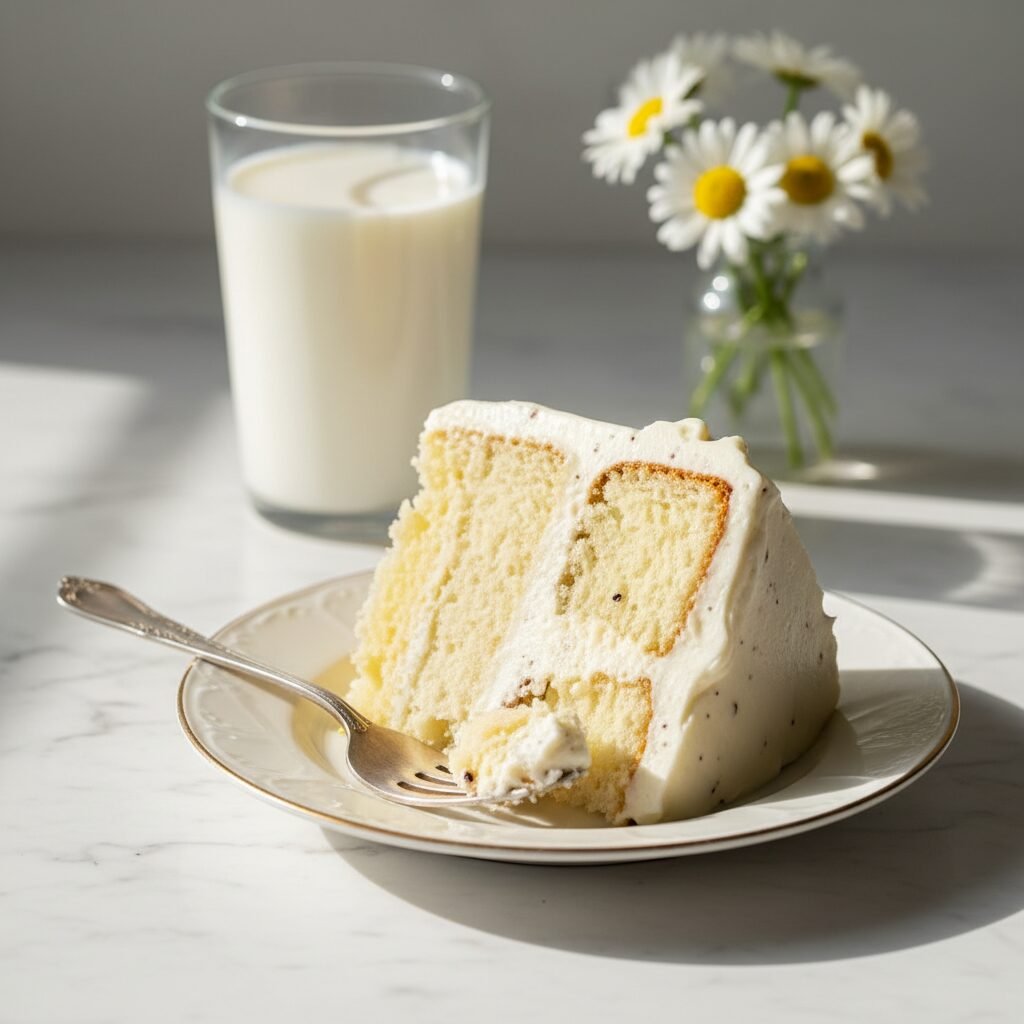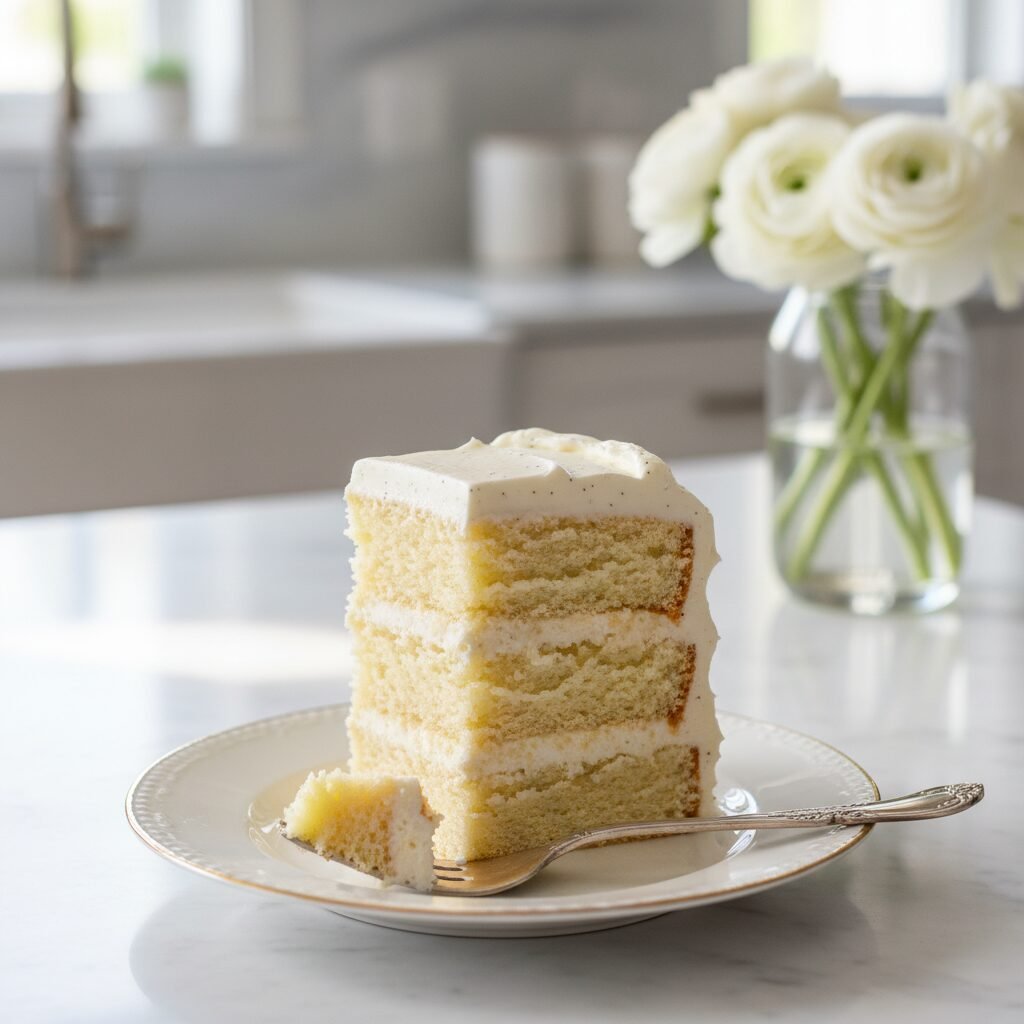
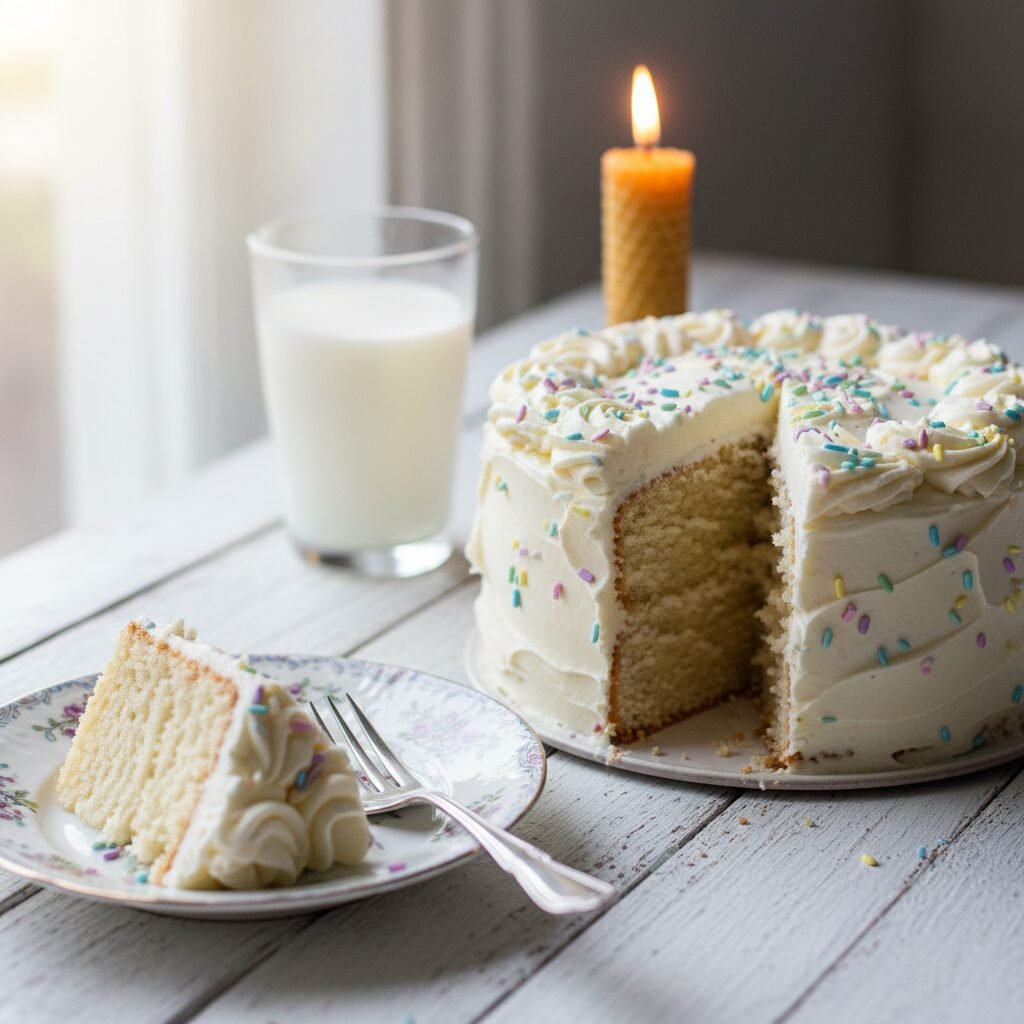
Moist Vanilla Birthday Cake For Two People Recipe
Celebrate intimate moments with this perfectly portioned, incredibly moist vanilla birthday cake designed just for two. Featuring a tender, buttery crumb and luscious buttercream frosting, this small-batch recipe ensures you get the full festive experience without days of leftovers.
20 minutes
25 minutes
45 minutes
2 Generous Servings (one 6-inch cake or two 4-inch cakes)
Dessert
Baking
American
Vegetarian
There is something undeniably magical about a birthday cake. It is the centerpiece of celebration, a symbol of another year well-lived, and a vessel for making wishes. However, for couples, roommates, or best friends, a standard 9-inch layer cake often results in an overwhelming amount of leftovers that stale on the counter before they can be enjoyed. Enter the perfect solution: the Moist Vanilla Birthday Cake For Two. This recipe is not simply a standard cake cut in quarters; it is a carefully re-engineered formula designed to produce a high-ratio cake with a tight, tender crumb and a buttery, aromatic vanilla flavor profile that rivals any high-end bakery.
We often associate baking with abundance, but there is an art to the ‘small batch.’ This cake is designed to be baked in two 4-inch ramekins or a single 6-inch pan, creating a towering, adorable dessert that feels just as special as a full-sized confection. The texture is paramount here—we are aiming for ‘moist’ without being dense, and ‘fluffy’ without being dry. By utilizing sour cream and a precise balance of cake flour to all-purpose flour, we achieve a texture that melts in your mouth. Topped with a velvety American buttercream and a festive shower of sprinkles, this cake turns a quiet evening into a genuine party. Whether it is a birthday, an anniversary, or just a Tuesday that needs brightening, this recipe delivers maximum joy with zero waste.
History & Origins
The concept of the birthday cake has a rich history that traces back centuries, evolving significantly to become the sugary staple we know today. Historians often point to Kinderfest in 15th-century Germany as the precursor to modern birthday parties. These celebrations for children featured a cake, though it was originally a coarser, bread-like product rather than the sweet, fluffy sponge we crave now. It wasn’t until the Industrial Revolution brought advancements in baking powder and refined ingredients that the light, airy cakes of the 19th century emerged.
The specific tradition of the ‘vanilla’ birthday cake gained massive popularity in the United States in the mid-20th century, largely due to the availability of affordable vanilla extract and the rise of boxed cake mixes which standardized the ‘yellow cake with chocolate frosting’ or ‘white cake with vanilla frosting’ archetypes. Vanilla, derived from the orchids of the genus Vanilla, was once a rare luxury, making a vanilla-scented cake a true status symbol of celebration.
In recent years, the ‘small batch’ movement has carved out its own place in culinary history. Driven by shrinking household sizes, a focus on reducing food waste, and the rise of food blogging and social media aesthetics, baking for two has become a legitimate sub-genre of pastry arts. This recipe honors the centuries-old tradition of celebrating life with sweetness while adapting to the modern lifestyle where quality often trumps quantity.
Why This Recipe Works
This recipe succeeds where many small-batch attempts fail because it respects the chemistry of baking on a micro-scale. Simply dividing a standard recipe by four often leads to measurement errors—how do you measure 0.25 of an egg accurately without a scale? This recipe is formulated specifically for this yield, using one whole egg white to provide structure without the drying effect of too much protein, or the heaviness that can come from a whole egg in such a small volume of batter.
The inclusion of sour cream is the secret weapon. Sour cream is acidic, which tenderizes the gluten strands in the flour, resulting in a softer crumb. It also adds fat and moisture that doesn’t evaporate as quickly as water or milk during baking, ensuring the cake stays moist for days. We also use a combination of butter and oil; butter provides that classic nostalgic flavor, while a touch of neutral oil ensures the cake remains soft even when refrigerated. Finally, the reverse creaming method—where fats are worked into the dry ingredients before liquids are added—coats the flour particles in fat, inhibiting gluten formation and guaranteeing a velvety texture.
Why You’ll Love This Recipe
- ✓Perfectly portioned for two people with zero waste.
- ✓Uses sour cream for an incredibly moist and tender crumb.
- ✓Quick baking time compared to standard cakes.
- ✓Versatile base that accepts various extract flavors.
- ✓High-ratio frosting recipe ensures generous coverage.
- ✓No stand mixer required; easily made with a hand mixer.
Equipment You’ll Need
- ✓6-inch round cake pan (or two 4-inch ramekins)
- ✓Electric hand mixer
- ✓Medium mixing bowl
- ✓Small mixing bowl
- ✓Whisk
- ✓Rubber spatula
- ✓Wire cooling rack
- ✓Offset spatula
Ingredients
- ✓6 tbsp All-purpose flour (spooned and leveled)
- ✓2 tbsp Cake flour
- ✓1/2 tsp Baking powder
- ✓1/8 tsp Baking soda
- ✓1/4 tsp Salt
- ✓3 tbsp Unsalted butter, softened
- ✓1/3 cup Granulated sugar
- ✓1 large Egg white, room temperature
- ✓2 tbsp Sour cream, room temperature
- ✓2 tbsp Whole milk, room temperature
- ✓1 tsp Pure vanilla extract
- ✓1/2 cup Unsalted butter (for frosting), softened
- ✓1 1/2 cups Powdered sugar
- ✓1 tbsp Heavy cream
- ✓Pinch of salt
- ✓Rainbow sprinkles (optional)
Instructions
- Preheat your oven to 350°F (175°C). Grease a 6-inch cake pan generously with butter and dust with flour, or line the bottom with parchment paper for easy release.
- In a medium bowl, whisk together the all-purpose flour, cake flour, baking powder, baking soda, and salt. Set aside.
- In a separate mixing bowl using an electric hand mixer, beat the 3 tbsp of softened butter and granulated sugar together on medium-high speed until light and fluffy (about 2-3 minutes).
- Add the egg white and vanilla extract to the butter mixture. Beat on medium speed until fully incorporated and smooth.
- Add the sour cream and mix until combined. Scrape down the sides of the bowl with a rubber spatula.
- Add half of the dry ingredients to the wet mixture and mix on low speed just until streaks of flour disappear.
- Pour in the milk and mix on low, then add the remaining dry ingredients. Mix until just combined. Do not overmix.
- Pour the batter into the prepared pan and smooth the top with a spatula.
- Bake for 22-26 minutes, or until a toothpick inserted into the center comes out clean or with just a few moist crumbs. The top should be pale golden.
- Remove from the oven and let the cake cool in the pan for 10 minutes, then transfer to a wire rack to cool completely before frosting.
- To make the frosting: Beat the 1/2 cup butter on high speed until creamy (2 mins). Gradually add powdered sugar, heavy cream, vanilla, and salt. Beat on high for 3 minutes until fluffy and white.
- Frost the cooled cake generously and top with sprinkles.
Expert Cooking Tips
- ✓Room temperature ingredients are non-negotiable; cold ingredients will cause the batter to curdle.
- ✓If you don’t have cake flour, you can use all-purpose flour mixed with cornstarch (1 cup flour minus 2 tbsp, add 2 tbsp cornstarch).
- ✓Do not open the oven door before the 20-minute mark, or the cake may sink in the middle.
- ✓Weigh your flour if possible; scooping directly with the measuring cup packs too much flour and leads to a dry cake.
- ✓Beat the frosting longer than you think is necessary to get that bakery-style white color and airy texture.
Substitutions and Variations
This recipe is quite adaptable if you need to make swaps. For the flour, if you lack cake flour, use all-purpose flour but remove one teaspoon and replace it with cornstarch for every quarter cup used. You can substitute the sour cream with full-fat Greek yogurt (plain) in a 1:1 ratio; the tang and fat content are similar enough to maintain the texture. If you prefer a ‘yellow’ cake flavor, you can use one whole egg yolk instead of the egg white, though the texture will be slightly denser. For the milk, any dairy milk works, but whole milk is best for fat content; almond or oat milk can be used but may slightly alter the richness. In the frosting, you can swap vanilla extract for almond extract or lemon juice for a different flavor profile.
Common Mistakes to Avoid
The most common mistake is overmixing the batter after adding the flour. Once the flour hits the liquid, gluten begins to form. If you mix too vigorously, you will end up with a rubbery, tough cake rather than a tender one. Another error is using melted butter instead of softened butter; creaming requires solid (but soft) fat to trap air bubbles. Using a pan that is too large (like an 8-inch pan) will result in a thin, dry pancake-like disc because the batter will spread too thin and overcook quickly. Finally, frosting the cake before it is 100% cool will result in a melted, sliding mess of buttercream.
Serving Suggestions
This cake is best served on a cute, small cake stand or a decorative dessert plate to highlight its petite nature. It pairs beautifully with a glass of cold milk, a scoop of strawberry ice cream, or a hot cup of Earl Grey tea to balance the sweetness. For a romantic touch, garnish with fresh edible flowers or fresh berries instead of sprinkles. If you baked it in a 6-inch pan, slice it right down the middle for two massive semi-circle slices, or cut into four smaller wedges if you want to save some for later.
Storage and Reheating Tips
Since this is a small batch, leftovers are rare, but if you have them, storage is easy. The frosted cake can be kept at room temperature under a cake dome or in an airtight container for up to 2 days. The sugar and fat in the frosting act as a barrier, keeping the cake moist. For longer storage, refrigerate the cake for up to 4 days, but be sure to let it come to room temperature for at least 30 minutes before eating, as cold butter-based cakes can feel firm. You can also freeze slices of the cake (frosted or unfrosted) wrapped tightly in plastic wrap and foil for up to 1 month.
Nutrition Facts (Estimated)
| Serving Size | 1/2 Cake |
| Calories | 580 |
| Fat | 32g |
| Saturated Fat | 18g |
| Unsaturated Fat | 12g |
| Trans Fat | 0.5g |
| Cholesterol | 85mg |
| Sodium | 320mg |
| Carbohydrates | 68g |
| Fiber | 1g |
| Sugar | 45g |
| Protein | 5g |
Frequently Asked Questions
Can I double this recipe for a 4-person cake?
Yes, you can double the ingredients exactly and bake it in two 6-inch pans to make a layer cake, or one 8-inch pan. Adjust baking time accordingly, checking around the 25-minute mark.
Why did my cake sink in the middle?
Sinking usually happens if the oven door was opened too early, letting heat escape, or if the batter was over-leavened (too much baking powder/soda). It can also happen if the cake was underbaked.
Can I make this into cupcakes?
Absolutely. This batter will make approximately 3-4 standard cupcakes. Bake at 350°F for 15-18 minutes.
Do I have to use vanilla bean paste?
No, regular high-quality vanilla extract works perfectly. Vanilla bean paste just adds those lovely visual specks and a slightly more intense flavor.
Can I use salted butter?
Yes, if you use salted butter, just omit the 1/4 tsp of added salt in the dry ingredients to avoid an overly salty cake.
How do I know when the butter is ‘softened’?
You should be able to press your finger into the butter and leave an indent without it feeling greasy or melting. It should be cool to the touch, about 65°F.
Can I make this gluten-free?
Yes, replace the all-purpose and cake flour with a high-quality 1:1 Gluten-Free Baking Flour blend that contains xanthan gum.
Why is my frosting gritty?
Gritty frosting usually means the powdered sugar wasn’t sifted before mixing, or it wasn’t beaten long enough. Add a teaspoon more cream and beat on high for another minute.
Can I use oil instead of butter in the cake?
You can, but you will lose the buttery flavor. If you do, use a neutral oil like canola. The texture will be very soft but the structure might be slightly weaker.
What kind of sprinkles should I use?
For baking inside the batter (funfetti style), use ‘jimmies’ (the long cylinder ones). For topping, any sprinkles work, but nonpareils (tiny balls) add a nice crunch.
Conclusion
Baking doesn’t always have to be a grand production meant for a crowd. This Moist Vanilla Birthday Cake For Two proves that the best things really do come in small packages. It captures all the nostalgia, flavor, and joy of a traditional birthday party but packages it into an intimate, manageable, and utterly delicious experience. Whether you are celebrating a partner, a friend, or simply treating yourself because you deserve it, this recipe is your ticket to instant happiness. So grab your mixing bowl, preheat the oven, and get ready to enjoy the best vanilla cake you’ve ever had—no sharing required (unless you want to).