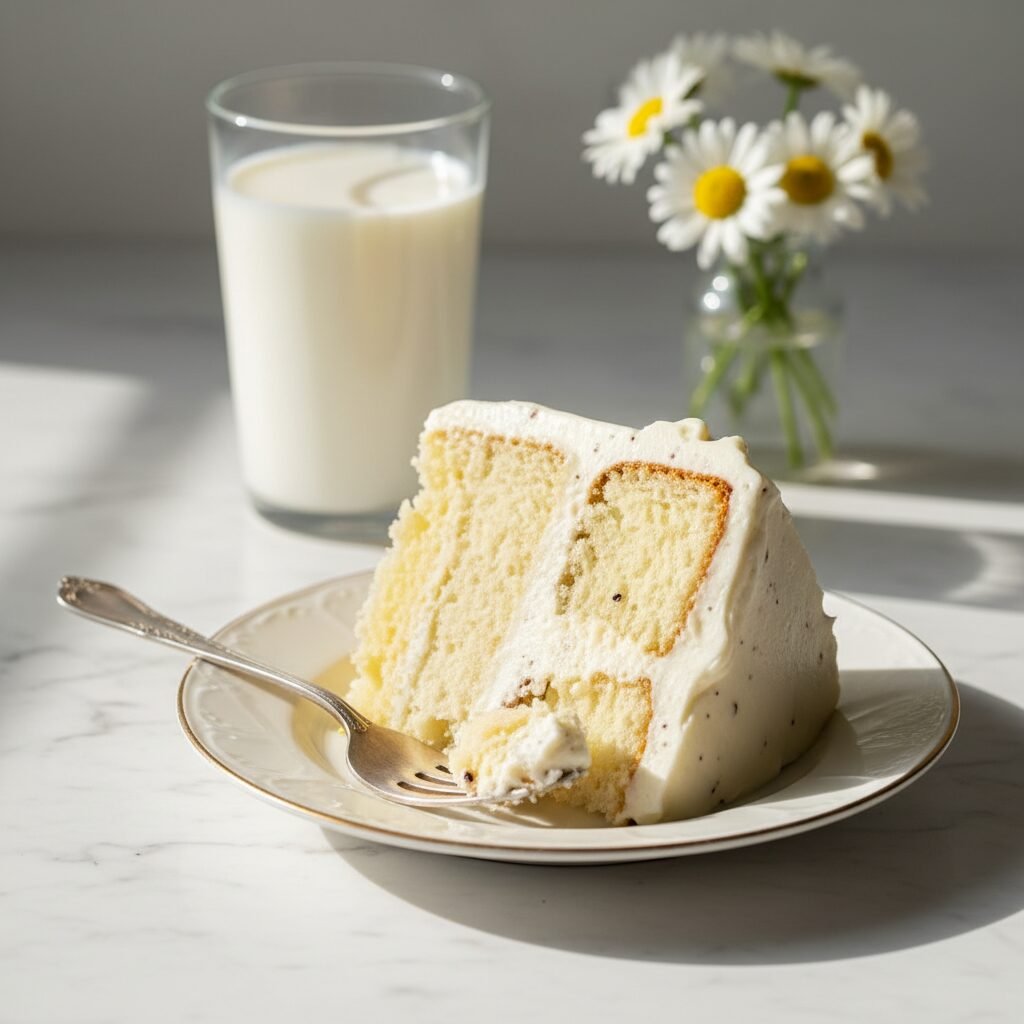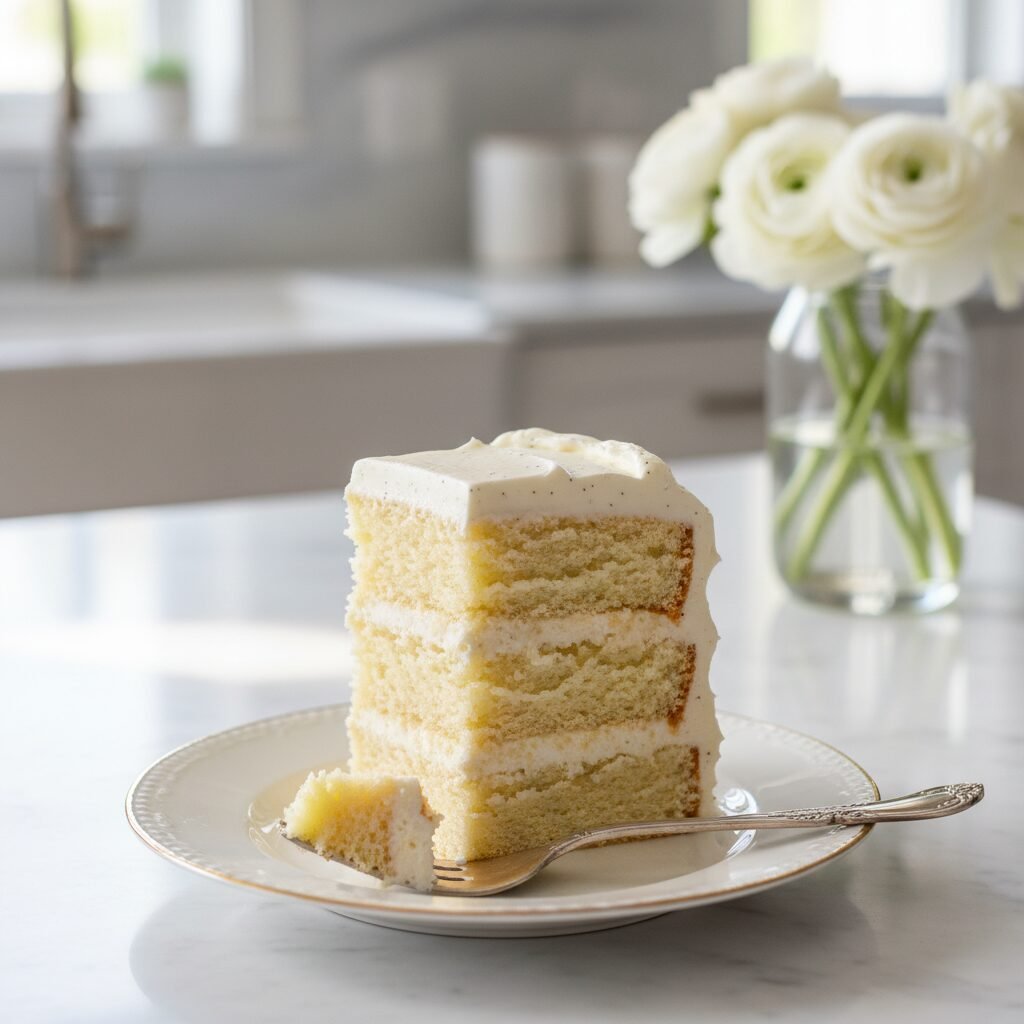

Moist Yellow Sheet Cake With Whipped Cream Frosting Recipe
Experience the nostalgia of a classic birthday party with this incredibly tender, buttery yellow sheet cake topped with a cloud-like whipped cream frosting. It is the perfect balance of rich vanilla flavor and airy texture, designed to feed a crowd and please every palate.
25 minutes
30 minutes
55 minutes (plus cooling)
12-15 servings
Dessert
Baking
American
Vegetarian
There is something undeniably comforting about a classic yellow cake. It is the quintessential dessert of American childhoods, the centerpiece of countless birthday parties, and the reliable comfort food that never goes out of style. But let’s be honest: finding a homemade recipe that rivals the impossible moistness of a box mix while delivering the superior flavor of scratch baking is a challenge. Many homemade yellow cakes turn out dry, dense, or lacking in that signature buttery vanilla punch. That ends today. This Moist Yellow Sheet Cake with Whipped Cream Frosting is the result of endless testing to achieve the holy grail of cake textures: a plush, velvety crumb that melts in your mouth, supported by a robust structure that doesn’t crumble into a mess when you slide a fork through it.
What sets this recipe apart is the harmonious marriage of the cake base and the topping. While buttercream is the standard go-to, it can often be cloyingly sweet, overpowering the delicate vanilla notes of the sponge. Here, we opt for a stabilized whipped cream frosting—light, ethereal, and just sweet enough. It creates a textural contrast that feels sophisticated yet entirely approachable. The cake itself owes its golden hue and richness to a specific blend of butter for flavor and oil for lasting moisture, along with plenty of egg yolks. Whether you are baking for a summer potluck, a festive birthday, or just a Tuesday night craving, this sheet cake is designed to be foolproof and utterly delicious. It’s time to put down the box mix and embrace the magic of baking from scratch with a recipe that actually delivers on its promises.
History & Origins
The history of the yellow cake is deeply intertwined with the evolution of modern baking in the United States. Before the mid-19th century, cakes were primarily yeast-raised or relied heavily on beaten egg whites for leavening, resulting in sponge-like textures. The game-changer was the invention of chemical leaveners like baking powder in the mid-1800s. This innovation allowed home cooks to produce ‘butter cakes’ with a finer, more consistent crumb without hours of manual labor. The term ‘yellow cake’ specifically refers to a butter cake that utilizes whole eggs or extra egg yolks, distinguishing it from the ‘white cake’ which uses only egg whites to maintain a pale, snowy appearance.
Sheet cakes, specifically, rose to prominence in the mid-20th century alongside the suburban boom and the popularity of aluminum bakeware. The 9×13 inch pan became a standard fixture in American kitchens, perfect for the growing culture of potlucks, church socials, and backyard barbecues. Unlike elaborate layer cakes that required structural integrity and careful frosting techniques, the sheet cake was egalitarian and practical. It could be baked, frosted, and transported all in the same vessel. During the post-war era, the ‘birthday cake’ archetype solidified as a yellow cake with chocolate frosting, but regional variations often favored lighter toppings. The combination of yellow cake with whipped cream frosting nods to a lighter, fresher palate, often associated with summer gatherings where heavy buttercreams might feel too rich. Today, this dessert stands as a culinary icon—a testament to the simple pleasure of butter, sugar, and vanilla.
Why This Recipe Works
This recipe succeeds where others fail because it scientifically addresses the two main complaints about homemade yellow cake: dryness and lack of flavor. First, we use a ‘hybrid fat’ method. Butter is essential for that distinct, milky flavor that oil simply cannot replicate. However, butter is about 18-20% water, which evaporates during baking and can lead to a drier crumb. Oil is 100% fat and remains liquid at room temperature, coating the flour proteins to inhibit gluten formation and keeping the cake moist for days. By using both, we get the best of both worlds: the taste of butter and the texture of oil.
Secondly, the use of buttermilk is crucial. The acidity in buttermilk reacts with the baking soda to create carbon dioxide, giving the cake a superior lift, while also breaking down long gluten strands to ensure a tender, soft bite. We also use a combination of whole eggs and extra yolks. The yolks act as an emulsifier, creating a smooth, cohesive batter, and they add fat and color, contributing to that classic ‘yellow’ look without artificial dyes. Finally, the whipped cream frosting is stabilized. Regular whipped cream can weep or deflate over time. By incorporating a small amount of stabilized ingredients (like mascarpone cheese or a touch of gelatin/pudding mix as noted in the tips), the frosting holds its shape and creates a luxurious, creamy mouthfeel that pairs perfectly with the soft cake.
Why You’ll Love This Recipe
- ✓Incredibly moist texture thanks to a butter-oil blend.
- ✓Rich, authentic vanilla flavor using real extract and buttermilk.
- ✓Light, airy whipped cream frosting that isn’t too sweet.
- ✓Feeds a crowd easily using a standard 9×13 pan.
- ✓Better than box mix with no artificial aftertaste.
- ✓Stays soft for days, making it perfect for making ahead.
Equipment You’ll Need
- ✓9×13 inch baking pan
- ✓Electric stand mixer or hand mixer
- ✓Large mixing bowls
- ✓Whisk
- ✓Rubber spatula
- ✓Measuring cups and spoons
- ✓Wire cooling rack
- ✓Offset spatula
Ingredients
- ✓2 1/2 cups All-purpose flour (spooned and leveled)
- ✓1 1/2 cups Granulated sugar
- ✓2 tsp Baking powder
- ✓1/2 tsp Baking soda
- ✓1/2 tsp Salt
- ✓1/2 cup Unsalted butter, softened to room temperature
- ✓1/4 cup Vegetable oil or canola oil
- ✓3 Large eggs, room temperature
- ✓2 Large egg yolks, room temperature
- ✓1 tbsp Pure vanilla extract
- ✓1 cup Buttermilk, room temperature
- ✓2 cups Heavy whipping cream, cold (For the frosting)
- ✓1/2 cup Powdered sugar (For the frosting)
- ✓1 tsp Vanilla extract (For the frosting)
- ✓1/4 cup Mascarpone cheese or cream cheese, softened (Optional stabilizer)
Instructions
- Preheat your oven to 350°F (175°C). Grease a 9×13 inch baking pan generously with butter or non-stick spray, and line the bottom with parchment paper for easy removal if desired.
- In a medium bowl, whisk together the flour, baking powder, baking soda, and salt until well combined. Set aside.
- In the bowl of a stand mixer fitted with the paddle attachment (or a large bowl with a hand mixer), beat the softened butter, oil, and granulated sugar on medium-high speed for about 3-4 minutes. The mixture should look pale and fluffy.
- Add the eggs and egg yolks one at a time, beating well after each addition. Scrape down the sides of the bowl as needed. Mix in the 1 tablespoon of vanilla extract.
- Reduce the mixer speed to low. Add the dry ingredients in three parts, alternating with the buttermilk in two parts, starting and ending with the flour mixture. Mix only until just combined—do not overmix.
- Pour the batter into the prepared baking pan and smooth the top with an offset spatula or the back of a spoon.
- Bake for 28-32 minutes, or until a toothpick inserted into the center comes out clean or with just a few moist crumbs attached. The cake should spring back lightly when touched.
- Remove the cake from the oven and place the pan on a wire rack. Allow the cake to cool completely in the pan. This is crucial; if the cake is warm, the whipped cream will melt.
- While the cake cools, prepare the frosting. chill your mixing bowl and whisk attachment in the freezer for 10 minutes.
- In the chilled bowl, combine the cold heavy cream, powdered sugar, and vanilla extract (and mascarpone if using). Beat on medium-high speed until medium-to-stiff peaks form. Be careful not to overbeat into butter.
- Once the cake is completely cool, spread the whipped cream frosting evenly over the top using an offset spatula.
- Slice into squares and serve immediately, or refrigerate until ready to serve.
Expert Cooking Tips
- ✓Room temperature ingredients are non-negotiable. Cold eggs or buttermilk can cause the batter to curdle, affecting the rise.
- ✓Do not overmix the batter once the flour is added. Overmixing develops gluten, leading to a tough, dense cake.
- ✓Measure flour correctly by spooning it into the measuring cup and leveling it off. Scooping directly packs the flour and dries out the cake.
- ✓Chill your bowl and beaters before making the whipped cream to get the maximum volume and stability.
- ✓If you don’t have buttermilk, make a substitute by adding 1 tablespoon of lemon juice or vinegar to a cup of milk and letting it sit for 5 minutes.
- ✓Use an oven thermometer to ensure your oven is actually at 350°F; variations in temperature can cause uneven baking.
- ✓For the yellowest color without artificial dyes, choose eggs with deep orange yolks, often found in pasture-raised brands.
Substitutions and Variations
This recipe is quite versatile if you need to make swaps. For the flour, cake flour can be used for an even lighter crumb; use 2 3/4 cups of cake flour to replace the all-purpose flour. If you are gluten-free, a high-quality 1:1 gluten-free baking flour blend works reasonably well, though the texture will be slightly different. For the fats, you can use melted coconut oil instead of vegetable oil, but it will impart a slight coconut flavor. If you need to avoid dairy in the cake, you can use a plant-based butter and almond milk with vinegar (as a buttermilk sub), but the texture will be less rich. For the frosting, a dairy-free coconut whipped cream is a great alternative. Simply chill a can of full-fat coconut milk, scoop out the solids, and whip with powdered sugar. If you prefer a sweeter, more stable frosting than whipped cream, a classic American buttercream or a cream cheese frosting pairs beautifully with yellow cake as well.
Common Mistakes to Avoid
The most common mistake with yellow cake is over-baking. Because the cake continues to cook slightly in the hot pan after being removed from the oven, you should pull it out when a few moist crumbs still cling to the toothpick. If the toothpick is bone dry, the cake will likely be dry too. Another error is rushing the cooling process. Whipped cream is extremely temperature-sensitive. If the cake is even slightly warm to the touch, the frosting will slide right off and turn into a liquid puddle. Additionally, using salted butter instead of unsalted can throw off the flavor balance; if you only have salted butter, reduce the added salt in the recipe to 1/4 teaspoon. Finally, failing to scrape the bottom of the mixing bowl results in streaks of unmixed butter or flour, creating uneven textures in the baked cake.
Serving Suggestions
This cake is a blank canvas perfect for dressing up. Serve slices with a side of fresh berries—strawberries, raspberries, or blueberries add a tart contrast to the sweet cream. A drizzle of salted caramel sauce or chocolate ganache over the top turns it into a decadent treat. For a summer twist, garnish with edible flowers or fresh mint leaves. Beverage-wise, this cake pairs classically with a cold glass of milk, but it is equally delightful with a hot cup of coffee or a light Earl Grey tea to cut through the richness.
Storage and Reheating Tips
Because of the whipped cream frosting, this cake must be stored in the refrigerator. Cover the pan tightly with plastic wrap or a lid to prevent the cake from absorbing fridge odors and drying out. It will keep fresh for up to 3-4 days. If you anticipate leftovers, you might want to frost only the slices you plan to eat immediately, as the un-frosted cake can be stored at room temperature for 2 days, staying moister than it would in the fridge. To freeze, it is best to freeze the cake unfrosted. Wrap the cooled cake layers in plastic wrap and then foil, and freeze for up to 3 months. Thaw at room temperature before frosting. If you must freeze it frosted, flash freeze the slices on a baking sheet until hard, then wrap individually.
Nutrition Facts (Estimated)
| Serving Size | 1 slice (1/15th of cake) |
| Calories | 340 |
| Fat | 18g |
| Saturated Fat | 10g |
| Unsaturated Fat | 8g |
| Trans Fat | 0g |
| Cholesterol | 85mg |
| Sodium | 210mg |
| Carbohydrates | 38g |
| Fiber | 0.5g |
| Sugar | 22g |
| Protein | 4g |
Frequently Asked Questions
Can I make this recipe into cupcakes?
Yes, absolutely. This batter works well for cupcakes. Line a muffin tin with paper liners and fill them about 2/3 full. Bake at 350°F for 18-22 minutes. This recipe yields approximately 24 standard cupcakes.
Why did my cake sink in the middle?
Sinking usually happens if the oven door was opened too early, causing a sudden temperature drop, or if there was too much leavening (baking powder/soda). Ensure you measure precisely and resist the urge to check the cake before the 25-minute mark.
How do I stabilize the whipped cream frosting?
The recipe suggests adding mascarpone cheese, which works wonderfully. Alternatively, you can add 1 tablespoon of instant vanilla pudding mix or 1 teaspoon of unflavored gelatin dissolved in water to the heavy cream before whipping.
Can I use salted butter?
Yes, but you should reduce the added salt in the recipe. If using salted butter, cut the salt down to 1/4 teaspoon to prevent the cake from tasting savory.
My batter looks curdled after adding the eggs. Is it ruined?
No, it is not ruined. This often happens if the eggs or buttermilk were too cold. The batter will come back together once you add the flour. Just continue with the recipe.
Can I bake this in round pans?
Yes, this recipe yields enough batter for two 8-inch or 9-inch round cake pans. You will need to adjust the baking time to approximately 25-30 minutes.
How do I get my cake to be really yellow?
The yellow color comes from the egg yolks and butter. For a deeper yellow, use high-quality eggs with orange yolks (often pasture-raised). Avoid adding food coloring as it’s unnecessary and can look artificial.
Can I use regular milk instead of buttermilk?
You can, but the texture won’t be as tender. Buttermilk’s acidity breaks down gluten. If you use regular milk, make a ‘sour milk’ substitute by adding 1 tablespoon of vinegar or lemon juice to 1 cup of milk.
Conclusion
In a world of complicated desserts and trendy flavors, this Moist Yellow Sheet Cake with Whipped Cream Frosting stands as a testament to the power of simplicity executed perfectly. It brings together the nostalgic warmth of a traditional butter cake with the sophisticated lightness of fresh cream. Whether you are celebrating a milestone or simply celebrating the weekend, this cake delivers joy in every bite. It’s reliable, delicious, and destined to become a requested favorite in your recipe repertoire. So preheat that oven, whip up that cream, and get ready to enjoy a slice of pure, homemade happiness.