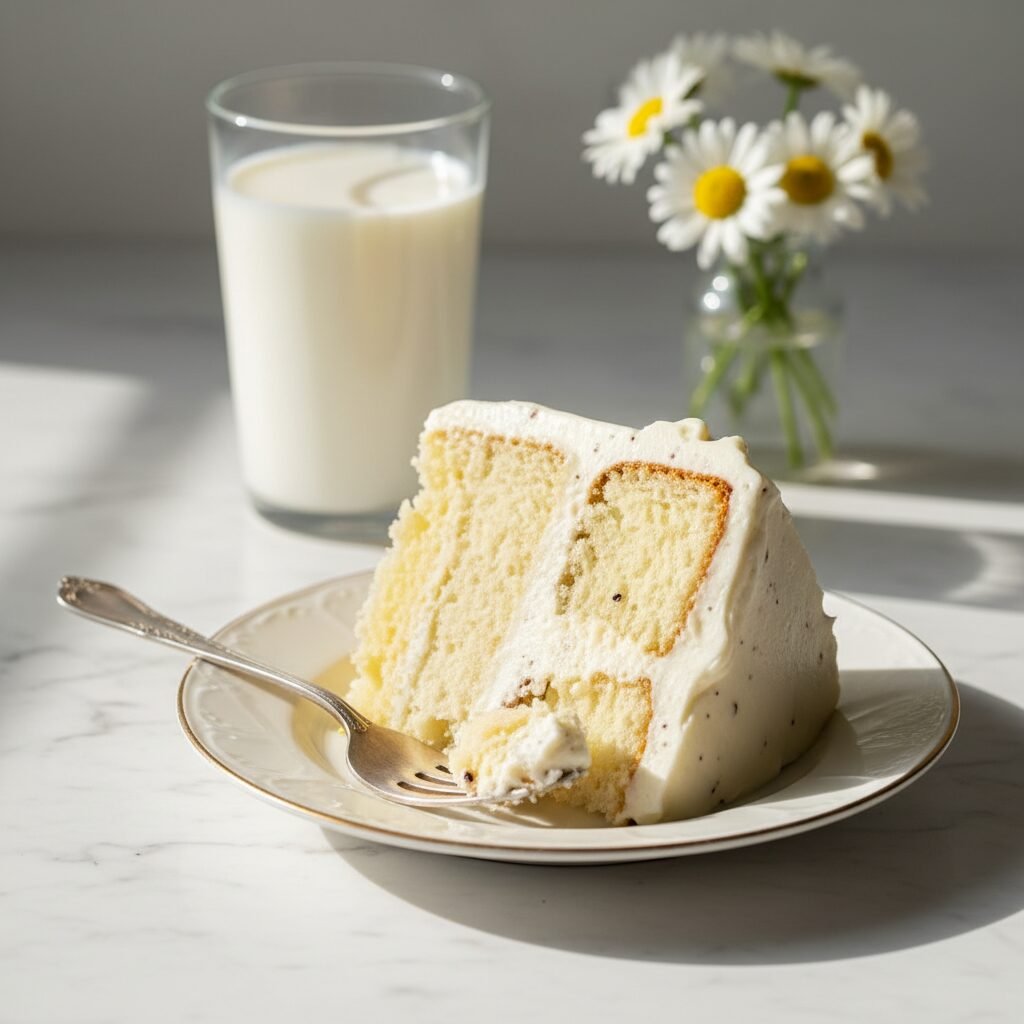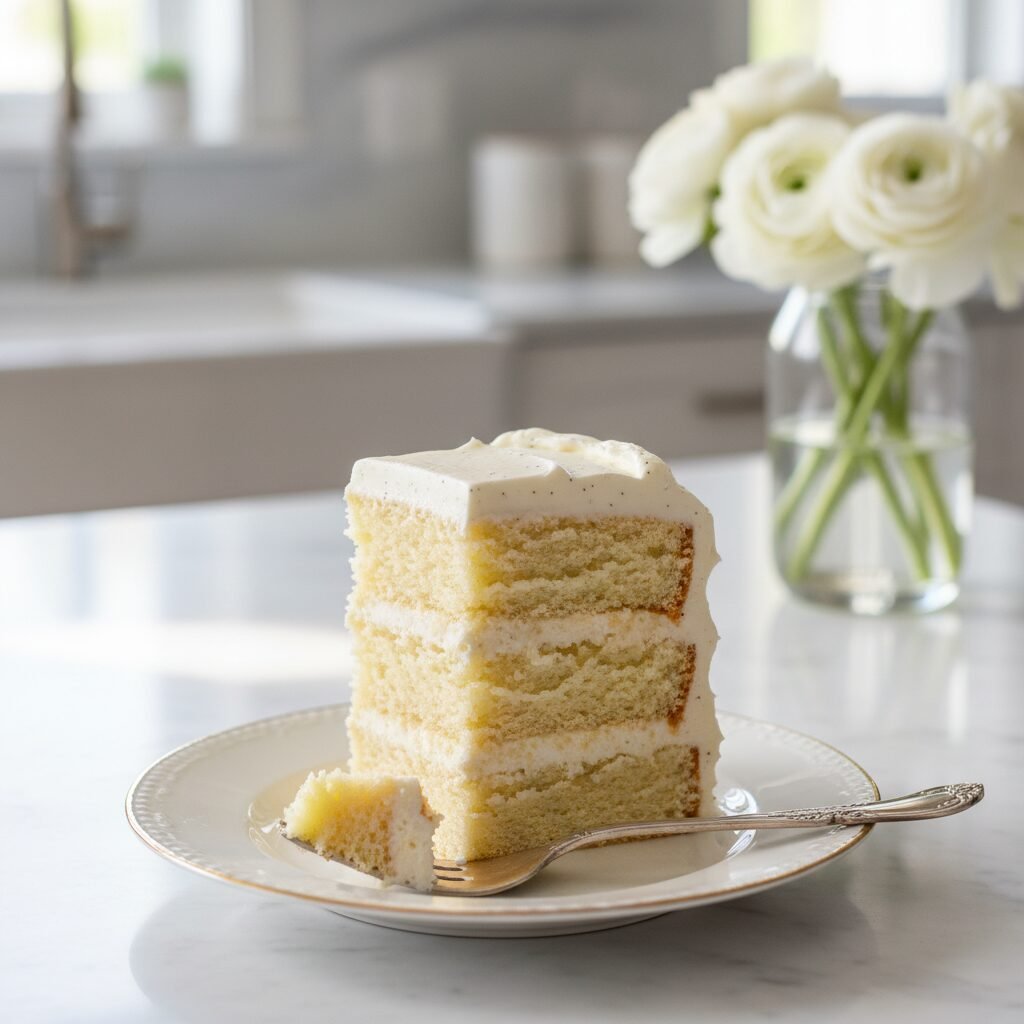

Moist Yellow Sheet Cake With Cream Cheese Frosting Recipe
Discover the secret to the perfect birthday cake with this incredibly moist yellow sheet cake recipe. Paired with a tangy, velvety cream cheese frosting, this classic dessert is easy to bake, feeds a crowd, and tastes like pure nostalgia on a plate.
25 minutes
35 minutes
1 hour 15 minutes (includes cooling)
12-15 servings
Dessert
Baking
American
Vegetarian
There is something undeniably magical about a classic yellow cake. It is the quintessential flavor of celebration, the centerpiece of childhood birthday parties, and the comfort food that never fails to bring a smile to anyone’s face. But not all yellow cakes are created equal. Too often, they can turn out dry, dense, or lacking that signature buttery richness that distinguishes a homemade masterpiece from a boxed mix. This recipe for Moist Yellow Sheet Cake with Cream Cheese Frosting is the result of years of testing to find the perfect balance of texture and flavor. We are talking about a crumb that is tender and plush, moist enough to stay fresh for days, yet sturdy enough to hold up to a thick, swooping layer of frosting.
The beauty of a sheet cake lies in its simplicity. There is no need for precarious stacking, leveling of layers, or complex crumb coats. It is a bake-and-serve marvel that looks effortlessly chic right in the pan, especially when adorned with colorful sprinkles or fresh berries. The flavor profile here is a deep, aromatic vanilla coupled with the richness of butter and the tenderness provided by buttermilk. When you pair this sweet, golden base with the slight tang of a homemade cream cheese frosting, you create a harmony of flavors that cuts through the sugar and keeps you coming back for ‘just one more thin slice.’ Whether you are baking for a potluck, a picnic, or a Tuesday night treat, this cake is designed to be your go-to standard for excellence.
History & Origins
The history of the yellow cake is deeply intertwined with the evolution of baking in America. Before the mid-19th century, most cakes were yeast-leavened or relied on the arduous task of beating eggs for extended periods to create lift, resulting in sponge-like textures. The game-changer was the invention of chemical leaveners like baking powder in the mid-1800s, which allowed home cooks to create ‘butter cakes’ with a finer, more reliable crumb. The term ‘yellow cake’ specifically refers to a cake that uses whole eggs, and often extra yolks, to achieve its golden hue and rich custard-like flavor, distinguishing it from the egg-white-only ‘white cake’ which was often reserved for weddings.
The concept of the ‘sheet cake’ gained massive popularity in the mid-20th century, coinciding with the post-war suburban boom. As neighborhood gatherings, church potlucks, and school functions became central to social life, the need for a cake that was easy to transport and could serve a multitude of people became apparent. The 9×13 inch pan became a staple in American kitchens, and the sheet cake became the queen of convenient hospitality. Cream cheese frosting, while often associated with carrot cake or red velvet, began to find its way onto other cakes due to its stability and delicious tang, offering a sophisticated alternative to the standard sugary American buttercream. Today, this combination represents a timeless slice of Americana, bridging the gap between old-world baking techniques and modern convenience.
Why This Recipe Works
This recipe succeeds where others fail due to a specific combination of fats and liquids. Many recipes rely solely on butter, which provides excellent flavor but can lead to a drier texture once the cake cools because butter is solid at room temperature. This recipe uses a hybrid approach: we use unsalted butter for that unmistakable flavor and combine it with a neutral oil (like vegetable or canola). The oil remains liquid at room temperature, ensuring the cake stays incredibly moist and soft for days.
Furthermore, we utilize buttermilk rather than regular milk. The acidity in the buttermilk does two important things: it breaks down the long strands of gluten in the flour, resulting in a much more tender crumb, and it reacts with the baking soda to provide a superior lift. We also use a mix of whole eggs and additional egg yolks. The extra yolks add fat and emulsifiers (lecithin), which contribute to the cake’s rich, velvety mouthfeel and deep golden color without making it heavy. Finally, the ‘reverse creaming’ method—or a modified version where dry ingredients are mixed first—can be used, but even with standard creaming, ensuring the ingredients are at room temperature allows for a perfect emulsion, trapping air for a light, fluffy texture that doesn’t collapse.
Why You’ll Love This Recipe
- ✓Incredibly moist texture thanks to a butter-oil blend.
- ✓Rich, custard-like vanilla flavor from extra egg yolks.
- ✓Tangy, smooth cream cheese frosting that balances the sweetness.
- ✓No-fuss decoration; effortless sheet pan presentation.
- ✓Stays soft and fresh for up to 3 days.
- ✓Perfect for feeding large crowds or potlucks.
Equipment You’ll Need
- ✓9×13 inch baking pan
- ✓Stand mixer or electric hand mixer
- ✓Large mixing bowls
- ✓Whisk
- ✓Rubber spatula
- ✓Measuring cups and spoons
- ✓Wire cooling rack
- ✓Offset spatula for frosting
Ingredients
- ✓2 1/2 cups All-purpose flour (or cake flour for lighter crumb)
- ✓2 1/2 tsp Baking powder
- ✓1/2 tsp Baking soda
- ✓1 tsp Salt
- ✓3/4 cup Unsalted butter, softened to room temperature
- ✓1/4 cup Vegetable oil (or canola oil)
- ✓1 3/4 cups Granulated sugar
- ✓3 Large eggs, room temperature
- ✓2 Large egg yolks, room temperature
- ✓1 tbsp Pure vanilla extract
- ✓1 cup Buttermilk, room temperature
- ✓8 oz Full-fat cream cheese, block style, softened (Frosting)
- ✓1/2 cup Unsalted butter, softened (Frosting)
- ✓3 1/2 cups Powdered sugar, sifted (Frosting)
- ✓1 tsp Vanilla extract (Frosting)
- ✓Pinch of salt (Frosting)
- ✓Sprinkles (optional, for garnish)
Instructions
- Preheat your oven to 350°F (175°C). Grease a 9×13 inch baking pan generously with butter or non-stick spray, and optionally line the bottom with parchment paper for easy removal.
- In a medium bowl, whisk together the flour, baking powder, baking soda, and salt until well combined. Set aside.
- In the bowl of a stand mixer fitted with the paddle attachment (or a large bowl with a hand mixer), beat the softened butter, oil, and granulated sugar on medium-high speed for about 3-5 minutes. The mixture should look pale, fluffy, and aerated.
- Add the eggs one at a time, beating well after each addition. Then add the extra egg yolks and the vanilla extract. Scrape down the sides and bottom of the bowl to ensure everything is incorporated.
- Reduce the mixer speed to low. Add the dry ingredients in three parts, alternating with the buttermilk in two parts (Dry, Buttermilk, Dry, Buttermilk, Dry). Mix only until just combined and no streaks of flour remain. Do not overmix.
- Pour the batter into the prepared baking pan and smooth the top with a spatula.
- Bake for 30-35 minutes, or until a toothpick inserted into the center comes out clean or with just a few moist crumbs attached. The top should be golden brown.
- Remove the cake from the oven and place the pan on a wire rack. Allow the cake to cool completely in the pan before frosting. This usually takes about 1 to 1.5 hours.
- While the cake cools, make the frosting. In a large bowl, beat the softened cream cheese and butter together on medium-high speed until completely smooth and creamy (about 3 minutes).
- Reduce speed to low and gradually add the sifted powdered sugar, one cup at a time. Once incorporated, add the vanilla and a pinch of salt. Increase speed to high and whip for 2 minutes until fluffy.
- Once the cake is fully cool, dollop the frosting over the top. Use an offset spatula to spread it evenly to the edges. Top with sprinkles if desired.
- Slice into squares and serve immediately.
Expert Cooking Tips
- ✓Room temperature ingredients are non-negotiable. Cold eggs or buttermilk can curdle the batter and prevent proper aeration.
- ✓If you don’t have buttermilk, make a substitute by adding 1 tablespoon of white vinegar or lemon juice to a cup of whole milk and letting it sit for 5 minutes.
- ✓Weigh your flour if possible (approx. 120g per cup) or use the spoon-and-level method to avoid a dense cake.
- ✓Don’t open the oven door too early; waiting until at least the 25-minute mark prevents the center from sinking.
- ✓Sifting the powdered sugar for the frosting ensures a silky smooth texture without gritty lumps.
- ✓For extra flat layers, you can use cake strips around the outside of the pan, though for a sheet cake, a slight dome is acceptable.
Substitutions and Variations
This recipe is quite adaptable. If you need to make it gluten-free, a high-quality 1:1 gluten-free baking flour blend works surprisingly well, though the texture may be slightly less fluffy. For the fat, you can use all butter if you prefer, but the oil really helps with moisture retention; conversely, melted coconut oil can replace the vegetable oil for a subtle tropical hint. If you are out of buttermilk, a mix of 50% plain Greek yogurt and 50% milk is a fantastic alternative that keeps the tang and thickness. For the frosting, if cream cheese isn’t your favorite, a standard chocolate buttercream or a Swiss meringue buttercream pairs beautifully with the yellow cake base. You can also swap the vanilla extract for almond extract in the cake batter for a ‘wedding cake’ flavor profile.
Common Mistakes to Avoid
The most common mistake is overmixing the batter once the flour is added. This develops the gluten too much and results in a tough, rubbery cake rather than a tender one. Another frequent error is frosting the cake while it is still slightly warm. Even a hint of warmth will cause the butter and cream cheese in the frosting to melt, leading to a soupy, sliding mess. Additionally, using tub cream cheese (spreadable) instead of block cream cheese for the frosting will result in a runny consistency; always use the brick type. Finally, older baking powder can fail to rise properly, so ensure your leavening agents are fresh.
Serving Suggestions
This cake is a versatile crowd-pleaser. Serve it simply in the pan for a casual barbecue or potluck. For a more elegant presentation, you can lift the whole cake out using parchment paper and place it on a large rectangular platter. It pairs wonderfully with fresh fruit like sliced strawberries or raspberries to cut through the sweetness. A scoop of vanilla bean ice cream on the side is never a bad idea. For beverages, cold milk is the classic partner, but it also goes beautifully with hot coffee or an Earl Grey tea.
Storage and Reheating Tips
Because of the cream cheese frosting, this cake should ideally be stored in the refrigerator if you aren’t serving it within a few hours, especially in warm weather. It can stay at cool room temperature for up to 4-6 hours. In the fridge, cover the pan tightly with plastic wrap or a lid; it will keep for up to 5 days. Note that the cold will firm up the butter in the cake, making it feel denser, so it is best to let slices sit at room temperature for 20 minutes before eating to regain that soft texture. You can also freeze individual slices wrapped in plastic wrap and foil for up to 3 months.
Nutrition Facts (Estimated)
| Serving Size | 1 slice |
| Calories | 480 |
| Fat | 26g |
| Saturated Fat | 14g |
| Unsaturated Fat | 10g |
| Trans Fat | 0g |
| Cholesterol | 85mg |
| Sodium | 290mg |
| Carbohydrates | 58g |
| Fiber | 1g |
| Sugar | 38g |
| Protein | 5g |
Frequently Asked Questions
Can I make this cake ahead of time?
Yes! You can bake the cake a day in advance. Keep it covered at room temperature overnight and frost it the next day, or frost it and refrigerate it. Just remember to bring it to room temperature before serving for the best texture.
Why did my cake sink in the middle?
Sinking usually happens if the oven door was opened too early, letting heat escape, or if the cake was underbaked. It can also be caused by too much leavening (baking powder/soda) or over-beating the eggs.
Can I bake this in round pans instead?
Absolutely. This recipe fits perfectly into two 8-inch or 9-inch round cake pans. You will need to adjust the baking time to approximately 25-30 minutes.
Is cake flour better than all-purpose flour?
Cake flour has less protein, which yields a finer, more delicate crumb. However, this recipe is formulated for all-purpose flour to be pantry-friendly. If you use cake flour, do not substitute 1:1 by volume; check a conversion chart, as cake flour is lighter.
My frosting is too runny, what do I do?
If your frosting is runny, your butter or cream cheese might have been too warm (melted) or you used tub cream cheese. Try refrigerating the bowl for 20 minutes and re-whipping. You can also add more powdered sugar to stiffen it.
Can I reduce the sugar?
Sugar provides moisture and structure, not just sweetness. Reducing it significantly will alter the texture, making the cake drier and more bread-like. We recommend sticking to the recipe for the cake, but you can reduce sugar in the frosting to taste.
Why do I need room temperature ingredients?
Room temperature ingredients emulsify (blend) together much better than cold ones. This creates a uniform batter that traps air bubbles, leading to a lighter, fluffier cake.
Can I add fillings to this cake?
Since this is a sheet cake, fillings aren’t typical. However, you can swirl jam or caramel into the batter before baking, or poke holes in the baked cake and drizzle a syrup or custard (poke cake style) before frosting.
Conclusion
There you have it—the only yellow sheet cake recipe you will ever need. It is a testament to the fact that simple ingredients, when treated with care and understanding, can produce extraordinary results. Whether you are celebrating a milestone birthday, bringing a dish to a community gathering, or simply satisfying a Tuesday night craving for something sweet and comforting, this Moist Yellow Sheet Cake with Cream Cheese Frosting delivers every single time. The combination of the buttery, vanilla-scented crumb and the tangy, creamy topping is a match made in dessert heaven. So, preheat your oven, grab your mixer, and get ready to bake some memories. Enjoy every bite!