Moist Lemon Loaf Cake Recipe
Craving that iconic, zingy slice from your favorite coffee chain? This homemade Moist Lemon Loaf Cake recipe features a tender, tight crumb, a tart lemon syrup soak, and a thick, sugary glaze that cracks perfectly with every bite.
20 minutes
55 minutes
1 hour 15 minutes
1 Loaf (8-10 slices)
Dessert
Baking
American
Vegetarian
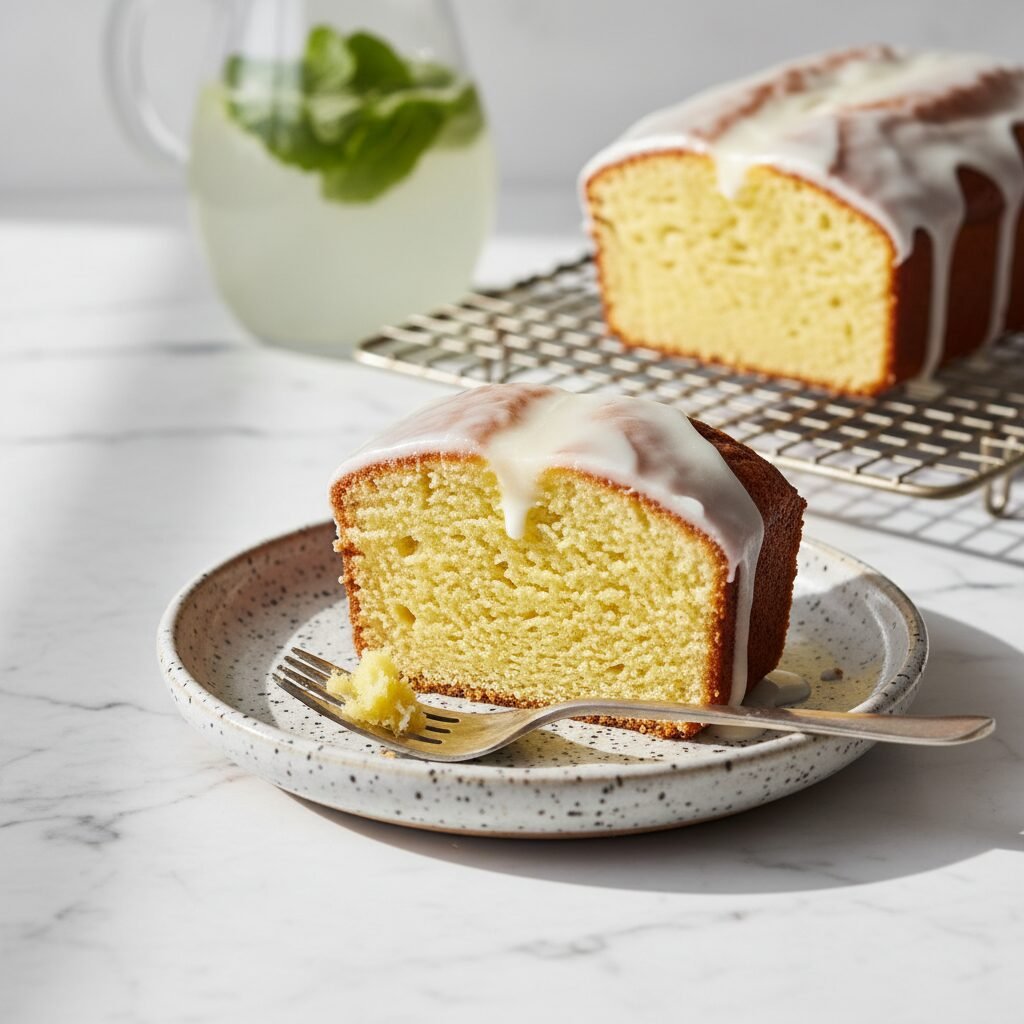
There is something universally comforting about a slice of lemon loaf cake. It sits perfectly at the intersection of breakfast pastry and afternoon dessert, offering a bright, sunny disposition that can cure even the gloomiest of rainy days. For years, I found myself spending an embarrassing amount of money at a certain famous coffee chain, chasing that specific texture—dense yet meltingly soft, with a lemon flavor that is assertive without being medicinal. After countless trials in my kitchen, experimenting with ratios of butter to oil and testing various dairy additions, I have finally cracked the code. This isn’t just a lemon cake; it is a masterpiece of texture and flavor balance.
The secret lies in the triple-threat lemon application. First, we rub fresh lemon zest into the sugar until it looks like wet sand, releasing essential oils that bake right into the crumb. Second, we soak the warm loaf in a tart lemon syrup, ensuring the cake stays moist for days. Finally, a thick, opaque icing crowns the loaf, providing that satisfying textural contrast between the soft interior and the sugary crust. This recipe yields a loaf that is incredibly moist—never dry or crumbly—and bursting with fresh citrus flavor. Whether you are serving it at a spring brunch, wrapping slices for a bake sale, or simply enjoying a quiet moment with a cup of Earl Grey, this Moist Lemon Loaf Cake is destined to become a permanent fixture in your baking repertoire.
History & Origins
The lineage of the lemon loaf cake can be traced back to the humble pound cake, a staple of British and Northern European baking since the early 1700s. The original pound cake was named for its simple ratio: a pound each of flour, butter, eggs, and sugar. While delicious, these early cakes were incredibly dense and heavy, relying solely on the aeration of eggs for lift. As culinary techniques evolved and chemical leaveners like baking soda and baking powder became commercially available in the mid-19th century, bakers began to experiment with lighter textures and varied flavor profiles. The ‘quatre-quarts’ style of French cake is a close cousin, sharing the same equal-ratio philosophy.
The infusion of citrus into these dense cakes gained popularity as global trade routes made lemons more accessible in non-Mediterranean climates. However, the specific iteration of the ‘Lemon Loaf’ as we know it today—a rectangular, glazed, high-domed cake—is largely a product of 20th-century American coffee culture. In the late 1990s and early 2000s, the rise of ‘Third Wave’ coffee shops in the United States brought with it a demand for artisanal pastries that paired well with espresso. The lemon loaf became a ubiquitous offering, celebrated for its ability to cut through the bitterness of dark roast coffee with its bright acidity and sweet icing. Today, it stands as a modern classic, representing a fusion of traditional European pound cake techniques with the American palate’s love for bold, sweet-tart flavor profiles.
Why This Recipe Works
This recipe succeeds where others fail because it meticulously addresses the two most common complaints about lemon cake: dryness and lack of flavor. To combat dryness, we utilize a ‘split-fat’ method. While butter provides that undeniable rich flavor and golden color, it actually contains water that evaporates during baking. By substituting a portion of the fat with neutral oil, we ensure the cake remains soft and moist, as oil remains liquid at room temperature and coats the flour proteins more effectively. Furthermore, the addition of full-fat sour cream or Greek yogurt introduces acidity, which tenderizes the gluten strands in the flour, resulting in a plush, velvety crumb rather than a chewy one.
To address flavor intensity, we employ the ‘reverse creaming’ of the zest. Most recipes just ask you to throw zest in with the wet ingredients. However, rubbing the zest directly into the granulated sugar acts as an abrasive, breaking open the zest’s oil cells and infusing the entire sugar mass with concentrated lemon perfume before it even touches the butter. Finally, the post-bake syrup soak is non-negotiable. By brushing a mixture of lemon juice and sugar over the hot cake, the liquid seeps into the pores of the sponge, locking in moisture and adding a sharp, tart punch that balances the sweetness of the glaze.
Why You’ll Love This Recipe
- ✓Uses the ‘zest-rubbing’ technique for maximum fragrance.
- ✓Stays moist for up to 5 days thanks to the syrup soak.
- ✓Perfect balance of tart and sweet.
- ✓Dense, tight crumb similar to professional bakery loaves.
- ✓Freezes beautifully for meal prep.
- ✓Requires simple pantry ingredients.
Equipment You’ll Need
- ✓8.5 x 4.5 inch Loaf Pan
- ✓Microplane or Zester
- ✓Stand Mixer or Electric Hand Mixer
- ✓Medium Mixing Bowl
- ✓Whisk
- ✓Pastry Brush
- ✓Wire Cooling Rack
Ingredients
- ✓1 1/2 cups All-Purpose Flour
- ✓1/2 teaspoon Baking Powder
- ✓1/4 teaspoon Baking Soda
- ✓1/2 teaspoon Salt
- ✓1 cup Granulated Sugar
- ✓1 tablespoon Fresh Lemon Zest (approx. 2 lemons)
- ✓1/2 cup Unsalted Butter, softened
- ✓2 tablespoons Neutral Oil (Canola or Vegetable)
- ✓3 Large Eggs, room temperature
- ✓1 teaspoon Pure Vanilla Extract
- ✓1/3 cup Full-Fat Sour Cream or Greek Yogurt
- ✓2 tablespoons Fresh Lemon Juice
- ✓Syrup: 2 tbsp Lemon Juice + 1 tbsp Powdered Sugar
- ✓Glaze: 1 cup Powdered Sugar + 2 tbsp Lemon Juice
Instructions
- Preheat your oven to 350°F (175°C). Grease an 8.5×4.5 inch loaf pan with butter and line it with parchment paper, leaving an overhang on the sides for easy removal.
- In a medium bowl, whisk together the flour, baking powder, baking soda, and salt. Set aside.
- In the bowl of a stand mixer (or a large bowl using a hand mixer), place the granulated sugar and the fresh lemon zest. Use your fingers to rub the zest into the sugar until the mixture is fragrant and resembles wet yellow sand.
- Add the softened butter and oil to the sugar mixture. Beat on medium-high speed for about 3-4 minutes until the mixture is pale, light, and fluffy. Do not rush this step; aeration is key.
- Add the eggs one at a time, beating well after each addition and scraping down the sides of the bowl. Mix in the vanilla extract.
- Reduce the mixer speed to low. Add half of the flour mixture and mix until just combined.
- Add the sour cream (or yogurt) and the 2 tablespoons of lemon juice. Mix until combined.
- Add the remaining flour mixture and mix until just barely combined. Finish mixing by hand with a spatula to ensure no flour pockets remain at the bottom, but be careful not to overmix.
- Pour the batter into the prepared loaf pan and smooth the top with a spatula.
- Bake for 50-60 minutes, or until a toothpick inserted into the center comes out clean or with just a few moist crumbs. If the top is browning too quickly, tent loosely with foil after 40 minutes.
- While the cake bakes, mix the ‘Syrup’ ingredients (lemon juice and powdered sugar) in a small bowl. It does not need to be thick.
- Remove the cake from the oven. While it is still hot, poke holes all over the top with a skewer and brush the syrup generously over the loaf.
- Let the cake cool in the pan for 15 minutes, then lift it out using the parchment paper handles and transfer to a wire rack to cool completely.
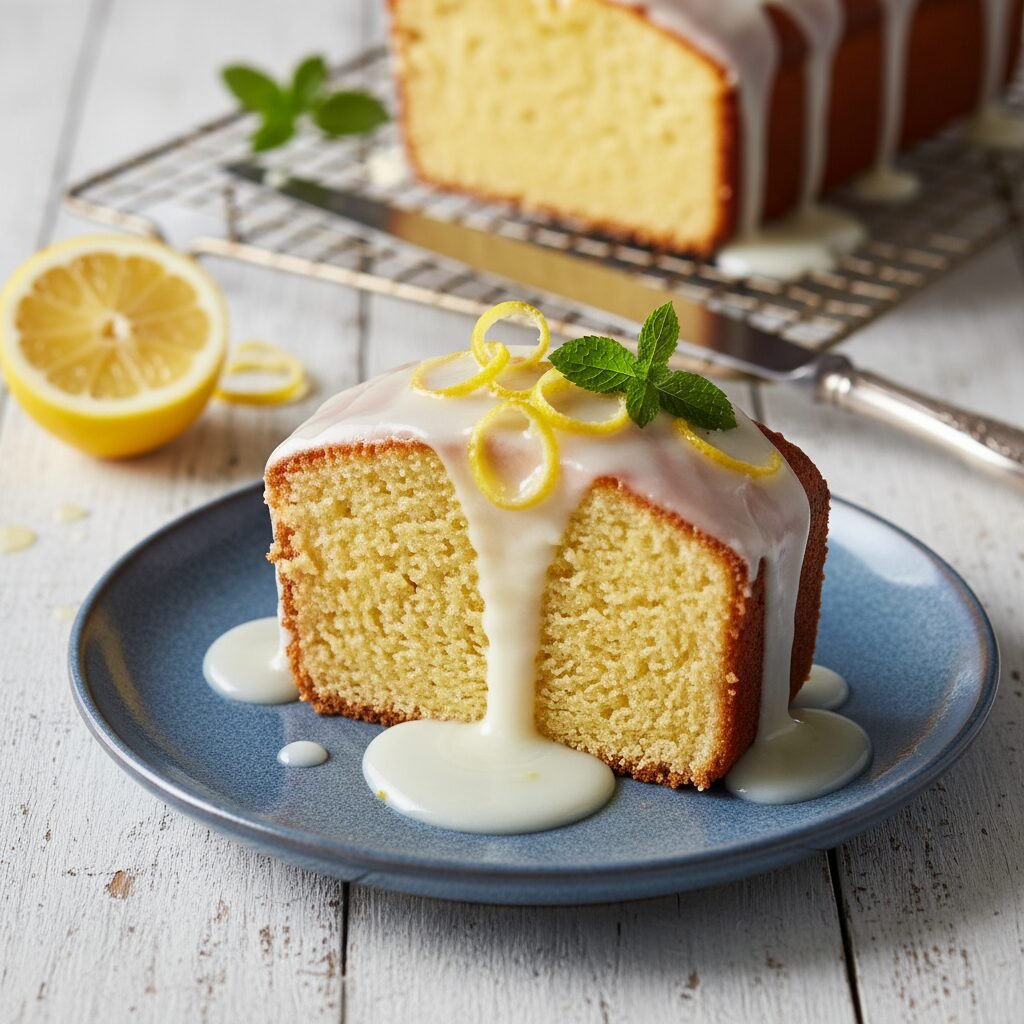
- Once the cake is completely cool, whisk together the ‘Glaze’ ingredients until thick and opaque. Pour over the center of the loaf and let it drip down the sides. Allow the glaze to set for 20 minutes before slicing.
Expert Cooking Tips
- ✓Room temperature ingredients are crucial. Cold eggs or dairy can cause the batter to curdle, leading to an uneven bake.
- ✓Don’t skip the zest rub. Rubbing the zest into the sugar releases the oils that provide the primary lemon flavor.
- ✓Measure flour correctly. Use a kitchen scale or the ‘spoon and level’ method. Scooping directly with the cup packs the flour and leads to a dry cake.
- ✓Tent with foil. Loaf cakes take a long time to bake. If the top looks dark at the 40-minute mark but the center is wiggly, cover it loosely with foil.
- ✓Cool completely before glazing. If the cake is even slightly warm, the glaze will melt and run off entirely instead of forming a thick white cap.
- ✓Use fresh lemon juice. Bottled lemon juice has a different acidity and lacks the floral notes of fresh lemons.
Substitutions and Variations
Baking is a science, but there is some room for flexibility in this recipe. If you do not have sour cream, full-fat plain Greek yogurt is an excellent 1:1 substitute; it provides the same tang and moisture. In a pinch, buttermilk can work, though the batter will be slightly thinner. For the fat, you can use all butter if you prefer a denser, pound-cake-like texture, or swap the neutral oil for melted coconut oil for a subtle tropical undertone. If you need to make this gluten-free, a high-quality 1:1 gluten-free flour blend (like King Arthur or Bob’s Red Mill) works surprisingly well, though the rise might be slightly lower. For a dairy-free version, use a plant-based butter stick and a thick coconut yogurt, ensuring the yogurt is unsweetened to avoid altering the sugar balance.
Common Mistakes to Avoid
The most common mistake with loaf cakes is overmixing the batter once the flour is added. Overmixing develops the gluten too much, resulting in a tough, rubbery texture rather than a tender crumb. Stop mixing as soon as the white streaks of flour disappear. Another frequent error is opening the oven door too early. This releases heat and can cause the cake to collapse in the center; try to resist peeking until at least 45 minutes have passed. Finally, do not skip the syrup soak step. Some bakers think it will make the cake soggy, but because the cake is hot, the liquid evaporates quickly, leaving behind flavor and moisture without wetness. Omitting this results in a cake that dries out much faster.
Serving Suggestions
This Moist Lemon Loaf Cake is stunning on its own, served in thick slices on a simple white plate to let the yellow crumb and white glaze pop. For an elevated brunch presentation, serve it alongside a dollop of mascarpone cheese and fresh berries, such as raspberries or blueberries, which complement the tart lemon flavor perfectly. It pairs exceptionally well with hot beverages; try it with a dark roast coffee to contrast the sweetness, or an Earl Grey tea which echoes the citrus notes with its bergamot oil. In the summer, it serves as a wonderful base for a simplified strawberry shortcake dessert.
Storage and Reheating Tips
This cake actually tastes better the next day as the flavors have time to meld and the moisture redistributes. Store the cake at room temperature in an airtight container or covered tightly with plastic wrap for up to 3 days. Do not refrigerate the cake, as the cold environment will dry out the crumb and make the butter harden, leading to a stale texture. If you wish to keep it longer, freeze it. Slice the cake individually, wrap each slice tightly in plastic wrap, and then place them in a freezer-safe ziplock bag. Thaw slices on the counter for 30 minutes before eating. The glaze may become slightly sticky after thawing but will still taste delicious.
Nutrition Facts (Estimated)
| Serving Size | 1 Slice |
| Calories | 340 |
| Fat | 16g |
| Saturated Fat | 9g |
| Unsaturated Fat | 6g |
| Trans Fat | 0g |
| Cholesterol | 65mg |
| Sodium | 180mg |
| Carbohydrates | 48g |
| Fiber | 1g |
| Sugar | 28g |
| Protein | 4g |
Frequently Asked Questions
Why did my lemon loaf sink in the middle?
Sinking usually happens because the cake was underbaked (the structure wasn’t set) or the oven door was opened too early, causing a temperature drop. It can also happen if there was too much leavening (baking powder/soda).
Can I use Meyer lemons instead of regular lemons?
Absolutely! Meyer lemons are sweeter and less acidic than standard lemons. If you use them, the cake will have a more floral, subtle lemon flavor. You might want to reduce the sugar in the glaze slightly.
My glaze is too runny, how do I fix it?
Glaze consistency is tricky. If it’s too runny, simply whisk in more powdered sugar, one tablespoon at a time, until it is thick and slow-moving. It should resemble the consistency of honey or glue.
Can I bake this in a bundt pan?
Yes, but you will need to double the recipe for a standard 10-12 cup bundt pan. The baking time will also increase significantly, likely to 60-75 minutes. Check for doneness carefully.
Why is my cake dry?
Dryness is usually caused by overbaking or measuring flour incorrectly (packing it into the cup). Ensure you check the cake 5-10 minutes before the timer goes off, as oven temperatures vary.
Do I have to use the oil?
Technically no, you could use all butter, but the 2 tablespoons of oil make a significant difference in keeping the cake moist for days. We highly recommend keeping it in.
Can I make this recipe into muffins?
Yes! This batter makes excellent muffins. Fill muffin liners 3/4 full and bake at 375°F for 18-22 minutes. The yield will be approximately 12 standard muffins.
Is the syrup step necessary?
We consider it essential for that ‘coffee shop’ style moistness. It permeates the crust and adds a layer of tartness that the batter alone cannot achieve.
Conclusion
Mastering this Moist Lemon Loaf Cake feels like a major kitchen victory. It delivers high-impact flavor and texture with relatively low effort, making it the perfect recipe for both novice bakers and seasoned pros. The combination of the fragrant zest, the tenderizing sour cream, and that double-hit of lemon glaze creates a sensory experience that store-bought versions simply cannot compete with. Whether you are baking for a crowd or treating yourself to a week of delicious breakfasts, this loaf promises to bring a little slice of sunshine into your kitchen. Happy baking!