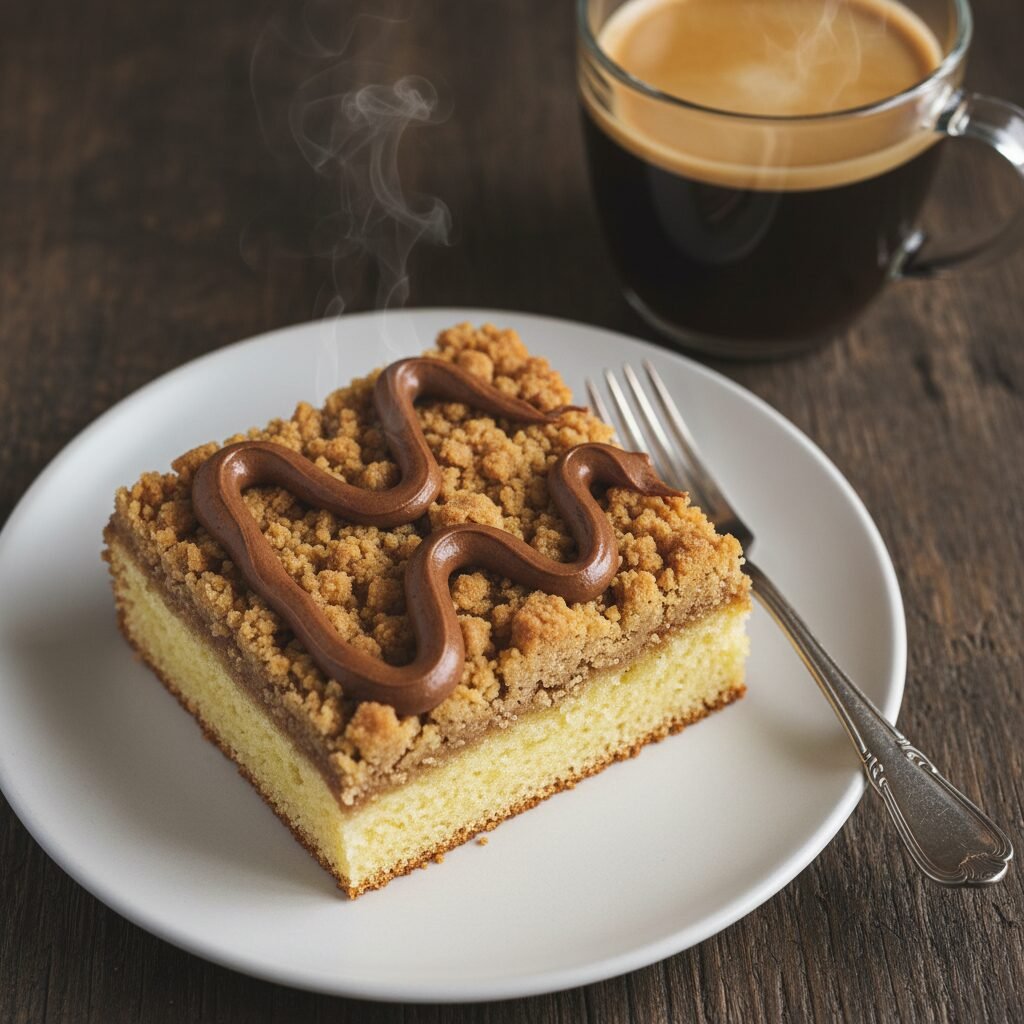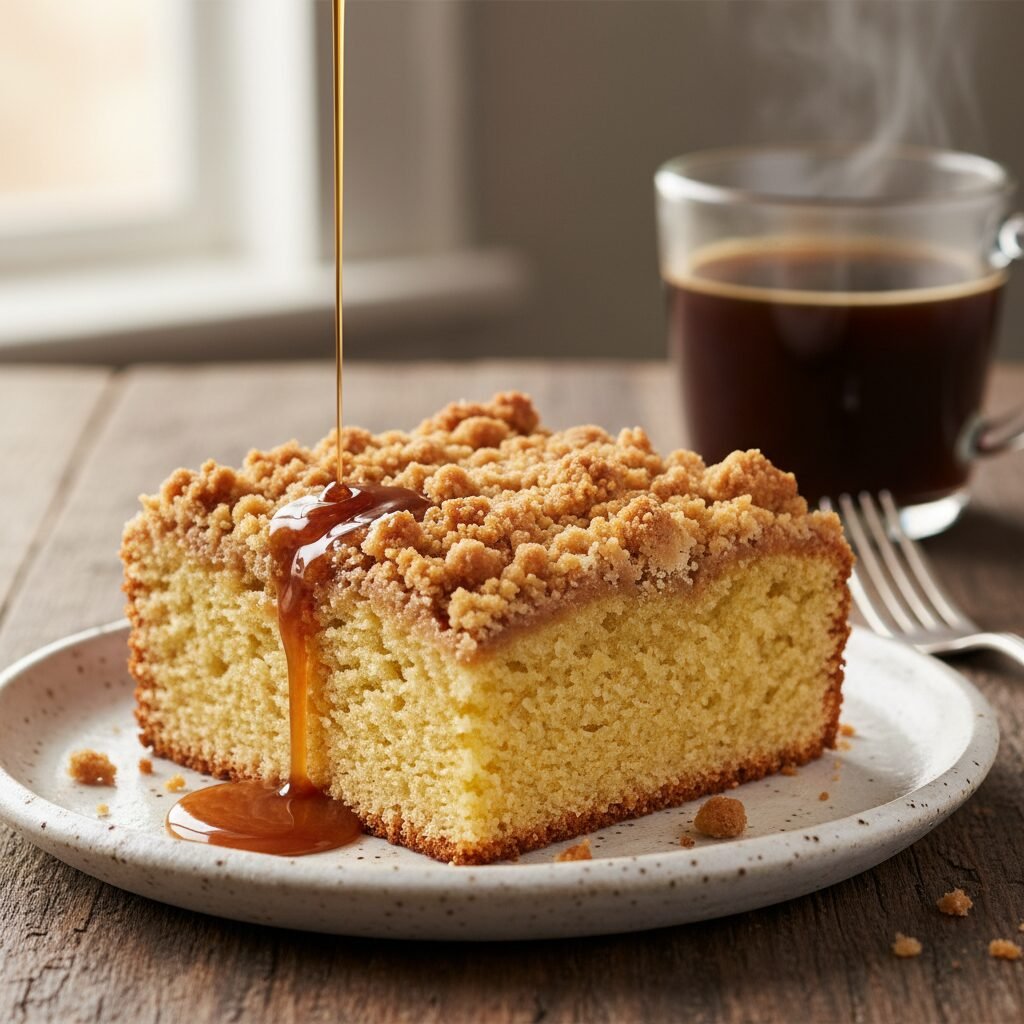
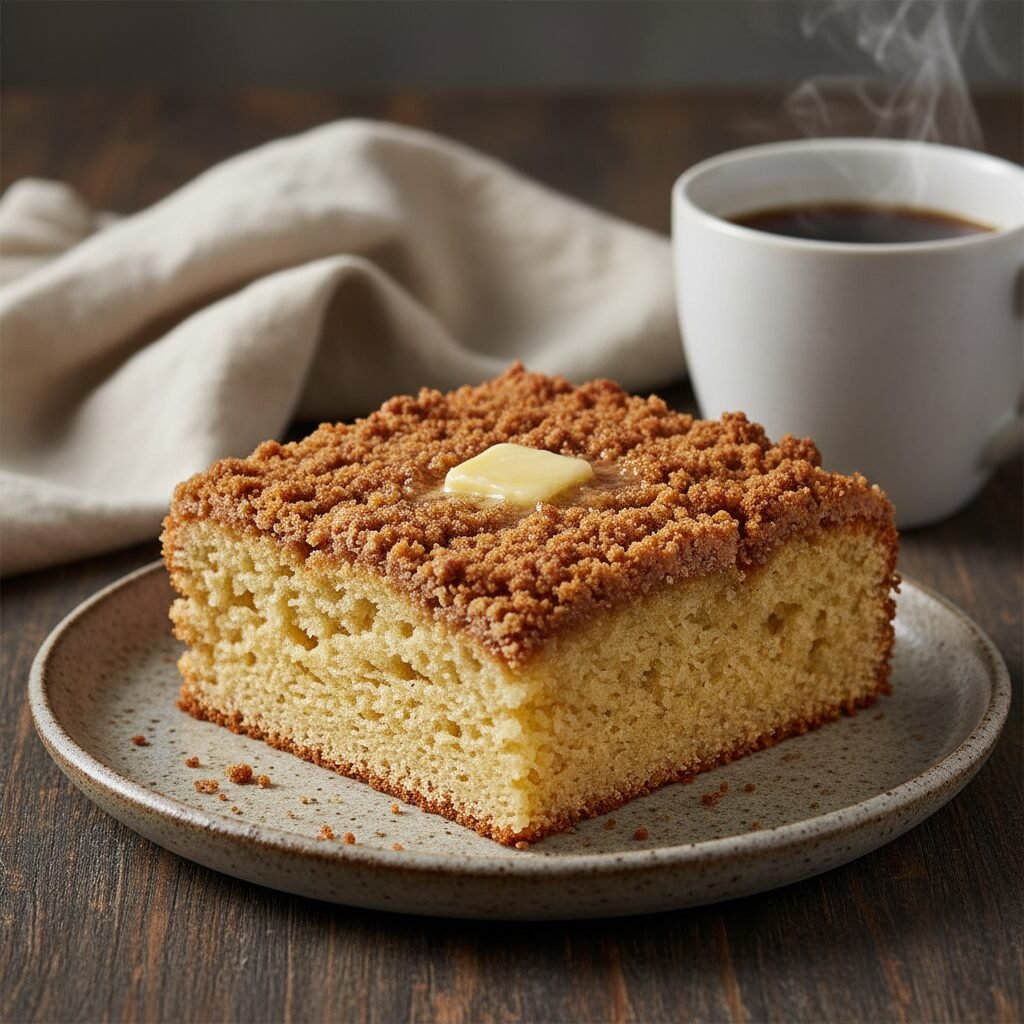
Moist Coffee Cake With Crumb Topping Recipe
Wake up to the smell of cinnamon and brown sugar with this fail-proof coffee cake recipe. Featuring a tender, sour cream-infused crumb and a thick, buttery streusel topping, it is the perfect companion for your morning brew or a cozy afternoon snack.
20 minutes
45 minutes
1 hour 5 minutes
12 servings
Breakfast
Baking
American
Vegetarian
There is something undeniably magical about the aroma of a freshly baked coffee cake wafting through the house on a lazy weekend morning. It promises comfort, warmth, and a moment of indulgence before the day truly begins. This Moist Coffee Cake With Crumb Topping is not just another breakfast pastry; it is a celebration of texture and flavor designed to create lasting memories. The base of the cake is incredibly tender, owing its plush crumb to the generous inclusion of full-fat sour cream and pure vanilla extract. Unlike dry, bread-like variations you might find at a commercial coffee shop, this homemade version melts in your mouth, offering a richness that balances perfectly with a hot cup of dark roast coffee or Earl Grey tea.
What truly sets this recipe apart, however, is the mountain of crumb topping. We believe that the streusel is not merely a garnish but the main event. A heavy hand with brown sugar, cinnamon, and butter creates a crunchy, sandy texture that contrasts beautifully with the soft cake underneath. Every bite offers that satisfying crunch followed by the moist, buttery cake, ensuring no mouthful is boring. Whether you are hosting a holiday brunch, looking for a sweet treat to gift a neighbor, or simply craving a slice of nostalgia, this recipe delivers on all fronts. It is robust enough to stand up to dunking yet delicate enough to be eaten with a fork on fine china. Prepare to fall in love with your new go-to coffee cake.
History & Origins
The history of coffee cake is a delicious journey that spans centuries and crosses oceans, rooting itself deeply in the culinary traditions of Northern and Central Europe before finding a permanent home in American culture. The concept began in the 17th century when coffee was introduced to Europe. As the beverage gained popularity in Germany, Scandinavia, and Austria, it became customary to serve sweet, yeast-based breads alongside it. These early iterations, often called ‘Kaffekuchen’ in Germany, were more akin to sweet breads or brioche, often filled with nuts, dried fruits, and spices.
When German and Dutch immigrants migrated to the United States, they brought their cherished recipes with them. However, the evolution of baking powder and baking soda in American kitchens transformed these labor-intensive yeast breads into the chemically leavened ‘quick breads’ we recognize today. This shift allowed for a faster preparation time and a more cake-like texture, moving away from the bread-like consistency of the European originals. The addition of the ‘crumb’ or ‘streusel’ (derived from the German word for ‘scatter’ or ‘strew’) became a defining characteristic of the American coffee cake, evolving from a light dusting to the thick, buttery layer that is now iconic. By the mid-20th century, coffee cake had cemented its status as a staple of American hospitality, synonymous with brunch, church socials, and welcoming new neighbors. Today, it remains a beloved comfort food that bridges the gap between breakfast and dessert.
Why This Recipe Works
This recipe succeeds where many others fail because it meticulously balances moisture, structure, and flavor intensity. The primary reason this cake remains moist for days is the use of sour cream. Sour cream is acidic, which tenderizes the gluten strands in the flour, resulting in a softer crumb. Furthermore, its high fat content adds richness without thinning the batter like milk would, ensuring the cake can support the heavy layer of streusel without collapsing. We also use a combination of butter and oil; butter provides that classic flavor, while a touch of oil ensures the cake stays soft even when cooled, as oil remains liquid at room temperature.
For the crumb topping, the ratio of flour to butter to sugar is critical. Too much butter, and the topping melts into a flat glaze; too little, and it remains a dry powder. This recipe uses a precise ratio that creates distinct, pebble-sized nuggets that hold their shape during baking. We also employ the ‘ribbon stage’ mixing technique for the batter, ensuring plenty of air is incorporated for lift, while being careful not to overmix once the flour is added. The result is a cake that is sturdy enough to be sliced but tender enough to melt on the tongue, with a topping that provides a necessary textural counterpoint.
Why You’ll Love This Recipe
- ✓Features a thick, generous layer of buttery cinnamon streusel.
- ✓Sour cream ensures the cake stays moist for up to 4 days.
- ✓Perfect balance of sweet and spice, not overly sugary.
- ✓Simple preparation with no obscure ingredients required.
- ✓Freezes beautifully for make-ahead breakfasts.
- ✓Fills your kitchen with an incredible, welcoming aroma.
Equipment You’ll Need
- ✓9×9 inch square baking pan or 9-inch springform pan
- ✓Stand mixer or electric hand mixer
- ✓Large mixing bowl
- ✓Medium mixing bowl (for streusel)
- ✓Rubber spatula
- ✓Whisk
- ✓Measuring cups and spoons
- ✓Parchment paper
Ingredients
- ✓FOR THE STREUSEL TOPPING:
- ✓1 1/2 cups all-purpose flour
- ✓3/4 cup light brown sugar, packed
- ✓1 tablespoon ground cinnamon
- ✓1/4 teaspoon salt
- ✓1/2 cup unsalted butter, melted
- ✓FOR THE CAKE:
- ✓2 cups all-purpose flour
- ✓1 teaspoon baking powder
- ✓1/2 teaspoon baking soda
- ✓1/2 teaspoon salt
- ✓1/2 cup unsalted butter, softened to room temperature
- ✓3/4 cup granulated sugar
- ✓2 large eggs, room temperature
- ✓1 1/2 teaspoons pure vanilla extract
- ✓1 cup full-fat sour cream, room temperature
Instructions
- Preheat your oven to 350°F (175°C). Grease a 9×9 inch square baking pan generously with butter or non-stick spray. For easy removal, you can also line the bottom and sides with parchment paper.
- Prepare the crumb topping: In a medium bowl, whisk together 1 1/2 cups flour, brown sugar, cinnamon, and 1/4 teaspoon salt. Pour the melted butter over the dry ingredients and use a fork to toss the mixture until thick crumbs form. Set this aside to firm up slightly while you make the batter.
- Mix dry cake ingredients: In a separate medium bowl, whisk together the 2 cups of flour, baking powder, baking soda, and 1/2 teaspoon salt. Set aside.
- Cream butter and sugar: In a large bowl using a hand mixer or the bowl of a stand mixer fitted with the paddle attachment, beat the softened butter and granulated sugar on medium-high speed until creamy, pale, and fluffy (about 3-4 minutes).
- Add wet ingredients: Scrape down the sides of the bowl. Add the eggs one at a time, beating well after each addition. Stir in the vanilla extract and the sour cream until combined. The mixture might look slightly curdled; this is normal.
- Combine: Reduce the mixer speed to low. Gradually add the dry flour mixture to the wet ingredients. Mix only until just combined and no streaks of flour remain. Do not overmix, or the cake will be dense.
- Assemble: Pour the batter into the prepared baking pan and use a rubber spatula to spread it into an even layer. It will be thick.
- Top: Generously sprinkle the prepared crumb topping over the batter. Use your hands to squeeze some of the mixture into larger clumps for variety in texture.
- Bake: Place in the center of the preheated oven and bake for 40-50 minutes. Test for doneness by inserting a wooden toothpick into the center of the cake; it should come out clean or with just a few moist crumbs attached (no wet batter).
- Cool: Remove from the oven and place the pan on a wire cooling rack. Allow the cake to cool for at least 20 minutes before slicing. This helps the structure set so it doesn’t crumble when cut.
Expert Cooking Tips
- ✓Room Temperature Ingredients: Ensure your butter, eggs, and sour cream are at room temperature. This allows them to emulsify properly, creating a smoother batter and a fluffier cake.
- ✓Don’t Overmix: Once you add the flour, stop mixing as soon as the white streaks disappear. Overmixing develops gluten, which leads to a tough, rubbery cake.
- ✓Spoon and Level: When measuring flour, spoon it into the measuring cup and level it off with a knife. Scooping directly from the bag packs the flour down, leading to a dry cake.
- ✓The Toothpick Test: Check the cake at the 40-minute mark. Ovens vary, and you don’t want to bake out all the moisture.
- ✓Topping Texture: If you prefer a chunky topping, squeeze the streusel mixture in your fist and then break it apart into large nuggets before scattering.
- ✓Pan Choice: A light-colored metal pan bakes more evenly than glass. If using glass, reduce oven temperature by 25°F.
Substitutions and Variations
This recipe is versatile and can accommodate several substitutions if you are in a pinch or have dietary restrictions. If you do not have sour cream, full-fat plain Greek yogurt is the best alternative, offering a similar tang and texture. Buttermilk can also be used, though the batter will be thinner; reduce the amount slightly if using buttermilk. For a gluten-free version, swap the all-purpose flour for a high-quality 1:1 gluten-free baking flour blend that contains xanthan gum. If you want to add nuttiness, you can mix 1/2 cup of chopped walnuts or pecans into the crumb topping or the batter itself. For a dairy-free option, use a plant-based butter stick substitute and a dairy-free sour cream alternative (coconut-based works well). While light brown sugar is standard for the topping, dark brown sugar will provide a deeper molasses flavor. Lastly, pumpkin pie spice or cardamom can be substituted for cinnamon for a seasonal twist.
Common Mistakes to Avoid
The most common mistake with coffee cake is overbaking. Because of the thick crumb layer, it can be hard to judge doneness visually. Rely on the toothpick test rather than the color of the topping. Another frequent error is using butter that is too warm for the cake batter; if the butter is melted rather than softened, the cake will be greasy and dense. Conversely, for the topping, if the butter is too hot, it can make the sugar dissolve into a paste rather than forming crumbs. Using cold ingredients straight from the fridge is another pitfall; cold eggs and sour cream can cause the batter to seize or curdle, affecting the rise. Finally, do not skimp on the cooling time. Cutting into the cake while it is piping hot releases steam that is necessary for keeping the crumb moist, potentially causing the cake to dry out faster.
Serving Suggestions
This coffee cake is best served warm or at room temperature. It is the quintessential partner for a hot cup of coffee, espresso, or a latte, as the bitterness of the coffee cuts through the sweetness of the cake. For an elegant brunch spread, serve it alongside a savory quiche or frittata to balance the meal. If you are serving it for dessert, a dollop of lightly sweetened whipped cream or a scoop of vanilla bean ice cream turns it into a decadent treat. A drizzle of simple vanilla glaze or salted caramel sauce over the top can also elevate the presentation and add an extra layer of flavor.
Storage and Reheating Tips
To store the cake, cover the pan tightly with plastic wrap or foil, or transfer slices to an airtight container. It will keep at room temperature for up to 3 days. Storing it in the refrigerator can extend its life to 5-6 days, though it may dry out the crumb slightly; simply reheat a slice in the microwave for 15 seconds to revive the texture. This cake also freezes exceptionally well. Wrap individual slices in plastic wrap and then place them in a zip-top freezer bag. They can be frozen for up to 3 months. Thaw at room temperature or warm gently in the microwave or toaster oven before eating.
Nutrition Facts (Estimated)
| Serving Size | 1 slice |
| Calories | 380 |
| Fat | 18g |
| Saturated Fat | 10g |
| Unsaturated Fat | 7g |
| Trans Fat | 0g |
| Cholesterol | 65mg |
| Sodium | 210mg |
| Carbohydrates | 48g |
| Fiber | 1g |
| Sugar | 24g |
| Protein | 4g |
Frequently Asked Questions
Can I make this cake ahead of time?
Yes, this coffee cake actually tastes even better the next day as the flavors have time to meld. You can bake it the night before and store it covered at room temperature for breakfast the next morning.
Why did my crumb topping sink to the bottom?
This usually happens if the batter is too thin or if the crumb pieces are too heavy and dense. Ensure your batter is thick (don’t over-measure liquids) and don’t make the crumb chunks excessively large.
Can I add fruit to this recipe?
Absolutely. You can fold in about 1 cup of fresh or frozen blueberries, chopped apples, or cranberries into the batter before baking. Toss the fruit in a tablespoon of flour first to prevent sinking.
Do I need a stand mixer for this?
No, a hand mixer works perfectly fine. You can even mix it by hand with a whisk and a wooden spoon if you have some muscle power, just ensure the butter and sugar are creamed well.
Can I double the recipe?
Yes, you can double the ingredients and bake it in a 9×13 inch pan. You may need to increase the baking time by 5-10 minutes. Keep an eye on it and use the toothpick test.
Why is my cake dry?
Dry cake is typically the result of over-measuring flour or overbaking. Always spoon and level your flour, and check the cake a few minutes before the timer goes off.
What kind of cinnamon should I use?
Any ground cinnamon works, but Saigon cinnamon or Ceylon cinnamon will provide a stronger, more aromatic flavor profile that really shines in the crumb topping.
Can I use oil instead of butter in the cake?
You can substitute half of the butter for a neutral oil (like canola) to ensure maximum moisture, but using all oil might result in a loss of that classic buttery flavor and fluffy texture.
Conclusion
There are few things in life as simple and satisfying as a homemade coffee cake. This Moist Coffee Cake With Crumb Topping recipe is designed to be a staple in your kitchen—a reliable friend you can call upon for holidays, lazy Sundays, or whenever you need a little comfort. With its tender crumb, rich flavor, and that irresistible crunchy topping, it is sure to become a request from family and friends alike. So, preheat your oven, brew a fresh pot of coffee, and enjoy the process of creating something truly delicious. Happy baking!