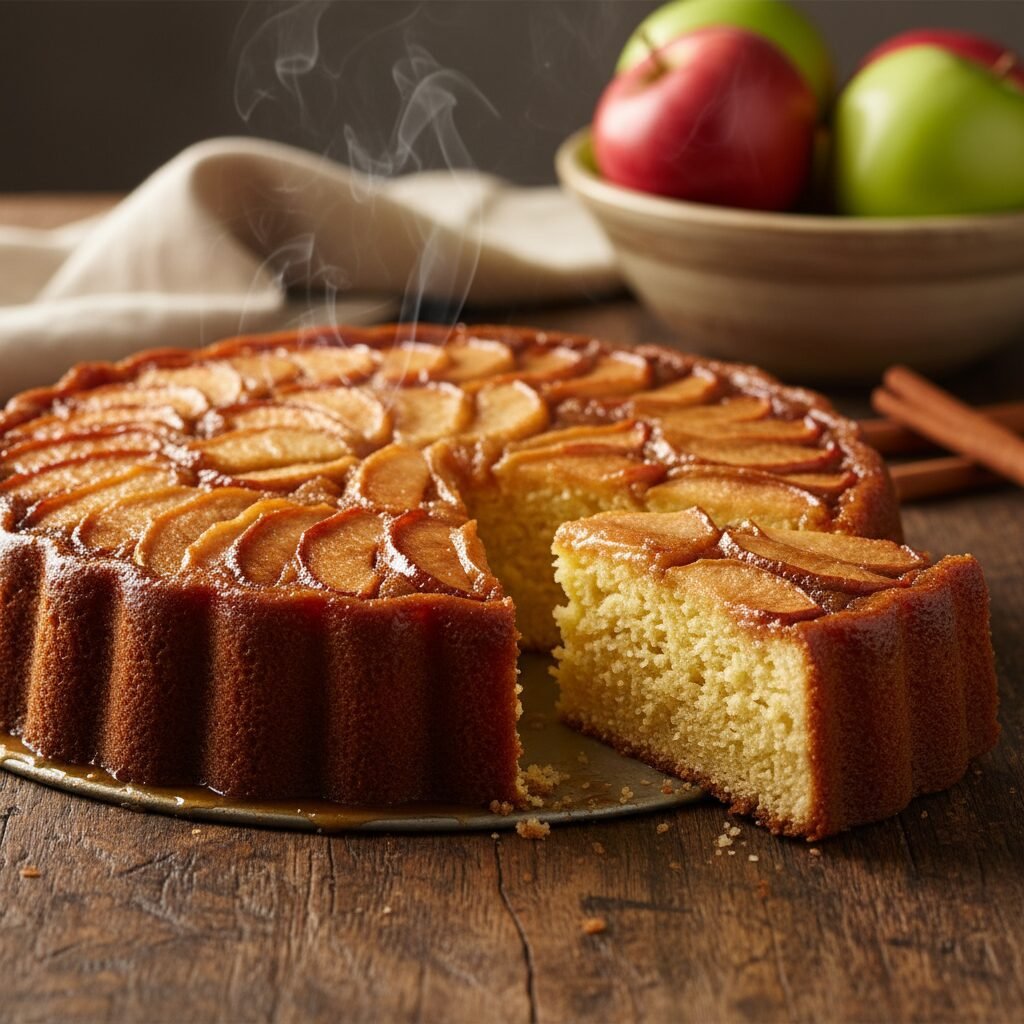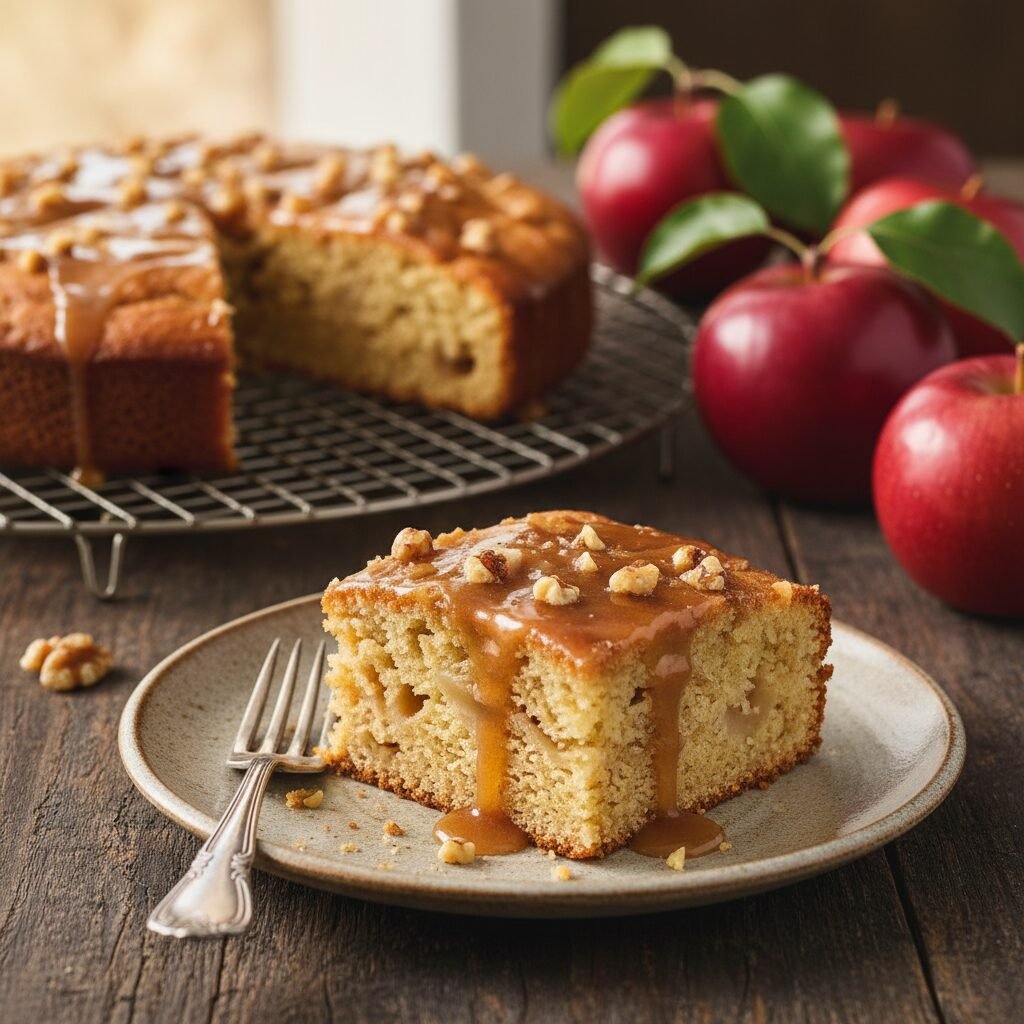
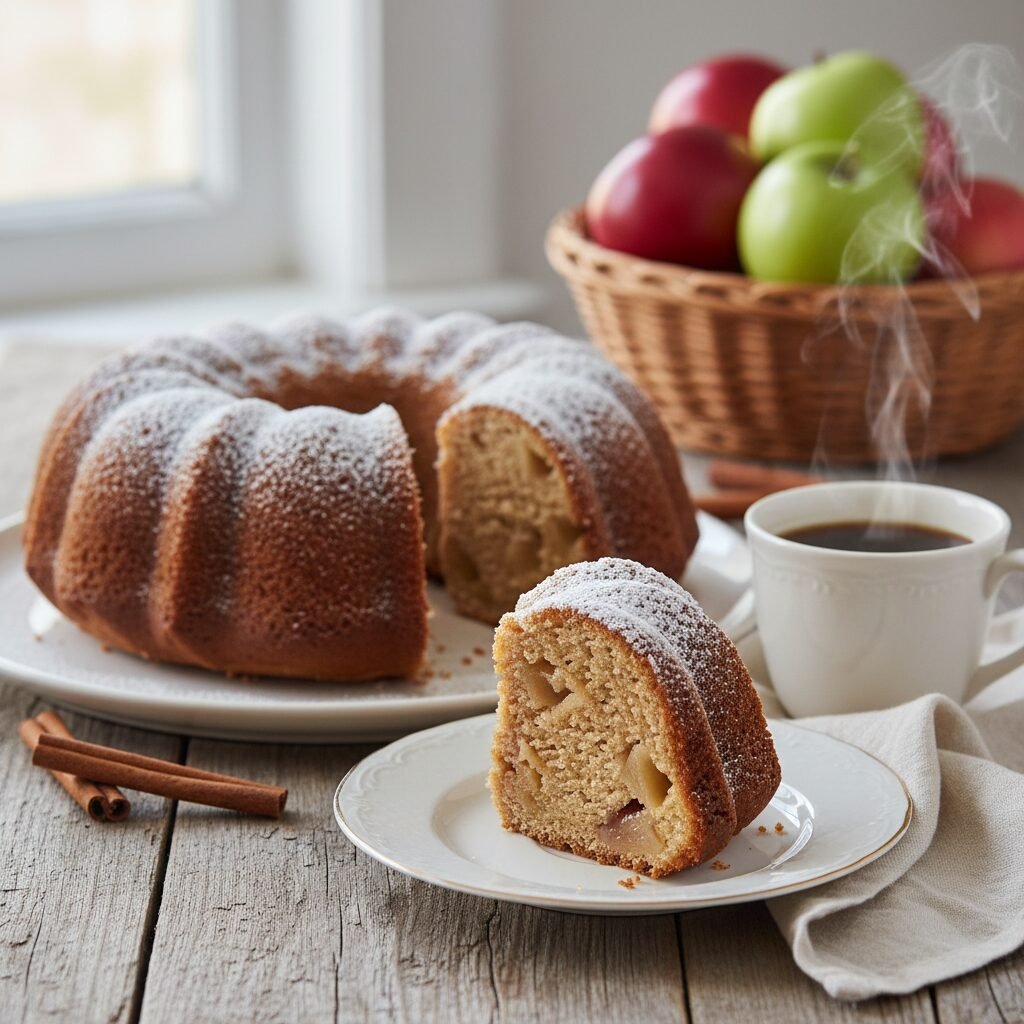
Moist Apple Cake For Brunch Recipe
Wake up to the comforting aroma of cinnamon and baked apples with this incredibly moist apple cake recipe. Perfectly balanced between sweet and tart, it is the ideal centerpiece for a cozy weekend brunch that pairs effortlessly with your morning coffee.
20 minutes
55 minutes
1 hour 15 minutes
12 servings
Brunch / Dessert
Baking
American / European
Vegetarian
There is something undeniably magical about the scent of apples baking in the oven, mingling with warm spices like cinnamon, nutmeg, and cloves. It signals comfort, home, and the promise of a delicious gathering. This Moist Apple Cake for Brunch is not just a dessert; it is a celebration of texture and flavor designed to elevate your mid-morning meal. Unlike lighter, airier sponges that might disappear too quickly, this cake possesses a satisfying density and a crumb that remains tender for days, thanks to a few secret ingredients. It captures the essence of autumn but is bright enough to serve year-round.
The beauty of this recipe lies in its versatility. It sits perfectly alongside savory brunch staples like quiche or bacon, offering a sweet counterpoint that isn’t cloyingly sugary. The apples—chunks of tart Granny Smith or crisp Honeycrisp—soften into jammy pockets of fruit that burst with every bite, providing a delightful contrast to the spiced batter. Whether you are hosting a festive holiday brunch, a casual Sunday get-together, or simply meal-prepping for a week of indulgent breakfasts, this cake delivers every time. We have crafted this guide to ensure you achieve that coveted moist texture, avoiding the dry, crumbly pitfalls of lesser recipes. So, preheat your oven, grab your favorite mixing bowl, and get ready to bake a cake that will have your guests asking for seconds before they have even finished their first slice.
History & Origins
The concept of apple cake is as old as the cultivation of apples themselves, deeply rooted in European culinary traditions. Historically, fruit cakes were a practical way to utilize the harvest, preserving the bounty of the orchard in a form that could feed families through the colder months. In Germany, ‘Apfelkuchen’ takes many forms, from yeast-based doughs topped with sliced apples to sunken apple cakes similar to this recipe. These cakes were often served during ‘Kaffee und Kuchen’ (coffee and cake), a mid-afternoon tradition that mirrors the modern concept of brunch.
As European immigrants moved to North America, they brought their cherished recipes with them. The Jewish Apple Cake, a staple in the Pennsylvania Dutch region and Jewish communities, is a notable relative. traditionally made without dairy (using oil and orange juice) to remain pareve, meaning it could be eaten with meat meals. This influence is significant because the use of oil rather than butter is a key technique in achieving superior moisture—a method we have adapted here.
Over the decades, the American apple cake evolved, incorporating local apple varieties and often adding a streusel topping or a simple glaze. It transitioned from a strictly dessert item to a breakfast and brunch favorite, accepted as a ‘coffee cake’ suitable for morning consumption. Today, the apple cake stands as a testament to rustic baking, prioritizing flavor and substance over intricate decoration, making it a timeless classic in kitchens across the country.
Why This Recipe Works
This recipe succeeds where others fail primarily due to the fat source and the ratio of wet to dry ingredients. Many cakes rely solely on butter, which provides excellent flavor but contains water that evaporates during baking, sometimes leading to a drier crumb once cooled. In this recipe, we use a combination of vegetable oil and a rich dairy element (like sour cream or Greek yogurt). The oil coats the flour proteins, inhibiting gluten formation more effectively than butter, which results in a tender texture that stays moist for days. The sour cream adds acidity, which reacts with the baking soda to create a lift, ensuring the cake is dense but not heavy.
Furthermore, the treatment of the apples is crucial. We chop them into medium chunks rather than grating them. Grated apples release too much water into the batter, risking a gummy texture, while large slices can cause the cake to fall apart. Medium chunks cook down perfectly, releasing just enough moisture to flavor the surrounding crumb while maintaining their structural integrity. Finally, the balance of brown sugar and granulated sugar provides deep molasses undertones and a crisp exterior crust, creating a complex flavor profile that is sophisticated enough for adults yet simple enough for children to adore.
Why You’ll Love This Recipe
- ✓Stays incredibly moist for up to 4 days due to the oil-based batter.
- ✓Packed with fresh apple chunks in every single bite.
- ✓Versatile enough for breakfast, brunch, or dessert.
- ✓Requires no fancy equipment—just a whisk and a bowl.
- ✓Freezes beautifully for make-ahead meal prep.
- ✓Fill your home with the inviting scent of warm autumn spices.
Equipment You’ll Need
- ✓9-inch Springform Pan or Bundt Pan
- ✓Large Mixing Bowl
- ✓Medium Mixing Bowl
- ✓Whisk
- ✓Rubber Spatula
- ✓Peeler and Knife
- ✓Measuring Cups and Spoons
- ✓Wire Cooling Rack
Ingredients
- ✓3 large apples (Granny Smith or Honeycrisp), peeled, cored, and chopped into 1/2 inch cubes
- ✓2 1/2 cups all-purpose flour
- ✓1 tablespoon ground cinnamon
- ✓1/2 teaspoon ground nutmeg
- ✓1/4 teaspoon ground cloves
- ✓1 teaspoon baking powder
- ✓1/2 teaspoon baking soda
- ✓1/2 teaspoon salt
- ✓1 cup vegetable oil (or canola oil)
- ✓1 cup granulated sugar
- ✓1/2 cup packed light brown sugar
- ✓3 large eggs, room temperature
- ✓1/2 cup full-fat sour cream or Greek yogurt
- ✓2 teaspoons pure vanilla extract
- ✓Optional: 1/2 cup chopped walnuts or pecans
- ✓Optional: Powdered sugar for dusting
Instructions
- Preheat your oven to 350°F (175°C). Grease a 9-inch springform pan or Bundt pan generously with non-stick spray or butter, and dust with flour to prevent sticking.
- Prepare the apples: Peel, core, and chop the apples into 1/2-inch cubes. In a small bowl, toss the apples with 1 teaspoon of the cinnamon and 1 tablespoon of the granulated sugar. Set aside.
- Whisk the dry ingredients: In a medium bowl, combine the flour, baking powder, baking soda, salt, remaining cinnamon, nutmeg, and cloves. Whisk well to aerate and ensure even distribution of spices.
- Mix the wet ingredients: In a large mixing bowl, whisk together the vegetable oil, remaining granulated sugar, and brown sugar until smooth. Add the eggs one at a time, beating well after each addition. Whisk in the sour cream (or yogurt) and vanilla extract.
- Combine: Gradually add the dry ingredients to the wet ingredients. Switch to a rubber spatula and fold gently until just combined. Do not overmix; a few streaks of flour are okay at this stage.
- Fold in apples: Add the prepared apple chunks (and nuts if using) to the batter. Fold gently until the apples are evenly distributed throughout the thick batter.
- Bake: Pour the batter into the prepared pan and smooth the top with the spatula. Bake for 50-60 minutes, or until a toothpick inserted into the center comes out clean or with just a few moist crumbs attached.
- Cool: Remove from the oven and let the cake cool in the pan for about 15-20 minutes. Run a knife around the edges to loosen it, then remove the sides of the springform pan. Transfer to a wire rack to cool completely.
- Serve: Once cool, dust generously with powdered sugar before slicing.
Expert Cooking Tips
- ✓Room Temperature Ingredients: Ensure your eggs and sour cream are at room temperature to create a smoother emulsion.
- ✓Don’t Overmix: Once the flour hits the liquid, mix only until combined. Overworking the batter develops gluten, leading to a tough cake.
- ✓Apple Choice Matters: Use a mix of tart (Granny Smith) and sweet (Honeycrisp or Fuji) apples for the best flavor dimension.
- ✓Check for Doneness: Wet apple chunks can deceive the toothpick test. Test a few spots to ensure the batter is cooked through.
- ✓Pan Prep: If using a Bundt pan, be extra thorough with greasing the crevices to ensure the cake releases perfectly.
- ✓Let it Rest: This cake tastes even better the next day after the flavors have melded and the moisture has redistributed.
Substitutions and Variations
This recipe is quite forgiving and allows for several substitutions. If you want to make this gluten-free, swap the all-purpose flour for a high-quality 1:1 gluten-free baking flour blend; the moisture in the cake helps prevent the grittiness often associated with GF baking. For a dairy-free version, replace the sour cream with a dairy-free yogurt (coconut or almond based) or even unsweetened applesauce, though applesauce will make the texture slightly denser. You can substitute the vegetable oil with melted coconut oil or a light olive oil, but be aware that olive oil will impart a slight savory note. Regarding the sugar, you can use coconut sugar instead of brown sugar for a lower glycemic index option, though the flavor profile will change slightly to be more caramel-like. Finally, pears can be an excellent substitute for apples if you want a different autumnal twist.
Common Mistakes to Avoid
The most common mistake with apple cake is underbaking. Because the apples release moisture as they cook, the center can remain raw even if the top looks golden brown. Always use the toothpick test in the center-most part of the cake. Another error is chopping the apples too large; large chunks can sink to the bottom and cause the cake to break apart when sliced. Conversely, grating the apples is not recommended for this specific recipe as it adds too much liquid, turning the batter into a pudding-like consistency rather than a cake. Finally, avoid using ‘eating apples’ like Red Delicious, which can turn mushy and mealy when baked. Stick to firm baking apples.
Serving Suggestions
This cake shines as the star of a brunch spread. Serve it warm or at room temperature. For a decadent brunch, top a warm slice with a dollop of whipped cream, a scoop of vanilla bean ice cream, or a drizzle of salted caramel sauce. It pairs beautifully with hot beverages; try a dark roast coffee to cut the sweetness, or a chai tea latte to enhance the spice profile. If serving for a lighter breakfast, a side of plain Greek yogurt and fresh berries makes for a balanced plate.
Storage and Reheating Tips
This cake has excellent keeping qualities. Store it at room temperature in an airtight container or under a cake dome for up to 3 days; the oils keep it moist. For longer storage, keep it in the refrigerator for up to a week. If you want to freeze it, wrap individual slices tightly in plastic wrap and then in aluminum foil. They can be frozen for up to 3 months. To reheat, simply unwrap and microwave a slice for 15-20 seconds, or warm it in a toaster oven to revive that fresh-baked crust.
Nutrition Facts (Estimated)
| Serving Size | 1 slice |
| Calories | 340 |
| Fat | 16g |
| Saturated Fat | 3g |
| Unsaturated Fat | 12g |
| Trans Fat | 0g |
| Cholesterol | 45mg |
| Sodium | 210mg |
| Carbohydrates | 45g |
| Fiber | 2g |
| Sugar | 22g |
| Protein | 4g |
Frequently Asked Questions
Can I use butter instead of oil?
Yes, you can use melted butter for a richer flavor, but the cake may not stay as moist for as long as it does with oil. A 50/50 split of butter and oil is a great compromise.
Do I have to peel the apples?
We highly recommend peeling the apples. Apple skins can become tough and separate from the flesh during baking, creating an unpleasant texture in a soft cake.
Can I bake this in a standard rectangular pan?
Absolutely. A 9×13 inch baking pan works well. You will likely need to reduce the baking time to 40-50 minutes since the batter is spread thinner.
Why did my cake sink in the middle?
Sinking usually happens if the cake was underbaked or if the oven door was opened too early, causing a sudden temperature drop. Ensure the center is fully set before removing it.
Is this cake overly sweet?
It is sweet, but the tartness of the Granny Smith apples and the spices balance it out. If you prefer a less sweet cake, you can reduce the granulated sugar by 1/4 cup.
Can I add other fruits?
Yes, cranberries or raisins make excellent additions. Add about 1/2 cup of dried fruit when you fold in the apples.
What is the best way to reheat the whole cake?
If you want to serve the whole cake warm, place it on a baking sheet and cover it loosely with foil. Warm it in a 300°F oven for about 10-15 minutes.
Can I make the batter ahead of time?
It is best to bake the batter immediately after mixing because the baking powder and soda start reacting once wet. However, you can chop the apples and mix the dry ingredients the night before to save time.
Conclusion
This Moist Apple Cake for Brunch is more than just a recipe; it is a reliable companion for your most cherished gatherings. Whether you are a novice baker or a seasoned pro, the simplicity of the method and the complexity of the results make it a rewarding endeavor. The combination of tender crumb, warm spices, and bursts of tart apple creates a symphony of flavors that perfectly encapsulates the joy of comfort food. We hope this cake becomes a staple on your brunch table, bringing smiles and satisfaction to everyone who takes a bite. Happy baking!