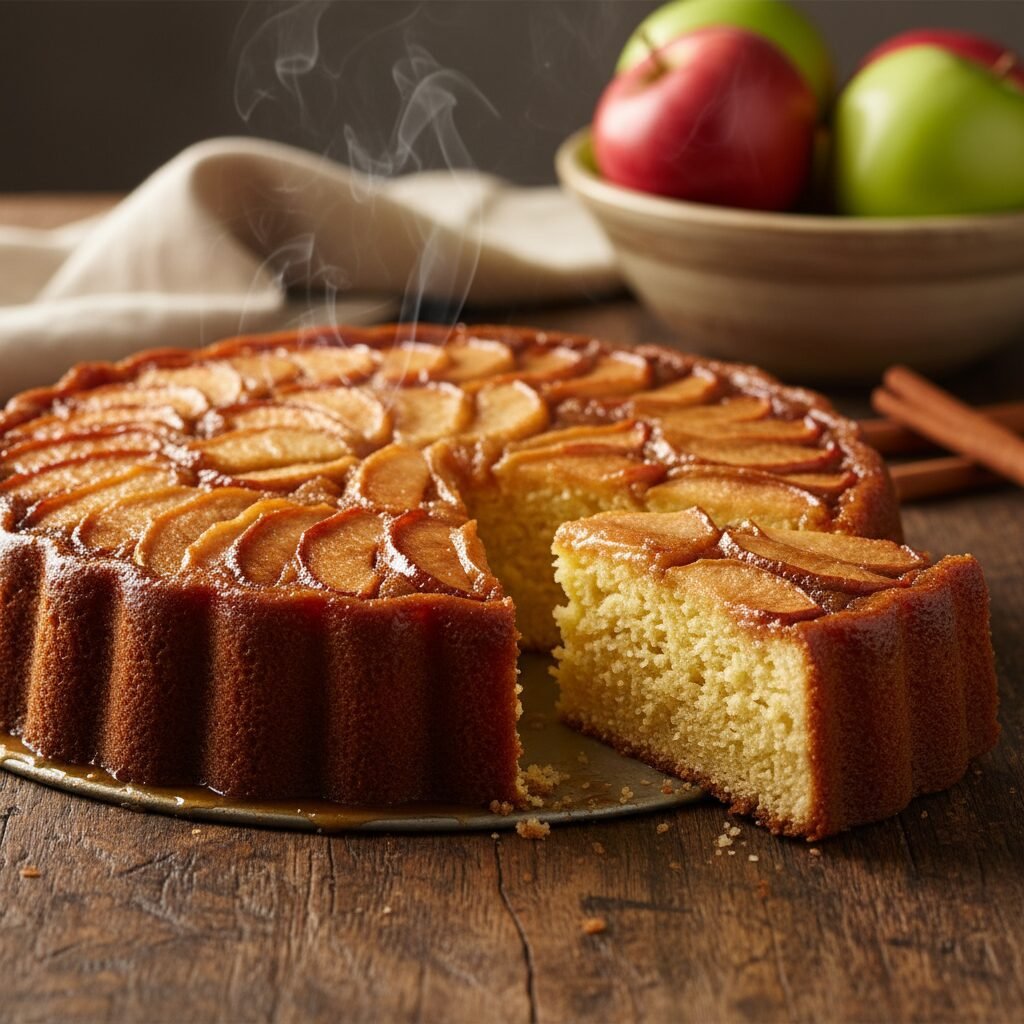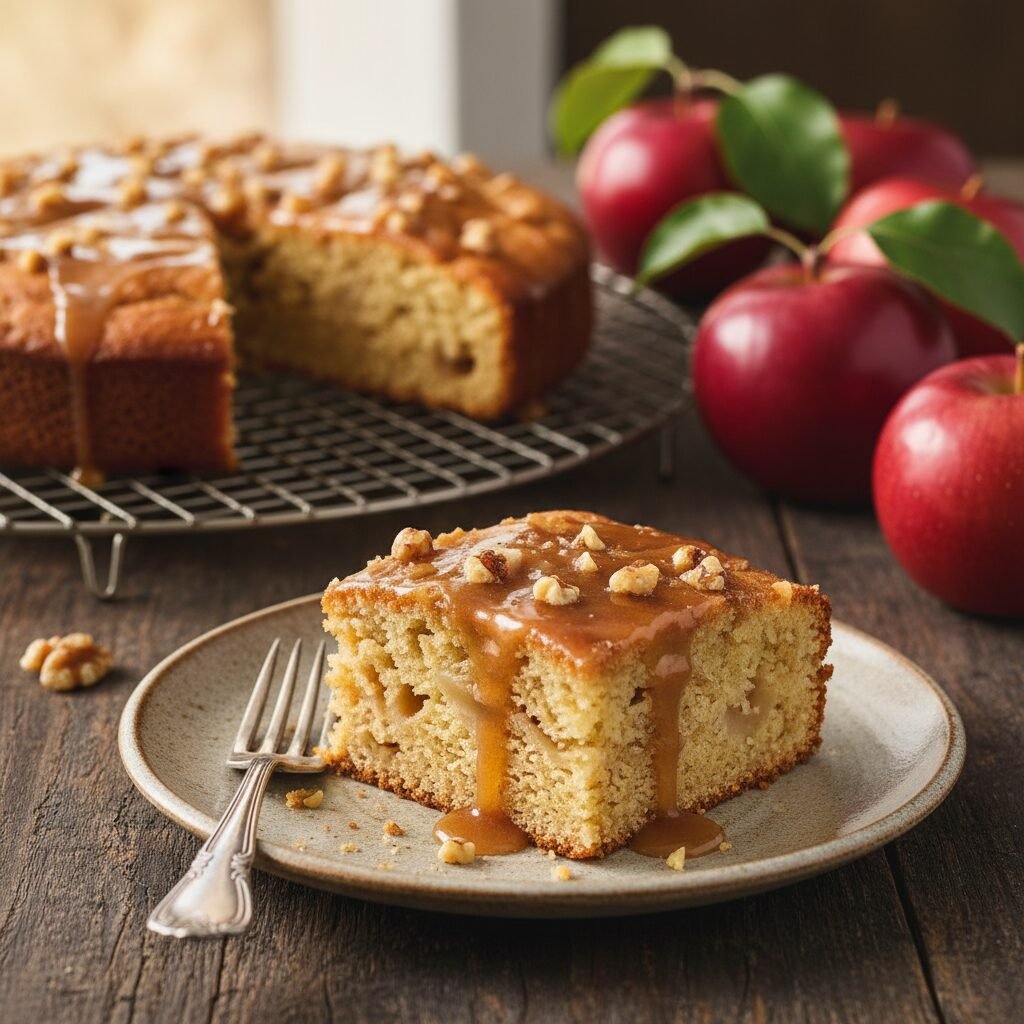
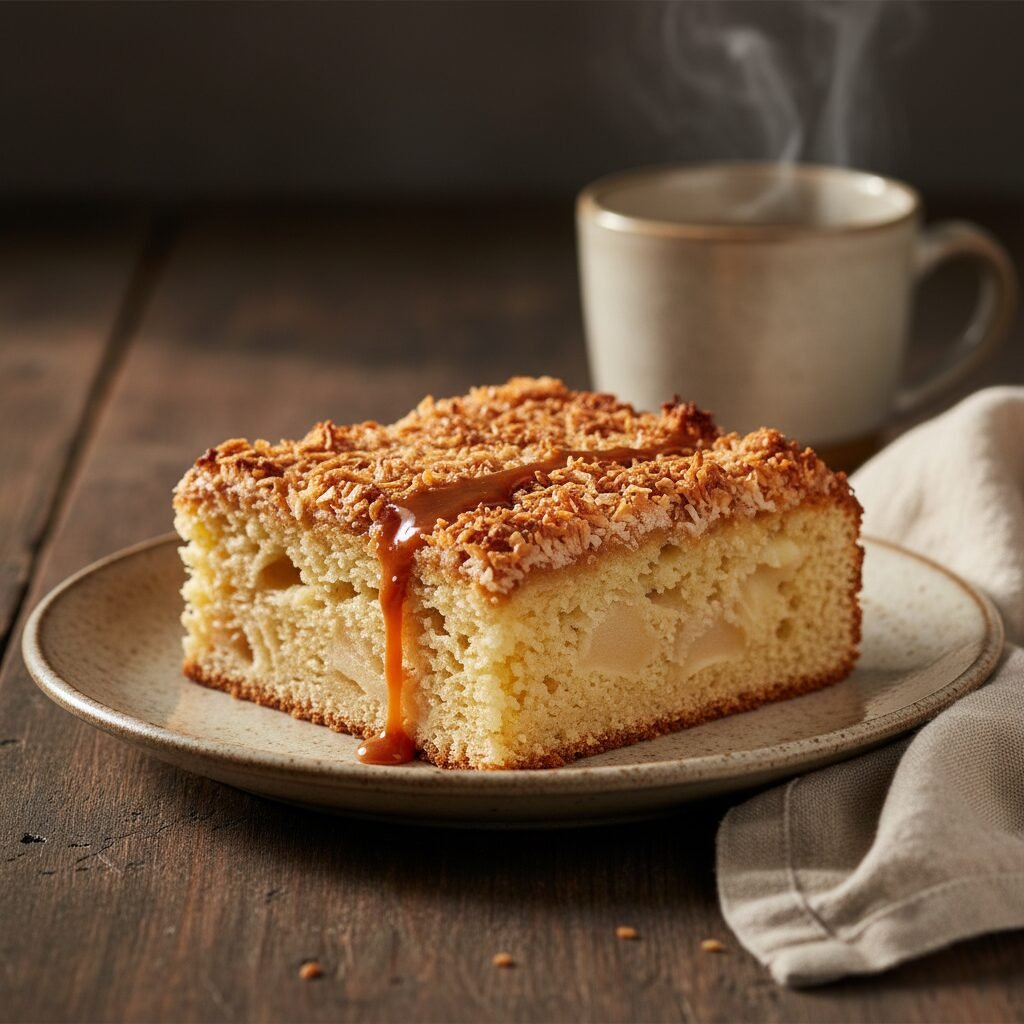
Moist Apple Cake With Coconut Topping Recipe
This unbelievably moist apple cake features chunks of tender, cinnamon-spiced apples hidden within a fluffy crumb, all crowned with a sticky, chewy, caramelized coconut topping. It is the perfect cozy dessert for autumn afternoons or a decadent brunch treat.
20 minutes
45 minutes
1 hour 5 minutes
12 servings
Dessert
Baking
American / Scandinavian Fusion
Vegetarian
There is something undeniably magical about the aroma of apples baking in the oven. It signals a shift in the seasons, bringing with it a desire for cozy sweaters, warm beverages, and comfort food that hugs the soul. This Moist Apple Cake with Coconut Topping is the absolute epitome of that feeling. Unlike a traditional apple pie or a standard coffee cake, this recipe bridges the gap between a fruit-forward dessert and a decadent confection. The base of the cake is incredibly tender, relying on a blend of oil and butter to ensure it stays moist for days, while chunks of tart Granny Smith apples provide a refreshing burst of acidity and texture in every bite.
But the real showstopper here is the topping. Borrowing inspiration from the famous Danish ‘Drømmekage’ (Dream Cake), the coconut layer is boiled briefly to create a caramel-like consistency before being spread over the warm cake. As it sets, it creates a chewy, golden-brown crust that offers a magnificent contrast to the soft, pillowy cake beneath. The nutty sweetness of the toasted coconut pairs harmoniously with the warm cinnamon and nutmeg spices in the batter, creating a flavor profile that is complex yet familiar. Whether you are serving this for a Sunday brunch, an afternoon tea, or as a simple weeknight dessert, this cake promises to be a crowd-pleaser that disappears from the plate in seconds.
History & Origins
The lineage of apple cake is as old as the cultivation of apples themselves. Originating in Europe, specifically within German and Scandinavian baking traditions, ‘Apfelkuchen’ became a staple due to the abundance of the fruit during the harvest season. These early recipes were often dense, bread-like, and focused heavily on preserving the fruit through the winter months. When European settlers arrived in North America, they brought these recipes with them, adapting them to include local apple varieties and ingredients like molasses and brown sugar.
The specific addition of a coconut topping, however, likely draws its roots from the mid-20th century. Coconut became a popular exotic ingredient in Western baking during the 1950s and 60s. The most direct ancestor of this specific variation is the Danish ‘Drømmekage fra Brovst’ (Dream Cake from Brovst). Legend has it that in 1960, a housewife named Jytte Andersen from the town of Brovst entered a baking contest with a vanilla cake topped with a mixture of coconut, butter, and brown sugar. She won, and the recipe became a national treasure in Denmark. This recipe marries that iconic Scandinavian coconut topping with the rustic, spiced tradition of the American apple cake, creating a trans-Atlantic fusion that celebrates the best of both culinary worlds.
Why This Recipe Works
This recipe succeeds where others fail due to a careful balance of moisture management and textural contrast. Many apple cakes suffer from being either too dry or overly soggy due to the water content in the fruit. To combat this, we use a specific ratio of fat-to-flour and incorporate tart apples that hold their shape, such as Granny Smiths or Honeycrisps. These apples release just enough steam internally to keep the crumb tender without turning it into mush.
Furthermore, the coconut topping works on a chemical level to enhance flavor. By pre-cooking the butter, brown sugar, and milk before adding the coconut, we initiate the Maillard reaction—browning the sugars to create deep, caramel notes. When this mixture is spread over the cake, it acts as a protective barrier, keeping the steam inside the cake while the top crisps up. The coconut shreds toast in the oven, providing a necessary crunch that cuts through the softness of the cake. The salt in the topping is also crucial; it balances the intense sweetness of the caramel and the acidity of the apples, ensuring the final product is rich but not cloying.
Why You’ll Love This Recipe
- ✓Incredibly moist crumb that stays fresh for days
- ✓Chewy, caramelized coconut topping adds amazing texture
- ✓Perfect balance of sweet and tart flavors
- ✓No fancy mixer required—can be made by hand
- ✓Uses pantry staples and fresh seasonal apples
- ✓Freezes beautifully for future enjoyment
Equipment You’ll Need
- ✓9×13 inch baking pan
- ✓Large mixing bowl
- ✓Medium mixing bowl
- ✓Whisk
- ✓Rubber spatula
- ✓Peeler
- ✓Small saucepan
- ✓Measuring cups and spoons
Ingredients
- ✓2 cups All-Purpose Flour
- ✓1 1/2 cups Granulated Sugar
- ✓2 tsp Baking Powder
- ✓1 tsp Ground Cinnamon
- ✓1/2 tsp Ground Nutmeg
- ✓1/2 tsp Salt
- ✓2 large Eggs, room temperature
- ✓1/2 cup Vegetable Oil
- ✓1/2 cup Milk (whole or 2%)
- ✓1 tsp Vanilla Extract
- ✓3 cups Apples, peeled, cored, and diced (approx. 3 medium apples)
- ✓TOPPING: 6 tbsp Unsalted Butter
- ✓TOPPING: 2/3 cup Light Brown Sugar, packed
- ✓TOPPING: 1 cup Sweetened Shredded Coconut
- ✓TOPPING: 2 tbsp Milk or Heavy Cream
Instructions
- Preheat your oven to 350°F (175°C). Grease a 9×13 inch baking pan with butter or non-stick spray and set aside.
- In a large mixing bowl, whisk together the flour, granulated sugar, baking powder, cinnamon, nutmeg, and salt until well combined.
- In a separate medium bowl, whisk together the eggs, vegetable oil, 1/2 cup milk, and vanilla extract until the mixture is smooth and emulsified.
- Pour the wet ingredients into the dry ingredients. Use a rubber spatula to gently fold the batter together. Do not overmix; stop as soon as the flour streaks disappear. The batter will be thick.
- Fold in the diced apples, ensuring they are evenly distributed throughout the batter.
- Pour the batter into the prepared baking pan and spread it into an even layer. Bake for 30-35 minutes, or until a toothpick inserted into the center comes out mostly clean.
- While the cake is baking, prepare the topping. In a small saucepan over medium heat, melt the butter. Stir in the brown sugar and 2 tablespoons of milk. Cook for about 1-2 minutes until the sugar is dissolved and the mixture is bubbly.
- Remove the saucepan from the heat and stir in the shredded coconut until fully coated in the caramel mixture.
- Remove the cake from the oven (it does not need to be fully cooled). Immediately spoon the warm coconut topping evenly over the surface of the cake. Use a spatula to spread it gently to the edges.
- Return the cake to the oven and bake for an additional 10-12 minutes, or until the topping is golden brown and bubbly.
- Remove from the oven and place on a wire rack. Let the cake cool for at least 20 minutes before slicing to allow the topping to set and the crumb to stabilize.
- Serve warm or at room temperature.
Expert Cooking Tips
- ✓Use a mix of apples: Try combining Granny Smith for tartness and Fuji or Gala for sweetness to get a complex flavor profile.
- ✓Don’t overmix the batter: Stir just until the flour is incorporated to ensure the cake remains tender and not tough.
- ✓Dice apples uniformly: Cut your apples into small, 1/2 inch cubes so they cook evenly and don’t weigh down the batter.
- ✓Watch the topping: The coconut can go from golden to burnt quickly in the final stage, so keep an eye on it during the last few minutes.
- ✓Room temperature ingredients: Ensure your eggs and milk are at room temperature to help the batter emulsify properly.
Substitutions and Variations
This recipe is quite forgiving and allows for several substitutions based on dietary needs or pantry availability. For the flour, you can use a 1:1 gluten-free baking flour blend if you are avoiding gluten; just ensure the blend contains xanthan gum. If you want a nuttier flavor, you can swap half of the all-purpose flour for whole wheat pastry flour. For the sugar, coconut sugar can be substituted for granulated sugar in the cake for a lower glycemic index, though it will darken the color of the crumb. In terms of fat, melted coconut oil or melted butter can replace the vegetable oil, though vegetable oil generally keeps the cake moister longer. For the dairy, almond milk, oat milk, or soy milk can be used in place of cow’s milk in both the batter and the topping. If you don’t have apples, pears are an excellent alternative that provides a similar texture. Lastly, if you prefer unsweetened coconut, you can use it, but you may want to add an extra tablespoon of brown sugar to the topping mixture to maintain the caramelization.
Common Mistakes to Avoid
A frequent mistake with apple cake is cutting the apples too large. Large chunks release too much water in concentrated pockets, leading to a soggy crumb around the fruit while the rest of the cake dries out. Ensure you dice them finely. Another common error is overbaking the base before adding the topping. Remember that the cake goes back into the oven for another 10-15 minutes with the topping; if you bake it to 100% doneness in the first stage, it will be dry by the time the topping is caramelized. Pull the cake when a tester still has a few moist crumbs attached. Finally, do not skip the cooling time. The structure of this cake is very delicate when hot due to the heavy fruit content. Cutting it too early will cause it to crumble and fall apart; it needs time for the starches to retrograde and firm up.
Serving Suggestions
This cake is versatile enough to be served at various temperatures and with different accompaniments. It is heavenly when served slightly warm, perhaps reheated for 15 seconds in the microwave, with a scoop of vanilla bean ice cream melting over the coconut topping. For a brunch setting, serve it at room temperature alongside a dollop of unsweetened whipped cream or Greek yogurt to cut through the sweetness. A dusting of powdered sugar or a drizzle of salted caramel sauce can elevate the presentation for a dinner party. Beverage-wise, it pairs exceptionally well with dark roast coffee, Earl Grey tea, or a hot toddy.
Storage and Reheating Tips
To store this cake, cover the pan tightly with plastic wrap or aluminum foil, or transfer slices to an airtight container. It can be kept at room temperature for up to 2 days, which actually allows the flavors to meld and the moisture to redistribute. For longer storage, keep it in the refrigerator for up to 5 days. If you wish to freeze it, wrap individual slices tightly in plastic wrap and then place them in a freezer-safe bag; they will keep for up to 3 months. Thaw frozen slices in the refrigerator overnight or on the counter for an hour before reheating.
Nutrition Facts (Estimated)
| Serving Size | 1 slice |
| Calories | 380 |
| Fat | 18g |
| Saturated Fat | 10g |
| Unsaturated Fat | 7g |
| Trans Fat | 0g |
| Cholesterol | 45mg |
| Sodium | 210mg |
| Carbohydrates | 52g |
| Fiber | 3g |
| Sugar | 28g |
| Protein | 4g |
Frequently Asked Questions
Can I use frozen apples for this recipe?
Yes, you can use frozen apples, but do not thaw them before adding to the batter. Thawing releases too much liquid which can make the batter runny. Toss the frozen apple chunks in a tablespoon of flour before folding them in.
What type of coconut is best?
Sweetened shredded coconut (often called angel flake) works best for the classic chewy texture and sweetness. However, you can use desiccated or unsweetened coconut; just be aware the texture will be slightly drier and less chewy.
Can I make this in a bundt pan?
It is not recommended for this specific recipe because the topping needs a flat surface to caramelize properly. A bundt pan would require putting the topping at the bottom, which might cause it to burn or stick during the long bake time.
Why did my topping sink into the cake?
If the topping sinks, it usually means the cake was underbaked when you applied the topping. Make sure the cake has formed a solid crust and passes the toothpick test (mostly clean) before adding the heavy coconut mixture.
Can I add nuts to the topping?
Absolutely! Chopped pecans or walnuts make a fantastic addition. Add about 1/2 cup of chopped nuts to the saucepan when you add the coconut.
Is this cake overly sweet?
It is a sweet dessert cake, but the tartness of the Granny Smith apples helps balance it. If you prefer less sugar, you can reduce the sugar in the cake batter to 1 cup, but do not reduce the sugar in the topping as it is needed for caramelization.
Can I double the recipe?
Yes, but you will need to bake it in two separate 9×13 pans. Do not try to bake a double batch in a single deep pan as the center will likely never cook through before the edges burn.
How do I know when the topping is done?
The topping is done when it has turned a rich golden-brown color and is bubbling vigorously across the entire surface. It should look like a sticky caramel.
Conclusion
This Moist Apple Cake with Coconut Topping is more than just a recipe; it’s a comforting embrace on a plate. The journey from the simple preparation to the aromatic baking process and finally to the first delicious bite is rewarding in every way. It combines the nostalgic, homey feel of a traditional apple cake with an exotic, texturally exciting coconut twist that elevates it to gourmet status. Whether you are an experienced baker or a novice in the kitchen, this straightforward recipe guarantees a result that looks rustic yet tastes sophisticated. We hope this cake becomes a cherished tradition in your home, filling your kitchen with warmth and your table with smiles.