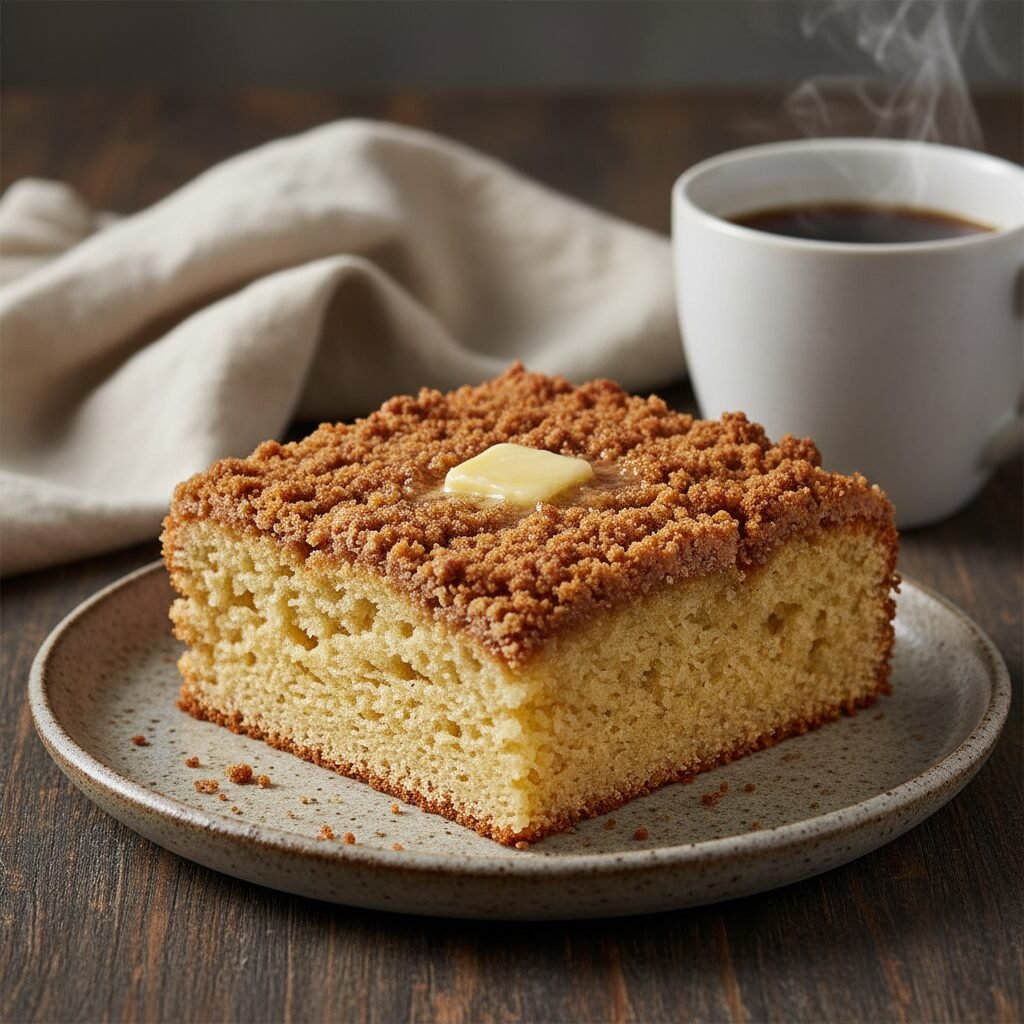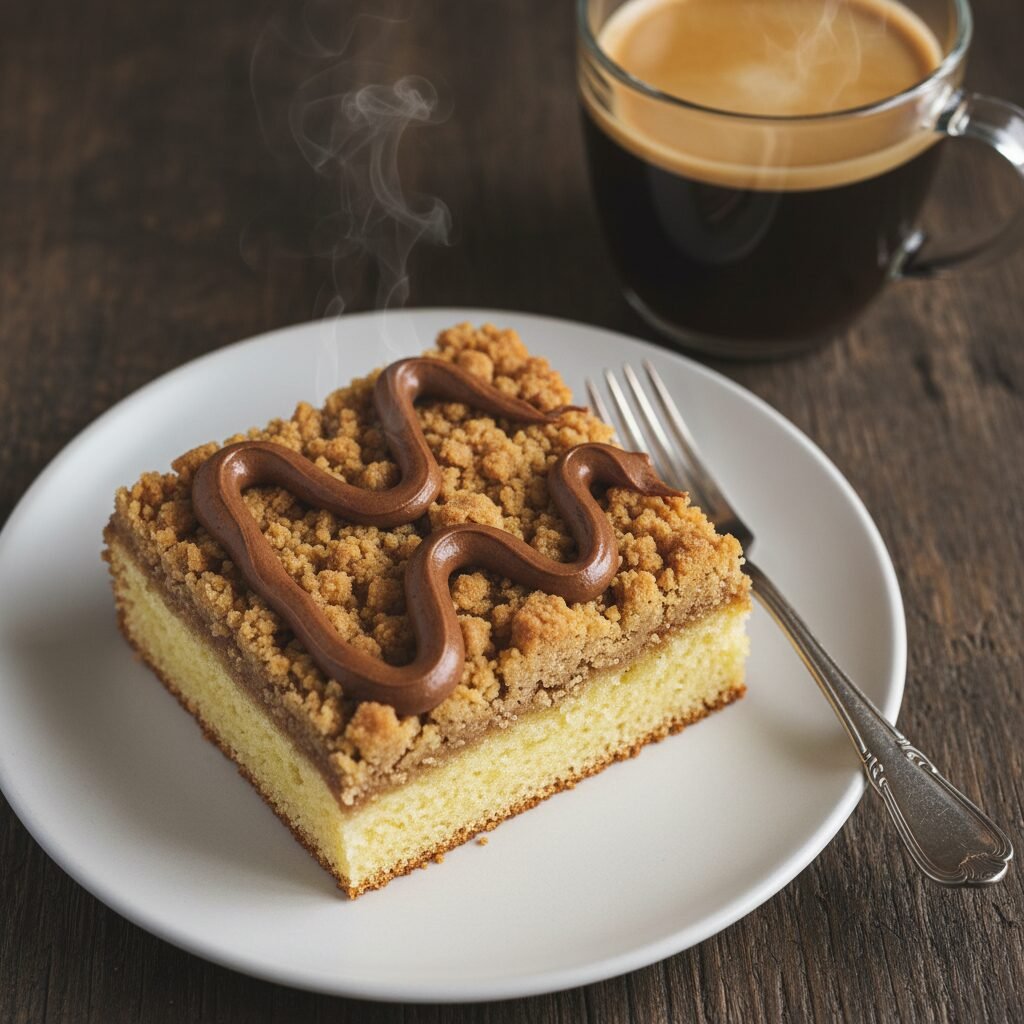
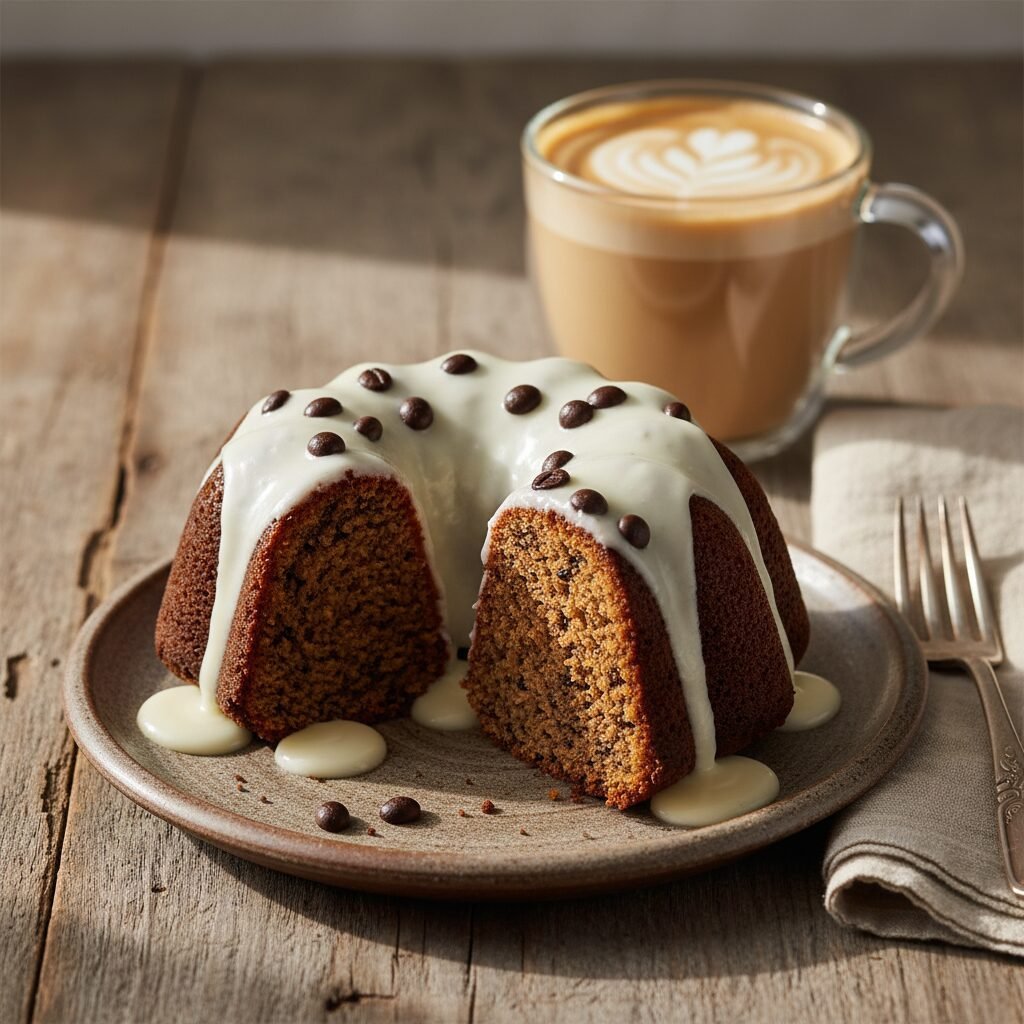
Moist Cappuccino Cake For Brunch Recipe
Wake up your senses with this incredibly moist Cappuccino Cake, featuring a tender espresso-infused crumb and a silky coffee cream cheese glaze. It is the perfect centerpiece for a lazy Sunday brunch or a sophisticated afternoon pick-me-up.
20 minutes
45 minutes
1 hour 5 minutes
10-12 servings
Dessert / Brunch
Baking
American / Italian Fusion
Vegetarian
There is something undeniably magical about the aroma of brewing coffee on a slow Sunday morning. It signals a pause in the chaos, a moment to breathe, and usually, the promise of something delicious to eat. This Moist Cappuccino Cake is the physical embodiment of that feeling. It bridges the gap between your morning cup of joe and a decadent dessert, creating a brunch item that is both comforting and sophisticated. Unlike traditional coffee cakes which are often dry and meant merely to accompany a beverage, this cake infuses the bold, roasted notes of espresso directly into the batter, ensuring every bite delivers that signature cappuccino kick. The texture is paramount here; we are aiming for a crumb that is dense enough to hold its shape but moist enough to melt in your mouth, reminiscent of the foam on a perfectly poured cappuccino.
As a food blogger who lives for the aesthetic and taste of a well-curated brunch, I have spent years tweaking this recipe. I wanted to capture the essence of a coffeehouse favorite but make it accessible for the home baker. The result is a cake that balances the bitterness of dark roast coffee with the tang of sour cream and the sweetness of a vanilla-spiked glaze. It is not just a cake; it is an experience. Whether you are hosting a bridal shower, a family gathering, or simply treating yourself after a long week, this Cappuccino Cake demands a spot on your table. It pairs beautifully with fresh fruit, savory quiches, and, of course, another cup of coffee. Get ready to fill your kitchen with the most intoxicating scent imaginable.
History & Origins
The concept of ‘coffee cake’ has a rich and somewhat confusing history, depending on where you are in the world. In many European traditions, particularly in Germany and Scandinavia, the tradition of ‘Kaffekuchen’ or ‘fika’ involves sweet breads and cakes specifically designed to be eaten alongside coffee. Historically, these cakes rarely contained coffee as an ingredient; rather, they were spiced with cinnamon, cardamom, or nuts to complement the hot beverage. The evolution of the American coffee cake followed suit, often featuring streusel toppings and swirls of cinnamon sugar, becoming a staple of mid-century hospitality.
However, the infusion of actual coffee flavor into baked goods is a more modern culinary development, likely gaining significant traction with the explosion of coffee house culture in the late 20th century. As the cappuccino—a specific espresso-based drink with steamed milk foam—became a global icon of sophistication in the 1980s and 90s, bakers began experimenting with these flavor profiles. They sought to mimic the creamy, frothy, and bold elements of the drink in solid form. This specific Cappuccino Cake recipe draws inspiration from those innovations, moving beyond the ‘cake with coffee’ tradition to a ‘cake of coffee’ philosophy. It honors the Italian reverence for espresso while embracing the American love for tender, moist, glazed cakes. It represents the globalization of breakfast culture, where the borders between a morning beverage and a morning pastry blur into one delicious entity.
Why This Recipe Works
This recipe succeeds where many coffee-flavored baked goods fail because it addresses the two biggest challenges: texture and flavor intensity. Often, adding liquid coffee to a batter can throw off the liquid-to-dry ratio, resulting in a rubbery or dry cake. To combat this, we use instant espresso powder dissolved in a minimal amount of hot milk. This delivers a concentrated punch of flavor without watering down the batter. Furthermore, the inclusion of full-fat sour cream is the secret weapon for moisture. The acidity in the sour cream tenderizes the gluten strands in the flour, resulting in a soft, velvety crumb that stays fresh for days.
Additionally, we use a combination of butter and oil. Butter provides that classic, rich flavor that we crave in baked goods, while neutral oil ensures the cake remains moist even when cool, as oil remains liquid at room temperature. The glaze is also scientifically designed to mimic the ‘foam’ of a cappuccino. By using cream cheese whipped with a touch of milk and sugar, we create a topping that is tangy and creamy, cutting through the richness of the cake and the bitterness of the coffee. The balance of salt in the batter is also slightly elevated to pop the coffee notes, similar to how a pinch of salt improves chocolate.
Why You’ll Love This Recipe
- ✓Intense espresso flavor without bitterness
- ✓Incredibly moist crumb thanks to sour cream
- ✓Keeps fresh for up to 4 days
- ✓Perfect balance of sweet glaze and roasted coffee notes
- ✓One-bowl mixing method for easy cleanup
- ✓Ideal for brunch spreads or afternoon tea
Equipment You’ll Need
- ✓Bundt pan or 9×13 baking dish
- ✓Electric mixer (hand or stand)
- ✓Large mixing bowl
- ✓Medium mixing bowl
- ✓Whisk
- ✓Rubber spatula
- ✓Cooling rack
- ✓Measuring cups and spoons
Ingredients
- ✓2 1/2 cups All-purpose flour
- ✓2 tsp Baking powder
- ✓1/2 tsp Baking soda
- ✓1/2 tsp Salt
- ✓1 cup Unsalted butter, softened
- ✓1/4 cup Vegetable oil
- ✓1 1/2 cups Granulated sugar
- ✓3 Large eggs, room temperature
- ✓2 tsp Vanilla extract
- ✓1 cup Full-fat sour cream
- ✓3 tbsp Instant espresso powder
- ✓2 tbsp Hot milk (for dissolving espresso)
- ✓For the Glaze: 4 oz Cream cheese, softened
- ✓1 cup Powdered sugar
- ✓2-3 tbsp Milk or heavy cream
- ✓1/2 tsp Vanilla extract
- ✓Cocoa powder or chocolate covered coffee beans for garnish
Instructions
- Preheat your oven to 350°F (175°C). Generously grease and flour a Bundt pan or spray with baking spray containing flour.
- In a small bowl, dissolve the instant espresso powder into the 2 tablespoons of hot milk. Stir until completely smooth and set aside to cool slightly.
- In a medium bowl, whisk together the flour, baking powder, baking soda, and salt until well combined.
- In a large mixing bowl or stand mixer, beat the softened butter, vegetable oil, and granulated sugar on medium-high speed for about 3-4 minutes until light and fluffy.
- Add the eggs one at a time, beating well after each addition. Scrape down the sides of the bowl as needed.
- Mix in the vanilla extract and the cooled espresso mixture until fully incorporated.
- Reduce the mixer speed to low. Add the flour mixture in three parts, alternating with the sour cream in two parts, starting and ending with the flour. Mix only until just combined; do not overmix.
- Pour the batter into the prepared Bundt pan and smooth the top with a spatula.
- Bake for 40-50 minutes, or until a toothpick inserted into the center comes out clean or with just a few moist crumbs attached.
- Allow the cake to cool in the pan for 10 minutes, then carefully invert it onto a wire rack to cool completely.
- While the cake cools, prepare the glaze. Beat the softened cream cheese and powdered sugar together until smooth. Gradually add milk and vanilla until you reach a pourable consistency.
- Drizzle the glaze over the completely cooled cake. Garnish with a dusting of cocoa powder or chocolate-covered coffee beans before serving.
Expert Cooking Tips
- ✓Ensure all ingredients, especially eggs and sour cream, are at room temperature to prevent the batter from curdling.
- ✓Do not skip the step of dissolving the espresso powder; adding it dry will result in bitter speckles rather than an even flavor.
- ✓Grease your Bundt pan thoroughly, getting into every crevice, to ensure a perfect release.
- ✓If the top of the cake is browning too quickly before the center is done, tent it loosely with aluminum foil.
- ✓Wait until the cake is fully cool before glazing, otherwise, the glaze will melt and run off completely.
Substitutions and Variations
This recipe is quite versatile if you need to make swaps. If you don’t have sour cream, full-fat plain Greek yogurt is an excellent 1:1 substitute that maintains the moisture and tang. For the espresso powder, you can use very strong brewed coffee in place of the milk/espresso mixture, though the flavor may be milder. If you prefer a dairy-free version, you can use a plant-based butter and a coconut yogurt, though the texture might be slightly denser. For the flour, a high-quality 1:1 gluten-free baking flour blend works reasonably well, but ensure it contains xanthan gum. You can also swap the vegetable oil for melted coconut oil for a subtle flavor twist.
Common Mistakes to Avoid
The most common mistake is overmixing the batter after adding the flour. This develops the gluten too much and leads to a tough, rubbery cake rather than a tender one. Another error is using cold ingredients; cold eggs hitting warm butter can cause the mixture to seize and separate. Also, be wary of under-baking. Bundt pans are deep, and while the top may look done, the center can remain raw. Always trust the toothpick test. Finally, using regular instant coffee instead of instant espresso powder will yield a much weaker coffee flavor that lacks the depth required for this recipe.
Serving Suggestions
This cake shines as the star of a brunch buffet. Serve it on a pedestal stand to give it height and elegance. It pairs wonderfully with a fresh fruit salad to cut the richness, or savory items like bacon and egg cups. For beverages, serve it alongside a hot cappuccino to echo the flavors, or a cold brew coffee for contrast. If serving for dessert, a scoop of vanilla bean ice cream or a dollop of lightly sweetened whipped cream on the side takes it to the next level. A light dusting of cocoa powder right before serving adds a professional touch.
Storage and Reheating Tips
Because of the moisture content from the sour cream and the cream cheese in the glaze, this cake is best stored in an airtight container. It can stay at room temperature for up to 2 days if the kitchen is cool, but refrigeration is recommended for longer storage, up to 5 days. If refrigerating, let the slices come to room temperature before eating for the best texture and flavor release. You can also freeze unglazed slices wrapped tightly in plastic wrap and foil for up to 3 months. Thaw overnight in the fridge and glaze fresh before serving.
Nutrition Facts (Estimated)
| Serving Size | 1 slice |
| Calories | 385 |
| Fat | 18g |
| Saturated Fat | 10g |
| Unsaturated Fat | 7g |
| Trans Fat | 0g |
| Cholesterol | 65mg |
| Sodium | 210mg |
| Carbohydrates | 48g |
| Fiber | 1g |
| Sugar | 28g |
| Protein | 5g |
Frequently Asked Questions
Can I use brewed coffee instead of espresso powder?
You can, but you would need to reduce the other liquids in the recipe to accommodate the volume of coffee needed to get the same flavor intensity. Instant espresso powder is recommended because it provides concentrated flavor without altering the liquid ratio.
Why did my cake stick to the Bundt pan?
Bundt pans can be tricky. Usually, this happens if the pan wasn’t greased thoroughly enough or if the cake was removed too hot. Let it cool for exactly 10 minutes—no more, no less—before flipping.
Can I make this cake ahead of time?
Yes! In fact, the flavors often meld and improve the next day. Bake it the day before, store it covered at room temperature, and add the glaze on the morning of serving.
Is this cake safe for kids given the caffeine?
The amount of caffeine per slice is relatively low compared to a cup of coffee, but it does contain real espresso. If you are concerned, you can use decaffeinated instant espresso powder.
Can I bake this in a regular cake pan?
Absolutely. A 9×13 inch rectangular pan works well. You will likely need to reduce the baking time to 30-40 minutes. Keep an eye on it and test for doneness.
My glaze is too runny, what do I do?
Simply whisk in more powdered sugar, a tablespoon at a time, until it thickens. If it’s too thick, add milk a teaspoon at a time.
Can I use low-fat ingredients?
You can use light sour cream, but I recommend sticking to full-fat for the best texture. Avoid non-fat ingredients as they often contain fillers that can affect the bake.
What if I don’t have a mixer?
You can mix this by hand! It requires some elbow grease to cream the butter and sugar properly, but it is entirely possible to make a delicious cake with just a whisk and spatula.
Conclusion
I truly hope this Moist Cappuccino Cake becomes a new tradition in your household. It is one of those rare recipes that feels incredibly fancy but is deceptively simple to make. The way the kitchen smells while it bakes is reason enough to try it, but the first bite—tender, rich, and perfectly caffeinated—will keep you coming back. Whether you are an avid coffee lover or just a lover of good cake, this recipe is sure to impress. Don’t forget to snap a picture before it’s all gone and tag us on social media; we love seeing your brunch creations!