Moist Carrot Layer Cake With Cream Cheese Frosting Recipe
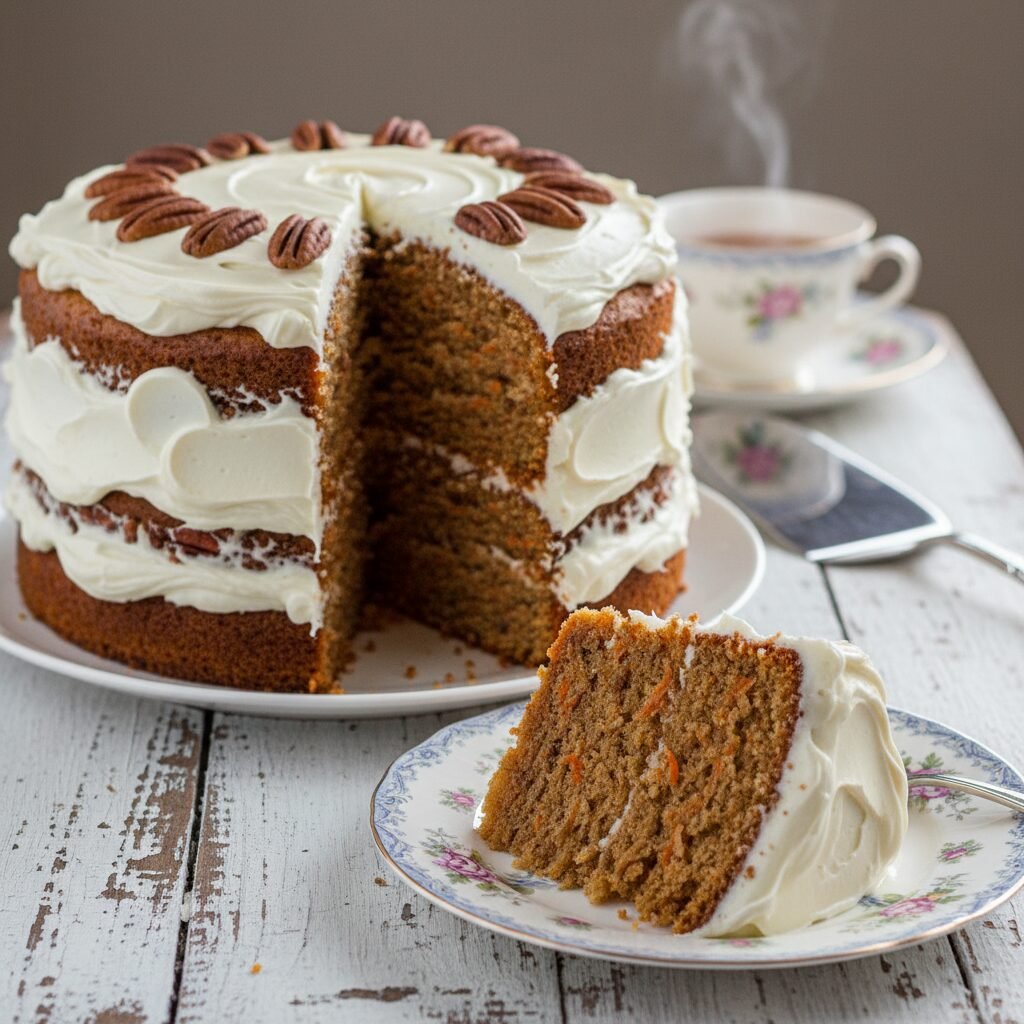
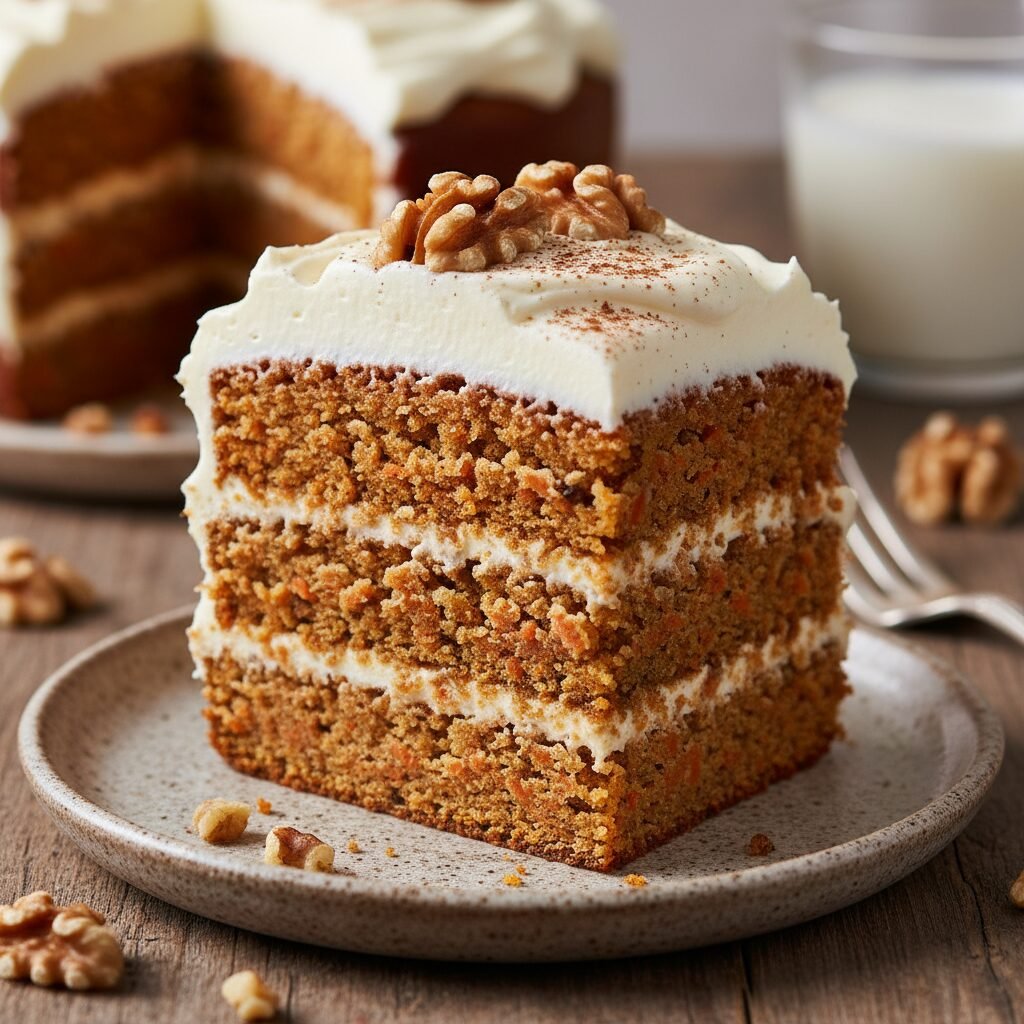
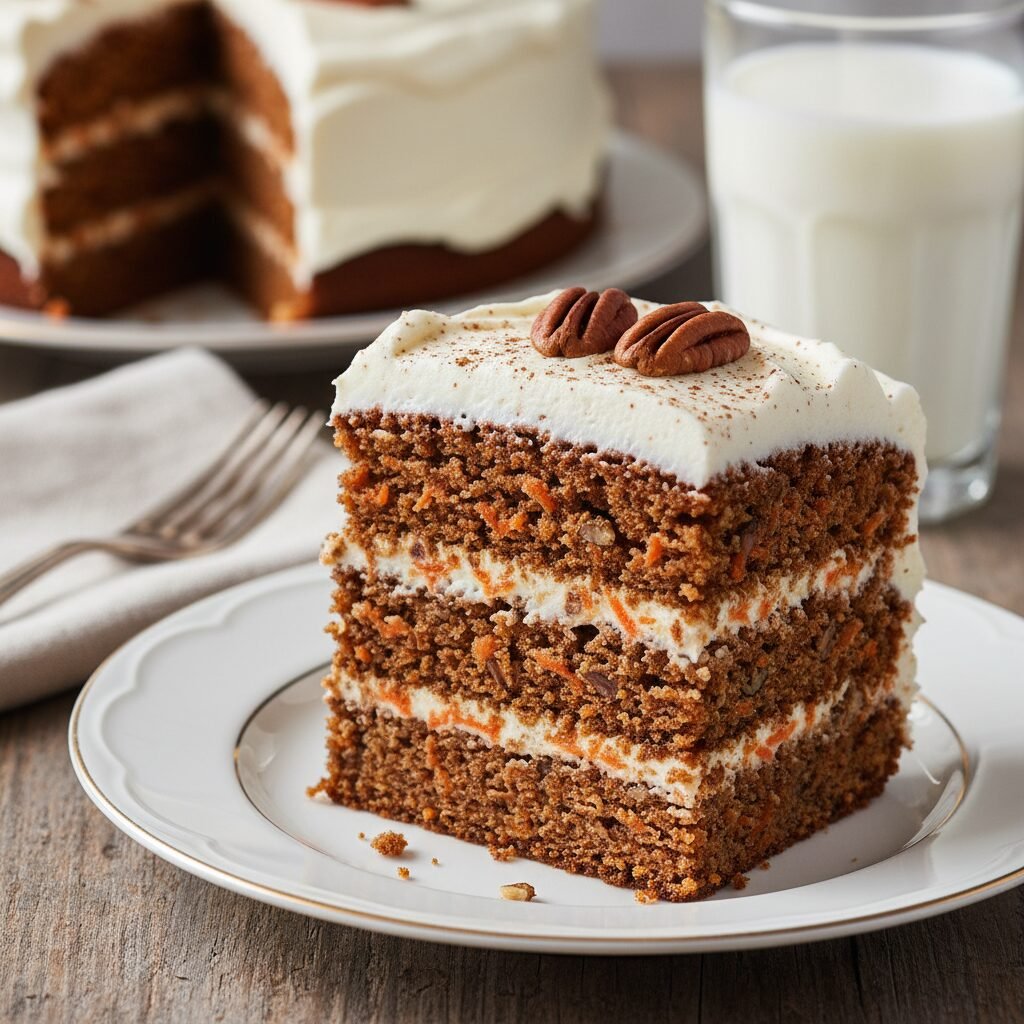
This is the definitive recipe for an incredibly moist, perfectly spiced carrot cake that stays soft for days. Layered with a silky, tangy homemade cream cheese frosting and studded with toasted pecans, it is the perfect balance of sweet, spice, and richness.
45 minutes
35 minutes
1 hour 20 minutes (plus cooling)
12-16 servings
Dessert
Baking
American
Vegetarian
There are few desserts as universally beloved and comforting as a truly well-made carrot cake. We aren’t talking about the dry, crumbly versions you might find sitting sadly in a coffee shop display case. We are talking about a cake that is undeniably moist, dense enough to be satisfying but light enough to demand a second slice, and bursting with the warm, aromatic spices of cinnamon, ginger, and nutmeg. This Moist Carrot Layer Cake with Cream Cheese Frosting is the result of years of testing to find the perfect equilibrium between texture and flavor.
The secret to this cake’s allure lies in its crumb. It possesses a luxurious, melt-in-your-mouth quality that is achieved by using oil rather than butter, ensuring the cake remains soft even when chilled. The sweetness of the brown sugar deepens the flavor profile, adding notes of caramel that pair beautifully with the earthiness of the fresh carrots. And then, of course, there is the frosting. A carrot cake is only as good as its frosting, and this recipe features a classic cream cheese frosting that is whipped to airy perfection—tangy, sweet, and creamy, it cuts through the spice of the cake to create a harmonious bite every time.
Whether you are baking for a birthday, a holiday feast, or simply because you have a surplus of carrots in the crisper drawer, this recipe is designed to be foolproof. It is a rustic yet elegant showstopper that looks as beautiful as it tastes. Prepare your kitchen for the incredible aroma of baking spices, because once this cake is in the oven, everyone in the house will be waiting by the kitchen door.
History & Origins
The origins of carrot cake are somewhat debated, but most food historians trace its lineage back to the Middle Ages in Europe. During this period, sweeteners like sugar were rare and prohibitively expensive for the average person. Carrots, however, were abundant and contain more natural sugar than almost any other vegetable (second only to sugar beets). To satisfy their sweet tooth, medieval cooks developed ‘carrot puddings’—steamed dishes that were the precursors to the modern cake we know today.
The transition from pudding to cake likely occurred slowly over centuries, but the concept saw a significant revival during World War II in the United Kingdom. With strict rationing of sugar in place, the government promoted recipes that utilized the natural sweetness of carrots to stretch limited supplies. This ‘wartime cake’ kept morale high and bellies full without depleting the sugar ration.
However, the carrot cake’s explosion into American pop culture is a more recent phenomenon, largely credited to the 1960s and 1970s. As the ‘health food’ movement began to take shape, carrot cake was often marketed as a healthier alternative to chocolate or vanilla cakes—a somewhat ironic claim given the amount of oil, sugar, and cream cheese in the modern version! Nevertheless, it became a staple of American cafeterias, bakeries, and diners. By the time the Philadelphia Cream Cheese company began publishing recipes for carrot cake with their signature frosting on the package, the marriage between the spiced vegetable cake and the tangy frosting was cemented as an American classic.
Why This Recipe Works
This recipe succeeds where others fail primarily due to the fat source and the moisture content management. Many cakes rely on butter for flavor, but butter is solid at room temperature and even harder when chilled. Since carrot cake with cream cheese frosting must be refrigerated, butter-based carrot cakes often end up feeling dry or hard. By using a neutral oil (like vegetable or canola), this cake remains incredibly soft and moist regardless of temperature because oil remains liquid.
Secondly, the use of both granulated and brown sugar is crucial. Brown sugar contains molasses, which is acidic. This acidity reacts with the baking soda to help the cake rise, but more importantly, brown sugar is hygroscopic—meaning it attracts and holds onto water. This ensures the cake doesn’t dry out during the baking process.
Furthermore, the recipe calls for freshly grated carrots rather than pre-shredded ones. Pre-shredded carrots found in grocery stores are often dry and coated with cornstarch or other preservatives to prevent clumping. Freshly grating your carrots releases their natural juices, which absorb into the batter, infusing it with flavor and essential moisture. Finally, the blend of spices—specifically the addition of ginger and cloves alongside the standard cinnamon—provides a depth of warmth that elevates the cake from a simple sweet treat to a complex, aromatic dessert.
Why You’ll Love This Recipe
- ✓Stays incredibly moist for days thanks to the oil-based batter.
- ✓Perfect balance of spices: cinnamon, nutmeg, ginger, and cloves.
- ✓Silky, stable cream cheese frosting that pipes beautifully.
- ✓Rich flavor depth from brown sugar and toasted pecans.
- ✓Versatile recipe that can be made into a layer cake, sheet cake, or cupcakes.
Equipment You’ll Need
- ✓Two 9-inch round cake pans
- ✓Stand mixer or electric hand mixer
- ✓Box grater or food processor
- ✓Large mixing bowls
- ✓Wire cooling rack
- ✓Offset spatula
- ✓Parchment paper
Ingredients
- ✓2 cups all-purpose flour
- ✓2 teaspoons baking soda
- ✓1/2 teaspoon fine sea salt
- ✓1 1/2 teaspoons ground cinnamon
- ✓1 teaspoon ground ginger
- ✓1/4 teaspoon ground nutmeg
- ✓1/4 teaspoon ground cloves
- ✓1 1/4 cups neutral oil (canola or vegetable)
- ✓1 cup granulated sugar
- ✓1 cup packed light brown sugar
- ✓1 teaspoon pure vanilla extract
- ✓4 large eggs, room temperature
- ✓3 cups grated carrots (approx. 5-6 medium carrots)
- ✓1 cup chopped pecans, toasted (optional)
- ✓1/2 cup raisins (optional)
- ✓16 oz full-fat cream cheese, room temperature (for frosting)
- ✓1/2 cup unsalted butter, room temperature (for frosting)
- ✓4 cups powdered sugar (for frosting)
- ✓1 1/2 teaspoons vanilla extract (for frosting)
- ✓Pinch of salt (for frosting)
Instructions
- 1. Preheat your oven to 350°F (175°C). Grease two 9-inch round cake pans with butter or cooking spray. Line the bottoms with parchment paper rounds for easy release, then grease the parchment as well.
- 2. In a medium bowl, whisk together the flour, baking soda, salt, cinnamon, ginger, nutmeg, and cloves until thoroughly combined and lump-free. Set aside.
- 3. In a large mixing bowl (or the bowl of a stand mixer), beat the oil, granulated sugar, brown sugar, and vanilla extract until well combined. Add the eggs one at a time, beating well after each addition until the mixture is smooth.
- 4. Gradually add the dry flour mixture to the wet ingredients. Mix on low speed or fold by hand with a spatula just until the flour streaks disappear. Do not overmix.
- 5. Fold in the freshly grated carrots, toasted pecans, and raisins (if using) by hand until they are evenly distributed throughout the thick batter.
- 6. Divide the batter evenly between the two prepared cake pans. Tap the pans gently on the counter to release any large air bubbles.
- 7. Bake for 30-35 minutes, or until a toothpick inserted into the center comes out clean or with just a few moist crumbs attached. The tops should be golden brown and spring back when lightly pressed.
- 8. Remove the cakes from the oven and let them cool in the pans for 10 minutes. Then, carefully turn them out onto a wire rack to cool completely. The cakes must be 100% cool before frosting.
- 9. To make the frosting: In a large bowl, beat the room temperature cream cheese and butter together on medium-high speed until smooth and creamy (about 2-3 minutes).
- 10. Reduce the mixer speed to low and gradually add the powdered sugar, one cup at a time. Once incorporated, add the vanilla and a pinch of salt. Increase speed to high and whip for 3 minutes until the frosting is fluffy and white.
- 11. Assemble the cake: Place one cake layer on your serving platter. Spread a generous layer of frosting over the top. Place the second cake layer on top (bottom side up for a flat top). Frost the top and sides of the cake with the remaining frosting.
- 12. Garnish with extra chopped pecans or carrot curls if desired. Refrigerate the cake for 30 minutes before slicing to help the frosting set.
Expert Cooking Tips
- ✓Room Temperature Ingredients: Ensure your eggs, cream cheese, and butter are at room temperature. This creates a smoother emulsion and prevents a lumpy frosting.
- ✓Toast the Nuts: If using pecans or walnuts, toast them in a dry pan for 5 minutes before adding them to the batter. This intensifies their nutty flavor and keeps them crunchy.
- ✓Weigh Your Flour: For the most accurate results, use a kitchen scale. If using cups, spoon the flour into the cup and level it off; scooping directly packs the flour and leads to a dry cake.
- ✓Don’t Peel Carrots Prematurely: Peel the carrots right before grating to prevent them from oxidizing and drying out.
- ✓Chill to Cut: Because this cake is so moist, it slices best when it has been chilled in the fridge for at least an hour.
Substitutions and Variations
This recipe is quite resilient and allows for several substitutions. If you need a gluten-free version, a high-quality 1:1 gluten-free all-purpose flour blend works exceptionally well; just ensure it contains xanthan gum. For the oil, you can substitute melted coconut oil for a slight tropical hint, or applesauce for half of the oil if you are looking to reduce the fat content, though this will slightly alter the texture, making it more dense. If you have a nut allergy, simply omit the pecans or replace them with pumpkin seeds for crunch. For the frosting, mascarpone cheese can be used as a substitute for cream cheese for a richer, less tangy flavor profile. Raisins can be swapped for dried cranberries or chopped dates if you prefer a different dried fruit texture.
Common Mistakes to Avoid
The most common mistake with carrot cake is using pre-shredded carrots. These are too dry and thick; always grate your own using the medium holes of a box grater. Another issue is overmixing the batter once the flour is added, which develops the gluten and results in a rubbery, tough cake rather than a tender one. Regarding the frosting, attempting to frost the cake while it is even slightly warm is a disaster waiting to happen—the cream cheese frosting will melt and slide right off. Finally, do not reduce the sugar too drastically; sugar provides structural integrity and moisture, not just sweetness. Reducing it too much will result in a pale, dry cake.
Serving Suggestions
This cake is rich and satisfying, so it pairs beautifully with beverages that can cut through the sweetness. Serve a slice with a hot cup of black coffee, an espresso, or a dark roast tea like Earl Grey. For a dessert wine pairing, a late-harvest Riesling or a glass of tawny port complements the spices and nuts perfectly. This cake is ideal for Easter celebrations, autumn birthdays, or simply as a comforting weekend baking project. It looks stunning when garnished with candied pecans or piped carrots made from tinted frosting.
Storage and Reheating Tips
Because of the cream cheese frosting, this cake must be stored in the refrigerator. It can be kept in an airtight cake carrier or covered with plastic wrap for up to 5 days. In fact, many find the flavor improves on the second day as the spices meld. For long-term storage, you can freeze the cake. Individual slices can be wrapped tightly in plastic wrap and foil and frozen for up to 3 months. To freeze the whole cake, place it in the freezer uncovered for an hour to harden the frosting, then wrap it tightly in several layers of plastic wrap. Thaw in the refrigerator overnight before serving.
Nutrition Facts (Estimated)
| Serving Size | 1 slice |
| Calories | 650 |
| Fat | 38g |
| Saturated Fat | 10g |
| Unsaturated Fat | 26g |
| Trans Fat | 0g |
| Cholesterol | 65mg |
| Sodium | 320mg |
| Carbohydrates | 72g |
| Fiber | 3g |
| Sugar | 45g |
| Protein | 7g |
Frequently Asked Questions
Can I bake this in a 9×13 pan instead?
Yes, absolutely. Grease a 9×13 inch pan and bake at 350°F for approximately 35-45 minutes. The baking time may increase slightly, so keep an eye on it and use the toothpick test.
Why is my cream cheese frosting runny?
Runny frosting usually happens if the butter or cream cheese was melted or too soft, or if the kitchen is too hot. It can also happen if you overbeat it after adding sugar. Try chilling the frosting in the fridge for 20 minutes to firm it up.
Can I add pineapple to this recipe?
Yes, crushed pineapple is a popular addition. If you choose to add it, use about 1/2 cup of drained crushed pineapple and reduce the oil by 2 tablespoons to account for the extra moisture.
How do I grate carrots quickly?
A food processor with a shredding attachment is the fastest method. However, a standard box grater works perfectly fine and often yields a better texture for the cake.
Can I make this cake ahead of time?
Yes, carrot cake is one of the best cakes to make ahead. You can bake the layers, wrap them in plastic, and store them in the fridge for 2 days or freeze them for a month before frosting and assembling.
Why did my cake sink in the middle?
Sinking usually occurs if the oven door was opened too early during baking, causing a temperature drop, or if the cake was underbaked. Ensure your leavening agents (baking soda) are fresh.
Is this cake overly sweet?
It is a sweet dessert, but the spices and the tangy cream cheese frosting help balance the sugar. The toasted nuts also add a savory element that cuts the sweetness.
Can I use whole wheat flour?
You can substitute up to 50% of the all-purpose flour with white whole wheat flour. Using 100% whole wheat flour may result in a very dense and heavy cake.
Do I have to use the spices listed?
Cinnamon is essential, but you can adjust the nutmeg, cloves, and ginger to your taste. Pumpkin pie spice is a decent pre-mixed alternative if you don’t have individual spices.
What is the best oil to use?
Any neutral-flavored oil works best. Canola, vegetable, grapeseed, or a very light olive oil are all excellent choices.
Conclusion
In the world of baking, few things are as rewarding as pulling a fragrant, golden-brown carrot cake out of the oven. This Moist Carrot Layer Cake with Cream Cheese Frosting is more than just a recipe; it’s a reliable classic that delivers comfort and joy with every forkful. The combination of the tender, spiced crumb and the rich, tangy frosting creates a dessert experience that is truly timeless. Whether you are an experienced baker or a novice, this recipe is designed to guide you to success. So, grab your grater, toast those pecans, and get ready to bake the best carrot cake you have ever tasted. Your friends and family will thank you!