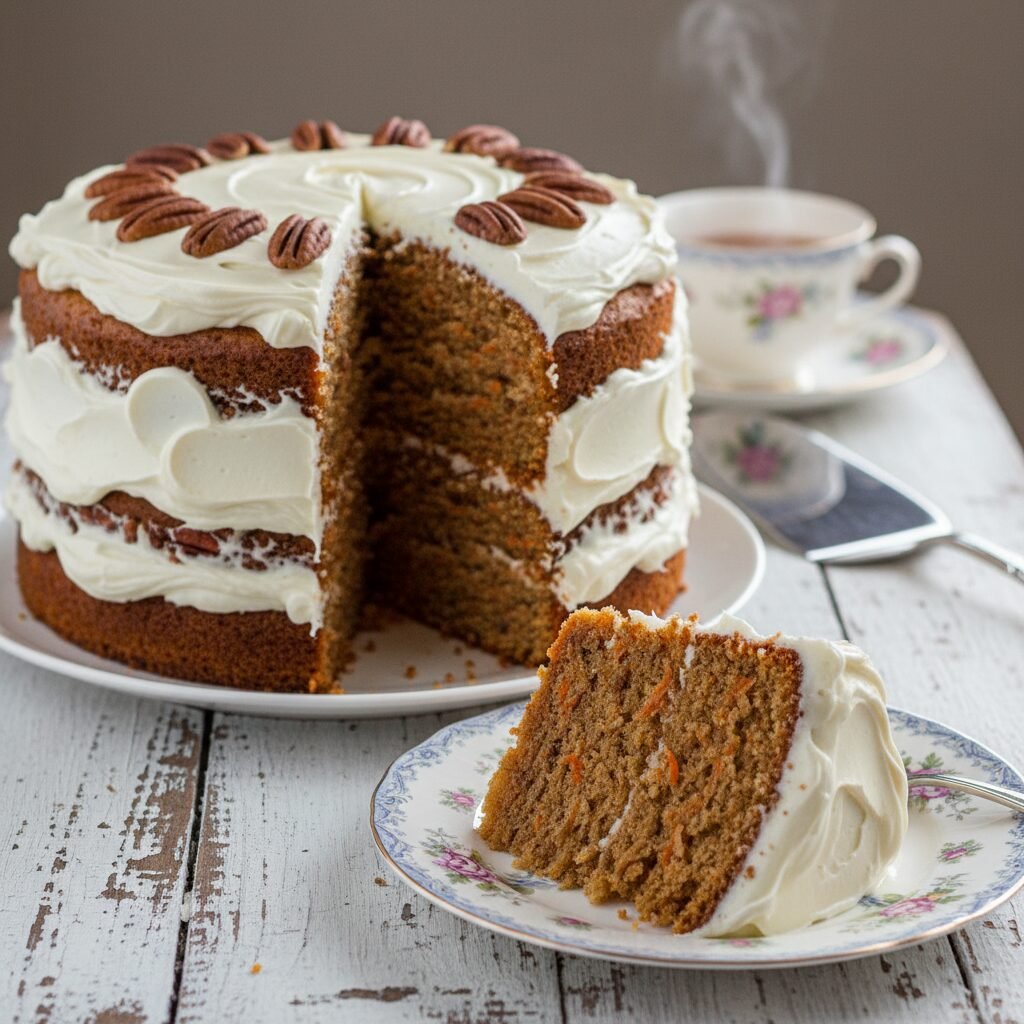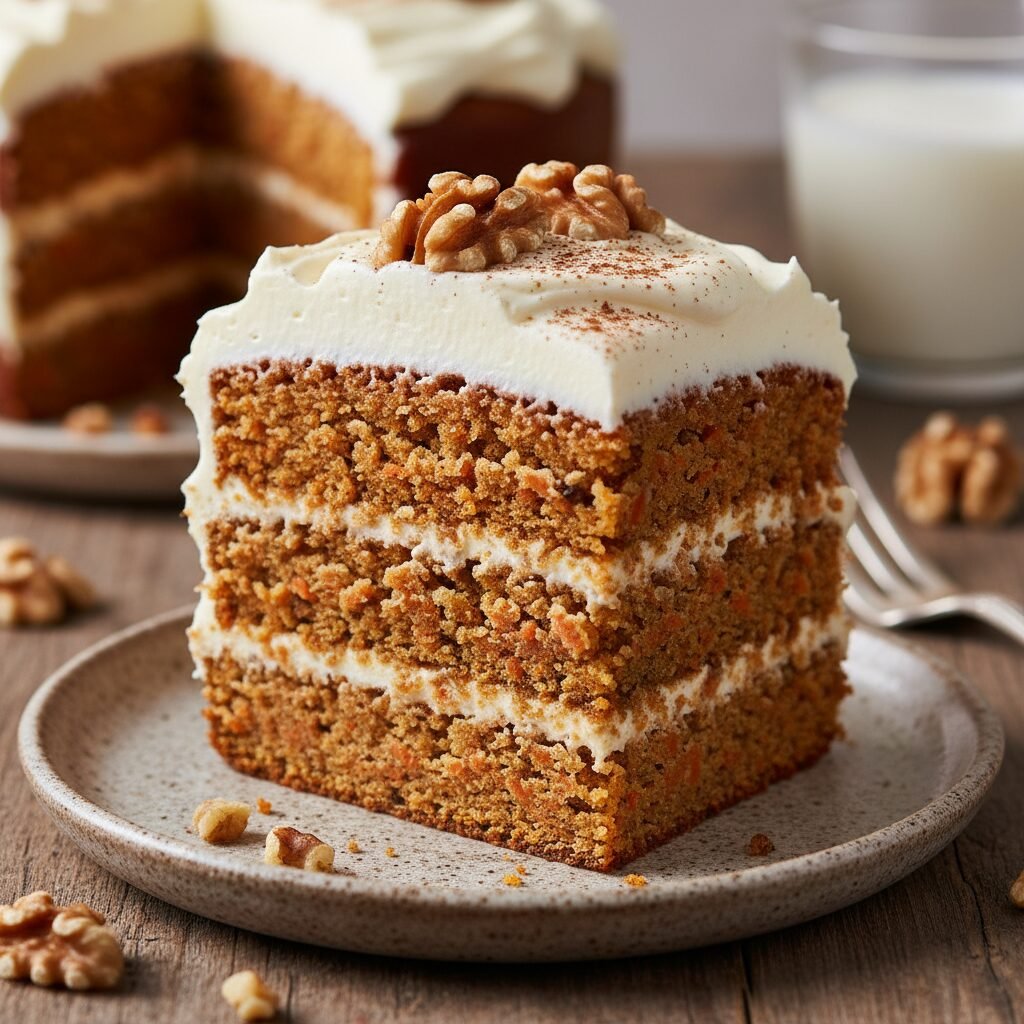
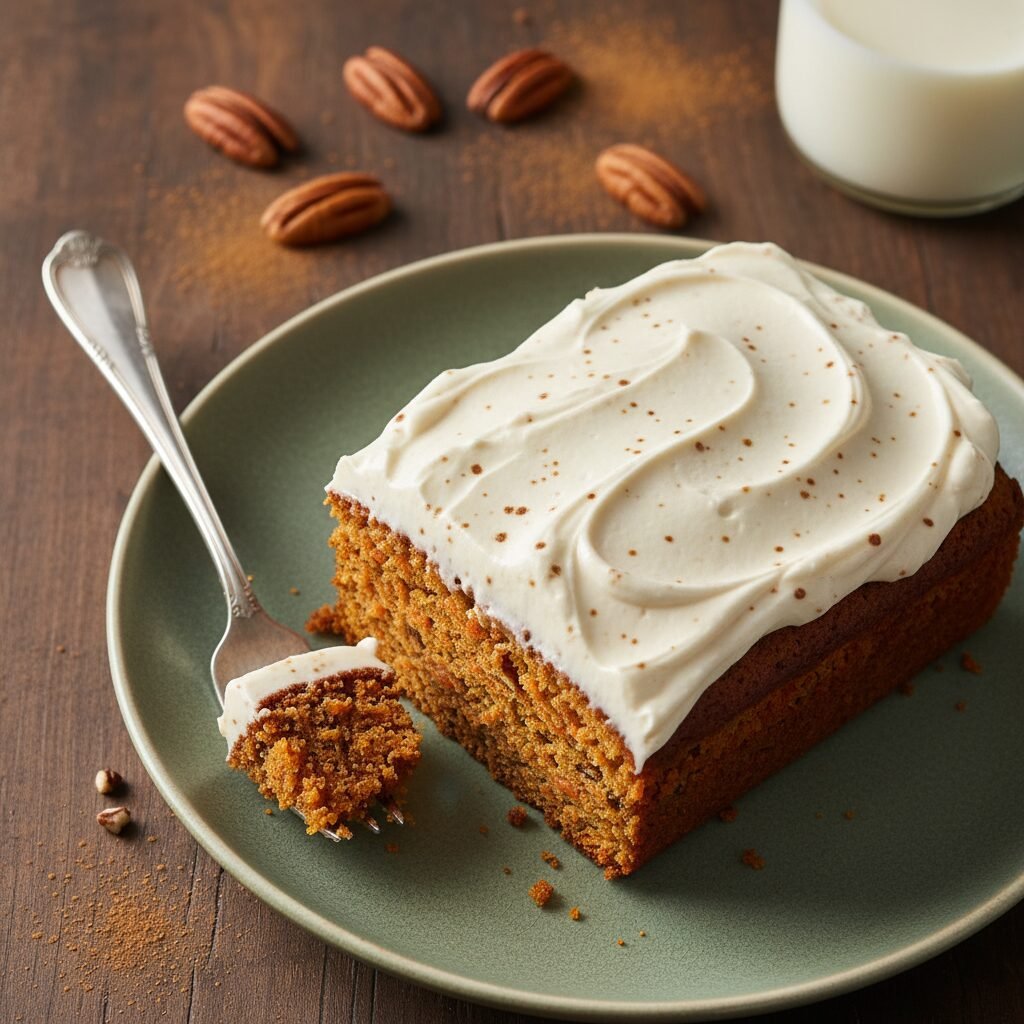
Moist Carrot Sheet Cake With Brown Butter Frosting Recipe
Experience the perfect marriage of sweet, spiced warmth and nutty richness with this foolproof Carrot Sheet Cake. Topped with a decadent brown butter cream cheese frosting, this recipe transforms a classic dessert into an unforgettable crowd-pleaser that stays incredibly moist for days.
25 minutes
35 minutes
1 hour 15 minutes (includes cooling)
15-18 servings
Dessert
Baking
American
Vegetarian
There are few desserts as universally comforting as a classic carrot cake, but this recipe takes that nostalgia and elevates it to a gourmet level with one simple, secret weapon: brown butter. While traditional carrot cake relies heavily on the spices and the texture of the carrots themselves, this Moist Carrot Sheet Cake introduces a layer of nutty, caramelized depth found in the frosting that perfectly offsets the sweetness of the cake. Sheet cakes are the unsung heroes of the baking world; they eliminate the fuss of stacking, leveling, and crumb-coating associated with layer cakes, making them the ideal vessel for home bakers who want professional results without the architectural stress.
The texture of this cake is paramount—it is undeniably moist, thanks to a carefully balanced ratio of oil, brown sugar, and freshly grated carrots. Unlike butter-based cakes which can dry out, the oil ensures a tender crumb that actually improves in flavor and texture the day after baking. But the real star is the frosting. By taking the extra five minutes to brown the butter—cooking it until the milk solids toast to a hazelnut hue—you unlock a savory, toffee-like aroma that cuts through the tang of the cream cheese and the sugar. This isn’t just a cake; it’s a sensory experience, perfect for Easter brunches, autumn gatherings, or simply a Tuesday night treat when you need a slice of comfort.
History & Origins
The origins of carrot cake are somewhat nebulous, often traced back by food historians to the Middle Ages in Europe. During times when sugar was scarce and prohibitively expensive, medieval cooks looked to vegetables with high natural sugar content to sweeten their puddings. Carrots, second only to sugar beets in sugar content, became a logical substitute. These early iterations were more akin to a dense, steamed pudding or a stuffed pie than the fluffy cakes we recognize today.
The modern evolution of carrot cake gained significant traction during World War II in the United Kingdom. With strict rationing in place, the government disseminated recipes that utilized carrots to add sweetness and moisture to baked goods, reviving the medieval tradition out of necessity. However, the carrot cake’s explosion into American pop culture didn’t truly happen until the 1960s and 70s. It was during this era, often associated with a burgeoning interest in ‘health foods,’ that the cake became a staple. The addition of carrots led many to believe it was a healthier option, despite the generous amounts of oil and sugar.
The pairing with cream cheese frosting is a distinctly American innovation, likely popularized by major food brands and cafeterias in the mid-20th century. Today, the sheet cake format is a nod to the American potluck culture—a communal dessert designed to be sliced into squares and shared directly from the pan, representing a history of resourcefulness, adaptation, and community.
Why This Recipe Works
This recipe succeeds where others fail due to the specific chemistry of fat handling and moisture retention. First, let’s talk about the cake base. We use neutral oil instead of butter for the batter. While butter provides flavor, it contains water (about 15-20%) which evaporates during baking, and milk solids which can toughen the gluten network. Oil is 100% fat and remains liquid at room temperature, coating the flour proteins more effectively to inhibit gluten formation. This results in a sensationally tender crumb that stays soft even when refrigerated.
Secondly, the inclusion of both white and brown sugars is crucial. Brown sugar is hygroscopic, meaning it attracts and holds onto water molecules, further ensuring the cake doesn’t dry out. The carrots themselves are grated, not chopped, releasing their internal moisture into the batter as they bake, steaming the cake from the inside out.
Finally, the frosting utilizes the Maillard reaction. By browning the butter, we are breaking down the milk proteins and caramelizing the lactose. This creates hundreds of new flavor compounds—nutty, toasted, and complex—that provide a sophisticated counterpoint to the tang of the cream cheese. This balance prevents the frosting from being cloyingly sweet, a common pitfall in standard carrot cake recipes.
Why You’ll Love This Recipe
- ✓Incredibly moist texture that lasts for days due to oil-based batter.
- ✓Deep, nutty flavor profile from the homemade brown butter frosting.
- ✓No-fuss sheet cake format requires no stacking or leveling.
- ✓Perfect balance of spices: cinnamon, ginger, and nutmeg.
- ✓Ideal for feeding large crowds or potlucks.
- ✓Can be made ahead of time—flavor improves after 24 hours.
Equipment You’ll Need
- ✓9×13 inch baking pan
- ✓Box grater or food processor
- ✓Stand mixer or electric hand mixer
- ✓Large mixing bowls
- ✓Light-colored saucepan (for browning butter)
- ✓Whisk
- ✓Rubber spatula
- ✓Offset spatula
Ingredients
- ✓2 cups all-purpose flour
- ✓2 teaspoons baking soda
- ✓1 teaspoon baking powder
- ✓1/2 teaspoon salt
- ✓2 teaspoons ground cinnamon
- ✓1 teaspoon ground ginger
- ✓1/4 teaspoon ground nutmeg
- ✓1 1/4 cups neutral oil (vegetable, canola, or grapeseed)
- ✓1 cup granulated sugar
- ✓1 cup packed light brown sugar
- ✓1 teaspoon vanilla extract
- ✓4 large eggs, room temperature
- ✓3 cups grated carrots (approx. 5-6 medium carrots)
- ✓1 cup chopped pecans or walnuts (optional)
- ✓FOR THE FROSTING:
- ✓1 cup (2 sticks) unsalted butter
- ✓16 oz cream cheese, softened to room temperature
- ✓1 tablespoon vanilla extract
- ✓1/4 teaspoon salt
- ✓4-5 cups powdered sugar, sifted
Instructions
- Preheat your oven to 350°F (175°C). Grease a 9×13 inch baking pan with non-stick spray or line it with parchment paper.
- Peel and grate the carrots. Use the medium holes of a box grater for the best texture—avoid pre-shredded store-bought carrots as they are too dry.
- In a medium bowl, whisk together the flour, baking soda, baking powder, salt, cinnamon, ginger, and nutmeg until well combined. Set aside.
- In a large mixing bowl or stand mixer fitted with the paddle attachment, beat the oil, granulated sugar, brown sugar, and vanilla extract until smooth.
- Add the eggs one at a time, beating well after each addition to ensure they are fully incorporated.
- Reduce the mixer speed to low and gradually add the dry ingredients. Mix only until just combined and no streaks of flour remain. Do not overmix.
- Fold in the grated carrots and chopped nuts (if using) by hand using a rubber spatula.
- Pour the batter into the prepared baking pan and smooth into an even layer.
- Bake for 35-40 minutes, or until a toothpick inserted into the center comes out clean or with just a few moist crumbs.
- While the cake bakes, make the brown butter. Place the butter in a light-colored saucepan over medium heat. Cook, stirring constantly, until the butter foams and brown specks appear at the bottom. It should smell nutty. Immediately remove from heat and pour into a heat-proof bowl to cool completely until it solidifies again (about 30-45 minutes in the fridge).
- Once the cake is done, remove it from the oven and let it cool completely in the pan on a wire rack.
- To finish the frosting: Take the solidified brown butter and the softened cream cheese and beat them together in a mixer until fluffy and smooth.
- Add the vanilla and salt. Gradually add the powdered sugar, one cup at a time, beating on low until incorporated, then whipping on high until creamy.
- Spread the frosting generously over the completely cooled cake using an offset spatula. Garnish with extra nuts if desired.
Expert Cooking Tips
- ✓Use a light-colored pan for browning butter so you can see the color change and avoid burning it.
- ✓Freshly grate your carrots; pre-packaged shreds are coated in starch and lack the necessary moisture.
- ✓Ensure all refrigerated ingredients (eggs, cream cheese) are at room temperature for a smooth emulsion.
- ✓Do not overmix the batter once the flour is added, or the cake will become dense and rubbery.
- ✓Cool the brown butter until it is solid but soft before making the frosting; hot butter will melt the cream cheese.
- ✓Toast the pecans or walnuts before adding them to the batter for enhanced flavor.
- ✓Weigh your flour or use the spoon-and-level method to prevent a dry cake.
Substitutions and Variations
This recipe is quite forgiving and allows for several substitutions. If you need to make this gluten-free, a high-quality 1:1 gluten-free baking flour blend works exceptionally well; just ensure it contains xanthan gum. For the oil, you can substitute melted coconut oil, though it will impart a slight coconut flavor, or applesauce for half of the oil to reduce fat content, though this will change the texture slightly. If you don’t have brown sugar, you can use all white sugar mixed with a tablespoon of molasses. For the nuts, pecans and walnuts are traditional, but pistachios or macadamia nuts offer a fun twist; alternatively, omit them entirely for a nut-free version. In the frosting, if you find brown butter too intimidating, regular softened butter works fine, though you will miss out on the toasted flavor notes. Mascarpone can be substituted for half of the cream cheese for a lighter, creamier topping.
Common Mistakes to Avoid
The most common mistake with carrot cake is using pre-shredded ‘matchstick’ carrots from the grocery store. These are too thick, dry, and hard; they will not soften properly during baking. Always grate your own. Another pitfall is rushing the cooling process. If you try to frost the cake while it is even slightly warm, the butter and cream cheese in the frosting will melt, sliding off the cake and becoming greasy. Regarding the brown butter, walking away from the stove is a critical error. Butter goes from browned to burnt in seconds, so keep your eyes on the pan and stir constantly. Finally, over-beating the cream cheese frosting can sometimes cause it to become runny if the cream cheese gets too warm; beat just until fluffy and combined.
Serving Suggestions
This sheet cake is best served straight from the pan, cut into generous squares. It pairs beautifully with a hot cup of black coffee or an Earl Grey tea to balance the sweetness. For a dessert course, serve a square on a plate with a dusting of cinnamon or a drizzle of salted caramel sauce. If you are serving this for a holiday brunch, a side of fresh berries adds a nice pop of acidity and color. The cake is rich, so smaller squares are often sufficient, but it’s so good that guests will likely ask for seconds.
Storage and Reheating Tips
Because of the cream cheese frosting, this cake should be stored in the refrigerator. Cover the pan tightly with plastic wrap or transfer slices to an airtight container. It will keep well for up to 5 days in the fridge. In fact, the flavor often improves on the second day as the spices meld and the moisture distributes. To freeze, place the unfrosted cake or individual frosted slices on a baking sheet to freeze solid, then wrap tightly in plastic wrap followed by foil. It can be frozen for up to 3 months. Thaw overnight in the refrigerator before serving. Allow the cake to sit at room temperature for 20 minutes before eating to soften the frosting slightly.
Nutrition Facts (Estimated)
| Serving Size | 1 square |
| Calories | 480 |
| Fat | 28g |
| Saturated Fat | 10g |
| Unsaturated Fat | 16g |
| Trans Fat | 0g |
| Cholesterol | 65mg |
| Sodium | 310mg |
| Carbohydrates | 54g |
| Fiber | 2g |
| Sugar | 38g |
| Protein | 5g |
Frequently Asked Questions
Can I bake this in round cake pans instead of a sheet pan?
Yes, you can divide the batter between two 9-inch round cake pans. Bake time will likely need to be adjusted to 25-30 minutes. Keep an eye on them and use the toothpick test.
Why did my brown butter burn?
Brown butter burns very quickly once the water evaporates. Use medium heat, stir constantly, and remove it from the heat source the moment you smell the nutty aroma and see amber specks.
Can I add raisins or pineapple?
Absolutely. You can fold in 1/2 cup of raisins or well-drained crushed pineapple along with the carrots. Just be aware that pineapple adds extra moisture, so you might bake it a few minutes longer.
Do I really need to cool the brown butter?
Yes. If you mix hot liquid butter with cream cheese, you will get a soup, not a frosting. The butter needs to re-solidify to a soft consistency to be whippable.
Is this cake dairy-free?
The cake base is dairy-free as it uses oil. However, the frosting contains butter and cream cheese. You would need vegan butter and vegan cream cheese substitutes for the frosting.
Why is my frosting runny?
This usually happens if the cream cheese was too warm or over-beaten, or if the cake wasn’t fully cooled. You can try chilling the frosting for 20 minutes to firm it up.
Can I use baby carrots?
Technically yes, but they are harder to grate and can be wetter. Whole, large carrots are easier to handle and generally yield a better texture.
How finely should I grate the carrots?
Use the standard/medium holes on a box grater. If you grate them too finely (like a puree), the cake will be heavy. If too coarse, you’ll have crunchy bits.
Can I make the cake ahead of time?
Yes, this is a great make-ahead cake. You can bake it the day before and frost it the day of serving, or frost it and store it in the fridge overnight.
Conclusion
This Moist Carrot Sheet Cake with Brown Butter Frosting is more than just a recipe; it’s a reliable companion for celebrations and quiet weekends alike. The magic lies in the simplicity of the preparation combined with the complexity of the flavors. The nuttiness of the brown butter elevates the humble carrot cake into something truly spectacular. Whether you are an experienced baker or a novice in the kitchen, this sheet cake promises a high-reward result with minimal effort. We hope this becomes a cherished recipe in your collection, bringing warmth and sweetness to your table for years to come.