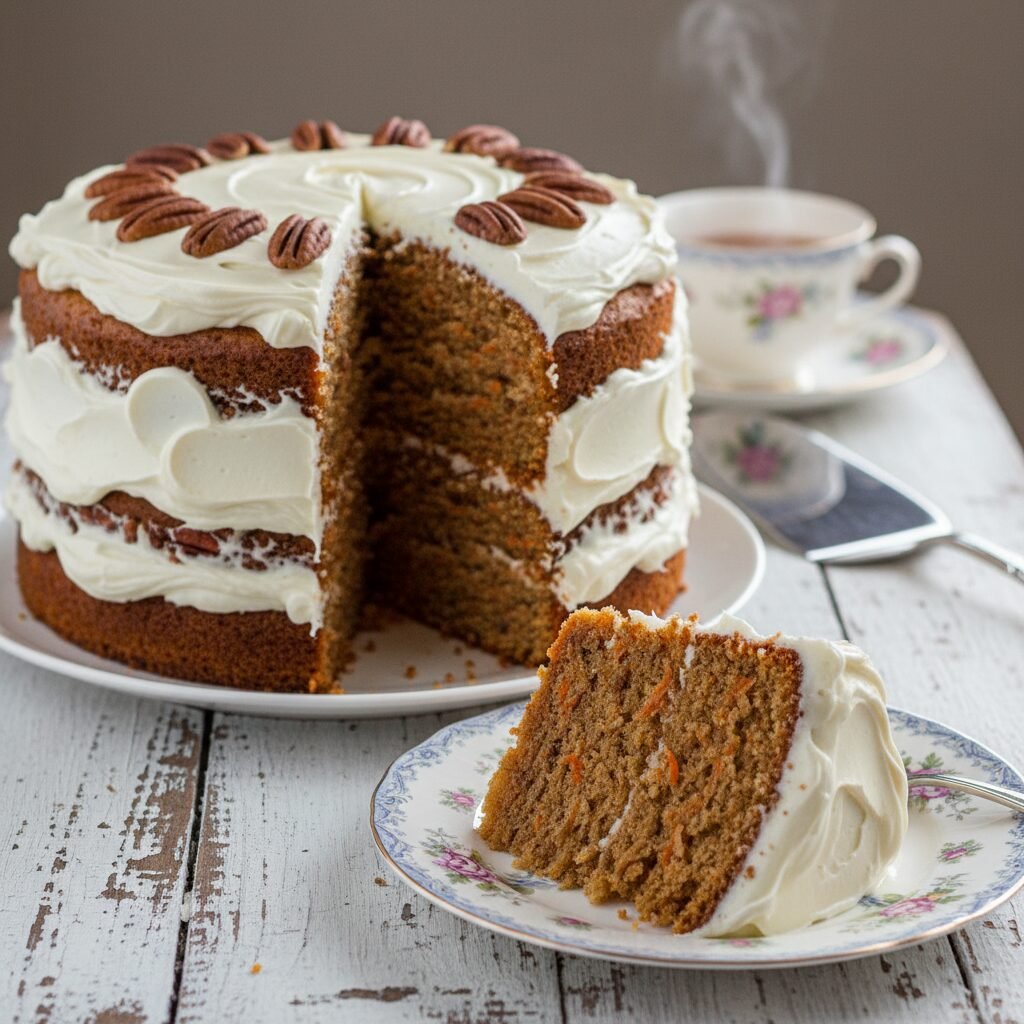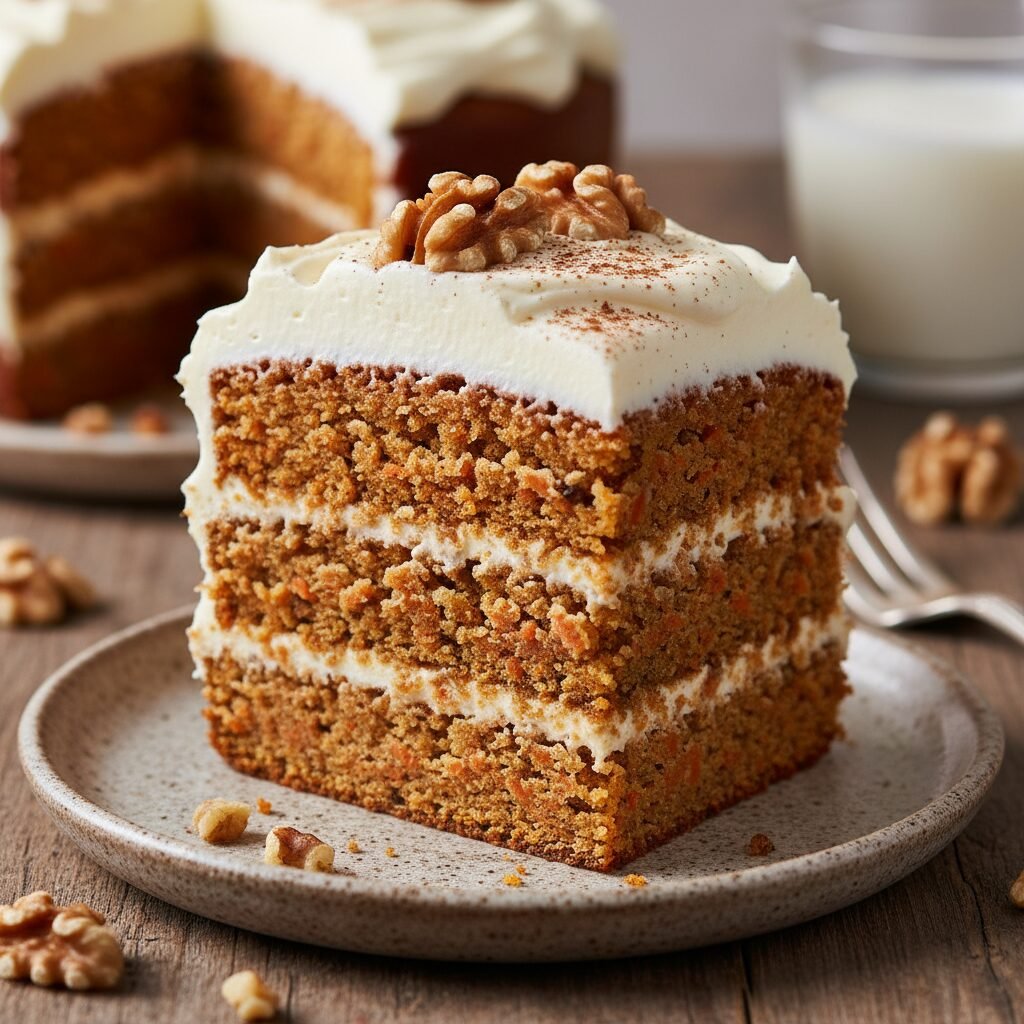
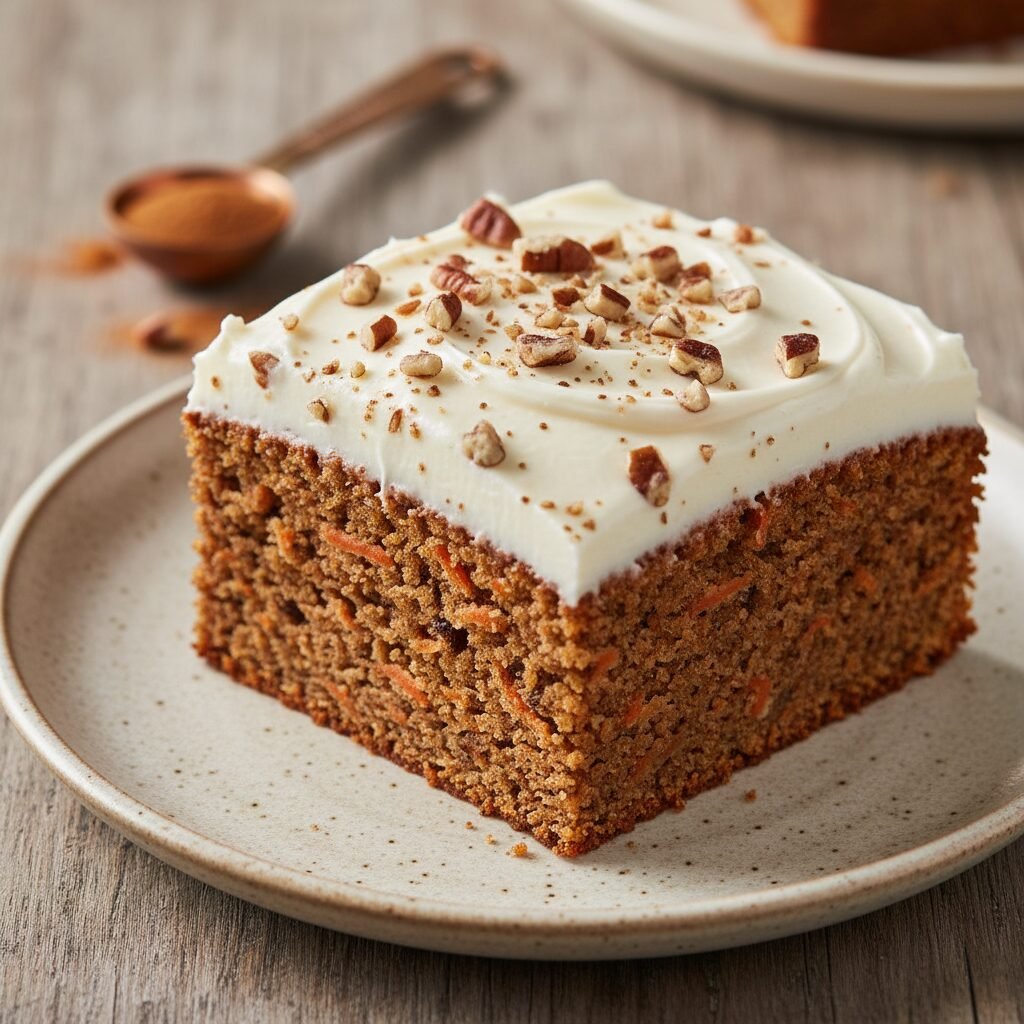
Moist Carrot Sheet Cake With Cream Cheese Frosting Recipe
This incredibly moist carrot sheet cake is the easiest way to feed a crowd without sacrificing flavor. Packed with fresh carrots, warm spices, and topped with a luscious, tangy cream cheese frosting, it’s the perfect balance of sweet and spice for any occasion.
25 minutes
35 minutes
1 hour 15 minutes (includes cooling)
24 servings
Dessert
Baking
American
Vegetarian
There is something undeniably comforting about a classic carrot cake. It is one of those desserts that manages to bridge the gap between a humble afternoon snack and a show-stopping celebration centerpiece. While layer cakes have their place in the world of baking, this moist carrot sheet cake strips away the stress of stacking and crumb-coating, delivering all the beloved flavors in a convenient, crowd-pleasing format. The magic of this recipe lies in its crumb—tender, dense yet fluffy, and incredibly moist, thanks to a generous amount of freshly grated carrots and the strategic use of oil rather than butter in the batter. As the cake bakes, your kitchen will fill with the intoxicating aroma of cinnamon, nutmeg, and ginger, a scent that instantly evokes feelings of warmth and nostalgia. But let’s be honest: a carrot cake is only as good as its frosting. This recipe features a velvety, tangy cream cheese frosting that is whipped to perfection. It provides the ideal counterpoint to the spiced sweetness of the cake. Whether you are hosting a large family potluck, preparing for an Easter brunch, or simply craving a slice of comfort on a rainy Tuesday, this sheet cake delivers consistency and flavor in every single bite. It is a forgiving recipe that welcomes novice bakers while impressing seasoned pros. By baking it in a sheet pan, you ensure a perfect cake-to-frosting ratio in every slice, eliminating the dry edges that can sometimes plague taller cakes. Get ready to add a permanent staple to your recipe box.
History & Origins
The origins of carrot cake are somewhat debated, but food historians generally agree that it evolved from medieval carrot puddings. In the Middle Ages, sugar and other sweeteners were rare and expensive commodities in Europe, so cooks turned to sweet vegetables like carrots and parsnips to sweeten their desserts. These early iterations were more akin to a dense, steamed pudding than the fluffy cakes we know today. The transition from pudding to cake likely occurred over centuries, but the modern carrot cake gained significant traction during World War II. During the war, sugar rationing in the United Kingdom forced bakers to be creative, and the Ministry of Food disseminated recipes using carrots as a sweetening agent. This revived the concept, but it wasn’t until the 1960s and 1970s in the United States that carrot cake truly exploded in popularity. It became a staple in cafes and restaurants, often marketed as a ‘healthier’ dessert option due to the vegetable content—though the ample oil and cream cheese frosting certainly moved it firmly into the treat category. The addition of cream cheese frosting is a distinctly American innovation that likely solidified the cake’s status as a classic. Today, the sheet cake variation is celebrated for its practicality, harking back to the community cookbooks and church potlucks of the mid-20th century where feeding a multitude was the primary goal.
Why This Recipe Works
This recipe succeeds where others fail primarily due to the balance of moisture and structure. First, we use neutral oil instead of butter. While butter adds flavor, it contains water that evaporates, and milk solids that can dry out a cake. Oil is 100% fat, which coats the flour proteins (gluten) more effectively, preventing them from bonding too strongly. This results in a tender, soft crumb that stays moist for days. Second, we insist on freshly grated carrots. Pre-shredded carrots from the grocery store are often coated in starches to prevent clumping and are much drier. Grating them yourself releases their natural juices into the batter, acting as a steamer from the inside out as the cake bakes. Furthermore, the use of brown sugar introduces molasses, which is hygroscopic—meaning it attracts and holds onto moisture from the air. The sheet pan format itself is a technical advantage; because the batter is spread thinner than in a round cake pan, it cooks more evenly and quickly, preventing the edges from drying out before the center is set. Finally, the spice blend is calibrated to cut through the richness of the frosting, ensuring the cake isn’t cloying.
Why You’ll Love This Recipe
- ✓Uses oil instead of butter for superior moisture retention.
- ✓Perfect cake-to-frosting ratio in every bite.
- ✓No stacking or complicated decorating required.
- ✓Stays soft and fresh for up to 5 days.
- ✓Customizable with nuts, raisins, or pineapple.
- ✓Feeds a large crowd, making it perfect for parties.
Equipment You’ll Need
- ✓9×13 inch baking pan (or jelly roll pan)
- ✓Large mixing bowl
- ✓Medium mixing bowl
- ✓Box grater or food processor
- ✓Electric hand mixer or stand mixer
- ✓Rubber spatula
- ✓Whisk
- ✓Offset spatula
Ingredients
- ✓2 cups all-purpose flour
- ✓2 teaspoons baking soda
- ✓1/2 teaspoon fine sea salt
- ✓2 teaspoons ground cinnamon
- ✓1/2 teaspoon ground nutmeg
- ✓1/2 teaspoon ground ginger
- ✓1 1/4 cups neutral oil (canola, vegetable, or grapeseed)
- ✓1 cup granulated sugar
- ✓1 cup packed light brown sugar
- ✓1 teaspoon pure vanilla extract
- ✓4 large eggs, room temperature
- ✓3 cups grated carrots (approx. 5-6 medium carrots)
- ✓1 cup chopped pecans or walnuts (optional)
- ✓1/2 cup raisins (optional)
- ✓8 oz cream cheese, room temperature (block style)
- ✓1/2 cup unsalted butter, room temperature
- ✓3 cups powdered sugar
- ✓1 teaspoon vanilla extract (for frosting)
- ✓Pinch of salt (for frosting)
Instructions
- Preheat your oven to 350°F (175°C). Grease a 9×13 inch baking pan with cooking spray or butter, and line the bottom with parchment paper for easy removal.
- In a medium bowl, whisk together the flour, baking soda, salt, cinnamon, nutmeg, and ginger until well combined and no lumps of baking soda remain. Set aside.
- In a large mixing bowl, whisk together the oil, granulated sugar, brown sugar, and vanilla extract until the mixture is smooth and combined.
- Add the eggs one at a time, whisking well after each addition until the batter is emulsified.
- Switch to a rubber spatula. Gradually fold the dry ingredients into the wet ingredients. Mix only until the flour streaks just begin to disappear; do not overmix.
- Fold in the grated carrots and chopped nuts/raisins (if using) until evenly distributed throughout the batter.
- Pour the batter into the prepared baking pan and smooth the top with an offset spatula.
- Bake for 30-35 minutes, or until a toothpick inserted into the center comes out clean or with just a few moist crumbs attached.
- Remove the cake from the oven and place the pan on a wire rack. Allow the cake to cool completely in the pan. This is crucial; frosting a warm cake will cause the frosting to melt.
- While the cake cools, make the frosting. In a large bowl using a handheld or stand mixer fitted with a paddle attachment, beat the softened cream cheese and butter together on medium-high speed until smooth and creamy (about 2-3 minutes).
- Reduce the mixer speed to low and gradually add the powdered sugar, one cup at a time. Once incorporated, add the vanilla extract and a pinch of salt.
- Increase the speed to high and whip for another 2 minutes until the frosting is fluffy and white.
- Once the cake is completely cool, spread the frosting generously over the top using an offset spatula. Garnish with extra chopped nuts if desired. Slice and serve.
Expert Cooking Tips
- ✓Grate your own carrots: Avoid pre-shredded carrots as they are too dry and thick.
- ✓Room temperature ingredients: Ensure eggs, butter, and cream cheese are at room temperature for a smooth batter and frosting.
- ✓Don’t overmix: Stop mixing as soon as the flour is incorporated to keep the cake tender.
- ✓Check your baking soda: Since this recipe relies heavily on baking soda for lift, make sure it isn’t expired.
- ✓Cool completely: The sheet cake retains heat longer than you think; touch the center to ensure it’s cool before frosting.
- ✓Toast the nuts: If adding pecans or walnuts, toast them in a dry skillet for 5 minutes first to unlock their flavor.
- ✓Weigh flour: If possible, weigh your flour (approx 120g per cup) to avoid a dense cake.
Substitutions and Variations
This recipe is quite versatile if you need to make adjustments based on dietary needs or pantry availability. For the flour, you can substitute a high-quality 1:1 gluten-free baking flour blend if you are catering to gluten sensitivities; the moisture in the cake accommodates gluten-free flours well. If you want to reduce the refined sugar, you can swap the granulated sugar for coconut sugar, though this will darken the cake and add a caramel flavor. For the oil, melted coconut oil works beautifully and adds a subtle tropical note, or you can use applesauce for half of the oil to reduce the fat content, though the texture will be slightly denser. If you don’t have brown sugar, you can make your own by mixing 1 cup of white sugar with 1 tablespoon of molasses. For the mix-ins, feel free to omit nuts for allergies, or swap raisins for dried cranberries or even crushed pineapple (drained well) for a tropical twist. In the frosting, mascarpone cheese can be used as a 1:1 substitute for cream cheese for a less tangy, more creamy flavor profile.
Common Mistakes to Avoid
The most common mistake with carrot sheet cake is using the wrong carrots. Buying a bag of ‘matchstick’ carrots meant for salads will result in crunchy, distinct vegetable pieces in your dessert rather than a melted, cohesive crumb. Always buy whole carrots and grate them on the medium holes of a box grater. Another frequent error is over-baking. Because sheet cakes are thin, they can go from perfect to dry in a matter of minutes. Start checking the cake 5 minutes before the timer goes off. Regarding the frosting, a common pitfall is using cold cream cheese or butter. If these ingredients are cold, they will not emulsify properly, leaving you with a lumpy frosting that is unpleasant to eat. Lastly, do not try to reduce the sugar in the cake batter significantly; sugar provides moisture and tenderness, not just sweetness. Reducing it too much will result in a rubbery, bread-like texture.
Serving Suggestions
This moist carrot sheet cake is rich and flavorful, so it pairs best with beverages that can cut through the sweetness. A hot cup of black coffee or an espresso is the classic accompaniment, as the bitterness balances the sweet cream cheese frosting. For a tea option, an Earl Grey or a spicy Chai latte complements the cinnamon and nutmeg in the cake beautifully. If serving this for a dessert course at a dinner party, consider plating individual squares with a garnish of candied carrot curls or a sprinkle of edible gold leaf for elegance. It also serves wonderfully as a brunch item alongside a fruit salad. For a summer twist, serve it slightly chilled, which firms up the frosting and makes for a refreshing texture.
Storage and Reheating Tips
Because of the cream cheese frosting, this cake must be stored in the refrigerator if you are keeping it for more than a few hours. However, cold cake can taste dry, so the secret is in how you serve it. Store the cake in the pan, tightly covered with plastic wrap or a specialized lid, in the fridge for up to 5 days. When you are ready to eat, remove the slice you want and let it sit on the counter for 15-20 minutes to come to room temperature; this restores the soft texture and creamy frosting consistency. For long-term storage, this cake freezes exceptionally well. You can freeze the frosted cake (cut into individual squares) by placing them on a baking sheet to freeze the frosting solid, then wrapping each square tightly in plastic wrap followed by foil. It will keep for up to 3 months. Thaw in the fridge overnight before serving.
Nutrition Facts (Estimated)
| Serving Size | 1 slice |
| Calories | 420 |
| Fat | 24g |
| Saturated Fat | 8g |
| Unsaturated Fat | 15g |
| Trans Fat | 0g |
| Cholesterol | 45mg |
| Sodium | 210mg |
| Carbohydrates | 48g |
| Fiber | 2g |
| Sugar | 32g |
| Protein | 4g |
Frequently Asked Questions
Can I bake this in a round cake pan instead?
Yes, you can divide this batter between two 9-inch round cake pans. Reduce the baking time to approximately 25-30 minutes and check for doneness early.
Why did my carrot cake sink in the middle?
Sinking usually happens if the oven door was opened too early, causing a temperature drop, or if the cake was underbaked. It can also happen if there was too much leavening (baking soda).
Can I use baby carrots?
It is not recommended. Baby carrots are often dried out and lack the flavor of fresh, whole carrots. They are also harder to grate safely.
Do I need to peel the carrots?
Yes, peeling the carrots removes the bitter skin and ensures a brighter color and sweeter flavor in your cake.
Can I add pineapple to this recipe?
Absolutely. You can add 1/2 cup of crushed pineapple. Make sure to drain it very thoroughly or the extra liquid will make the cake soggy.
My frosting is too runny, how do I fix it?
If the frosting is too soft, chill it in the fridge for 20 minutes. If it’s still runny, add more powdered sugar, 1/4 cup at a time, until it thickens.
Can I make the cake ahead of time?
Yes, carrot cake actually tastes better the next day as the spices have time to meld. Bake it a day ahead, frost it, and keep it refrigerated.
Is it necessary to use room temperature eggs?
Yes, room temperature eggs incorporate better into the batter, creating a lighter and more uniform texture compared to cold eggs which can shock the batter.
Conclusion
There are few things in the culinary world as satisfying as a homemade carrot cake that turns out perfectly. This Moist Carrot Sheet Cake with Cream Cheese Frosting is more than just a recipe; it’s a reliable friend for birthdays, holidays, and everyday cravings. By following the simple steps and respecting the ingredients—especially those fresh carrots—you are guaranteed a dessert that is moist, flavorful, and universally loved. The ease of the sheet pan method means less time decorating and more time enjoying the company of those you are sharing it with. So grab your grater, preheat your oven, and get ready to bake the best carrot cake you have ever tasted. We hope this becomes a cherished tradition in your kitchen just as it is in ours.