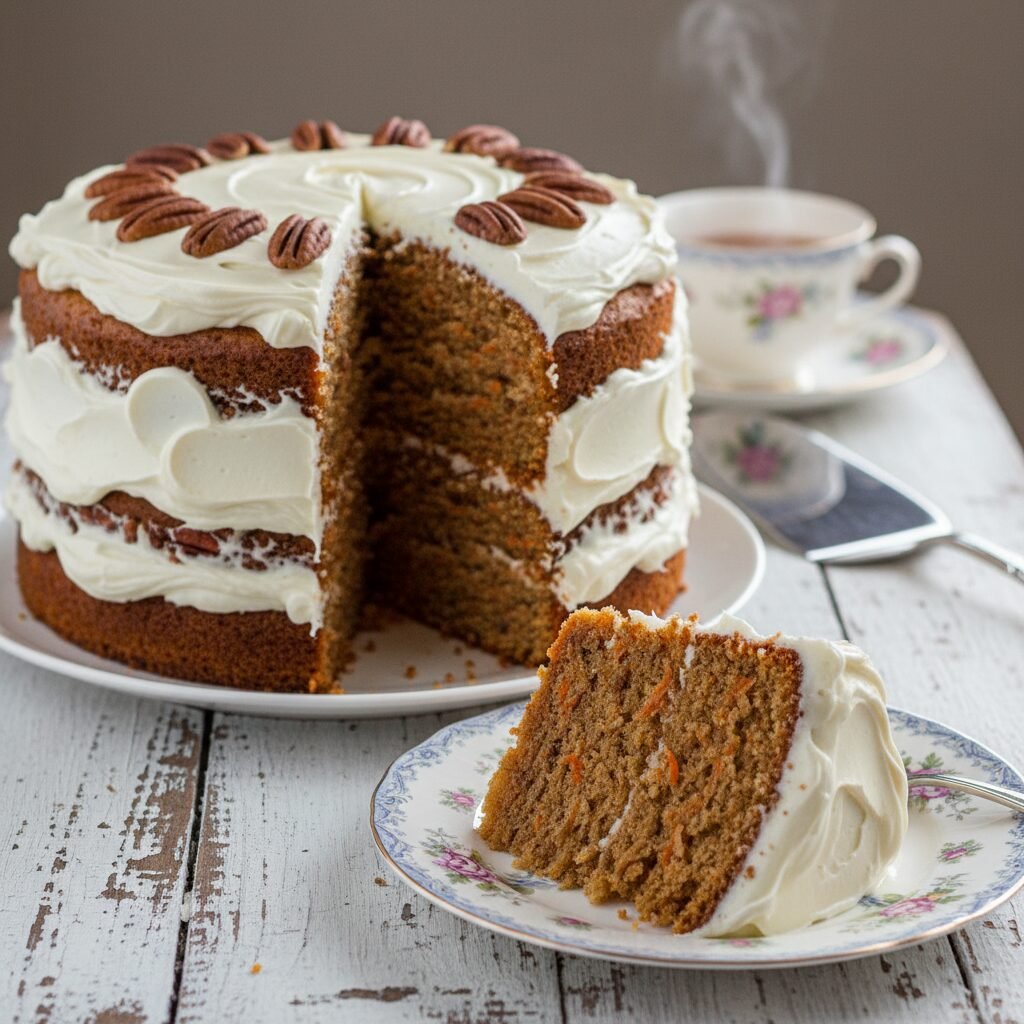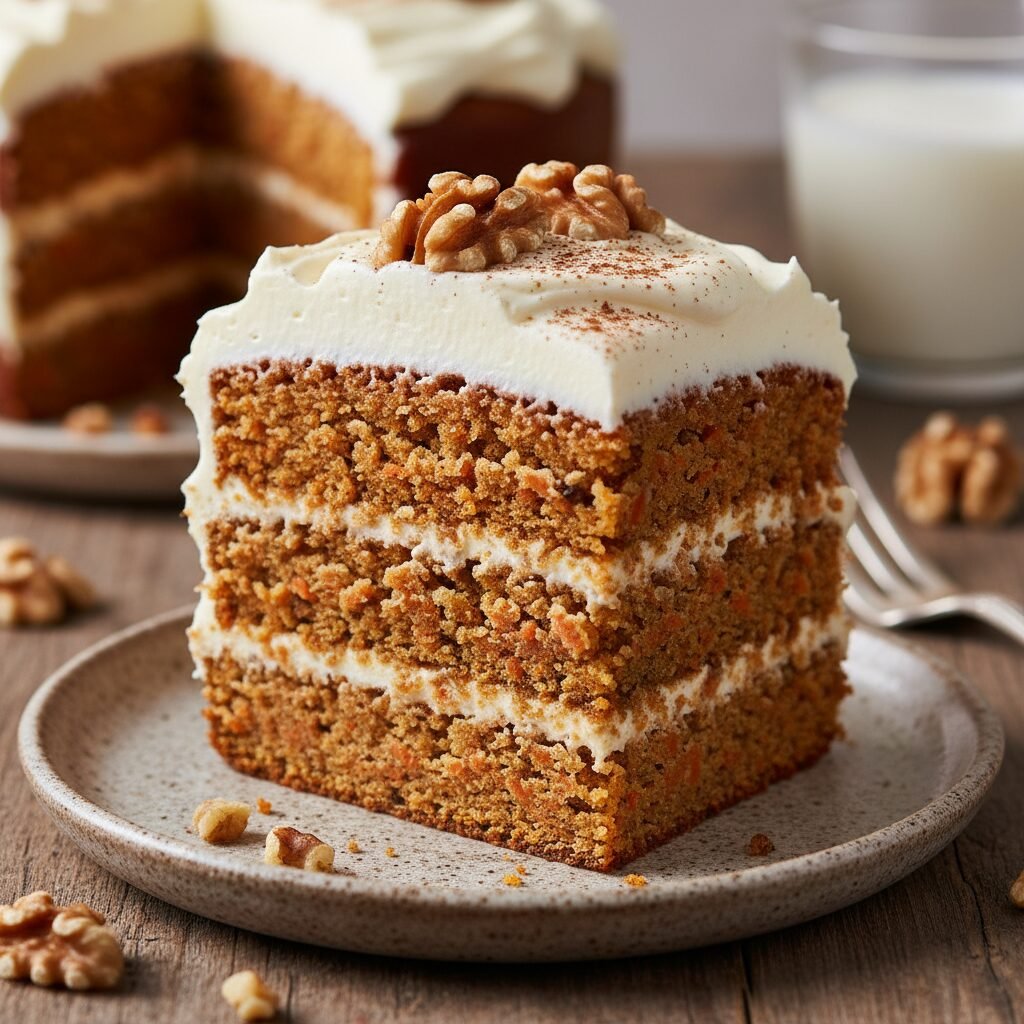
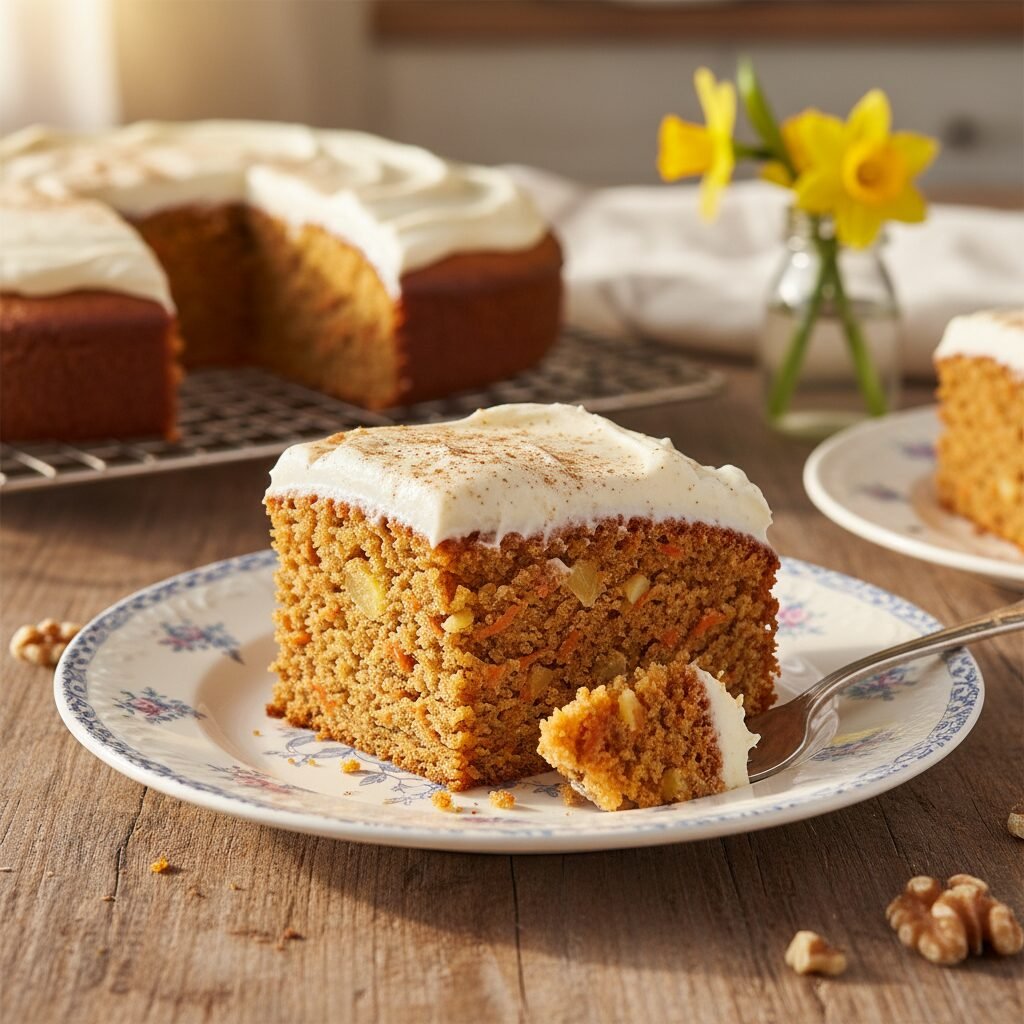
Moist Carrot Sheet Cake With Pineapple Recipe
This incredibly moist carrot sheet cake is infused with crushed pineapple for a tender crumb and natural sweetness that stays fresh for days. Topped with a tangy, velvety cream cheese frosting and toasted pecans, it is the ultimate crowd-pleasing dessert for potlucks, Easter brunch, or any celebration.
20 minutes
35 minutes
1 hour 15 minutes
24 servings
Dessert
Baking
American
Vegetarian
There are carrot cakes, and then there are *carrot cakes*. If you have been searching for that elusive recipe that yields a cake so moist it practically melts in your mouth, yet remains fluffy enough to hold a thick layer of frosting, your search ends here. This Moist Carrot Sheet Cake with Pineapple is a revelation in the world of baking. While traditional layer cakes can be daunting to assemble and decorate, the sheet cake offers a rustic elegance and an ease of preparation that makes it perfect for both novice bakers and seasoned pros.
The secret weapon in this recipe is, without a doubt, the crushed pineapple. Many purists might debate its inclusion, but once you taste the difference in texture, you will never go back. The pineapple doesn’t make the cake taste overwhelmingly tropical; rather, it adds a depth of sweetness and an enzyme-rich moisture that oil and eggs alone cannot achieve. Combined with freshly grated carrots—never the pre-bagged dry stuff—and a warm blend of cinnamon and nutmeg, the flavor profile is complex, comforting, and deeply satisfying.
Furthermore, this recipe is designed for the modern home cook who loves entertaining. Baked in a standard 9×13 pan or a jelly roll pan, it transports easily to picnics, church socials, and family gatherings. The ratio of cake to frosting is mathematically perfect, ensuring every single bite has that tangy, creamy counterpoint to the spiced crumb. Whether you are serving this with a hot cup of coffee on a rainy afternoon or as the grand finale to a holiday feast, this carrot cake is guaranteed to become a requested favorite in your recipe box.
History & Origins
The history of carrot cake is a fascinating journey through culinary necessity and evolution. Long before it became a staple on American dessert menus, carrots were used in sweet cakes in the Middle Ages. During this period, sweeteners like honey and sugar were scarce and prohibitively expensive for the common family. Carrots, which contain more natural sugar than almost any other vegetable (second only to sugar beets), became the logical substitute to sweeten puddings and baked goods. These early iterations were more akin to a steamed pudding than the fluffy cakes we know today.
The concept experienced a major resurgence during World War II, particularly in the United Kingdom. With strict rationing of sugar and luxury ingredients, the British Ministry of Food promoted recipes for carrot cake, carrot pudding, and even carrot fudge to keep morale high and nutrition adequate. It was viewed as a patriotic and healthy way to enjoy a treat during hard times.
However, the modern American carrot cake, complete with its iconic cream cheese frosting, didn’t truly explode in popularity until the 1960s and 1970s. It was during this era of the ‘health food’ craze that the cake was marketed as a ‘wholesome’ option due to the presence of a vegetable, nuts, and sometimes raisins. It was around this same time that adventurous home bakers began experimenting with additions like crushed pineapple and coconut to enhance moisture and shelf-life, borrowing from the tropical influences of hummingbird cake. Today, the addition of pineapple is considered a hallmark of Southern-style carrot cake, transforming a medieval necessity into a luxurious, moist masterpiece.
Why This Recipe Works
This recipe succeeds where many dry, crumbly carrot cakes fail because of a specific balance of wet and dry ingredients, centered around the hydroscopic properties of sugar and fruit. First, we use oil instead of butter for the batter. While butter adds flavor, it contains water that evaporates, and milk solids that can dry out. Oil is 100% fat and remains liquid at room temperature, ensuring the cake stays sensationally moist for days.
Secondly, the pineapple plays a dual role. Beyond flavor, the acidity in the pineapple reacts with the baking soda (a base), creating carbon dioxide bubbles. This chemical reaction provides significant lift, preventing the heavy ingredients—carrots, nuts, and wet fruit—from weighing the cake down into a dense brick. The result is a crumb that is substantial yet surprisingly light.
Finally, the sheet pan method itself contributes to the success. Unlike round cake pans which can dome significantly and cook unevenly (drying out the edges before the center is done), a sheet pan offers a uniform depth. This allows for even heat distribution, meaning the entire cake reaches the perfect internal temperature simultaneously. This prevents the dreaded dry crust that often plagues thicker, stacked carrot cakes. The generous surface area also allows for maximum frosting coverage, ensuring the ideal cake-to-frosting ratio in every square.
Why You’ll Love This Recipe
- ✓Incredibly moist texture due to crushed pineapple and oil base.
- ✓No layering required—simple sheet pan preparation saves time.
- ✓Stays fresh and delicious for up to 5 days in the refrigerator.
- ✓Perfect balance of warm spices and tangy cream cheese frosting.
- ✓Feeds a crowd easily, making it ideal for holidays and potlucks.
Equipment You’ll Need
- ✓9×13 inch baking pan or jelly roll pan
- ✓Large mixing bowl
- ✓Medium mixing bowl
- ✓Electric hand mixer or stand mixer
- ✓Box grater or food processor
- ✓Rubber spatula
- ✓Measuring cups and spoons
- ✓Wire cooling rack
Ingredients
- ✓2 cups all-purpose flour
- ✓2 cups granulated sugar
- ✓2 teaspoons baking soda
- ✓2 teaspoons ground cinnamon
- ✓1/2 teaspoon ground nutmeg
- ✓1 teaspoon salt
- ✓3 large eggs, room temperature
- ✓3/4 cup vegetable oil or canola oil
- ✓3/4 cup buttermilk, room temperature
- ✓2 teaspoons vanilla extract
- ✓2 cups finely grated fresh carrots (approx. 4-5 medium carrots)
- ✓1 cup crushed pineapple (canned), drained but not squeezed dry
- ✓1 cup chopped walnuts or pecans (optional)
- ✓1 cup sweetened shredded coconut (optional)
- ✓8 oz cream cheese, softened to room temperature (For Frosting)
- ✓1/2 cup unsalted butter, softened (For Frosting)
- ✓3 to 4 cups powdered sugar (For Frosting)
- ✓1 teaspoon vanilla extract (For Frosting)
- ✓1 tablespoon milk or heavy cream (if needed for consistency)
Instructions
- Preheat your oven to 350°F (175°C). Grease a 9×13 inch baking pan with cooking spray or butter, and lightly flour it to prevent sticking.
- In a large mixing bowl, whisk together the flour, sugar, baking soda, cinnamon, nutmeg, and salt until well combined and no lumps remain.
- In a separate medium bowl, whisk together the eggs, vegetable oil, buttermilk, and vanilla extract until smooth and emulsified.
- Pour the wet ingredients into the dry ingredients. Using a rubber spatula or a mixer on low speed, mix until just combined. Do not overmix.
- Gently fold in the grated carrots and drained crushed pineapple. If using nuts or coconut, fold them in at this stage as well.
- Pour the batter into the prepared baking pan and spread it out evenly into the corners.
- Bake for 35 to 40 minutes, or until a toothpick inserted into the center comes out clean or with just a few moist crumbs attached.
- Remove the cake from the oven and place the pan on a wire rack. Allow the cake to cool completely in the pan. This is crucial; frosting a warm cake will cause the frosting to melt.
- While the cake cools, prepare the frosting. In a large bowl using a handheld or stand mixer, beat the softened cream cheese and butter together on medium-high speed until smooth and creamy (about 2-3 minutes).
- Gradually add the powdered sugar, one cup at a time, mixing on low speed until incorporated. Add the vanilla extract and a pinch of salt.
- Increase the mixer speed to high and whip the frosting for 2 minutes until fluffy. If the frosting is too stiff, add a teaspoon of milk; if too soft, add a bit more powdered sugar.
- Once the cake is completely cool, spread the frosting generously over the top. Garnish with extra chopped nuts if desired.
- Slice into squares and serve.
Expert Cooking Tips
- ✓Grate your own carrots using the small holes of a box grater. Pre-shredded carrots from the store are too dry and thick, which will result in a crunchy, dry cake.
- ✓Do not squeeze the pineapple completely dry. You want to drain the excess juice from the can, but the pineapple pulp should still be moist to hydrate the cake.
- ✓Ensure your cream cheese and butter are truly at room temperature before making the frosting to avoid lumps.
- ✓Toast your walnuts or pecans in a dry skillet for 5 minutes before adding them to the batter for a deeper, nuttier flavor.
- ✓If you want a flatter cake suitable for a jelly roll pan (10×15), check the cake at 25 minutes as it will bake faster.
Substitutions and Variations
This recipe is quite resilient and allows for several substitutions based on dietary needs or pantry availability. For the flour, you can substitute a high-quality 1:1 Gluten-Free All-Purpose Flour blend if you are baking for someone with gluten sensitivity; the moisture in the cake helps avoid the gritty texture often associated with GF baking. If you want to reduce the fat content slightly, you can swap half of the oil for unsweetened applesauce, though this will make the cake slightly denser.
For the sugar, you can use half brown sugar and half white sugar to add a deeper molasses flavor. If you don’t have buttermilk, you can make a DIY version by adding 1 tablespoon of lemon juice or vinegar to a cup of regular milk and letting it sit for 5 minutes. Regarding the add-ins: if you dislike pineapple, you can substitute it with an equal amount of applesauce or mashed banana, though the flavor profile will change. Raisins or dried cranberries can be swapped for nuts if you have a nut allergy, but be sure to toss dried fruit in a teaspoon of flour before adding to the batter to prevent them from sinking.
Common Mistakes to Avoid
The most common mistake when making carrot cake is using pre-bagged, matchstick-style carrots. These are treated with preservatives and are too dry to melt into the batter, resulting in a cake with hard, distinct vegetable strips rather than a uniform crumb. Always grate fresh carrots. Another frequent error is overmixing the batter once the flour is added. Overmixing develops gluten, which turns a tender cake into a rubbery or tough one. Mix only until the flour streaks disappear.
Regarding the frosting, attempting to frost the cake before it is 100% cool is a disaster waiting to happen. Even a slightly warm cake will melt the butter in the cream cheese frosting, causing it to slide off or become translucent and greasy. Finally, do not skip the salt in the frosting; it is essential to cut through the sweetness of the powdered sugar and cream cheese.
Serving Suggestions
This Moist Carrot Sheet Cake is a versatile dessert that pairs beautifully with a variety of beverages. Serve a square chilled or at room temperature with a hot cup of dark roast coffee or an espresso to balance the sweetness. It is also delightful with a cold glass of milk or a hot chai tea latte, which complements the cinnamon and nutmeg spices in the cake. For a more elegant presentation, plate a slice with a dollop of lightly sweetened whipped cream and a garnish of candied carrot curls or a dusting of cinnamon. It is the perfect ending to a savory Easter ham dinner, a summer barbecue, or a cozy autumn pot roast meal.
Storage and Reheating Tips
Because of the cream cheese frosting and the high moisture content from the fruit and vegetables, this cake must be stored in the refrigerator. It can be left out for serving for up to 2 hours, but should be chilled thereafter. Cover the pan tightly with plastic wrap or aluminum foil, or transfer slices to an airtight container. The cake will stay fresh in the fridge for up to 5-6 days.
This cake also freezes exceptionally well. To freeze the frosted cake, place the uncovered sheet pan in the freezer for about an hour to set the frosting. Once the frosting is hard, wrap the cake (either whole or in individual slices) tightly in two layers of plastic wrap followed by a layer of aluminum foil. It can be frozen for up to 3 months. Thaw overnight in the refrigerator before serving.
Nutrition Facts (Estimated)
| Serving Size | 1 square |
| Calories | 380 |
| Fat | 22g |
| Saturated Fat | 6g |
| Unsaturated Fat | 14g |
| Trans Fat | 0g |
| Cholesterol | 45mg |
| Sodium | 210mg |
| Carbohydrates | 42g |
| Fiber | 2g |
| Sugar | 32g |
| Protein | 4g |
Frequently Asked Questions
Can I make this cake ahead of time?
Absolutely. In fact, carrot cake is often better the next day as the flavors have time to meld and the moisture distributes evenly. You can bake it one or two days before your event and keep it refrigerated.
Why did my carrot cake sink in the middle?
Sinking usually happens if the oven door was opened too early, causing a temperature drop, or if the cake was underbaked. It can also happen if there was too much leavening (baking soda) or too much liquid. Ensure you measure ingredients precisely.
Can I bake this in round cake pans instead of a sheet pan?
Yes, this recipe yields enough batter for two 9-inch round pans. You will need to adjust the baking time to approximately 30-35 minutes and keep an eye on them.
Do I have to use pineapple?
You don’t have to, but it is highly recommended for moisture. If you omit it, you may need to increase the oil or applesauce slightly to compensate for the lost liquid, or the cake may be drier.
Is it necessary to peel the carrots before grating?
Yes, peeling is recommended. Carrots skins can sometimes be bitter or tough. Peeling them ensures the sweetest, most tender result and a brighter orange color in the crumb.
Can I use fresh pineapple instead of canned?
It is best to use canned crushed pineapple. Fresh pineapple contains an enzyme called bromelain that can break down proteins and potentially make the cake batter weird or bitter if not cooked down first. Canned pineapple has been heat-treated, neutralizing this enzyme.
My frosting is too runny, what do I do?
If your kitchen is warm or the butter was too soft, the frosting can be runny. Try chilling the bowl for 20 minutes and whipping again. If it’s still runny, add more powdered sugar, 1/4 cup at a time.
Can I make this recipe into cupcakes?
Yes! This batter makes excellent cupcakes. It will yield approximately 24-30 cupcakes. Bake them at 350°F for about 18-22 minutes.
Can I reduce the sugar in the recipe?
You can reduce the sugar in the cake by about 1/2 cup without ruining the structure, though the cake will be less moist and tender. Reducing sugar in the frosting will affect the consistency, so proceed with caution there.
Conclusion
This Moist Carrot Sheet Cake with Pineapple is more than just a dessert; it’s a dependable, comforting classic that brings people together. The combination of the tender, spiced crumb and the rich, tangy cream cheese frosting creates a harmony of flavors that is hard to beat. Whether you are an experienced baker looking for a foolproof sheet cake recipe or a beginner wanting to impress your friends, this recipe delivers every single time. So, grab your grater, preheat your oven, and get ready to enjoy what might just become the most requested cake in your repertoire. Happy baking!