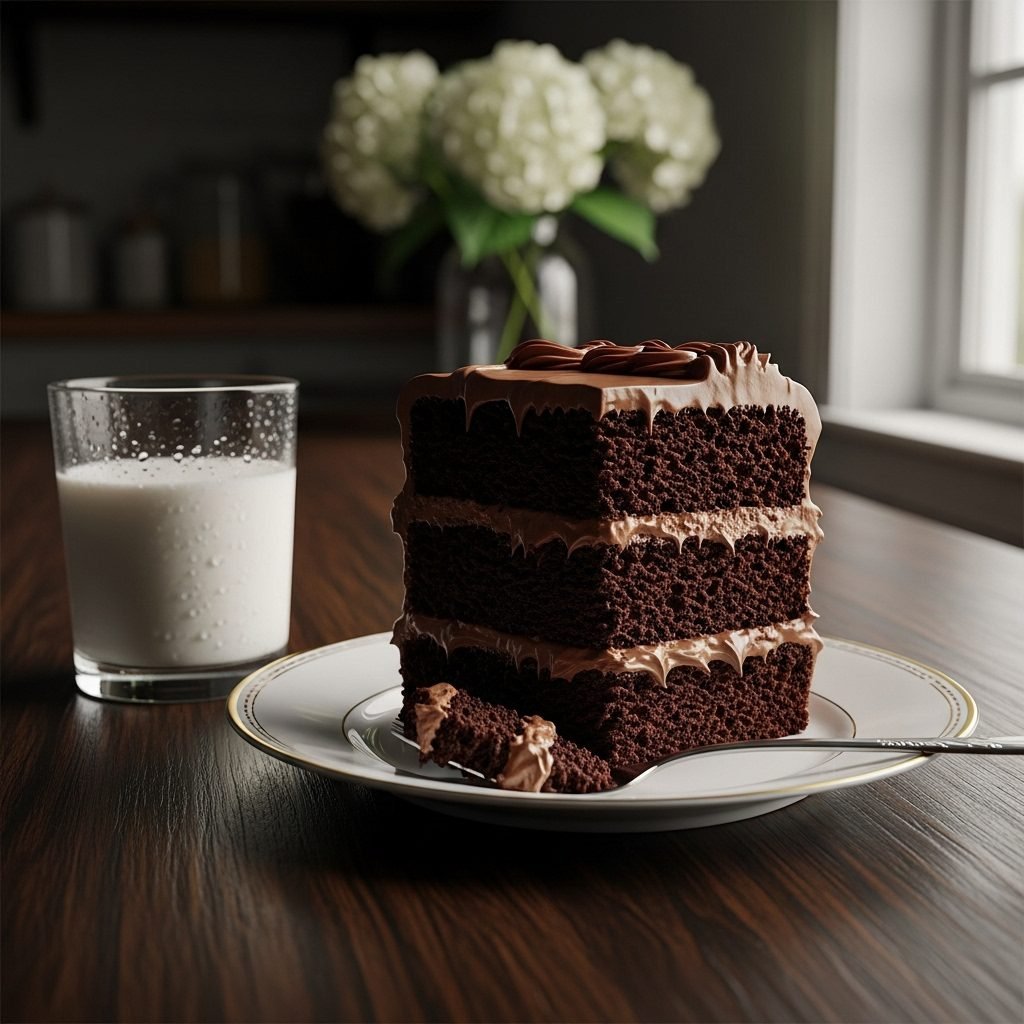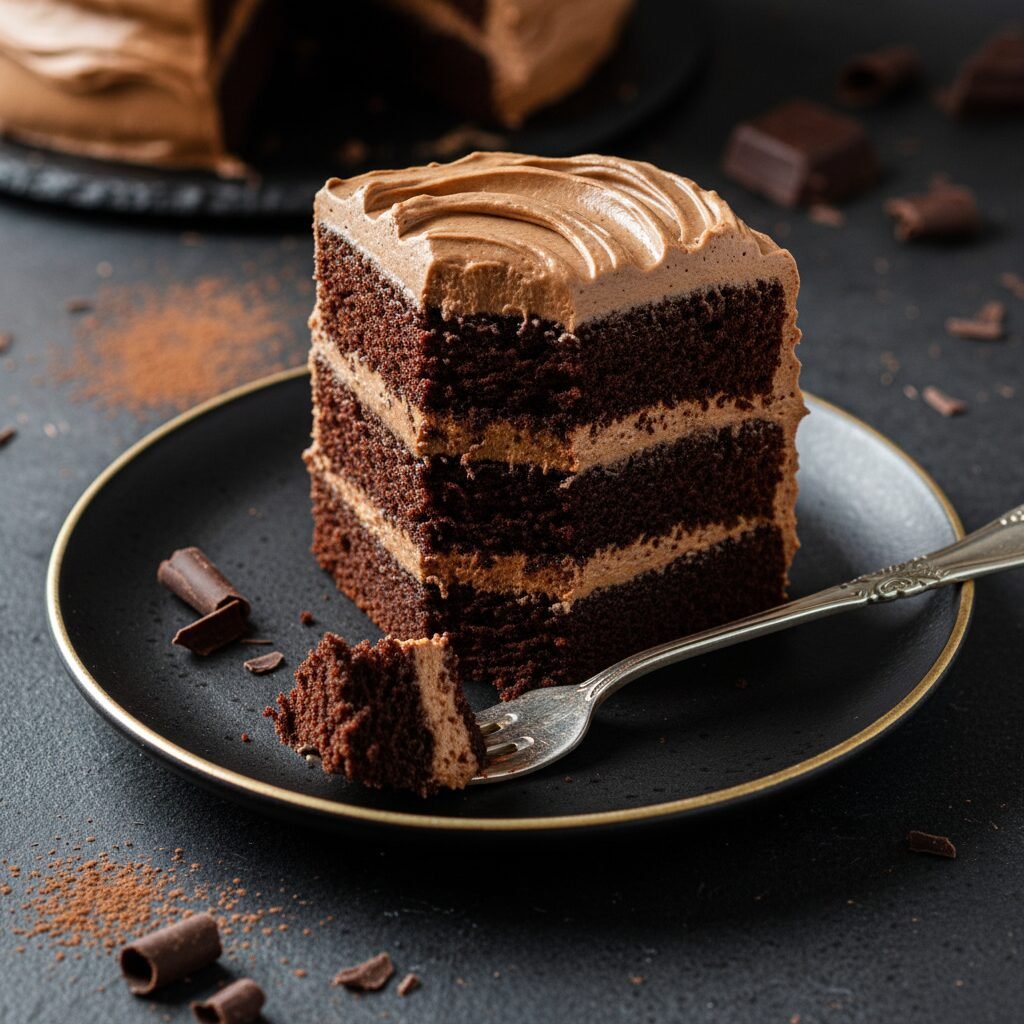
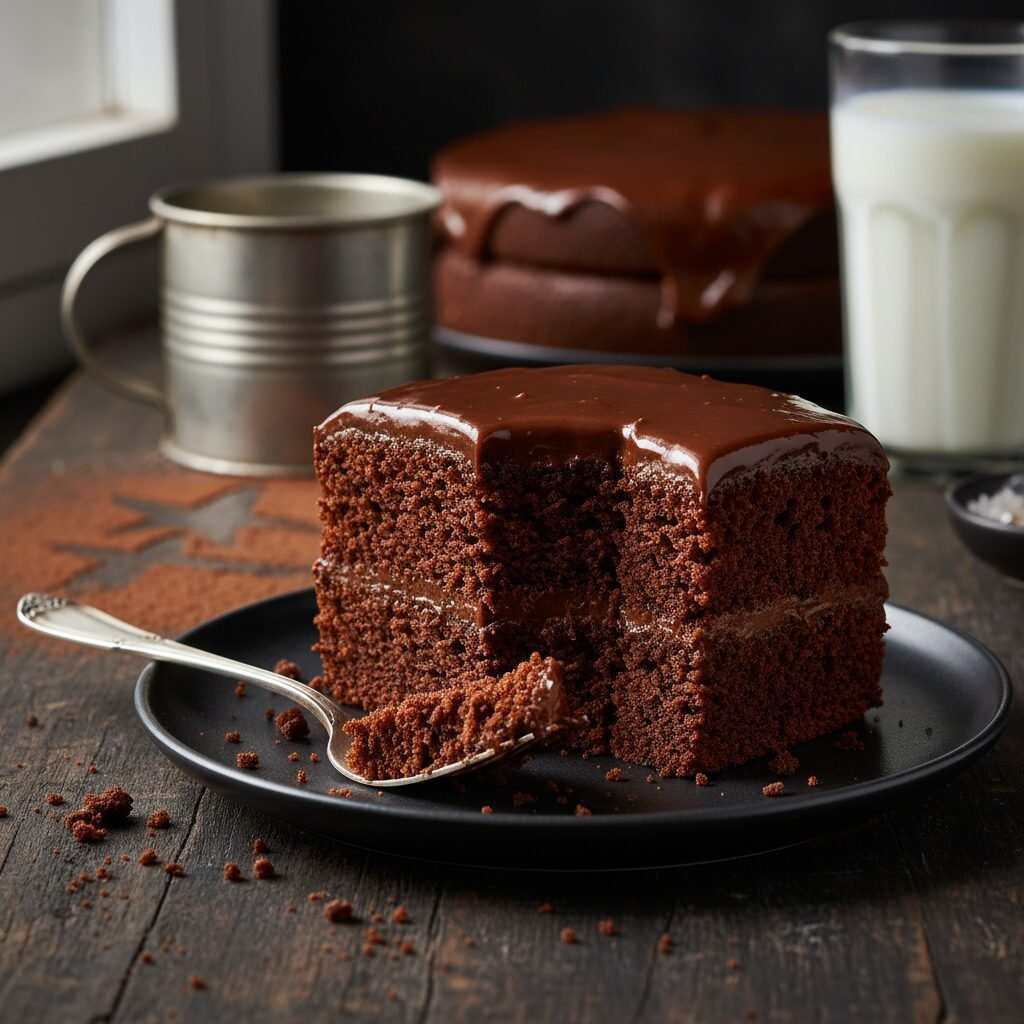
Moist Chocolate Fudge Cake For Two Layers Recipe
Discover the secret to the most decadent, melt-in-your-mouth chocolate experience you’ll ever have. This foolproof recipe yields two towering layers of rich, moist fudge cake covered in a silky ganache frosting—perfect for birthdays, holidays, or satisfying a serious chocolate craving.
25 minutes
35 minutes
1 hour 15 minutes (includes cooling)
12-16 servings
Dessert
Baking
American
Vegetarian
If there is one recipe every home baker needs in their arsenal, it is the definitive chocolate cake. We aren’t talking about the dry, crumbly sponges that rely heavily on sugary frosting to be palatable. We are talking about a cake so deeply chocolatey, so incredibly moist, and so luxuriously fudgy that it practically melts on your tongue. This Moist Chocolate Fudge Cake for two layers is the result of years of testing, tweaking, and tasting. It bridges the gap between a classic fluffy birthday cake and a dense, brownie-like fudge cake.
The magic lies in the balance of ingredients. Unlike traditional butter-based cakes which can firm up when cool, this recipe utilizes oil to ensure the crumb stays tender for days. The addition of hot coffee blooms the cocoa powder, intensifying the chocolate notes without imparting a coffee flavor. Whether you are a novice baker or a seasoned pro, this recipe is designed to be forgiving yet impressive. Imagine slicing into a dark, towering masterpiece, the knife gliding effortlessly through the layers, revealing a crumb structure that promises pure indulgence. It is the kind of cake that stops conversation at a dinner party and has guests silently reaching for seconds. Get ready to bake the best chocolate cake of your life.
History & Origins
The history of chocolate cake is a fascinating journey through culinary evolution. Before the mid-19th century, chocolate was primarily consumed as a beverage. ‘Chocolate cake’ in the early American cookbooks often referred to a white or yellow cake served alongside a cup of hot chocolate. It wasn’t until 1828, when Coenraad van Houten discovered a way to treat cocoa beans with alkaline salts (Dutch processing) and press out the cocoa butter, that baking with chocolate became accessible.
The first true chocolate cakes began appearing in the late 1800s, specifically with the introduction of ‘Devil’s Food Cake’ in the early 20th century. This name was allegedly given to distinguish it from the light and airy ‘Angel Food Cake,’ referencing its dark, rich color and sinful decadence. During the Great Depression, baking evolved out of necessity; ingredients like milk and butter were scarce, leading to the invention of ‘Wacky Cake’ or ‘Depression Cake,’ which used vinegar and baking soda for leavening.
Our modern ‘fudge’ cake draws inspiration from these historical milestones. It combines the intense cocoa punch of early Devil’s Food recipes with the moisture-retaining techniques developed over decades of American home baking. The term ‘fudge cake’ specifically gained popularity in the mid-20th century as commercial fudge became a beloved treat, and bakers sought to replicate that dense, creamy texture in cake form. Today, the American chocolate fudge cake stands as an icon of comfort and celebration, a testament to our enduring love affair with cocoa.
Why This Recipe Works
This recipe succeeds where many others fail due to the specific chemistry of the ingredients. First and foremost is the use of oil instead of butter. While butter provides flavor, it is about 80% fat and 20% water, and it solidifies at room temperature. Vegetable oil is 100% fat and remains liquid at room temperature, which guarantees that the cake remains moist and tender long after it has cooled.
Secondly, the recipe calls for boiling hot coffee. This isn’t just for liquid content; the heat ‘blooms’ the cocoa powder. Cocoa powder is essentially dried solids, and adding hot liquid helps dissolve it completely, releasing flavor compounds that are otherwise locked away. This process creates a deeper, darker, and more robust chocolate profile.
Thirdly, the inclusion of buttermilk and vinegar provides acidity. This acid reacts vigorously with the baking soda, creating carbon dioxide bubbles that lift the heavy batter. This ensures that despite being a ‘fudge’ cake, it isn’t a brick; it has a loft and lightness that makes it palatable. Finally, using both brown and white sugars adds complexity; brown sugar contains molasses, which adds moisture and a slight caramel note that complements the bitter cocoa perfectly.
Why You’ll Love This Recipe
- ✓Stays moist for up to 5 days due to oil-based batter.
- ✓Deep, intense chocolate flavor enhanced by hot coffee.
- ✓No mixer required—can be made with just a whisk and two bowls.
- ✓Perfect structural integrity for stacking two or even three layers.
- ✓Versatile batter that also works for cupcakes or sheet cakes.
Equipment You’ll Need
- ✓Two 9-inch round cake pans
- ✓Large mixing bowl
- ✓Medium mixing bowl
- ✓Wire whisk
- ✓Parchment paper
- ✓Measuring cups and spoons
- ✓Wire cooling rack
- ✓Offset spatula
Ingredients
- ✓2 cups (400g) granulated sugar
- ✓1 3/4 cups (220g) all-purpose flour
- ✓3/4 cup (65g) unsweetened cocoa powder (Dutch-processed preferred)
- ✓1 1/2 teaspoons baking powder
- ✓1 1/2 teaspoons baking soda
- ✓1 teaspoon salt
- ✓2 large eggs, room temperature
- ✓1 cup (240ml) whole milk
- ✓1/2 cup (120ml) vegetable oil or canola oil
- ✓2 teaspoons pure vanilla extract
- ✓1 cup (240ml) boiling hot coffee (or boiling water)
Instructions
- Preheat your oven to 350°F (175°C). Grease two 9-inch round cake pans with butter or cooking spray. Line the bottoms with parchment paper and grease the paper as well. Dust with a little cocoa powder and tap out the excess.
- In a large mixing bowl, whisk together the sugar, flour, cocoa, baking powder, baking soda, and salt until fully combined and no lumps remain.
- In a separate medium bowl, whisk together the eggs, milk, oil, and vanilla extract until smooth.
- Pour the wet ingredients into the dry ingredients. Whisk by hand or beat on medium speed with a mixer for about 2 minutes. The batter will be thick at this stage.
- Carefully pour in the boiling hot coffee (or boiling water). Stir gently at first to avoid splashing, then whisk until the batter is completely combined. Note: The batter will be very thin and liquidy; this is normal and essential for a moist cake.
- Divide the batter evenly between the two prepared cake pans. Tap the pans gently on the counter to release any large air bubbles.
- Bake in the preheated oven for 30 to 35 minutes. Test for doneness by inserting a wooden toothpick into the center of the cake; it should come out clean or with just a few moist crumbs attached.
- Remove the cakes from the oven and let them cool in the pans for 10 minutes. This allows them to set slightly.
- Run a knife around the edges to loosen, then invert the cakes onto a wire rack to cool completely before frosting. Do not attempt to frost while warm.
Expert Cooking Tips
- ✓Do not overmix the batter once the flour is added, as this can develop gluten and make the cake tough.
- ✓Use room temperature eggs and milk to ensure the batter emulsifies properly.
- ✓If you don’t have buttermilk, make a substitute by adding 1 tablespoon of lemon juice or white vinegar to a cup of regular milk and letting it sit for 5 minutes.
- ✓Weigh your flour using a kitchen scale for the most accurate results; scooping can lead to too much flour and a dry cake.
- ✓Let the boiling coffee cool for just a minute before adding so it doesn’t scramble the eggs, though adding it slowly usually prevents this.
- ✓Rotate the pans halfway through baking to ensure even rising if your oven has hot spots.
Substitutions and Variations
Baking is a science, but there is room for some flexibility. If you need a gluten-free version, swap the all-purpose flour for a high-quality 1:1 gluten-free baking flour blend that contains xanthan gum. For the oil, you can use melted coconut oil or even melted butter, though melted butter will result in a slightly denser crumb that dries out faster. If you want to avoid caffeine, use decaf coffee or simply boiling water; however, the coffee truly deepens the chocolate flavor without making it taste like a mocha cake. For a dairy-free option, replace the milk with almond milk, soy milk, or oat milk mixed with a teaspoon of vinegar to mimic buttermilk’s acidity. You can also replace the eggs with flax eggs (2 tbsp ground flaxseed meal mixed with 6 tbsp water) for a vegan version, though the rise may be slightly less dramatic.
Common Mistakes to Avoid
The most common mistake with this recipe is over-baking. Because the batter is dark, it is hard to see when it is browning. Rely on the toothpick test and start checking at the 30-minute mark. Another frequent error is using cold ingredients. Cold eggs and milk don’t mix as well with the oil and cocoa, leading to an uneven batter. Many bakers also panic when they see how thin the batter is after adding the coffee. Do not add more flour! The liquid evaporates during baking, creating steam that lifts the cake and leaves behind a moist crumb. Lastly, trying to frost the cake before it is 100% cool will result in a sliding disaster; the frosting will melt and the layers will slip.
Serving Suggestions
This rich fudge cake pairs beautifully with a variety of accompaniments. For a classic approach, serve a slice with a cold glass of milk or a scoop of vanilla bean ice cream to cut through the richness. Fresh berries, particularly raspberries or strawberries, add a tart contrast that brightens the palate. If you want to elevate the dessert for a dinner party, serve it with a dollop of espresso-infused whipped cream and a drizzle of salted caramel sauce. A dusting of powdered sugar or edible gold leaf can add a sophisticated finishing touch.
Storage and Reheating Tips
This cake stores exceptionally well thanks to the oil content. It can be kept at room temperature in an airtight container or cake dome for up to 4 days. In fact, many find it tastes even better on the second day as the flavors meld. If you live in a very hot or humid climate, it is safer to store it in the refrigerator for up to a week, but be sure to let it come to room temperature before serving for the best texture. For long-term storage, wrap individual slices or the whole cake layers tightly in plastic wrap, then foil, and freeze for up to 3 months. Thaw in the refrigerator overnight.
Nutrition Facts (Estimated)
| Serving Size | 1 slice (1/14th of cake) |
| Calories | 580 |
| Fat | 32g |
| Saturated Fat | 10g |
| Unsaturated Fat | 20g |
| Trans Fat | 0g |
| Cholesterol | 65mg |
| Sodium | 320mg |
| Carbohydrates | 72g |
| Fiber | 4g |
| Sugar | 45g |
| Protein | 6g |
Frequently Asked Questions
Can I use this recipe for cupcakes?
Yes, absolutely. This batter makes excellent cupcakes. Fill cupcake liners about 2/3 full and bake at 350°F for 18-22 minutes. It should yield about 24-30 cupcakes.
Why does my cake sink in the middle?
Sinking usually happens if the oven door was opened too early, causing the temperature to drop before the structure set. It can also be caused by too much leavening (baking soda/powder) or over-mixing the batter.
Can I use natural cocoa powder instead of Dutch-processed?
You can, but the flavor will be lighter and slightly more acidic. Dutch-processed cocoa has been neutralized and provides a darker color and fudgier flavor that suits this recipe best.
Do I have to use coffee?
No, you can use boiling water. However, the coffee enhances the chocolate flavor significantly. You won’t taste the coffee in the final product.
Can I bake this in a 9×13 pan?
Yes, this recipe fits perfectly in a standard 9×13 inch rectangular pan. You will need to increase the baking time to approximately 35-45 minutes.
How do I get flat layers for stacking?
You can use ‘cake strips’ soaked in water wrapped around the outside of the pan to ensure even baking. Alternatively, simply use a serrated knife to trim the domed tops off the cooled cakes before stacking.
Can I halve the recipe?
Yes, you can halve the ingredients to make a single 9-inch round layer or a smaller batch of cupcakes. The baking time remains roughly the same.
What is the best frosting for this cake?
A chocolate fudge buttercream or a dark chocolate ganache are the best pairings. Cream cheese frosting also works well if you enjoy the tangy contrast.
Conclusion
There are thousands of chocolate cake recipes on the internet, but this Moist Chocolate Fudge Cake stands apart for its reliability and sheer decadence. It is a celebration of texture and flavor, bringing together the best elements of baking science to create a dessert that feels truly special. Whether you are baking for a birthday, an anniversary, or just a Tuesday night craving, this recipe delivers consistent, bakery-quality results. We hope this cake becomes a cherished tradition in your kitchen, just as it has in ours. Happy baking!