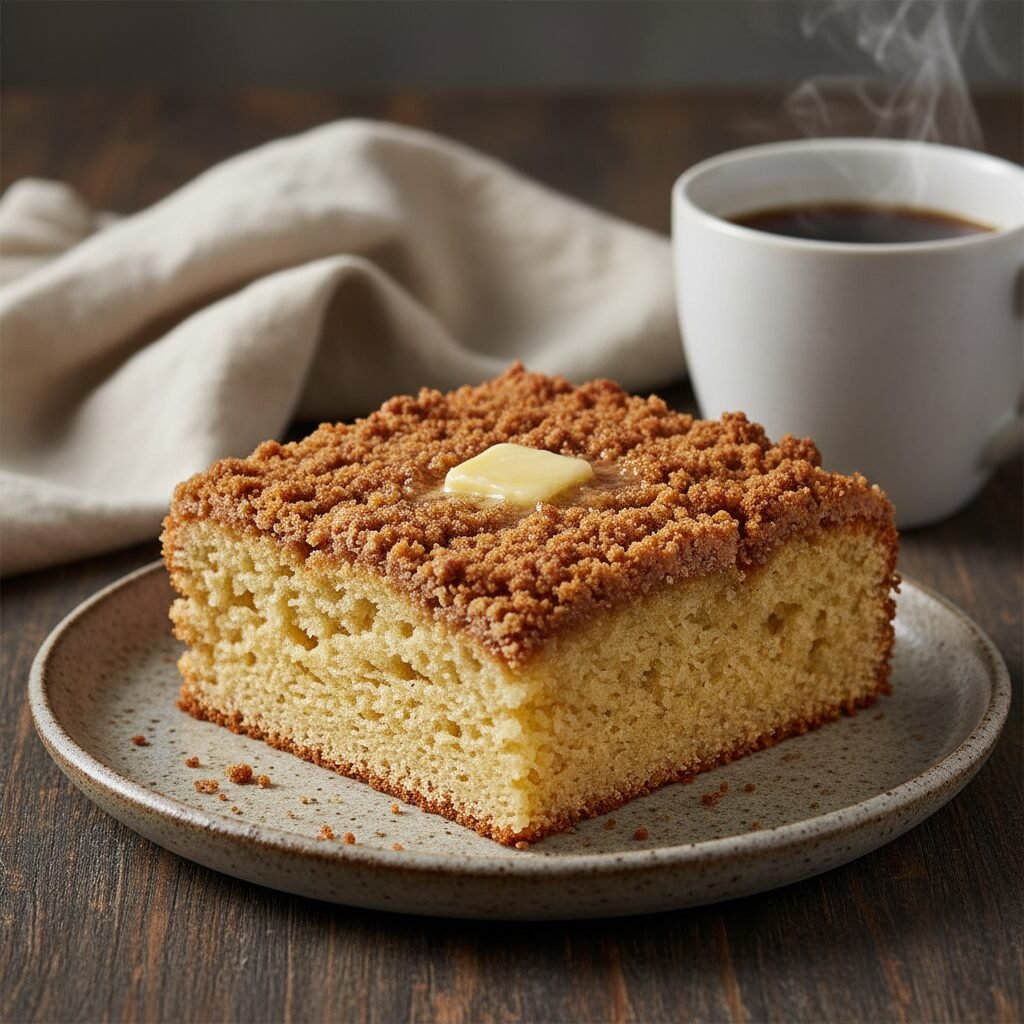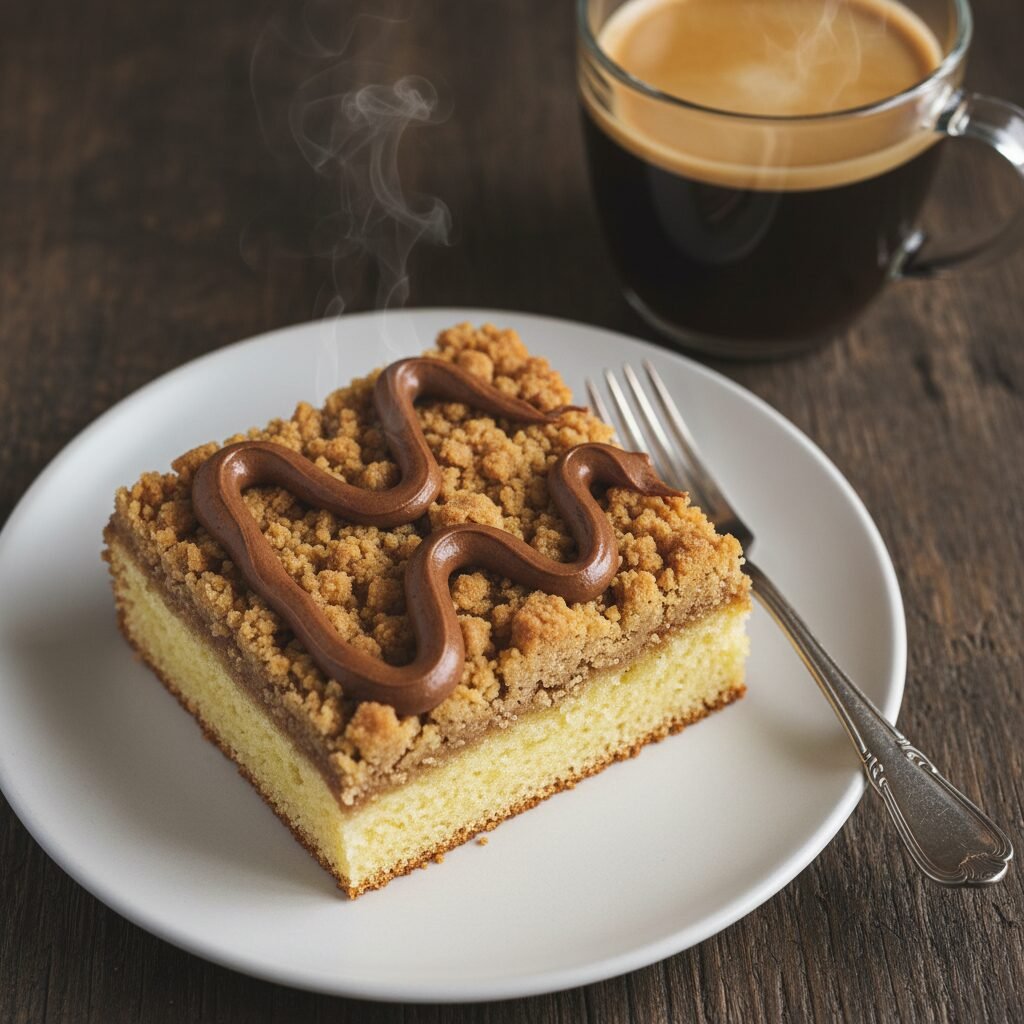
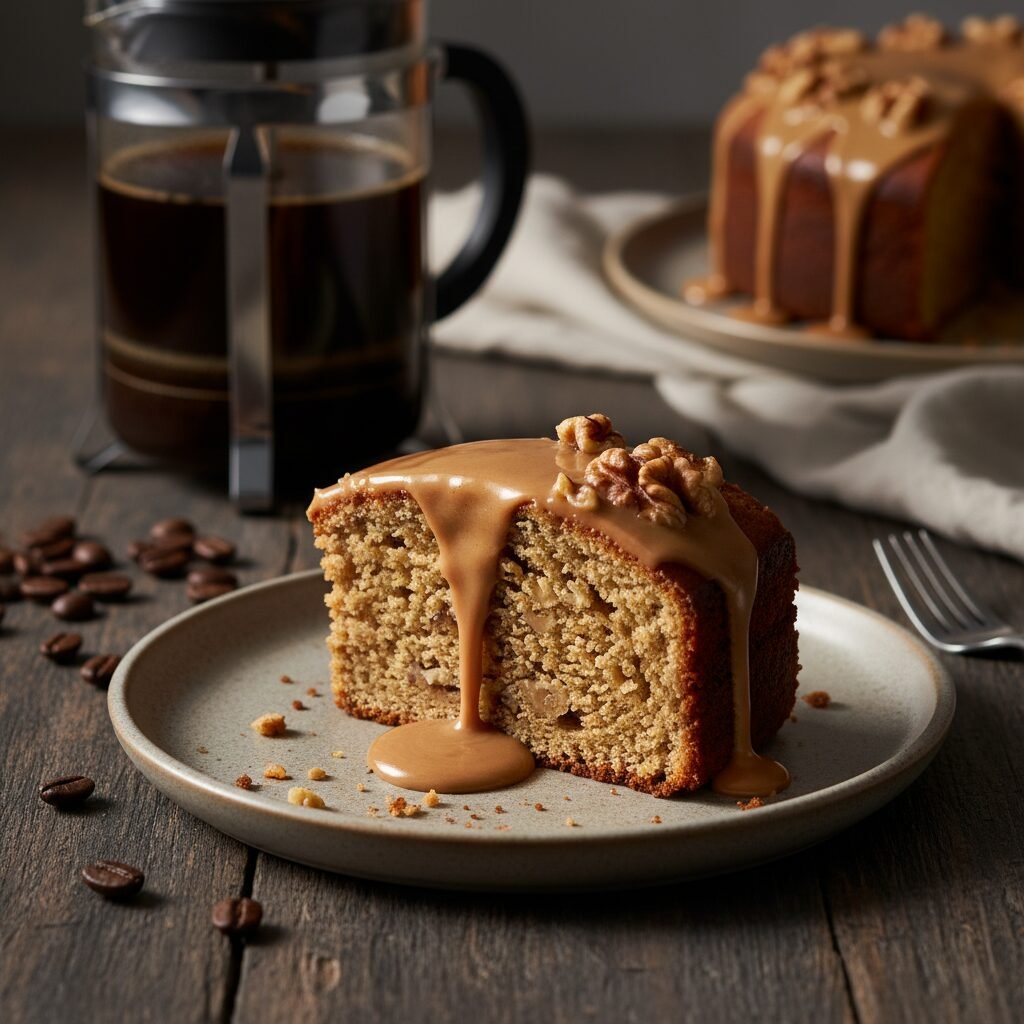
Moist Coffee Walnut Cake With Coffee Glaze Recipe
Experience the perfect marriage of bold espresso and earthy walnuts in this incredibly moist coffee walnut cake. Topped with a glossy, sweet coffee glaze, this recipe is the ultimate companion for your morning brew or an elegant afternoon tea.
20 minutes
45 minutes
1 hour 15 minutes
10-12 servings
Dessert
Baking
American / British Fusion
Vegetarian
There are few aromas more inviting than the scent of coffee brewing in the morning, except perhaps the smell of this Moist Coffee Walnut Cake baking in the oven. This recipe is a love letter to the classic combination of roasted coffee beans and buttery walnuts, elevated to new heights with a crumb so tender it practically melts in your mouth. Unlike dry, lackluster coffee cakes that rely heavily on dunking to be palatable, this cake stands proudly on its own, boasting a rich, dense, yet fluffy texture that stays moist for days.
The magic lies in the balance of flavors. The slight bitterness of the espresso powder cuts through the sweetness of the brown sugar, while the toasted walnuts add a necessary textural crunch and a savory, nutty depth that grounds the dessert. It is a sophisticated treat that feels right at home on a rustic breakfast table or served on fine china for a dinner party dessert.
Whether you are a lifelong coffee aficionado or someone who simply appreciates a well-crafted baked good, this cake delivers on all fronts. The espresso glaze is the crowning jewel—a sticky, sweet, coffee-infused ribbon that drapes over the cake, adding an extra punch of caffeine and a beautiful glossy finish. Prepare to have your kitchen filled with the most intoxicating scent of caramelized sugar and roasted nuts.
History & Origins
The concept of ‘coffee cake’ has a bifurcated history that often confuses baking enthusiasts. In the United States, coffee cake typically refers to a sweet, cinnamon-infused cake intended to be eaten *with* coffee, often featuring a streusel topping but rarely containing coffee as an ingredient. However, the British tradition of ‘Coffee and Walnut Cake’ is quite different and serves as the primary inspiration for this recipe.
The British version is a sponge cake flavored with coffee and studded with walnuts, traditionally filled with a coffee butter icing. Its roots can be traced back to the growing availability of coffee and nuts in Europe during the late 19th and early 20th centuries. As baking powder became a staple in domestic kitchens, home cooks began experimenting with lighter, fluffier sponges that could support heavier mix-ins like nuts.
The pairing of coffee and walnuts is not accidental; it is a culinary synergy discovered over decades of European café culture. Walnuts, with their high tannin content and slightly bitter skin, naturally complement the acidity and roasted notes of coffee. In Germany, the tradition of ‘Kaffeeklatsch’—an afternoon social gathering involving coffee and cake—solidified the importance of these cakes in social settings.
Over time, this classic combination crossed the Atlantic. While American palates were used to sour cream bundt cakes, the integration of actual espresso into the batter gained popularity with the rise of specialty coffee shops in the 1980s and 90s. This recipe bridges the gap between the classic British sponge and the moist, dense American sour cream cake, creating a modern classic that honors centuries of baking tradition.
Why This Recipe Works
This recipe succeeds where many others fail—specifically in the realm of moisture retention and depth of flavor. Coffee cakes can notoriously turn out dry or sponge-like in an unappealing way. To combat this, we utilize a ‘double-fat’ method. We use butter for that undeniable rich flavor and structure, but we also incorporate a neutral oil. Oil remains liquid at room temperature, which ensures the cake stays soft and moist days after baking, whereas an all-butter cake might firm up too much.
Furthermore, we use sour cream (or Greek yogurt) as a key ingredient. The acidity in the sour cream does two things: it tenderizes the gluten strands in the flour, resulting in a softer crumb, and it activates the baking soda for a better rise.
Regarding flavor, we avoid using brewed coffee in the batter. Adding liquid coffee throws off the wet-to-dry ratio of the batter without delivering enough punch. Instead, we use instant espresso powder dissolved in a tiny amount of hot water or mixed directly with the wet ingredients. This provides a concentrated explosion of coffee flavor without watering down the batter. Finally, toasting the walnuts before folding them in is a non-negotiable step; it releases their essential oils and prevents them from having a waxy texture inside the soft cake.
Why You’ll Love This Recipe
- ✓Stays moist for up to 4 days thanks to the sour cream and oil blend.
- ✓Intense coffee flavor using concentrated espresso powder.
- ✓Perfect textural contrast with toasted, crunchy walnuts.
- ✓Versatile: Works as a breakfast treat or a sophisticated dessert.
- ✓Easy-to-make glaze that requires no special equipment.
- ✓Freezes beautifully for meal prep or future guests.
Equipment You’ll Need
- ✓9-inch Round Cake Pan or Bundt Pan
- ✓Stand Mixer or Electric Hand Mixer
- ✓Large Mixing Bowl
- ✓Medium Mixing Bowl
- ✓Whisk
- ✓Rubber Spatula
- ✓Wire Cooling Rack
- ✓Measuring Cups and Spoons
Ingredients
- ✓2 cups All-purpose flour
- ✓1 tsp Baking powder
- ✓1/2 tsp Baking soda
- ✓1/2 tsp Salt
- ✓1 tbsp Instant espresso powder (dissolved in 1 tbsp hot water)
- ✓1/2 cup Unsalted butter, softened
- ✓1/4 cup Vegetable oil or Canola oil
- ✓1 cup Granulated sugar
- ✓1/2 cup Light brown sugar, packed
- ✓3 Large eggs, room temperature
- ✓1 tsp Pure vanilla extract
- ✓3/4 cup Sour cream or full-fat Greek yogurt, room temperature
- ✓1 1/2 cups Walnuts, roughly chopped and toasted
- ✓GLAZE: 1 cup Powdered sugar, sifted
- ✓GLAZE: 1 tsp Instant espresso powder
- ✓GLAZE: 2-3 tbsp Whole milk or heavy cream
Instructions
- 1. Preheat your oven to 350°F (175°C). Grease a 9-inch round cake pan (or bundt pan) generously with butter and dust with flour, or use baking spray.
- 2. Spread the chopped walnuts on a baking sheet and toast in the preheating oven for 5-7 minutes until fragrant. Watch closely so they don’t burn. Remove and let cool completely.
- 3. In a medium bowl, whisk together the flour, baking powder, baking soda, and salt. Set aside.
- 4. In a small cup, dissolve the 1 tbsp espresso powder in 1 tbsp hot water. Let it cool slightly.
- 5. In a large bowl or stand mixer fitted with the paddle attachment, cream together the softened butter, vegetable oil, granulated sugar, and brown sugar on medium-high speed for about 3-4 minutes until light and fluffy.
- 6. Add the eggs one at a time, beating well after each addition. Scrape down the sides of the bowl.
- 7. Mix in the vanilla extract and the dissolved espresso mixture.
- 8. Reduce mixer speed to low. Add half of the dry ingredients to the wet mixture, mixing just until combined.
- 9. Add the sour cream (or yogurt) and mix briefly.
- 10. Add the remaining dry ingredients, mixing only until no streaks of flour remain. Do not overmix.
- 11. Gently fold in the cooled, toasted walnuts using a rubber spatula.
- 12. Pour the batter into the prepared pan and smooth the top. Bake for 40-50 minutes, or until a toothpick inserted into the center comes out clean or with just a few moist crumbs.
- 13. Allow the cake to cool in the pan for 10 minutes, then turn it out onto a wire rack to cool completely before glazing.
- 14. To make the glaze: Whisk together the powdered sugar, 1 tsp espresso powder, and 2 tbsp milk. Add more milk, a teaspoon at a time, until you reach a thick but pourable consistency.
- 15. Drizzle the glaze over the cooled cake and sprinkle with extra chopped walnuts if desired. Let the glaze set for 15 minutes before slicing.
Expert Cooking Tips
- ✓Always toast your walnuts; raw walnuts can be waxy and lack the depth of flavor needed to stand up to the coffee.
- ✓Ensure all refrigerated ingredients (eggs, butter, sour cream) are at room temperature to prevent the batter from curdling.
- ✓Don’t skip the oil; the combination of butter for flavor and oil for moisture is the secret to a cake that stays fresh for days.
- ✓Dissolve the espresso powder thoroughly to avoid bitter dry clumps in your cake.
- ✓If using a Bundt pan, ensure you grease every nook and cranny to prevent sticking.
- ✓Do not glaze a warm cake, or the glaze will simply melt and soak into the crumb rather than sitting on top.
Substitutions and Variations
This recipe is quite adaptable. If you don’t have walnuts, pecans are an excellent substitute that offers a slightly sweeter, buttery flavor profile. Hazelnuts also work wonderfully with coffee. For the sour cream, you can substitute full-fat plain Greek yogurt or buttermilk (though buttermilk will make the batter slightly thinner). If you need to make this gluten-free, use a high-quality 1:1 gluten-free baking flour blend that contains xanthan gum. For a decaf version, simply use decaffeinated instant coffee granules. If you don’t have espresso powder, you can use very finely ground instant coffee, but avoid using liquid brewed coffee as it will dilute the batter too much.
Common Mistakes to Avoid
The most common mistake is overmixing the batter after adding the flour. This develops the gluten too much and results in a tough, rubbery cake rather than a tender one. Another issue is burning the walnuts during the toasting phase—nuts burn very quickly, so set a timer. Using cold ingredients is another pitfall; if your butter is soft but your eggs and sour cream are cold, the batter will seize and curdle, affecting the rise. Finally, be careful not to overbake. Check the cake 5 minutes before the suggested time; if the skewer comes out clean, take it out immediately. The residual heat will finish the cooking process.
Serving Suggestions
This cake is best served at room temperature to maximize the flavor and texture. It pairs perfectly, of course, with a hot cup of black coffee or a latte. For a more decadent dessert, serve a slice slightly warmed with a scoop of vanilla bean ice cream or a dollop of mascarpone whipped cream. If serving for brunch, it looks beautiful on a platter garnished with whole coffee beans and fresh berries to add a pop of color.
Storage and Reheating Tips
Store the cake in an airtight container at room temperature for up to 3-4 days. The oil in the recipe helps it keep its moisture. If you live in a very hot or humid climate, you may store it in the refrigerator for up to a week, but bring it to room temperature before eating for the best texture. To freeze, wrap individual slices or the whole unglazed cake tightly in plastic wrap, then in aluminum foil. It will keep in the freezer for up to 3 months. Thaw on the counter overnight and glaze before serving.
Nutrition Facts (Estimated)
| Serving Size | 1 slice |
| Calories | 420 |
| Fat | 24g |
| Saturated Fat | 9g |
| Unsaturated Fat | 13g |
| Trans Fat | 0g |
| Cholesterol | 65mg |
| Sodium | 210mg |
| Carbohydrates | 48g |
| Fiber | 2g |
| Sugar | 28g |
| Protein | 6g |
Frequently Asked Questions
Can I use brewed coffee instead of espresso powder?
It is not recommended. Brewed coffee adds too much liquid to the batter without providing a strong enough flavor. Instant espresso powder or instant coffee granules are concentrated and best for baking.
Why did my walnuts sink to the bottom?
This happens if the batter is too thin or the nuts are too heavy. This batter is thick enough to hold them, but chopping the nuts into smaller pieces helps. You can also toss the nuts in a teaspoon of flour before folding them in.
Can I make this cake in a loaf pan?
Yes, you can use a standard 9×5 inch loaf pan. You will likely need to increase the baking time by 10-15 minutes as the batter will be deeper.
Is this cake safe for kids regarding caffeine?
The cake contains coffee, so there is caffeine present. However, the amount per slice is relatively low compared to a cup of coffee. Use decaf espresso powder if serving to children or those sensitive to caffeine.
Can I use salted butter?
Yes, you can use salted butter. If you do, reduce the added salt in the recipe to 1/4 teaspoon to avoid the cake being too savory.
My glaze is too runny, how do I fix it?
Simply add more sifted powdered sugar, a tablespoon at a time, whisking until it reaches your desired thickness.
Can I use almond flour?
You cannot swap all-purpose flour 1:1 with almond flour as it lacks gluten structure. You could replace up to 25% of the flour with almond flour for texture, but using only almond flour requires a specific keto-friendly recipe.
How do I know when the cake is done?
Insert a wooden skewer or toothpick into the center. It should come out clean or with a few moist crumbs attached. If it has wet batter on it, it needs more time.
Conclusion
This Moist Coffee Walnut Cake is more than just a recipe; it’s a reason to slow down and enjoy the moment. Whether you are baking it for a Sunday family brunch, a gift for a neighbor, or simply to treat yourself after a long week, the comforting flavors of roasted coffee and toasted walnuts never fail to satisfy. The ease of preparation combined with the bakery-quality results makes this a staple recipe you will return to time and time again. So, brew a fresh pot of coffee, slice a generous piece of cake, and enjoy the simple pleasure of homemade baking.