Moist Hazelnut Coffee Cake Recipe
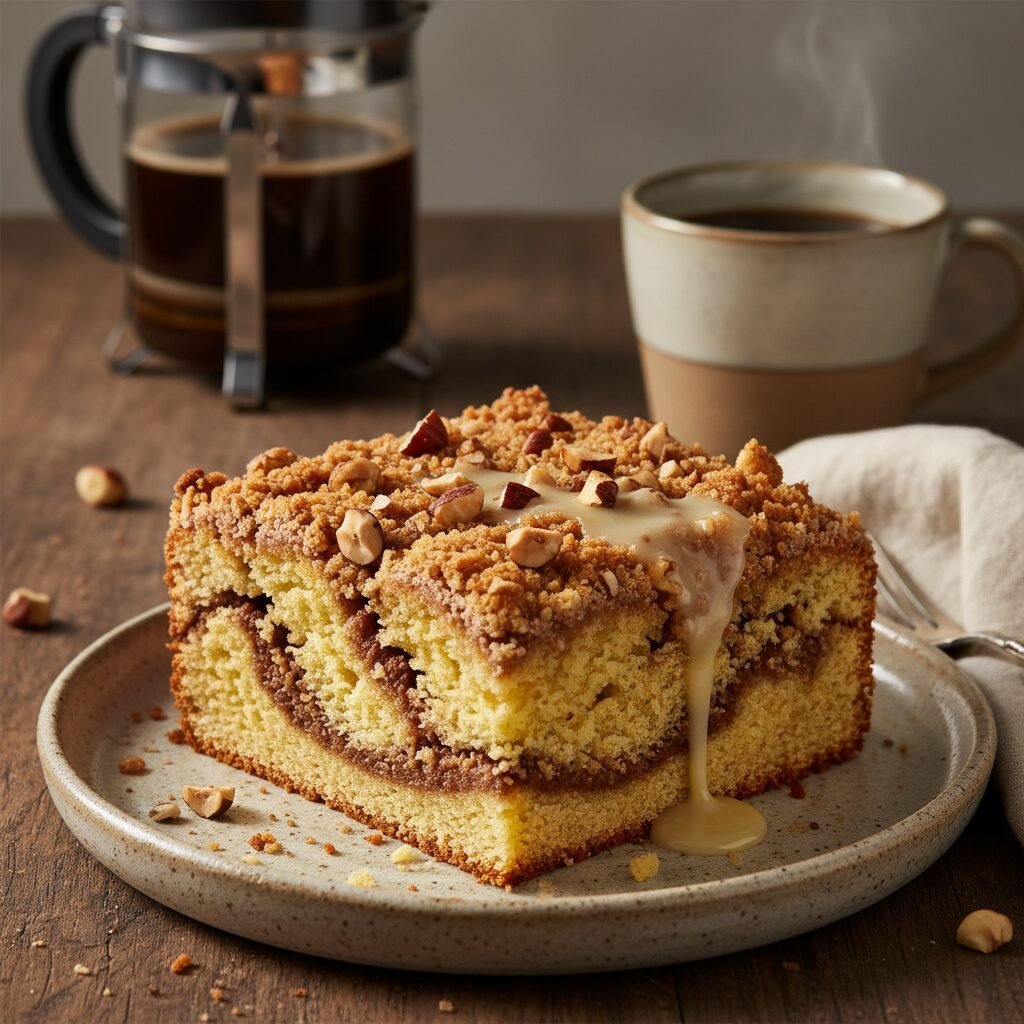
Experience the perfect morning indulgence with this incredibly moist Hazelnut Coffee Cake. Featuring a tender sour cream crumb, a ribbon of cinnamon-sugar filling, and a crunchy toasted hazelnut topping, this recipe is the ultimate companion for your morning brew.
20 minutes
50 minutes
1 hour 10 minutes
12 servings
Breakfast / Dessert
Baking
American / European
Vegetarian
There are few things in life as comforting as the aroma of a freshly baked coffee cake wafting through the kitchen on a lazy weekend morning. This Moist Hazelnut Coffee Cake is not just a recipe; it is an invitation to slow down, pour a steaming mug of your favorite roast, and savor the moment. While many coffee cakes can fall victim to a dry, crumbly texture that necessitates a drink just to swallow a bite, this recipe defies the norm. By incorporating rich sour cream and carefully creamed butter, we achieve a crumb that is dense yet incredibly tender, melting in your mouth with every forkful. The star of the show, however, is the hazelnut. Often overshadowed by pecans or walnuts in American baking, hazelnuts bring a sophisticated, earthy sweetness and a satisfying crunch that pairs impeccably with the warmth of cinnamon and vanilla. This cake features a dual-textural experience: a soft, velvety interior interrupted by a ribbon of spiced sugar, all crowned with a generous layer of buttery, hazelnut-studded streusel. Whether you are hosting a festive brunch, looking for a comforting dessert, or simply meal-prepping for a week of luxurious breakfasts, this coffee cake delivers on all fronts. It is rustic enough for a casual gathering yet elegant enough to serve to guests. The interplay of the toasted nuts with the moist, vanilla-scented batter creates a flavor profile that feels both nostalgic and gourmet. Get ready to elevate your baking game with a cake that stays moist for days and tastes even better the next morning.
History & Origins
The history of coffee cake is a fascinating journey that traces the evolution of baking traditions across continents. Despite its name, ‘coffee cake’ rarely contains coffee as an ingredient; rather, it refers to a class of cakes intended to be eaten alongside coffee. The origins of this tradition are deeply rooted in Northern and Central Europe, particularly in Germany, Austria, and Scandinavia. In the 17th century, as coffee became a popular beverage in Europe, the practice of ‘Kaffeeklatsch’—gathering over coffee and conversation—emerged in Germany. These gatherings required a sweet accompaniment, leading to the creation of rich, yeast-based sweet breads known as ‘Gugelhupf’ or ‘Kaffeekuchen.’ These early versions were more akin to brioche, often filled with dried fruits, nuts, and spices. When European immigrants brought their baking traditions to America, the recipe began to evolve. The availability of chemical leaveners like baking powder and baking soda in the late 19th and early 20th centuries revolutionized home baking. This allowed the coffee cake to transition from a labor-intensive yeast dough to a ‘quick bread’ style cake, which is what we commonly recognize today. The American version introduced the concept of the ‘crumb cake,’ emphasizing a heavy, sugary streusel topping. The inclusion of sour cream, a staple in Eastern European Jewish baking, became a secret weapon for American housewives looking to keep their cakes moist. Hazelnuts, or filberts, have been cultivated for over 5,000 years, primarily in the Black Sea region and later in Italy and Oregon, USA. Incorporating hazelnuts into this classic American dish nods back to the European torte tradition, bridging the gap between the Old World yeast breads and the New World quick cakes.
Why This Recipe Works
This recipe succeeds where many others fail—specifically in the department of moisture retention and flavor depth—due to a few key scientific principles and ingredient choices. First and foremost is the inclusion of full-fat sour cream. Sour cream is acidic, and when it reacts with the baking soda, it produces carbon dioxide gas, which helps the cake rise. However, beyond leavening, the acidity tenderizes the gluten strands in the flour, preventing the cake from becoming tough or rubbery. The high fat content in the sour cream also adds richness without thinning the batter like milk or water would, resulting in a plush, velvety crumb that stays fresh for days. Secondly, we use the ‘creaming method’ for the butter and sugar. By beating them together until pale and fluffy, we mechanically trap air into the batter, which expands in the oven to create a light structure that can support the heavy streusel topping without collapsing. Regarding flavor, the choice to toast the hazelnuts before adding them to the batter is crucial. Raw nuts can be waxy and bland, but toasting them releases their natural oils, intensifying their nutty aroma and providing a crunch that contrasts beautifully with the soft cake. Finally, the layering technique—placing a ribbon of cinnamon sugar in the middle of the batter—ensures that every slice has a burst of spice, keeping the flavor profile dynamic from the first bite to the last.
Why You’ll Love This Recipe
- ✓Incredibly moist texture thanks to sour cream
- ✓Crunchy, buttery hazelnut streusel topping
- ✓Rich cinnamon swirl center
- ✓Stays fresh and soft for several days
- ✓Perfect balance of sweet and nutty flavors
- ✓Freezer-friendly for make-ahead breakfasts
Equipment You’ll Need
- ✓9×9 inch square baking pan or 9-inch springform pan
- ✓Electric stand mixer or hand mixer
- ✓Medium mixing bowl (for streusel)
- ✓Large mixing bowl (for batter)
- ✓Rubber spatula
- ✓Whisk
- ✓Measuring cups and spoons
- ✓Parchment paper
Ingredients
- ✓2 cups All-Purpose Flour (divided use)
- ✓1 cup Granulated Sugar
- ✓1/2 cup Light Brown Sugar, packed
- ✓1/2 cup Unsalted Butter, softened (for cake)
- ✓1/3 cup Unsalted Butter, cold and cubed (for streusel)
- ✓2 large Eggs, room temperature
- ✓1 cup Sour Cream, full fat, room temperature
- ✓1 tsp Pure Vanilla Extract
- ✓1 tsp Baking Powder
- ✓1/2 tsp Baking Soda
- ✓1/2 tsp Salt
- ✓1 1/2 cups Raw Hazelnuts, roughly chopped
- ✓2 tsp Ground Cinnamon (divided use)
- ✓1/4 tsp Ground Cardamom (optional)
Instructions
- 1. Preheat your oven to 350°F (175°C). Grease a 9×9 inch square baking pan or a 9-inch springform pan generously with butter or non-stick spray. For easy removal, line the bottom and sides with parchment paper.
- 2. Prepare the Hazelnuts: Spread the chopped hazelnuts on a baking sheet and toast in the preheating oven for 5-7 minutes, or until fragrant. Watch them closely to prevent burning. Remove and let cool completely.
- 3. Make the Streusel Topping: In a medium bowl, whisk together 1/2 cup flour, 1/2 cup brown sugar, 1 tsp cinnamon, and the optional cardamom. Cut in the cold, cubed butter (1/3 cup) using a pastry blender or your fingers until the mixture resembles coarse crumbs. Stir in 1 cup of the toasted hazelnuts. Set aside in the fridge.
- 4. Mix Dry Ingredients: In a separate bowl, whisk together the remaining 1 1/2 cups of flour, baking powder, baking soda, and salt. Set aside.
- 5. Cream Butter and Sugar: In a large bowl using an electric mixer, beat the softened butter (1/2 cup) and granulated sugar (1 cup) on medium-high speed for 3-4 minutes until the mixture is pale, fluffy, and aerated.
- 6. Add Wet Ingredients: Beat in the eggs one at a time, scraping down the sides of the bowl after each addition. Mix in the vanilla extract.
- 7. Combine Batter: Reduce the mixer speed to low. Add one-third of the flour mixture, followed by half of the sour cream. Repeat, ending with the flour mixture. Mix only until just combined; do not overmix. Fold in the remaining 1/2 cup of toasted hazelnuts gently.
- 8. Assemble the Cake: Pour half of the batter into the prepared pan and spread it into an even layer. Sprinkle a thin layer of the streusel mixture (about 1/3 of it) over the batter. Top with the remaining batter, spreading it carefully to cover the filling. Finally, sprinkle the remaining streusel generously over the top.
- 9. Bake: Bake for 45-55 minutes, or until a toothpick inserted into the center comes out clean or with just a few moist crumbs attached. If the top starts browning too quickly, tent loosely with foil after 30 minutes.
- 10. Cool and Serve: Remove from the oven and let the cake cool in the pan for at least 20 minutes. This allows the structure to set. Lift out using the parchment paper, slice, and serve warm.
Expert Cooking Tips
- ✓Ensure all refrigerated ingredients (eggs, sour cream, butter) are at room temperature to prevent the batter from curdling.
- ✓Do not skip toasting the hazelnuts; it dramatically improves the flavor profile.
- ✓Measure flour by spooning it into the cup and leveling it off, rather than scooping directly, to avoid a dense cake.
- ✓If you don’t have sour cream, full-fat plain Greek yogurt is an excellent substitute.
- ✓Keep the streusel butter cold to ensure the topping stays crumbly rather than melting into the cake.
- ✓Tent the cake with aluminum foil if the hazelnuts on top begin to darken before the center is cooked.
- ✓Let the cake cool completely before storing to prevent condensation from making the topping soggy.
Substitutions and Variations
This recipe is quite versatile and can adapt to various dietary needs or pantry limitations. If hazelnuts are unavailable or not to your taste, pecans or walnuts make excellent substitutes, offering a similar crunch and fatty richness. For a nut-free version, you can omit the nuts entirely and increase the flour in the streusel by 2 tablespoons, or use pumpkin seeds for crunch. The sour cream is key for moisture, but full-fat Greek yogurt or buttermilk can be used in a pinch; if using buttermilk, the batter will be slightly thinner, so reduce the amount by 1-2 tablespoons. For the flour, a 1:1 gluten-free all-purpose baking blend (preferably one containing xanthan gum) works reasonably well, though the texture may be slightly more crumbly. You can swap the granulated sugar for cane sugar, but avoid swapping the brown sugar in the streusel, as the molasses content is necessary for that deep, caramel-like flavor. Spices can also be adjusted; nutmeg, allspice, or even a pinch of ginger can be added to the cinnamon mixture for a more complex spice profile.
Common Mistakes to Avoid
The most common mistake when making coffee cake is overmixing the batter after adding the flour. Once the wet and dry ingredients meet, gluten begins to form. If you mix too vigorously, you will end up with a tough, rubbery cake instead of a tender one. Stop mixing as soon as the flour streaks disappear. Another pitfall is using butter that is too soft or melted for the creaming step; the butter should be cool room temperature (indentable with a thumb but not greasy) to properly trap air. Using cold butter for the cake batter will result in lumps, while using warm butter for the streusel will cause it to melt into a flat glaze rather than forming crunchy crumbs. Furthermore, baking times can vary by oven. Relying solely on the timer rather than the toothpick test can lead to an underbaked center or a dry overbaked cake. Finally, cutting into the cake immediately after removing it from the oven will cause it to fall apart; the structure needs time to solidify as it cools.
Serving Suggestions
This Moist Hazelnut Coffee Cake is best served slightly warm. A fresh slice pairs beautifully with a dark roast coffee, an espresso, or a chai tea latte to complement the spices. For a decadent dessert presentation, serve a slice with a dollop of lightly sweetened whipped cream or a scoop of vanilla bean ice cream. If you want to elevate the breakfast experience, drizzle the top with a simple glaze made from powdered sugar and a splash of maple syrup or milk. Fresh berries, such as raspberries or blackberries, served on the side add a refreshing tartness that cuts through the richness of the cake and the nuts. It also makes a wonderful addition to a brunch spread alongside savory items like quiche or bacon.
Storage and Reheating Tips
To keep your coffee cake fresh, store it in an airtight container at room temperature for up to 3 days. The high fat content helps it stay moist, but air is the enemy. If you live in a particularly hot or humid climate, you may want to store it in the refrigerator for up to a week, though this can dry out the crumb slightly, so bring it to room temperature before eating. This cake freezes exceptionally well. You can freeze the whole cake or individual slices. Wrap each piece tightly in plastic wrap, then place them in a heavy-duty freezer bag or airtight container. It will keep well for up to 3 months. To reheat, unwrap a frozen slice and microwave it for 20-30 seconds, or warm it in a 350°F oven for 5-10 minutes until heated through and the streusel is crisp again.
Nutrition Facts (Estimated)
| Serving Size | 1 slice |
| Calories | 425 |
| Fat | 22g |
| Saturated Fat | 10g |
| Unsaturated Fat | 11g |
| Trans Fat | 0g |
| Cholesterol | 65mg |
| Sodium | 210mg |
| Carbohydrates | 52g |
| Fiber | 2g |
| Sugar | 28g |
| Protein | 6g |
Frequently Asked Questions
Can I use roasted salted hazelnuts?
Yes, but you should reduce the added salt in the recipe by half to ensure the cake doesn’t become too savory. The saltiness can actually provide a nice contrast to the sweet streusel.
Why did my streusel sink to the bottom?
Streusel usually sinks if the batter is too thin or if the cake is underbaked. Ensure you are using full-fat sour cream and measuring flour correctly. Also, don’t press the streusel down; just sprinkle it lightly on top.
Can I make this recipe in a bundt pan?
Yes, this batter works in a bundt pan. You will need to grease the pan very thoroughly. Layer the batter and streusel similarly, but keep the streusel away from the edges to prevent sticking. Bake time may increase to 55-65 minutes.
My cake is browning too fast but the center is raw. What do I do?
This is common with sugar-topped cakes. Simply tent a piece of aluminum foil loosely over the top of the pan for the last 15-20 minutes of baking. This deflects the heat while allowing the center to finish cooking.
Can I use oil instead of butter?
You can use vegetable oil for the cake batter (use 1/2 cup), which will make it very moist, but you will lose the buttery flavor. However, you must use butter for the streusel to achieve the crumbly texture.
Is this cake overly sweet?
It has a balanced sweetness. The cake batter itself is moderately sweet, relying on the streusel topping and filling for the sugar kick. The tartness of the sour cream helps balance the sugar profile.
How do I peel the skins off the hazelnuts?
After toasting the hazelnuts, wrap them in a clean kitchen towel and let them steam for a minute. Then, rub them vigorously with the towel. The bitter skins should flake right off. It’s okay if some skin remains.
Can I double this recipe?
Yes, you can double the ingredients and bake it in a 9×13 inch rectangular pan. You will likely need to increase the baking time by 5-10 minutes. Check with a toothpick for doneness.
Conclusion
There is a profound satisfaction in baking a cake that requires no frosting, no piping bags, and no fuss, yet delivers such a complex and rewarding flavor. This Moist Hazelnut Coffee Cake is a testament to the power of quality ingredients like toasted nuts, brown sugar, and sour cream coming together to create something greater than the sum of their parts. Whether you are a seasoned baker or a novice in the kitchen, this recipe is forgiving and reliable, promising a golden, aromatic result every time. It’s the kind of recipe that gets requested at every family gathering and becomes a handwritten staple in your recipe box. So, preheat your oven, chop those hazelnuts, and get ready to enjoy a slice of pure, buttery bliss. Happy baking!