Moist Lemon Bundt Cake Recipe
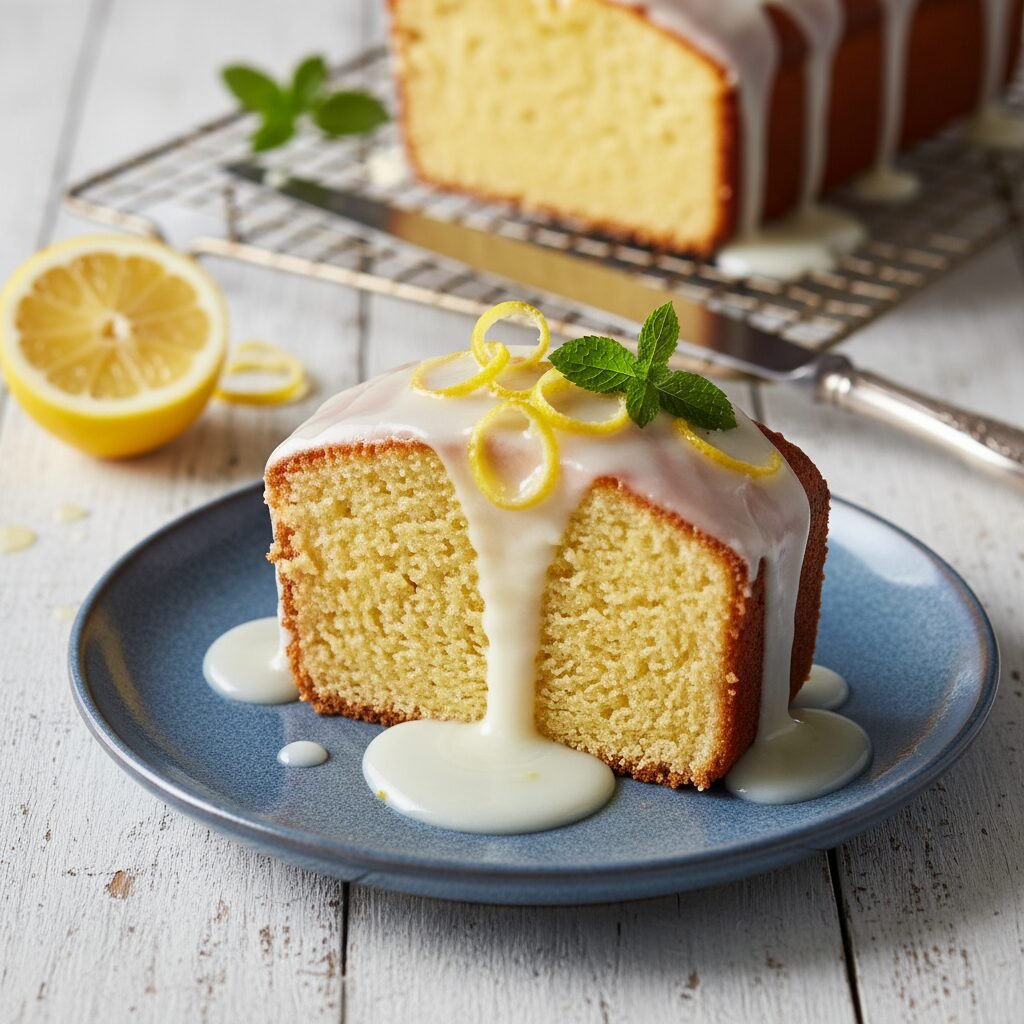
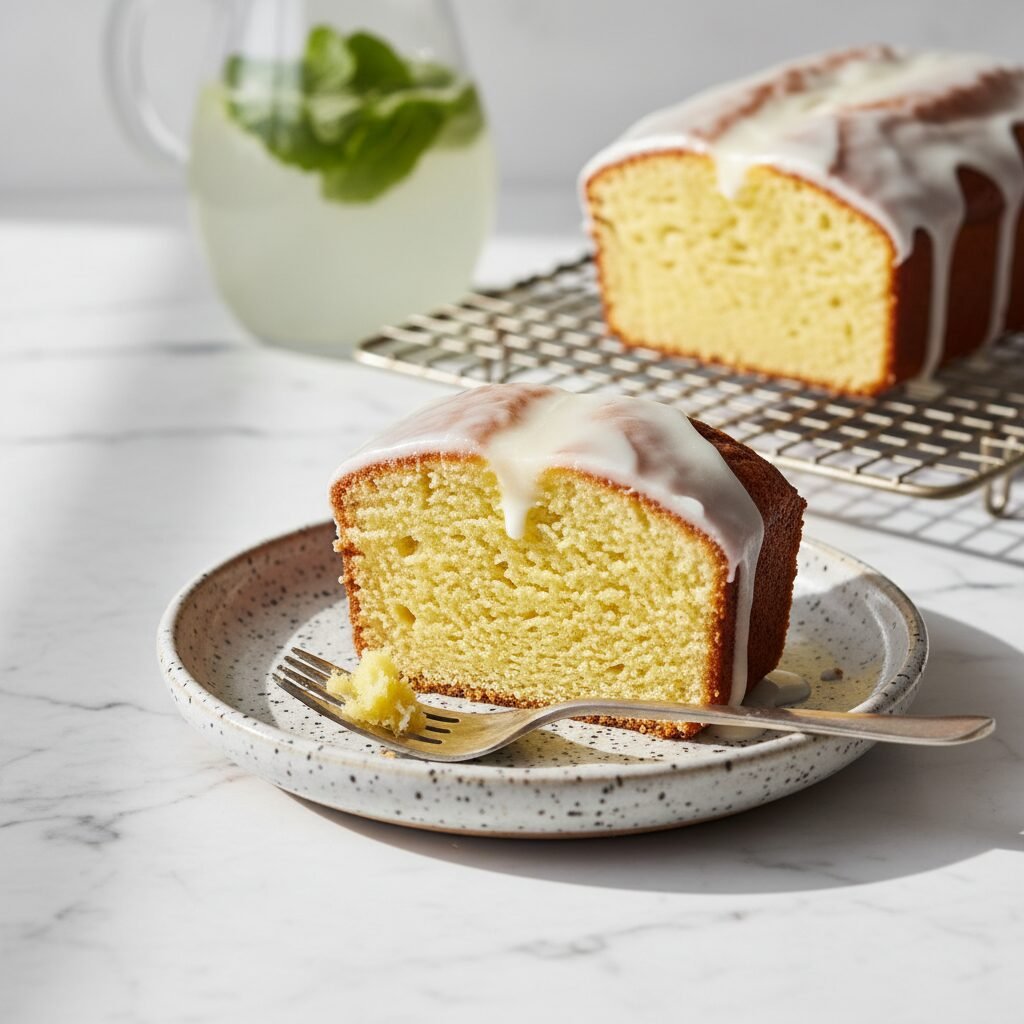
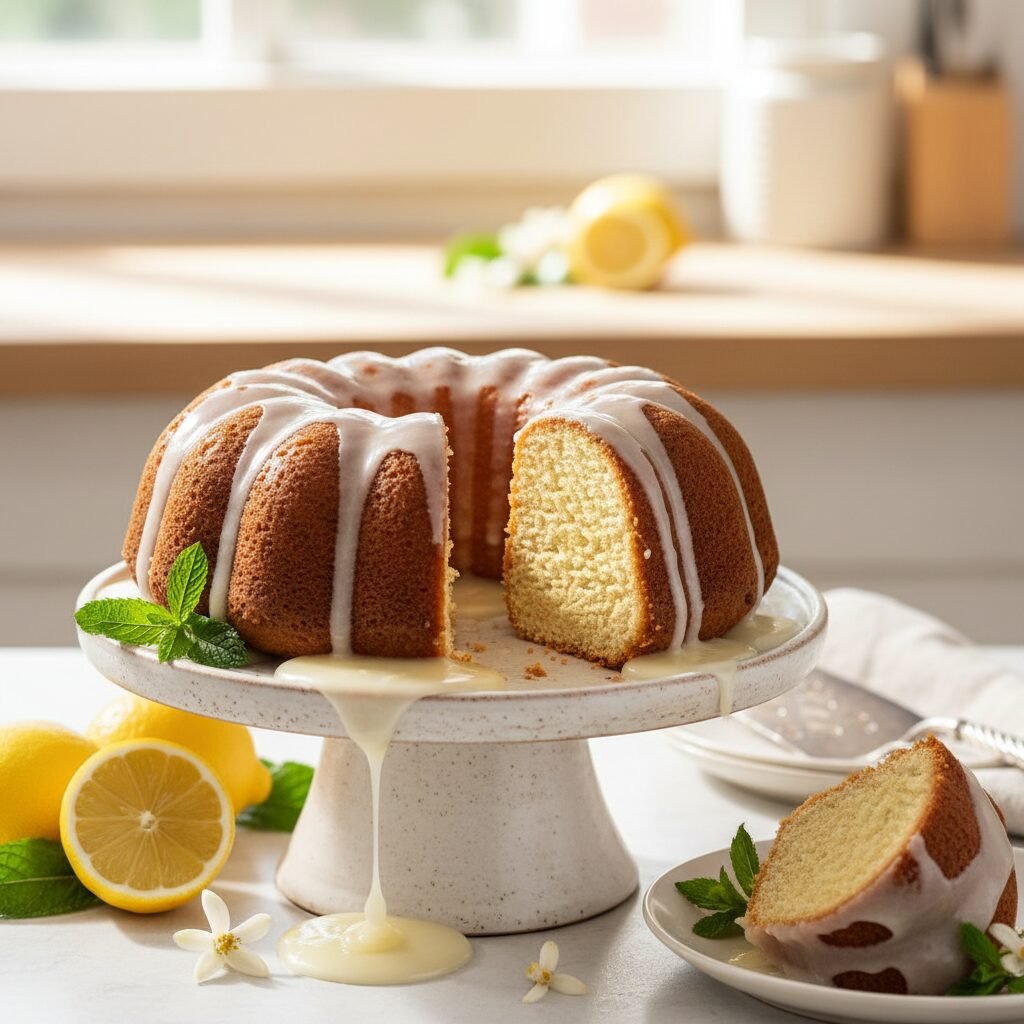
Bring a burst of sunshine to your kitchen with this incredibly moist Lemon Bundt Cake. Infused with fresh lemon zest and topped with a tangy sweet glaze, it is the ultimate balance of citrus brightness and buttery richness.
20 minutes
55 minutes
1 hour 30 minutes
12-14 servings
Dessert
Baking
American
Vegetarian
There is something undeniably cheerful about a lemon dessert. It promises a brightness that cuts through the heaviest of days, offering a palate-cleansing sweetness that feels both indulgent and refreshing. This Moist Lemon Bundt Cake is the epitome of that sensation—a culinary ray of sunshine that delivers on every level. Unlike delicate sponge cakes that disappear in a bite, this bundt cake boasts a tight, tender crumb that is immensely satisfying to eat. It is dense enough to hold its shape beautifully yet remains incredibly soft and moist, thanks to a few key ingredients and techniques we will explore.
The beauty of a bundt cake lies not just in its flavor, but in its stunning presentation. The fluted edges catch the glaze in pools of sugary perfection, ensuring every slice has the perfect ratio of cake to icing. This recipe has been refined over years of testing to solve the common dry-cake dilemma. We aren’t just adding lemon juice; we are layering citrus flavors using zest, juice, and a soaking syrup technique that infuses the cake from the inside out. Whether you are hosting a spring brunch, looking for a comforting afternoon tea companion, or simply craving a slice of something sweet and tart, this recipe is your new gold standard. It is approachable for beginners but yields bakery-quality results that will have your friends and family begging for the recipe.
History & Origins
The iconic shape of the Bundt cake is deeply rooted in European baking traditions, specifically the ‘Gugelhupf,’ a brioche-style cake popular in Germany, Austria, and Alsace. These cakes were traditionally baked in ceramic or metal pans with a central tube, which allowed heat to penetrate the center of the dense dough, ensuring an even bake. However, the modern Bundt cake is a distinctly American success story. In 1950, H. David Dalquist, the founder of Nordic Ware, was approached by a group of Jewish women from the Hadassah Society in Minneapolis. They wanted a modern, lightweight aluminum version of the heavy ceramic Gugelhupf pans used by their mothers.
Dalquist created the cast aluminum pan and trademarked the name ‘Bundt,’ adding a ‘t’ to the German word ‘Bund’ (meaning an alliance or gathering) to trademark the name. Initially, sales were lackluster, and the pan nearly faded into obscurity. The turning point came in 1966 during the Pillsbury Bake-Off, when Ella Helfrich used a Nordic Ware Bundt pan to create the ‘Tunnel of Fudge’ cake. She won second place, but the unique shape captured the imagination of home bakers across America. Over 200,000 requests for the pan flooded in, solidifying the Bundt pan as a staple in American kitchens. Since then, the lemon variation has become a classic, celebrated for its ability to marry the rich, dense texture of a pound cake with the bright, acidic profile of fresh citrus, making it a timeless favorite for gatherings and holidays.
Why This Recipe Works
This recipe succeeds where many others fail because it addresses the two biggest enemies of bundt cakes: dryness and lack of flavor. First, to combat dryness, we utilize a ‘double-fat’ method. We use butter for that unmistakable rich flavor, but we also incorporate oil. Oil remains liquid at room temperature, which ensures the cake stays moist for days, unlike cakes made solely with butter which can firm up too much. Additionally, the inclusion of full-fat sour cream is non-negotiable. The acidity in the sour cream tenderizes the gluten strands in the flour, resulting in a velvety, melt-in-your-mouth crumb, while its thickness adds structure without heaviness.
Secondly, we maximize the lemon flavor through ‘zest rubbing.’ By manually rubbing the fresh lemon zest into the granulated sugar before mixing the batter, the abrasive sugar crystals tear open the zest’s oil cells, releasing potent essential oils that pervade the entire batter more effectively than simply stirring zest in at the end. Finally, the glaze isn’t just a topping; it’s a preservation tool. The thick icing seals the exterior of the cake, locking in moisture and adding a concentrated zing of lemon that contrasts perfectly with the creamy interior. This scientific approach to moisture and flavor layering guarantees a perfect bake every time.
Why You’ll Love This Recipe
- ✓Stays moist for up to 5 days
- ✓Intense natural lemon flavor
- ✓Freezer-friendly for meal prep
- ✓Beautiful presentation with minimal effort
- ✓No fancy decorating skills required
Equipment You’ll Need
- ✓10-12 cup Bundt pan
- ✓Stand mixer or electric hand mixer
- ✓Microplane or fine grater
- ✓Large mixing bowls
- ✓Wire cooling rack
- ✓Rubber spatula
- ✓Measuring cups and spoons
Ingredients
- ✓3 cups all-purpose flour
- ✓1 teaspoon baking powder
- ✓1/2 teaspoon baking soda
- ✓1 teaspoon salt
- ✓1 cup unsalted butter, softened
- ✓2 cups granulated sugar
- ✓4 large eggs, room temperature
- ✓1/3 cup vegetable oil or canola oil
- ✓1 tablespoon vanilla extract
- ✓3 tablespoons fresh lemon zest (approx. 3 lemons)
- ✓1/4 cup fresh lemon juice
- ✓1 cup full-fat sour cream, room temperature
- ✓2 cups powdered sugar (for glaze)
- ✓3-4 tablespoons fresh lemon juice (for glaze)
- ✓1 tablespoon unsalted butter, melted (for glaze)
Instructions
- Preheat your oven to 350°F (175°C). Thoroughly grease your Bundt pan with baking spray (the kind with flour in it) or butter and flour, ensuring every crevice is coated to prevent sticking.
- In a medium bowl, whisk together the flour, baking powder, baking soda, and salt. Set aside.
- In the bowl of a stand mixer, place the granulated sugar and lemon zest. Rub the zest into the sugar with your fingertips until the sugar is fragrant and looks like wet sand.
- Add the softened butter to the sugar mixture. Beat on medium-high speed for 3-5 minutes until pale and fluffy. This creaming step is crucial for aeration.
- Add the vegetable oil and vanilla extract, beating until combined.
- Add the eggs one at a time, beating well after each addition and scraping down the sides of the bowl as needed.
- Reduce mixer speed to low. Add one-third of the flour mixture, followed by half of the sour cream and half of the lemon juice. Mix just until combined.
- Repeat with another third of the flour, the remaining sour cream and lemon juice, and finish with the final third of the flour. Do not overmix; stop when streaks of flour disappear.
- Pour the batter into the prepared Bundt pan and smooth the top with a spatula. Tap the pan gently on the counter to release large air bubbles.
- Bake for 50-60 minutes, or until a wooden skewer inserted into the center comes out clean or with just a few moist crumbs.
- Allow the cake to cool in the pan for exactly 10 minutes. Then, invert it onto a wire rack to cool completely.
- While the cake cools, make the glaze. Whisk together powdered sugar, melted butter, and enough lemon juice to reach a thick but pourable consistency.
- Once the cake is cool, drizzle the glaze generously over the top, letting it drip down the sides. Allow glaze to set before slicing.
Expert Cooking Tips
- ✓Use room temperature ingredients (eggs, butter, sour cream) to ensure the batter emulsifies properly without curdling.
- ✓Grease the pan right before filling it. If you grease it too early, the oil can slide down the sides and pool at the bottom.
- ✓Do not rely solely on the timer; ovens vary. Start checking for doneness at the 50-minute mark.
- ✓Measure flour by spooning it into the cup and leveling it off, rather than scooping directly, to avoid a dense cake.
- ✓If the top of the cake is browning too quickly before the center is done, tent it loosely with aluminum foil.
- ✓Let the cake cool in the pan for 10 minutes exactly. Too short and it breaks; too long and it sticks due to condensation.
Substitutions and Variations
If you do not have sour cream, full-fat Greek yogurt is an excellent 1:1 substitute that provides similar acidity and moisture. For a gluten-free version, use a high-quality 1:1 gluten-free baking flour blend that contains xanthan gum. If you prefer a different citrus profile, this recipe works wonderfully with oranges, blood oranges, or grapefruits; simply swap the zest and juice amounts equally. Vegetable oil can be replaced with melted coconut oil, though this may impart a slight coconut flavor. If you are out of unsalted butter, salted butter works fine, just reduce the added salt in the recipe to 1/2 teaspoon.
Common Mistakes to Avoid
The most heartbreaking mistake with Bundt cakes is the cake sticking to the pan. This often happens if the pan is older and has scratches, or if it wasn’t greased thoroughly into every nook. Another common issue is a dense or rubbery texture, which is usually caused by overmixing the batter after adding the flour. Remember, once the flour hits the liquid, gluten begins to form—mix gently. Finally, avoid cutting into the cake while it is still warm. While tempting, a warm Bundt cake is fragile and the crumb hasn’t set, meaning it can crumble or appear gummy if sliced too soon.
Serving Suggestions
This cake is a stunner on its own, but it pairs beautifully with fresh berries like raspberries, blueberries, or sliced strawberries, which cut through the sweetness. A dollop of lightly sweetened whipped cream or a scoop of vanilla bean ice cream makes it a decadent dessert. For a sophisticated afternoon tea, serve thin slices alongside a cup of Earl Grey or chamomile tea. In the summer, garnish the plate with edible flowers and candied lemon peel for an elegant touch.
Storage and Reheating Tips
Store the cake in an airtight container at room temperature for up to 3 days; the glaze acts as a seal to keep it moist. If you live in a very hot or humid climate, you may store it in the refrigerator for up to a week, but bring it to room temperature before serving for the best texture. To freeze, wrap individual slices or the entire unglazed cake tightly in plastic wrap, followed by a layer of aluminum foil. It will keep well in the freezer for up to 3 months. Thaw overnight on the counter before glazing and serving.
Nutrition Facts (Estimated)
| Serving Size | 1 slice |
| Calories | 420 |
| Fat | 22g |
| Saturated Fat | 12g |
| Unsaturated Fat | 9g |
| Trans Fat | 0g |
| Cholesterol | 85mg |
| Sodium | 210mg |
| Carbohydrates | 54g |
| Fiber | 1g |
| Sugar | 32g |
| Protein | 5g |
Frequently Asked Questions
Why did my Bundt cake stick to the pan?
Sticking is usually due to insufficient greasing or cooling too long in the pan. Use a baking spray with flour included, and ensure you invert the cake after exactly 10 minutes of cooling.
Can I use bottled lemon juice instead of fresh?
While you can, it is not recommended. Bottled juice lacks the floral notes and brightness of fresh lemon juice. Furthermore, you need fresh lemons for the zest, which provides the majority of the flavor.
How do I know when the cake is perfectly done?
Insert a long wooden skewer into the deepest part of the cake. It should come out with a few moist crumbs attached. If it is wet, bake longer. If it is clean, take it out immediately.
Can I make this cake ahead of time?
Yes, this cake actually tastes better the next day as the flavors have time to meld and the moisture distributes evenly. It is a perfect make-ahead dessert.
Why did my cake sink in the middle?
Sinking can be caused by opening the oven door too early, underbaking, or using expired baking powder/soda. Ensure your leavening agents are fresh.
Can I reduce the sugar in this recipe?
Sugar provides structure and moisture, not just sweetness. Reducing it significantly will alter the texture, making the cake drier and denser. We recommend sticking to the recipe for the best crumb.
What if I don’t have a Bundt pan?
You can bake this in two 9×5 inch loaf pans. The baking time will likely be shorter, around 40-50 minutes. Keep an eye on them.
Is the glaze necessary?
While the cake is delicious on its own, the glaze adds a crucial punch of tartness and helps seal in the moisture. If you prefer less sugar, a simple dusting of powdered sugar is a lighter alternative.
Conclusion
Mastering the art of the Lemon Bundt Cake is a rewarding endeavor that pays dividends in smiles and satisfied cravings. This recipe offers the perfect harmony of ease and elegance, making it a staple for both casual weekends and celebratory tables. With its sunny disposition, tender crumb, and zesty finish, it is a dessert that invites you to slow down and savor the moment. So grab your lemons, grease that pan, and get ready to bake a masterpiece that is sure to become a requested favorite in your home for years to come.