Moist Lemon Cake For Afternoon Tea Recipe
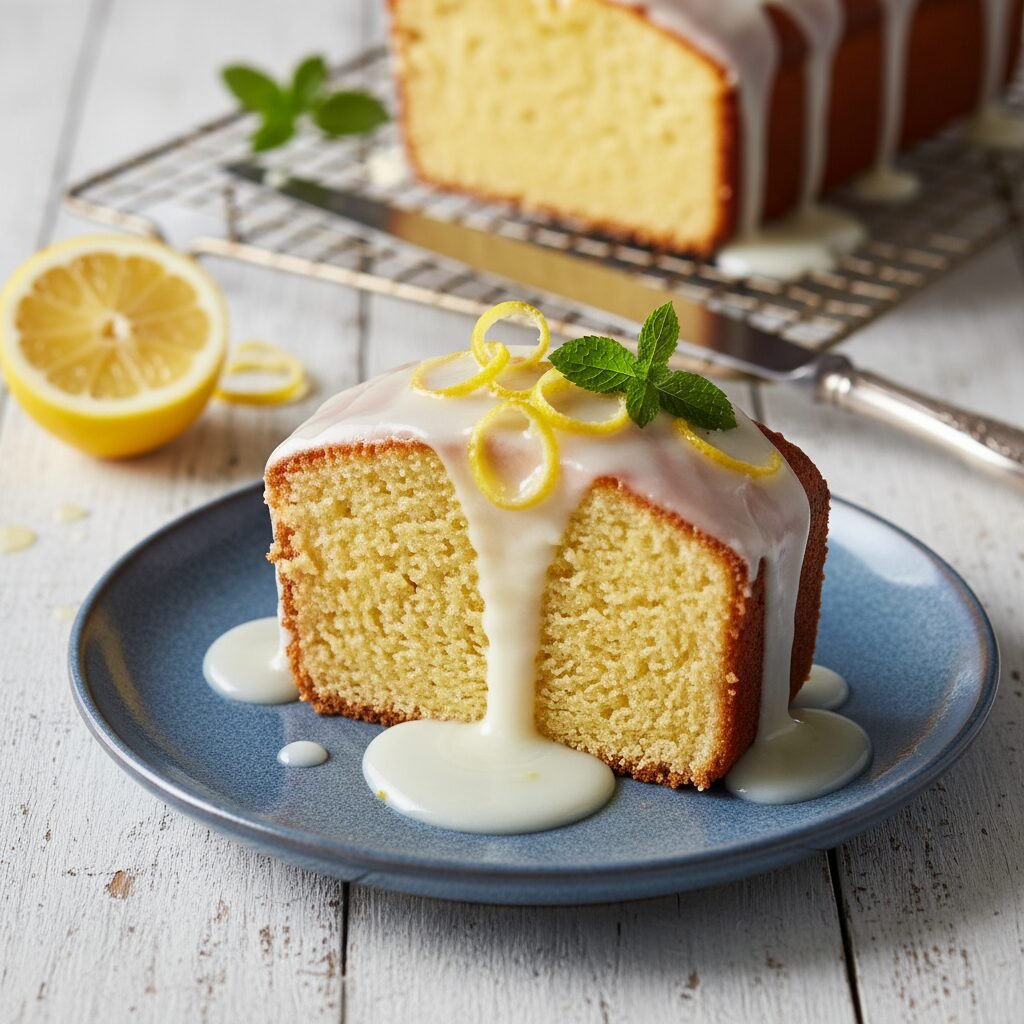
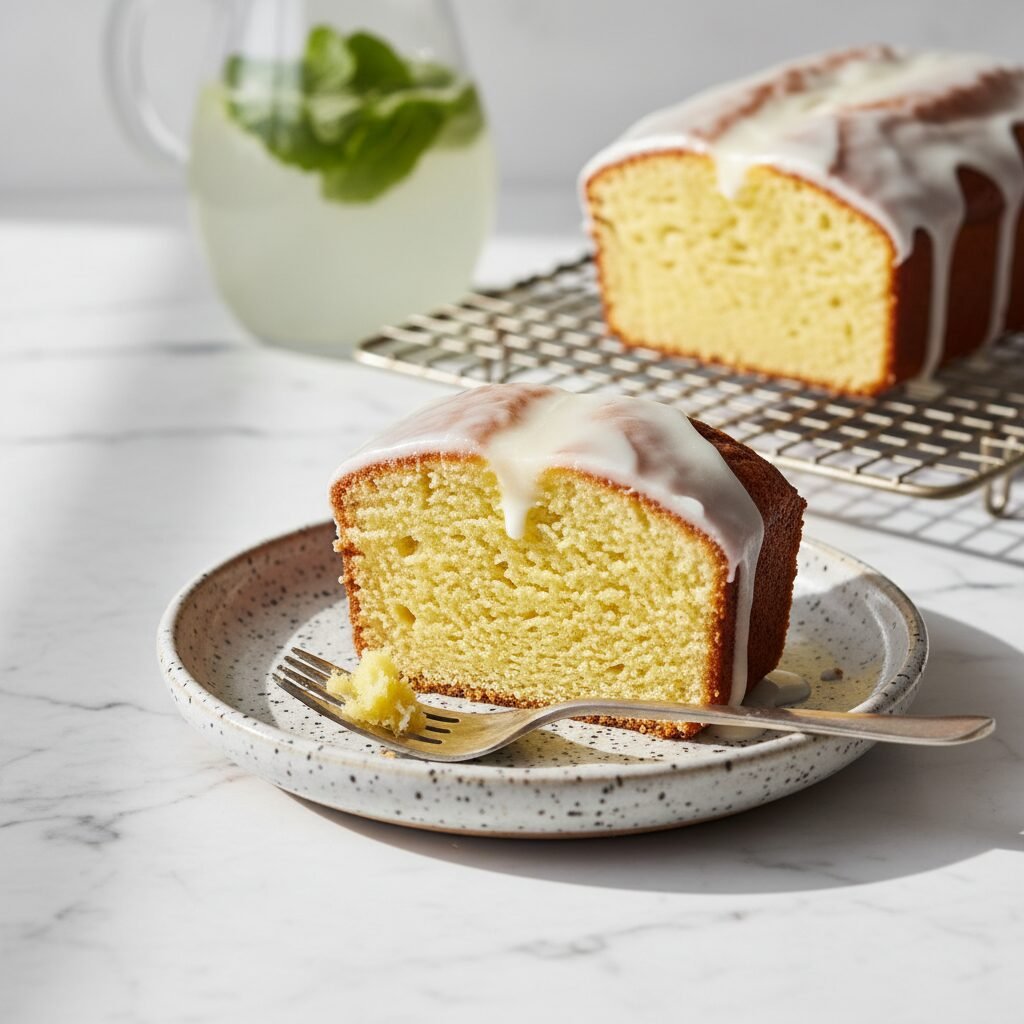
Discover the secret to the perfect afternoon tea centerpiece with this incredibly moist lemon cake recipe. Bursting with bright citrus flavor and topped with a crunchy, zesty sugar glaze, this loaf stays tender for days and pairs flawlessly with your favorite cup of Earl Grey.
20 minutes
50 minutes
1 hour 10 minutes
1 Loaf (8-10 Slices)
Dessert
Baking
British / American
Vegetarian
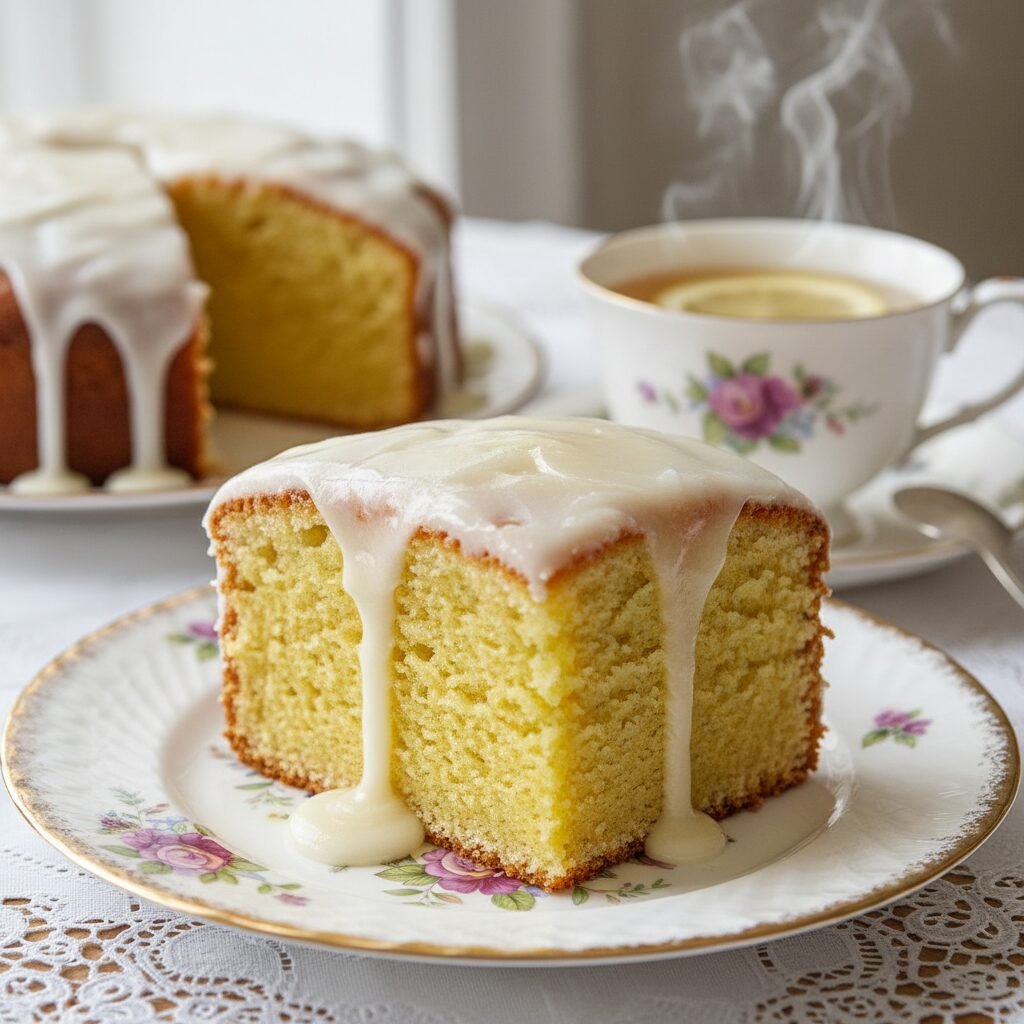
There is something undeniably magical about the ritual of afternoon tea. It is a pause button in a chaotic world, a moment to breathe, sip, and savor. And no afternoon tea spread is truly complete without the crown jewel of tea cakes: the Lemon Drizzle. But not just any lemon cake will do. We have all suffered through dry, flavorless sponges that promise zest but deliver disappointment. This recipe is the antithesis of those culinary letdowns. This is the Moist Lemon Cake that will redefine your baking standards.
Imagine a crumb so tender it practically melts on your tongue, infused with the aromatic oils of fresh lemon zest and the tang of pure juice. The magic lies in the balance. It is sweet, but not cloying; tart, but not puckering. The texture is achieved through a specific combination of fats and dairy, ensuring that the cake remains soft and moist for days after baking—though, let’s be honest, it rarely lasts that long. As the cake comes out of the oven, it is soaked in a tart lemon syrup that permeates the sponge, creating pockets of intense citrus flavor. Finally, a simple icing sugar glaze adds that quintessential crunch on top, providing a textural contrast to the soft interior. Whether you are hosting a formal gathering or simply treating yourself to a quiet moment of indulgence, this cake brings a ray of sunshine to the table, regardless of the weather outside.
History & Origins
The lineage of the lemon cake can be traced back to the evolution of the ‘pound cake’ or ‘quatre-quarts’ in Northern Europe, dating back to the early 1700s. Originally, these cakes consisted of a pound each of flour, sugar, butter, and eggs. While delicious, they were dense and heavy. With the advent of chemical leaveners like baking powder and baking soda in the 19th century, bakers began to experiment with lighter, airier textures, moving away from the dense fruitcakes that dominated earlier eras.
The specific tradition of ‘Afternoon Tea,’ however, is credited to Anna, the Duchess of Bedford, in the 1840s. At the time, dinner was served fashionably late, around 8:00 PM, leaving a long gap between the midday meal and supper. To quell her ‘sinking feeling’ in the late afternoon, the Duchess requested tea and light snacks in her boudoir. This private habit soon blossomed into a fashionable social event among the aristocracy. Citrus fruits, once a luxury import in cooler European climates, became more accessible during the Victorian era due to improved trade routes. Lemon, with its ability to cut through the richness of butter and cream, became a natural flavoring for these tea-time sponges. The modern ‘Lemon Drizzle’—where syrup is poured over a hot cake—solidified its place in British and American culinary culture in the mid-20th century. It saw a massive resurgence in popularity recently, often cited as the favorite bake in major television baking competitions, cementing its status as a timeless classic.
Why This Recipe Works
This recipe succeeds where others fail due to three critical scientific principles: fat blending, zest infusion, and temperature manipulation. First, unlike recipes that rely solely on butter, we incorporate sour cream (or full-fat Greek yogurt). The acidity in the sour cream tenderizes the gluten strands in the flour, resulting in a finer, softer crumb, while the extra fat content ensures the cake remains moist long after it cools. Butter provides the iconic flavor, but the cultured dairy provides the texture.
Second, we utilize the ‘rubbing in’ method for the zest. By massaging the lemon zest directly into the granulated sugar before adding any wet ingredients, the abrasive sugar crystals tear open the zest’s oil glands, releasing potent citrus oils that would otherwise be lost. This infuses the entire batter with a deep, aromatic lemon flavor that extract simply cannot replicate. Finally, the syrup soak is applied while the cake is still hot. As the cake cools, its structure contracts, pulling the liquid syrup deep into the crumb. This not only boosts the flavor profile to ‘ultra-lemon’ but also acts as a preservative, locking moisture inside the sponge.
Why You’ll Love This Recipe
- ✓Incredibly moist texture thanks to the addition of sour cream.
- ✓Triple lemon threat: zest in the batter, syrup soak, and tart glaze.
- ✓Keeps fresh for up to 4-5 days at room temperature.
- ✓Simple preparation method requiring no complex equipment.
- ✓Perfect balance of sweet and tart flavors.
- ✓Beautiful presentation with a rustic, snowy white glaze.
Equipment You’ll Need
- ✓9×5 inch Loaf Pan
- ✓Stand Mixer or Electric Hand Mixer
- ✓Microplane or Zester
- ✓Mixing Bowls
- ✓Whisk
- ✓Wire Cooling Rack
- ✓Skewer or Toothpick
- ✓Parchment Paper
Ingredients
- ✓1 1/2 cups All-Purpose Flour
- ✓1 tsp Baking Powder
- ✓1/2 tsp Salt
- ✓1 cup Granulated Sugar
- ✓2 tbsp Fresh Lemon Zest (approx. 2 lemons)
- ✓1/2 cup Unsalted Butter, softened to room temperature
- ✓2 Large Eggs, room temperature
- ✓1 tsp Pure Vanilla Extract
- ✓1/2 cup Sour Cream or Full-Fat Greek Yogurt, room temperature
- ✓2 tbsp Fresh Lemon Juice
- ✓For the Syrup: 1/4 cup Lemon Juice + 1/4 cup Granulated Sugar
- ✓For the Glaze: 1 cup Powdered Sugar + 1-2 tbsp Lemon Juice
Instructions
- Preheat your oven to 350°F (175°C). Grease a 9×5 inch loaf pan generously with butter and line it with parchment paper, leaving an overhang on the sides for easy removal.
- In a medium bowl, whisk together the all-purpose flour, baking powder, and salt. Set aside.
- In a large mixing bowl (or stand mixer bowl), combine the 1 cup of granulated sugar and the lemon zest. Using your fingertips, rub the zest into the sugar until the mixture looks like wet sand and is very fragrant. This releases the essential oils.
- Add the softened butter to the lemon-sugar mixture. Beat on medium-high speed for about 3-4 minutes until the mixture is pale, light, and fluffy. Do not rush this step; aeration is key.
- Add the eggs one at a time, beating well after each addition. Scrape down the sides of the bowl. Mix in the vanilla extract and the 2 tablespoons of lemon juice.
- Reduce the mixer speed to low. Add half of the flour mixture, mixing just until combined. Add the sour cream (or yogurt) and mix briefly. Finally, add the remaining flour mixture and mix until just incorporated. Do not overmix.
- Pour the batter into the prepared loaf pan and smooth the top with a spatula.
- Bake for 45-55 minutes, or until a toothpick inserted into the center comes out clean or with just a few moist crumbs. If the top is browning too quickly, tent loosely with aluminum foil after 30 minutes.
- While the cake is baking, make the syrup. In a small saucepan or microwave-safe bowl, heat the 1/4 cup lemon juice and 1/4 cup sugar until the sugar is fully dissolved. Set aside.
- Remove the cake from the oven. While it is still hot and in the pan, use a skewer to poke holes all over the top of the cake. Pour the lemon syrup slowly over the cake, allowing it to soak in.
- Let the cake cool completely in the pan. Once cool, lift it out using the parchment paper overhang.
- Make the glaze by whisking the powdered sugar with 1 tablespoon of lemon juice, adding more juice teaspoon by teaspoon until you reach a thick, pourable consistency. Drizzle over the cooled cake before serving.
Expert Cooking Tips
- ✓Room temperature ingredients are non-negotiable. Cold eggs or dairy will cause the batter to curdle.
- ✓Rubbing the zest into the sugar is the secret to intense flavor—don’t skip it!
- ✓Do not overmix the batter once the flour is added; this develops gluten and leads to a tough cake.
- ✓Tent the cake with foil if it starts getting too dark before the center is cooked.
- ✓Apply the syrup while the cake is hot, but apply the glaze only when the cake is completely cool.
Substitutions and Variations
If you do not have sour cream, full-fat Greek yogurt is the best alternative and works almost identically. In a pinch, you can use buttermilk, though the batter will be slightly thinner. For a gluten-free version, substitute the all-purpose flour with a high-quality 1:1 gluten-free baking flour blend that contains xanthan gum. If you are out of butter, you can use a neutral oil like vegetable or canola oil, though you will lose some of the rich, buttery flavor profile. For a different citrus twist, this recipe works beautifully with oranges, blood oranges, or limes—just swap the zest and juice quantities equally.
Common Mistakes to Avoid
The most common mistake is overbaking, which dries out the crumb. Start checking the cake 5 minutes before the suggested time. Another error is using bottled lemon juice; always use fresh lemons for the bright, zesty flavor that makes this cake special. Bottled juice often has a metallic or artificial aftertaste. Mixing the batter too vigorously after adding flour is a recipe for a rubbery texture. Finally, glazing the cake while it is still warm will cause the icing to melt and run off completely rather than setting into a nice, crisp crust.
Serving Suggestions
This cake is the quintessential component of a traditional Afternoon Tea. Serve it sliced thick on fine china, accompanied by clotted cream and perhaps a dollop of lemon curd for extra indulgence. It pairs exceptionally well with Earl Grey tea, whose bergamot notes complement the lemon, or a classic English Breakfast tea. For a summer dessert, serve a slice with fresh raspberries and a scoop of vanilla bean ice cream. It also makes a stunning brunch item alongside mimosas.
Storage and Reheating Tips
This cake actually tastes better the day after baking as the flavors meld and the syrup distributes further. Store the cake in an airtight container at room temperature for up to 4 days. If you live in a very hot or humid climate, you may refrigerate it, but bring it back to room temperature before eating for the best texture. The cake also freezes beautifully. Wrap individual slices or the whole unglazed loaf tightly in plastic wrap, then foil. Freeze for up to 3 months. Thaw on the counter and glaze before serving.
Nutrition Facts (Estimated)
| Serving Size | 1 slice |
| Calories | 340 |
| Fat | 16g |
| Saturated Fat | 9g |
| Unsaturated Fat | 6g |
| Trans Fat | 0g |
| Cholesterol | 65mg |
| Sodium | 180mg |
| Carbohydrates | 45g |
| Fiber | 1g |
| Sugar | 28g |
| Protein | 4g |
Frequently Asked Questions
Can I use Meyer lemons instead of regular lemons?
Absolutely! Meyer lemons are sweeter and less acidic than standard lemons. If you use them, the cake will have a more floral, subtle lemon flavor. You might want to slightly reduce the sugar in the syrup if you prefer a tart contrast.
Why did my cake sink in the middle?
Sinking usually happens if the oven door was opened too early, causing a sudden temperature drop, or if the cake was underbaked. It can also occur if there was too much leavening agent (baking powder) used.
Can I make this cake in a Bundt pan?
Yes, but you will need to double the recipe for a standard 10-12 cup Bundt pan. Baking time will increase significantly, likely to 55-65 minutes. Be sure to grease the Bundt pan very thoroughly.
My glaze is too runny, how do I fix it?
Simply add more powdered sugar, a tablespoon at a time, whisking until it thickens. If it’s too thick, add a few drops of lemon juice.
Can I reduce the sugar in this recipe?
You can reduce the sugar in the cake batter by about 1/4 cup without ruining the structure, but reducing it further may affect the moistness and texture. You can omit the glaze to significantly cut down on sugar.
Why is my cake dry?
Dry cake is almost always the result of overbaking or measuring flour incorrectly. Use the ‘spoon and level’ method for flour rather than scooping directly with the cup, which packs the flour down.
Can I add poppy seeds to this recipe?
Yes! Lemon and poppy seed is a classic combination. Add 2 tablespoons of poppy seeds with the dry ingredients.
Do I have to use the syrup?
Technically no, but the syrup is what makes this a ‘drizzle’ cake and contributes significantly to the moistness and tangy flavor. Without it, it’s just a standard lemon pound cake.
Conclusion
There are few things in life as satisfying as pulling a golden, fragrant loaf out of the oven, knowing that a delicious treat awaits. This Moist Lemon Cake for Afternoon Tea is more than just a recipe; it is a reliable companion for your happiest moments and a comfort during the quiet ones. Whether you are an experienced baker or a novice in the kitchen, the straightforward nature of this recipe ensures success. So, put the kettle on, get your zest on, and prepare to enjoy a slice of pure, citrusy sunshine. We guarantee this will become a permanent fixture in your recipe box.