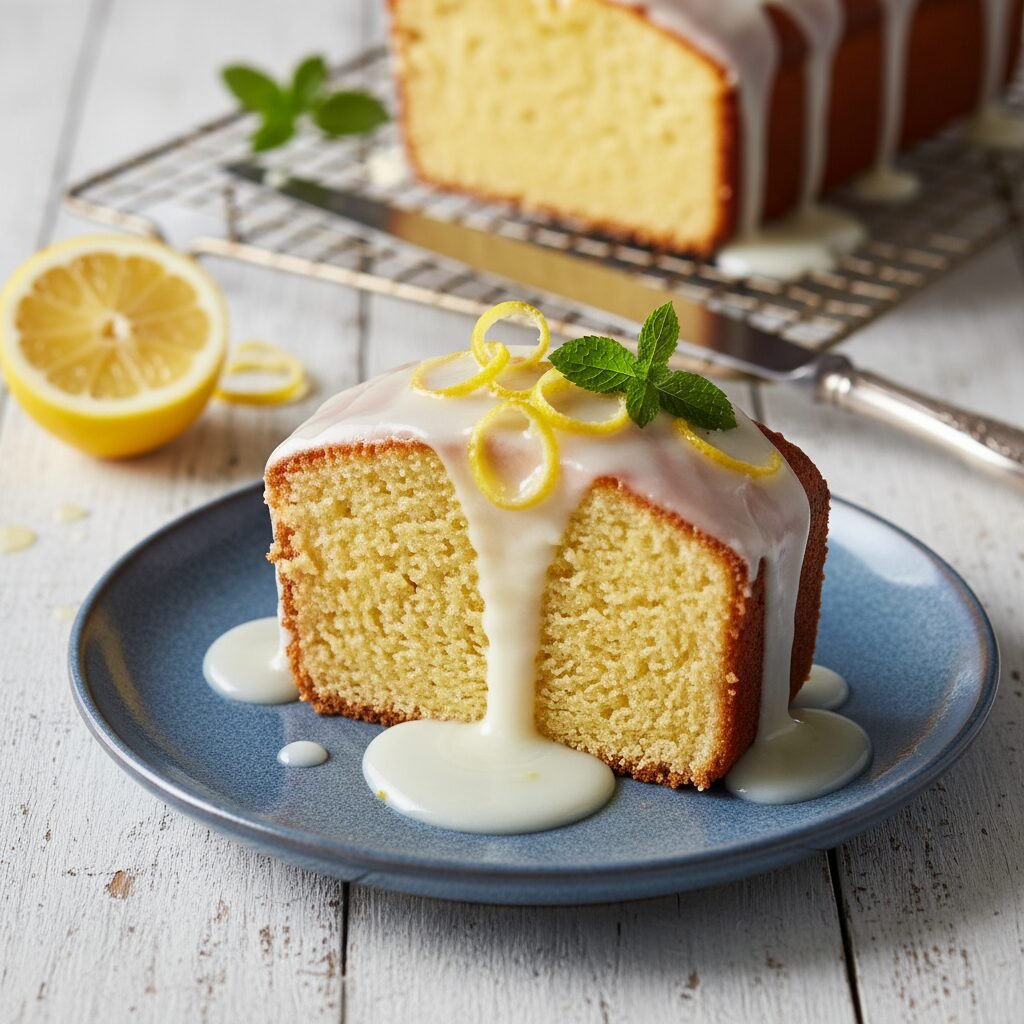

Moist Lemon Cake For Spring Recipe
Bright, tangy, and incredibly moist, this lemon cake is the quintessential dessert for spring gatherings. Bursting with fresh citrus flavor and topped with a sweet-tart glaze, it is easy to make yet impressive enough for Easter brunch or afternoon tea.
20 minutes
50 minutes
1 hour 10 minutes
1 Loaf (10 Slices)
Dessert
Baking
American
Vegetarian
As winter finally releases its icy grip and the first daffodils begin to poke through the soil, our palates naturally shift from the heavy, spiced comfort foods of the cold season to brighter, lighter flavors. There is perhaps no flavor more synonymous with this awakening than lemon. This Moist Lemon Cake for Spring is not just a dessert; it is a celebration of the season itself. Imagine a cake that captures the very essence of sunshine—vibrant, uplifting, and undeniably cheerful. Unlike many lemon loaves that can be dry or lack that punchy citrus kick, this recipe has been meticulously tested to ensure a crumb that is impossibly tender and a flavor profile that perfectly balances sweet and tart. The secret lies in the layering of lemon elements: zest infused directly into the sugar, fresh juice in the batter, and a soaking glaze that permeates the crust while it is still warm. Whether you are hosting a garden party, looking for the perfect addition to your Easter spread, or simply craving a slice of joy with your morning coffee, this lemon cake promises to deliver. It is the kind of recipe that fills your kitchen with an intoxicating citrus aroma, drawing family members out of their rooms before the timer even goes off. We are moving away from dense, buttery pound cakes toward something that feels lighter on the tongue but rich in moisture, thanks to the inclusion of Greek yogurt and high-quality oil. Get ready to bake your new favorite spring tradition.
History & Origins
The history of lemon cake is a fascinating journey that traces the migration of the citrus fruit itself alongside the evolution of baking technology. Lemons are believed to have originated in the foothills of the Himalayas, in what is now northwestern India, before spreading to the Mediterranean and eventually the Americas. However, the concept of a ‘lemon cake’ as we know it is a relatively modern invention in the grand timeline of culinary history. Early European cakes were yeast-based and more bread-like. It wasn’t until the 18th century, with the refinement of the ‘pound cake’ in Northern Europe—calling for a pound each of flour, sugar, butter, and eggs—that the dense, sliceable loaf began to take shape. During the Victorian era in England, citrus fruits were considered a luxury and a sign of wealth; incorporating preserved lemon peel or candied citrus into tea cakes became a fashionable way to display status during high tea. The real transformation occurred in the mid-19th century with the invention of chemical leaveners like baking powder, which allowed for lighter, fluffier cakes that didn’t rely solely on beaten eggs for lift. In the United States, the popularity of the lemon loaf skyrocketed in the mid-20th century, coinciding with the rise of convenience cooking and the widespread availability of fresh citrus year-round thanks to the California fruit industry. In recent decades, the ‘lemon loaf’ has become a coffee shop staple, solidifying its place in American food culture as the perfect companion to a latte. This specific recipe pays homage to that classic pound cake heritage but utilizes modern techniques to ensure a moisture level that our ancestors could only dream of.
Why This Recipe Works
This recipe succeeds where many others fail due to three specific chemical and physical reactions that we manipulate during the preparation process. First is the technique of ‘rubbing’ the lemon zest into the granulated sugar before adding any liquid. Lemon oil is where the majority of the citrus aroma and flavor lives, not the juice. By using the abrasive texture of the sugar crystals to break down the zest, we release those essential oils directly into the sweetener, ensuring that the lemon flavor is distributed evenly throughout every crumb rather than being lost in the baking process. Second, we use vegetable oil instead of butter as the primary fat. While butter provides a distinct flavor, it is about 20% water and solidifies at room temperature. Oil is 100% fat and remains liquid at room temperature. This means the cake stays incredibly moist and soft for days on the counter, whereas butter-based cakes can dry out and become firm. To compensate for the lack of buttery flavor, we add a significant amount of vanilla and salt. Third, the addition of Greek yogurt (or sour cream) serves a dual purpose: the acidity reacts with the baking soda to assist in the rise, creating a fluffy texture, while the protein structure interferes with gluten formation, resulting in a ‘short’ or tender crumb that melts in the mouth. Finally, glazing the cake while it is slightly warm allows the first layer of icing to seep into the crust, locking in moisture, while a second layer applied later sits on top for that beautiful, sugary crunch.
Why You’ll Love This Recipe
- ✓Infused with intense lemon flavor using the sugar-rubbing technique.
- ✓Stays moist for up to 5 days thanks to oil and Greek yogurt.
- ✓Freezer-friendly, making it perfect for make-ahead meal prep.
- ✓Requires only one bowl for the batter, minimizing cleanup.
- ✓Double-glazing method creates a perfect sweet-tart crust.
Equipment You’ll Need
- ✓9×5 inch Loaf Pan
- ✓Microplane or Zester
- ✓Large Mixing Bowl
- ✓Whisk
- ✓Rubber Spatula
- ✓Wire Cooling Rack
- ✓Measuring Cups and Spoons
Ingredients
- ✓1 1/2 cups All-Purpose Flour
- ✓1 teaspoon Baking Powder
- ✓1/4 teaspoon Baking Soda
- ✓1/2 teaspoon Salt
- ✓1 cup Granulated Sugar
- ✓2 tablespoons Fresh Lemon Zest (approx. 2 lemons)
- ✓3 Large Eggs, room temperature
- ✓1/2 cup Plain Greek Yogurt or Sour Cream, room temperature
- ✓1/2 cup Vegetable Oil or Canola Oil
- ✓1 teaspoon Pure Vanilla Extract
- ✓2 tablespoons Fresh Lemon Juice
- ✓1 cup Powdered Sugar (for glaze)
- ✓2-3 tablespoons Fresh Lemon Juice (for glaze)
Instructions
- Preheat your oven to 350°F (175°C). Grease a 9×5 inch loaf pan generously with non-stick spray or butter, and line the bottom and sides with parchment paper for easy removal.
- In a medium bowl, whisk together the flour, baking powder, baking soda, and salt. Set aside.
- In a large mixing bowl, combine the granulated sugar and fresh lemon zest. Using your fingertips, rub the zest into the sugar for about 2 minutes until the sugar looks like wet sand and is very fragrant. This releases the lemon oils.
- Add the eggs to the sugar mixture and whisk vigorously until the mixture is pale yellow and slightly thickened.
- Whisk in the Greek yogurt (or sour cream), vegetable oil, vanilla extract, and 2 tablespoons of lemon juice until the mixture is smooth and fully combined.
- Gently fold the dry ingredients into the wet ingredients using a rubber spatula. Mix only until no streaks of flour remain. Do not overmix, or the cake will be tough.
- Pour the batter into the prepared loaf pan and smooth the top with the spatula.
- Bake for 45-55 minutes, or until a toothpick inserted into the center comes out clean or with just a few moist crumbs attached. If the top starts browning too quickly after 30 minutes, loosely tent the pan with aluminum foil.
- Remove the cake from the oven and let it cool in the pan for 10 minutes. Then, lift it out using the parchment paper and transfer it to a wire rack.
- While the cake is cooling, prepare the glaze by whisking the powdered sugar and remaining lemon juice together until smooth. If the glaze is too thick, add more juice; if too thin, add more sugar.
- Drizzle half the glaze over the cake while it is still slightly warm, allowing it to soak in. Let the cake cool completely before drizzling the remaining glaze on top.
Expert Cooking Tips
- ✓Use room temperature ingredients (eggs and yogurt) to ensure the batter emulsifies properly, which leads to a better rise.
- ✓Don’t skip rubbing the zest into the sugar; this is the single most important step for flavor.
- ✓Measure your flour correctly by spooning it into the cup and leveling it off, rather than scooping directly from the bag, to avoid a dense cake.
- ✓Use fresh lemon juice, not bottled. The flavor difference is significant in a recipe that relies so heavily on citrus.
- ✓Tent the cake with foil if you notice the top getting dark before the center is cooked.
Substitutions and Variations
This recipe is versatile enough to handle several substitutions. If you do not have vegetable oil, you can use melted coconut oil or mild olive oil for a more savory undertone, though melted butter can be used if you accept a slightly drier texture the next day. Sour cream is a direct 1:1 substitute for Greek yogurt; both provide the necessary acidity and fat. For a gluten-free version, use a high-quality 1:1 gluten-free all-purpose flour blend that contains xanthan gum. To make this dairy-free, swap the Greek yogurt for a thick dairy-free yogurt alternative (like coconut or almond milk yogurt), though the texture may vary slightly. You can also swap the lemon for orange or grapefruit for a different citrus twist.
Common Mistakes to Avoid
The most common mistake is overmixing the batter after adding the flour. This develops the gluten too much and results in a rubbery, dense loaf rather than a tender cake. Another frequent error is baking at the wrong temperature or opening the oven door too often, causing the cake to sink in the middle. Ensure your baking powder is fresh; expired leavening agents will result in a flat, heavy cake. Finally, glazing the cake while it is piping hot will cause the icing to melt completely and run off the sides; waiting until it is warm (not hot) for the first coat and cool for the second coat is key.
Serving Suggestions
This moist lemon cake is incredibly versatile in how it can be served. For a classic breakfast or brunch, serve thick slices alongside a hot cup of Earl Grey tea or a latte. To elevate it for a dessert course, serve a slice with a dollop of freshly whipped cream and a side of macerated strawberries or raspberries. It also pairs beautifully with a scoop of vanilla bean ice cream or lemon sorbet for a refreshing finish to a meal. For Easter or spring parties, garnish the top of the glazed cake with edible flowers like pansies or candied lemon slices for a stunning presentation.
Storage and Reheating Tips
This cake stores beautifully and actually tastes better the next day as the flavors meld. Store the cake in an airtight container at room temperature for up to 4 days. If you live in a very humid climate, you may want to store it in the refrigerator for up to a week, but bring it to room temperature before eating for the best texture. To freeze, wrap individual slices or the whole loaf tightly in plastic wrap, then a layer of aluminum foil. It can be frozen for up to 3 months. Thaw on the counter for a few hours before serving.
Nutrition Facts (Estimated)
| Serving Size | 1 Slice |
| Calories | 340 |
| Fat | 16g |
| Saturated Fat | 2g |
| Unsaturated Fat | 13g |
| Trans Fat | 0g |
| Cholesterol | 35mg |
| Sodium | 180mg |
| Carbohydrates | 46g |
| Fiber | 1g |
| Sugar | 24g |
| Protein | 4g |
Frequently Asked Questions
Why did my lemon cake sink in the middle?
Sinking usually happens if the cake is underbaked in the center or if the oven door was opened too early, causing a sudden temperature drop. It can also be caused by over-leavening (too much baking powder/soda).
Can I use Meyer lemons instead of regular lemons?
Absolutely! Meyer lemons are sweeter and more floral than standard Eureka lemons. If using them, you might want to slightly reduce the sugar in the cake or add a bit less sugar to the glaze to balance the sweetness.
How do I know when the cake is done?
Insert a wooden skewer or toothpick into the deepest part of the center crack. It should come out clean or with a few moist crumbs. If it has wet batter on it, it needs more time.
Can I make this recipe into muffins?
Yes. This batter works great for muffins. Bake them at 375°F (190°C) for 18-22 minutes. The yield will be approximately 12 standard muffins.
Why is my glaze absorbed completely into the cake?
If you glaze the cake while it is too hot, the sugar melts and soaks into the crumb. This makes the cake moist but hides the glaze. Wait until the cake is cool for a visible white glaze.
Can I reduce the sugar in this recipe?
Sugar provides moisture and structure, not just sweetness. You can reduce it by about 1/4 cup without ruining the texture, but reducing it further may result in a dry, rubbery cake.
Why is my cake dry?
Dry cake is usually the result of overbaking or measuring flour incorrectly (packing it into the cup). Check the cake 5 minutes before the timer goes off.
Do I have to use a loaf pan?
No, you can use an 8-inch round cake pan or a bundt pan (though you may need to double the recipe for a large bundt). Adjust baking times accordingly; round cakes usually bake faster.
Conclusion
There is something undeniably therapeutic about baking this Moist Lemon Cake. From the moment you rub the zest into the sugar, releasing that bright, citrusy aroma, to the final drizzle of the glaze, the process is as enjoyable as the result. This recipe is a testament to the power of simple ingredients coming together to create something spectacular. Whether you are a seasoned baker or a novice in the kitchen, this foolproof recipe is guaranteed to bring a slice of spring sunshine into your home. We hope this cake becomes a staple in your recipe box, shared with friends and family for years to come. Happy baking!