Moist Lemon Cake For Summer Party Recipe
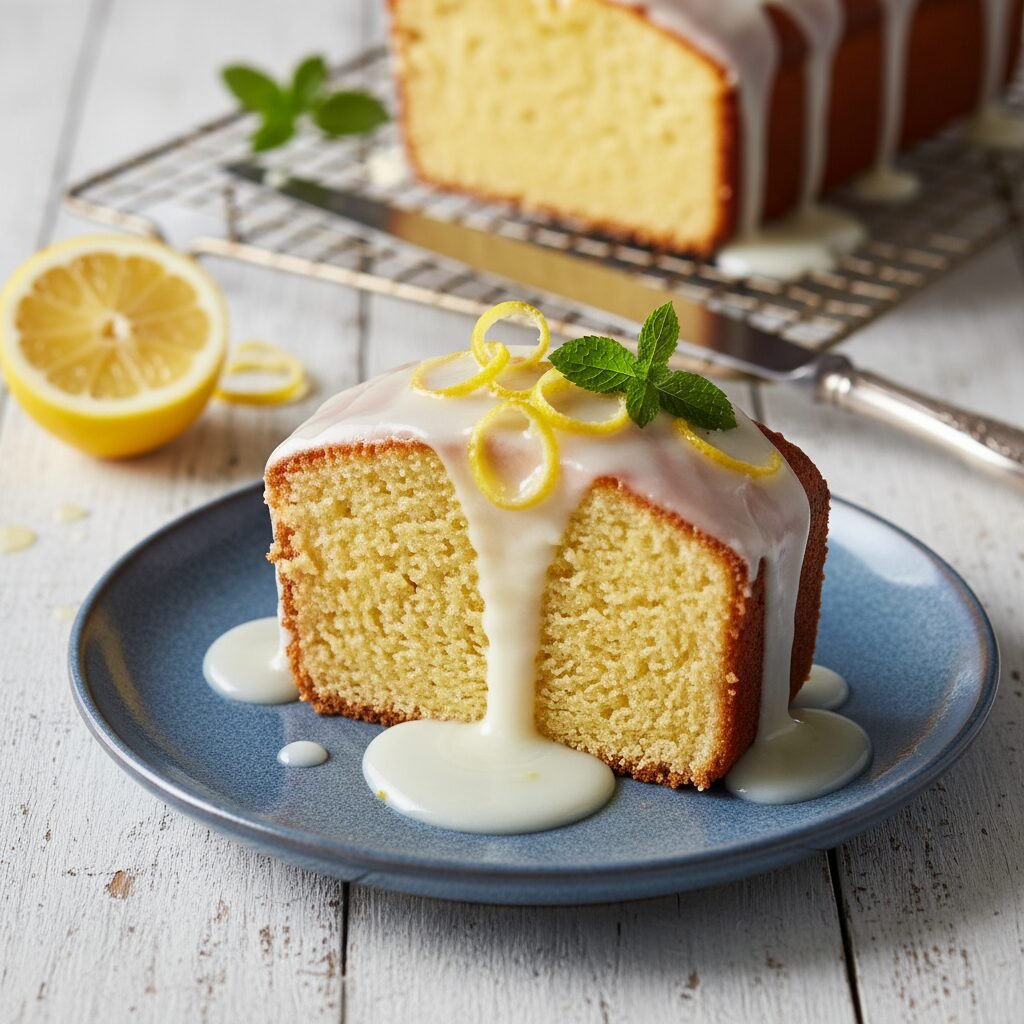
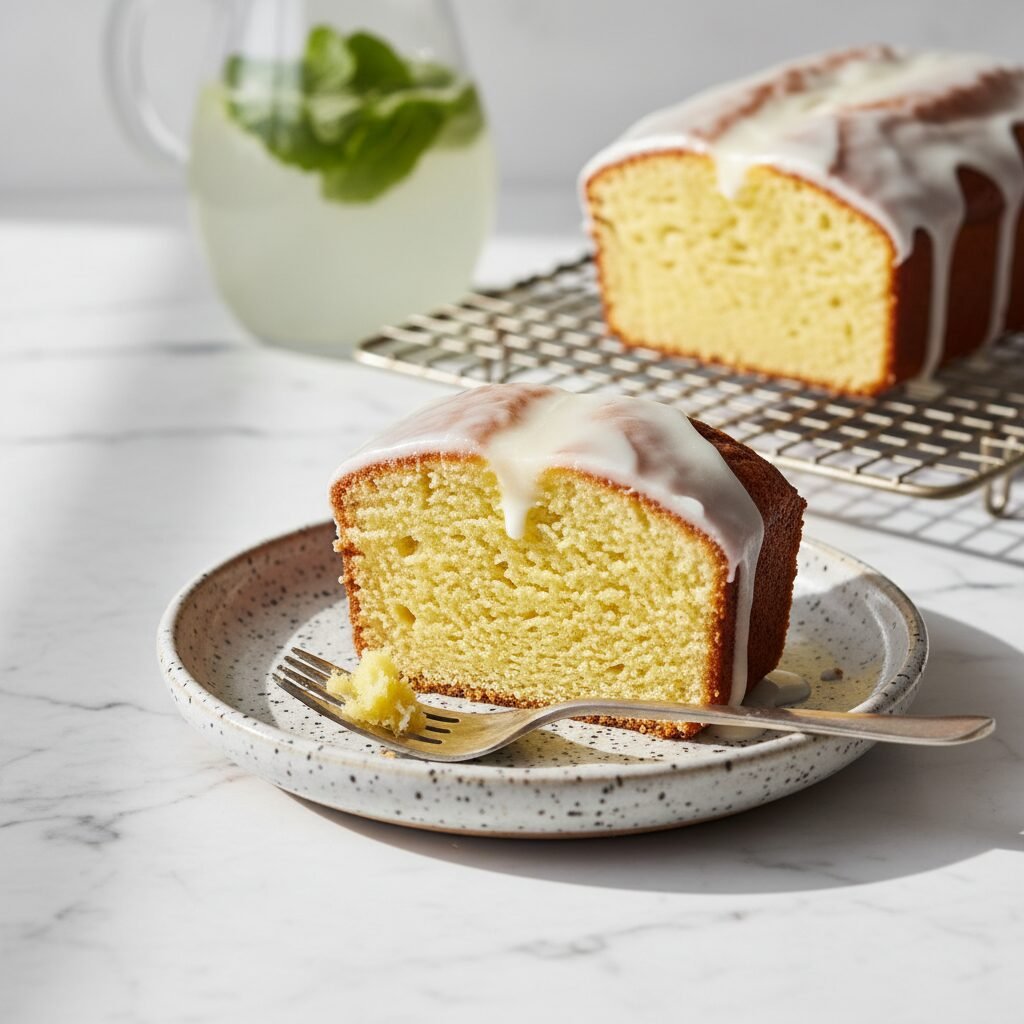
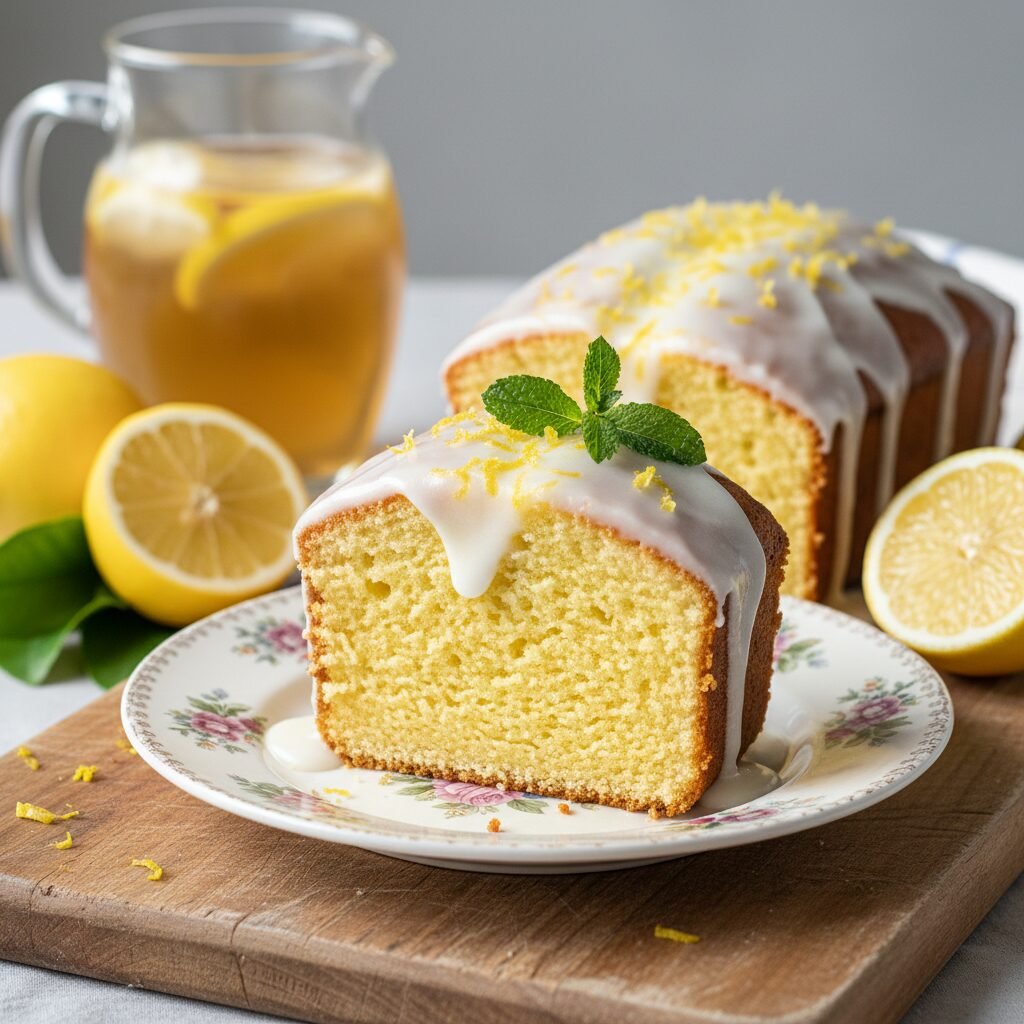
Brighten up your dessert table with this incredibly moist lemon cake, bursting with fresh citrus flavor and topped with a zesty glaze. It is the quintessential summer treat that balances tart and sweet perfectly, ensuring every slice disappears in seconds.
20 minutes
50 minutes
1 hour 10 minutes
10-12 servings
Dessert
Baking
American / British Fusion
Vegetarian
There is something undeniably cheerful about a lemon cake. It is sunshine on a plate, a culinary embodiment of bright summer days and breezy afternoons. When planning a summer party, you want a dessert that feels light yet indulgent, something that cleanses the palate while satisfying the sweet tooth. This Moist Lemon Cake is exactly that. It is not just another sponge cake; it is a celebration of citrus, achieved by layering lemon flavor through the batter, the syrup, and the glaze. The texture is paramount here—we are moving away from dry, crumbly crumbs to a dense, velvety, and incredibly moist crumb that melts in your mouth.
The secret lies in the balance of ingredients. We are not shy with the lemon zest, and we incorporate a specific dairy element to ensure tenderness. As you bake this, your kitchen will fill with an intoxicating aroma of caramelized sugar and fresh lemon oils, a scent that instantly lifts the mood. Whether you are hosting a backyard barbecue, a bridal shower, or simply craving a slice of happiness with your iced tea, this cake delivers. It is robust enough to stand up to the summer heat without melting away like a cream-heavy dessert, yet delicate enough to feel sophisticated. In this guide, we will walk through every step to ensure your cake comes out perfect, exploring the science behind the moisture and the best techniques to extract maximum flavor from your lemons.
History & Origins
The history of lemon cake is deeply intertwined with the evolution of the pound cake and the availability of citrus fruits in baking. Lemons, originally native to Asia, traveled via trade routes to the Middle East and eventually the Mediterranean, becoming a staple in Italian and Spanish cuisines. However, the concept of a ‘lemon cake’ as we know it today—a light, leavened sponge infused with zest and juice—is a relatively modern innovation in the grand timeline of culinary history.
In the 18th and 19th centuries, ‘pound cakes’ (named for their pound-of-each-ingredient ratio) were the standard. These were dense and heavy, often flavored with rosewater or spices. As chemical leaveners like baking powder and baking soda became commercially available in the mid-19th century, bakers began experimenting with lighter, fluffier textures. Simultaneously, the Victorian era saw a rise in the popularity of afternoon tea, where citrus-flavored tea cakes became fashionable.
The specific style of the ‘lemon drizzle cake,’ which this recipe draws inspiration from, is a beloved classic in British baking. It gained massive popularity in the 20th century as a staple of the Women’s Institute and village fetes. The technique of pouring a lemon syrup over a hot cake to infuse moisture and flavor is a game-changer that separates a good lemon cake from a great one. In the United States, lemon cakes became a symbol of hospitality in the South, often paired with rich glazes or cream cheese frostings. This recipe marries the dense moisture of an American sour cream pound cake with the zesty, syrup-soaked brightness of a British lemon drizzle, creating a trans-Atlantic masterpiece perfect for modern entertaining.
Why This Recipe Works
This recipe succeeds where others fail because it attacks the problem of ‘dry cake’ from multiple angles while maximizing lemon flavor intensity. First, the flavor: most recipes simply add lemon juice to the batter, but the real floral, aromatic lemon flavor lives in the oils of the zest. In this method, we rub the lemon zest directly into the granulated sugar before mixing. The friction releases the essential oils into the sugar crystals, infusing the entire batter with a deep, pervasive lemon essence that juice alone cannot achieve.
Secondly, the moisture: we utilize full-fat sour cream (or Greek yogurt) in the batter. The acidity in these dairy products does two things: it reacts with the baking soda to create a good rise, and it breaks down gluten strands, resulting in a tender crumb. Furthermore, the fat content coats the flour proteins, preventing toughness. We also use a combination of butter and oil. Butter provides that classic, rich flavor, while oil (which remains liquid at room temperature) ensures the cake stays sensationally moist for days, not just hours.
Finally, the ‘soak’ technique ensures every bite is flavorful. By brushing a lemon syrup over the warm cake, we add moisture back into the sponge as it cools, locking in hydration and adding a sharp, tart contrast to the sweet crumb. This triple-threat of zest-infused sugar, sour cream tenderness, and syrup saturation guarantees a cake that is impossible to dry out.
Why You’ll Love This Recipe
- ✓Infused Sugar Technique: Rubbing zest into sugar maximizes citrus aroma.
- ✓Triple Lemon Flavor: Zest in the batter, syrup soak, and a tart glaze.
- ✓Stays Moist for Days: Thanks to the combination of sour cream and oil.
- ✓Freezer Friendly: Perfect for making ahead of summer parties.
- ✓Crowd Pleaser: Balances sweet and tart, appealing to all palates.
Equipment You’ll Need
- ✓9×5 inch Loaf Pan or Bundt Pan
- ✓Microplane Zester
- ✓Stand Mixer or Electric Hand Mixer
- ✓Large Mixing Bowl
- ✓Medium Bowl
- ✓Whisk
- ✓Rubber Spatula
- ✓Pastry Brush
- ✓Wire Cooling Rack
Ingredients
- ✓1 1/2 cups All-Purpose Flour
- ✓1 tsp Baking Powder
- ✓1/4 tsp Baking Soda
- ✓1/2 tsp Salt
- ✓1 cup Granulated Sugar
- ✓2 tbsp Fresh Lemon Zest (approx. 2-3 lemons)
- ✓1/2 cup Unsalted Butter, softened to room temperature
- ✓2 tbsp Vegetable Oil (or Canola)
- ✓2 Large Eggs, room temperature
- ✓1 tsp Pure Vanilla Extract
- ✓1/4 cup Fresh Lemon Juice
- ✓1/2 cup Full-Fat Sour Cream or Greek Yogurt, room temperature
- ✓For the Syrup: 1/4 cup Lemon Juice + 3 tbsp Powdered Sugar
- ✓For the Glaze: 1 cup Powdered Sugar + 2-3 tbsp Lemon Juice + 1 tsp Milk (optional for opacity)
Instructions
- 1. Preheat your oven to 350°F (175°C). Grease your loaf pan or bundt pan generously with butter or non-stick spray and dust with flour (or line the loaf pan with parchment paper leaving an overhang for easy removal).
- 2. In a medium bowl, whisk together the flour, baking powder, baking soda, and salt until well combined. Set aside.
- 3. In the bowl of your stand mixer (or a large bowl), combine the granulated sugar and fresh lemon zest. Use your fingers to rub the zest into the sugar until the mixture resembles wet sand and is very fragrant. This releases the lemon oils.
- 4. Add the softened butter and vegetable oil to the lemon-sugar mixture. Beat on medium-high speed for about 3-4 minutes until the mixture is pale, light, and fluffy. Scrape down the sides of the bowl as needed.
- 5. Add the eggs one at a time, beating well after each addition. Mix in the vanilla extract and the 1/4 cup of fresh lemon juice. (Note: The mixture might look slightly curdled due to the acidity; this is normal).
- 6. Reduce the mixer speed to low. Add half of the flour mixture, mixing just until the flour streaks disappear. Add the sour cream (or yogurt) and mix briefly. Then, add the remaining flour mixture and mix until just combined. Do not overmix.
- 7. Pour the batter into the prepared pan and smooth the top with a spatula. Tap the pan gently on the counter to release any large air bubbles.
- 8. Bake for 45-55 minutes, or until a toothpick inserted into the center comes out clean or with just a few moist crumbs attached. The top should be golden brown and cracked.
- 9. While the cake bakes, prepare the syrup. Whisk together 1/4 cup lemon juice and 3 tbsp powdered sugar in a small bowl until dissolved.
- 10. When the cake is done, remove it from the oven. Let it cool in the pan for 10 minutes. Carefully invert it onto a wire rack set over a baking sheet (or leave it on the rack if using a loaf pan).
- 11. While the cake is still warm, use a toothpick or skewer to poke holes all over the top. Brush the lemon syrup generously over the top and sides of the cake, allowing it to soak in.
- 12. Allow the cake to cool completely before glazing. To make the glaze, whisk the powdered sugar with 2 tablespoons of lemon juice. Add more juice for a thinner glaze or more sugar for a thicker one. Drizzle over the cooled cake.
- 13. Let the glaze set for about 15 minutes before slicing and serving.
Expert Cooking Tips
- ✓Room Temperature Ingredients: Ensure your butter, eggs, and sour cream are at room temperature. This creates a smoother emulsion which traps air better, leading to a fluffier cake.
- ✓Zest Before Juicing: Always zest your lemons before you cut them to squeeze the juice. It is much harder to zest a squishy, juiced lemon half.
- ✓Don’t Overmix: Once the flour is added, mix gently. Overworking the gluten will result in a tough, rubbery cake rather than a tender one.
- ✓Measure Flour Correctly: Use a kitchen scale or the ‘spoon and level’ method. Scooping directly with the cup packs the flour, leading to a dry cake.
- ✓Check for Doneness Early: Ovens vary. Start checking your cake at the 45-minute mark to prevent overbaking and drying it out.
- ✓Syrup While Warm: The syrup absorbs best when the cake is warm and the crumb is expanded. Don’t wait for it to cool completely for this step.
Substitutions and Variations
Baking is a science, but there is room for flexibility if you know the rules. If you don’t have sour cream, full-fat plain Greek yogurt is the best 1:1 substitute; it provides the same tang and protein structure. In a pinch, buttermilk works too, though the batter will be slightly thinner. For the fat, you can use all butter for a denser crumb, or all oil for a lighter, moister (but less flavorful) cake; the blend is recommended for the best of both worlds. If you are gluten-free, a high-quality 1:1 gluten-free all-purpose flour blend (that includes xanthan gum) works wonderfully in this recipe. For a dairy-free version, use a plant-based butter stick substitute and a dairy-free yogurt (like coconut or almond yogurt), keeping in mind that coconut yogurt may impart a slight flavor. You can also swap lemons for other citrus fruits like blood oranges, limes, or grapefruits for a different twist on the classic recipe.
Common Mistakes to Avoid
The most common mistake is overbaking the cake. Because this is a moist cake, people often wait until the skewer is bone dry, but by then, the internal moisture is gone. Remove it when there are still a few moist crumbs. Another error is ignoring the temperature of ingredients. Cold eggs hitting creamed butter can cause the batter to seize or curdle, affecting the rise. Mixing the batter too aggressively after adding flour is another culprit for dense cakes; always fold or mix on low speed at the end. Lastly, skipping the zest-rubbing step is a missed opportunity; simply dumping zest into the batter doesn’t distribute the flavor nearly as well as infusing the sugar first.
Serving Suggestions
This cake is stunning on its own, but it shines when dressed up for a party. Serve thick slices with a dollop of lightly sweetened whipped cream or crème fraîche to cut through the sweetness. Fresh berries—particularly raspberries, blueberries, or sliced strawberries—pair beautifully with lemon and add a pop of color to the plate. For a warm afternoon, a scoop of vanilla bean ice cream or a refreshing lemon sorbet on the side makes for an indulgent treat. Beverage-wise, this cake pairs perfectly with Earl Grey tea, iced hibiscus tea, or a crisp glass of Prosecco or Sauvignon Blanc.
Storage and Reheating Tips
Ideally, store this cake at room temperature in an airtight container or covered with a cake dome; it will stay moist for up to 3-4 days. The syrup and oil content keep it fresh longer than butter-only cakes. If you live in a very hot or humid climate, you may store it in the refrigerator for up to a week, but allow slices to come to room temperature before eating for the best texture and flavor. This cake also freezes exceptionally well. Wrap the unglazed loaf (or individual slices) tightly in plastic wrap, then in aluminum foil. Freeze for up to 3 months. Thaw overnight in the fridge or on the counter, and add the glaze fresh before serving.
Nutrition Facts (Estimated)
| Serving Size | 1 slice |
| Calories | 380 |
| Fat | 18g |
| Saturated Fat | 10g |
| Unsaturated Fat | 7g |
| Trans Fat | 0g |
| Cholesterol | 65mg |
| Sodium | 210mg |
| Carbohydrates | 52g |
| Fiber | 1g |
| Sugar | 28g |
| Protein | 5g |
Frequently Asked Questions
Can I make this recipe in a bundt pan instead of a loaf pan?
Yes, absolutely! This recipe fits a standard 9×5 loaf pan perfectly. If using a large 10-12 cup bundt pan, you should double the recipe to fill it properly. Bake time will likely increase to 55-65 minutes.
Why did my cake sink in the middle?
Sinking usually happens if the oven door was opened too early (releasing heat before the structure set) or if the cake was underbaked. It can also be caused by too much leavening (baking powder/soda).
Can I use bottled lemon juice?
It is highly recommended to use fresh lemon juice. Bottled juice often contains preservatives and lacks the bright, floral notes of fresh citrus. Since lemon is the star flavor, fresh is best.
How do I know when the butter is creamed enough?
The butter and sugar mixture should look pale yellow (almost white) and have increased in volume. It should feel fluffy and not gritty when rubbed between fingers.
Can I reduce the sugar in this recipe?
You can reduce the sugar in the cake batter by about 1/4 cup without ruining the structure, but the cake may be less moist and tender. Sugar is a wet ingredient in baking, not just a sweetener.
My glaze is too runny, how do I fix it?
Simply add more powdered sugar, a tablespoon at a time, whisking until you reach your desired consistency. If it’s too thick, add drops of lemon juice.
Do I have to use the syrup soak?
Technically no, but skipping it will result in a less moist and less flavorful cake. The soak is a key component of the ‘lemon drizzle’ style.
Why do I need both oil and butter?
Butter provides the delicious flavor and aeration capabilities for creaming, while oil remains liquid at room temperature, ensuring the cake stays soft and moist for days.
Conclusion
This Moist Lemon Cake is more than just a recipe; it is a reliable companion for all your summer festivities. Whether you are a seasoned baker or a novice in the kitchen, the steps provided ensure a result that looks and tastes professionally made. The interplay of the tart lemon soak, the tender crumb from the sour cream, and the sweet crunch of the glaze creates a harmony of textures and flavors that is hard to beat. We hope this cake brings a slice of sunshine to your table and becomes a requested favorite at your future gatherings. Happy baking!