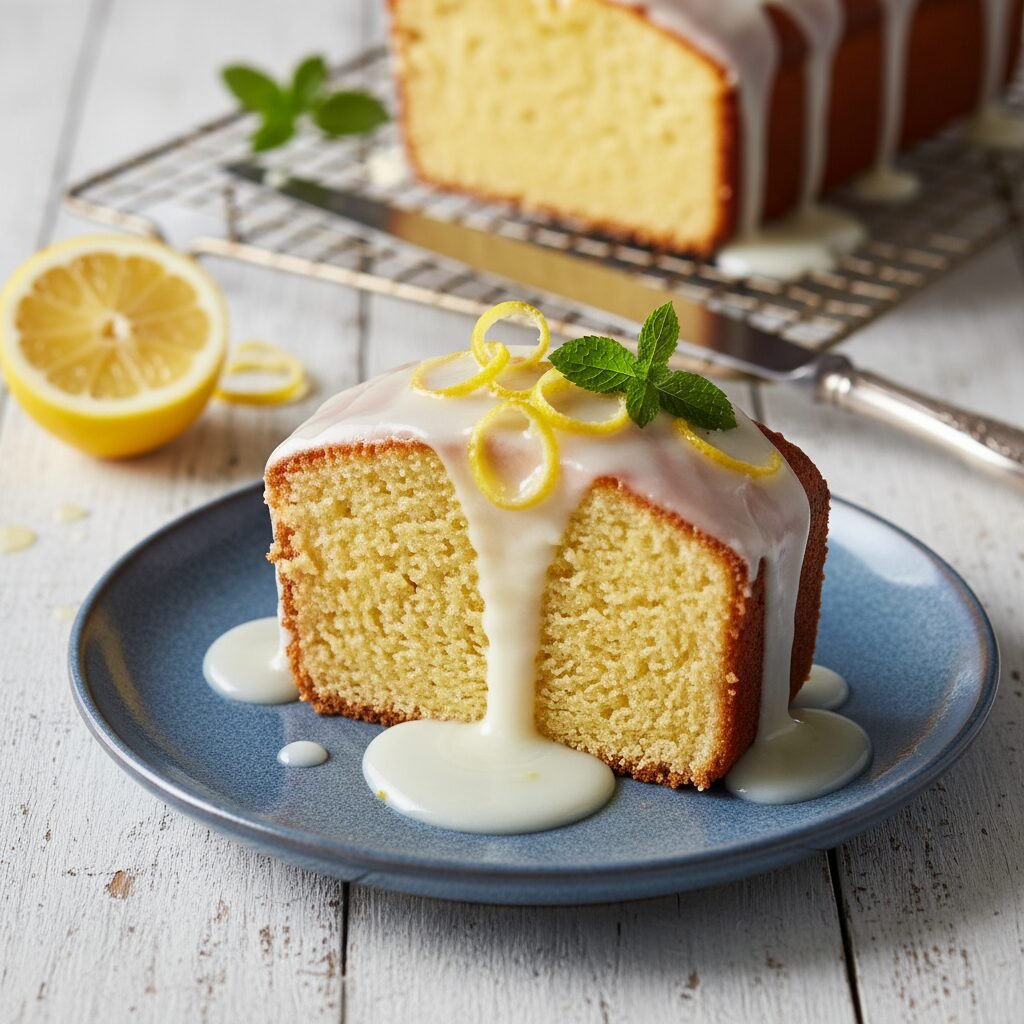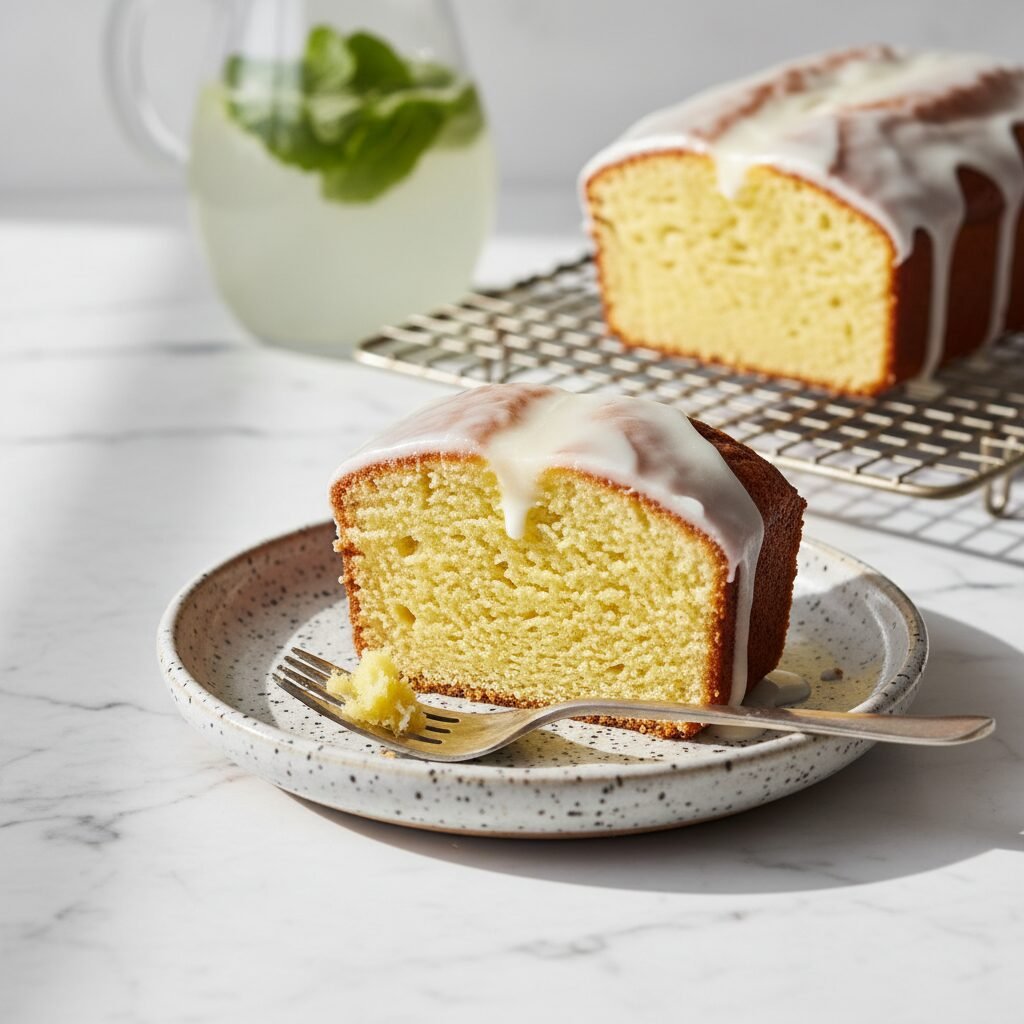

Moist Lemon Cake With Citrus Glaze Recipe
Bursting with bright sunshine in every bite, this ultra-moist lemon cake is the perfect balance of tart and sweet. Infused with fresh lemon zest and topped with a luscious citrus glaze, it rivals any coffee shop loaf you’ve ever tasted.
20 minutes
55 minutes
1 hour 15 minutes
1 Loaf (10 Slices)
Dessert
Baking
American / British Fusion
Vegetarian
If there is one dessert that universally signals happiness, it is the lemon cake. There is something profoundly uplifting about the aroma of fresh citrus zest hitting the air as a golden loaf rises in the oven. This isn’t just another dry sponge cake; this is the definitive recipe for a Moist Lemon Cake with Citrus Glaze that promises a tender crumb and an intense lemon flavor profile. We have all been there—disappointed by a lemon cake that promises zest but delivers only a faint whisper of citrus, or worse, a texture that mimics sawdust. This recipe changes the narrative entirely.
Designed for the home baker who craves bakery-style results, this cake leans on a few scientific principles of baking to ensure moisture retention. We are talking about a cake that stays soft for days, thanks to the inclusion of full-fat sour cream and a precise ratio of oil to butter. The flavor journey begins with the ‘rubbing method,’ where we massage lemon zest into the sugar until it resembles wet sand, releasing essential oils that permeate every gram of the batter. The result is a loaf that is dense yet fluffy, tangy yet sweet, and coated in a glaze that cracks perfectly when you slice into it. Whether you are serving this at a spring brunch, an afternoon tea, or simply enjoying a slice with your morning coffee, this lemon cake is a celebration of simple ingredients transforming into something spectacular. It is comfort food with a sophisticated twist, bringing a slice of sunshine to your kitchen regardless of the weather outside.
History & Origins
The history of the lemon cake is as rich and traveled as the citrus fruit itself. Lemons, originally native to North-West India, have traveled a long culinary road. They were introduced to the Mediterranean region around the first century AD, but it wasn’t until the Arab agricultural revolution in the 8th century that they became widely cultivated. By the time Columbus brought lemon seeds to the Americas in 1493, the fruit was already a staple in European cuisine, primarily used for preservation and savory dishes.
The evolution of the lemon *cake*, however, tracks closely with the history of the pound cake in Northern Europe during the early 1700s. Originally consisting of a pound each of flour, butter, eggs, and sugar, these cakes were dense and hearty. As baking powder and baking soda were introduced in the 19th century, cakes became lighter and fluffier, allowing for more delicate flavors like citrus to shine without being overpowered by heavy suet or butter flavors.
The specific style of the ‘Lemon Drizzle Cake’ became a British icon, popularized in the mid-20th century. It is often associated with the Women’s Institute and classic English tea times. Meanwhile, in the United States, the ‘Lemon Loaf’ gained massive popularity through coffee shop culture, specifically dominating the pastry cases of major chains like Starbucks. This recipe pays homage to both traditions: it borrows the soak-method of the British drizzle cake to infuse syrup deep into the crumb, while maintaining the plush, sliceable structure of the American coffee shop loaf. It is a global culinary heritage baked into a single, golden loaf.
Why This Recipe Works
This recipe succeeds where many others fail because it meticulously addresses the two biggest challenges in lemon cake baking: lack of moisture and lack of flavor intensity. First, let’s talk about texture. Many recipes rely solely on butter, which provides great flavor but can lead to a dry cake once cooled because butter solidifies at room temperature. This recipe utilizes a blend of vegetable oil and sour cream. The oil remains liquid at room temperature, ensuring the cake stays sensationally moist and soft for days. The sour cream adds acidity, which tenderizes the gluten strands in the flour, resulting in a plush, velvety crumb rather than a tough or rubbery one.
Secondly, we tackle flavor intensity through a technique known as ‘chemical exfoliation’ of the zest. By rubbing the lemon zest directly into the granulated sugar before adding any wet ingredients, the abrasive sugar crystals cut into the zest, releasing the potent essential oils (limonene) that usually get trapped. This infuses the entire batter with a floral, citrusy aroma that extract alone cannot achieve. Furthermore, we don’t just glaze the top; we apply a tart lemon syrup while the cake is still warm. The cake acts like a sponge, absorbing that extra hit of tartness, ensuring that the lemon flavor is not just a surface-level experience but is present in every single bite. The final thick glaze on top provides a textural contrast—a sweet, crisp shell against the soft interior.
Why You’ll Love This Recipe
- ✓Stays moist for up to 4 days thanks to the secret sour cream ingredient.
- ✓Intense lemon flavor achieved by rubbing zest into the sugar.
- ✓Freezer-friendly, making it perfect for make-ahead meal prep.
- ✓Better than Starbucks—no artificial aftertaste or dry edges.
- ✓Requires no mixer; can be made with just two bowls and a whisk.
- ✓Versatile glaze that can be adjusted for thickness and tartness.
Equipment You’ll Need
- ✓8.5 x 4.5 inch Loaf Pan
- ✓Large Mixing Bowl
- ✓Medium Mixing Bowl
- ✓Whisk
- ✓Rubber Spatula
- ✓Microplane or Zester
- ✓Citrus Juicer
- ✓Cooling Rack
- ✓Parchment Paper
Ingredients
- ✓1 1/2 cups All-Purpose Flour
- ✓1 tsp Baking Powder
- ✓1/4 tsp Baking Soda
- ✓1/2 tsp Salt
- ✓1 cup Granulated Sugar
- ✓2 tbsp Fresh Lemon Zest (approx. 2-3 lemons)
- ✓3 Large Eggs, room temperature
- ✓1/2 cup Sour Cream or Greek Yogurt, room temperature
- ✓1/2 cup Vegetable Oil (or Canola Oil)
- ✓2 tbsp Fresh Lemon Juice
- ✓1 tsp Pure Vanilla Extract
- ✓1 cup Powdered Sugar (for glaze)
- ✓2-3 tbsp Fresh Lemon Juice (for glaze)
- ✓1 tbsp Milk or Heavy Cream (optional, for opaque glaze)
Instructions
- Preheat your oven to 350°F (175°C). Grease an 8.5×4.5 inch loaf pan generously with butter or cooking spray and line with parchment paper, leaving an overhang on the sides for easy removal.
- In a medium bowl, whisk together the flour, baking powder, baking soda, and salt until well combined. Set aside.
- In a large mixing bowl, combine the granulated sugar and fresh lemon zest. Using your fingertips, rub the zest into the sugar for about 1-2 minutes until the sugar is fragrant, moist, and pale yellow. This releases the essential oils.
- Crack the eggs into the sugar mixture one at a time, whisking vigorously after each addition until the mixture is pale and slightly thickened.
- Whisk in the sour cream (or Greek yogurt), vegetable oil, 2 tablespoons of lemon juice, and vanilla extract until the mixture is smooth and emulsified.
- Gently fold the dry ingredients into the wet ingredients using a rubber spatula. Mix only until no streaks of flour remain. Do not overmix, or the cake will be tough.
- Pour the batter into the prepared loaf pan and smooth the top with the spatula. Tap the pan gently on the counter to release any large air bubbles.
- Bake for 50-60 minutes, or until a toothpick inserted into the center comes out clean or with just a few moist crumbs attached. If the top starts browning too quickly after 40 minutes, tent loosely with aluminum foil.
- Remove the cake from the oven and let it cool in the pan for about 15 minutes. Then, lift it out using the parchment paper overhang and transfer it to a wire rack to cool completely.
- While the cake cools, prepare the glaze. Whisk together the powdered sugar and lemon juice (start with 2 tablespoons and add more for thinner consistency). For a whiter, more opaque glaze, add a splash of milk or cream.
- Once the cake is completely cool to the touch, pour the glaze over the top, letting it drip down the sides. Let the glaze set for 15-20 minutes before slicing.
Expert Cooking Tips
- ✓Room temperature ingredients are non-negotiable; they emulsify better creating a uniform structure.
- ✓Don’t skip rubbing the zest into the sugar; it is the primary source of the lemon flavor.
- ✓Measure flour correctly by spooning it into the cup and leveling it off, rather than scooping directly which packs it down.
- ✓Do not overmix the batter once the flour is added; stop as soon as the white streaks disappear.
- ✓Tent the cake with foil if you notice the top is getting dark brown before the center is cooked.
- ✓Let the cake cool completely before glazing, otherwise, the glaze will melt and soak into the cake entirely.
- ✓Use fresh lemon juice, not bottled, for the brightest, non-metallic flavor.
Substitutions and Variations
This recipe is quite forgiving and allows for several substitutions depending on dietary needs or pantry availability. For the fat, you can substitute the vegetable oil with melted coconut oil or melted unsalted butter, though oil yields the moistest crumb. If you don’t have sour cream, full-fat plain Greek yogurt is an excellent 1:1 substitute; buttermilk can also work, though the batter will be thinner. For a gluten-free version, substitute the all-purpose flour with a high-quality 1:1 gluten-free flour blend that contains xanthan gum. To make this dairy-free, use a dairy-free yogurt alternative (like coconut yogurt) instead of sour cream and omit the milk in the glaze. If you want to experiment with flavor, this base works beautifully with other citrus fruits like blood orange, lime, or grapefruit—just swap the zest and juice accordingly.
Common Mistakes to Avoid
The most common mistake with loaf cakes is overbaking, which leads to a dry texture. Because oven temperatures vary, start checking for doneness 5-10 minutes before the recipe suggests. Another frequent error is under-creaming the sugar and eggs (or not rubbing the zest), resulting in a flat flavor profile. Adding the glaze while the cake is hot is a tragedy—it will simply disappear into the crumb rather than forming that beautiful white cap. Finally, using bottled lemon juice is a major faux pas; it contains preservatives that give the cake an artificial, metallic aftertaste that ruins the delicate citrus notes.
Serving Suggestions
This Moist Lemon Cake is incredibly versatile. Serve it simply with a cup of Earl Grey tea or black coffee for breakfast. For a more dessert-forward presentation, serve a thick slice with a dollop of freshly whipped cream and a handful of fresh raspberries or blueberries to cut through the sweetness. It also pairs beautifully with a scoop of vanilla bean ice cream or a drizzle of warm blueberry compote. In the summer, it makes a fantastic addition to a picnic basket as it travels well and doesn’t require refrigeration if consumed the same day.
Storage and Reheating Tips
To keep the cake moist, store it in an airtight container at room temperature for up to 3 days. If you live in a very hot or humid climate, you may want to store it in the refrigerator for up to a week, but allow it to come to room temperature before serving for the best texture. This cake freezes exceptionally well. To freeze, wrap individual slices or the whole unglazed loaf tightly in plastic wrap, followed by a layer of aluminum foil. It will keep in the freezer for up to 3 months. Thaw overnight on the counter before glazing and serving.
Nutrition Facts (Estimated)
| Serving Size | 1 Slice |
| Calories | 340 |
| Fat | 16g |
| Saturated Fat | 4g |
| Unsaturated Fat | 11g |
| Trans Fat | 0g |
| Cholesterol | 45mg |
| Sodium | 180mg |
| Carbohydrates | 46g |
| Fiber | 1g |
| Sugar | 28g |
| Protein | 4g |
Frequently Asked Questions
Why did my lemon cake sink in the middle?
Sinking usually happens if the cake was underbaked (the center wasn’t set) or if the oven door was opened too early, causing a sudden temperature drop. It can also happen if there was too much leavening (baking powder/soda).
Can I use Meyer lemons instead of regular lemons?
Absolutely! Meyer lemons are sweeter and less acidic than standard lemons. If you use them, the cake will have a more floral, subtle lemon flavor. You might want to reduce the sugar slightly in the glaze.
Can I make this recipe into muffins?
Yes, this batter works great for muffins. Bake them at 375°F for 18-22 minutes. The yield will be approximately 12 standard muffins.
Why is my glaze transparent instead of white?
A transparent glaze usually means too much liquid was used, or it was poured over a hot cake. For a thick, white glaze, use less juice and consider adding a teaspoon of milk or heavy cream to increase opacity.
Do I have to use sour cream?
Sour cream provides fat and acidity which tenderizes the cake. If you don’t have it, plain full-fat Greek yogurt is the best substitute. Regular milk or buttermilk will change the texture slightly.
How do I get more lemon flavor?
The key is rubbing the zest into the sugar. You can also poke holes in the warm cake and brush it with a lemon syrup (equal parts sugar and lemon juice heated until dissolved) before adding the final glaze.
Can I reduce the sugar in this recipe?
You can reduce the sugar in the cake by about 1/4 cup without ruining the structure, but the texture might be slightly less tender. The glaze is primarily sugar, so reducing it there will change the consistency.
Is butter or oil better for lemon cake?
Butter offers better flavor, but oil offers superior moisture and keeps the cake soft for longer. This recipe uses oil for texture, relying on the sour cream and lemon zest for the rich flavor.
Conclusion
There you have it—the secret to the perfect Moist Lemon Cake with Citrus Glaze. It is a recipe that balances simplicity with culinary science to deliver a loaf that is consistently tender, vibrant, and utterly delicious. Whether you are a novice baker looking for an easy win or a seasoned pro searching for that elusive ‘perfect’ texture, this recipe is sure to become a permanent fixture in your baking rotation. Don’t forget to pin this recipe for later, and if you make it, leave a comment below letting us know how it turned out. Happy baking!