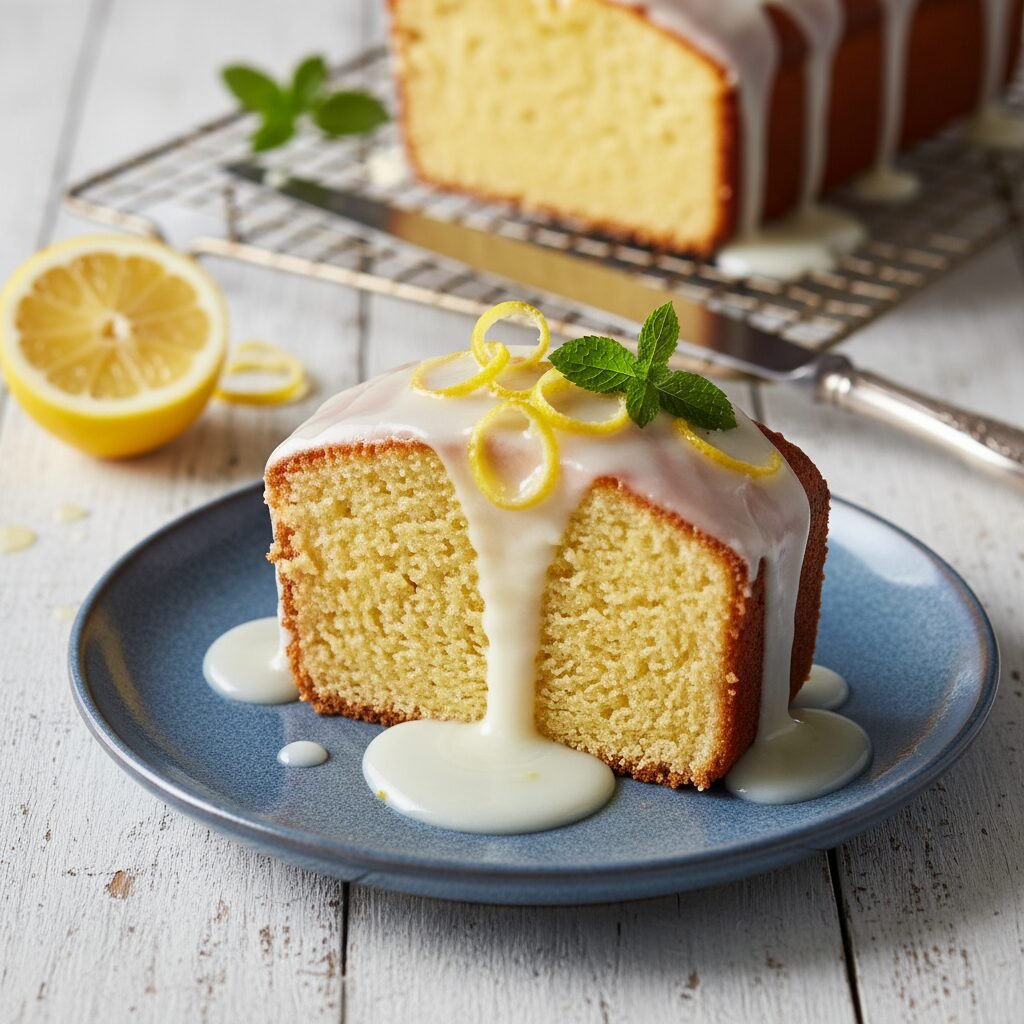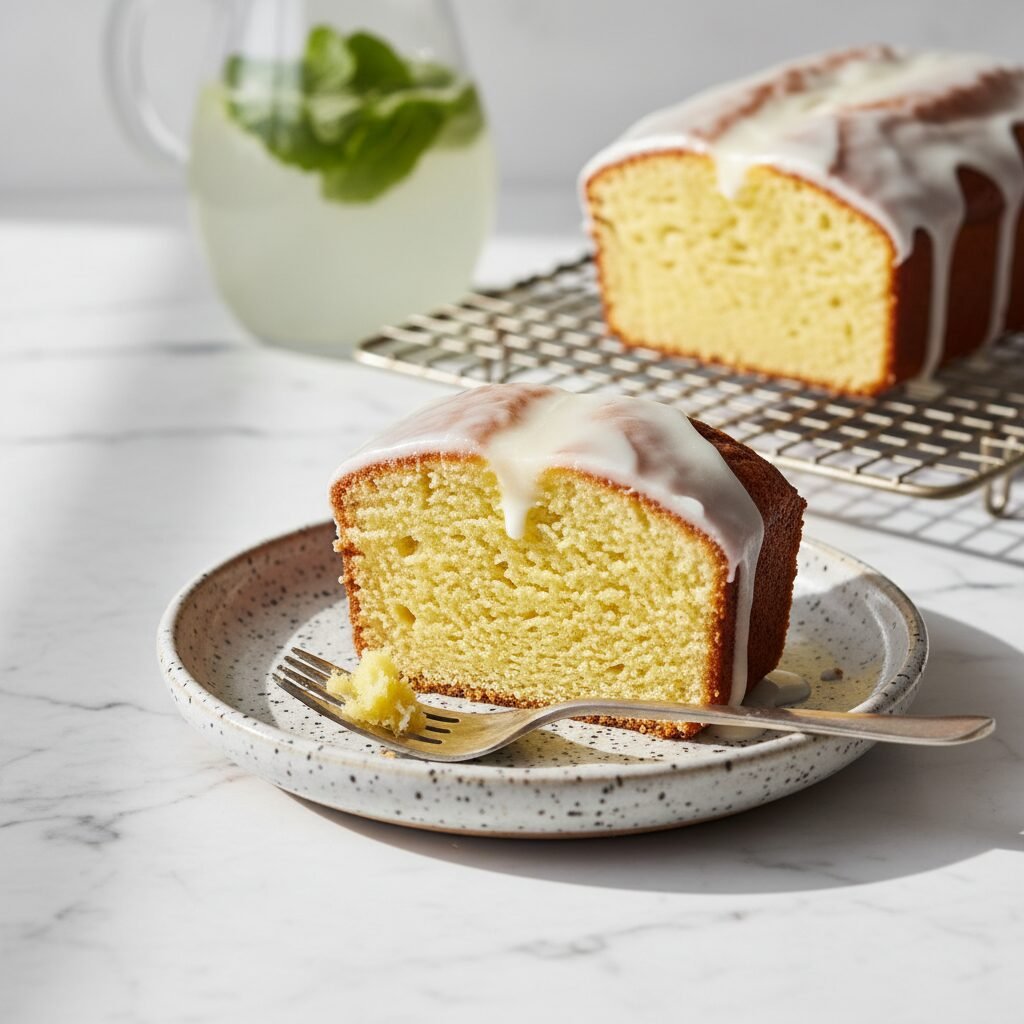
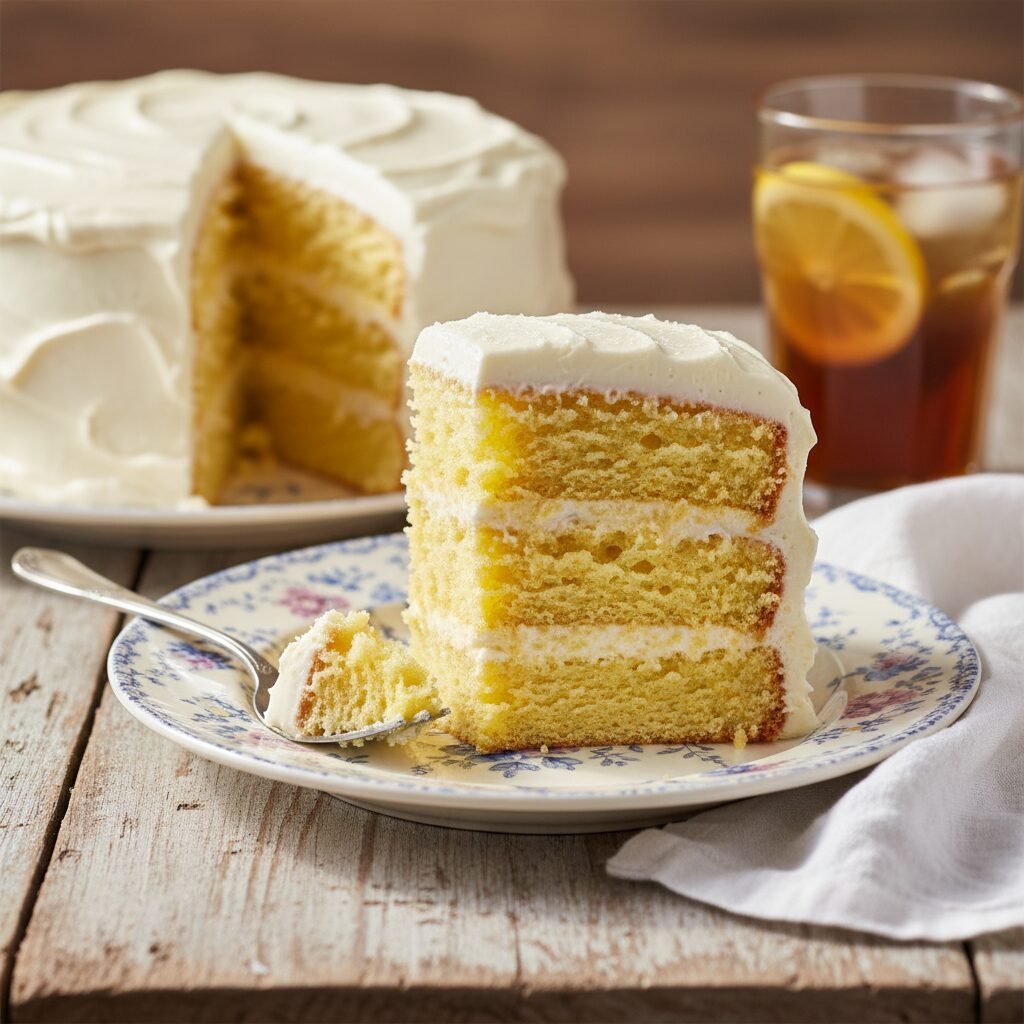
Moist Lemon Cake With Cream Cheese Frosting Recipe
Experience the perfect balance of zesty and sweet with this incredibly moist lemon cake. Layered with a velvety, tangy cream cheese frosting, this dessert is a showstopper for spring gatherings or a cozy afternoon treat.
30 minutes
35 minutes
1 hour 5 minutes
12-14 servings
Dessert
Baking
American
Vegetarian
There is something undeniably cheerful about a lemon cake. It captures the essence of sunshine in edible form, brightening up even the gloomiest of days. This recipe for Moist Lemon Cake with Cream Cheese Frosting is not just another citrus dessert; it is a labor of love designed to achieve the holy grail of baking: a crumb that is tender and moist without being dense, and a flavor profile that sings with authentic, zesty brightness rather than artificial sweetness.
The magic begins with the aroma. As the batter hits the oven, the kitchen fills with the intoxicating scent of caramelized sugar and fresh lemon zest, a sensory preview of the delight to come. We’ve calibrated this recipe to ensure that the lemon flavor is punchy and distinct, cutting through the richness of the butter and sugar. But the real star might just be the texture. By balancing fat sources and incorporating acidic dairy, we create a sponge that melts in your mouth, staying soft for days after baking.
Then, there is the frosting. While a standard buttercream is classic, cream cheese frosting offers a tangy counterpoint that complements the citrus notes perfectly. It’s luscious, creamy, and just sweet enough to feel indulgent without being cloying. Whether you are baking for a birthday, a bridal shower, or simply because you crave a slice of comfort, this cake delivers on every front. It is sophisticated enough for a dinner party yet simple enough for a weekend baking project. Get ready to add a new favorite to your recipe box.
History & Origins
The history of lemon cake is as rich and layered as the dessert itself, tracing its roots back through centuries of culinary evolution. Lemons themselves are thought to have originated in the foothills of the Himalayas, eventually making their way to the Mediterranean and the Middle East, where they became a staple in both savory and sweet dishes. However, the concept of a light, fluffy lemon cake is a relatively modern invention. Early European cakes were often yeast-leavened, closer to bread, or dense fruitcakes.
The precursor to the modern lemon cake can be found in the classic English pound cake of the 1700s, which used a pound each of flour, sugar, butter, and eggs. Cooks would often flavor these dense cakes with rose water or citrus peel, including lemon. As chemical leaveners like baking soda and baking powder became commercially available in the mid-19th century, the texture of cakes changed dramatically. They became lighter, airier, and more delicate, allowing delicate flavors like lemon to shine without being lost in a heavy crumb.
Cream cheese frosting, the perfect partner for this cake, has a distinctively American history. While fresh cheeses have been used in baking for centuries, modern cream cheese was developed in New York in the late 1800s. However, it wasn’t until the mid-20th century that cream cheese frosting became a household staple, largely popularized by carrot cake recipes published in corporate cookbooks by brands like Kraft. The pairing of lemon cake with cream cheese frosting is a brilliant culinary marriage; the lactic tang of the cheese mirrors the citric acid of the fruit, creating a harmonious flavor profile that has cemented its status as a modern classic in American baking.
Why This Recipe Works
This recipe succeeds where many others fail because it meticulously addresses the two biggest challenges in lemon cake baking: dryness and lack of flavor. First, to combat dryness, we utilize a dual-fat strategy. We use butter for its unparalleled flavor and structure, but we also incorporate vegetable oil. Oil remains liquid at room temperature, which ensures the cake stays moist and tender far longer than an all-butter cake would. Furthermore, we add sour cream to the batter. The acidity in the sour cream not only tenderizes the gluten strands in the flour, resulting in a softer crumb, but it also adds a subtle tang that amplifies the lemon flavor.
Secondly, to ensure a robust lemon flavor, we don’t rely solely on juice. Lemon juice can be tricky; adding too much liquid can throw off the baking chemistry. Instead, we rely heavily on lemon zest. The zest contains the essential oils where the most potent floral and citrus notes reside. We rub the zest directly into the sugar before mixing; the friction releases these oils, infusing the sugar crystals and ensuring the flavor is distributed evenly throughout the batter. Finally, the cream cheese frosting is whipped to incorporate air, making it fluffy and spreadable, providing a rich, creamy contrast to the bright, acidic crumb of the cake.
Why You’ll Love This Recipe
- ✓Incredibly moist crumb thanks to a blend of butter, oil, and sour cream.
- ✓Intense natural lemon flavor from fresh zest rubbed into sugar.
- ✓Tangy, velvety cream cheese frosting that isn’t too sweet.
- ✓Stays fresh and soft for days at room temperature.
- ✓Perfect balance of tart and sweet flavors.
- ✓Versatile batter that can be made into cupcakes or a bundt cake.
Equipment You’ll Need
- ✓Two 9-inch round cake pans
- ✓Stand mixer or electric hand mixer
- ✓Large mixing bowls
- ✓Microplane or zester
- ✓Rubber spatula
- ✓Wire cooling rack
- ✓Offset spatula for frosting
- ✓Parchment paper
Ingredients
- ✓3 cups Cake flour (sifted)
- ✓2 1/2 tsp Baking powder
- ✓1/2 tsp Baking soda
- ✓1 tsp Salt
- ✓1 cup Unsalted butter (room temperature)
- ✓1/4 cup Vegetable oil
- ✓1 3/4 cups Granulated sugar
- ✓3 tbsp Fresh lemon zest (approx. 3 lemons)
- ✓4 Large eggs (room temperature)
- ✓1 tsp Pure vanilla extract
- ✓1/2 cup Fresh lemon juice
- ✓3/4 cup Full-fat sour cream (room temperature)
- ✓1/2 cup Whole milk (room temperature)
- ✓16 oz Full-fat cream cheese (block style, softened)
- ✓1 cup Unsalted butter (for frosting, softened)
- ✓5 cups Powdered sugar (sifted)
- ✓1 tsp Vanilla extract (for frosting)
- ✓Pinch of salt (for frosting)
Instructions
- Preheat your oven to 350°F (175°C). Grease two 9-inch round cake pans with butter and dust with flour, or line the bottoms with parchment paper for easy release.
- In a medium bowl, whisk together the sifted cake flour, baking powder, baking soda, and salt. Set this dry mixture aside.
- In the bowl of a stand mixer, combine the granulated sugar and fresh lemon zest. Rub the zest into the sugar with your fingertips until the mixture is fragrant and resembles wet sand. This releases the essential oils.
- Add the room temperature butter and vegetable oil to the sugar mixture. Beat on medium-high speed for about 3-4 minutes until the mixture is pale, light, and fluffy. Scrape down the sides of the bowl as needed.
- Add the eggs one at a time, beating well after each addition. Stir in the vanilla extract and fresh lemon juice. The mixture may look slightly curdled due to the acidity, but this is normal.
- In a small bowl or measuring cup, whisk together the sour cream and whole milk.
- Reduce the mixer speed to low. Add the dry flour mixture in three parts, alternating with the milk/sour cream mixture in two parts, starting and ending with the flour. Mix only until just combined; do not overmix.
- Divide the batter evenly between the prepared cake pans. Smooth the tops with a spatula.
- Bake for 30-35 minutes, or until a toothpick inserted into the center comes out clean or with just a few moist crumbs attached. The cakes should spring back when lightly pressed.
- Remove from the oven and let the cakes cool in the pans for 10 minutes. Then, turn them out onto a wire rack to cool completely before frosting.
- To make the frosting: In a clean mixing bowl, beat the softened cream cheese and butter together on medium-high speed until smooth and creamy (about 3 minutes).
- Gradually add the sifted powdered sugar, one cup at a time, mixing on low speed until incorporated. Add the vanilla and a pinch of salt. Increase speed to high and whip for 2 minutes until fluffy.
- Once the cakes are completely cool, place one layer on a serving plate. Spread a generous layer of frosting over the top. Place the second layer on top and frost the top and sides of the entire cake.
- Garnish with lemon slices, zest, or edible flowers if desired. Refrigerate for 30 minutes before slicing to set the frosting.
Expert Cooking Tips
- ✓Use room temperature ingredients: Ensure your butter, eggs, sour cream, and milk are all at room temperature to create a smooth, emulsified batter.
- ✓Rub the zest: Don’t skip rubbing the lemon zest into the sugar. This step is crucial for extracting the maximum amount of lemon flavor.
- ✓Don’t overmix: Once you add the flour, mix gently. Overmixing develops gluten, which leads to a tough, dense cake instead of a tender one.
- ✓Weigh your flour: If possible, use a kitchen scale. If using cups, spoon the flour into the cup and level it off; scooping directly packs the flour and dries out the cake.
- ✓Cool completely: Never frost a warm cake. The cream cheese frosting is heat-sensitive and will melt and slide off if the cake retains any heat.
- ✓Full-fat dairy: Use full-fat sour cream and cream cheese. Low-fat versions have higher water content and can affect the texture and stability of the cake and frosting.
Substitutions and Variations
Baking is a science, but there is some room for flexibility if you find yourself missing an ingredient. If you don’t have cake flour, you can make a substitute by measuring 1 cup of all-purpose flour, removing 2 tablespoons, and replacing them with 2 tablespoons of cornstarch. Sift this mixture twice to aerate it. For the sour cream, full-fat plain Greek yogurt is an excellent 1:1 substitute that maintains the tang and moisture. If you prefer a different oil, melted coconut oil or canola oil works well, though olive oil might impart a flavor that conflicts with the sweet lemon profile. In the frosting, mascarpone cheese can be swapped for cream cheese for a milder, Italian-inspired flavor, though it is softer, so you may need more powdered sugar to stabilize it. If you are out of fresh lemons, bottled juice can work in a pinch, but the flavor will lack the floral depth of fresh juice, and you will miss out on the essential oils from the zest, so we highly recommend sticking to fresh fruit.
Common Mistakes to Avoid
The most common mistake with lemon cake is overbaking. Because the batter is light, it can dry out quickly. Start checking for doneness 5 minutes before the timer goes off. Another frequent error is using cold ingredients. If your butter or eggs are cold, the batter will curdle and won’t trap air effectively, leading to a dense cake. Regarding the frosting, a common pitfall is using tub-style cream cheese spread instead of block cream cheese. The spreads contain more water and air, resulting in a runny frosting that won’t hold its shape. Always use the brick-style cream cheese. Finally, adding the lemon juice all at once to the butter-sugar mixture can cause the batter to separate drastically; while a little curdling is okay, adding it slowly helps maintain the emulsion.
Serving Suggestions
This Moist Lemon Cake is a versatile centerpiece. Serve it on a white ceramic cake stand to let the pale yellow color pop. It pairs beautifully with a hot cup of Earl Grey tea, as the bergamot notes complement the lemon. For a summer gathering, serve slices with a side of fresh berries—raspberries or blueberries work particularly well—and a dollop of lightly sweetened whipped cream to cut the richness. If you are serving this for a brunch, a glass of chilled prosecco or a mimosa makes for a delightful accompaniment. You can also garnish the plate with a sprig of fresh mint or candied lemon peel for an elegant, restaurant-quality presentation.
Storage and Reheating Tips
Because of the cream cheese frosting, this cake should be stored in the refrigerator. However, cold cake can taste dry and the butter hardens, so it is best to remove the cake from the fridge about 30 minutes to an hour before serving to let it come to room temperature. The cake can be stored in an airtight container in the fridge for up to 5 days. For longer storage, you can freeze individual slices. Wrap each slice tightly in plastic wrap, followed by a layer of aluminum foil. They will keep well in the freezer for up to 3 months. Thaw frozen slices in the refrigerator overnight or on the counter for a quick treat.
Nutrition Facts (Estimated)
| Serving Size | 1 slice |
| Calories | 580 |
| Fat | 28g |
| Saturated Fat | 16g |
| Unsaturated Fat | 10g |
| Trans Fat | 0g |
| Cholesterol | 85mg |
| Sodium | 320mg |
| Carbohydrates | 76g |
| Fiber | 1g |
| Sugar | 45g |
| Protein | 6g |
Frequently Asked Questions
Can I make this cake ahead of time?
Yes, absolutely. You can bake the cake layers a day in advance. Wrap the cooled layers tightly in plastic wrap and store them at room temperature. Make the frosting and assemble the cake on the day you plan to serve it. The assembled cake also keeps well in the fridge for several days.
Why did my cake sink in the middle?
Sinking usually happens if the oven door was opened too early during baking, causing the temperature to drop before the structure set. It can also result from over-beating the batter (incorporating too much air that collapses) or using expired baking powder.
Can I use this recipe for cupcakes?
Yes! This batter makes excellent cupcakes. Line a muffin tin with paper liners and fill them about 2/3 full. Reduce the baking time to 18-22 minutes. This recipe yields approximately 24 standard cupcakes.
My frosting is too runny, how can I fix it?
Runny cream cheese frosting often results from over-mixing or using warm butter/cream cheese. To fix it, try refrigerating the bowl for 20 minutes to firm up the fats, then whip briefly again. If it’s still too soft, add more sifted powdered sugar, 1/4 cup at a time.
Can I make this gluten-free?
Yes, you can substitute the cake flour with a high-quality 1:1 gluten-free baking flour blend that includes xanthan gum. The texture might be slightly different, but it will still be delicious.
Do I have to use lemon extract?
This recipe relies on fresh zest and juice for a natural flavor, so no lemon extract is required. However, if you want an extra punchy lemon flavor, you can add 1/2 teaspoon of lemon extract along with the vanilla.
Why do I need both butter and oil?
Butter provides the classic rich flavor, while oil ensures the cake stays moist. Butter is solid at room temperature, which can make a cake feel dry if used alone. Oil remains liquid, keeping the crumb tender.
Can I use limes instead of lemons?
Definitely! You can swap lemons for limes or even oranges using the same measurements for zest and juice. A lime version with the cream cheese frosting would taste similar to a key lime pie cake.
Conclusion
Baking this Moist Lemon Cake with Cream Cheese Frosting is more than just following a recipe; it’s about creating a moment of joy. From the bright, zesty preparation to the final, creamy bite, every step is rewarding. It is the kind of dessert that invites people to gather around the table, share stories, and enjoy the simple pleasure of homemade food. Whether you are an experienced baker or a novice, this foolproof recipe promises results that look as good as they taste. We hope this cake brings a burst of sunshine to your kitchen and becomes a cherished favorite for years to come. Happy baking!