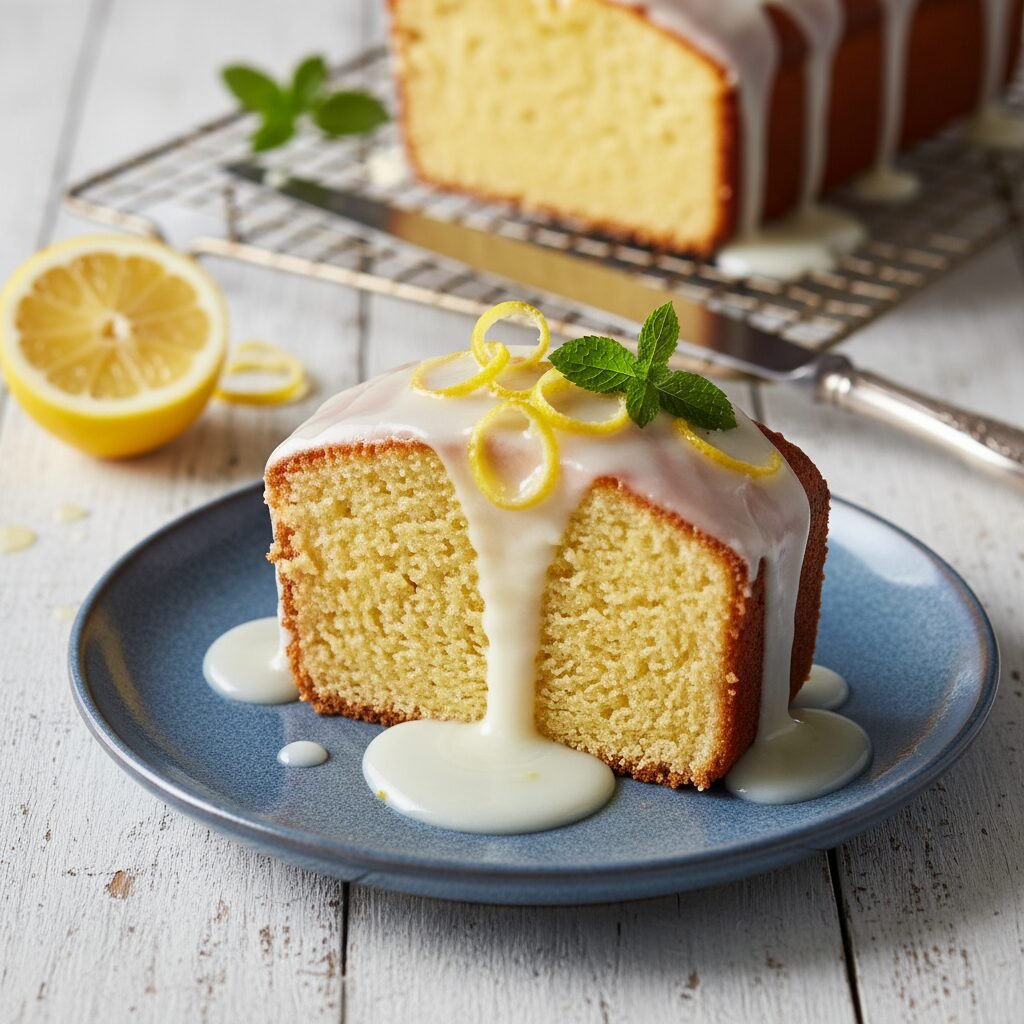

Moist Lemon Cake With Poppy Seeds Recipe
Brighten up your day with this incredibly tender Lemon Poppy Seed Cake. Bursting with fresh citrus flavor and speckled with crunchy poppy seeds, this loaf is topped with a zesty glaze that keeps it moist for days.
20 minutes
55 minutes
1 hour 15 minutes
1 loaf (10 slices)
Dessert / Breakfast
Baking
American
Vegetarian
There is something undeniably cheerful about a slice of lemon poppy seed cake. It is the culinary equivalent of sunshine breaking through the clouds on a rainy afternoon. This isn’t just another dry coffee shop loaf; this recipe has been meticulously tested to ensure a crumb that is tender, plush, and impossibly moist. The secret lies in the balance of ingredients—using both oil and butter for flavor and longevity, and the addition of full-fat sour cream to ensure a rich, velvety texture. As the cake bakes, the kitchen fills with the intoxicating aroma of warm vanilla and toasted lemon zest, promising a treat that feels both comforting and sophisticated.
What sets this cake apart is the intensity of the lemon flavor. We don’t just add juice; we rub the lemon zest directly into the sugar before mixing, a technique that releases the essential oils and infuses every grain of sugar with citrus perfume. The poppy seeds add a delightful textural contrast, a subtle nuttiness and a satisfying crunch against the soft, buttery cake. Finished with a tart, sweet glaze that settles into the crust, this cake transforms from a simple baked good into a centerpiece dessert. Whether you are serving it alongside a hot cup of Earl Grey tea for breakfast, presenting it at a spring brunch, or sneaking a slice as a midnight snack, this Lemon Poppy Seed Cake is guaranteed to become a staple in your baking repertoire.
History & Origins
The pairing of poppy seeds and citrus is a relatively modern evolution of ancient baking traditions. Poppy seeds, harvested from the opium poppy (*Papaver somniferum*), have been a culinary staple in Central and Eastern Europe for centuries. In Jewish, German, and Slavic cuisines, ‘Mohn’ (poppy seed) was often ground into a paste for fillings in strudels and hamantaschen. However, the seeds were traditionally paired with honey, nuts, or raisins rather than citrus.
The transition to the lemon-poppy seed combination we know and love today is largely attributed to Western baking evolution, particularly in the United Kingdom and the United States during the 20th century. As baking powder became more refined and ‘quick breads’ gained popularity in American households, bakers began experimenting with lighter, brighter flavors. The lemon, with its high acidity and distinct aroma, became a natural partner for the nutty, earthy poppy seed. This specific flavor profile saw a massive surge in popularity in the United States during the 1980s and 1990s, fueled by the rise of coffee shop culture where the ‘Lemon Poppy Seed Muffin’ became ubiquitous. Today, it stands as a classic flavor combination, bridging the gap between Old World textures and New World freshness.
Why This Recipe Works
This recipe succeeds where many others fail—specifically in the realm of moisture retention and flavor density. Many lemon cakes rely solely on lemon extract or juice, which can bake out or leave a metallic aftertaste. Here, we use the ‘zest-rubbing’ method. By massaging the lemon zest into the granulated sugar with your fingertips until the sugar looks like wet sand, we manually extract the lemon oil, ensuring the flavor is baked deep into the structure of the cake rather than just sitting on top.
Structurally, the combination of fat sources is key. Butter provides the classic dairy flavor and aeration needed for a fluffy rise, while neutral oil (like vegetable or canola) remains liquid at room temperature, ensuring the cake stays soft and moist days after baking. We also incorporate sour cream (or Greek yogurt), which introduces acidity. This acid reacts with the baking soda to create a powerful lift while tenderizing the gluten strands in the flour, resulting in a crumb that is dense enough to hold the poppy seeds in suspension but light enough to melt in your mouth. Finally, applying the glaze while the cake is still slightly warm allows the syrup to permeate the top layer, locking in moisture and adding a concentrated burst of tartness.
Why You’ll Love This Recipe
- ✓Uses the ‘zest-rubbing’ technique for maximum citrus flavor.
- ✓Stays moist for up to 4 days thanks to sour cream and oil.
- ✓Perfect balance of sweet cake and tart glaze.
- ✓Poppy seeds provide a satisfying crunch and visual appeal.
- ✓Freezer-friendly for make-ahead meal prep.
- ✓Requires no mixer—can be made with just a whisk and bowls.
Equipment You’ll Need
- ✓9×5 inch Loaf Pan
- ✓Large Mixing Bowl
- ✓Medium Mixing Bowl
- ✓Whisk
- ✓Microplane or Zester
- ✓Rubber Spatula
- ✓Wire Cooling Rack
- ✓Citrus Juicer
Ingredients
- ✓1 1/2 cups All-Purpose Flour
- ✓1 teaspoon Baking Powder
- ✓1/4 teaspoon Baking Soda
- ✓1/2 teaspoon Salt
- ✓1 cup Granulated Sugar
- ✓2 tablespoons Fresh Lemon Zest (approx. 2 lemons)
- ✓1/2 cup Unsalted Butter, melted and slightly cooled
- ✓1/4 cup Vegetable Oil (or Canola)
- ✓2 Large Eggs, room temperature
- ✓1 teaspoon Pure Vanilla Extract
- ✓1/2 cup Sour Cream (full fat), room temperature
- ✓1/4 cup Fresh Lemon Juice
- ✓2 tablespoons Poppy Seeds
- ✓FOR THE GLAZE: 1 cup Powdered Sugar
- ✓FOR THE GLAZE: 2-3 tablespoons Fresh Lemon Juice
Instructions
- Preheat your oven to 350°F (175°C). Grease a 9×5 inch loaf pan generously with butter or non-stick spray and line with parchment paper, leaving an overhang on the sides for easy removal.
- In a medium bowl, whisk together the all-purpose flour, baking powder, baking soda, salt, and poppy seeds. Set aside.
- In a large mixing bowl, add the granulated sugar and the fresh lemon zest. Using your clean fingertips, rub the zest into the sugar for about 1-2 minutes until the mixture is fragrant and resembles wet yellow sand.
- Add the melted butter and vegetable oil to the sugar mixture and whisk vigorously until combined.
- Add the eggs one at a time, whisking well after each addition. Stir in the vanilla extract and the 1/4 cup of fresh lemon juice.
- Whisk in the sour cream until the wet mixture is smooth and uniform.
- Gently fold the dry ingredients into the wet ingredients using a rubber spatula. Mix only until no streaks of flour remain. Do not overmix, or the cake will be tough.
- Pour the batter into the prepared loaf pan and smooth the top with the spatula.
- Bake for 50-60 minutes, or until a toothpick inserted into the center comes out clean or with just a few moist crumbs attached. If the top is browning too quickly, tent loosely with aluminum foil after 40 minutes.
- Remove the cake from the oven and let it cool in the pan for 15 minutes. Then, use the parchment paper handles to lift it out onto a wire rack.
- While the cake is cooling but still warm, prepare the glaze. Whisk the powdered sugar and 2 tablespoons of lemon juice together until smooth. Add more juice if you prefer a thinner glaze.
- Drizzle the glaze over the warm cake, allowing it to drip down the sides. Let the cake cool completely before slicing to ensure clean cuts.
Expert Cooking Tips
- ✓Room temperature ingredients are crucial for a smooth emulsion; take eggs and sour cream out 30 minutes before baking.
- ✓Rubbing the zest into the sugar is the most important step for flavor—don’t skip it!
- ✓Do not overmix the batter once the flour is added; stop as soon as the white streaks disappear.
- ✓Check your baking powder freshness; if it’s older than 6 months, the cake may not rise properly.
- ✓Tent the loaf with foil if the top gets dark before the center is cooked.
- ✓Let the cake cool completely before slicing, otherwise, it may crumble.
Substitutions and Variations
This recipe is quite versatile if you need to make swaps. For the fat, you can use all butter for a denser cake or all oil for a lighter, sponge-like texture, though the 50/50 split is ideal. If you don’t have sour cream, full-fat Greek yogurt is an excellent 1:1 substitute; plain regular yogurt works too but may result in a slightly thinner batter. For a dairy-free version, use a plant-based baking butter, coconut oil, and a dairy-free yogurt alternative (coconut or almond based). You can substitute the all-purpose flour with a high-quality 1:1 Gluten-Free baking flour blend (look for one containing xanthan gum) to make this gluten-free. If you are out of lemons, this recipe works beautifully with oranges, blood oranges, or even grapefruits for a different citrus profile.
Common Mistakes to Avoid
The most common mistake is overmixing the batter. Once the flour hits the wet ingredients, gluten begins to develop. If you whisk too aggressively, you will end up with a rubbery, dense loaf rather than a tender cake. Another pitfall is overbaking; ovens vary, so start checking at the 50-minute mark. A dry cake is often just an overbaked cake. Also, avoid using bottled lemon juice; it lacks the fresh floral notes of real citrus and can make the glaze taste artificial. Finally, don’t slice the cake while it is hot. The structure needs time to set as it cools; cutting it too early will cause the steam to escape and the cake to dry out faster.
Serving Suggestions
This cake is stunningly versatile. Serve a thick slice for breakfast alongside a cappuccino or a strong black coffee. For an elegant afternoon tea or dessert, serve a slice with a dollop of lightly sweetened whipped cream or a scoop of vanilla bean ice cream. It also pairs beautifully with fresh berries—blueberries or raspberries offer a nice tart contrast to the sweet glaze. If you want to dress it up for a party, garnish the wet glaze with candied lemon slices or edible flowers like pansies or nasturtiums.
Storage and Reheating Tips
To keep the cake moist, store it in an airtight container at room temperature for up to 3 days. The glaze acts as a seal, helping to retain moisture. For longer storage, keep it in the refrigerator for up to 1 week, but allow it to come to room temperature before eating for the best texture. This cake freezes exceptionally well. You can wrap individual slices in plastic wrap and then foil, or freeze the whole loaf (unglazed is best for freezing, but glazed works too). Freeze for up to 3 months. Thaw overnight on the counter before serving.
Nutrition Facts (Estimated)
| Serving Size | 1 slice |
| Calories | 340 |
| Fat | 16g |
| Saturated Fat | 6g |
| Unsaturated Fat | 9g |
| Trans Fat | 0g |
| Cholesterol | 45mg |
| Sodium | 180mg |
| Carbohydrates | 46g |
| Fiber | 1g |
| Sugar | 28g |
| Protein | 5g |
Frequently Asked Questions
Why did my poppy seeds sink to the bottom?
This usually happens if the batter is too thin. This recipe uses sour cream to ensure a thick batter that suspends the seeds. If you are using a different recipe or substitutions, try tossing the poppy seeds in a teaspoon of flour before adding them to the mix.
Can I use bottled lemon juice?
Technically yes, but we highly recommend fresh. Bottled juice often contains preservatives that alter the flavor, making it taste more acidic and less floral. Since lemon is the star here, fresh is best.
My cake is too brown on top but raw in the middle. What do I do?
This is common with loaf cakes due to their depth. Simply cover the top of the pan loosely with a sheet of aluminum foil (tenting) after about 40 minutes of baking. This protects the crust while the center finishes cooking.
Can I make this into muffins instead of a loaf?
Absolutely! This batter makes wonderful muffins. Line a muffin tin with paper liners and bake at 400°F (200°C) for 5 minutes, then reduce the heat to 350°F (175°C) for another 13-15 minutes. This temperature trick gives them a nice domed top.
How do I know when the cake is actually done?
Insert a wooden skewer or toothpick into the deepest part of the center. It should come out clean or with a few moist crumbs. If you see wet batter on the stick, it needs more time.
Can I reduce the sugar in this recipe?
You can reduce the sugar by about 1/4 cup without ruining the structure, but keep in mind that sugar also provides moisture and tenderness, not just sweetness. Reducing it too much will result in a drier, tougher cake.
Do I have to soak the poppy seeds before baking?
No, soaking is not required for this type of cake. The moisture from the batter is sufficient to soften them during the baking process.
Why does my glaze dissolve into the cake completely?
If you pour the glaze while the cake is piping hot, it will melt and soak in. This is delicious for moisture, but if you want that stark white icing look, wait until the cake is completely cool before glazing.
Conclusion
There are few things in baking as rewarding as a perfectly executed Lemon Poppy Seed Cake. It is a recipe that delivers high impact with relatively low effort, making it ideal for novice bakers and seasoned pros alike. The bright acidity of the lemon cuts through the richness of the butter and sour cream, creating a harmony of flavors that is hard to resist. Whether you are making this for a special occasion, a bake sale, or simply to have a sweet treat on the counter for the week, this loaf is sure to bring smiles to everyone who tries it. Happy baking, and enjoy every zesty bite!