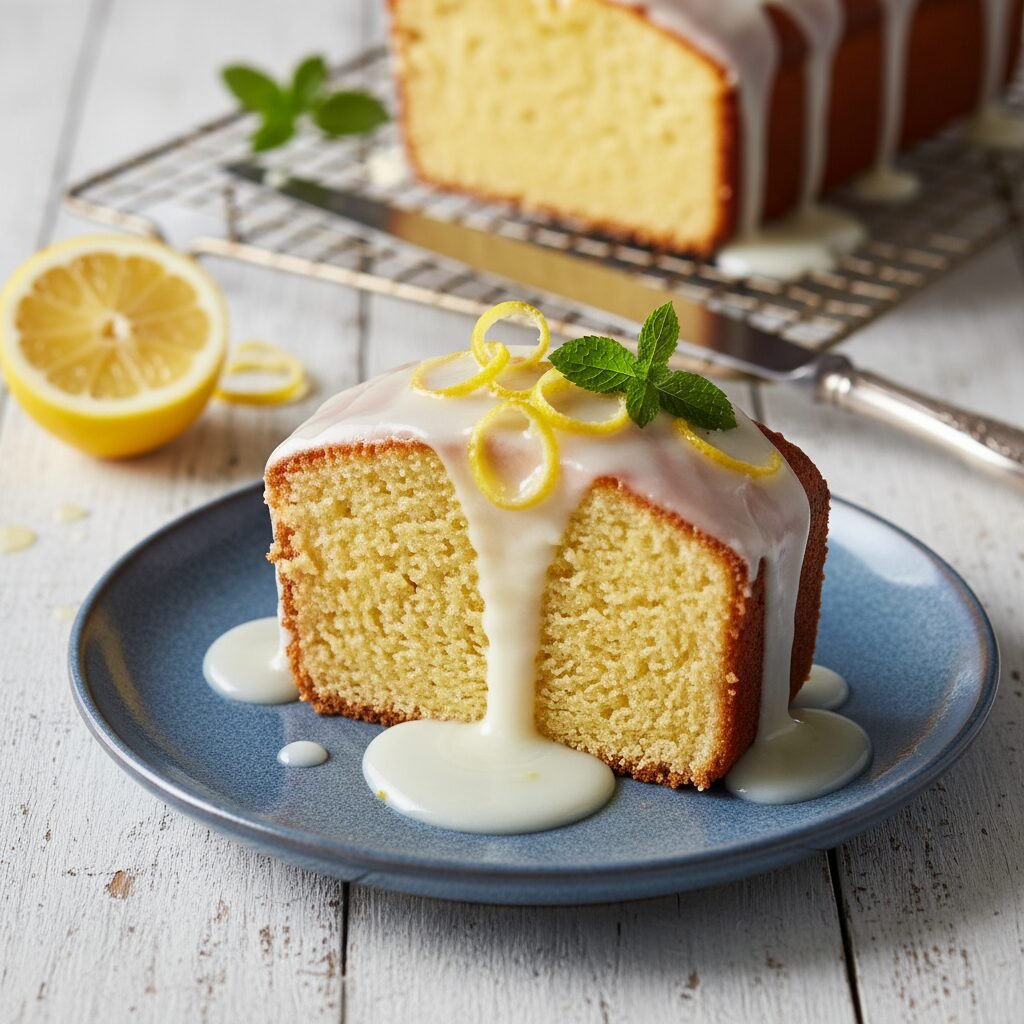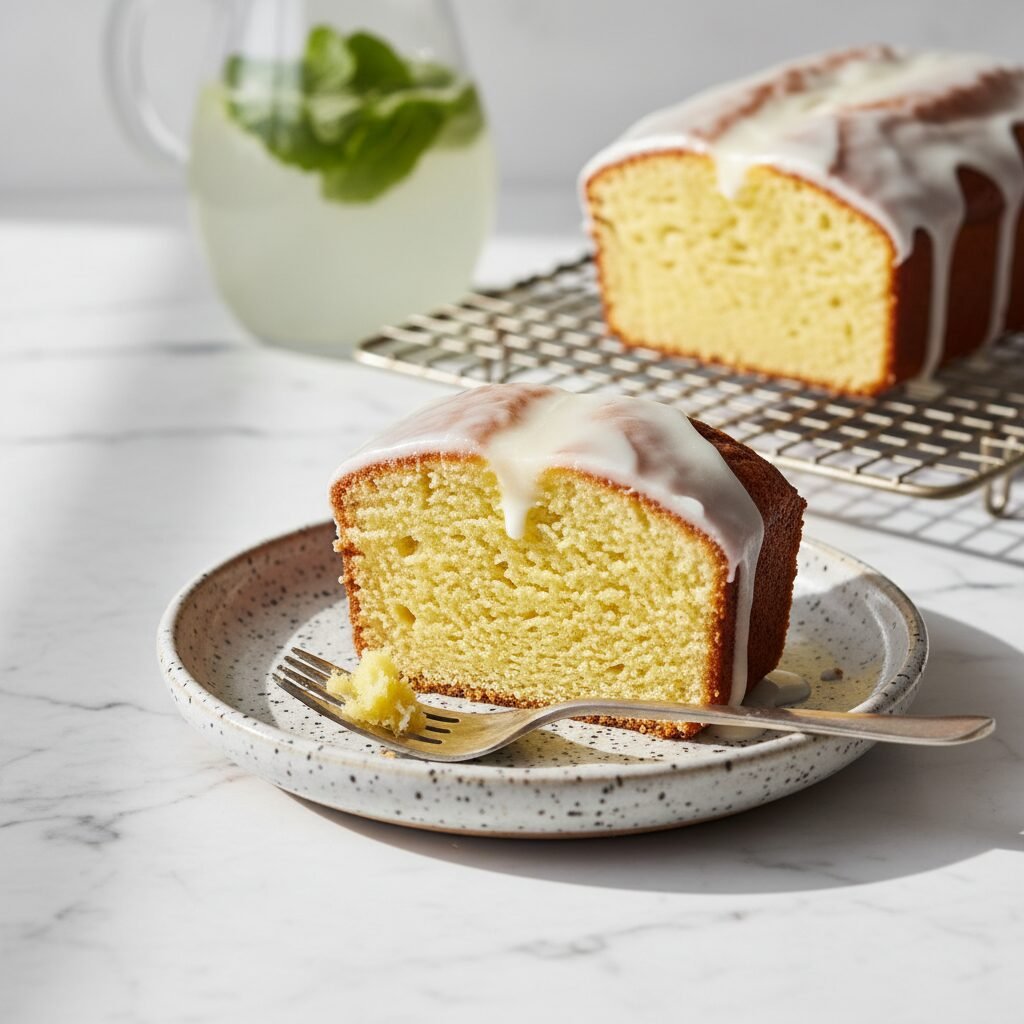
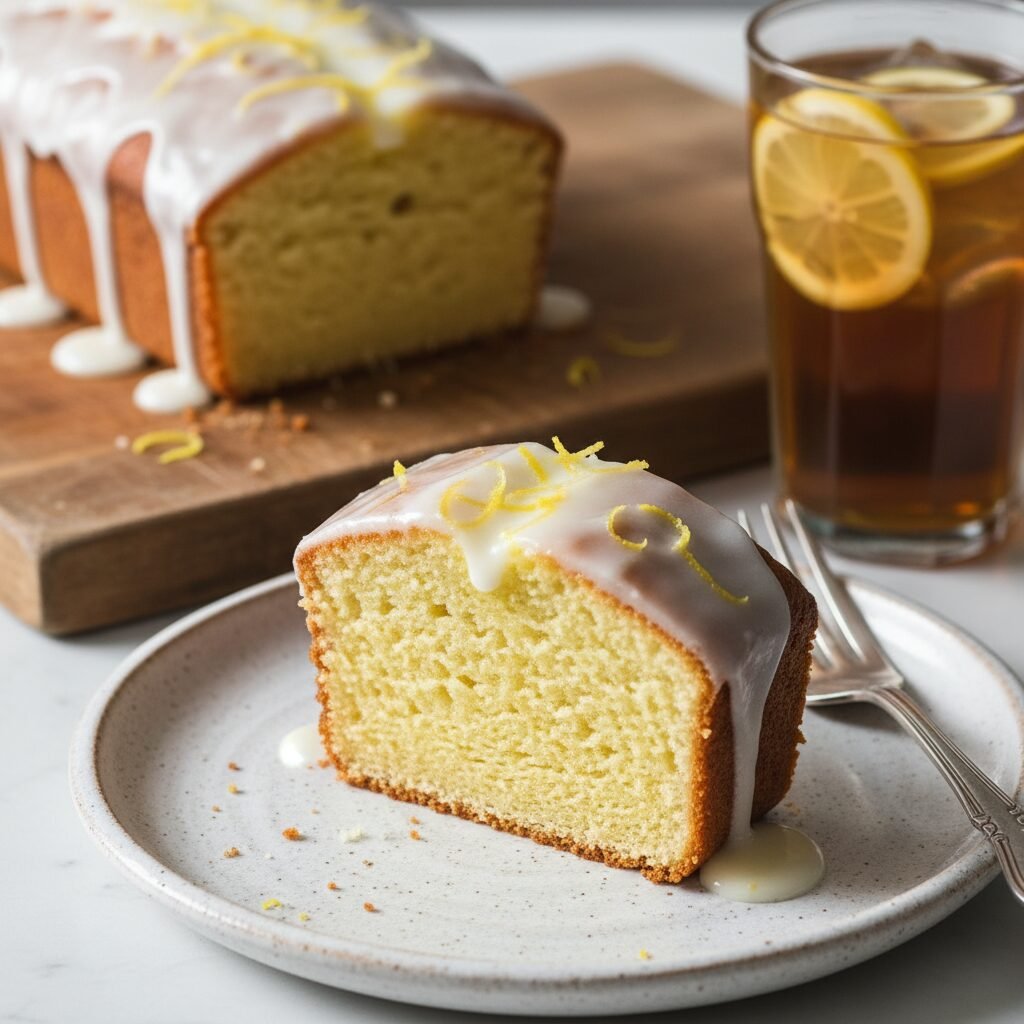
Moist Lemon Cake With Yogurt Glaze Recipe
This incredibly moist Lemon Yogurt Cake is the ultimate sunshine-filled dessert, featuring a tender crumb and a bright, zesty flavor profile. Infused with fresh lemon juice and Greek yogurt, it is finished with a simple, sweet-tart glaze that hardens into a perfect shell, making it an ideal treat for breakfast, brunch, or afternoon tea.
15 minutes
50 minutes
1 hour 5 minutes
1 Loaf (8-10 servings)
Dessert
Baking
American / French
Vegetarian
There is something undeniably cheerful about a well-made lemon cake. It is the culinary equivalent of a beam of sunshine breaking through the clouds on a rainy afternoon. This Moist Lemon Cake with Yogurt Glaze is not just another citrus dessert; it is a celebration of texture and bright, acidic flavors that dance on the palate. The secret to its incredible crumb lies in the inclusion of thick, creamy Greek yogurt, which provides a level of moisture that butter alone simply cannot achieve. Unlike heavier pound cakes that can feel dense, this recipe yields a loaf that is light, fluffy, and impossibly tender, yet sturdy enough to hold a generous pour of sugary glaze.
The beauty of this recipe is its simplicity combined with its sophisticated flavor payoff. The lemon is not shy here; we use both the zest and the juice to ensure a profound citrus punch that cuts through the sweetness of the sugar. The glaze, a simple mixture of powdered sugar and fresh lemon juice, acts as a seal, locking in moisture while adding a textural contrast—a slight crunch that gives way to the soft, pillowy cake beneath. Whether you are a seasoned baker looking for a reliable staple or a novice wanting to impress guests with minimal effort, this cake delivers every single time. It pairs beautifully with a dark roast coffee to contrast the acidity or a floral Earl Grey tea to complement the citrus notes. Prepare your kitchen for the intoxicating aroma of baking lemons, a scent that screams of comfort and home.
History & Origins
The lineage of this lemon yogurt cake can be traced back to the humble yet iconic French ‘Gâteau au Yaourt’ (Yogurt Cake). In France, this cake is often the very first thing children learn to bake, largely due to its ingenious simplicity. Traditionally, the recipe uses the small yogurt pot itself as the standard unit of measurement for all other ingredients—one pot of yogurt, two pots of sugar, three pots of flour, and so on. This ‘pot method’ made baking accessible and foolproof, embedding the cake deeply into French home cooking culture.
While the French original is often made with plain vegetable oil and sometimes flavored with vanilla, the addition of lemon is a nod to the Mediterranean influence on European baking, where citrus groves are abundant. The acidity of lemons has long been prized in baking not just for flavor, but for chemical leavening properties when paired with baking soda or baking powder. As the recipe migrated across the Atlantic to the United States, it evolved. American bakers, known for their love of sweeter, more decadent frostings and glazes, adapted the simple snacking cake into the glazed loaf we see today. The transition from standard yogurt to Greek yogurt in recent decades has further refined the texture, adding more protein and a thicker consistency that results in a richer, more velvety crumb. This recipe honors that history while embracing modern preferences for intense flavor and moist textures.
Why This Recipe Works
This recipe succeeds where others fail due to the specific interaction between the acidic ingredients and the gluten network. The primary hero here is the Greek yogurt. Yogurt is acidic, and this acidity helps to tenderize the gluten strings in the flour, preventing the cake from becoming tough or rubbery. Furthermore, the proteins in the yogurt set during baking to provide structure without drying out the crumb. We also utilize a technique called ‘reverse creaming’ or ‘rubbing in,’ where the lemon zest is manually rubbed into the granulated sugar before any wet ingredients are added. The abrasive texture of the sugar crystals bursts the essential oil capillaries in the zest, releasing the potent lemon oils directly into the sugar. This ensures the flavor is evenly distributed throughout the batter rather than locked in the zest shreds.
Additionally, we use a blend of oil and yogurt rather than butter. While butter adds flavor, it contains water which evaporates, sometimes leading to a drier cake. Oil is 100% fat and remains liquid at room temperature, which guarantees that the cake stays moist for days on the counter. The glaze is applied while the cake is completely cool, allowing it to sit on top and form a crust, rather than melting into the cake and making it soggy. This balance of chemistry and technique results in a foolproof bake.
Why You’ll Love This Recipe
- ✓Uses Greek yogurt for an impossibly moist and tender crumb.
- ✓Lemon zest is rubbed into the sugar to maximize citrus fragrance.
- ✓No mixer required; can be made entirely by hand with a whisk.
- ✓Stays soft and fresh for up to 4 days at room temperature.
- ✓The glaze provides a perfect sweet-tart textural contrast.
Equipment You’ll Need
- ✓8.5 x 4.5 inch Loaf Pan
- ✓Large Mixing Bowl
- ✓Medium Mixing Bowl
- ✓Whisk
- ✓Rubber Spatula
- ✓Microplane or Zester
- ✓Citrus Juicer
- ✓Wire Cooling Rack
Ingredients
- ✓1 1/2 cups All-Purpose Flour
- ✓2 tsp Baking Powder
- ✓1/2 tsp Kosher Salt
- ✓1 cup Granulated Sugar
- ✓1 tbsp Fresh Lemon Zest (approx. 2 lemons)
- ✓3/4 cup Full-Fat Greek Yogurt (plain)
- ✓1/2 cup Vegetable Oil (or neutral oil like canola/grapeseed)
- ✓2 Large Eggs, room temperature
- ✓1/2 tsp Pure Vanilla Extract
- ✓1 cup Powdered Sugar (for glaze)
- ✓2-3 tbsp Fresh Lemon Juice (for glaze)
Instructions
- Preheat your oven to 350°F (175°C). Grease an 8.5×4.5 inch loaf pan generously with non-stick spray or butter, and line the bottom with parchment paper for easy removal.
- In a medium bowl, whisk together the all-purpose flour, baking powder, and kosher salt until well combined. Set aside.
- In a large mixing bowl, combine the granulated sugar and fresh lemon zest. Using your clean fingertips, rub the zest into the sugar for about 1-2 minutes until the sugar looks like wet sand and is incredibly fragrant. This releases the essential oils.
- Add the Greek yogurt, vegetable oil, eggs, and vanilla extract to the sugar-zest mixture. Whisk vigorously until the batter is smooth, pale yellow, and well emulsified.
- Gently fold the dry ingredients into the wet ingredients using a rubber spatula. Stir only until the flour streaks disappear. Do not overmix, or the cake will be tough.
- Pour the batter into the prepared loaf pan and smooth the top with the spatula. Tap the pan gently on the counter twice to release any large air bubbles.
- Bake in the center of the oven for 50-60 minutes. Check for doneness by inserting a toothpick into the center; it should come out clean or with a few moist crumbs attached. If the top is browning too quickly, tent loosely with aluminum foil after 40 minutes.
- Remove the cake from the oven and let it cool in the pan for 10-15 minutes. Then, run a knife around the edges and invert it onto a wire cooling rack to cool completely before glazing.
- While the cake cools, make the glaze: Whisk together the powdered sugar and 2 tablespoons of lemon juice. Add more juice teaspoon by teaspoon until you reach a thick but pourable consistency.
- Pour the glaze over the completely cooled cake, allowing it to drip down the sides. Let the glaze set for 15 minutes before slicing.
Expert Cooking Tips
- ✓Room Temperature Ingredients: Ensure your eggs and yogurt are at room temperature to prevent the batter from breaking or curdling.
- ✓Don’t Skimp on Zest: The majority of the lemon flavor comes from the zest, not the juice, so use fresh, bright yellow lemons.
- ✓Measure Flour Correctly: Use the spoon-and-level method for flour to avoid a dense cake; scooping directly with the cup packs too much flour.
- ✓Cool Completely: Glazing a warm cake will cause the glaze to melt and disappear into the crumb. Wait until it’s cool.
- ✓Greek vs. Regular Yogurt: Greek yogurt is preferred for its thickness and lower water content, which aids the structure.
- ✓Tent with Foil: Lemon cakes can brown quickly due to the sugar content; watch the oven during the last 15 minutes.
- ✓Resting Time: The cake’s flavor actually improves and the crumb softens even more if let to sit overnight (wrapped) before glazing.
Substitutions and Variations
If you do not have Greek yogurt, you can substitute full-fat sour cream in a 1:1 ratio; this provides a very similar tang and fat content. Regular plain yogurt can be used, but since it is thinner, you may need to reduce the amount slightly or add a tablespoon more flour. For a gluten-free version, substitute the all-purpose flour with a high-quality 1:1 gluten-free baking flour blend that contains xanthan gum. If you prefer butter over oil, you can use melted unsalted butter, though the cake may not stay moist for quite as long. For a different citrus twist, this recipe works beautifully with oranges, blood oranges, or limes—just swap the zest and juice quantities equally. To reduce refined sugar, you can use a granulated monk fruit sweetener, though the texture of the crust may vary slightly.
Common Mistakes to Avoid
The most common mistake with this cake is overmixing the batter once the flour is added. Overmixing develops the gluten too much, resulting in a rubbery, dense loaf rather than a tender crumb. Another frequent error is baking the cake at too high a temperature or for too long; lemon cake dries out quickly if overbaked. Always trust the toothpick test rather than strictly following the timer. Using bottled lemon juice instead of fresh is also a significant error; bottled juice lacks the floral notes and brightness of fresh lemons and can give the glaze a metallic, artificial aftertaste. Finally, attempting to remove the cake from the pan too soon can cause it to break apart; it is very tender when hot and needs that initial 10-15 minutes to set its structure.
Serving Suggestions
This cake is versatile enough to be served at various times of the day. For a breakfast or brunch setting, serve thick slices alongside a bowl of fresh berries and a dollop of extra Greek yogurt or crème fraîche. The tartness of the berries complements the sweet glaze perfectly. For an afternoon tea or dessert, elevate the presentation by serving a slice with a scoop of vanilla bean ice cream or a drizzle of raspberry coulis. A garnish of candied lemon peel or fresh mint leaves adds a professional touch. It pairs exceptionally well with hot beverages like Earl Grey tea, chamomile tea, or a robust black coffee, which helps cut through the sweetness of the glaze.
Storage and Reheating Tips
This cake has excellent keeping qualities thanks to the oil and yogurt. It can be stored at room temperature, tightly wrapped in plastic wrap or in an airtight container, for up to 4 days. In fact, the crust softens and the flavors meld beautifully on the second day. If you live in a very hot or humid climate, you may prefer to store it in the refrigerator for up to a week, though this can firm up the texture slightly; bring it to room temperature before eating for the best experience. For long-term storage, the unglazed cake freezes very well. Wrap the cooled loaf tightly in two layers of plastic wrap and one layer of foil, and freeze for up to 3 months. Thaw overnight on the counter and glaze fresh before serving.
Nutrition Facts (Estimated)
| Serving Size | 1 Slice |
| Calories | 320 |
| Fat | 14g |
| Saturated Fat | 2g |
| Unsaturated Fat | 11g |
| Trans Fat | 0g |
| Cholesterol | 35mg |
| Sodium | 180mg |
| Carbohydrates | 45g |
| Fiber | 1g |
| Sugar | 28g |
| Protein | 5g |
Frequently Asked Questions
Can I use low-fat yogurt instead of full-fat?
Technically yes, but the texture will suffer. Full-fat Greek yogurt provides the necessary fat to keep the cake tender and rich. Low-fat versions may result in a drier, rubberier crumb.
Why did my cake sink in the middle?
Sinking usually happens if the cake was underbaked (the center structure wasn’t set) or if the oven door was opened too early, causing a sudden temperature drop. Ensure the toothpick comes out clean before removing.
Can I make this into muffins instead of a loaf?
Absolutely. This batter works great for muffins. Bake them at 375°F for 18-22 minutes. The yield will be approximately 12 standard muffins.
My glaze is too runny, what do I do?
Simply add more powdered sugar, a tablespoon at a time, whisking constantly until it reaches your desired opacity and thickness. If it’s too thick, add drops of lemon juice.
Can I use olive oil instead of vegetable oil?
Yes, a mild olive oil works wonderfully and adds a subtle, fruity depth that pairs well with lemon. Avoid very peppery or strong extra virgin olive oils unless you want that specific flavor profile.
Do I need to use a stand mixer?
No, a stand mixer is actually not recommended as it makes it easy to overmix. A simple whisk and two bowls are all you need for this recipe.
How do I get the zest fine enough?
Use a Microplane or a fine cheese grater. Avoid the white pith underneath the yellow skin, as it is bitter. You only want the bright yellow outer layer.
Why do I have to rub the zest into the sugar?
This step, known as lemon sugar, extracts the essential oils from the zest through friction, infusing the entire cake with lemon flavor rather than just having specks of zest.
Conclusion
This Moist Lemon Cake with Yogurt Glaze is truly a testament to the magic of simple baking. It transforms basic pantry staples into a dessert that feels luxurious, comforting, and bright all at once. Whether you are baking for a special occasion, a gift for a neighbor, or just a Tuesday night treat, this recipe is guaranteed to bring a smile to anyone’s face. The balance of the tender, yogurt-enriched crumb with the sharp, sweet glaze creates a harmony of flavors that is hard to resist. We hope this becomes a cherished recipe in your collection, bringing a little bit of sunshine into your kitchen whenever you need it most. Happy baking!