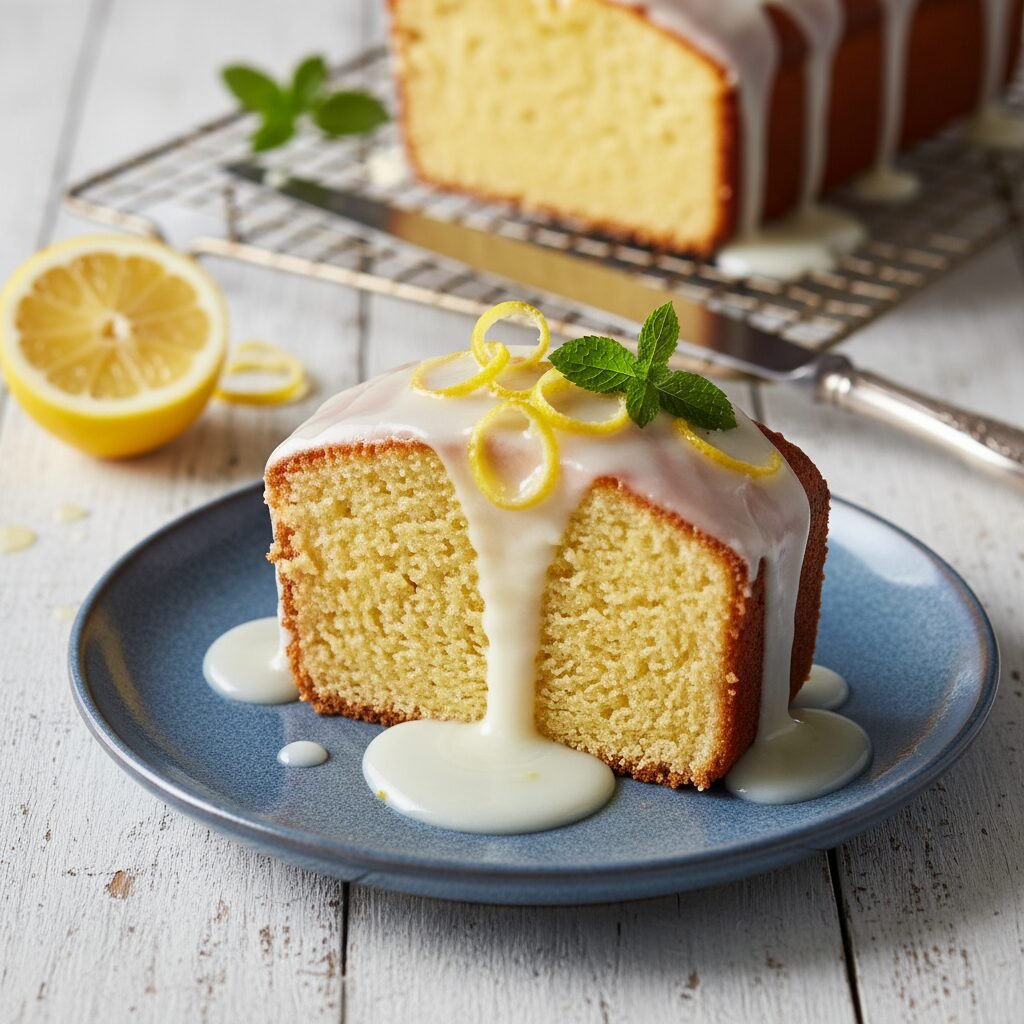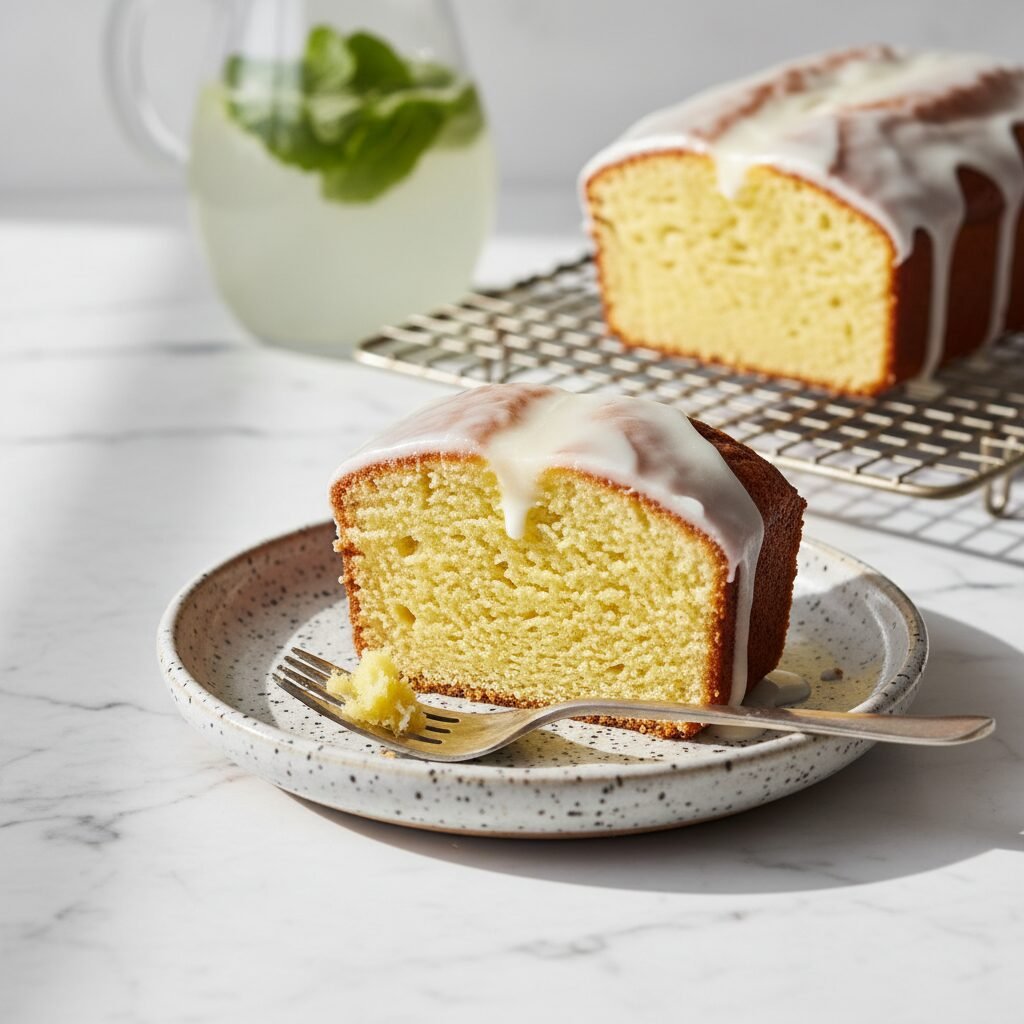
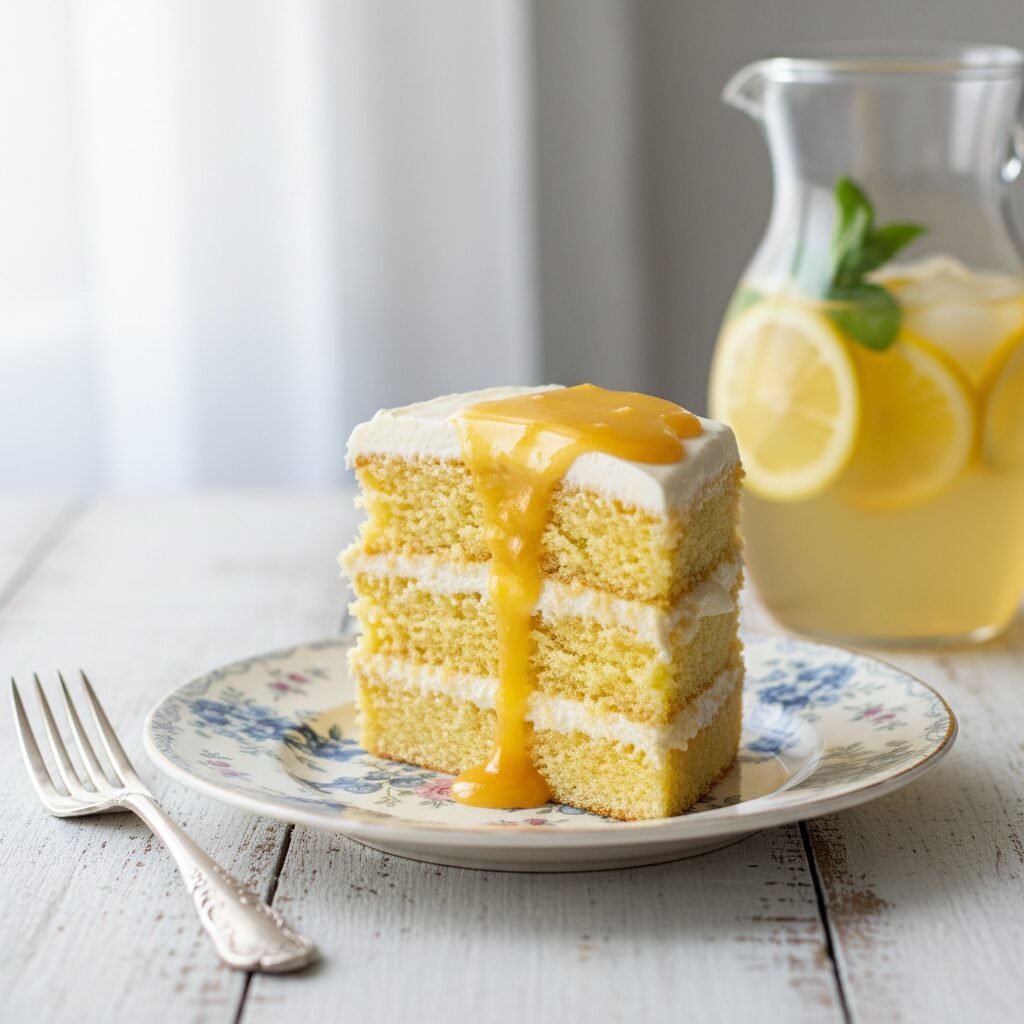
Moist Lemon Layer Cake Recipe
This is the definitive recipe for a lemon layer cake that is bursting with bright citrus flavor and boasts an incredibly tender, moist crumb. Perfect for spring gatherings or birthdays, it pairs fluffy lemon sponge with a tangy, luscious cream cheese frosting that will leave everyone asking for seconds.
45 minutes
30 minutes
1 hour 15 minutes
12-14 servings
Dessert
Baking
American
Vegetarian
There is something undeniably cheerful about a lemon cake. It is the culinary equivalent of a ray of sunshine on a cloudy day, promising brightness, warmth, and a zest for life. This Moist Lemon Layer Cake is not just another fruit-flavored dessert; it is a celebration of texture and balance. Many lemon cakes suffer from being too dry or lacking that punchy, authentic citrus kick, often relying on artificial extracts that leave a chemical aftertaste. This recipe changes the game entirely. We achieve the perfect balance of tart and sweet by using fresh lemon zest rubbed directly into the sugar, releasing essential oils that permeate every crumb.
The texture is equally important. We want a cake that is sturdy enough to stack but soft enough to melt in your mouth. By combining the richness of butter with the moisture-retaining properties of vegetable oil, and the tenderizing acidity of buttermilk, we create a crumb that stays soft for days. The frosting serves as the perfect counterpoint—a creamy, slightly tangy cream cheese buttercream that cuts through the sweetness of the cake layers. Whether you are an experienced baker looking for a reliable staple or a novice wanting to impress at a potluck, this cake is designed to be approachable yet spectacular. It captures the essence of spring on a plate, making it the ultimate dessert for Easter brunch, Mother’s Day, or simply a Tuesday afternoon when you need a little lift.
History & Origins
The history of the lemon cake is deeply intertwined with the evolution of baking itself. While lemons have been cultivated for thousands of years, originating in Asia and spreading to the Mediterranean and eventually the Americas, their use in sweet cakes is a relatively more modern phenomenon. In medieval Europe, citrus was a luxury item, often candied or used sparingly in fruitcakes. It wasn’t until the 18th and 19th centuries, with the advent of chemical leaveners like baking soda and baking powder, that the light, fluffy cakes we recognize today became possible. Before this, cakes were often dense, yeast-leavened breads or sponge cakes leavened solely by beaten eggs.
The classic American layer cake, or ‘gateau,’ began to take shape in the mid-19th century as refined sugar and flour became more accessible. The Victorian era saw a rise in the popularity of ‘seed cakes’ and lemon-flavored tea cakes, which were often served in the afternoon. However, the specific concept of a ‘lemon layer cake’ with frosting gained massive traction in the United States during the 20th century. The 1920s and 30s brought about the era of the ‘icebox cake’ and the widespread availability of refrigeration, allowing for dairy-heavy frostings like cream cheese and buttercream to become standard. The pairing of lemon with cream cheese is a distinctly American innovation, blending the Southern tradition of rich, moist cakes with the tangy profiles favored in modern palates. Today, the lemon layer cake stands as a timeless classic, representing a bridge between old-world ingredients and new-world baking technology.
Why This Recipe Works
This recipe succeeds where others fail due to a few key scientific principles applied to baking. First and foremost is the ‘reverse creaming’ method or a modified blending method. Traditional creaming beats butter and sugar to create air, but often leads to over-mixing and a tougher gluten structure. Here, we ensure tenderness by carefully controlling the mixing process. However, the real secret to the moisture lies in the fat ratio. Butter provides the unmistakable flavor that we crave, but butter is about 15-20% water. Vegetable oil is 100% fat and remains liquid at room temperature, which coats the flour proteins more effectively, preventing gluten formation and keeping the cake sensationally moist even after it cools.
Secondly, we utilize the ‘sugar rub’ technique. Lemon flavor is primarily found in the oil of the zest, not just the juice. By rubbing the zest into the granulated sugar with your fingertips before mixing, the abrasive sugar crystals break open the oil cells in the zest, infusing the entire batter with a deep, floral lemon aroma that juice alone cannot achieve. Finally, the inclusion of buttermilk is crucial. Its acidity reacts with the baking soda to create immediate lift (carbon dioxide), while also breaking down the long strands of gluten, resulting in a crumb that is fine, velvety, and incredibly tender.
Why You’ll Love This Recipe
- ✓Uses both butter and oil for maximum flavor and moisture retention.
- ✓Fresh lemon zest rubbed into sugar ensures a vibrant, natural citrus taste.
- ✓Buttermilk creates a tender, velvety crumb structure.
- ✓Sturdy enough for layering but soft enough to melt in your mouth.
- ✓The cream cheese frosting provides a tangy contrast to the sweet sponge.
- ✓Can be made ahead of time, as the flavor improves after resting.
Equipment You’ll Need
- ✓Three 8-inch round cake pans
- ✓Stand mixer with paddle attachment or electric hand mixer
- ✓Large mixing bowls
- ✓Microplane or zester
- ✓Rubber spatula
- ✓Wire cooling racks
- ✓Offset spatula for frosting
- ✓Parchment paper
- ✓Measuring cups and spoons
Ingredients
- ✓3 cups cake flour (sifted)
- ✓2 1/2 cups granulated sugar
- ✓1 tablespoon baking powder
- ✓1/2 teaspoon baking soda
- ✓1 teaspoon salt
- ✓1 cup unsalted butter, room temperature, cut into cubes
- ✓1/2 cup vegetable oil (or canola oil)
- ✓4 large eggs, room temperature
- ✓2 large egg yolks, room temperature
- ✓1 tablespoon pure vanilla extract
- ✓1 cup buttermilk, room temperature
- ✓1/3 cup fresh lemon juice
- ✓3 tablespoons fresh lemon zest (approx. 3-4 lemons)
- ✓For the Frosting: 16 oz full-fat cream cheese, slightly softened
- ✓For the Frosting: 1 cup unsalted butter, slightly softened
- ✓For the Frosting: 6-7 cups powdered sugar
- ✓For the Frosting: 1 tablespoon fresh lemon juice
- ✓For the Frosting: 1 teaspoon vanilla extract
- ✓For the Frosting: Pinch of salt
Instructions
- 1. Preheat your oven to 350°F (175°C). Grease three 8-inch round cake pans with butter or cooking spray, line the bottoms with parchment paper, and grease the parchment. Dust with flour and tap out the excess.
- 2. In a small bowl, combine the granulated sugar and fresh lemon zest. Use your fingertips to rub the zest into the sugar until it becomes fragrant and resembles wet sand. This releases the lemon oils.
- 3. In a medium bowl, whisk together the sifted cake flour, baking powder, baking soda, and salt. Set aside.
- 4. In another bowl or large measuring cup, whisk together the buttermilk, lemon juice, oil, eggs, egg yolks, and vanilla extract until well combined.
- 5. In the bowl of a stand mixer fitted with the paddle attachment, beat the softened butter and the lemon-sugar mixture on medium-high speed for about 3-4 minutes until light, fluffy, and pale yellow.
- 6. Reduce the mixer speed to low. Add the flour mixture in three parts, alternating with the wet ingredients mixture in two parts, starting and ending with the flour. (Flour, Wet, Flour, Wet, Flour).
- 7. Mix only until just combined after each addition. Do not overmix. Stop the mixer and use a rubber spatula to scrape the bottom and sides of the bowl to ensure everything is incorporated.
- 8. Divide the batter evenly among the three prepared cake pans. Smooth the tops with a spatula.
- 9. Bake for 25-30 minutes, or until a toothpick inserted into the center comes out clean or with just a few moist crumbs. Avoid overbaking to keep the cake moist.
- 10. Remove cakes from the oven and let them cool in the pans for about 10-15 minutes. Then, carefully turn them out onto wire racks to cool completely before frosting.
- 11. To make the frosting: In a large clean bowl, beat the butter and cream cheese on medium-high speed until smooth and creamy (about 3 minutes).
- 12. Lower the speed and gradually add the powdered sugar, one cup at a time. Once incorporated, add the lemon juice, vanilla, and pinch of salt. Increase speed to high and whip for 2-3 minutes until fluffy.
- 13. Assemble the cake: Place one cake layer on your serving plate. Spread a generous layer of frosting on top. Repeat with the second layer. Top with the final layer and frost the top and sides of the cake.
- 14. Garnish with fresh lemon slices, candied lemon peel, or edible flowers if desired. Chill for 20 minutes to set the frosting before slicing.
Expert Cooking Tips
- ✓Ensure all ingredients are at room temperature. This allows the emulsion of butter, eggs, and liquid to form properly, trapping air for a fluffy texture.
- ✓Don’t skip the zest rub. Rubbing the zest into the sugar is the single most effective way to get a deep lemon flavor without adding too much liquid acidity.
- ✓Weigh your flour if possible. Scoop-and-level measuring can lead to packed flour and a dry cake. 3 cups of cake flour should weigh approximately 340-360 grams.
- ✓Use cake flour instead of all-purpose flour. The lower protein content in cake flour ensures a tender, soft crumb.
- ✓Do not overmix the batter once the flour is added. Overmixing develops gluten, which leads to a tough, rubbery cake.
- ✓Cool the cakes completely before frosting. Even a slightly warm cake will melt the butter in the frosting, causing layers to slide.
- ✓Tap the pans on the counter before baking to release any large air bubbles that might cause holes in your cake.
Substitutions and Variations
If you cannot find cake flour, you can make a substitute by measuring 1 cup of all-purpose flour, removing 2 tablespoons, and replacing them with 2 tablespoons of cornstarch. Sift this mixture twice to aerate. If you don’t have buttermilk, you can make a ‘sour milk’ substitute by adding 1 tablespoon of white vinegar or lemon juice to a measuring cup and filling it to the 1-cup line with whole milk; let it sit for 5 minutes until curdled. For a dairy-free version, use a high-quality plant-based butter and a plant-based milk mixed with vinegar (soy milk works best for curdling). The eggs are harder to substitute in this specific recipe due to the structure they provide, but a commercial gluten-free flour blend (1:1 baking flour) usually works well if you need to make the cake gluten-free.
Common Mistakes to Avoid
One of the most common mistakes is using cold ingredients. Cold butter won’t cream properly with sugar, and cold eggs can shock the batter, causing it to curdle. Another frequent error is opening the oven door too early. This causes a sudden drop in temperature which can make the cake collapse in the center. Wait until at least 20 minutes have passed before checking. Overbaking is the enemy of moisture; rely on the toothpick test rather than just the timer, as oven temperatures vary. Finally, adding too much lemon juice to the batter in hopes of more flavor can mess up the pH balance and structure; rely on the zest for flavor and the specified amount of juice for acidity.
Serving Suggestions
This cake is a showstopper on its own, but it pairs beautifully with fresh berries. A side of macerated strawberries or raspberries adds a nice color contrast and a burst of sweetness. Serve slices with a dollop of unsweetened whipped cream if you find the frosting too sweet, or a scoop of vanilla bean ice cream. For a beverage pairing, an Earl Grey tea with its bergamot notes complements the lemon perfectly, as does a glass of cold Prosecco or a dry Riesling.
Storage and Reheating Tips
Because of the cream cheese frosting, this cake should be stored in the refrigerator. It can be kept at room temperature for a few hours during a party, but for long-term storage, cover it with a cake dome or plastic wrap and refrigerate for up to 5 days. The cake is actually best served at room temperature, so remove slices from the fridge about 30-60 minutes before eating to allow the butter in the cake and frosting to soften. Unfrosted cake layers can be wrapped tightly in plastic wrap and frozen for up to 3 months. Thaw them in the fridge overnight before assembling.
Nutrition Facts (Estimated)
| Serving Size | 1 slice |
| Calories | 580 |
| Fat | 28g |
| Saturated Fat | 14g |
| Unsaturated Fat | 12g |
| Trans Fat | 0g |
| Cholesterol | 85mg |
| Sodium | 320mg |
| Carbohydrates | 76g |
| Fiber | 1g |
| Sugar | 45g |
| Protein | 6g |
Frequently Asked Questions
Can I bake this in a 9×13 pan?
Yes, you can bake this recipe in a standard 9×13 inch rectangular pan. You will likely need to increase the baking time to 35-45 minutes. Keep an eye on it and use the toothpick test.
Why did my cake sink in the middle?
Cakes usually sink because the oven door was opened too early, the oven wasn’t hot enough, or there was too much leavening (baking powder/soda). Ensure your oven is calibrated and avoid peeking until the end.
Can I use bottled lemon juice?
While you technically can, it is highly discouraged. Bottled lemon juice lacks the fresh, floral notes of fresh lemons and often has preservatives that alter the taste. Fresh is always best for this recipe.
Can I reduce the sugar?
Sugar plays a structural role in holding moisture as well as sweetening. Reducing it significantly will result in a drier, tougher cake. You can reduce it by about 1/4 cup without disaster, but proceed with caution.
How do I get flat cake layers?
You can use ‘cake strips’ (wet fabric strips wrapped around the pan) to insulate the edges, promoting even baking. Alternatively, simply trim the domed tops off with a serrated knife before stacking.
Can I make this as cupcakes?
Absolutely. This batter makes wonderful cupcakes. Fill liners 2/3 full and bake for 18-22 minutes at 350°F. It should yield about 24-30 cupcakes.
My frosting is too runny, what do I do?
If the frosting is too soft, your butter or cream cheese might have been too warm. chill the bowl in the fridge for 20 minutes and whip again. You can also add a bit more powdered sugar to stiffen it.
Can I add poppy seeds?
Yes! Lemon poppy seed is a classic combination. Add about 2-3 tablespoons of poppy seeds to the batter when you mix in the dry ingredients.
Conclusion
This Moist Lemon Layer Cake is more than just a dessert; it’s a labor of love that yields incredibly rewarding results. From the bright, zesty aroma that fills your kitchen to the first forkful of tender sponge and creamy frosting, every step of this recipe is designed to delight. By following the tips on ingredient temperature and mixing methods, you are guaranteed a bakery-quality cake right in your own home. Whether you are celebrating a milestone or just treating yourself to a slice of sunshine, this recipe is sure to become a cherished favorite in your baking repertoire. Happy baking!