Moist Lemon Pound Cake Recipe
Discover the secret to the most tender, melt-in-your-mouth lemon pound cake you will ever taste. Bursting with bright citrus flavor and topped with a luscious glaze, this recipe is the perfect balance of sweet and tart for any occasion.
20 minutes
55 minutes
1 hour 15 minutes
1 Loaf (10-12 slices)
Dessert
Baking
American
Vegetarian
There is something undeniably comforting about a classic pound cake, but when you infuse it with the bright, sunny disposition of fresh lemons, it transforms into a dessert that feels like a celebration of spring, no matter the season. This Moist Lemon Pound Cake is not just another recipe; it is a labor of love designed to banish the memory of every dry, crumbly cake you have ever endured. We are talking about a crumb so tender it practically dissolves on the tongue, paired with a crust that is golden, buttery, and slightly caramelized. The magic lies in the balance. We want that intense lemon punch—not a whisper of citrus, but a bold declaration—tempered by the richness of butter and the subtle tang of sour cream.
Creating the perfect pound cake is an art form that balances density and lightness. A traditional pound cake can sometimes feel heavy, like a brick sitting in your stomach. This version, however, employs specific techniques and ingredients to ensure a lift that defies gravity while maintaining that signature velvety texture we crave. Whether you are serving this alongside a hot cup of Earl Grey tea for a mid-afternoon pick-me-up, or dressing it up with fresh berries and whipped cream for an elegant dinner party dessert, this cake delivers every single time. It is the kind of recipe that smells like home, filling your kitchen with an aroma of vanilla and lemon zest that draws everyone to the table before the timer even goes off. Get ready to add a new favorite to your baking repertoire that is as reliable as it is delicious.
History & Origins
The history of the pound cake is as rich and dense as the cake itself, dating back to the early 1700s in Northern Europe. The name ‘pound cake’ was quite literal in its original inception; the recipe called for a pound of each of four ingredients: flour, butter, eggs, and sugar. This simple 1:1:1:1 ratio made it incredibly easy for bakers to remember in an era before standardized measuring cups and spoons were commonplace. In France, a similar cake is known as ‘quatre-quarts,’ meaning four quarters, reflecting the equal weight of the ingredients. As the recipe migrated to the Americas, specifically the American South, it became a staple of hospitality and community gatherings.
Over the centuries, the recipe evolved significantly. The original formula produced a massive cake that was often quite heavy and dense by modern standards. In the 19th century, the introduction of chemical leaveners like baking soda and baking powder revolutionized the texture, allowing for a lighter crumb without sacrificing richness. By the 20th century, bakers began experimenting with liquids like milk, buttermilk, and eventually sour cream, which added moisture and tenderness that the original recipe lacked. The addition of citrus, particularly lemon, became popular in the mid-20th century as access to fresh fruit improved and palates shifted toward brighter, fresher flavors. Today, the lemon pound cake stands as a testament to culinary evolution—honoring the simplicity of the past while embracing the refined textures and complex flavors of modern baking.
Why This Recipe Works
This recipe succeeds where others fail because it meticulously addresses the two biggest enemies of pound cake: dryness and lack of flavor. First, we tackle the moisture issue by incorporating sour cream. Unlike milk, sour cream has a high fat content and acidity. The acid tenderizes the gluten strands in the flour, preventing the cake from becoming tough, while the fat ensures a luxurious, velvety mouthfeel that keeps the cake moist for days. We also use a combination of butter and oil; butter provides that classic, unbeatable flavor, while a touch of neutral oil ensures the cake stays soft even when refrigerated, as oil remains liquid at lower temperatures.
Secondly, we maximize the lemon flavor using a technique called ‘rubbing in.’ Instead of just throwing lemon zest into the batter, we rub the zest directly into the granulated sugar with our fingertips before creaming it with the butter. The friction releases the essential oils in the zest, infusing the sugar crystals with potent citrus aroma and flavor that permeates every single crumb. Furthermore, we use room-temperature ingredients exclusively. This allows the butter, eggs, and sour cream to emulsify properly, trapping air bubbles that expand during baking to create a consistent, fine-textured lift. Finally, the double-glaze method—brushing a lemon syrup over the warm cake and then topping it with a thick icing—ensures the lemon flavor penetrates deep into the cake while providing a sweet, crusty finish.
Why You’ll Love This Recipe
- ✓Incredibly moist texture thanks to sour cream
- ✓Intense lemon flavor infused into every bite
- ✓Stays fresh and soft for days
- ✓Freezes beautifully for make-ahead desserts
- ✓Simple ingredients found in any pantry
- ✓Versatile enough for breakfast or dessert
Equipment You’ll Need
- ✓9×5 inch Loaf Pan
- ✓Stand Mixer or Hand Mixer
- ✓Microplane Zester
- ✓Large Mixing Bowl
- ✓Whisk
- ✓Rubber Spatula
- ✓Cooling Rack
- ✓Parchment Paper
Ingredients
- ✓1 1/2 cups All-Purpose Flour
- ✓1 teaspoon Baking Powder
- ✓1/2 teaspoon Salt
- ✓1 cup Granulated Sugar
- ✓2 tablespoons Fresh Lemon Zest (approx. 2 lemons)
- ✓1/2 cup Unsalted Butter, softened to room temperature
- ✓3 Large Eggs, room temperature
- ✓1 teaspoon Pure Vanilla Extract
- ✓1/3 cup Sour Cream, room temperature
- ✓2 tablespoons Fresh Lemon Juice
- ✓1 cup Powdered Sugar (for glaze)
- ✓2-3 tablespoons Fresh Lemon Juice (for glaze)
- ✓1 tablespoon Milk or Heavy Cream (optional, for creamier glaze)
Instructions
- Preheat your oven to 350°F (175°C). Grease a 9×5 inch loaf pan generously with butter or cooking spray and line it with parchment paper, leaving an overhang on the sides for easy removal.
- In a medium bowl, whisk together the flour, baking powder, and salt until well combined. Set aside.
- In the bowl of a stand mixer (or a large bowl if using a hand mixer), add the granulated sugar and fresh lemon zest. Use your clean fingertips to rub the zest into the sugar until the mixture is fragrant and resembles wet sand.
- Add the softened butter to the sugar mixture. Beat on medium-high speed for about 3-4 minutes until the mixture is pale, light, and fluffy. Do not rush this step; aeration is key.
- Add the eggs one at a time, beating well after each addition and scraping down the sides of the bowl as needed. Mix in the vanilla extract and the 2 tablespoons of lemon juice.
- Reduce the mixer speed to low. Add half of the flour mixture and mix until just combined. Add the sour cream and mix briefly. Add the remaining flour mixture and mix until just incorporated. Do not overmix.
- Pour the batter into the prepared loaf pan and smooth the top with a spatula. Tap the pan gently on the counter to release any large air bubbles.
- Bake for 50-60 minutes, or until a toothpick inserted into the center comes out clean or with just a few moist crumbs attached. If the top starts browning too quickly, tent it loosely with aluminum foil after 40 minutes.
- Remove the cake from the oven and let it cool in the pan for 10-15 minutes. Then, lift it out using the parchment paper handles and transfer it to a wire rack to cool completely.
- While the cake cools, make the glaze. Whisk together the powdered sugar and lemon juice (start with 2 tablespoons and add more for desired consistency) until smooth. If you prefer a whiter, creamier glaze, add a splash of milk or cream.
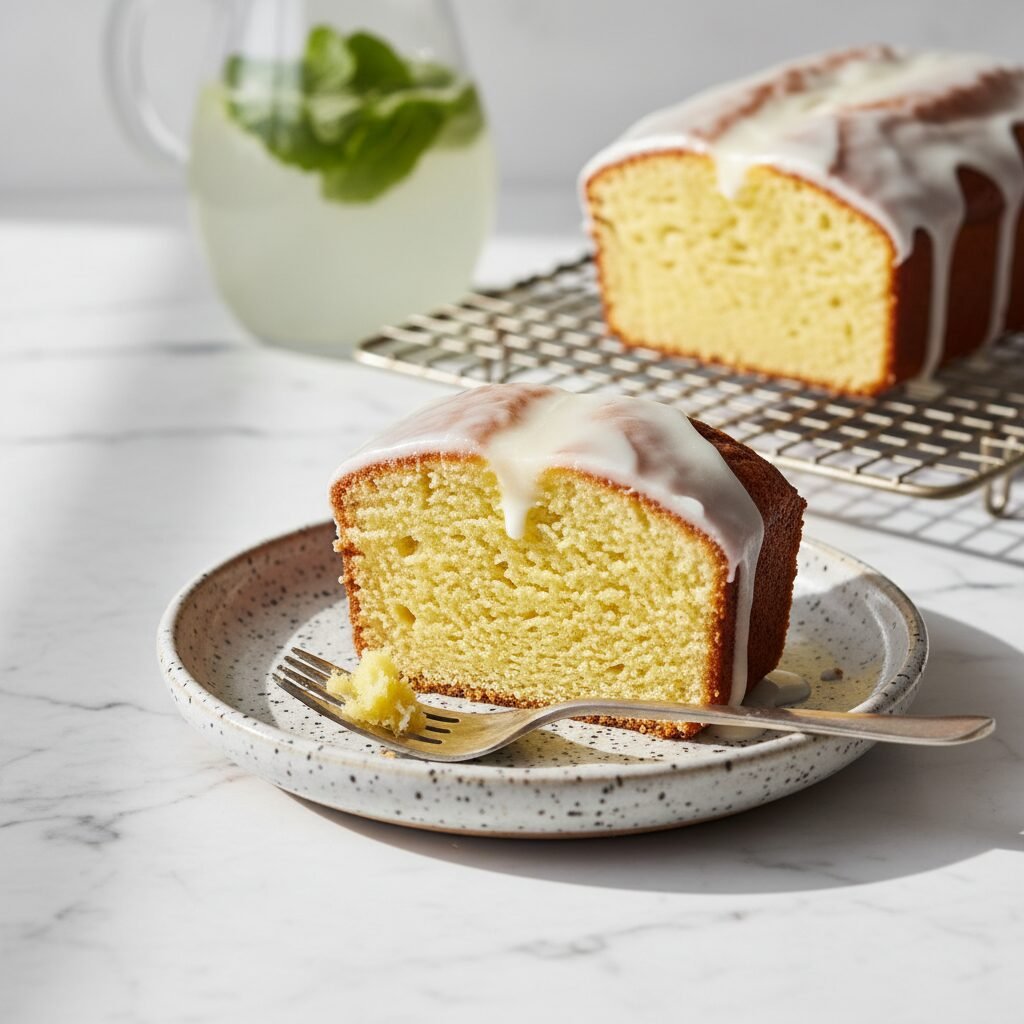
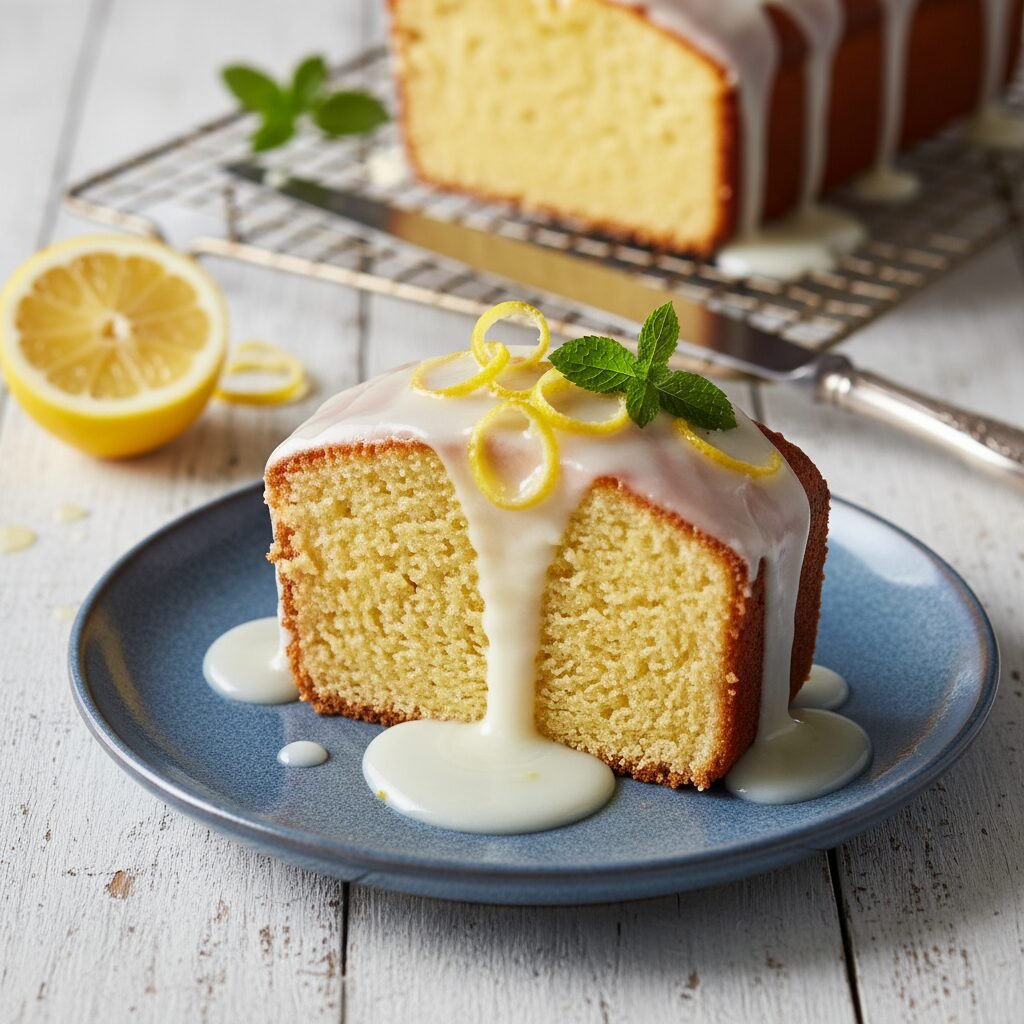
- Once the cake is completely cool, drizzle the glaze generously over the top, letting it drip down the sides. Allow the glaze to set for 15 minutes before slicing.
Expert Cooking Tips
- ✓Room temperature ingredients are non-negotiable; cold eggs or butter will break the emulsion.
- ✓Measure flour correctly by spooning it into the cup and leveling it off, rather than scooping directly from the bag.
- ✓Do not skip the step of rubbing the zest into the sugar; it significantly boosts the aroma.
- ✓Tent the cake with foil if it browns too fast; pound cakes bake slowly and the top can burn before the middle is done.
- ✓Let the cake cool completely before glazing, otherwise, the glaze will melt and soak in rather than sitting on top.
- ✓Use fresh lemon juice, not bottled, for the sharpest and cleanest flavor profile.
Substitutions and Variations
Baking is chemistry, so substitutions should be made with care, but there is some flexibility here. If you do not have sour cream, full-fat Greek yogurt is an excellent 1:1 substitute that provides similar acidity and moisture. Avoid using low-fat or non-fat versions as they will result in a drier cake. If you are out of butter, you can use margarine, but the flavor profile will be less rich. For a gluten-free version, swap the all-purpose flour for a high-quality 1:1 gluten-free baking flour blend that includes xanthan gum; almond flour alone will not work structurally. If you want to vary the citrus, this recipe works beautifully with oranges, limes, or even grapefruits—just swap the zest and juice in equal quantities. For a dairy-free version, use a vegan butter stick and a dairy-free yogurt alternative like coconut or almond yogurt.
Common Mistakes to Avoid
The most common mistake is overmixing the batter once the flour is added. This develops the gluten too much and results in a dense, rubbery cake rather than a tender one. Another frequent error is baking with cold ingredients. If your butter is too cold, it won’t cream properly with the sugar to create air pockets. If your eggs are cold, they can shock the butter and cause the batter to curdle. Additionally, opening the oven door too frequently to check on the cake can cause the temperature to fluctuate and the cake to sink in the middle. Trust your timer and only check towards the end. Finally, measuring flour by dipping the cup into the bag packs the flour down, leading to a dry cake. Always spoon and level.
Serving Suggestions
This moist lemon pound cake shines on its own, but it can be dressed up for various occasions. For a classic afternoon tea, serve thin slices on fine china alongside Earl Grey or English Breakfast tea. For a summer dessert, top a thick slice with macerated strawberries or raspberries and a dollop of freshly whipped cream or a scoop of vanilla bean ice cream. It is also delightful toasted lightly in a skillet with a little butter for breakfast. If you are gifting this, wrap the unglazed loaf in parchment and twine, including a small jar of the glaze on the side so the recipient can drizzle it fresh.
Storage and Reheating Tips
To keep your pound cake fresh, store it in an airtight container at room temperature for up to 3 days. The high sugar and fat content act as preservatives. If you live in a very hot or humid climate, you may want to store it in the refrigerator for up to 1 week, but be sure to let it come to room temperature before eating for the best texture. This cake freezes exceptionally well. Wrap the cooled, unglazed cake (or individual slices) tightly in plastic wrap, then in a layer of aluminum foil. It can be frozen for up to 3 months. Thaw overnight in the refrigerator or on the counter before glazing and serving.
Nutrition Facts (Estimated)
| Serving Size | 1 slice |
| Calories | 380 |
| Fat | 18g |
| Saturated Fat | 10g |
| Unsaturated Fat | 7g |
| Trans Fat | 0g |
| Cholesterol | 85mg |
| Sodium | 180mg |
| Carbohydrates | 52g |
| Fiber | 1g |
| Sugar | 28g |
| Protein | 5g |
Frequently Asked Questions
Why did my pound cake sink in the middle?
This usually happens if the oven door was opened too early during baking, causing a temperature drop, or if the cake was underbaked. It can also result from over-creaming the butter and sugar or using too much leavening agent.
Can I use bottled lemon juice?
Technically yes, but it is highly discouraged. Bottled lemon juice often contains preservatives that alter the flavor, making it taste metallic or overly acidic. Fresh lemons provide the floral oils and bright acidity that define this cake.
How do I know when the cake is done?
Insert a toothpick or cake tester into the deepest part of the center. It should come out clean or with a few moist crumbs. If it has wet batter on it, it needs more time.
Can I bake this in a bundt pan?
Yes, but you will likely need to double the recipe for a standard 10-12 cup bundt pan, as this recipe yields one standard loaf. Adjust the baking time accordingly, likely increasing it to 60-75 minutes.
Why is my cake dry?
Dryness is typically caused by overbaking or measuring the flour incorrectly (packing it into the cup). Check the cake 5 minutes before the timer goes off.
Can I reduce the sugar in this recipe?
Sugar provides moisture and structure, not just sweetness. Reducing it significantly will affect the texture, making the cake denser and drier. We recommend sticking to the recipe for the best crumb.
My glaze is too runny, what do I do?
Simply add more powdered sugar, a tablespoon at a time, whisking until you reach your desired opacity and thickness.
Can I add poppy seeds to this recipe?
Absolutely! Add 1 to 2 tablespoons of poppy seeds with the dry ingredients for a classic Lemon Poppy Seed variation.
Conclusion
Mastering this Moist Lemon Pound Cake recipe is a game-changer for your home baking. It proves that you do not need fancy equipment or obscure ingredients to create a bakery-quality dessert that sings with flavor. The combination of the buttery, dense crumb and the sharp, sweet glaze creates a harmony that is hard to resist. Whether you are a seasoned pro or a novice in the kitchen, this recipe is forgiving, rewarding, and guaranteed to bring a smile to anyone who takes a bite. So grab those lemons, preheat your oven, and get ready to fill your home with the sunshine-filled aroma of fresh citrus cake. Happy baking!