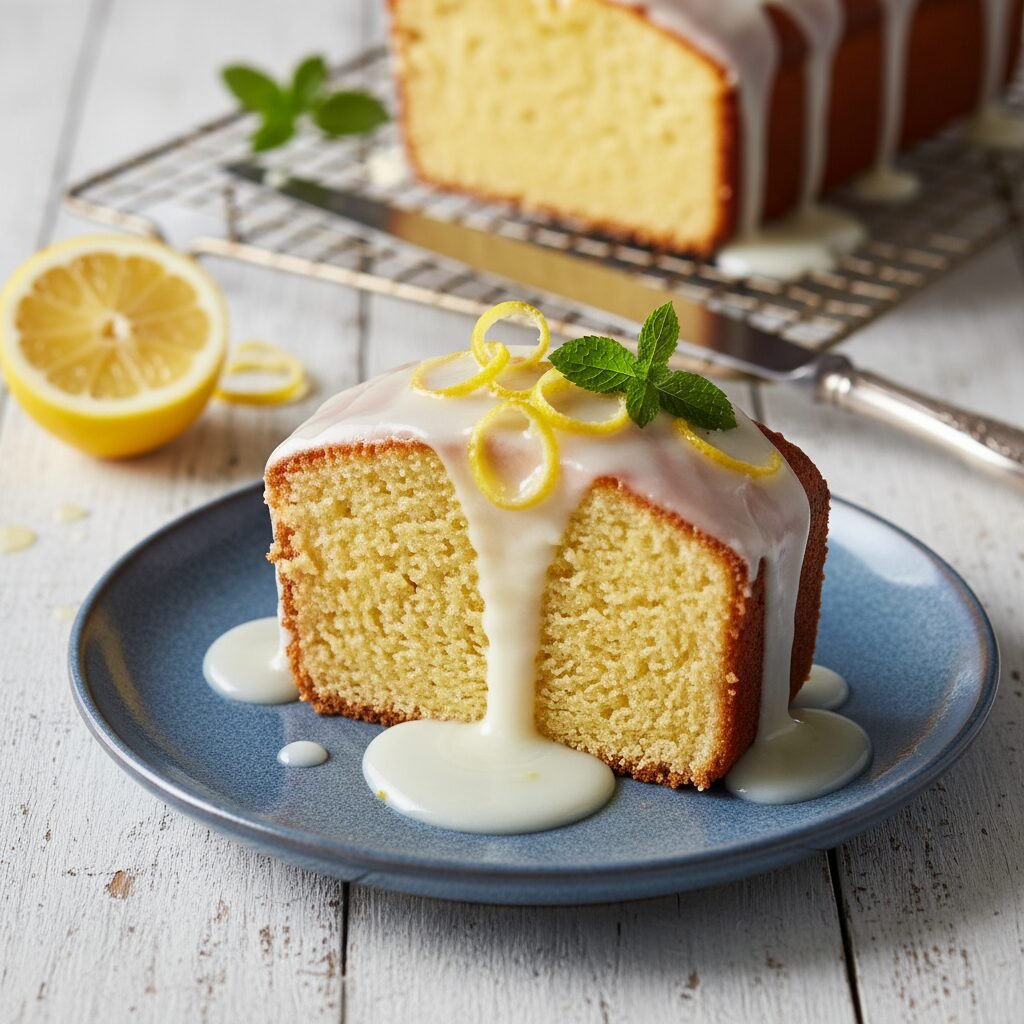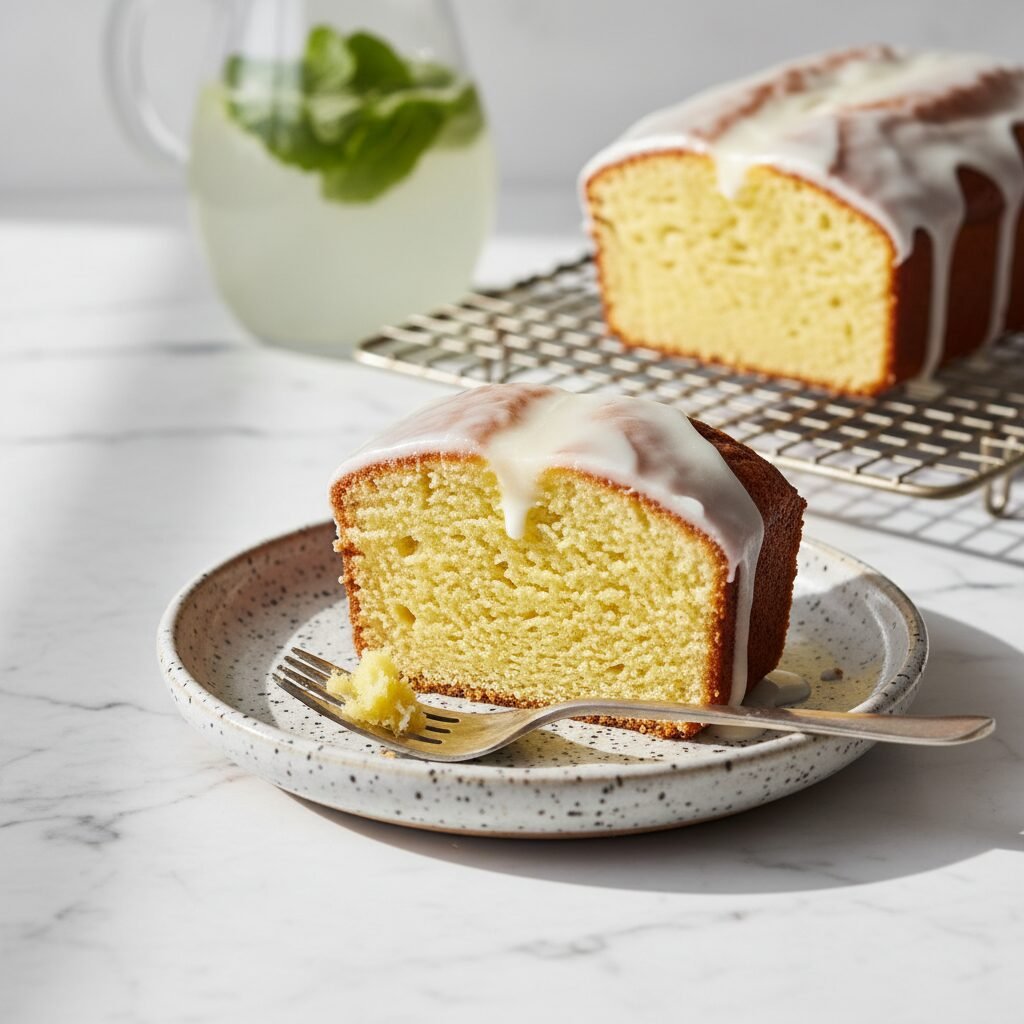
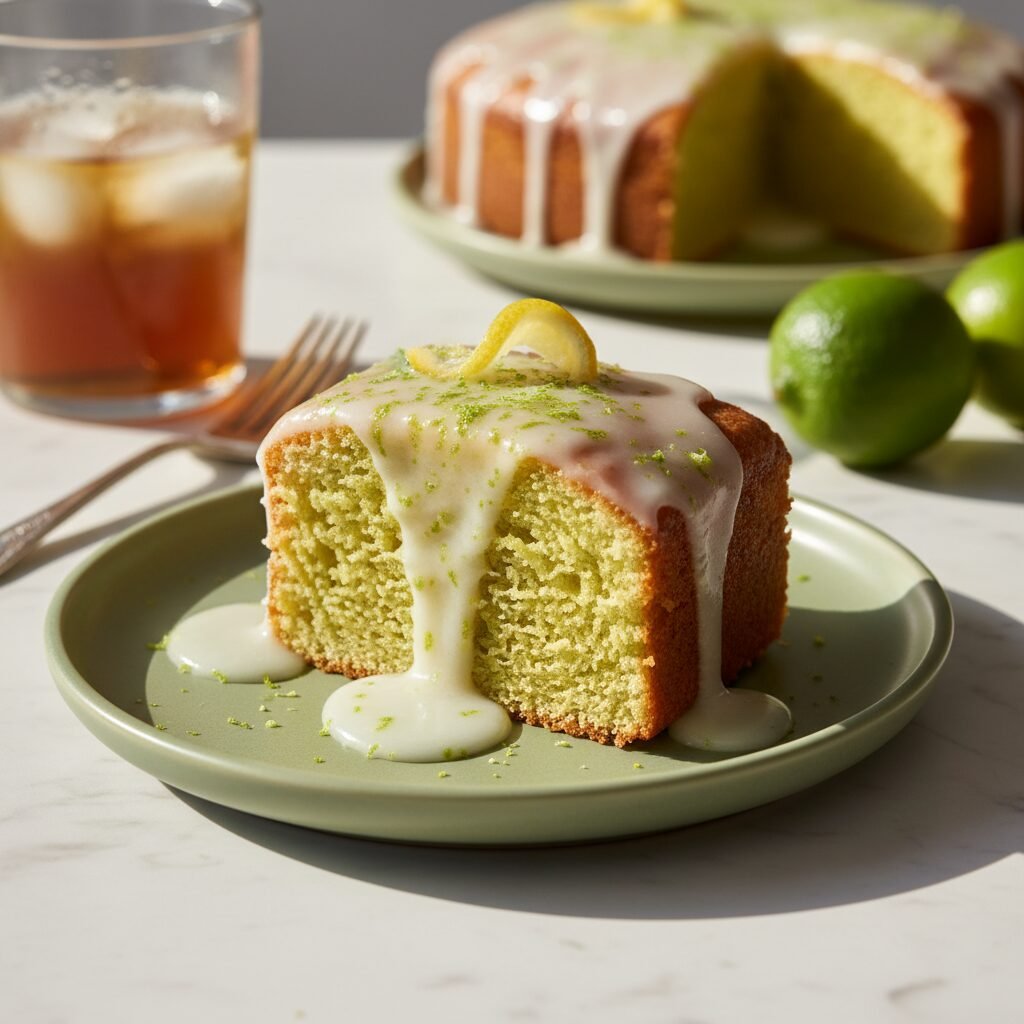
Moist Lime Cake With Lemon Glaze Recipe
Experience the ultimate balance of sweet and tart with this incredibly moist lime cake, drenched in a zesty lemon glaze. Perfect for summer gatherings or a cozy afternoon tea, this recipe guarantees a tender crumb and a bright, refreshing flavor profile that citrus lovers will adore.
20 minutes
50 minutes
1 hour 10 minutes
1 Loaf (8-10 slices)
Dessert
Baking
American / British Fusion
Vegetarian
If you are searching for a dessert that perfectly captures the essence of sunshine on a plate, look no further than this Moist Lime Cake with Lemon Glaze. There is something undeniably cheerful about citrus desserts; they possess a unique ability to lift spirits and awaken the palate with their vibrant zest and tangy undertones. This cake is a celebration of that brightness, marrying the distinct, slightly tropical floral notes of fresh limes with the sharp, clean acidity of a classic lemon glaze. Unlike heavy, overly sugary confections, this cake relies on the interplay between the buttery, tender crumb and the piercing citrus punch to create a sophisticated flavor profile that is both comforting and refreshing.
The texture here is paramount. We have all suffered through dry, crumbly fruit cakes that rely too heavily on syrup to provide moisture. However, this recipe is engineered to be inherently moist from the inside out. By incorporating ingredients like sour cream or Greek yogurt, we ensure a dense yet soft structure that melts in your mouth. The fats in the dairy work in harmony with the acidity of the lime juice to tenderize the gluten strands, resulting in a velvety mouthfeel that stays fresh for days. As the cake bakes, the kitchen fills with an intoxicating aroma of caramelized sugar and essential lime oils, promising a treat that is as aromatic as it is delicious.
What truly elevates this dessert to ‘showstopper’ status, however, is the lemon glaze. Poured over the cake while it is still slightly warm, the glaze does double duty: it creates a delicate, sugary crust on the exterior while seeping into the upper layers of the sponge, infusing every bite with an extra hit of tartness. This duality of lime in the batter and lemon in the icing creates a complex citrus bouquet that dances on the tongue. Whether you are an experienced baker looking for a reliable centerpiece or a novice wanting to impress at a potluck, this lime cake is a foolproof ticket to dessert heaven.
History & Origins
While the specific iteration of a ‘Lime Cake with Lemon Glaze’ is a relatively modern culinary invention, its roots are deeply retrenched in the history of pound cakes and the global trade of citrus fruits. The concept of the pound cake dates back to the early 1700s in Northern Europe, originally named for its simple ratio of a pound each of flour, butter, eggs, and sugar. These early cakes were dense, rich, and sturdy—ideal for preservation but lacking the nuanced flavors we crave today. As baking powder and baking soda became commercially available in the 19th century, cakes became lighter and airier, allowing for the incorporation of heavier, wet ingredients like fruit juices without compromising the rise.
Citrus fruits themselves have a storied past. Limes, originating in Southeast Asia, traveled via trade routes to the Middle East and North Africa before being introduced to Europe and eventually the Americas by explorers like Columbus. For centuries, limes were valued primarily for their ability to prevent scurvy among sailors, rather than for their culinary finesse in baking. It wasn’t until the 19th and 20th centuries, particularly in the Southern United States and the Caribbean, that limes began to take center stage in desserts, most notably in the famous Key Lime Pie. The transition of lime from a pie filling to a primary cake flavoring mirrors the evolution of the American palate, which began to embrace more tart, acidic profiles to cut through the sweetness of traditional sugar-laden desserts.
The pairing of lime and lemon is a nod to the classic ‘citrus mix’ found in marmalades and punches of the Victorian era. By the mid-20th century, ‘drizzle cakes’ became a staple in British tea rooms, where lemon drizzle cake reigns supreme. This recipe is essentially a transatlantic fusion, borrowing the tropical, floral notes of the American lime and combining them with the beloved British technique of glazing a warm sponge with lemon sugar. It represents a modern synthesis of historical baking techniques and global agricultural exchange.
Why This Recipe Works
This recipe succeeds where others fail due to a precise balance of acidity, fat, and temperature management. First and foremost, the inclusion of sour cream (or full-fat Greek yogurt) is the secret weapon. The acidity in the sour cream reacts with the baking soda, creating carbon dioxide bubbles that help the cake rise, while its high fat content shortens gluten strands. This results in a crumb that is incredibly tender and ‘moist’ without being greasy or dense. Unlike milk, which creates a thinner batter, the thickness of sour cream supports the suspension of air bubbles, ensuring the cake doesn’t collapse under the weight of the sugar and flour.
Secondly, we utilize the ‘rubbing method’ for the zest. Instead of simply stirring the lime zest into the batter, we rub it directly into the granulated sugar at the very beginning of the process. The abrasive texture of the sugar crystals acts as an exfoliant for the zest, releasing the essential oils that contain the most potent flavor and aroma. This ensures that the lime flavor is deeply infused throughout the entire cake, rather than appearing as isolated specks of flavor.
Finally, the dual-temperature glazing technique is crucial. We apply the lemon glaze while the cake is still warm, not hot. If the cake is too hot, the glaze simply runs off; if it is cold, the glaze sits on top. By catching the cake in that warm window, the glaze partially absorbs into the crust, creating a sticky, tangy layer that seals in moisture, effectively ‘proofing’ the cake against drying out. This interaction between the warm sponge and the tart glaze amplifies the citrus profile, ensuring that the lemon and lime notes are distinct yet harmonious.
Why You’ll Love This Recipe
- ✓Incredibly moist texture thanks to sour cream
- ✓Double citrus punch with lime sponge and lemon glaze
- ✓Aromatic zest-infused sugar for maximum flavor
- ✓Keeps fresh and moist for days
- ✓Simple preparation with no fancy equipment needed
- ✓Perfect balance of sweet and tart
Equipment You’ll Need
- ✓9×5 inch Loaf Pan
- ✓Electric Hand Mixer or Stand Mixer
- ✓Microplane or Zester
- ✓Large Mixing Bowl
- ✓Medium Mixing Bowl
- ✓Whisk
- ✓Rubber Spatula
- ✓Cooling Rack
- ✓Measuring Cups and Spoons
Ingredients
- ✓1 1/2 cups All-Purpose Flour
- ✓1 tsp Baking Powder
- ✓1/4 tsp Baking Soda
- ✓1/2 tsp Salt
- ✓1 cup Granulated Sugar
- ✓2 tbsp Fresh Lime Zest (approx. 3-4 limes)
- ✓1/2 cup Unsalted Butter, softened to room temperature
- ✓2 Large Eggs, room temperature
- ✓1/4 cup Fresh Lime Juice
- ✓1 tsp Vanilla Extract
- ✓1/2 cup Full-Fat Sour Cream or Greek Yogurt, room temperature
- ✓For the Glaze: 1 cup Powdered Sugar, sifted
- ✓For the Glaze: 2-3 tbsp Fresh Lemon Juice
- ✓For the Glaze: 1 tsp Lemon Zest (optional)
Instructions
- Preheat your oven to 350°F (175°C). Grease a 9×5 inch loaf pan generously with butter or non-stick spray and line it with parchment paper, leaving an overhang on the sides for easy removal.
- In a medium bowl, whisk together the flour, baking powder, baking soda, and salt until well combined. Set this dry mixture aside.
- In a large mixing bowl, combine the granulated sugar and fresh lime zest. Using your fingertips, rub the zest into the sugar for about 1-2 minutes until the sugar looks like damp sand and is very fragrant. This releases the lime oils.
- Add the softened butter to the lime-sugar mixture. Using an electric mixer on medium-high speed, beat until the mixture is pale, fluffy, and aerated, about 3-4 minutes. Scrape down the sides of the bowl as needed.
- Add the eggs one at a time, beating well after each addition. Ensure each egg is fully incorporated before adding the next. Mix in the vanilla extract and fresh lime juice. (Note: The mixture might look slightly curdled due to the acid; this is normal and will smooth out with the flour).
- Reduce the mixer speed to low. Add half of the flour mixture and mix until just combined. Then, add the sour cream (or yogurt) and mix until incorporated.
- Add the remaining flour mixture and mix gently until no streaks of dry flour remain. Do not overmix, or the cake will be tough. Use a spatula to give it a final fold by hand.
- Pour the batter into the prepared loaf pan and smooth the top with your spatula. Tap the pan gently on the counter to release any large air bubbles.
- Bake in the center of the oven for 45-55 minutes, or until a toothpick inserted into the center comes out clean or with a few moist crumbs attached. The top should be golden brown and spring back when lightly touched.
- Remove the cake from the oven and let it cool in the pan for about 10-15 minutes. While it cools, prepare the glaze by whisking together the powdered sugar and lemon juice until smooth. Adjust the consistency with more juice or sugar if needed.
- Lift the cake out of the pan using the parchment paper overhang and place it on a wire rack set over a baking sheet.
- While the cake is still warm (but not piping hot), drizzle the lemon glaze generously over the top, allowing it to drip down the sides. Let the cake cool completely before slicing to allow the glaze to set and the crumb to firm up.
Expert Cooking Tips
- ✓Room temperature ingredients are non-negotiable; cold eggs or dairy can cause the batter to break.
- ✓Do not skimp on the zest rubbing step; it is the primary source of the lime flavor.
- ✓If the top of the cake is browning too quickly in the oven, tent it loosely with aluminum foil after 30 minutes.
- ✓Use freshly squeezed juice for both the cake and glaze; bottled juice lacks the bright floral notes.
- ✓Sifting the powdered sugar for the glaze prevents lumps and ensures a silky smooth finish.
- ✓Letting the cake cool completely before slicing prevents it from crumbling apart.
Substitutions and Variations
Baking is a science, but there is room for flexibility with this recipe. If you do not have sour cream, full-fat Greek yogurt is an excellent 1:1 substitute that maintains the moisture and acidity required. In a pinch, buttermilk can work, though the batter will be thinner, so you may need to reduce the lime juice slightly. For a gluten-free version, use a high-quality 1:1 gluten-free all-purpose flour blend that contains xanthan gum; almond flour alone will not provide enough structure. If you prefer a different citrus profile, this recipe works beautifully with oranges or grapefruits—simply swap the zest and juice quantities accordingly. For a dairy-free option, use a plant-based butter stick and a thick coconut yogurt or dairy-free sour cream alternative. While granulated sugar is best for texture, cane sugar can be used, though it may darken the crumb slightly. Avoid using liquid sweeteners like honey or maple syrup in the cake batter as it disrupts the moisture balance.
Common Mistakes to Avoid
The most common mistake with this cake is overmixing the batter once the flour is added. Overmixing develops the gluten too much, resulting in a tough, rubbery, or dense cake rather than a tender one. Mix only until the flour disappears. Another frequent error is baking with cold ingredients. If your butter, eggs, and sour cream are cold, they won’t emulsify properly, leading to a greasy or uneven texture. Furthermore, opening the oven door too early can cause the cake to sink in the middle due to a sudden drop in temperature; try to wait until at least 35 minutes have passed before checking. Lastly, rushing the glazing process is a pitfall. If you glaze a piping hot cake, the icing will melt completely and disappear; if you glaze a cold cake, it won’t bond with the surface. Aim for that ‘warm’ sweet spot.
Serving Suggestions
This Moist Lime Cake is versatile enough to be served at various occasions. For a casual afternoon tea or coffee break, serve slices simply on their own or with a dollop of lightly sweetened whipped cream to cut the tartness. To elevate it for a dessert course, grill slices briefly to caramelize the sugars and serve warm with a scoop of vanilla bean ice cream and a garnish of candied lime peel. It also pairs wonderfully with fresh berries—raspberries or strawberries offer a nice color contrast and flavor complement. For a brunch spread, arrange slices on a platter garnished with fresh mint leaves and edible flowers for a stunning presentation.
Storage and Reheating Tips
This cake has excellent keeping qualities thanks to the sour cream and syrup-like glaze. Store the cake in an airtight container at room temperature for up to 3 days; in fact, the flavors often meld and improve on the second day. If you live in a very hot or humid climate, you may prefer to store it in the refrigerator for up to 5 days, but be sure to let it come to room temperature before eating to restore the soft texture. For long-term storage, the cake freezes beautifully. You can freeze the whole loaf or individual slices. Wrap tightly in plastic wrap, then a layer of aluminum foil, and place in a freezer bag for up to 3 months. Thaw overnight on the counter before serving.
Nutrition Facts (Estimated)
| Serving Size | 1 Slice |
| Calories | 340 |
| Fat | 16g |
| Saturated Fat | 9g |
| Unsaturated Fat | 6g |
| Trans Fat | 0g |
| Cholesterol | 65mg |
| Sodium | 180mg |
| Carbohydrates | 45g |
| Fiber | 1g |
| Sugar | 28g |
| Protein | 4g |
Frequently Asked Questions
Can I use bottled lime juice instead of fresh?
While you technically can, it is highly discouraged. Bottled lime juice often contains preservatives and lacks the volatile oils found in fresh juice, resulting in a flatter, more artificial flavor. Since citrus is the star here, fresh is best.
Why did my cake sink in the middle?
Sinking usually happens if the cake was underbaked (the center structure wasn’t set), the oven door was opened too early causing a temperature shock, or there was too much leavening (baking powder/soda) used.
Can I make this in a Bundt pan instead of a loaf pan?
Yes, but you will likely need to double the recipe for a standard 10-12 cup Bundt pan. The baking time will also increase significantly, likely to 55-65 minutes. Be sure to grease the Bundt pan very thoroughly.
My glaze is too runny, how do I fix it?
Simply add more sifted powdered sugar, a tablespoon at a time, whisking until you reach your desired thickness. If it’s too thick, add lemon juice by the teaspoon.
Can I reduce the sugar in the recipe?
Reducing sugar can affect the moisture and texture of the cake, not just the sweetness. You can reduce it by about 1/4 cup safely, but any more might result in a drier, less tender crumb.
Why do I need to rub the zest into the sugar?
This technique extracts the essential oils from the zest, which are where the majority of the citrus aroma and flavor live. It infuses the entire batter with flavor rather than having flavor only in the zest bits.
Can I use Meyer lemons instead of regular lemons for the glaze?
Absolutely! Meyer lemons are sweeter and more floral than standard lemons. If you use them, you might find the glaze is slightly less tart, which creates a lovely, milder finish.
Is it necessary to use room temperature ingredients?
Yes, it is crucial. Room temperature ingredients emulsify (blend) together much better, creating a smooth, airy batter that rises properly. Cold ingredients can lead to a lumpy, curdled batter.
Conclusion
There are few things in the baking world as satisfying as pulling a golden, fragrant loaf out of the oven, knowing that a simple combination of flour, sugar, and fruit has transformed into something spectacular. This Moist Lime Cake with Lemon Glaze is a testament to the power of citrus to brighten up our tables and our moods. Whether you are baking for a special occasion or simply treating yourself to a slice of happiness with your morning coffee, this recipe delivers on every front—texture, flavor, and visual appeal. We hope this zesty delight becomes a staple in your recipe box, bringing a little slice of sunshine to your kitchen whenever you need it most. Happy baking!