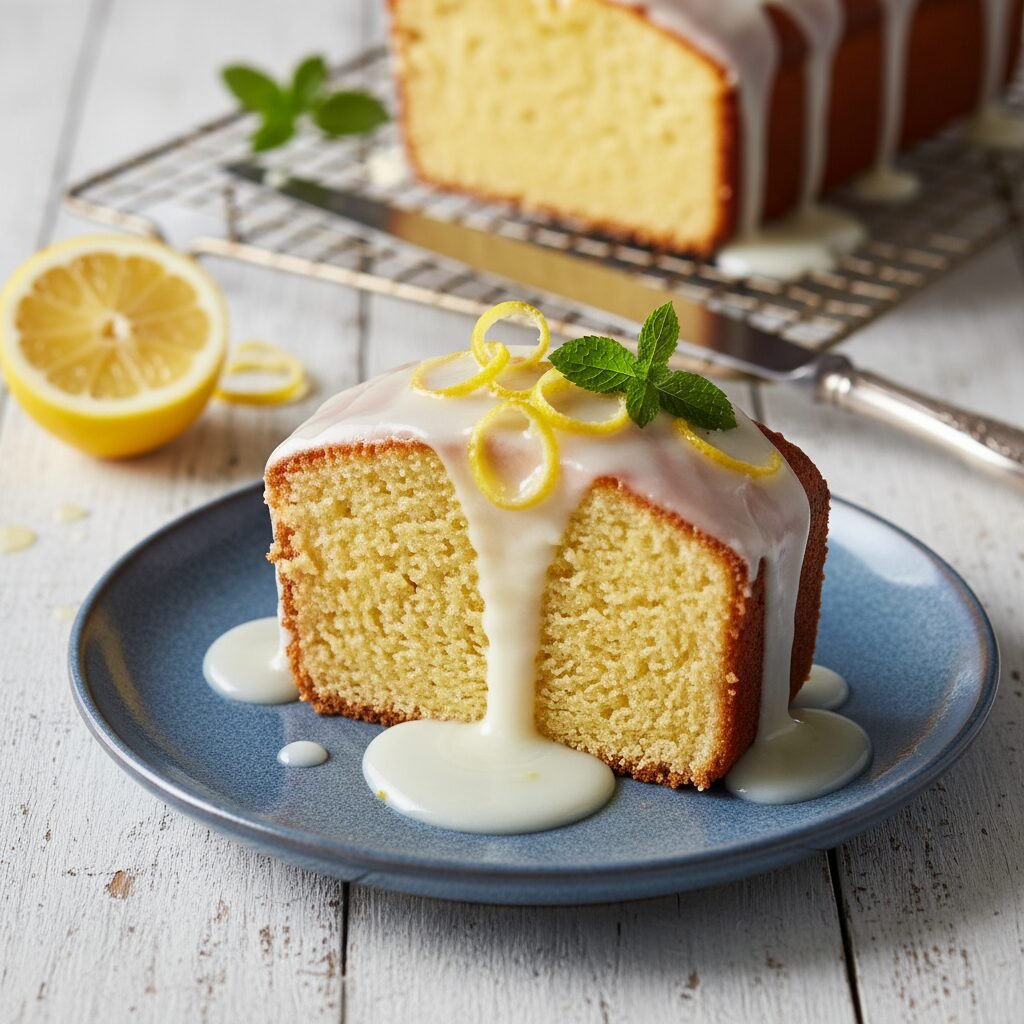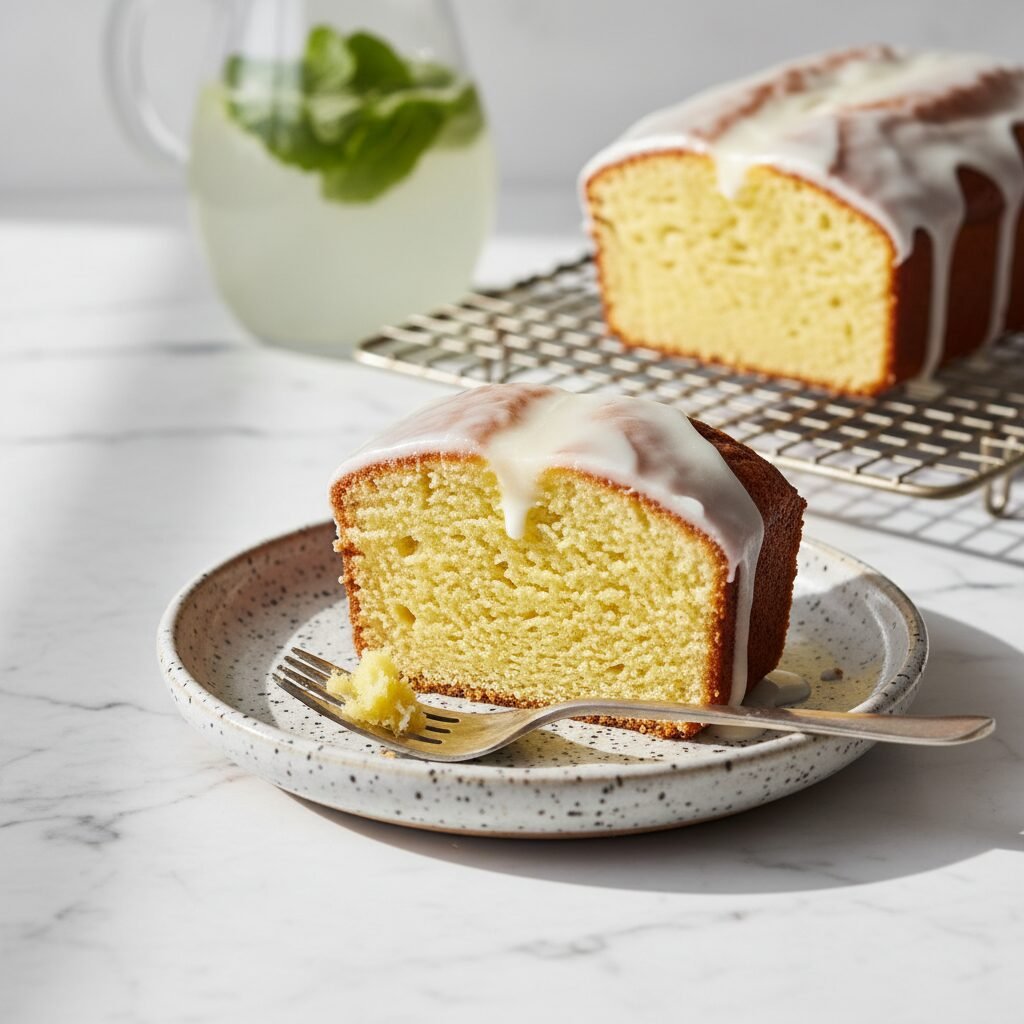
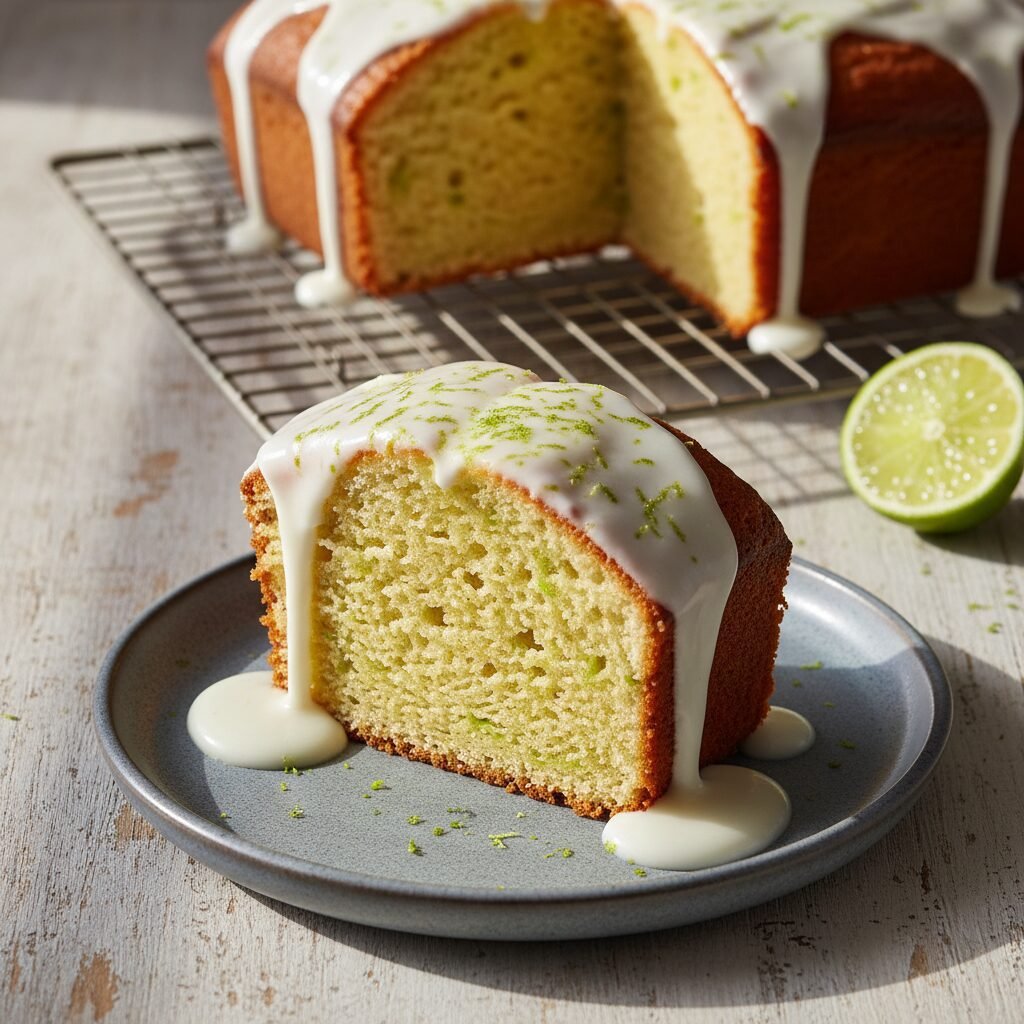
Moist Lime Pound Cake Recipe
Experience the perfect balance of buttery richness and zesty citrus with this incredible Moist Lime Pound Cake. Infused with fresh lime juice and zest, then topped with a tangy glaze, this dense yet tender cake is the ultimate teatime treat or summer dessert.
20 minutes
60 minutes
1 hour 30 minutes
1 loaf (10-12 slices)
Dessert
Baking
American
Vegetarian
There is something undeniably comforting about a classic pound cake, but when you infuse it with the bright, electrifying zest of fresh limes, it transforms into a culinary masterpiece that dances on the palate. This Moist Lime Pound Cake is not just a dessert; it is a celebration of texture and flavor. Imagine a crumb that is tight and dense, characteristic of a traditional pound cake, yet impossibly moist and tender, melting away with every bite. The secret lies in the careful balance of high-quality butter, tangy sour cream, and the essential oils released from fresh lime zest.
Unlike many citrus cakes that rely solely on extracts, this recipe demands the real fruit. We rub the zest directly into the sugar before mixing, a technique that releases the aromatic oils and ensures that every single grain of sugar carries the essence of lime. As the cake bakes, your kitchen will be filled with a fragrance that is equal parts sweet bakery warmth and refreshing tropical breeze. It is the kind of cake that beckons you to slice just one more piece, perfect for a sunny afternoon tea, a bridal shower centerpiece, or a late-night snack when you crave something sweet but not cloying. The tart glaze that cascades down the golden-brown crust provides a sharp, sugary crunch that contrasts beautifully with the soft interior. Whether you are a seasoned baker or a novice looking to impress, this recipe promises a result that looks professional and tastes divine.
History & Origins
The history of the pound cake is as rich and dense as the cake itself. Dating back to the early 1700s in Northern Europe, the original recipe was incredibly simple to remember but physically demanding to make. It called for exactly one pound of each of the four main ingredients: flour, butter, eggs, and sugar. This 1:1:1:1 ratio created a heavy, dense cake that could feed a large crowd and kept well for days, making it a practical staple in colonial households. Because chemical leaveners like baking powder and baking soda had not yet been invented, bakers had to rely on the aeration of the eggs and butter—often beating the batter by hand for over an hour—to achieve any rise.
As the recipe migrated to America, particularly the South, it evolved. By the mid-19th century, cooks began tweaking the ratios to create a lighter texture. The introduction of chemical leaveners allowed for less egg and more liquid, leading to the modern ‘high-ratio’ cakes we enjoy today. The addition of sour cream, buttermilk, or cream cheese became a hallmark of Southern baking, adding moisture and acidity that tenderized the gluten.
Citrus variations appeared as global trade routes made fruits like lemons and limes more accessible. While lemon pound cake became a standard, the lime variation offers a more exotic, floral note that distinguishes it from its yellow cousin. Today, the lime pound cake stands as a testament to this culinary evolution—honoring the structural integrity of the historic original while embracing modern techniques for superior moisture and flavor complexity.
Why This Recipe Works
This recipe succeeds where many others fail because it addresses the two biggest complaints about pound cake: dryness and lack of flavor. First, let’s talk about moisture. Traditional pound cakes can easily turn into dry bricks if overbaked or if the fat content isn’t balanced. We solve this by incorporating full-fat sour cream. The acidity in the sour cream does double duty; it tenderizes the gluten strands in the flour, preventing toughness, and it adds a creamy richness that butter alone cannot achieve. This results in a ‘velvety’ crumb rather than a crumbly one.
Secondly, the flavor profile is maximized through the ‘reverse creaming’ of sugar and zest. By massaging the lime zest into the granulated sugar with your fingertips before adding the butter, you physically abrade the zest cells, releasing potent lime oil that bonds with the sugar crystals. This ensures the citrus flavor is baked deep into the cake, rather than just sitting on top.
Finally, we use room-temperature ingredients. This is chemically imperative. When the butter, eggs, and sour cream are all at the same temp (around 70°F), they emulsify much more effectively. A stable emulsion traps air bubbles during the mixing process, which then expand in the oven, giving the cake a uniform lift and that coveted fine, dense texture without being heavy.
Why You’ll Love This Recipe
- ✓Incredibly moist crumb thanks to the addition of sour cream.
- ✓Intense lime flavor achieved by rubbing zest into the sugar.
- ✓Stays fresh for days, often tasting better on day two.
- ✓Beautiful presentation with a simple, glossy lime glaze.
- ✓Freezes exceptionally well for make-ahead convenience.
- ✓No complicated decoration skills required.
Equipment You’ll Need
- ✓9×5 inch Loaf Pan
- ✓Stand Mixer or Electric Hand Mixer
- ✓Microplane Zester
- ✓Large Mixing Bowl
- ✓Whisk
- ✓Cooling Rack
- ✓Parchment Paper
Ingredients
- ✓1 1/2 cups All-Purpose Flour
- ✓1/2 teaspoon Baking Powder
- ✓1/4 teaspoon Salt
- ✓1 cup Granulated Sugar
- ✓2 tablespoons Fresh Lime Zest (approx. 3 limes)
- ✓3/4 cup Unsalted Butter, room temperature
- ✓3 Large Eggs, room temperature
- ✓1 teaspoon Vanilla Extract
- ✓1/4 cup Fresh Lime Juice
- ✓1/2 cup Full-Fat Sour Cream, room temperature
- ✓1 cup Powdered Sugar (for glaze)
- ✓2 tablespoons Fresh Lime Juice (for glaze)
Instructions
- Preheat your oven to 325°F (165°C). Grease a 9×5 inch loaf pan generously with butter and dust with flour, or line it with parchment paper leaving an overhang for easy removal.
- In a medium bowl, whisk together the flour, baking powder, and salt. Set this dry mixture aside.
- In the bowl of a stand mixer, combine the granulated sugar and fresh lime zest. Use your clean fingertips to rub the zest into the sugar until the mixture looks like wet sand and is very fragrant. This releases the lime oils.
- Add the room temperature butter to the sugar mixture. Beat on medium-high speed for about 3-5 minutes until the mixture is pale, light, and fluffy. Scrape down the sides of the bowl as needed.
- Add the eggs one at a time, beating well after each addition. Ensure each egg is fully incorporated before adding the next. Mix in the vanilla extract.
- Reduce the mixer speed to low. Add about one-third of the flour mixture, followed by half of the sour cream and half of the lime juice. Mix just until combined.
- Add another third of the flour, followed by the rest of the sour cream and lime juice. Finish with the remaining flour mixture. Do not overmix; stop as soon as the flour streaks disappear.
- Pour the batter into the prepared loaf pan and smooth the top with a spatula. Tap the pan gently on the counter to release any large air bubbles.
- Bake for 55-65 minutes, or until a toothpick inserted into the center comes out clean or with just a few moist crumbs attached. If the top starts browning too quickly after 40 minutes, tent it loosely with aluminum foil.
- Remove the cake from the oven and let it cool in the pan for 15 minutes. Then, carefully lift it out using the parchment paper or invert it onto a wire rack to cool completely.
- While the cake cools, prepare the glaze by whisking together the powdered sugar and 2 tablespoons of lime juice until smooth. Adjust consistency by adding more sugar (for thicker) or juice (for thinner).
- Once the cake is completely cool, drizzle the glaze over the top, allowing it to drip down the sides. Let the glaze set for 15 minutes before slicing.
Expert Cooking Tips
- ✓Room temperature ingredients are non-negotiable for a smooth, non-curdled batter.
- ✓Zest the limes before you juice them; it is much harder to zest a squishy, juiced lime.
- ✓Do not open the oven door before the 45-minute mark to prevent the cake from sinking.
- ✓Weigh your flour using a kitchen scale for accuracy; too much flour makes a dry cake.
- ✓Tent the cake with foil if the top browns too fast before the center is cooked.
- ✓Let the cake cool completely before glazing, otherwise the glaze will melt and soak in.
Substitutions and Variations
This recipe is quite versatile if you need to make swaps. If you don’t have sour cream, full-fat Greek yogurt is the best alternative as it has a similar consistency and acidity. In a pinch, buttermilk can work, though the batter will be thinner. For the citrus, lemons are a direct 1:1 substitution if you prefer a classic lemon pound cake, or try oranges for a sweeter profile (reduce the sugar slightly if using oranges). If you need to make this gluten-free, use a high-quality 1:1 gluten-free flour blend that contains xanthan gum; almond flour alone will not provide enough structure. Salted butter can be used instead of unsalted, just omit the additional 1/4 teaspoon of salt in the dry ingredients.
Common Mistakes to Avoid
The most common mistake is overmixing the batter after adding the flour. Once the flour hits the liquid, gluten begins to form. If you beat it too vigorously, you will end up with a tough, rubbery cake instead of a tender one. Another error is using cold ingredients. Cold butter won’t cream properly with sugar to trap air, and cold eggs can shock the butter, causing the batter to curdle (look separating). Lastly, baking by time alone rather than testing for doneness is risky. Oven temperatures vary, so always use a toothpick or cake tester. If the toothpick has wet batter, it needs more time; if it’s clean, take it out immediately to avoid drying it out.
Serving Suggestions
This Moist Lime Pound Cake is stunning on its own, but you can elevate it for special occasions. Serve slices with a dollop of lightly sweetened whipped cream or a scoop of vanilla bean ice cream to cut through the tartness. Fresh berries, particularly raspberries or blackberries, pair beautifully with the lime flavor and add a pop of color. For a brunch setting, toast thick slices of the cake in a pan with a little butter until golden and crisp on the edges—it transforms the texture entirely. It pairs wonderfully with Earl Grey tea or a light roast coffee.
Storage and Reheating Tips
Pound cake actually improves in flavor and texture the day after baking as the moisture redistributes. Store the cake in an airtight container at room temperature for up to 3-4 days. If you live in a very hot or humid climate, you may prefer to store it in the refrigerator for up to a week, but bring it to room temperature before eating for the best texture. For long-term storage, this cake freezes beautifully. Wrap the unglazed loaf (or individual slices) tightly in plastic wrap, then in aluminum foil, and place in a freezer bag. It will keep for up to 3 months. Thaw overnight on the counter before glazing and serving.
Nutrition Facts (Estimated)
| Serving Size | 1 slice |
| Calories | 380 |
| Fat | 18g |
| Saturated Fat | 11g |
| Unsaturated Fat | 6g |
| Trans Fat | 0.5g |
| Cholesterol | 85mg |
| Sodium | 150mg |
| Carbohydrates | 52g |
| Fiber | 1g |
| Sugar | 28g |
| Protein | 5g |
Frequently Asked Questions
Can I use bottled lime juice instead of fresh?
While you *can*, it is highly recommended to use fresh lime juice. Bottled juice often lacks the bright, floral notes of fresh citrus and can have a slightly metallic or overly acidic preservative taste. Since lime is the star flavor, fresh is best.
Why did my pound cake sink in the middle?
Sinking usually happens for two reasons: the cake was underbaked in the center, or the oven door was opened too early, causing a sudden temperature drop that collapsed the rising air bubbles. Ensure your oven temperature is accurate using an oven thermometer.
Can I bake this in a bundt pan?
Yes, but you will likely need to double the recipe for a standard 10-12 cup bundt pan. A single batch fits a standard loaf pan. If doubling for a bundt, bake time will increase to roughly 65-75 minutes.
How do I get the glaze to look white and thick?
The key is the ratio of sugar to liquid. Use less liquid than you think you need. Start with a small amount of juice and whisk vigorously. If you want a very opaque, white glaze, add a teaspoon of milk or heavy cream to the mixture.
Can I reduce the sugar in this recipe?
Sugar provides moisture and tenderness, not just sweetness. Reducing it significantly will alter the texture, making the cake more bread-like and dry. You can reduce it by about 1/4 cup safely, but any more might compromise the result.
Why is my cake dry?
Dry cake is usually the result of overbaking or measuring flour incorrectly (scooping the cup into the bag packs it down, leading to too much flour). Spoon the flour into the cup and level it off, or weigh it.
Can I add poppy seeds to this recipe?
Absolutely! Lime and poppy seed is a classic combination. Add about 1 to 2 tablespoons of poppy seeds with the dry ingredients.
Do I have to use the glaze?
No, the cake is delicious on its own. However, the glaze adds an extra punch of tart lime flavor and helps seal in moisture on the top crust.
Conclusion
This Moist Lime Pound Cake is a testament to the power of simple, high-quality ingredients coming together to create something extraordinary. The bright, zesty flavor profile makes it a standout dessert that feels both sophisticated and homey. Whether you are baking for a crowd or treating yourself to a quiet moment of indulgence, this recipe is sure to become a favorite in your baking repertoire. Don’t forget to share your creations on social media and tag us—we love seeing how your cakes turn out! Happy baking!