Moist Lime Sheet Cake Recipe
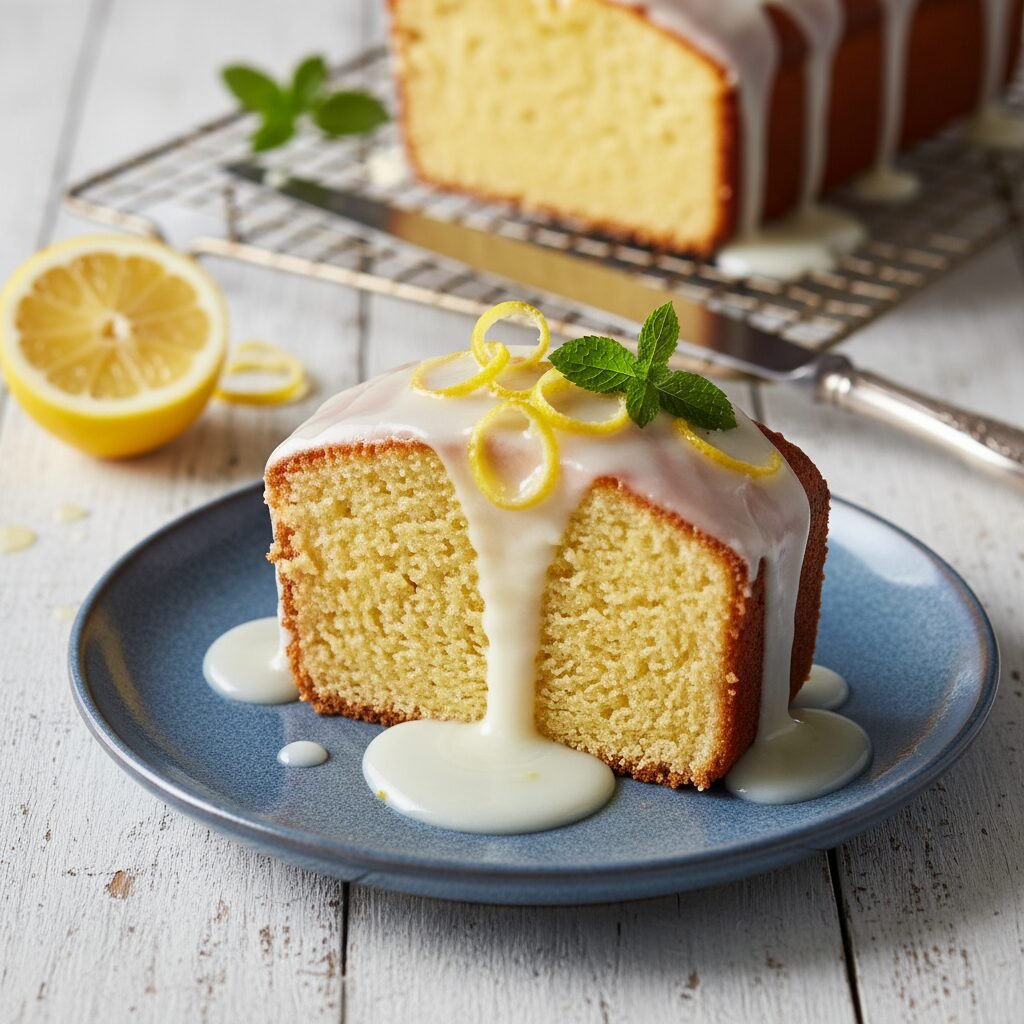
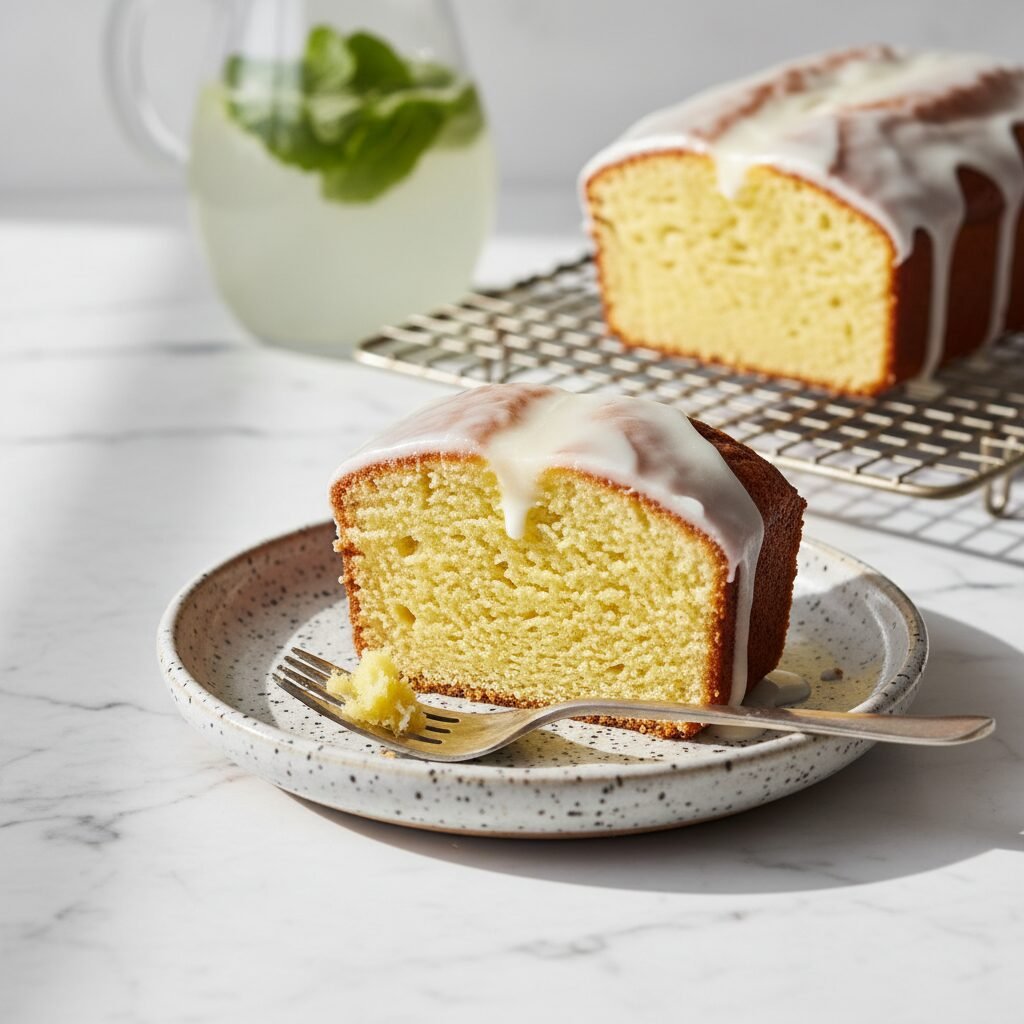
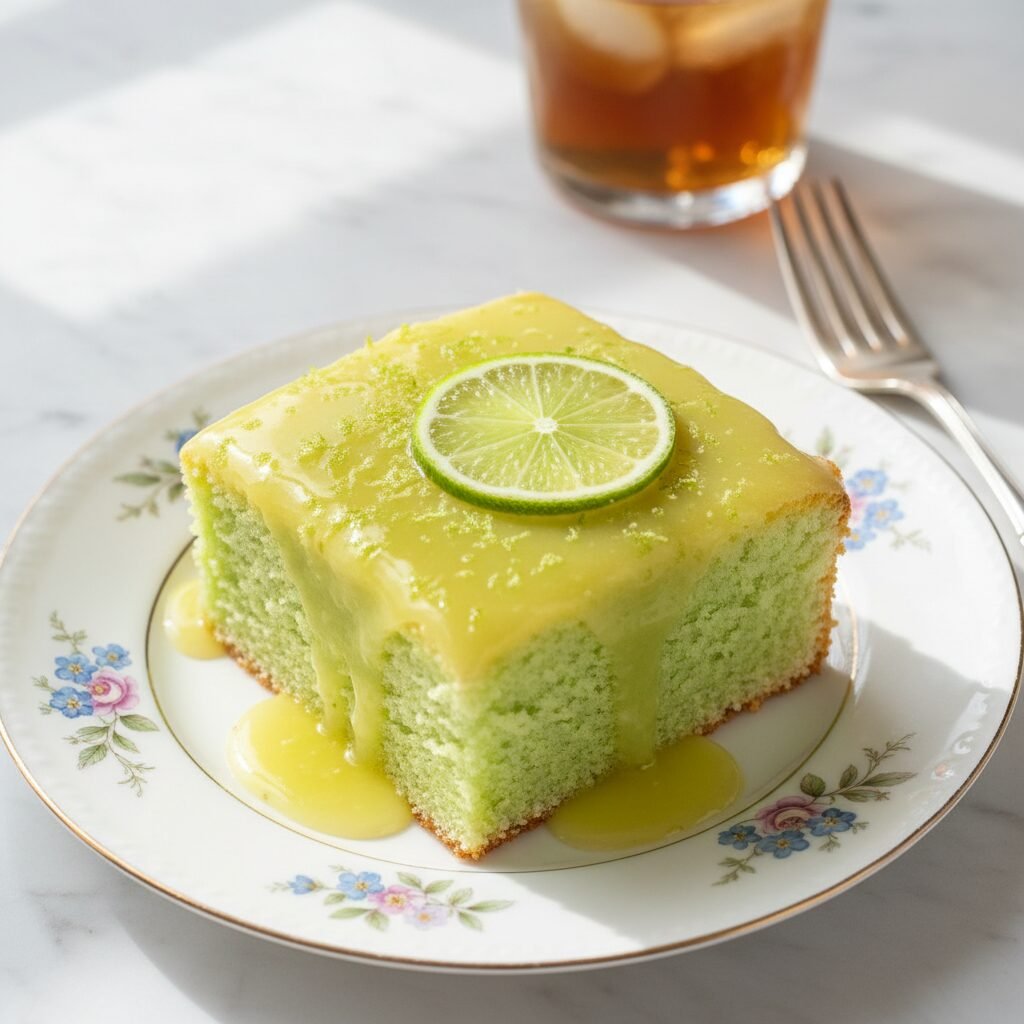
Experience the perfect balance of tart and sweet with this incredibly moist lime sheet cake. Infused with fresh lime zest and topped with a tangy glaze that seeps into every crumb, it is the ultimate refreshing dessert for potlucks and summer gatherings.
20 minutes
25 minutes
45 minutes
20 servings
Dessert
Baking
American
Vegetarian
There is something undeniably cheerful about citrus desserts, and this Moist Lime Sheet Cake is the absolute embodiment of sunshine on a plate. Unlike heavy chocolate cakes or intricate layered confections that require hours of chilling and frosting, this sheet cake celebrates simplicity without sacrificing an ounce of flavor. It captures the essence of a classic pound cake but delivers it in a tender, melt-in-your-mouth texture that only a sheet cake can provide. The magic begins the moment you zest the limes; the essential oils release a fragrance that fills the kitchen, promising a dessert that is as aromatic as it is delicious.
What sets this cake apart is its incredible crumb. It is not dry or crumbly; rather, it possesses a dense yet fluffy consistency that holds up perfectly to the generous pour of tart lime glaze. The glaze doesn’t just sit on top; it crystallizes into a delicate, sugary crust while simultaneously soaking into the upper layers of the sponge, creating a gooey, flavor-packed boundary that makes every bite addictive. This recipe is designed for the home baker who wants high-impact results with minimal stress. Whether you are hosting a backyard barbecue, looking for a refreshing end to a spicy meal, or simply craving a sweet treat that wakes up your palate, this lime sheet cake is your answer. It pairs beautifully with a dollop of whipped cream or a scoop of vanilla bean ice cream, cutting through the richness with its bright, acidic notes. Once you try this method of infusing sugar with zest and glazing the cake while it’s still warm, you will never go back to ordinary dry cakes again.
History & Origins
The concept of the sheet cake is deeply rooted in American baking traditions, particularly within the Southern and Midwestern states. Often associated with the famous ‘Texas Sheet Cake’—a chocolate buttermilk cake poured into a large jelly roll pan and frosted warm—the technique of baking thin, wide cakes revolutionized home baking in the mid-20th century. This method allowed for faster cooking times and easier service for large crowds, making it a staple at church socials, family reunions, and community potlucks.
While chocolate was the original king of sheet cakes, the format quickly adapted to other flavors. As access to fresh produce improved and the American palate expanded, fruit-based variations began to appear in community cookbooks alongside the chocolate classics. The lime version draws heavy inspiration from the Key Lime Pie, a dessert synonymous with the Florida Keys and American summer dining. By taking the tart, floral profile of the Key lime (or Persian lime) and translating it into a sponge cake format, bakers created a dessert that offered the portability of a brownie with the refreshing zing of a citrus tart.
Culturally, citrus cakes have always held a place of prestige in warmer climates where heavy, creamy desserts can feel overwhelming. In the 1950s and 60s, ‘poke cakes’ and glazed loaf cakes became fashionable, utilizing gelatin or fruit juice glazes to enhance moisture. This Moist Lime Sheet Cake is a modern descendant of those mid-century innovations, combining the practicality of the Texas sheet pan method with the timeless appeal of citrus-infused sugar, bridging the gap between a casual snack cake and an elegant tea-time treat.
Why This Recipe Works
This recipe succeeds where others fail because it meticulously balances fat, acid, and sugar to ensure moisture retention and maximum flavor extraction. First, the technique of ‘rubbing’ the lime zest into the granulated sugar before mixing is crucial. The friction releases the essential oils from the zest directly into the sugar crystals, ensuring the lime flavor is distributed evenly throughout the batter rather than getting lost during baking.
Secondly, the fat component is a specific blend of butter and oil. Butter provides that classic, rich dairy flavor that makes cake taste homemade, while vegetable oil ensures the cake remains soft and moist even after sitting out for a day or two. Oil is liquid at room temperature, which prevents the cake from drying out as butter-only cakes sometimes do.
Furthermore, the inclusion of sour cream or Greek yogurt interacts with the baking soda. This acidic reaction not only helps the cake rise, creating a tender crumb, but also tenderizes the gluten strands, preventing toughness. Finally, the glazing technique is the secret weapon. By pouring the glaze over the cake while it is still warm, the liquid is absorbed into the crumb, locking in moisture and intensifying the lime flavor, while the sugar recrystallizes on the surface to form that signature crackly top.
Why You’ll Love This Recipe
- ✓Infused with fresh lime zest for natural citrus flavor.
- ✓Uses a blend of butter and oil for superior moisture.
- ✓Quick baking time due to the sheet pan format.
- ✓Tangy glaze creates a delicious, crackly crust.
- ✓Perfect for feeding large crowds or potlucks.
- ✓Stays moist for days without drying out.
Equipment You’ll Need
- ✓13×18 inch Jelly Roll Pan or 9×13 inch Baking Pan
- ✓Large Mixing Bowl
- ✓Medium Mixing Bowl
- ✓Whisk
- ✓Electric Hand Mixer or Stand Mixer
- ✓Microplane or Zester
- ✓Citrus Juicer
- ✓Rubber Spatula
- ✓Measuring Cups and Spoons
Ingredients
- ✓2 1/2 cups All-purpose flour
- ✓2 cups Granulated sugar
- ✓1/2 teaspoon Baking soda
- ✓1/2 teaspoon Salt
- ✓1 cup Unsalted butter, room temperature
- ✓1/2 cup Vegetable oil
- ✓1 tablespoon Fresh lime zest (about 2 limes)
- ✓4 Large eggs, room temperature
- ✓1/2 cup Fresh lime juice
- ✓1 cup Sour cream or plain Greek yogurt
- ✓1 teaspoon Vanilla extract
- ✓FOR THE GLAZE:
- ✓2 cups Powdered sugar, sifted
- ✓1/3 cup Fresh lime juice
- ✓1 tablespoon Lime zest for garnish
Instructions
- Preheat your oven to 350°F (175°C). Grease a 13×18 inch jelly roll pan (or a 9×13 inch pan for a thicker cake) generously with butter or non-stick spray.
- In a small bowl, combine the granulated sugar and 1 tablespoon of lime zest. Use your fingers to rub the zest into the sugar until it becomes fragrant and resembles wet sand. This releases the essential oils.
- In a medium bowl, whisk together the flour, baking soda, and salt. Set aside.
- In a large mixing bowl or stand mixer, cream the room temperature butter and the lime-infused sugar together on medium-high speed until light and fluffy, about 3-4 minutes.
- Slowly drizzle in the vegetable oil while continuing to mix.
- Add the eggs one at a time, beating well after each addition. Scrape down the sides of the bowl to ensure everything is incorporated.
- Mix in the vanilla extract and fresh lime juice. The mixture might look slightly curdled due to the acid; this is normal.
- Reduce the mixer speed to low. Add half of the flour mixture, followed by the sour cream, and then the remaining flour mixture. Mix just until combined. Do not overmix.
- Pour the batter into the prepared pan and spread it evenly with a rubber spatula to the corners.
- Bake for 20-25 minutes (if using a jelly roll pan) or 30-35 minutes (if using a 9×13 pan), or until a toothpick inserted into the center comes out clean and the edges are golden brown.
- While the cake is baking, prepare the glaze. Whisk together the powdered sugar and 1/3 cup lime juice until smooth. It should be pourable but not like water.
- Remove the cake from the oven. While it is still warm (wait about 5 minutes), poke holes over the surface using a fork or skewer.
- Pour the glaze evenly over the warm cake, using a spatula to spread it to the edges. The heat will help the glaze soak in.
- Sprinkle fresh lime zest over the top immediately before the glaze sets.
- Allow the cake to cool completely in the pan before slicing into squares.
Expert Cooking Tips
- ✓Room temperature ingredients are key. Ensure your butter, eggs, and sour cream are not cold, as this helps the batter emulsify properly.
- ✓Don’t skimp on the zest. The zest contains the floral aroma of the lime, while the juice provides the tartness. You need both for a full flavor profile.
- ✓Rub the sugar and zest together first. This step is often skipped but makes a huge difference in the intensity of the citrus flavor.
- ✓Do not overmix the batter once the flour is added. Overmixing develops gluten and will result in a tough, rubbery cake instead of a tender one.
- ✓Glaze while warm. Applying the glaze to a warm cake allows it to permeate the top layer, adding moisture and flavor deep inside.
- ✓Sift your powdered sugar. This prevents lumps in your glaze, ensuring a smooth, professional finish.
Substitutions and Variations
If you find yourself missing an ingredient, there are several viable substitutions. For the sour cream, you can easily swap in full-fat plain Greek yogurt or even buttermilk; both provide the necessary acidity and fat content to keep the cake tender. If you prefer a different citrus profile, this recipe works wonderfully with lemons or oranges—just swap the zest and juice 1:1. For the fat, while the butter/oil blend is optimal, you can use all butter for a denser cake or all oil for a lighter, spongier texture, though you may lose some richness. Gluten-free all-purpose flour blends (especially those with xanthan gum) can be substituted for regular flour with good results. If you want to reduce the sugar, you can cut the granulated sugar in the cake by about 1/4 cup, but be aware that sugar contributes to moisture, not just sweetness.
Common Mistakes to Avoid
The most common mistake with sheet cakes is overbaking. Because the batter is spread thin (especially in a jelly roll pan), it cooks much faster than a standard round cake. Watch it closely; dry cake is often just overcooked cake. Another error is glazing a cold cake. If the cake is cold, the glaze will just sit on top and may slide off or become too thick; the warmth is needed to bond the glaze to the crumb. Using bottled lime juice instead of fresh is also a pitfall. Bottled juice lacks the brightness and floral notes of fresh limes and often has a metallic or overly acidic aftertaste that can ruin the delicate flavor profile. Finally, failing to grease the pan adequately can lead to a disaster when trying to lift the slices out.
Serving Suggestions
This cake is versatile enough to be served straight from the pan at a picnic or plated elegantly for a dinner party. For a casual gathering, cut it into small squares and serve it on napkins or paper plates—it’s sturdy enough to be a finger food. To elevate the presentation, serve a larger square on a dessert plate with a dollop of freshly whipped cream or a scoop of coconut sorbet, which complements the lime beautifully. Garnish with a thin twist of lime peel or a sprig of fresh mint for a pop of color. It pairs exceptionally well with iced tea, lemonade, or a hot cup of Earl Grey tea, as the bergamot in the tea echoes the citrus notes in the cake.
Storage and Reheating Tips
Because this cake is so moist, it stores very well. It can be kept at room temperature in an airtight container or covered tightly with plastic wrap for up to 3 days. In fact, the flavor often improves on the second day as the lime oils meld with the cake. For longer storage, keep it in the refrigerator for up to a week, though you should let it come to room temperature before eating for the best texture. The cake also freezes beautifully. You can freeze individual slices wrapped in plastic wrap and foil for up to 3 months. Thaw them on the counter for an hour before serving. If freezing the whole cake, it is best to do so without the glaze, adding the glaze fresh after thawing, though glazed slices freeze acceptably as well.
Nutrition Facts (Estimated)
| Serving Size | 1 slice |
| Calories | 280 |
| Fat | 12g |
| Saturated Fat | 6g |
| Unsaturated Fat | 5g |
| Trans Fat | 0g |
| Cholesterol | 45mg |
| Sodium | 180mg |
| Carbohydrates | 40g |
| Fiber | 0.5g |
| Sugar | 22g |
| Protein | 3g |
Frequently Asked Questions
Can I use Key limes instead of regular Persian limes?
Absolutely. Key limes have a more aromatic, floral, and tart flavor which is delicious in this cake. However, they are much smaller and harder to juice, so prep time will increase.
Why did my cake sink in the middle?
Sinking usually happens if the cake was underbaked or if the oven door was opened too early, causing a temperature drop. It can also result from over-leavening (too much baking soda).
Can I make this in a bundt pan?
Yes, but the baking time will change significantly. A bundt cake will likely take 45-55 minutes. You will also need to ensure the pan is very well greased.
Is the glaze supposed to be hard or sticky?
The glaze should form a thin, slightly crusty shell on top (like a glazed donut) but remain sticky and moist where it touches the cake.
Can I reduce the sugar in the glaze?
You can, but the glaze may become runny and won’t set into a crust. If it’s too sweet for you, try making half the amount of glaze and drizzling it lightly.
My batter looks curdled after adding the lime juice. Is it ruined?
No, it is not ruined. This is normal when acid meets fat/dairy. Once you add the flour, the batter will smooth out and come together perfectly.
Can I use a gluten-free flour blend?
Yes, a high-quality 1:1 gluten-free baking flour works well. The texture might be slightly different, but the moisture in this recipe helps accommodate GF flours.
Do I have to use a stand mixer?
No, a hand mixer works perfectly fine. You can even mix it by hand with a whisk and strong arm, though creaming the butter and sugar properly takes more effort.
Conclusion
This Moist Lime Sheet Cake is truly a testament to the power of simple, fresh ingredients coming together to create something extraordinary. It is a dessert that manages to be comforting and sophisticated all at once, with a brightness that lifts the spirits. Whether you are an experienced baker or a novice in the kitchen, the forgiving nature of this sheet cake recipe ensures success. The interplay of the buttery crumb and the sharp, zesty glaze is a flavor combination that will have your friends and family asking for the recipe. So, grab a bag of fresh limes, preheat your oven, and get ready to enjoy one of the most refreshing cakes you will ever bake.